
Sweet potatoes are widely known as one of the most nutrient-dense and antioxidant-rich root vegetables available today. Yes — sweet potatoes are good for you because they are rich in vitamin A, fiber, vitamin C, potassium, and natural antioxidants that support overall wellness. Their colorful varieties (orange, purple, white) offer different beneficial plant compounds, making them an excellent addition to a balanced diet.
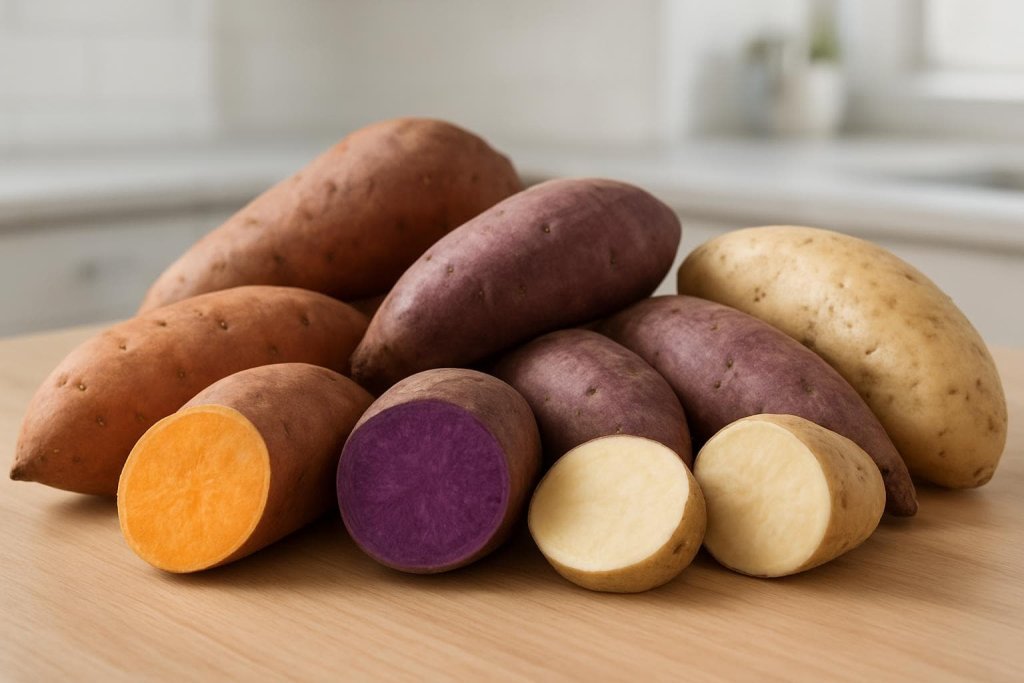
Understanding the benefits of sweet potatoes helps you make informed choices about how to use them for better energy, digestive comfort, immune support, and heart wellness. According to nutrition data from USDA FoodData Central and expert guidance from Harvard T.H. Chan School of Public Health, sweet potatoes offer impressive nutritional value when prepared in healthy ways.
What Are Sweet Potatoes? (Overview and Nutrition Profile)
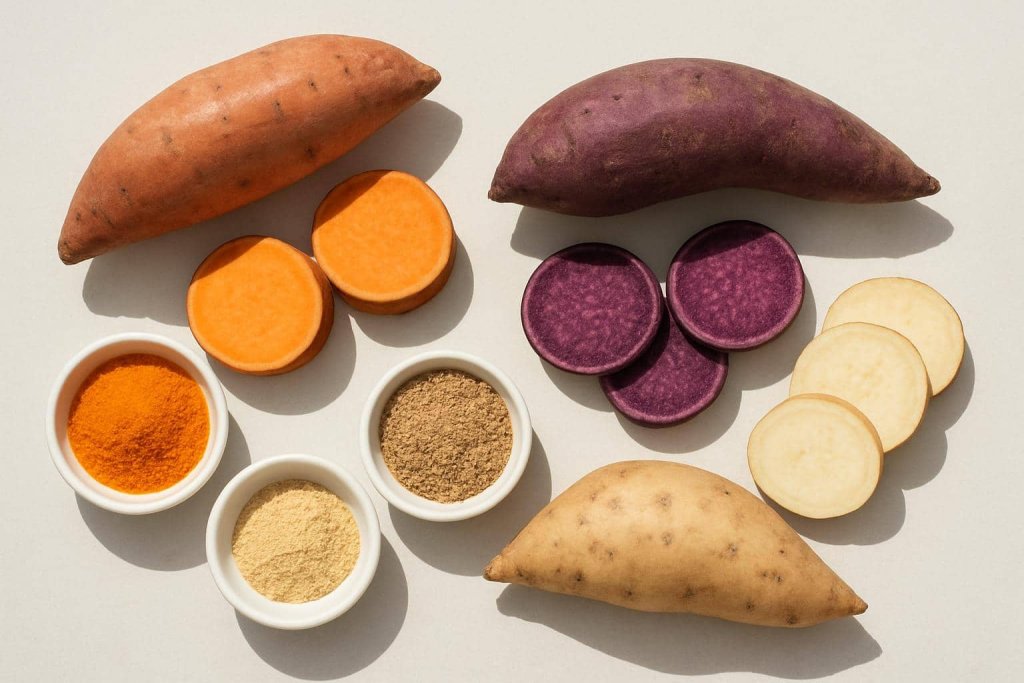
Sweet potatoes (Ipomoea batatas) are naturally sweet, starchy root vegetables known for their vibrant colors and impressive nutrient density. Unlike regular potatoes, sweet potatoes are rich in beta-carotene, fiber, antioxidants, and slow-digesting carbohydrates, making them a popular choice in wellness-focused meal plans. They come in several varieties—including orange, purple, yellow, and white—each offering its own unique set of phytonutrients.
Sweet potatoes are widely used in both savory and sweet dishes and can be baked, boiled, roasted, mashed, or added to soups, grain bowls, and smoothies. Their versatility, affordability, and nutrient richness have made them a staple in many cultural diets around the world.
Nutrition Profile of Sweet Potatoes (Per 100 g, Raw)
Based on data from USDA FoodData Central, sweet potatoes offer a well-rounded combination of essential vitamins, minerals, and fiber:
- Calories: ~86
- Carbohydrates: ~20 g
- Fiber: ~3 g
- Sugars: ~4 g
- Protein: ~1.6 g
- Fat: ~0.1 g
- Potassium: ~300–337 mg
- Vitamin A (as beta-carotene): Very high concentration
- Vitamin C: ~3–4 mg
- Manganese: Present in beneficial amounts
- B Vitamins: Small but valuable amounts (B6, folate)
Sweet potatoes are also naturally gluten-free and considered a nutrient-dense carbohydrate source, making them suitable for heart-healthy, Mediterranean, plant-forward, and balanced diets.
12 Science-Backed Health Benefits of Sweet Potatoes
Sweet potatoes offer an impressive blend of vitamins, minerals, fiber, and antioxidants that support overall wellness. Their orange, purple, and white varieties each contain unique plant compounds—such as beta-carotene or anthocyanins—that contribute to different aspects of health when eaten as part of a balanced diet.
1. Supports Healthy Vision

Sweet potatoes—especially deep orange varieties—are naturally rich in beta-carotene, a pigment the body converts into vitamin A. Vitamin A is essential for maintaining normal vision, supporting eye surface moisture, and aiding low-light adaptation.
According to the Harvard T.H. Chan School of Public Health’s overview of vitamin A and carotenoids, consuming foods rich in beta-carotene may help support long-term eye health when included regularly in a varied diet.
2. Helps Support Immune Function
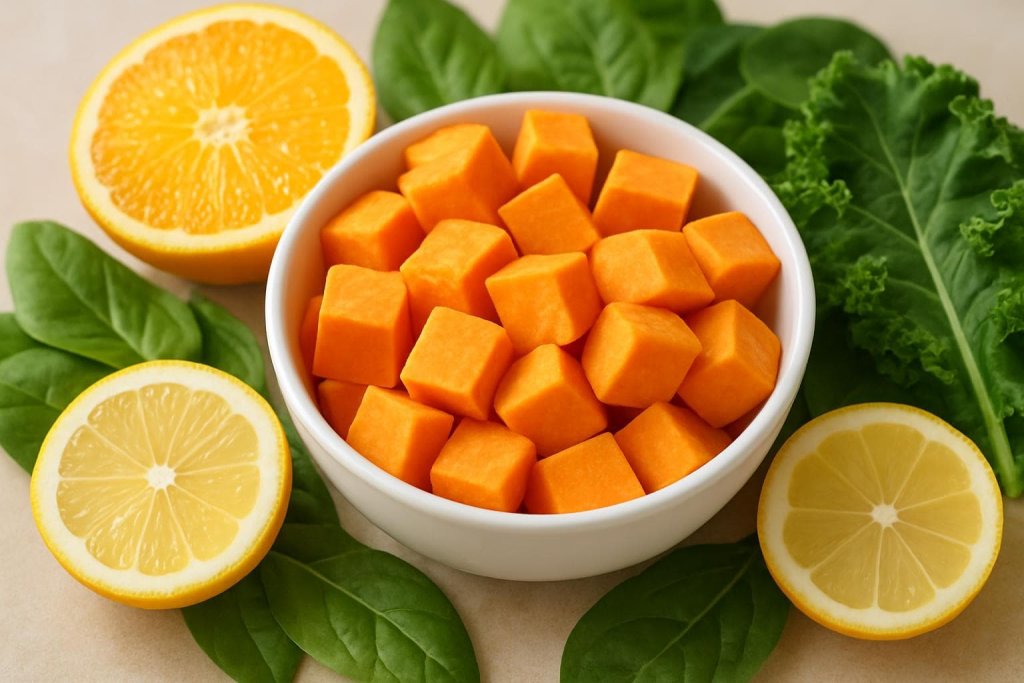
Just one medium sweet potato can provide more than the full daily recommended intake of vitamin A, making it a strong contributor to immune system support. Vitamin A helps maintain the integrity of mucosal barriers, while vitamin C supports antioxidant defenses and normal immune activity.
The NIH Office of Dietary Supplements’ Vitamin A Fact Sheet highlights that vitamin A plays an essential role in immune system development and maintenance.
3. May Support Digestive Health

Sweet potatoes contain a beneficial blend of soluble fiber, which may help soften stool, and insoluble fiber, which supports regular bowel movements. This combination may help promote overall digestive comfort.
The Harvard T.H. Chan School of Public Health’s guidance on dietary fiber notes that fiber supports gut health by feeding beneficial gut bacteria and helping maintain gastrointestinal regularity.
4. Supports Heart Health

Sweet potatoes are a naturally rich source of potassium, a mineral that plays a key role in maintaining normal blood pressure. Potassium works with sodium to help regulate fluid balance and support overall cardiovascular wellness.
According to the American Heart Association’s information on potassium and heart health, potassium-rich diets may support heart function and help maintain healthy blood pressure levels.
5. May Support Balanced Blood Sugar (When Eaten in Proper Portions)

Sweet potatoes are naturally higher in carbohydrates, but their lower glycemic index, fiber content, and slower digestion rate may help support steadier blood sugar levels compared with many refined starches. Preparing them by baking or boiling with the skin helps retain fiber, which may further support balanced glucose responses.
For individuals managing diabetes, pairing sweet potatoes with protein, healthy fats, or non-starchy vegetables may help slow digestion and promote more stable post-meal blood sugar levels. The Centers for Disease Control and Prevention’s Diabetes Meal Planning guidance explains that combining carbohydrates with fiber-rich foods, lean proteins, or healthy fats can help maintain steadier blood glucose throughout the day.
6. Helps Support Weight Management
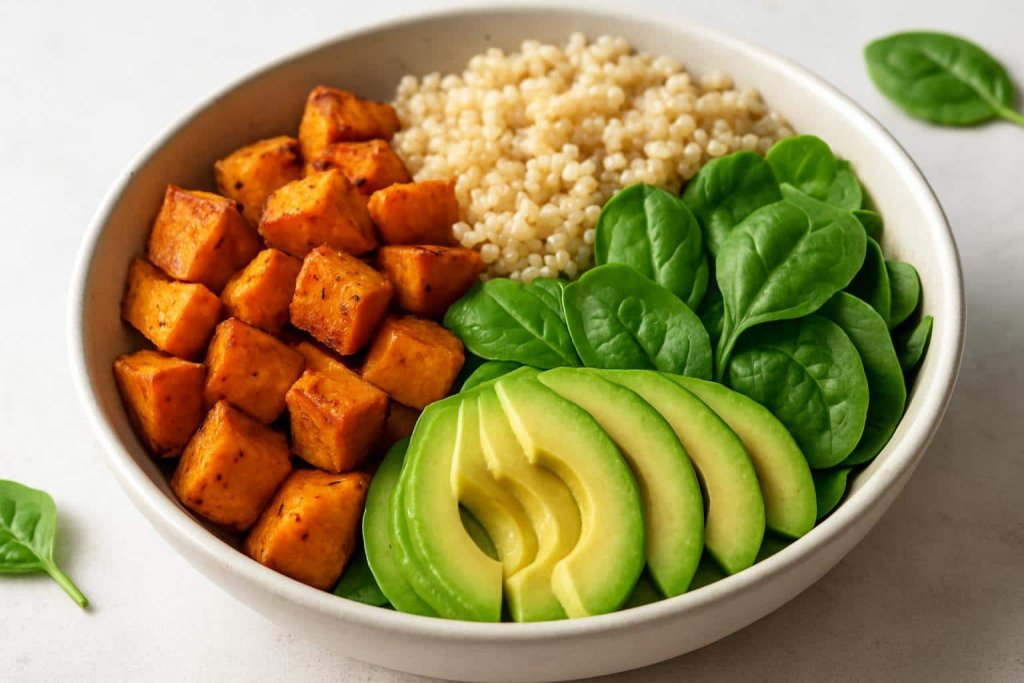
Because sweet potatoes contain filling fiber and slow-digesting carbohydrates, they may support satiety and help reduce overeating. When prepared in healthy ways—such as baking, roasting, boiling, or air-frying with minimal added oil—they can serve as a wholesome alternative to refined or fried starches.
7. Rich in Antioxidants
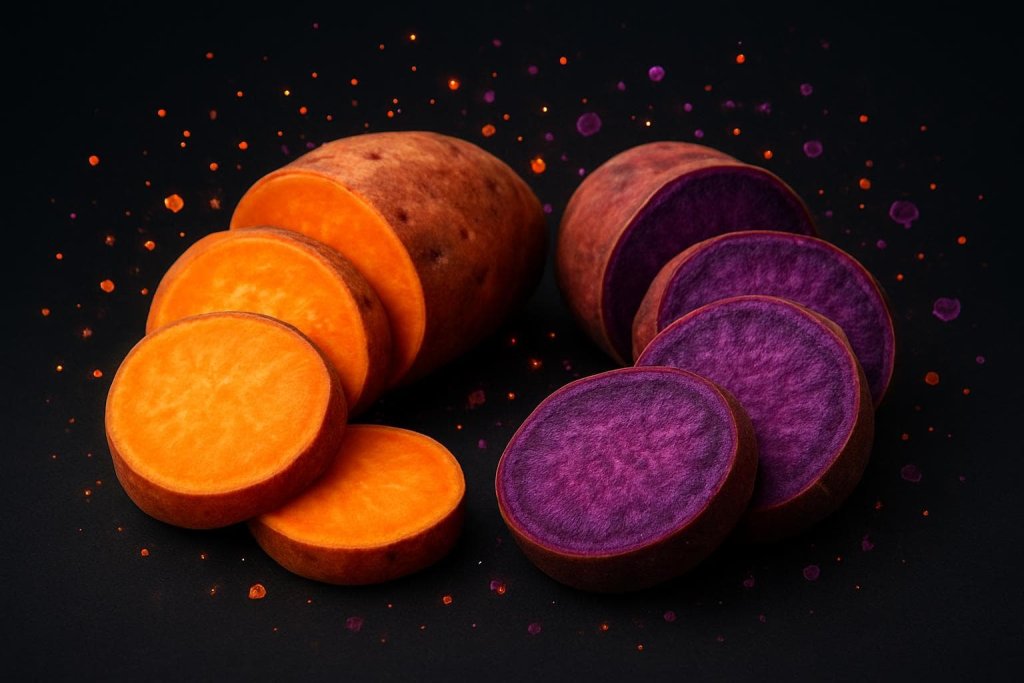
Sweet potatoes are naturally rich in antioxidants, but the type and amount vary by color. Orange sweet potatoes are high in beta-carotene, a precursor to vitamin A, while purple varieties contain anthocyanins, a group of plant compounds known for their strong antioxidant properties. These nutrients may help reduce oxidative stress and support long-term cellular wellness as part of a balanced diet.
According to the National Center for Biotechnology Information’s scientific overview on antioxidants, antioxidants help neutralize reactive oxygen species (free radicals) and support healthy cellular function.
8. May Support Healthy Skin

Vitamin A supports normal skin cell turnover, while vitamin C is involved in collagen synthesis—both of which play a role in maintaining healthy skin. Including sweet potatoes in a nutrient-diverse diet may help support skin wellness.
The NIH Office of Dietary Supplements’ Vitamin C Fact Sheet explains vitamin C’s importance for collagen production and skin structure.
9. Provides Steady, Long-Lasting Energy

Sweet potatoes contain complex carbohydrates, which release energy more slowly than simple sugars. This steady energy release may help support physical endurance, mental focus, and balanced energy levels throughout the day—making sweet potatoes especially supportive for athletes or active individuals.
10. Supports Gut Microbiome Health
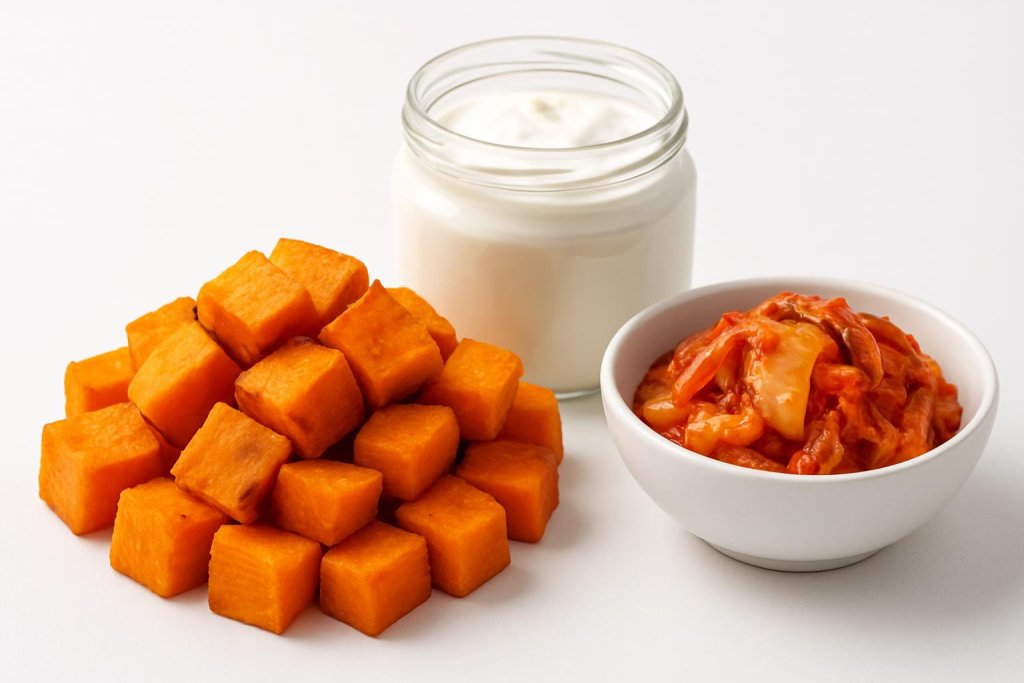
When sweet potatoes are cooked and then cooled, they may form small amounts of resistant starch, a type of prebiotic fiber. This compound may help nourish beneficial gut bacteria, supporting digestive balance, metabolic function, and overall gut microbiome diversity.
11. Helps Improve Nutrient Diversity in Your Diet
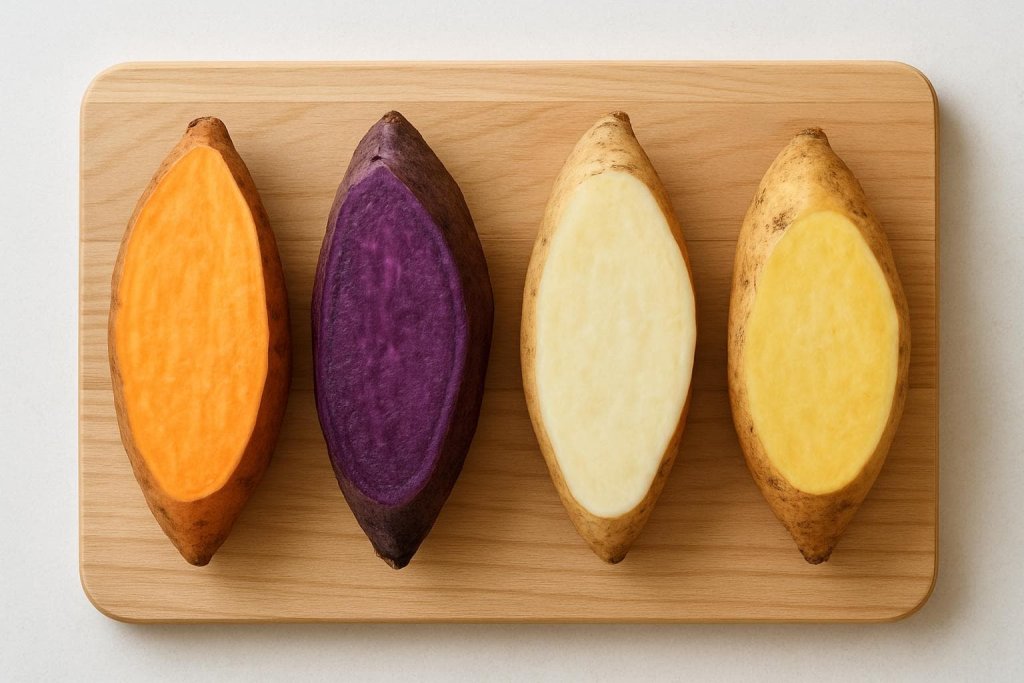
Sweet potatoes come in many colors—orange, purple, yellow, and white—and each variety contains unique antioxidants and bioactive compounds. Eating multiple colors increases dietary diversity, which nutrition researchers often associate with better long-term wellness due to broader nutrient exposure.
12. Affordable, Accessible Source of Key Nutrients

Sweet potatoes are widely available year-round and provide substantial nutritional value at a relatively low cost. Their affordability makes them an easy addition to meal planning for families, students, and individuals following budget-friendly diets.
The USDA Economic Research Service’s produce pricing data shows that sweet potatoes consistently fall within an accessible price range compared with other nutrient-dense vegetables.
Possible Side Effects and Precautions
Sweet potatoes are generally considered safe and nutrient-dense, but some individuals should be mindful of specific health considerations.
Oxalates and Kidney Stone Risk
Sweet potatoes contain natural oxalates, which may contribute to the formation of calcium-oxalate kidney stones in people who are already prone to them. Individuals with a history of kidney stones may benefit from moderating their intake and pairing sweet potatoes with calcium-rich foods, which can help bind oxalates in the gut rather than allowing them to accumulate in the kidneys. The National Kidney Foundation’s guidance on calcium kidney stones explains that managing oxalate intake and maintaining adequate dietary calcium are important strategies for reducing the risk of stone formation.
Blood Sugar and Diabetes Considerations
Although sweet potatoes have a lower glycemic index than many refined carbs, they are still carbohydrate-heavy. Individuals with diabetes or prediabetes should:
- Limit portions
- Choose baked or boiled sweet potatoes
- Pair them with protein, healthy fats, or fiber
- Monitor their personal glucose response
The CDC’s Diabetes Healthy Eating Guide emphasizes balanced meals to support steady blood sugar levels.
Digestive Sensitivity
The fiber in sweet potatoes may cause temporary gas, bloating, or discomfort in those with sensitive digestion, IBS, or IBD during symptom flare-ups. Introducing sweet potatoes slowly may help minimize discomfort.
Vitamin A Intake Balance
Sweet potatoes are rich in beta-carotene, a form of provitamin A. The body regulates conversion, making toxicity unlikely from food; however, individuals taking high-dose vitamin A supplements should avoid overconsumption of vitamin-A–rich foods without medical guidance.
Allergies
Though uncommon, sweet potato allergy or cross-reactivity may occur in those with latex-fruit syndrome or root-vegetable sensitivities. Anyone experiencing itching, swelling, or digestive symptoms should seek medical advice.
High-Carb Considerations for Certain Conditions
Individuals managing blood sugar disorders, metabolic conditions, or low-carbohydrate diets should be mindful of portions. A dietitian can help determine appropriate serving sizes.
How to Add Sweet Potatoes Safely to Your Diet
This section helps readers apply the information in a practical, safe, and wellness-supportive way.
Recommended Serving Sizes
Most healthy adults can enjoy:
- ½ to 1 medium sweet potato (100–150 g cooked) per meal
This provides beneficial nutrients without overwhelming carbohydrate intake.
Best Cooking Methods
Healthiest preparation styles include:
- Baking
- Boiling
- Steaming
- Roasting
- Air-frying with minimal oil
These methods preserve nutrients and help support steady digestion and blood sugar balance.
Frying or using excessive added sugar is less advisable for wellness-focused diets.
Pairing Tips for Better Blood Sugar Control
To help promote more stable glucose responses, pair sweet potatoes with:
- Lean proteins (chicken, fish, tofu, eggs)
- Healthy fats (avocado, olive oil, nuts)
- Non-starchy vegetables (greens, broccoli, cauliflower)
The CDC’s guidance on meal planning for diabetes recommends pairing carbohydrates with proteins and fiber.
Healthy Ways to Include Sweet Potatoes
- Baked sweet potato topped with Greek yogurt and chives
- Roasted cubes tossed in olive oil and herbs
- Mashed sweet potatoes with cinnamon
- Purple sweet potato bowls paired with vegetables and lean protein
- Sweet potato breakfast hash with eggs and spinach
Who Should Moderate Intake
Moderation is advised for:
- People with diabetes
- Individuals prone to kidney stones
- Those with digestive sensitivities
- Anyone on restricted-carb diets
Storage and Food Safety Tips
Safe storage helps maintain nutritional quality and reduces risk of foodborne illness.
How to Store Raw Sweet Potatoes
- Keep in a cool, dry, well-ventilated place
- Avoid refrigerating raw sweet potatoes, as cold temperatures may alter texture
For food-safety guidance, see the USDA’s Safe Food Handling Recommendations.
Storage of Cooked Sweet Potatoes
- Refrigerate within 2 hours of cooking
- Store in airtight containers
- Use within 3–4 days
Signs of Spoilage
Discard sweet potatoes if they show:
- Mold
- Unusual odors
- Soft, shriveled, or wet spots
- Slimy texture after cooking
Frequently Asked Questions (FAQs)
Are sweet potatoes healthier than regular potatoes?
Both have nutritional value. Sweet potatoes are higher in beta-carotene, while white potatoes offer more potassium. Both can support wellness when prepared healthfully.
Can people with diabetes eat sweet potatoes?
Yes, in controlled portions. Pairing with protein and fiber may help support stable blood sugar levels. Personalized guidance from a healthcare provider is recommended.
Is the skin of sweet potatoes healthy?
Yes. The skin contains fiber, antioxidants, and beneficial plant compounds. Wash thoroughly before cooking.
Can you eat sweet potatoes every day?
Most people can enjoy sweet potatoes regularly in moderate portions. Those with kidney stones, diabetes, or digestive issues may need to adjust intake.
Are sweet potato fries healthy?
Baked or air-fried versions can be a healthier alternative to deep-fried fries, which are higher in unhealthy fats and sodium.
Do sweet potatoes support weight management?
Their fiber and slow-digesting carbohydrates may help support fullness when included in balanced meals.
Conclusion
Sweet potatoes offer a versatile, nutrient-rich addition to balanced eating patterns. Their vitamins, fiber, and antioxidants may support vision, digestion, heart health, and long-lasting energy when eaten in healthy portions and prepared using nutritious methods. As with any food, moderation and individual needs matter—especially for those managing blood sugar or kidney stone risks.
This content is for informational purposes only and not medical advice.
References: