
If you’re wondering how to hydrate fast, the safest and most effective approach is to increase fluids gradually using water, electrolyte solutions, and hydrating foods—not by drinking excessive amounts at once. Hydrating quickly matters because fluid balance supports circulation, temperature regulation, muscle function, and overall wellness.
According to the Centers for Disease Control and Prevention, staying properly hydrated helps maintain normal body functions during daily activities and heat exposure. Understanding what to drink, how much, and how fast is essential for safe rehydration—especially after sweating, exercise, mild dehydration, or long periods without fluids.
This guide explains the best evidence-based ways to hydrate fast, when electrolyte support is helpful, how to use food strategically, and when to seek medical guidance.
What Hydrating Fast Really Means
Hydrating fast means restoring fluid balance efficiently and safely, without drinking excessive amounts of water all at once. Proper hydration supports temperature regulation, circulation, digestion, and overall daily wellness.
Research from the National Library of Medicine explains that hydration depends on the balance between water intake and electrolyte levels, which help regulate how fluid moves throughout the body. “Hydrating fast” therefore focuses on steady absorption, not rapid high-volume intake.
Hydration vs. Overhydration
Hydration refers to taking in enough fluids to support normal bodily functions. Overhydration occurs when someone drinks more water than the body can manage, diluting blood sodium levels and affecting fluid balance.
According to the National Library of Medicine, low sodium levels from excessive water consumption can impact wellness by disrupting the body’s natural fluid regulation. This is why fast hydration should be controlled, gradual, and electrolyte-balanced.
When Fast Hydration Is Useful
Fast—but safe—hydration may support wellness in situations where fluid loss increases or regular intake has been low.
Heat Exposure
During hot weather, the body loses more fluid through sweat as it works to regulate temperature. According to the Centers for Disease Control and Prevention, staying hydrated throughout the day supports normal cooling and helps reduce strain from heat exposure. The CDC explains that dehydration can progress more quickly in high temperatures, especially during outdoor activities or prolonged sun exposure.
For individuals working, exercising, or spending extended time in the heat, drinking fluids regularly—rather than waiting until thirst appears—may help maintain fluid balance more effectively. Consistent hydration, combined with shade, rest breaks, and lighter activity intensity during peak heat, supports overall safety and comfort.
Exercise
Physical activity increases sweat production, raising the body’s fluid needs. Hydrating efficiently after exercise supports muscle function and circulation.
Travel
Long flights, air-conditioned environments, and disrupted drinking routines may reduce fluid intake. Hydrating promptly helps counter the low humidity commonly found in travel environments.
Mild Dehydration Signs
Recognizing early signs helps prevent symptoms from progressing. These may include:
- Thirst
- Dark yellow urine
- Dry mouth
- Light fatigue
Responding early supports fluid balance and overall wellness.
Fastest Safe Ways to Hydrate
Sip Fluids Steadily, Not All at Once
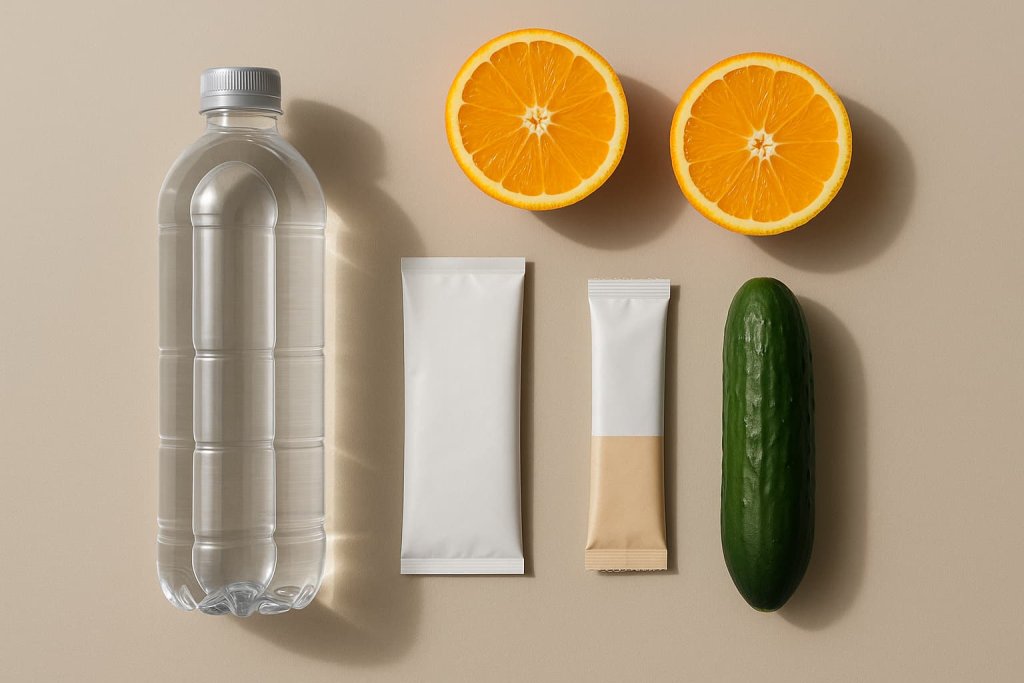
Drinking small, steady sips is the safest way to hydrate quickly. According to the Centers for Disease Control and Prevention, consistent water intake supports normal hydration and body function. Pacing your drinking helps fluids absorb efficiently without overwhelming the body.
Safe Intake Rates
Most people can comfortably consume 8–16 ounces (250–500 mL) per hour, depending on activity level, temperature, and individual needs.
Why Steady Sipping Supports Absorption
Gradual intake helps the digestive system absorb fluids more efficiently, supporting electrolyte balance and preventing discomfort associated with rapid drinking.
Use an Oral Rehydration Solution (ORS)
Oral Rehydration Solutions (ORS) are carefully formulated mixtures of water, glucose, and electrolytes designed to support efficient fluid absorption. This balanced combination helps replace both fluids and essential minerals during mild fluid loss from heat, activity, or daily exertion.
According to the World Health Organization, ORS is an effective and widely recommended method for restoring hydration because it uses a sodium–glucose co-transport mechanism that supports the uptake of water and electrolytes in the intestines. This mechanism helps fluids absorb more efficiently than plain water when electrolyte losses are higher than usual.
Using ORS as directed—by following packet instructions or product guidelines—provides a safe, structured approach to rehydration and supports normal fluid balance during mild dehydration.
WHO Principles (Water + Glucose + Electrolytes)
A standard ORS formula includes:
- Clean water
- A measured amount of glucose
- Electrolytes such as sodium and potassium
This balance supports the body’s natural fluid absorption processes, especially during heat exposure, activity, or mild illness.
Choose Electrolyte Drinks Wisely
Electrolyte beverages may support hydration during exercise, heat, or increased fluid loss. The goal is to replace sodium and potassium without high sugar content.
Research from the National Institutes of Health explains that potassium helps maintain normal fluid balance, while sodium supports hydration and nerve function.
Low-Sugar, Balanced Minerals
Choose drinks that are:
- Low in added sugar
- Contain sodium and potassium
- Free from unnecessary stimulants
- Designed for hydration, not energy
Hydrating Foods That Support Fluid Intake
Many fruits and vegetables contain high water content and may support hydration while providing vitamins, minerals, and fiber.
Water-Rich Fruits and Vegetables
Examples include:
- Watermelon
- Cucumbers
- Oranges
- Strawberries
- Grapes
- Lettuce
- Tomatoes
The Dietary Guidelines for Americans recommend consuming a variety of fruits and vegetables daily, as they contribute both water and important nutrients that support overall wellness.
Lightly Salting Water When Needed
Lightly salting water may be useful only during heavy sweating, when sodium losses increase. This practice mimics the principles used in oral rehydration formulas.
Helpful During Heavy Sweating Only
A small pinch of salt (not a full teaspoon) may support electrolyte balance during prolonged heat or intense physical activity. For everyday hydration, plain water is typically sufficient.
Signs You Need Fast Hydration
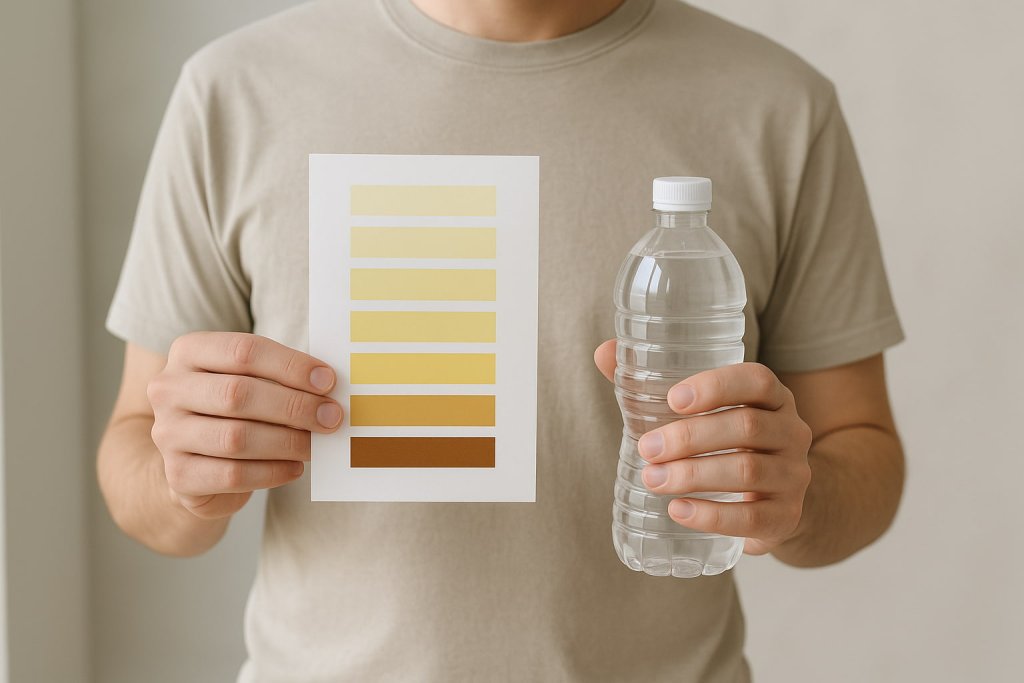
Understanding when your body needs quick—but safe—hydration helps prevent symptoms from progressing. Hydration status can shift quickly during heat, exercise, or long periods without fluids, so early recognition is important.
Early Signs of Mild Dehydration
Early dehydration signs are the body’s first signals that fluid balance is dropping. These symptoms may improve with gradual, steady fluid intake.
Dark Urine
Darker yellow urine is often an early indicator that your body needs more fluids. Research from the National Library of Medicine notes that urine concentration is one of the simplest observable markers of hydration status.
Thirst
Thirst is a built-in reminder to drink, but it typically appears after fluid levels have already decreased. Supporting hydration before intense thirst develops may help maintain balance more effectively.
Dry Mouth
A dry mouth occurs when fluid levels are inadequate to support normal saliva production. This can appear after heat exposure, exercise, or long periods without drinking.
Light Fatigue
Mild dehydration may cause light tiredness because the body needs adequate fluids for normal function. According to the Centers for Disease Control and Prevention, consistent hydration supports energy, temperature regulation, and daily wellness.
When Symptoms Require Medical Advice
Some signs suggest hydration needs cannot be safely managed at home. Severe dehydration or underlying health conditions require prompt medical attention.
Severe Symptoms
Seek medical guidance if you notice:
- Very dry mouth
- Minimal or very dark urine
- Dizziness that does not improve
- Confusion or unusual behavior
- Inability to keep fluids down
These symptoms may indicate a more serious imbalance that needs professional evaluation. The National Library of Medicine highlights that severe dehydration requires clinical care, not home hydration strategies.
Red Flags for Infants, Older Adults, and Chronic Conditions
Certain groups are more vulnerable to fluid loss and may show dehydration symptoms more quickly or more severely.
- Infants and young children: few or no wet diapers, no tears when crying, sunken eyes, unusual sleepiness
- Older adults: reduced thirst response, mobility limitations, and underlying health conditions may increase risk
- People with chronic illnesses: kidney, heart, or endocrine conditions may require individualized hydration guidance
According to the Centers for Disease Control and Prevention, hydration needs can vary significantly in these populations, and symptoms that seem unusual, persistent, or severe should be evaluated by a healthcare professional.
What to Avoid When Trying to Hydrate Fast
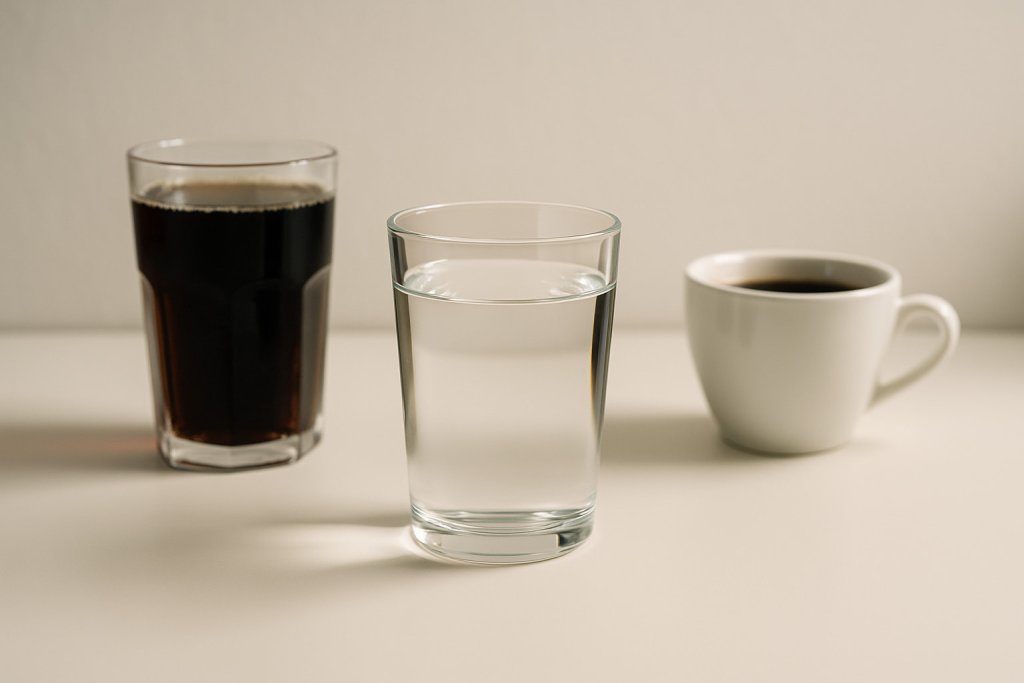
Staying hydrated quickly is important, but some habits can make hydration less effective or uncomfortable. Avoiding these common mistakes supports safer and more efficient fluid balance.
Avoid Drinking Excessive Water Quickly
Drinking large amounts of water in a short time may dilute sodium levels. This condition—known as hyponatremia—affects the body’s ability to regulate normal fluid balance.
Research from the National Library of Medicine explains that overly rapid water intake can disrupt electrolyte balance. Slow, steady sipping supports hydration more effectively.
Avoid Sugary Drinks
Sugar-heavy beverages can slow gastric emptying, which may delay hydration. They may also increase thirst afterward due to their high sugar concentration.
Options low in added sugar support more efficient fluid absorption. The Dietary Guidelines for Americans recommend limiting high-sugar drinks for overall wellness.
Avoid Excess Caffeine and Alcohol
Both caffeine and alcohol may increase fluid loss in certain individuals, especially when consumed in large amounts or during heat and physical activity. These beverages can influence how much fluid the body retains, which may affect hydration efforts.
According to the Centers for Disease Control and Prevention, hydration is supported best with beverages that help maintain normal fluid balance. While moderate caffeine intake is acceptable for many people, excessive consumption—or combining it with heat exposure or strenuous activity—may work against hydration goals. Alcohol, similarly, may increase fluid loss and should be limited when focusing on staying hydrated.
Hydration Strategies for Active Individuals
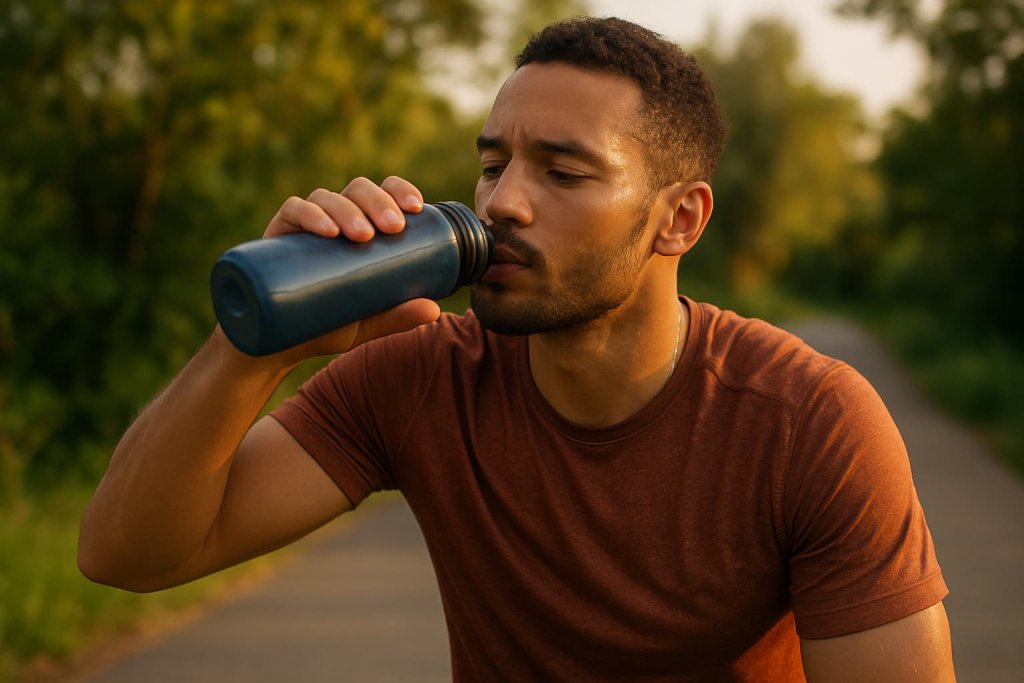
Active individuals lose more fluid through sweat and increased breathing. Supporting hydration before, during, and after activity may help maintain normal muscle function, temperature regulation, and overall performance.
Pre-Hydration Guidelines
Preparing the body with fluids before activity helps maintain fluid balance during exercise. Drinking water 1–2 hours before physical activity allows time for absorption without causing heaviness or discomfort. A small additional amount—about 4–8 ounces—may be helpful 10–20 minutes before beginning exercise, depending on temperature and intensity.
Hydration During Activity
During physical activity, drinking small, steady sips every 15–20 minutes helps replace fluids without overwhelming the stomach. This pacing supports comfortable absorption and helps the body keep up with increased fluid loss from sweat and breathing.
According to the Centers for Disease Control and Prevention, staying hydrated supports temperature regulation and overall physical function, particularly when activity levels or heat exposure increase. Consistent fluid intake helps the body maintain normal cooling and circulation during exertion.
For high-intensity exercise or longer sessions, adding electrolytes may help support sodium and potassium levels lost through sweat. This is especially useful in hot weather, during endurance activity, or in individuals who naturally sweat more.
Post-Activity Fluid and Electrolyte Restoration
After activity, replacing both fluids and electrolytes supports recovery. Gradual drinking over the next few hours may help restore balance. Foods rich in potassium and magnesium—combined with regular meals—support electrolyte replenishment naturally. When sweat loss has been heavy, an oral rehydration solution or low-sugar electrolyte drink may help restore minerals more efficiently.
How Daily Nutrition Supports Fast Hydration
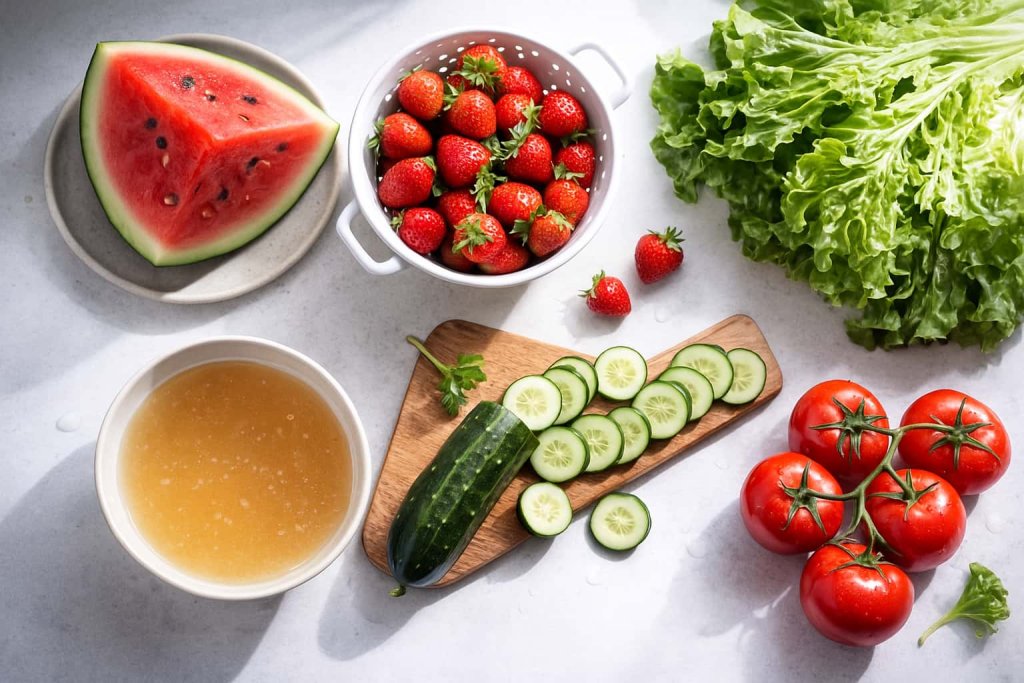
Fluids are not the only source of hydration. Daily nutrition plays an important role in supporting fluid intake, especially through fruits, vegetables, and foods containing essential minerals.
Water-Rich Produce
Many fruits and vegetables are naturally high in water and may help hydration while providing antioxidants, vitamins, and fiber. Examples include:
- Watermelon
- Strawberries
- Cucumbers
- Oranges
- Lettuce
- Tomatoes
The Dietary Guidelines for Americans highlight fruits and vegetables as important contributors to water intake and overall wellness.
Potassium- and Magnesium-Rich Foods
Electrolytes such as potassium and magnesium support normal fluid balance, nerve activity, and muscle function.
Research from the National Institutes of Health explains that potassium helps regulate the movement of fluids in and out of cells. Foods that supply these minerals include:
Broths and Soups as Hydration Tools
Broth-based soups provide both water and sodium, which may help support hydration after sweating or mild fluid loss. Warm liquids may also be easier to consume during recovery periods or cooler seasons.
How Much Fluid You Should Drink Per Day
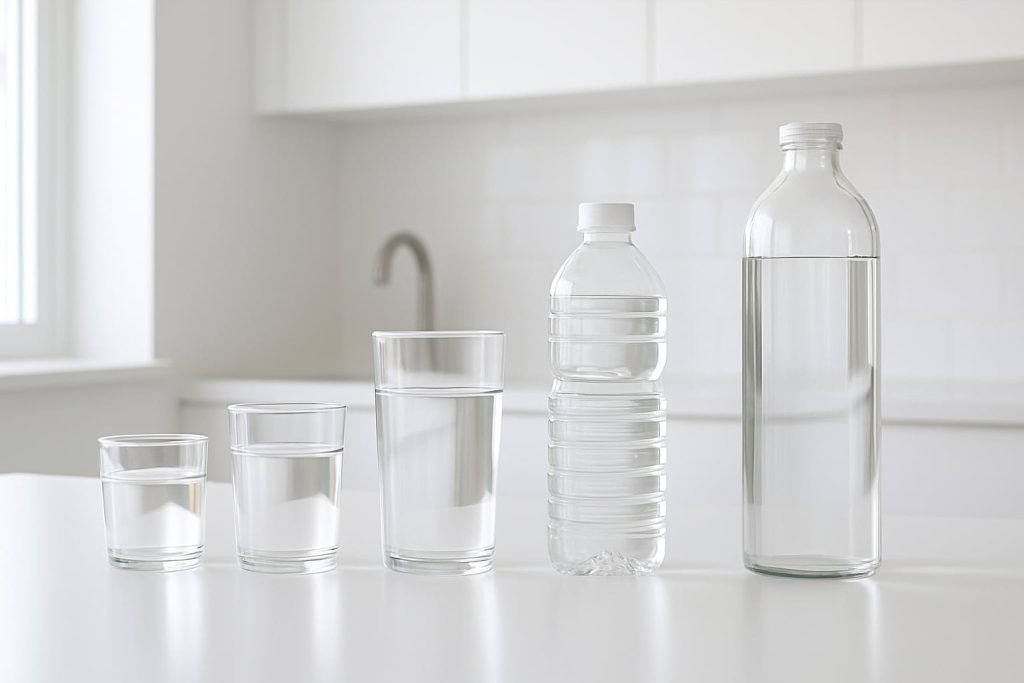
Daily fluid needs differ based on age, climate, health status, and activity level. Fluids from beverages, water-rich foods, and daily meals all contribute to overall intake.
General Intake Guidelines
The National Academies of Sciences, Engineering, and Medicine recommend approximate daily fluid intakes of:
- 3.7 liters per day for men
- 2.7 liters per day for women
This includes all fluids from beverages and food combined. Individual needs may vary.
Factors That Increase Fluid Needs
Your hydration needs may rise when:
- Exercising or sweating heavily
- Spending time in heat or low humidity
- Experiencing illness that increases fluid loss
- Eating a high-fiber or high-sodium diet
- Traveling long distances
Recognizing these situations can help you adjust intake safely.
Frequently Asked Questions (FAQ)
What is the quickest safe way to hydrate?
The quickest safe method is taking small, steady sips of water or an oral rehydration solution. This supports consistent absorption without overwhelming the digestive system.
Is water enough for hydration?
Water is sufficient for everyday hydration and mild dehydration. Electrolytes may be helpful when sweating heavily or losing fluids more quickly than usual.
How long does it take to rehydrate?
Mild dehydration often improves within a few hours of steady fluid intake. More significant dehydration may require medical evaluation.
Which foods support hydration?
Water-rich foods such as watermelon, strawberries, cucumbers, oranges, and lettuce help support hydration while supplying nutrients.
Can you hydrate too quickly?
Yes. Drinking excessive water in a short time may dilute sodium levels. Research from the National Library of Medicine notes that very rapid intake may affect electrolyte balance. Slow, steady drinking is safest.
Are sports drinks good for hydration?
Sports drinks may help during heavy sweating or long-duration exercise because they supply sodium and potassium. For everyday hydration, water and nutrient-rich foods are typically sufficient.
Conclusion
Safe, effective hydration relies on steady fluid intake, the use of electrolyte solutions when needed, and support from nutrient-rich foods. Recognizing early signs of fluid loss and adjusting intake during exercise, heat, or travel may help maintain normal fluid balance.
Balanced hydration—rather than rapid, high-volume intake—supports overall wellness and daily function.
This content is for informational purposes only and not medical advice.