
Most leftovers are safe in the refrigerator for about 3–4 days when stored properly, according to the United States Department of Agriculture. This applies to cooked meats, soups, casseroles, vegetables, and restaurant takeout that has been refrigerated within two hours of cooking or serving.
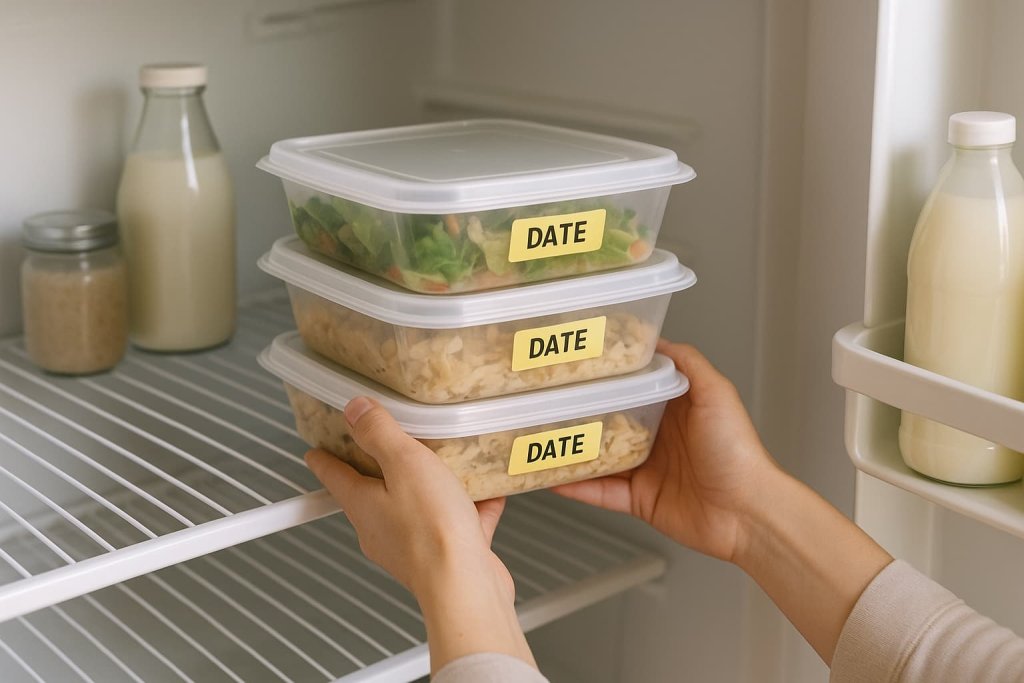
Understanding how long leftovers are good for is essential for preventing foodborne illness and supporting overall wellness. Proper storage helps maintain food quality, reduces waste, and supports a safer eating environment for you and your family. In this guide, you’ll learn official storage timelines, safety rules, reheating temperatures, who should be cautious, and evidence-based tips for keeping leftovers fresh.
How Long Are Leftovers Good For? Official Storage Times
Recommended Refrigeration Times
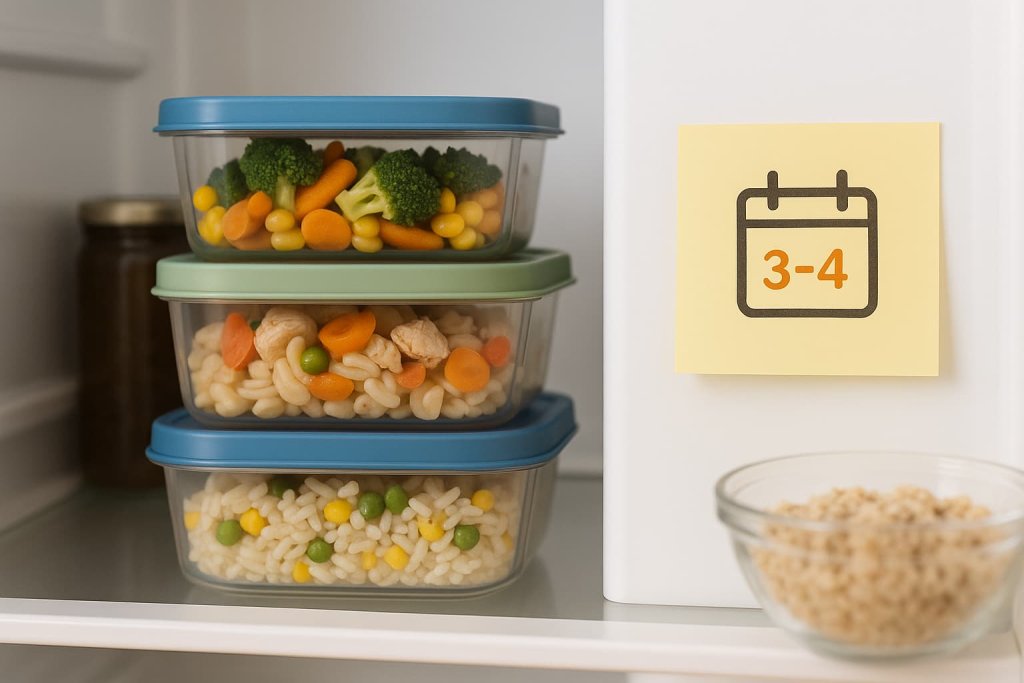
Most cooked leftovers remain safe for about 3–4 days when stored at or below 40°F in sealed containers. This guideline applies to cooked meats, poultry, vegetables, soups, casseroles, and mixed dishes. According to the United States Department of Agriculture, these timelines help reduce the risk of bacterial growth and maintain better food quality.
Storing foods in the refrigerator promptly supports a safer eating environment and may help preserve the nutrients naturally present in prepared meals. Keeping leftovers within the recommended timeframe also supports overall wellness by limiting exposure to harmful bacteria that can multiply when foods are stored too long.
Recommended Freezer Storage Times
Freezing leftovers may help extend their useful life while preserving flavor and texture. Most cooked foods maintain best quality for 1–4 months in the freezer, depending on the type of dish, the moisture level, and the packaging method. Foods kept at 0°F remain safe for longer periods, but taste and texture gradually decline.
Guidance from the FoodSafety.gov Cold Food Storage Chart notes that items such as cooked poultry or meat dishes generally retain optimal quality for 2–6 months, while soups, stews, and casseroles often maintain good texture for 2–3 months. Freezing helps slow nutrient loss, supporting longer-term meal planning.
Why Timing Matters
Storing leftovers within safe timeframes is essential because bacteria can multiply quickly in food that is held too long, even when refrigerated. According to the Centers for Disease Control and Prevention, harmful bacteria may grow without changing the smell, taste, or appearance of food, making time limits more reliable than sensory checks.
Timely refrigeration also supports overall wellness by reducing the risk of foodborne illness, which can cause gastrointestinal discomfort and disrupt healthy eating patterns. Following recommended time limits may help preserve freshness, maintain nutritional value, and support consistent meal quality throughout the week.
The 2-Hour Rule: When Leftovers Become Unsafe
Understanding the Temperature Danger Zone
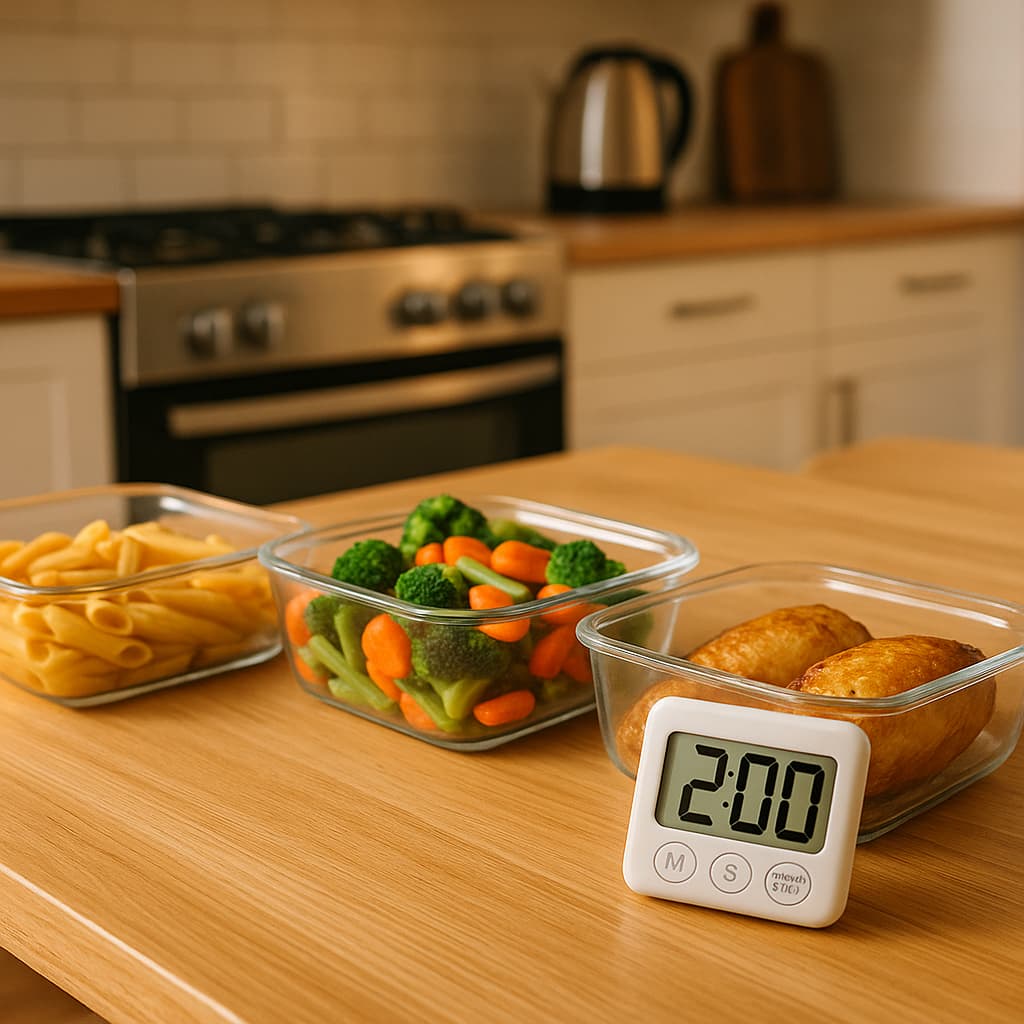
Perishable foods should not remain at room temperature for more than 2 hours, or 1 hour if the temperature is above 90°F. This rule is based on the “danger zone” between 40°F and 140°F, a range where bacteria can multiply rapidly. Guidance from the Food and Drug Administration emphasizes that food can become unsafe even if it looks or smells normal.
Understanding this temperature range may help reduce the risk of foodborne illness and support safer food-handling habits. Even brief periods in the danger zone can significantly increase bacterial growth, making immediate refrigeration an essential part of food safety.
Special Situations
Certain circumstances increase the likelihood of food spending too long in unsafe temperatures. These include picnics, travel, outdoor events, long restaurant waits, or food sitting in a car after pickup. High environmental heat accelerates bacterial growth, making the 1-hour rule especially important during warm-weather months.
Planning ahead—such as using insulated bags, coolers, or ice packs—may help maintain safe temperatures until food can be refrigerated. These precautions support better meal safety, particularly when transporting cooked dishes, leftovers, or takeout items.
Nutrition and Wellness Considerations
How Safe Storage Supports Nutrition
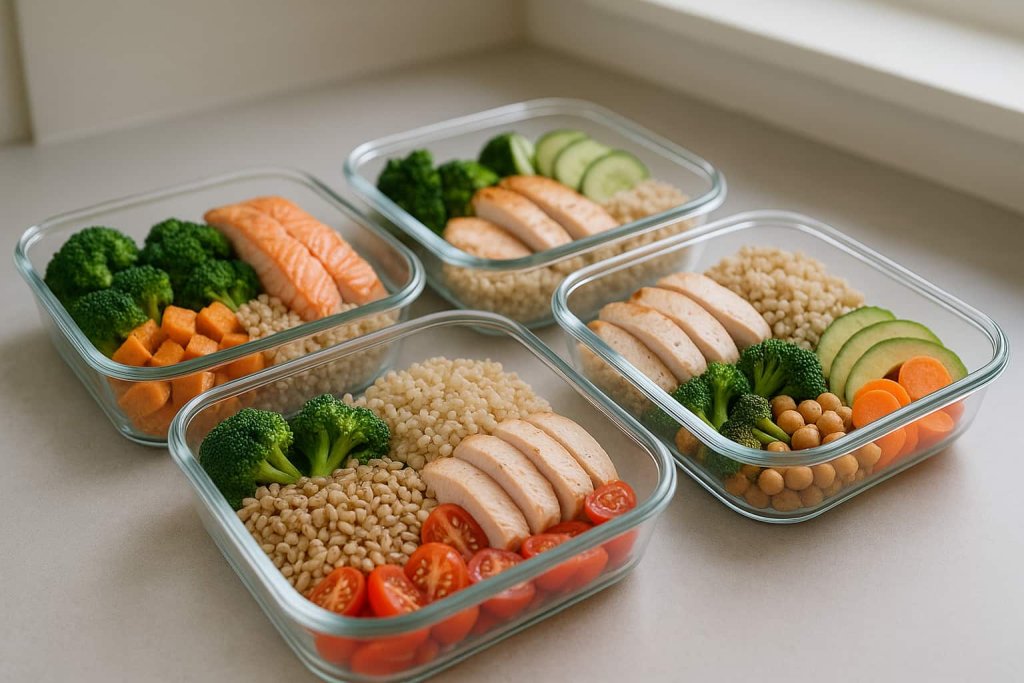
Proper leftover storage may help maintain the nutritional value of foods by limiting exposure to temperature fluctuations and extended holding times. According to the Harvard T.H. Chan School of Public Health, nutrient retention can be influenced by storage methods, exposure to air, and reheating practices. Keeping leftovers within the recommended window may help preserve vitamins, minerals, and other beneficial components naturally present in cooked meals.
Safe storage also supports regular eating patterns by making balanced meals available throughout the week. This may help reduce reliance on less nutritious convenience foods while encouraging consistent meal planning.
Portion Control and Meal Planning Benefits
Leftovers can support healthier portion control and predictable meal planning. By storing meals safely and using them within proper timeframes, individuals may better manage serving sizes, reduce overeating, and minimize food waste.
Leftovers also make it easier to prepare nutrient-dense meals ahead of time, supporting individuals with busy schedules. Having safely stored, ready-to-eat meals available may help maintain steady energy patterns and support overall wellness.
How to Store Leftovers Safely
Refrigerate Promptly Within 2 Hours
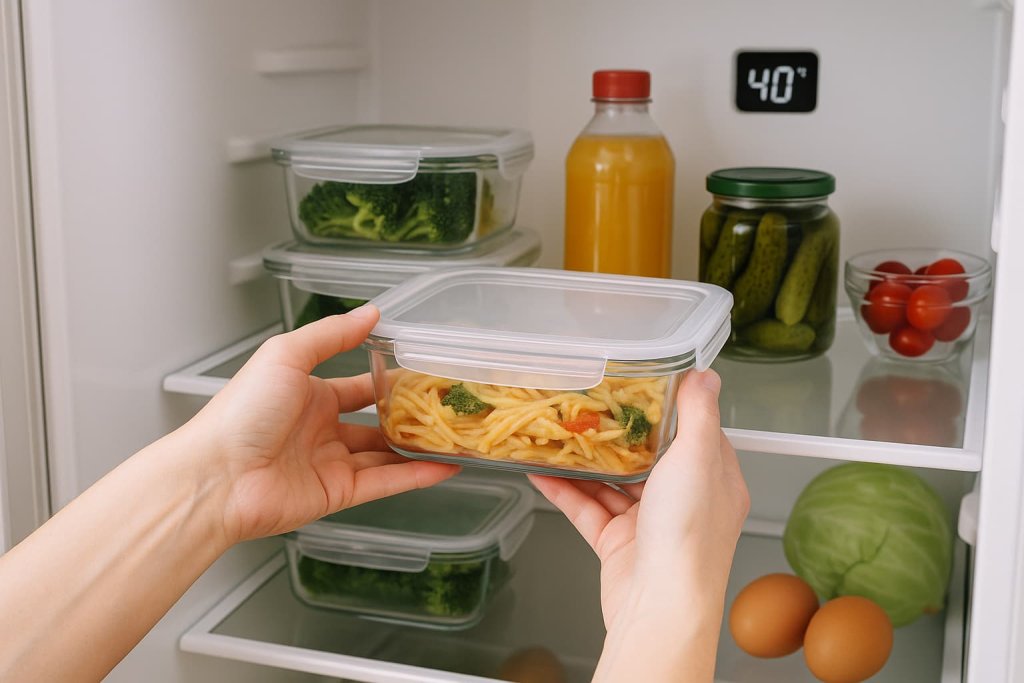
Leftovers should be refrigerated within 2 hours of cooking or serving, or within 1 hour if the environment is above 90°F. Prompt cooling reduces time spent in the temperature “danger zone,” where bacteria can multiply more rapidly. Guidance from the Food and Drug Administration emphasizes that refrigeration should not be delayed, even if foods appear safe.
Cooling foods promptly supports overall wellness by lowering the risk of foodborne illness and helps maintain better texture and nutrient retention.
Use Shallow, Airtight Containers
Storing leftovers in shallow, sealed containers supports faster cooling and reduces moisture loss. Shallow containers help ensure the center of the food cools quickly, limiting bacterial growth. Airtight lids help preserve flavor, maintain freshness, and minimize exposure to contaminants.
This approach may help extend the usable quality of leftovers and support more consistent meal planning throughout the week.
Maintain Correct Refrigerator and Freezer Temperatures
Consistent temperatures are essential for safe food storage. According to the United States Department of Agriculture, refrigerators should be kept at 40°F (4°C) or below, and freezers at 0°F (-18°C) or below. These temperatures slow the growth of bacteria and support food quality over time.
Using a simple appliance thermometer can help ensure your fridge and freezer remain within the safe range.
Proper Labeling and Dating
Labeling leftovers with the date of storage helps ensure they are used within the recommended timeframe. Simple date marking reduces confusion, supports smart meal planning, and helps avoid unintentionally keeping foods beyond the safe 3–4 day guideline.
This habit may also support nutrition goals by encouraging timely consumption of balanced meals.
Avoid Cross-Contamination
Keep leftovers separate from raw meats, seafood, and poultry. Store ready-to-eat items on upper shelves and raw ingredients on lower shelves to prevent leaks. Use clean utensils and containers each time you repackage food.
Avoiding cross-contamination supports a safer kitchen environment and may help reduce exposure to harmful bacteria.
How to Reheat Leftovers Safely
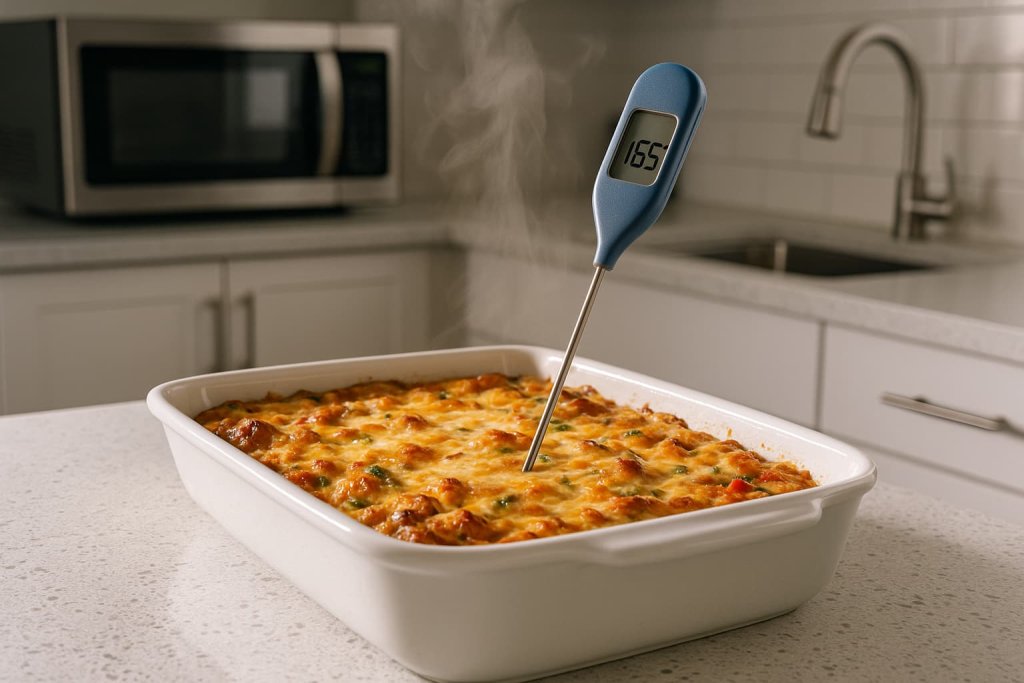
Target Internal Temperature of 165°F
Leftovers should be reheated to an internal temperature of 165°F (74°C). According to the Centers for Disease Control and Prevention, this temperature helps ensure even heating throughout the dish. Using a food thermometer provides the most accurate way to check.
Even reheating supports food quality by preserving texture and helps maintain a safer eating environment.
Microwaving Best Practices
When reheating in a microwave, rotate or stir food halfway through the process to avoid cold spots. Covering the dish with a microwave-safe lid or wrap helps retain moisture. After heating, let the food rest for a few minutes so heat can distribute evenly.
These simple steps may support more consistent heating and help maintain the dish’s original flavor and texture.
Stove and Oven Reheating Tips
Reheating on the stovetop or in the oven can provide more even heating for soups, casseroles, and mixed dishes. Warm foods gently and stir periodically to avoid burning or uneven temperatures. Always verify that the center reaches 165°F before serving.
Slow, even reheating often results in better texture and may help preserve the quality of the ingredients.
How Long Are Restaurant Leftovers Good For?
Takeout and Delivery Safety Rules
Restaurant leftovers follow the same 3–4 day refrigeration guideline as home-cooked meals. They should be refrigerated within 2 hours of receiving them, or 1 hour in warm environments. Temperature exposure during transportation matters, especially if the food sits in a warm car or on a table before being eaten.
Safe handling supports better food quality and may reduce the risk associated with prolonged temperature exposure.
When to Discard Restaurant Leftovers
Restaurant leftovers should be discarded if they were left out too long, transported improperly, or stored in damaged containers. Foods that sit in warm conditions during transit—even for a short period—may enter the danger zone and become unsafe.
Prioritizing these safety steps may help protect meal quality and reduce unnecessary foodborne risk.
Who Should Be Extra Cautious With Leftovers
Higher-Risk Populations
The Centers for Disease Control and Prevention identifies groups more susceptible to severe foodborne illness, including:
- Adults aged 65 and older
- Pregnant individuals
- Children under 5 years old
- People with weakened immune systems
These individuals may experience stronger effects from common pathogens, making safe storage especially important.
Additional Precautions for High-Risk Groups
Higher-risk groups should follow the 3–4 day rule strictly, reheat foods thoroughly, and avoid leftovers that have been at room temperature for any period beyond recommended limits. Using thermometers, airtight containers, and prompt refrigeration may help support safer eating habits.
These extra steps support wellness by reducing unnecessary exposure to harmful bacteria.
Signs Your Leftovers Should Be Discarded
Sensory Changes
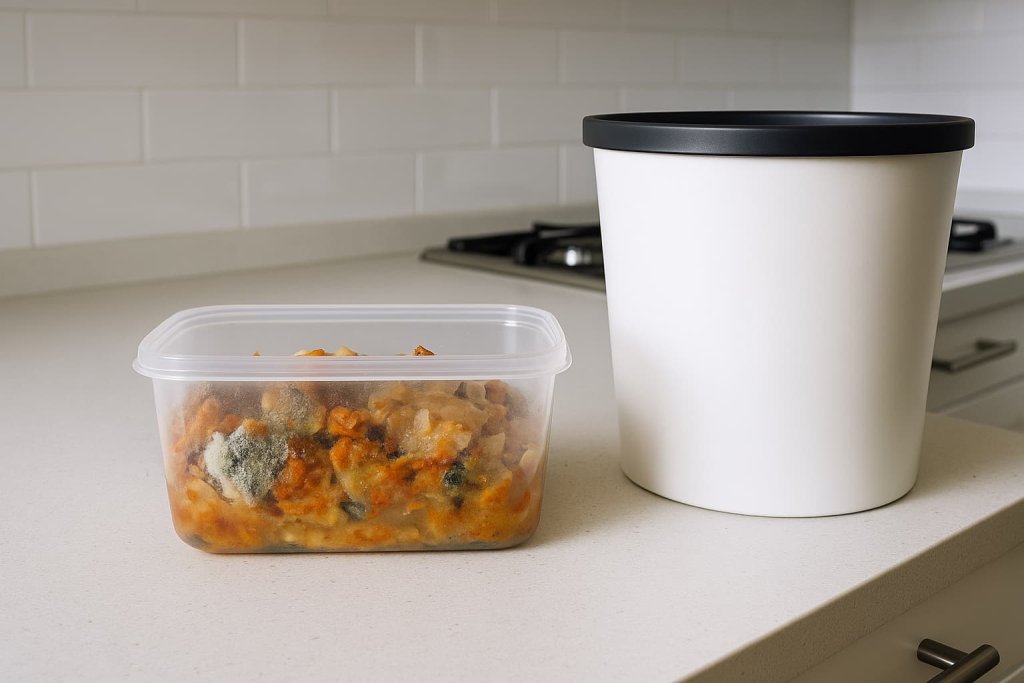
Leftovers should be thrown out if you notice unusual smells, changes in color, or visible mold. Even if these signs are subtle, they may indicate spoilage.
Relying on visual and odor cues—along with time guidelines—supports safer food handling.
Container Issues
If containers appear swollen, sticky, leaking, or damaged, the food should be discarded. These signs can indicate gas buildup or contamination.
Checking packaging before reheating or consuming may help prevent accidental exposure to unsafe food.
When in Doubt, Throw It Out
When there is any uncertainty about how long food has been stored, temperature exposure, or storage conditions, discarding the leftovers is the safest choice. This rule aligns with food safety recommendations and prioritizes well-being.
Frequently Asked Questions (FAQ)
Can I eat leftovers after 5 days?
Leftovers stored longer than 3–4 days should be discarded, even if they appear normal.
Are leftovers safe if they smell fine?
Yes, they may appear fine, but harmful bacteria may still be present. Time-based rules are more reliable than smell alone.
Can reheating make spoiled leftovers safe?
No. Reheating cannot eliminate toxins that some bacteria may produce.
How long are leftovers good for in the freezer?
Most frozen leftovers maintain best quality for 1–4 months, depending on the food and packaging.
Should I cool leftovers before refrigerating?
Let foods cool briefly, but do not leave them out longer than 2 hours. Shallow containers help cool food faster.
Is it safe to freeze restaurant leftovers?
Yes—if they were refrigerated promptly and handled safely. Freezing may help extend their usable life.
Conclusion
Safe leftover storage supports better nutrition, meal planning, and food quality. Most leftovers remain safe for 3–4 days in the refrigerator and longer when properly frozen. Following safety guidelines—such as prompt refrigeration, maintaining correct temperatures, and reheating to 165°F—may help reduce the risk of foodborne illness and support overall wellness.
This content is for informational purposes only and not medical advice.