
Healthy road trip snacks are foods that support steady energy, comfort, and safe digestion during long drives. This means choosing snacks rich in fiber, protein, and healthy fats while avoiding options that cause quick blood-sugar spikes or fatigue. Understanding what to pack is important because travel often leads to unpredictable meals, limited choices, and reliance on high-sugar convenience foods.
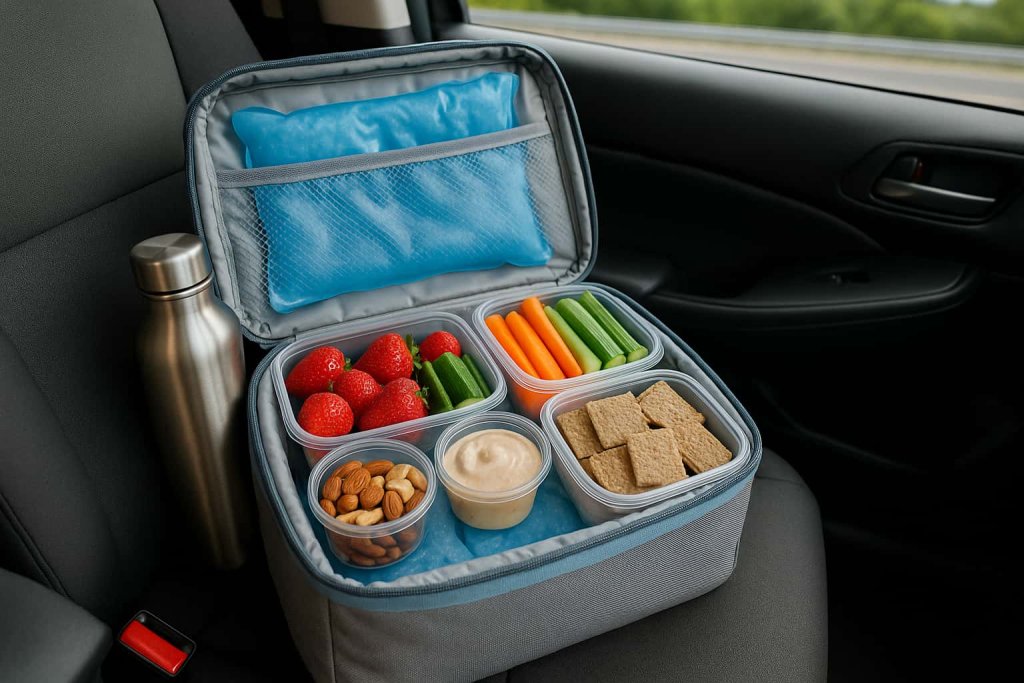
According to the U.S. Department of Agriculture (USDA), balanced snacks built from fruits, vegetables, whole grains, and protein-rich foods support overall wellness and sustained energy. Planning ahead helps you maintain energy, avoid excess added sugars, and reduce impulsive food choices during the drive. This guide outlines the best healthy road trip snacks, safety tips, storage guidelines, nutrition insights, and options for different dietary needs.
Why Healthy Road Trip Snacks Matter
Healthy road trip snacks matter because long drives often disrupt normal eating patterns, making it easy to rely on high-sugar, high-sodium convenience foods. Nutrient-dense snacks support steadier energy, better focus, and overall comfort. Balanced choices built from whole fruits, vegetables, nuts, seeds, and whole grains may help reduce fatigue and avoid the rapid energy swings often caused by processed snacks.
Sustained Energy and Focus
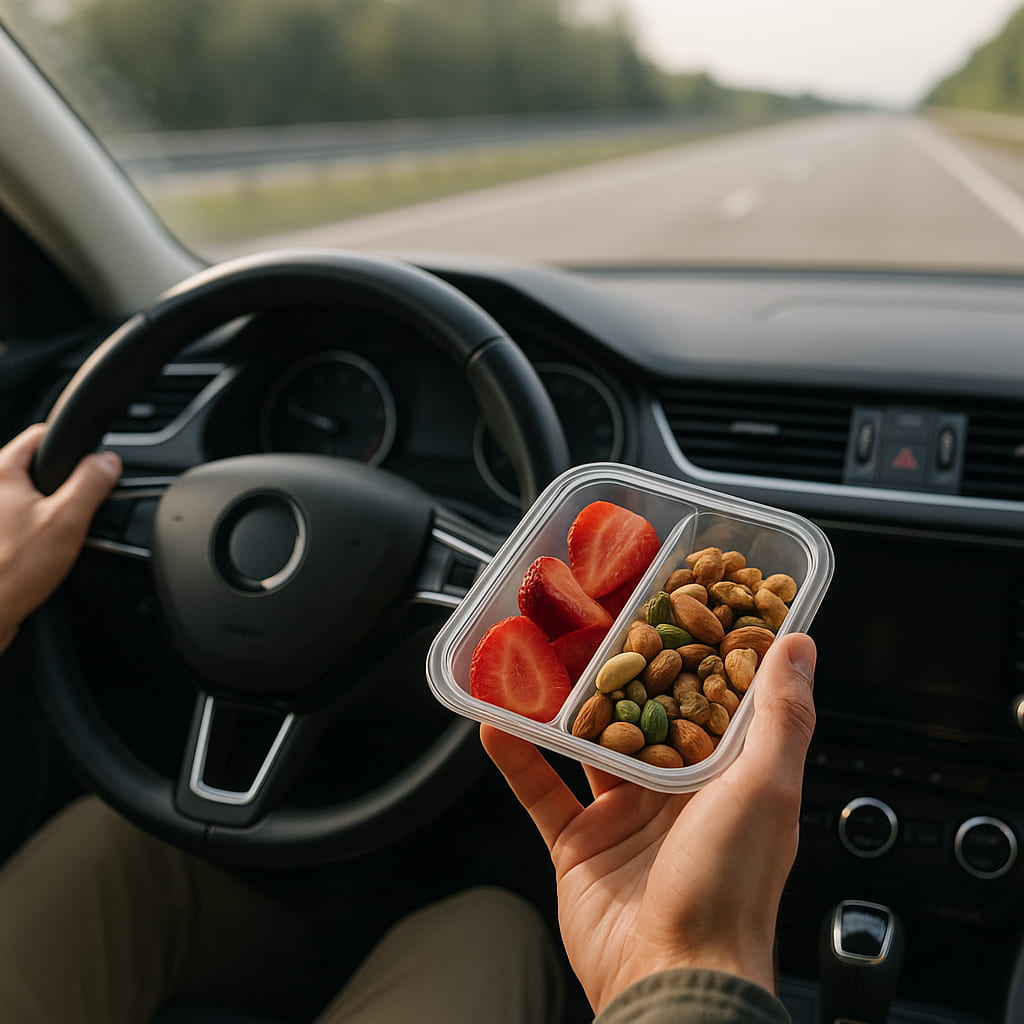
Balanced snacks that pair fiber, protein, and healthy fats digest slowly and may support stable energy levels during long drives. These nutrients help avoid sharp rises and drops in blood sugar — a common effect of refined snacks such as pastries, candy, or sugary drinks.
Research from the National Institutes of Health explains that refined carbohydrates are digested quickly and may contribute to rapid spikes followed by noticeable dips in energy. This can make long-distance driving feel more tiring and reduce concentration. Choosing whole-food options such as nuts, yogurt, fruit, or whole-grain crackers supports steadier alertness throughout the trip.
Supporting Digestive Comfort
Digestive comfort is essential during long periods of sitting. Fiber-rich foods — fruits, vegetables, legumes, nuts, seeds, and whole grains — help support regular digestion and may reduce bloating or discomfort.
The Dietary Guidelines for Americans emphasize that fiber is an important nutrient for digestive wellness and recommend including a variety of plant-based foods daily. Staying hydrated is equally important; drinking water throughout the trip supports normal digestion and helps prevent dehydration-related fatigue.
Limiting Convenience Foods
Convenience-store snacks often contain high levels of added sugar, sodium, refined oils, and starches — all of which may contribute to fluctuating energy levels, increased thirst, bloating, or discomfort while traveling.
Planning snacks ahead reduces reliance on less nutritious roadside options. According to the Centers for Disease Control and Prevention, preparing your own snacks for travel helps limit high-calorie, low-nutrient foods and supports more consistent, balanced eating patterns. Packing fruit, nuts, yogurt, whole-grain crackers, hummus, or roasted chickpeas ensures healthier choices are always available.
Best Healthy Road Trip Snacks (By Category)
Choosing the right road trip snacks supports steady energy, digestive comfort, and overall wellness during long drives. Prioritizing whole foods—fruits, vegetables, nuts, seeds, whole grains, and balanced protein sources—helps avoid the blood-sugar swings and fatigue often caused by highly processed convenience-store snacks. The categories below offer practical, nutrient-rich options that travel well and are easy to portion ahead of time.
Fresh Fruits and Vegetables
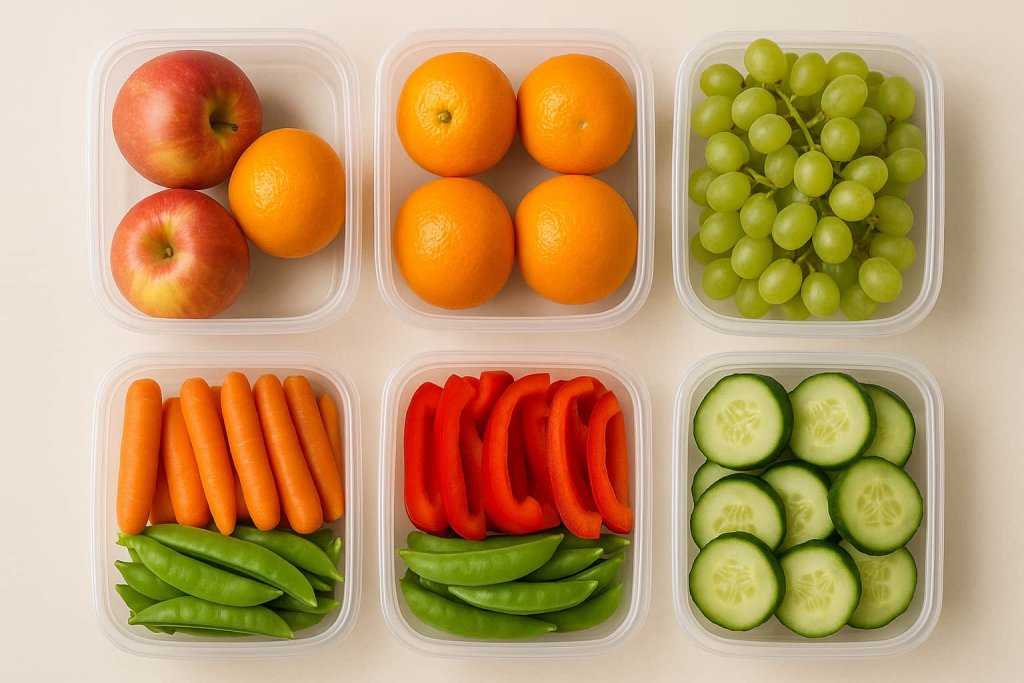
Fresh produce is one of the best choices for road trips because it offers fiber, hydration, vitamins, and minerals. These nutrients support digestion and may help maintain more stable energy levels throughout the day.
Travel-Friendly Fruit Options
Travel-friendly fruits are portable, require no refrigeration for several hours, and offer natural sweetness without added sugar.
Recommended options include:
These fruits provide water, fiber, and essential vitamins, making them ideal for long drives where hydration and satiety matter.
Travel-Friendly Vegetable Options
Crunchy vegetables are easy to pack and provide refreshing hydration and fiber.
Great choices include:
These vegetables pair well with portable dips like hummus or yogurt-based options.
Nutritional Benefits
Produce supports wellness through fiber, vitamins, and hydration. Fiber may help support comfortable digestion during long periods of sitting, while water-rich fruits and vegetables contribute to fluid intake.
The Dietary Guidelines for Americans emphasize that fruits and vegetables are essential for overall health due to their nutrient density and fiber content. According to the U.S. Department of Agriculture Economic Research Service, many common fruits and vegetables remain highly cost-effective — often priced between $0.50 and $1.00 per cup equivalent — making them both nutritious and budget-friendly for travel.
Nuts, Seeds, and Nut/Seed Butters
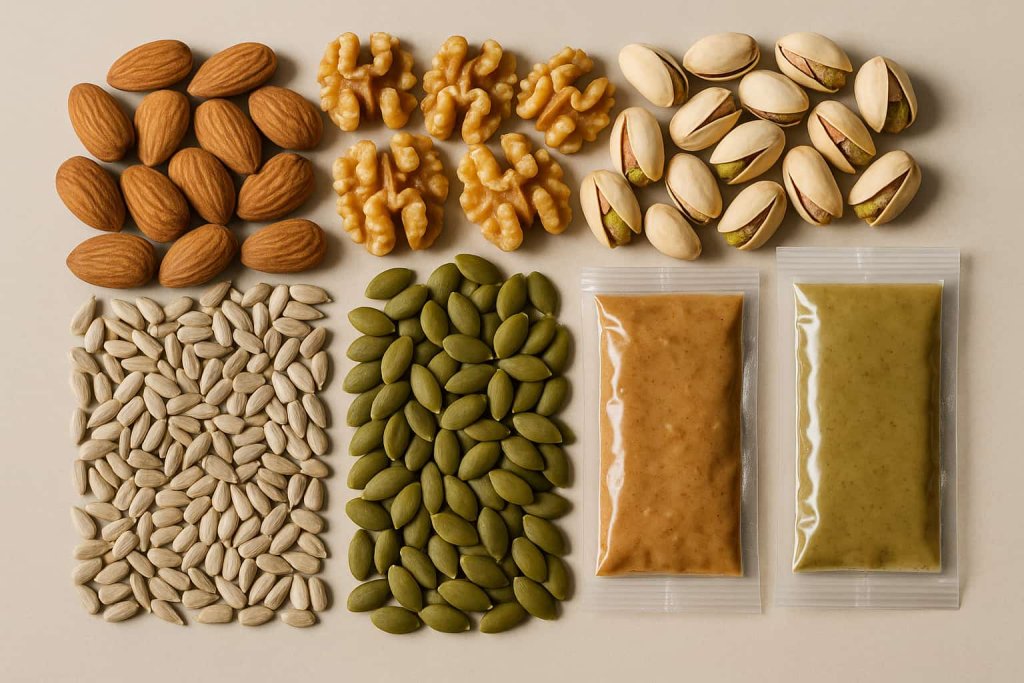
Nuts and seeds provide healthy fats, plant-based protein, and fiber, which help support steady energy and longer-lasting fullness during travel. They are compact, easy to portion, and shelf-stable.
Best Options
These options offer a blend of unsaturated fats, fiber, and minerals.
Why They Work
Nuts and seeds are part of the recommended protein-foods group, and they supply healthy fats, dietary fiber, and plant-based protein that together support steady energy release and satiety. Unlike refined carbohydrates that may spike and then drop blood sugar quickly, the combination of unsaturated fats, fiber, and protein in nuts and seeds digests more slowly — which may help sustain energy and reduce hunger for longer.
A ½ ounce serving of nuts or seeds counts as one ounce-equivalent in the protein food group according to USDA MyPlate Protein Foods Group guidance. One example: almonds provide protein, fiber, vitamin E, magnesium, and other nutrients — making them a nutrient-dense snack choice.
Because of their nutrient density and balanced composition (healthy fats + fiber + protein), nuts and seeds are particularly well-suited as part of a balanced snack routine, especially when paired with produce or whole-grain foods for added fiber and vitamins.
Single-Serve Packs for Convenience
Nut and seed butters—like almond butter, peanut butter, or sunflower seed butter—are commonly available in single-serve squeeze packets. These pair well with apples, bananas, crackers, and rice cakes, offering balanced nutrients without the need for refrigeration.
Protein-Rich Snacks
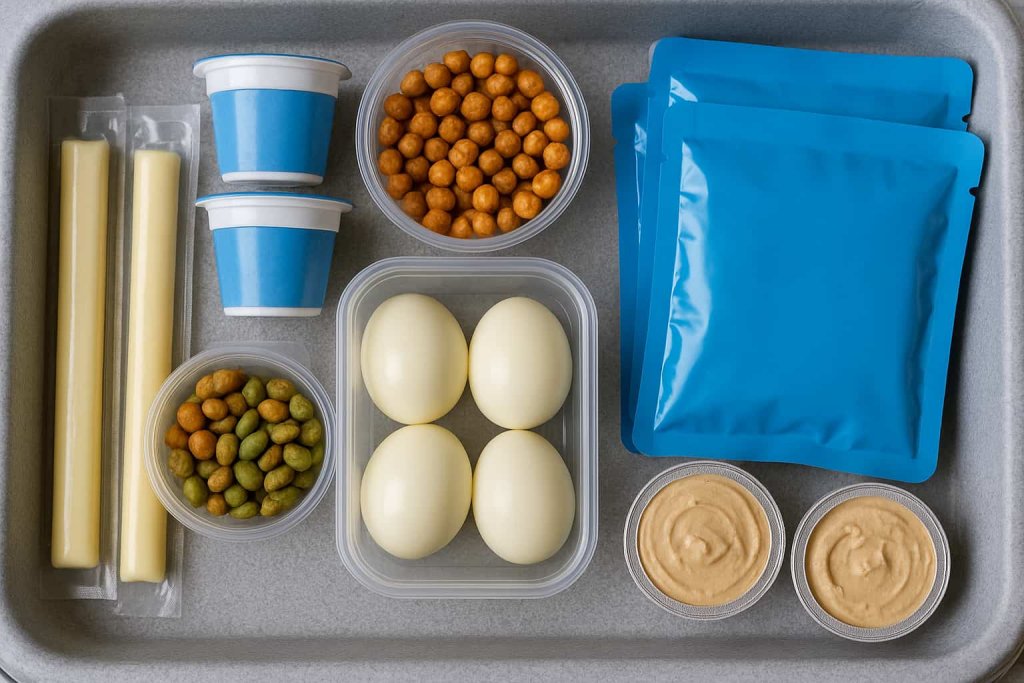
Protein supports fullness, muscle function, and steady energy. It’s especially helpful during long drives to prevent hunger from returning quickly after a meal.
Cooler-Friendly Choices
These require mild refrigeration but stay cold for hours with ice packs:
- Cheese sticks or cheese cubes
- Yogurt cups (preferably low in added sugar)
- Cottage cheese cups
- Hard-boiled eggs
Protein-rich dairy foods supply calcium and support satiety, making them ideal for extended trips.
Shelf-Stable Protein Options
Perfect when a cooler is not available:
- Roasted chickpeas
- Dry roasted edamame
- Shelf-stable hummus cups
- Tuna or salmon pouches
These options offer plant-based or lean protein with minimal preparation.
Benefits of Protein for Travel
Protein digests more slowly than refined carbs and may help support stable energy and improved fullness throughout the trip. Balanced protein consumption also helps reduce frequent snacking driven by hunger spikes.
High-Fiber, Whole-Grain Snacks
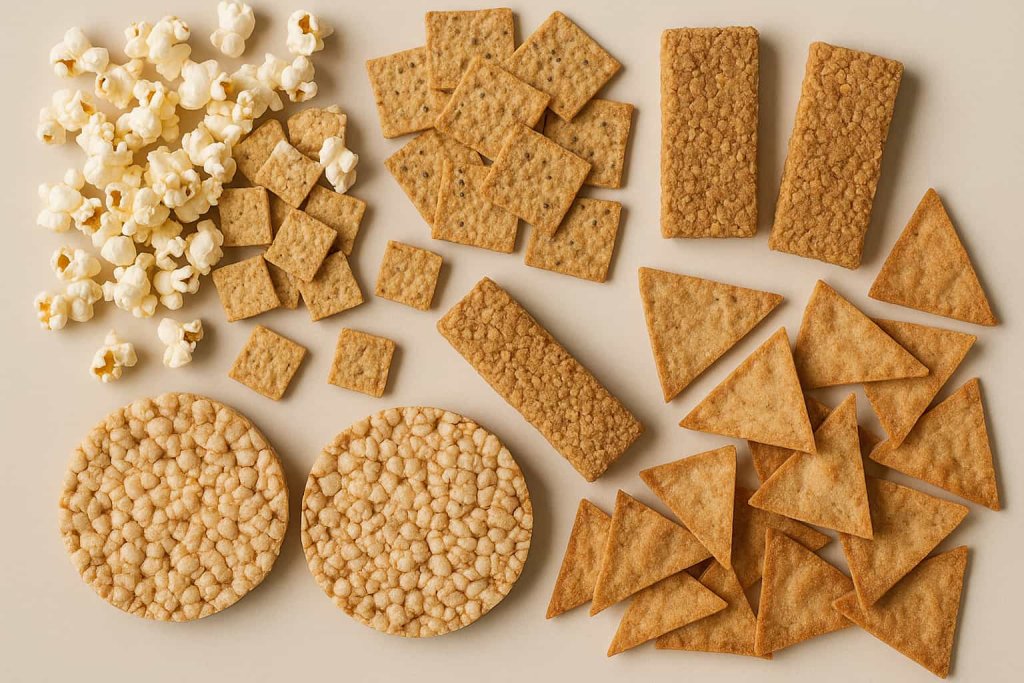
Whole grains digest slowly, support steady energy, and provide fiber for digestive comfort—making them excellent road trip choices.
Smart Picks
- Whole-grain crackers
- Air-popped popcorn
- Low-sugar granola or oat bars
- Brown rice cakes
- Whole-grain pita chips
Popcorn is naturally whole grain and low in calories, making it ideal for light, crunchy snacking.
Why Fiber Matters for Steady Energy
Fiber slows digestion, which may help support more stable blood-sugar patterns and reduce sudden hunger. The Dietary Guidelines for Americans recommend consuming whole grains as part of a balanced diet to support digestive wellness and sustained energy.
Better Packaged Snack Options
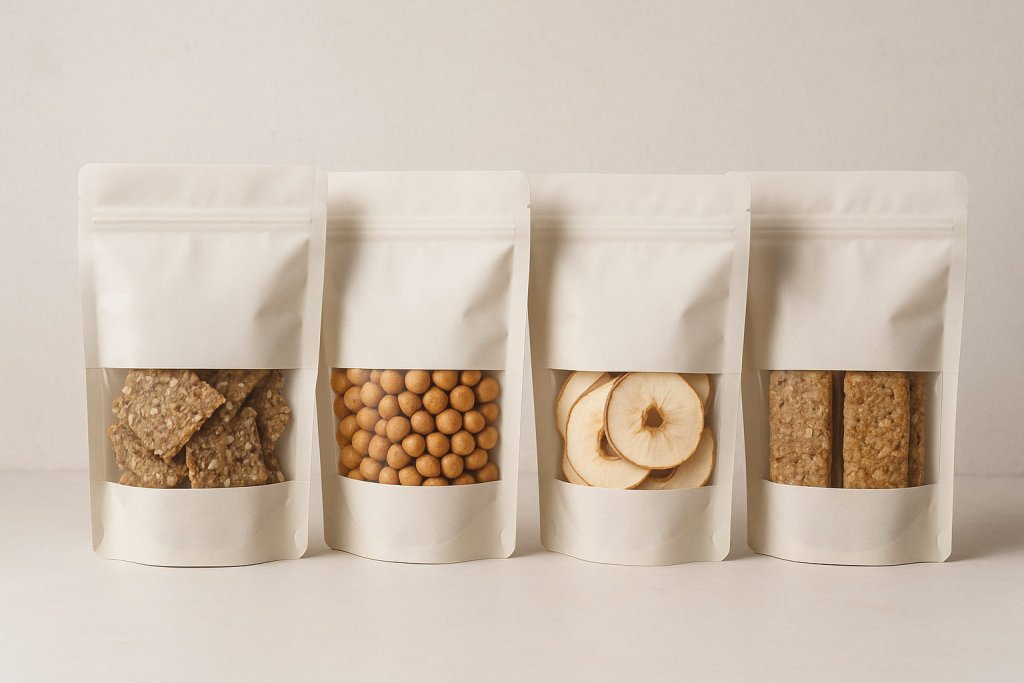
Moderately processed snacks can fit into a healthy road trip plan when chosen carefully. The key is selecting products with strong nutrient profiles and minimal added sugar.
What to Look For
- Higher fiber (3+ grams per serving)
- Moderate protein (5–7 grams per serving)
- Lower added sugar (8–10 grams or less)
- Simple, whole-food ingredient lists
- Moderate sodium levels
These characteristics support satiety, stable energy, and better nutritional balance.
Examples
- Seeded whole-grain crackers
- Roasted legumes (chickpeas, fava beans, edamame)
- Apple chips with no added sugar
- Balanced oat or nut bars made from whole ingredients
These options travel well, resist heat, and offer a healthier alternative to traditional snack chips or pastries.
Food Safety Tips for Road Trips
Food safety is one of the most important considerations during road travel. Perishable foods can spoil quickly in warm temperatures, especially inside vehicles where heat builds rapidly. Safe handling is essential to prevent bacterial growth and to keep snacks fresh and travel-ready. The guidance below follows established recommendations from federal food safety authorities and applies to all perishable foods such as dairy, eggs, cut fruit, cooked meats, and dips.
USDA and FoodSafety.gov Temperature Rules
Keeping food at the proper temperature is the foundation of safe road trip snacking. Perishables should remain chilled at 40°F (4°C) or below to slow the growth of harmful bacteria. This is a core requirement emphasized by the U.S. Department of Agriculture, which notes that foods kept above this temperature for extended periods enter the “danger zone” where bacteria multiply more rapidly.
Ice packs or frozen gel packs provide more consistent, longer-lasting cooling than loose ice. They help maintain colder temperatures and reduce moisture inside the cooler. Guidance from FoodSafety.gov reinforces the importance of using adequately chilled packs and minimizing temperature fluctuations to keep perishable foods safe during travel.
Proper Cooler Organization
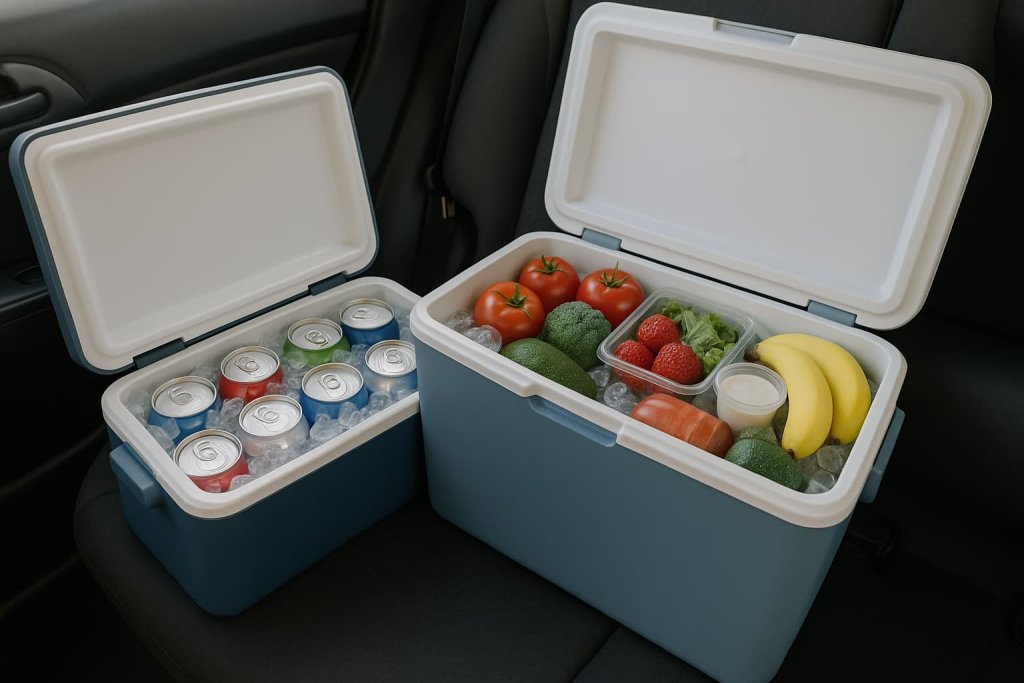
How you organize your cooler directly impacts how long food stays safe. A well-packed cooler reduces warm air pockets and keeps items cold longer.
- Use separate coolers for drinks and food.
Drink coolers are opened frequently, causing temperature fluctuations. Keeping perishable foods in a dedicated cooler helps maintain a consistently low temperature. - Place the food cooler inside the passenger cabin.
The interior of a car remains significantly cooler than the trunk, especially during summer. This slows the warming of perishable foods and supports safer storage. - Pack the cooler as full as possible.
Fuller coolers maintain cold temperatures longer because there is less warm air to circulate.
These approaches help keep foods at safe temperatures for longer periods, reducing food safety risks during extended drives.
Time Limits for Perishables
Time-temperature guidelines are essential for preventing foodborne illness. The 2-hour rule states that perishable foods should not be left at room temperature (or car temperature) for more than 2 hours. If outdoor temperatures exceed 90°F (32°C) — common inside parked or moving vehicles in warm climates — the safe window decreases to 1 hour.
These guidelines come from the U.S. Department of Agriculture and are critical for foods such as yogurt, cheese, eggs, sliced fruit, deli meats, prepared salads, and dips. If food has been left out beyond these time limits, it is safest to discard it.
Safe No-Cooler Options
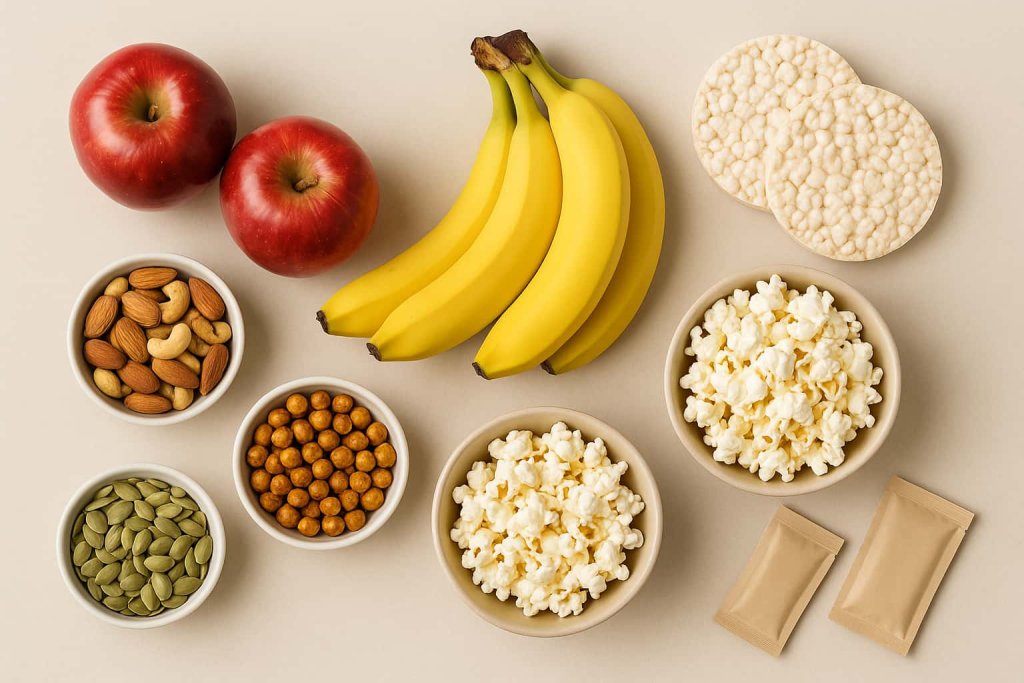
Not every road trip allows for cooler space, and some foods remain safe at room temperature for longer periods. Choosing shelf-stable snacks helps reduce risk while still offering balanced nutrition.
Safe no-cooler options include:
- Whole fruits (apples, oranges, bananas, pears)
- Nuts and seeds
- Air-popped popcorn
- Dry roasted chickpeas
- Dry roasted edamame
- Shelf-stable nut or seed butter packets
- Whole-grain crackers or rice cakes
These foods are naturally low-risk because they contain minimal moisture or have been processed to be shelf-stable. They support balanced energy without relying on refrigeration, making them ideal for long drives, outdoor trips, and situations where temperature control is limited.
Snacks for Different Dietary Needs
Different travelers have different nutritional needs, and choosing the right snacks can support comfort, energy, and well-being during long drives.
Diabetes-Friendly Snack Ideas
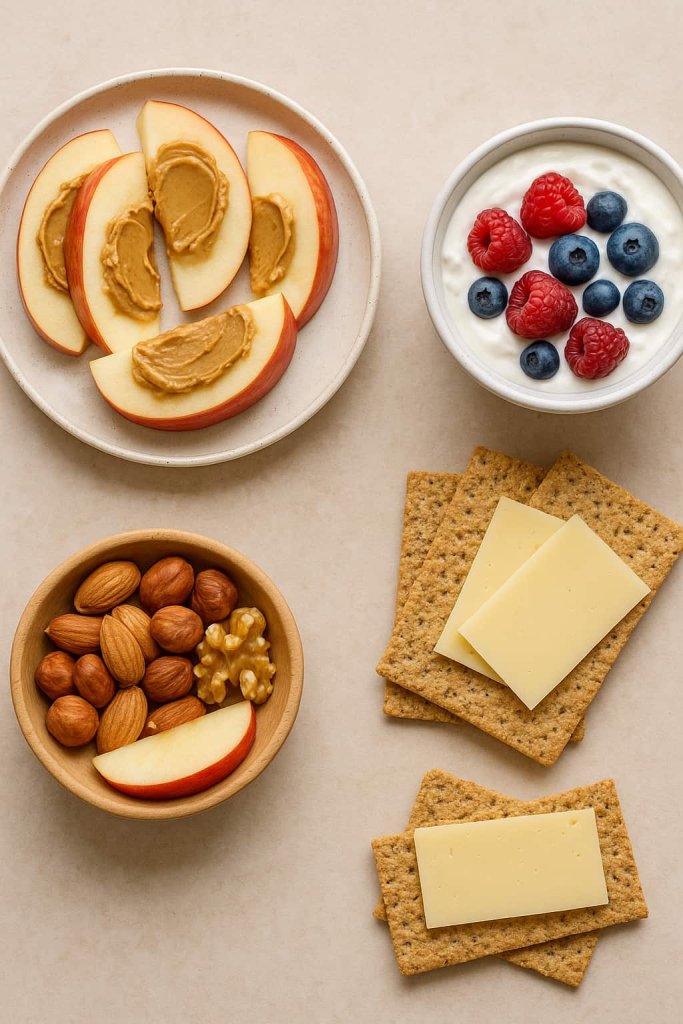
For individuals managing diabetes or blood-sugar concerns, choosing balanced snacks is especially important during long road trips. Snacks that combine carbohydrates with protein and healthy fats digest more slowly, which may help support more stable blood-glucose patterns and reduce sharp rises after eating. This steadier digestion also supports longer-lasting energy, which is helpful when meals are delayed or driving periods are extended.
Smart snack pairings include:
- Apple slices with peanut or almond butter
- Whole-grain crackers with cheese
- Plain or low-sugar Greek yogurt with a small amount of berries
- A handful of nuts paired with a piece of fruit
- Vegetables with hummus or cottage cheese (if a cooler is available)
Planning ahead is essential. According to the Centers for Disease Control and Prevention, people with diabetes benefit from carrying balanced snacks, avoiding long stretches without food, and spacing carbohydrate intake evenly throughout the day. This approach may help support steadier energy and reduce the likelihood of relying on high-sugar convenience foods found at roadside stops.
Choosing nutrient-dense, minimally processed foods—rather than candy, pastries, or sugary drinks—supports better comfort and blood-sugar stability during travel.
Kid-Friendly Healthy Road Trip Snacks
Children often need snacks that are simple, soft, safe, and easy to eat while seated. Nutrient-rich options provide energy for long rides without contributing to sugar highs or digestive discomfort. Prioritizing foods with fiber, protein, and hydration may help keep kids satisfied and comfortable.
Great kid-friendly choices include:
- Yogurt pouches (low sugar)
- Cheese sticks or mini cheese rounds
- Fruit cups packed in water or 100% fruit juice
- Whole-grain crackers
- Age-appropriate popcorn
- Apple slices or small bananas
- Mini nut-free trail mix blends
Safety is essential: very young children may be at higher risk of choking on whole nuts, large popcorn pieces, or big chunks of raw vegetables. Pack snacks that match each child’s age, chewing ability, and comfort level. Parents can also portion snacks into small containers to reduce mess and help children eat more mindfully.
Vegan, Dairy-Free, and Gluten-Free Options
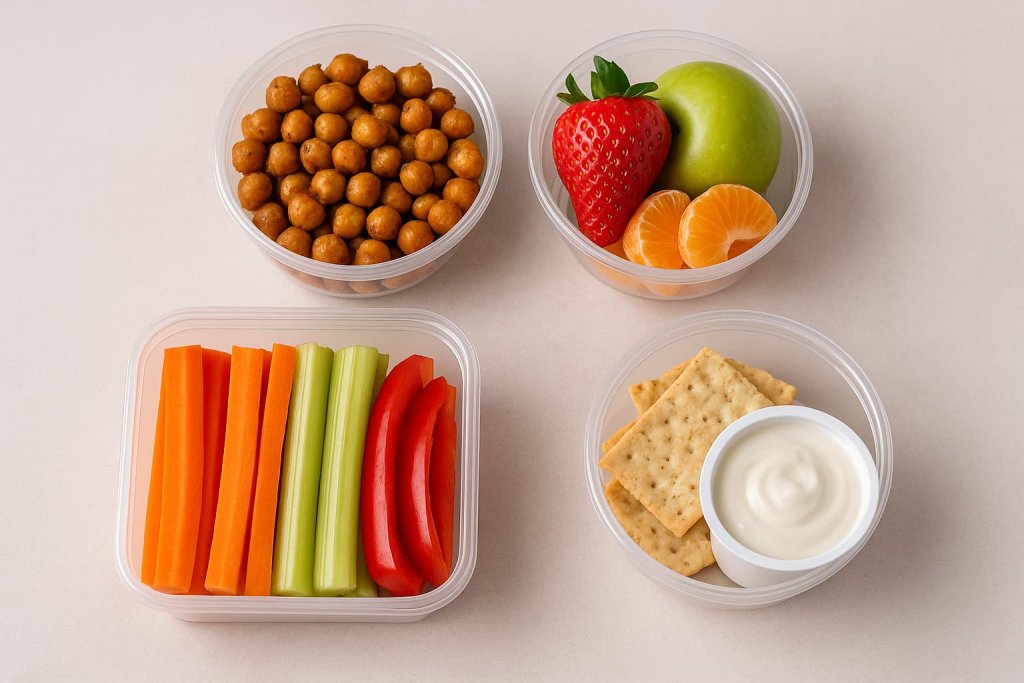
Many whole-food snacks are naturally compatible with vegan, dairy-free, and gluten-free eating patterns. The key is choosing foods that offer a balanced mix of fiber, plant-based protein, and healthy fats.
Balanced plant-based options include:
- Fresh fruits (apples, oranges, grapes, pears, berries)
- Raw vegetables (carrots, cucumber, snap peas, bell peppers)
- Roasted chickpeas or roasted beans
- Gluten-free whole-grain crackers or rice cakes
- Dairy-free yogurt cups (kept cold with ice packs)
- Dried fruit in small portions
- Seed blends (pumpkin, sunflower, chia)
The Dietary Guidelines for Americans emphasize the value of fruits, vegetables, legumes, whole grains, and plant-based fats for overall nutritional balance. These foods fit seamlessly into many restricted-diet patterns, making them ideal choices for road trips with multiple dietary needs in the same car.
Nut-Free Alternatives
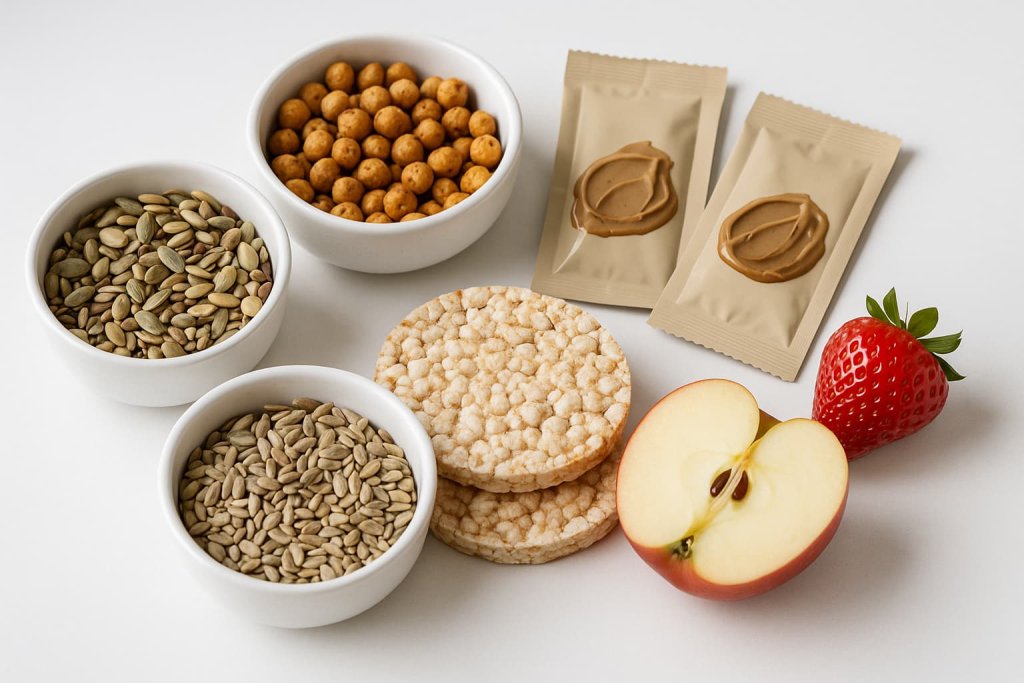
For individuals with nut allergies or families traveling with children who must avoid nuts, there are many nutrient-dense options that offer a similar mix of texture, flavor, and satiety without added risk.
Safe nut-free alternatives include:
- Seed mixes (sunflower seeds, pumpkin seeds)
- Roasted chickpeas or roasted edamame
- Sunflower seed butter or pumpkin seed butter
- Whole-grain crackers
- Air-popped popcorn
- Fresh fruits and vegetables
- Gluten-free or nut-free granola bars (check labels for cross-contamination)
Seed-based snacks provide healthy fats, protein, and fiber similar to nuts, making them excellent substitutes for balanced snacking. Bean-based snacks like roasted chickpeas also supply plant-based protein and may support steady energy without triggering nut-related sensitivities.
Budget-Friendly Snack Ideas
Eating well on the road does not need to be expensive. Many nutrient-dense foods are naturally affordable, especially when chosen in whole-food form or prepared at home. Focusing on simple produce, bulk ingredients, and homemade snacks can help you stay within budget while still supporting steady energy and comfort during long drives.
USDA Produce Pricing Insights
Fresh fruits and vegetables remain some of the most cost-effective road trip snacks available. Many options offer fiber, hydration, and essential nutrients without added sugar or preservatives.
Budget-friendly picks include:
- Apples
- Carrots
- Bananas
- Cucumbers
According to the U.S. Department of Agriculture Economic Research Service, common produce items often fall between $0.50 and $1.00 per cup equivalent, making them economical choices for families, long-distance trips, or group travel. Whole fruits and sturdy vegetables also last longer without refrigeration, adding practical value.
Affordable Homemade Snacks
Homemade snacks allow you to control ingredients, reduce added sugars, and tailor portions to your needs. They are also significantly less expensive than packaged alternatives.
Ideas include:
- Air-popped popcorn: Whole grain, high fiber, extremely budget-friendly.
- Homemade trail mix: Mix seeds, dried fruit, pretzels, and a small amount of dark chocolate.
- Homemade granola bars: Made with oats, nuts or seeds, and small portions of honey or nut butter.
Preparing food at home supports both nutrition and cost savings, and you can customize flavors based on your travel preferences.
Bulk Buying Tips
Bulk purchasing reduces cost and ensures you have enough snacks for extended road trips.
Tips include:
- Buy nuts, seeds, popcorn kernels, and dried fruit in bulk bags.
- Repackage bulk items into small containers for easy grab-and-go snacking.
- Choose bulk whole grains (oats, popcorn kernels, rice cakes) for affordable homemade options.
- Purchase multipack yogurt cups or cheese sticks when using a cooler.
Buying in bulk also reduces plastic waste and minimizes extra stops during travel.
Practical Tips for Packing Road Trip Snacks
How snacks are packed can influence convenience, mess, and overall enjoyment during travel. Thoughtful organization helps you access balanced foods quickly without rummaging through bags or stopping frequently.
Pre-Portion Snacks for Convenience
Pre-portioning snacks into small bags or containers reduces overeating, keeps the car organized, and makes distribution easier for families. It also saves time and prevents spills during the drive. Transparent containers help you see what is available at a glance.
Combine Nutrients for Long-Lasting Energy
Combining fiber, protein, and healthy fats may help support stable energy and reduce cravings. Balanced snack pairings digest more slowly and offer more sustained fuel for long drives.
Helpful combinations include:
- Fruit + nuts
- Whole-grain crackers + cheese
- Vegetables + hummus
- Yogurt + berries
- Rice cakes + nut or seed butter
These simple combinations help maintain fullness without relying on high-sugar snacks.
Stay Hydrated
Hydration supports alertness, digestion, and overall comfort during long periods of sitting. Water is the simplest option and helps prevent dehydration-related fatigue. Adding slices of citrus or carrying a reusable bottle may encourage more consistent hydration throughout the trip.
Minimize Mess and Spills
A tidy snack setup makes travel smoother and more enjoyable.
Practical organization tips include:
- Use leakproof containers for dips or yogurt.
- Keep wet wipes and napkins within reach.
- Store snacks in a separate tote or small cooler for easy access.
- Avoid crumb-heavy foods for children unless portioned into small containers.
These steps help keep the car clean and reduce distractions while driving.
Frequently Asked Questions (FAQ)
What are the best healthy snacks for a long road trip?
Fresh fruits, vegetables, nuts, seeds, yogurt, whole-grain crackers, roasted chickpeas, and hummus are excellent options because they provide fiber, vitamins, protein, and sustained energy.
Which snacks support steady energy and focus?
Snacks combining protein, fiber, and healthy fats—such as nuts with fruit or crackers with cheese—may support steadier alertness compared to refined snacks high in added sugar.
How do I keep food safe on a road trip?
According to the U.S. Department of Agriculture, perishable foods should be kept at 40°F (4°C) or below, stored with cold packs, and not left unrefrigerated for more than 2 hours (or 1 hour in temperatures above 90°F). Use separate coolers for drinks and food to keep temperatures stable.
What kid-friendly snacks are easiest for car travel?
Cheese sticks, yogurt pouches, cut fruit, whole-grain crackers, popcorn (age-appropriate), and soft vegetables are convenient, balanced options that pack easily and minimize mess.
What are the best no-cooler snacks?
Whole fruits, nuts, seeds, air-popped popcorn, roasted chickpeas, rice cakes, and shelf-stable nut or seed butter packets remain safe at room temperature and offer well-balanced nutrition.
Are packaged snacks okay if I choose healthier options?
Yes. Look for products with whole-food ingredients, moderate protein, higher fiber, and lower added sugars. Seeded crackers, apple chips with no added sugar, roasted legumes, and balanced whole-grain bars are smart choices.
Conclusion
Healthy road trip snacks support steady energy, digestive comfort, and overall wellness throughout the journey. Prioritizing fruits, vegetables, whole grains, nuts, seeds, and protein-rich foods provides balanced nutrition, while thoughtful planning helps you avoid the high-sugar, high-sodium options often found on the road. With proper food safety practices and simple organization, it becomes easy to enjoy nutrient-dense snacks that make your travel more comfortable and satisfying.
This content is for informational purposes only and not medical advice.