
Ginger shots may help support digestion, ease mild nausea, and provide antioxidant support, according to research on ginger root and its active compounds. These small, concentrated drinks have become popular for wellness routines because they offer a quick way to consume fresh ginger in a potent form. Understanding what the science actually says is essential, especially since ginger shots are often marketed with overstated claims. This guide explains the evidence, dosage considerations, benefits, safety factors, and how to use ginger shots in a balanced, health-supportive way.
What Is a Ginger Shot?
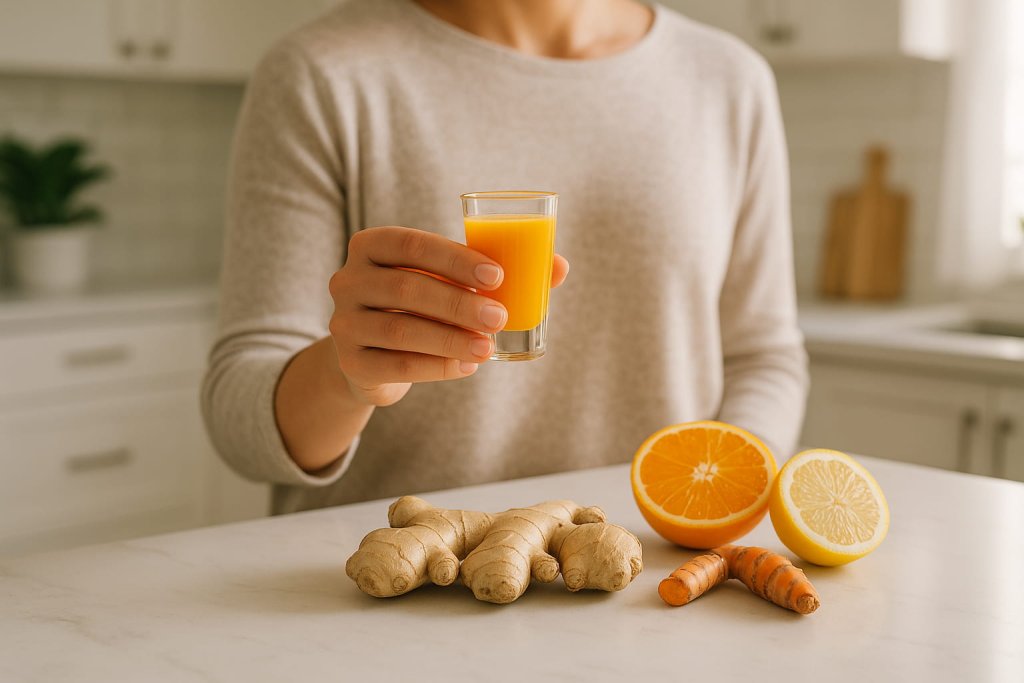
A ginger shot is a small, concentrated 1–2 oz drink made from fresh ginger juice or blended ginger root. People often include ingredients such as lemon, apple, turmeric, or cayenne to enhance flavor and add additional plant compounds. Ginger shots are popular in wellness routines because they deliver ginger’s bioactive components in a quick, potent form.
Definition and Common Ingredients
Most ginger shots contain:
- Fresh ginger root (primary ingredient)
- Lemon or citrus juice
- Small amounts of apple or pineapple (optional for sweetness)
- Turmeric or cayenne for added plant compounds
- Water to adjust intensity
These ingredients provide plant-based antioxidants and naturally occurring phenolics that may support digestion and general wellness.
How Ginger Shots Compare to Ginger Teas and Supplements
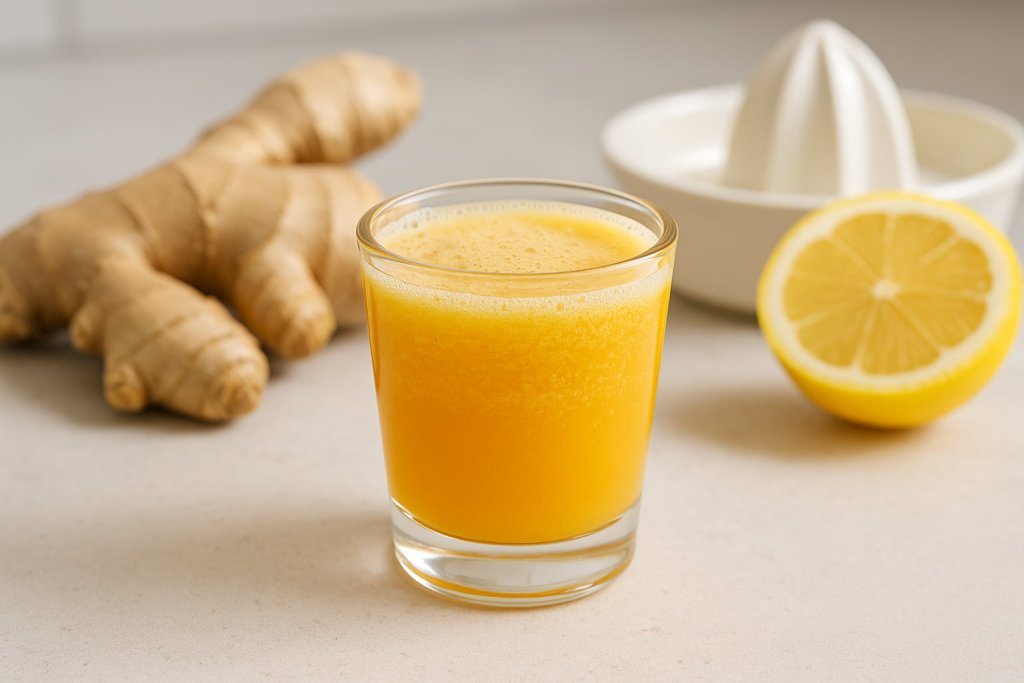
Ginger shots differ from other forms of ginger:
- Ginger tea uses hot water extraction and is much milder, often containing lower concentrations of gingerols and shogaols.
- Ginger supplements (capsules or standardized extracts) deliver measured amounts of specific compounds but lack the fresh juice profile found in shots.
- Ginger shots fall in between — they are stronger than tea but not as standardized as supplements. Their potency comes from fresh ginger juice, making them appealing to people who want a concentrated form without taking capsules.
Why Research on Ginger Root Applies to Shots
Most scientific studies evaluate ginger root, dried ginger, or standardized extracts. However, ginger shots are made directly from fresh ginger root, which contains the same bioactive compounds studied in clinical research.
Research from the National Library of Medicine notes that gingerols and shogaols are the primary components responsible for ginger’s antioxidant and digestive-supportive effects. Because ginger shots supply these same compounds through fresh juice, the general findings from ginger research are applicable to how ginger shots may support wellness — as long as they are consumed in moderation.
Nutritional Profile of a Ginger Shot
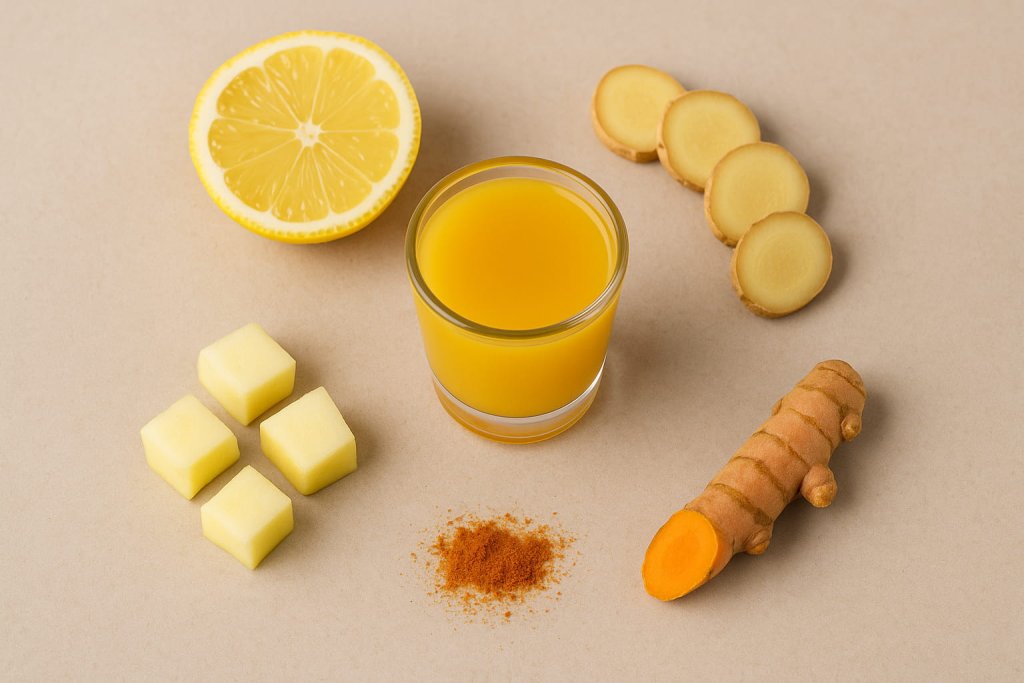
A ginger shot’s nutrition varies by brand and ingredients, but most 2-oz servings provide low calories and high concentrations of plant compounds. The nutritional value comes less from macronutrients and more from phenolic compounds and small amounts of vitamins from added citrus.
Key Ingredients
Key ingredients in common ginger shots include:
- Fresh ginger root: Source of gingerols, shogaols, and natural oils
- Lemon juice: Provides vitamin C and acidity
- Apple or pineapple juice: Adds mild sweetness and small amounts of natural sugars
- Turmeric: Optional, adds curcumin-rich plant compounds
- Cayenne or black pepper: Optional, used for warmth or bioavailability
These ingredients combine to create a concentrated source of antioxidant-rich plant compounds that may support digestion and seasonal wellness.
Bioactive Compounds (Gingerol, Shogaol, etc.)
Fresh ginger root contains several well-studied phytochemicals:
- Gingerols (especially 6-gingerol)
- Shogaols (formed when ginger is dried or heated)
- Zingerone and paradols
- Natural aromatic oils
According to research from the National Institutes of Health, these compounds demonstrate antioxidant and anti-inflammatory activity in laboratory and clinical settings. Ginger shots deliver these compounds in concentrated form due to the high ratio of ginger root to liquid.
Typical Nutrient Values (Calories, Micronutrients, Natural Sugars)
A typical 2-oz ginger shot contains approximately:
- Calories: 10–30
- Carbohydrates: 2–6 grams (mostly natural sugars from fruit)
- Vitamin C: Present when citrus is used
- Plant phenolics: Varies by ginger content
- No significant protein or fat
The U.S. Department of Agriculture provides nutrient data for fresh ginger, showing that ginger is naturally rich in plant phenolics even though it contributes minimal macronutrients.
Ginger shots are valued primarily for these naturally occurring compounds rather than traditional nutrient density.
Evidence-Based Ginger Shot Benefits
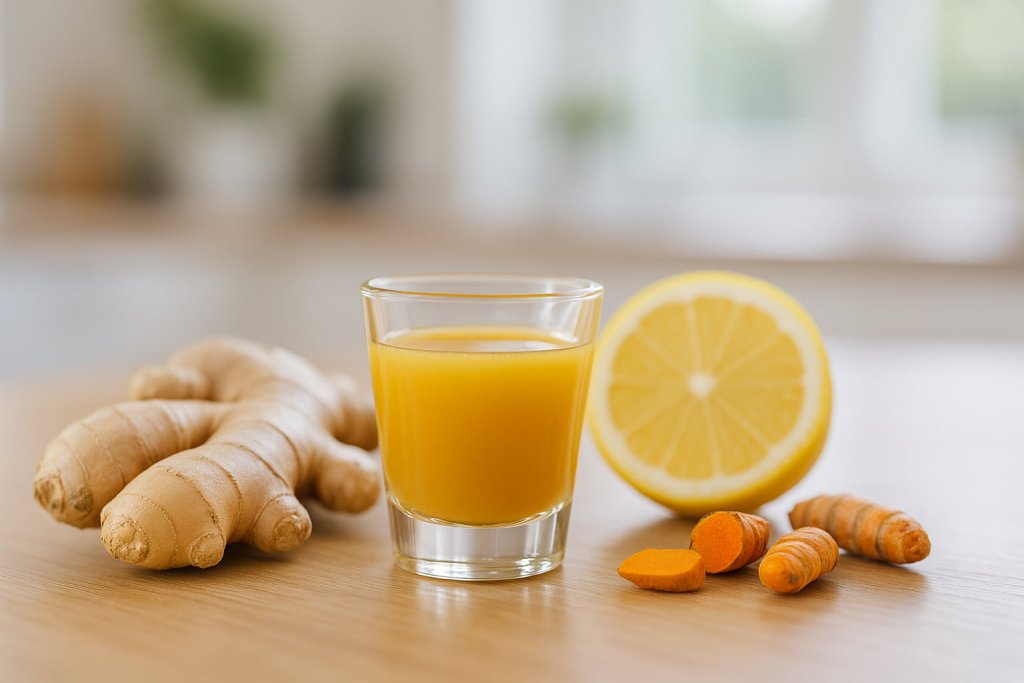
Ginger shots contain concentrated amounts of fresh ginger root, which provides naturally occurring compounds that have been studied for their potential wellness effects. While ginger shots are not a treatment for medical conditions, research on ginger root shows several areas where moderate intake may support general health.
May Help Reduce Mild Nausea
Ginger has been widely researched for its effects on mild nausea related to pregnancy, motion, and post-operative settings. According to research from the National Library of Medicine, ginger has been studied for its ability to support normal nausea responses, particularly in early pregnancy and during travel. Ginger shots offer a concentrated format that may be helpful for individuals who prefer fresh ginger rather than tablets or teas.
Because concentrated ginger can be strong, people who are pregnant should discuss use with a healthcare professional before adding ginger shots to their routine.
Supports Digestive Comfort
Ginger may help support healthy digestive function by influencing gastric motility—the movement of food through the stomach. Studies summarized by the National Institutes of Health indicate that ginger can support normal digestive processes, which may help with bloating or discomfort after meals. Ginger shots are often taken before or after eating to complement digestive comfort, especially when made with lemon or other citrus ingredients.
Provides Antioxidant Support
Ginger contains naturally occurring antioxidants such as gingerols and shogaols. These compounds help the body respond to oxidative stress from daily activities, environmental exposure, and normal metabolic processes. Research from the National Library of Medicine highlights ginger’s phenolic content as an important contributor to its antioxidant activity. Including ginger shots as part of a nutrient-dense eating pattern may support overall cellular wellness.
May Support Healthy Inflammatory Balance
Ginger’s gingerols and shogaols have been studied for their role in modulating inflammatory pathways. According to NIH-supported research, these compounds may help support the body’s natural inflammatory balance, which is important for overall wellness and joint comfort. Ginger shots deliver these compounds in a concentrated liquid form, but individuals should consume them in moderation to avoid gastrointestinal discomfort.
May Support Metabolic Wellness
Some studies suggest ginger may support healthy blood sugar and lipid levels when used as part of a balanced diet and active lifestyle. Evidence summarized by the National Library of Medicine shows mixed but promising results regarding ginger’s potential role in supporting metabolic markers. Ginger shots should not be used to replace medical care, but they may complement an overall wellness routine that focuses on whole foods, physical activity, and consistent meal patterns.
May Support Immune Health
Ginger contains antioxidants and naturally occurring plant compounds that may support the body’s immune defenses. Seasonal wellness routines often include ginger because of its warming properties and phenolic content. Research from the National Institutes of Health notes that ginger’s bioactive compounds contribute to general immune-supportive effects, especially when included alongside fruits, vegetables, and other nutrient-dense foods. Ginger shots provide a quick way to incorporate these compounds during seasonal changes or times of increased wellness focus.
How Much Ginger Is in a Ginger Shot?
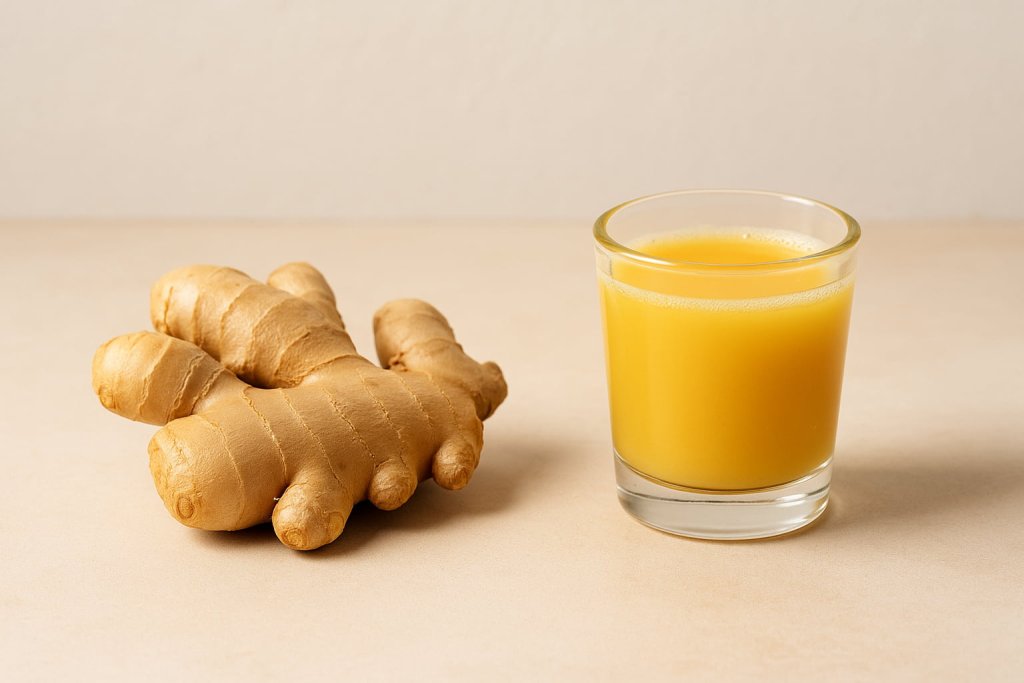
Ginger shots vary widely in potency, but most contain concentrated amounts of fresh ginger similar to what has been used in scientific studies. Understanding typical dosage ranges helps you choose the right strength for your routine.
Common Dosage Ranges in Research
Most clinical studies evaluating ginger for digestion, nausea, or metabolic wellness use 0.5–2 grams of ginger per day, with some using up to 3–4 grams. According to research from the National Library of Medicine, these amounts are considered moderate and are generally well-tolerated in healthy adults.
Some research summaries referenced by the National Institutes of Health note that many adults safely consume ginger within this range as part of food or wellness routines.
Estimated Amounts in Store-Bought and Homemade Shots
A typical 2-oz store-bought ginger shot contains the equivalent of 1–5 grams of fresh ginger root, depending on the brand and recipe. Homemade versions can be stronger because they often use more fresh ginger per ounce.
Because ginger shots are concentrated, starting with smaller amounts and adjusting based on personal tolerance is recommended.
How to Use Ginger Shots Safely
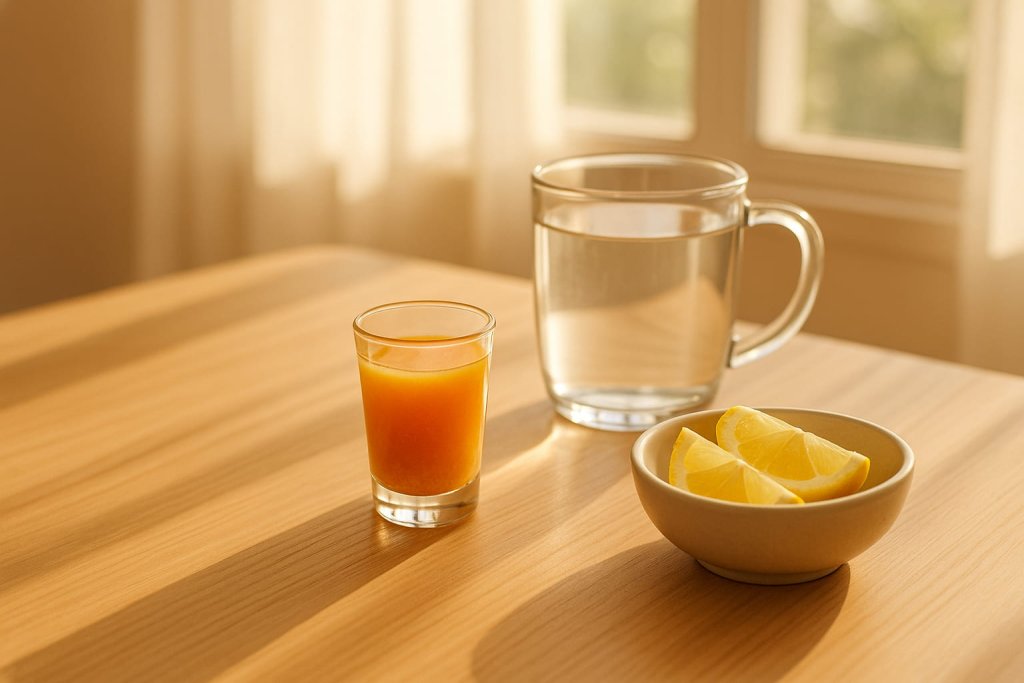
Using ginger shots thoughtfully ensures you benefit from their concentrated plant compounds without overwhelming your stomach.
Best Timing (Morning, Before Meals, Before Travel)
- Morning: May support digestion and antioxidant intake.
- Before meals: May help with digestive comfort.
- Before travel: Some people use ginger before trips as ginger has been studied for mild motion-related nausea.
Frequency and Moderation
Most people consume ginger shots 1–3 times per week, though some choose a small daily amount. Because ginger shots are strong, moderation helps reduce the risk of stomach discomfort or heartburn.
Ingredient Pairings (Lemon, Turmeric, Cayenne, Apple)
Certain ingredients commonly added to ginger shots may support overall wellness:
- Lemon: Adds vitamin C
- Turmeric: Contains curcumin
- Cayenne: Adds warmth and spice
- Apple or pineapple: Adds mild sweetness and helps dilute the intensity
Who Should Be Cautious

Ginger is generally well-tolerated, but some individuals should use ginger shots carefully due to concentrations that may interact with medications or health conditions.
Medication Interactions (Blood Thinners, Diabetes Meds, BP Meds)
Ginger may influence how certain medications work. According to research from the National Library of Medicine, ginger has been studied for effects on blood clotting, blood sugar, and blood pressure. Individuals taking:
- Blood thinners or antiplatelet drugs
- Diabetes medications
- Blood pressure medications
should speak with a healthcare professional before using concentrated ginger shots.
Medical Conditions (Reflux, Gallstones, Bleeding Risk)
People with the following concerns may need caution:
- Acid reflux or frequent heartburn
- Gallstones
- History of bleeding issues
Ginger shots may feel too strong for individuals with sensitive digestive systems.
Pregnancy and Special Populations
Research shows ginger may help reduce mild nausea in early pregnancy, but the National Institutes of Health advises pregnant individuals to consult a clinician before using concentrated forms like ginger shots.
Children, older adults with complex medical conditions, and individuals preparing for surgery should also use caution.
Possible Side Effects
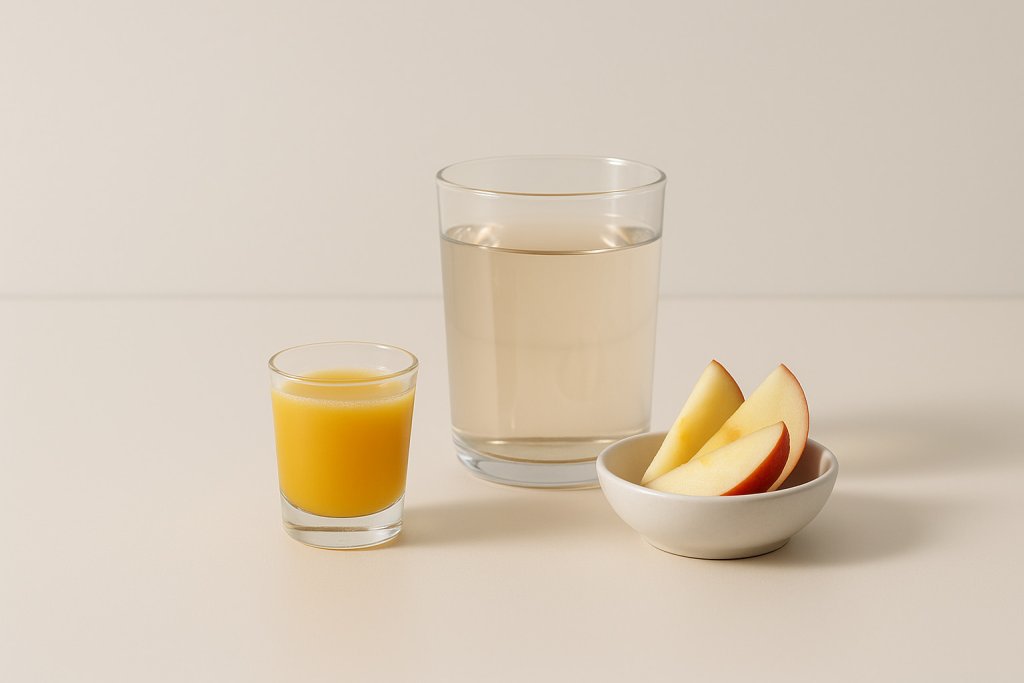
Ginger shots are much stronger than ginger tea or food-based ginger, so some people may experience effects such as:
- Gastric discomfort
- Heartburn or reflux
- Mild burning sensation in the throat or stomach
- Gas or bloating
- Loose stools or diarrhea (especially with higher doses)
How to Reduce Intensity
- Dilute the ginger shot with warm water
- Drink it with food
- Add apple or citrus for smoother taste
- Reduce the amount consumed
DIY vs. Store-Bought Ginger Shots
DIY Pros and Cons
Pros:
- Fresh ingredients
- Adjustable strength
- More budget-friendly
- No additives or preservatives
Cons:
- Requires time and equipment
- Shorter shelf life
Store-Bought Pros and Cons
Pros:
- Convenient and portable
- Consistent flavor
- Often includes functional blends (turmeric, cayenne, probiotics)
Cons:
- More expensive
- Some brands include added sugars or juices
Price Comparison and Value Considerations
Store-bought ginger shots often cost $2.50–$4.00 per 2 oz bottle, while homemade versions may cost only a fraction of that depending on ginger prices and bottle reuse.
How to Make a Simple Ginger Shot at Home
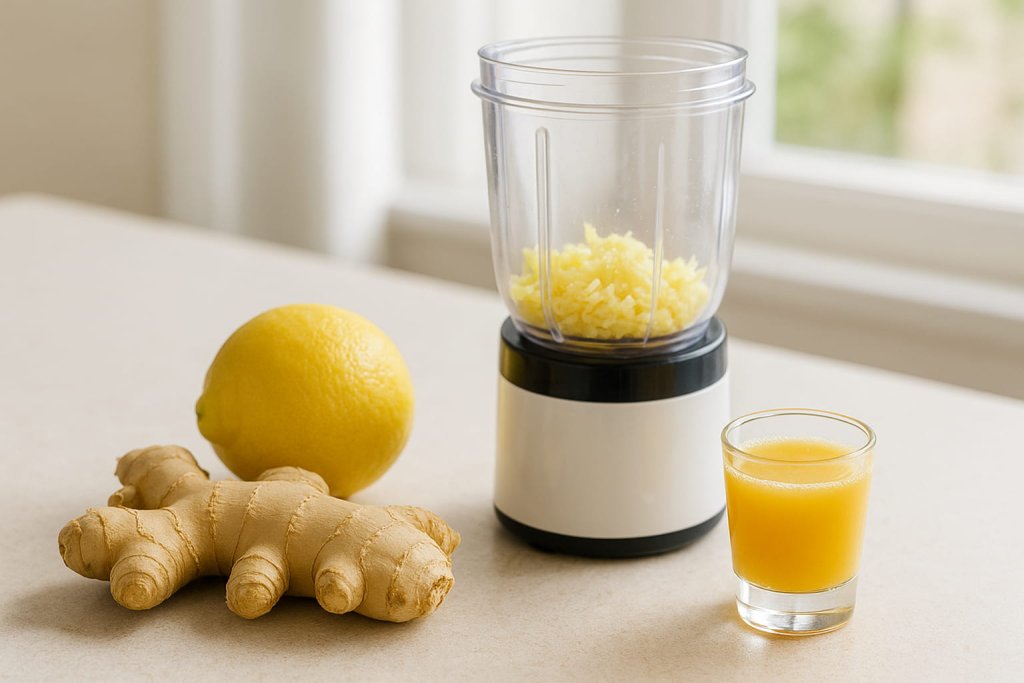
Ingredients
- Fresh ginger root (3–4 inches)
- Lemon juice
- Water or apple juice
- Optional: turmeric, cayenne, or honey
Step-by-Step Instructions
- Peel and chop fresh ginger.
- Blend with water or apple juice until smooth.
- Strain for a concentrated liquid (optional).
- Add lemon and any optional ingredients.
- Refrigerate for 2–3 days in an airtight container.
Storage Guidelines
- Keep in the refrigerator for up to 72 hours
- Shake well before each use
- Use sterile glass bottles for longer freshness
Frequently Asked Questions (FAQ)
Are ginger shots safe to drink daily?
Daily consumption may be fine for some people, but moderation is important due to their intensity.
Do ginger shots help with weight loss?
Ginger does not cause weight loss, but it may support metabolic balance when combined with healthy habits.
Can ginger shots be taken on an empty stomach?
Yes, but some people may experience burning or discomfort.
Are ginger shots good for immunity?
Ginger contains antioxidants that may support immune function, but it does not prevent illness.
Are ginger shots safe during pregnancy?
Consult a healthcare professional before using concentrated ginger during pregnancy.
How strong is a typical ginger shot?
Strength varies, but many contain 1–5 grams of fresh ginger root per 2 oz.
Should ginger shots be taken before or after meals?
Both are acceptable; before meals may help with digestion, while after meals may feel gentler.
Conclusion
Ginger shots offer a concentrated way to consume fresh ginger and may support digestion, nausea relief, antioxidant intake, and general wellness. The key is moderation, paying attention to personal tolerance, and using ginger shots as part of a balanced, nutrient-rich lifestyle. Individuals who are pregnant, take medications, or have medical conditions should seek professional guidance before adding concentrated ginger to their routine.
This content is for informational purposes only and not medical advice.