
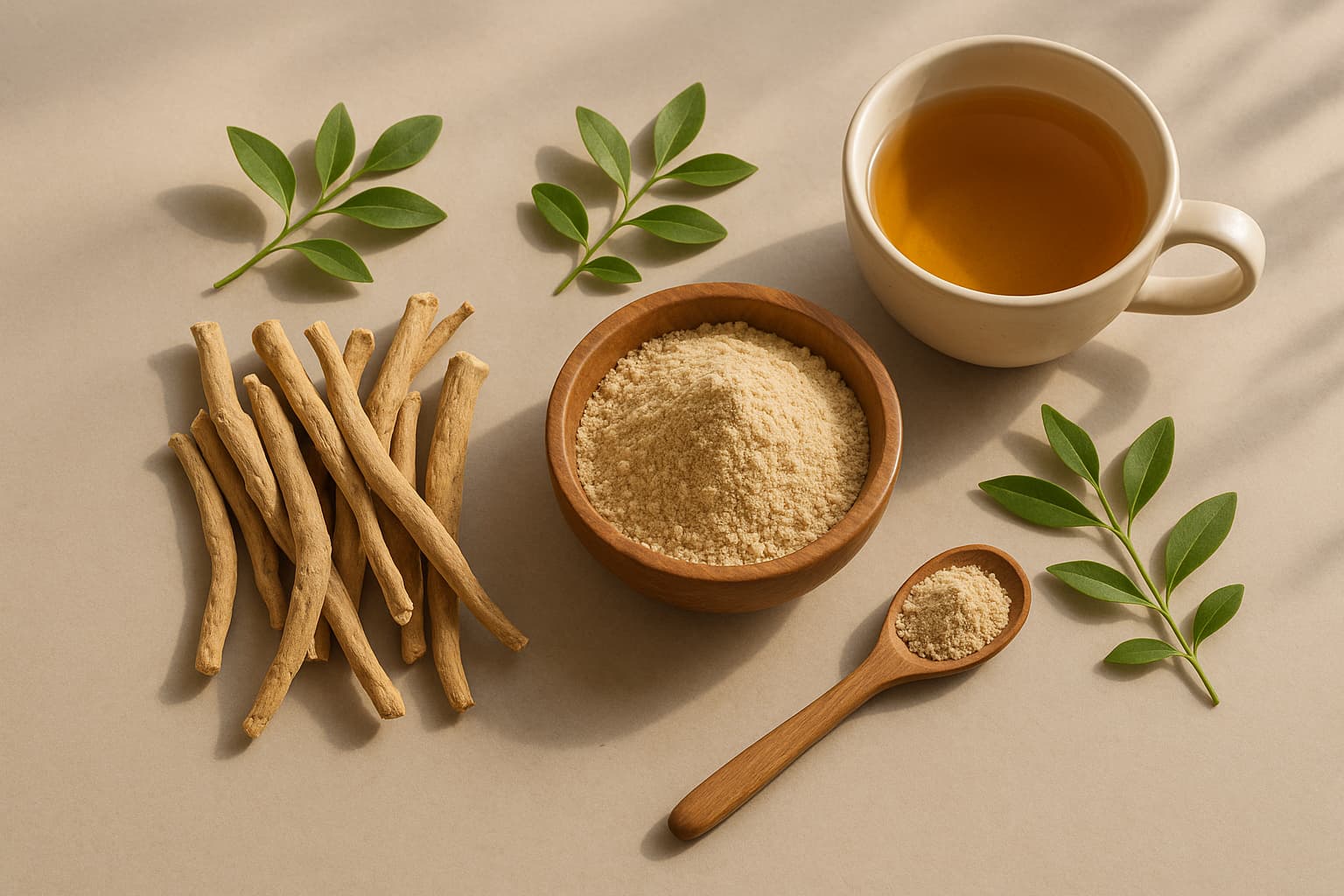
Ashwagandha is an adaptogenic herb widely used for stress management, energy, and overall wellness. Yes—research shows that ashwagandha may help support stress response, sleep quality, cognitive performance, and metabolic balance when used short-term in studied amounts.
Understanding these benefits is important because supplements vary widely in quality, potency, and safety. Evidence also shows that certain groups should use ashwagandha cautiously, especially where hormonal, liver, thyroid, or medication-related concerns exist.
This guide breaks down 10 science-backed benefits, safety notes, what research typically uses, and how to approach ashwagandha from a nutrition- and wellness-focused perspective—using only safe, factual, non-medical wording.
What Is Ashwagandha? (Overview and Wellness Context)
Ashwagandha (Withania somnifera) is a traditional Ayurvedic herb classified as an adaptogen, meaning it may help the body respond to physical and emotional stress. Modern supplements primarily use standardized root extract, while some include both root and leaf. According to the National Center for Complementary and Integrative Health, research suggests potential support for stress, sleep, and cognitive function, though most clinical studies are short term.
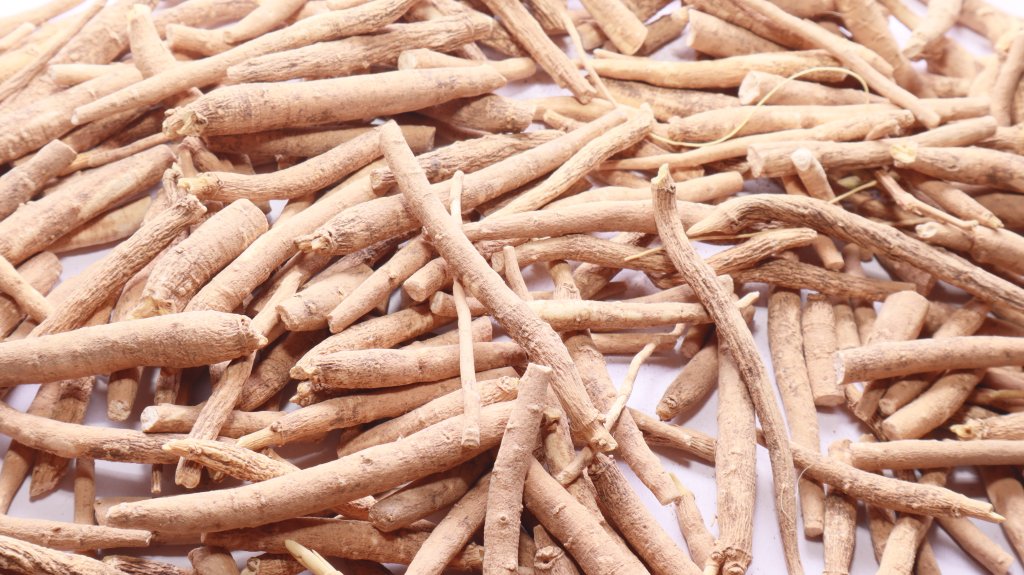
Ashwagandha contains active compounds called withanolides, which have antioxidant and anti-inflammatory properties that may support cellular health and overall wellness. Like many botanicals, responses vary by individual, dosage, extract type, and health status.
10 Science-Backed Benefits of Ashwagandha
1. May Help Reduce Stress and Support Cortisol Balance

Clinical research shows that standardized ashwagandha extract may help support a healthier stress response in adults experiencing daily stress. Several randomized trials indicate that participants taking 240–600 mg/day experienced improvements in perceived stress compared with placebo.
According to the National Institutes of Health Office of Dietary Supplements, these effects may relate to how ashwagandha influences cortisol patterns, which can play a role in the body’s ability to maintain balance under pressure.
While findings are encouraging, results vary across studies, and supplement quality differs, so individual experiences may not be the same.
2. May Support Mild Anxiety and Emotional Well-Being

Systematic reviews of clinical trials suggest that ashwagandha may support emotional balance and mild anxiety in adults dealing with stress. Some participants report improved calmness and general well-being when taking standardized extract for 6–12 weeks.
However, mental health conditions are complex. According to the National Center for Complementary and Integrative Health, supplements should not replace professional care for anxiety disorders, and individuals with ongoing symptoms should seek qualified guidance.
3. May Support Better Sleep Quality

Ashwagandha has been studied for its potential role in sleep duration, sleep onset, and overall sleep quality. Some trials show that individuals taking 300–600 mg/day of standardized extract reported modest improvements in falling asleep, staying asleep, and feeling more rested upon waking.
Research from the National Library of Medicine notes that these benefits may be most noticeable in people experiencing occasional sleep disturbances.
Because sleep is closely tied to stress and lifestyle habits, ashwagandha may complement but not replace foundational sleep practices.
4. May Support Memory, Focus, and Cognitive Function

Early research indicates that ashwagandha may support aspects of cognitive performance such as attention, working memory, and reaction time. These potential benefits may stem from its antioxidant properties and stress-supportive effects, which can influence brain function.
Studies remain small and short term, and most use specific standardized extracts. Continued research is needed to determine long-term cognitive impact.
5. May Support Energy Levels and Reduce Occasional Fatigue

Ashwagandha may support subjective energy and resilience by helping the body manage everyday stress. When stress is better regulated, individuals may experience improvements in perceived vitality.
Participants in several trials reported feeling less fatigued and more balanced while taking standardized root extract. These effects vary and should be viewed as complementary to nutrition, sleep, hydration, and overall lifestyle.
6. May Support Exercise Performance and Recovery

Research exploring ashwagandha’s impact on exercise performance shows potential improvements in strength, endurance, and recovery markers. Some studies report increases in VO₂ max, enhanced muscle performance, and reduced perceived exertion.
This support may relate to ashwagandha’s adaptogenic and antioxidant properties, which may help the body respond to physical stress.
According to the National Library of Medicine, results should be interpreted with caution because studies differ in design, dosage, and training programs.
7. May Support Testosterone and Male Reproductive Wellness
Clinical findings suggest that ashwagandha may help support healthy testosterone levels and sperm parameters—such as concentration and motility—in certain men, especially those experiencing stress.
The National Institutes of Health notes that evidence is limited and should be used cautiously, especially because hormonal health is highly individualized.
Individuals with hormone-sensitive conditions should seek medical guidance before using supplements, as ashwagandha may influence hormone-related pathways.
8. May Support Healthy Blood Sugar and Metabolic Wellness
Ashwagandha has been studied for its potential impact on blood glucose, lipid balance, and metabolic well-being. Some studies show improvements in fasting glucose and cholesterol markers, while others find minimal effects.
These differences may relate to extract type, dosage, and individual metabolic health.
Balanced nutrition and regular physical activity remain foundational. As noted by the Dietary Guidelines for Americans, whole foods, movement, and consistent habits are central to metabolic support.
9. Provides Antioxidant and Anti-Inflammatory Support
Ashwagandha contains natural compounds, such as withanolides, that exhibit antioxidant and anti-inflammatory properties. Studies show potential improvements in markers related to oxidative stress and inflammation.
According to the National Library of Medicine, these biological effects may contribute to overall cellular wellness and long-term resilience.
Human studies remain limited, and results differ based on extract quality and dosage.
10. May Influence Thyroid and Hormonal Balance
Small studies show that ashwagandha may influence thyroid markers by supporting changes in TSH, T3, and T4 levels. While this may be beneficial for some individuals, it also raises caution.
Case reports have documented thyroid overactivity in a small number of supplement users—often reversing after discontinuation.
The National Institutes of Health advises individuals with thyroid disorders, endocrine conditions, or those taking thyroid medication to consult a health professional before using ashwagandha.
Hormonal pathways are sensitive, and supplementation should be approached with informed awareness.
Safety, Side Effects, and Who Should Avoid Ashwagandha
Common Mild Side Effects Reported in Studies
Ashwagandha is generally well tolerated for short-term use, but mild reactions may occur. Reported effects include digestive upset, loose stools, slight drowsiness, or headaches. These responses can vary depending on dosage, extract strength, and individual sensitivity.
According to the National Institutes of Health Office of Dietary Supplements, most adverse events in clinical trials have been mild and temporary, though product quality and formulation differences can influence tolerability.
High-Risk Groups That Should Avoid or Use With Medical Guidance
Pregnant or breastfeeding individuals
Ashwagandha is not recommended during pregnancy, and safety data for breastfeeding are limited. Because of its potential hormonal activity, professional guidance is strongly advised.
Under-18 populations
There is insufficient research on safety for children and adolescents. Many health agencies recommend avoiding use in these age groups.
Thyroid disorders
Ashwagandha may influence thyroid hormone levels, and individuals with hypo- or hyperthyroidism should seek medical supervision before considering use.
Hormone-sensitive conditions
Because ashwagandha may affect hormonal pathways, individuals with hormone-sensitive health concerns—including certain reproductive conditions—should approach use cautiously.
Liver concerns
Rare case reports describe liver-related reactions in some supplement users. Individuals with existing liver conditions should exercise caution and consult a professional.
Medication interactions
Ashwagandha may interact with medications such as:
- Sedatives or sleep aids
- Thyroid medications
- Immunosuppressants
- Diabetes medications
- Blood pressure medications
The National Center for Complementary and Integrative Health notes that supplement–medication interactions can vary widely and should be discussed with a clinician.
What Leading Health Agencies (NIH, NCCIH, European Regulators) Advise
The National Institutes of Health acknowledges potential benefits but emphasizes that most clinical trials are short term and involve specific standardized extracts.
The National Center for Complementary and Integrative Health highlights safety uncertainties for pregnant individuals, those with chronic conditions, and people taking medications.
Several European health agencies have issued cautionary guidance due to potential endocrine and liver-related effects. Some countries require safety warnings on product labels or advise against use in vulnerable groups.
Across all agencies, the message is consistent: ashwagandha should be used carefully, especially in individuals with health conditions or those taking medications.
Typical Dosages Used in Research (Not a Personal Recommendation)
Clinical studies on ashwagandha use a wide range of preparations and concentrations. The information below describes what researchers commonly use—not what individuals should take.
Extract Strengths and Standardization Levels
Most modern studies use standardized root extract, often containing 2.5–5% withanolides. Standardization helps ensure consistency across capsules or servings.
According to the National Institutes of Health, results from studies may not apply to non-standardized products or formulations that combine root and leaf.
Common Research Durations (6–12 Weeks)
Human trials typically last 6 to 12 weeks, with some extending to 90 days. Because long-term data are limited, health agencies recommend caution with extended or unsupervised use.
Why Product Potency and Form Influence Outcomes
Different extracts vary in potency, purity, and withanolide concentration. Root-only extracts are used most frequently in research and may offer more predictable outcomes, while powders and mixed formulations may vary widely.
Variations in extraction methods can affect the concentration of bioactive compounds, influencing how the body responds.
Importance of Consulting a Professional for Individual Needs
Ashwagandha affects multiple physiological pathways, including stress response, thyroid activity, and hormone balance. Because of this, it’s important for individuals—especially those with underlying conditions or on medication—to consult a qualified health professional before using it.
A clinician can evaluate potential interactions, assess suitability, and determine whether supplementation aligns with overall wellness goals.
How to Choose a High-Quality Ashwagandha Supplement
Root-Only Extract vs. Root + Leaf Formulations
Most clinical studies evaluating ashwagandha’s potential benefits use root-only extracts, which offer a more consistent profile of active compounds. Root + leaf formulations may vary more widely in composition, which can affect potency, safety, and how the body responds.
According to the National Institutes of Health Office of Dietary Supplements, differences in plant parts and extraction methods can change the concentration of withanolides, making it important to choose products that match what research typically evaluates.
Third-Party Testing and Quality Verification (USP, NSF, ConsumerLab)
Independent testing helps ensure that supplements contain what the label claims and are free from contaminants.
Organizations such as U.S. Pharmacopeia (USP), NSF International, and ConsumerLab evaluate supplements for purity, potency, and manufacturing quality.
Choosing products that carry third-party certification reduces the risk of mislabeling or poor-quality formulations.
Withanolide Levels and Transparent Labeling
Withanolides are key bioactive compounds in ashwagandha. Transparent labeling should identify:
- The percentage of withanolides (commonly 2.5–5%)
- The plant part used (preferably root-only)
- The exact extract amount per serving
Research from the National Library of Medicine highlights that standardized extracts provide more predictable concentrations, which may lead to more consistent outcomes.
Avoiding Proprietary Blends and Unverified Claims
Proprietary blends may conceal exact ingredient amounts, making it difficult to assess potency or safety. Supplements should clearly list each component and dosage.
Avoid products that make medical claims or promises of cures, as supplements cannot legally diagnose or treat conditions.
Choosing well-documented, transparently labeled products aligns with evidence-based supplement practices.
How Ashwagandha Fits Into a Balanced Wellness Routine
Nutrition Habits That Complement Ashwagandha
Nutrient-rich eating patterns help support the body’s natural stress response and energy systems.
Emphasize:
- Whole fruits and vegetables
- Lean proteins and legumes
- Whole grains
- Healthy fats such as nuts, seeds, and olive oil
The Dietary Guidelines for Americans recommend balancing these food groups to promote long-term wellness, which may complement any supportive role of ashwagandha.
Physical Activity, Strength Training, and Recovery Support
Regular movement helps regulate mood, improve sleep, and support metabolic health. Ashwagandha may complement a fitness routine by supporting perceived recovery and exercise performance.
A weekly combination of aerobic activity, strength training, and stretching offers a well-rounded approach that aligns with established physical activity recommendations.
Stress Management and Sleep Hygiene Practices
Healthy stress and sleep habits are essential to overall wellness. Supportive practices may include:
- Consistent sleep and wake times
- Limiting screens before bed
- Taking short breaks during the day
- Incorporating breathing exercises or mindfulness
The Centers for Disease Control and Prevention highlights how adequate sleep and stress management contribute to physical and emotional well-being.
Aligning Supplement Use With Evidence-Based Living Guidelines
Ashwagandha may support certain aspects of wellness, but it works best when combined with lifestyle foundations such as balanced nutrition, regular movement, and restorative sleep.
A qualified health professional can help determine whether supplement use aligns with evidence-based health practices and individual needs.
Frequently Asked Questions
Is ashwagandha safe to take daily?
Short-term daily use appears to be well tolerated for many healthy adults based on clinical trials. Long-term safety is not well established, so individuals should consult a health professional before ongoing use.
How long does it take to notice potential benefits?
Most studies report changes after 6–12 weeks, though some individuals may notice effects sooner depending on the extract and dosage used in research.
Can ashwagandha replace anxiety or sleep medication?
No. Ashwagandha may support stress and sleep quality, but it is not a substitute for medical treatment. Individuals with ongoing symptoms should seek professional care.
Can I combine ashwagandha with other supplements or caffeine?
Supplement combinations vary in safety. Interactions may depend on dosage and individual factors. A qualified health professional can provide personalized guidance.
Does ashwagandha support weight management?
Ashwagandha does not directly cause weight loss, but it may influence factors like stress, energy, and sleep—areas that indirectly affect wellness patterns.
Is standardized extract better than raw powder?
Standardized root extracts are used most often in clinical research and may provide more consistent levels of active compounds.
What label information should I check before buying?
Look for clear labeling that includes:
- Plant part used (preferably root-only)
- Standardization percentage of withanolides
- Third-party testing certifications
- Absence of proprietary blends
Conclusion
Ashwagandha is one of the most widely studied adaptogenic herbs and may support stress response, sleep quality, mental focus, physical performance, metabolic wellness, and hormonal balance when used short term.
Because individual responses vary—and certain groups face higher risks—choose high-quality supplements, review safety considerations, and follow evidence-based guidelines for overall wellness.
This content is for informational purposes only and not medical advice.