
Lemon water may support hydration, provide vitamin C, and contribute to overall wellness when included as part of a healthy daily routine. It’s simply fresh lemon juice mixed with water, yet it offers several evidence-supported advantages related to nutrition, hydration, kidney function, and antioxidant intake.

Understanding the health benefits of lemon water can help you use it safely and effectively—especially if you’re mindful of dental enamel, acid reflux sensitivity, or kidney concerns. Below, you’ll find a science-based breakdown of benefits, risks, and practical guidance supported by reputable organizations such as the Mayo Clinic, Cleveland Clinic, National Institutes of Health, and U.S. Department of Agriculture.
What Is Lemon Water? (Overview + Basic Definition)
Lemon water is a simple beverage made by mixing fresh lemon juice with water—typically ¼ to ½ of a lemon in 8–12 ounces of warm or cold water. It’s naturally low in calories, contains no added sugar, and provides a clean, refreshing flavor that may help people drink more water throughout the day. Because hydration plays a central role in digestion, circulation, and kidney function, lemon water is often used as an easy way to support daily fluid intake.
Many people also add lemon slices, zest, or pulp to enhance flavor and aroma. While lemon water is not a medical treatment, it can be part of a balanced wellness routine thanks to its vitamin C content, citric acid, and antioxidants. Its popularity stems from its simplicity, accessibility, and potential to support healthier beverage habits.

Nutrition Profile of Lemon Water
The nutritional value of lemon water comes primarily from vitamin C, citric acid, and antioxidants naturally present in lemons. Because the drink is mostly water, the nutrient content depends on how much lemon juice is added.
According to USDA FoodData Central, one whole raw lemon provides about 30–40 mg of vitamin C, equivalent to roughly 35–40% of the daily value (DV) for adults. A standard serving of lemon water—using half a lemon—typically provides:
- 15–20 mg of vitamin C
- Citric acid, which may increase urinary citrate and support kidney stone prevention
- Flavonoids, such as hesperidin and eriocitrin, which contribute antioxidant activity
- Small amounts of potassium, fiber (if pulp is included), and other phytonutrients
For accurate nutrient details, you can review the lemon entry in the USDA database:
USDA FoodData Central – Lemons
Vitamin C in lemon water supports collagen formation, iron absorption, and general immune function. Citric acid contributes to lemon’s sour taste and may support kidney health by influencing urinary chemistry. The antioxidants found in lemons may help protect cells from oxidative stress as part of an overall balanced diet.
Overall, lemon water is a low-calorie, nutrient-enhanced hydration option that aligns well with everyday wellness habits.
10 Science-Backed Health Benefits of Lemon Water
Lemon water offers a refreshing, low-calorie way to support hydration, vitamin C intake, and daily wellness habits. Below are ten evidence-based benefits supported by trusted health organizations and current nutritional science.
1. Supports Better Hydration

Many adults struggle to meet daily fluid needs, and plain water can feel bland or unappealing. Adding fresh lemon enhances flavor, which may help increase total water intake, supporting overall hydration.
Proper hydration plays a vital role in:
- Temperature regulation
- Normal digestion and bowel function
- Kidney performance and filtration
- Blood circulation and nutrient transport
For authoritative hydration recommendations, see the Mayo Clinic’s guidance on daily water intake, available through its article on how much water you should drink:
Mayo Clinic – Water: How Much Should You Drink?
2. Provides a Natural Source of Vitamin C

Vitamin C is an essential antioxidant that supports numerous physiological functions. Lemon water, particularly when made with at least half a fresh lemon, provides a meaningful amount of this nutrient without added sugars.
Vitamin C supports:
- Normal immune health
- Collagen formation for skin, ligaments, and connective tissues
- Iron absorption from plant-based foods
- Natural protection against oxidative stress
For evidence-based information on vitamin C requirements and benefits, refer to the NIH Office of Dietary Supplements’ Vitamin C fact sheet:
NIH Office of Dietary Supplements – Vitamin C
3. May Help Reduce the Risk of Certain Kidney Stones

Lemon water contains citric acid, a natural compound that may help increase urinary citrate levels. Citrate binds with calcium and may reduce the formation of calcium oxalate kidney stones, which are the most common type. Higher urinary citrate also helps discourage crystal growth, offering a protective effect for individuals who are prone to stones.
According to the National Kidney Foundation, citrus sources such as lemon juice can be part of a kidney-stone-prevention strategy, especially for people with low urinary citrate. When combined with adequate hydration, a lower-sodium diet, and individualized medical guidance, citrus beverages may support kidney stone prevention as part of an overall lifestyle plan.
You can review the NKF’s current medical nutrition guidance here:
National Kidney Foundation – Kidney Stone Diet Plan and Prevention
4. Supports Digestion and May Ease Bloating

Although clinical research is limited, lemon water may support digestive comfort through:
- Better hydration, which promotes normal bowel regularity
- Naturally occurring plant compounds that may encourage gastric motility
- Mild acidity that may stimulate salivary and digestive secretions
Warm lemon water is commonly consumed before meals, though strong evidence for timing-based benefits is not yet established. Most digestive advantages are primarily linked to improved hydration.
5. May Support Weight Management (Indirectly)

Lemon water is naturally low in calories, making it a practical alternative to higher-calorie beverages such as:
- Soft drinks
- Sugary juices
- Sweetened teas
By replacing these beverages with lemon water, individuals may reduce calorie intake and better manage weight over time. This approach aligns with broader lifestyle strategies for maintaining a healthy weight.
For additional evidence-based weight management tools, refer to the CDC’s Healthy Weight guidance:
CDC – Healthy Weight Basics
6. Rich in Antioxidants That Support Skin Health

Lemons contain vitamin C and other antioxidants that may help protect cells from oxidative stress. Together with proper hydration, these factors support:
- Normal collagen formation
- Healthy skin appearance
- Maintenance of connective tissue
While lemon water does not clear skin conditions, its antioxidant and hydration benefits may support overall skin wellness as part of a balanced diet.
7. May Support Healthy Iron Absorption
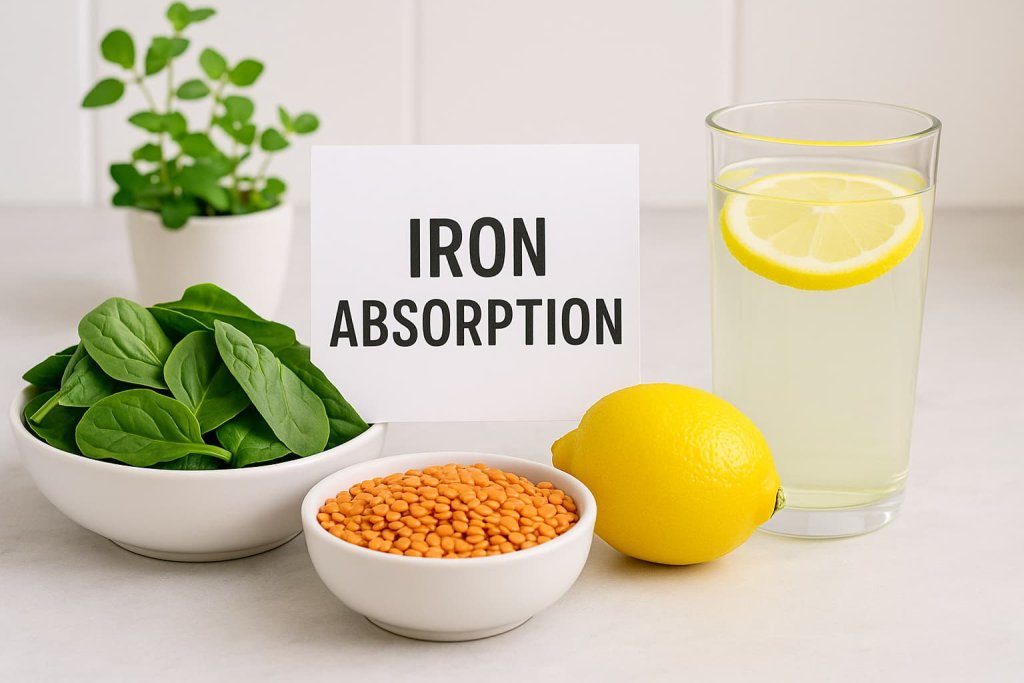
Vitamin C significantly enhances the absorption of non-heme iron, the type of iron found in plant-based foods such as beans, lentils, and leafy greens. Drinking lemon water with meals may help support efficient iron uptake, especially for those who follow vegetarian or vegan diets.
For authoritative insights into dietary iron, see the Harvard T.H. Chan School of Public Health’s guidance on iron:
Harvard T.H. Chan School of Public Health – Iron
8. May Help Freshen Breath Naturally

Lemon’s bright aroma and natural acidity can temporarily refresh breath and encourage saliva production. Healthy saliva flow helps wash away food particles and supports normal oral hygiene.
However, because lemon juice is acidic, it’s important to minimize direct contact with teeth. Strategies such as diluting lemon water, drinking through a straw, and rinsing with plain water afterward can help protect enamel. (Detailed precautions belong in your safety section.)
9. Supports Natural Hydration-Based “Detox” Functions

Your liver and kidneys naturally remove waste products from the body. Lemon water does not detox the body on its own, but adequate hydration supports these organs’ normal, daily functions.
Well-hydrated kidneys can effectively filter blood, regulate electrolytes, and maintain fluid balance. Adding lemon may encourage people to drink more water, indirectly supporting these natural processes.
For authoritative information on kidney function, see the National Institute of Diabetes and Digestive and Kidney Diseases (NIDDK):
NIDDK – Kidney Disease and Kidney Function
10. A Simple Way to Boost Daily Wellness Habits

Lemon water is inexpensive, widely accessible, and easy to prepare—making it a sustainable addition to a healthy routine. It may help you:
- Reduce intake of sugary drinks
- Start the morning with hydration
- Add small amounts of vitamin C and antioxidants
- Build consistent, health-promoting habits
Because it’s simple and adaptable, lemon water fits naturally into daily wellness routines for many individuals.
Possible Side Effects and Safety Precautions
Lemon water is generally safe for most healthy adults, but its acidity and nutrient profile mean some individuals should use it mindfully. Understanding potential risks ensures safer consumption, especially for those with digestive sensitivity, dental concerns, or kidney issues.
1. Dental Enamel Erosion Risk
Lemon juice is naturally acidic (around pH 2), and frequent exposure to acidic beverages may gradually weaken dental enamel. This softening of enamel can increase tooth sensitivity, raise the risk of cavities, and make teeth more vulnerable to erosion over time. The acidity of lemon water is not harmful when consumed in moderation, but consistent or prolonged contact with teeth is a documented concern.
According to the American Dental Association (ADA), acidic foods and drinks can contribute to enamel erosion, and individuals should take steps to limit prolonged acid exposure to protect long-term oral health. You can review the ADA’s guidance on the relationship between nutrition and oral health here:
American Dental Association – Nutrition and Oral Health
How to Protect Your Teeth When Drinking Lemon Water
To reduce enamel erosion risk while still enjoying lemon water:
- Dilute lemon juice generously to reduce acidity.
- Use a straw to limit direct contact between the drink and your teeth.
- Rinse with plain water immediately after drinking lemon water.
- Wait at least 30 minutes before brushing to avoid brushing softened enamel.
- Avoid sipping all day, which prolongs acid exposure; instead, drink in one sitting and rinse afterward.
These strategies help you enjoy lemon water safely while maintaining strong dental health.
2. Acid Reflux or GERD Sensitivity
Individuals with acid reflux, GERD, or chronic heartburn may notice worsened symptoms when consuming acidic beverages like lemon water. The acidity can irritate an already sensitive esophagus or stomach lining.
If lemon water triggers discomfort:
- Reduce the amount of lemon
- Drink with meals
- Avoid drinking on an empty stomach
- Consider switching to plain water or infused water with less acidity
Medical organizations often recommend limiting acidic foods and drinks for people with reflux-related conditions.
3. Kidney or Mineral Balance Considerations
Lemon water may support kidney stone prevention for individuals with low urinary citrate, but those with chronic kidney disease (CKD), electrolyte imbalances, or specific metabolic disorders should seek individualized guidance from a healthcare provider.
People with kidney conditions may need to limit:
- High-acid beverages
- Potassium intake (in moderate-to-severe CKD)
- Large fluid volumes
For evidence-based kidney nutrition guidance, see the National Kidney Foundation’s resource on kidney stone prevention diets:
National Kidney Foundation – Kidney Stone Diet Plan and Prevention
4. Tooth Sensitivity or Mouth Irritation
The acidity in lemon water may cause temporary:
- Tooth sensitivity
- Gum irritation
- Soreness in the mouth
- Sensitivity to hot or cold foods
Dilution and rinsing with plain water can reduce these effects. People with gum disease, enamel thinning, or frequent mouth sores may need to limit acidic beverages.
5. Interaction Considerations
While lemon water is generally safe, its acidity may interact with conditions such as:
- Active gastritis
- Esophagitis
- Stomach ulcers
- Severe acid sensitivity
People taking medications that already increase stomach acidity or cause gastric irritation should drink lemon water cautiously. Always follow professional medical guidance when managing digestive or metabolic conditions.
How to Make Lemon Water (Best Practices)
Preparing lemon water correctly helps maximize its benefits while minimizing risks such as enamel erosion or stomach discomfort. The best preparation methods are simple and customizable.
Basic Ratio
- Mix ½ fresh lemon (about 1–2 tablespoons of juice) with 8–12 ounces of water
- Adjust the amount of lemon based on taste and tolerance
Temperature Options
- Warm water: Gentle on digestion, commonly used in morning routines
- Room temperature or cold water: Refreshing and hydrating throughout the day
- Avoid extremely hot water, which may break down vitamin C more quickly
Optional Additions
- Fresh mint leaves
- Lemon slices or zest
- Cucumber slices
- A small amount of honey (adds calories—use cautiously if managing weight or blood sugar)
- Ginger slices for aroma and flavor
Tips for Better Tolerance
- Drink through a straw
- Add extra water for lower acidity
- Consume with meals if you have acid sensitivity
Lemon water is flexible, affordable, and easy to adapt to different preferences, making it suitable for morning hydration, mid-day refreshment, or replacing sugary beverages.
How Much Lemon Water Is Safe Per Day?
Most healthy adults can safely enjoy 1–2 glasses of lemon water per day, depending on their digestive tolerance and dental health. While there is no official medical limit, moderation helps reduce enamel erosion and gastrointestinal irritation.
General Safety Guidelines
- Start with ½ lemon per day, diluted in plenty of water
- Gradually increase only if well tolerated
- Avoid sipping small amounts throughout the entire day (continuous acid exposure increases enamel risk)
- Pair lemon water with meals if you experience digestive sensitivity
When to Reduce Intake
Limit or avoid lemon water if you experience:
- Tooth sensitivity
- Heartburn or reflux flare-ups
- Gum irritation
- Stomach pain
- Changes in kidney-related symptoms
Individuals with kidney disease, ongoing digestive disorders, or enamel erosion should consult a healthcare provider before making lemon water a daily habit.
Best Time to Drink Lemon Water
There is no medically required “best” time to drink lemon water, but certain moments during the day may offer added practical benefits. The ideal timing depends on your hydration goals, digestive comfort, and daily habits. Because lemon water is primarily a hydration tool, the best time to drink it is when it helps you increase your total water intake without causing discomfort.
Morning (Most Popular Choice)
Many people enjoy lemon water first thing in the morning because it may help:
- Support rehydration after sleep
- Encourage a healthy morning routine
- Provide a refreshing start to the day
Warm or room-temperature water may be more comfortable for those with digestive sensitivity.
Before Meals
Drinking lemon water before meals may help support hydration and may encourage digestive readiness for some individuals. This is based on hydration and digestive physiology rather than strong clinical evidence.
During the Afternoon Slump
A glass of lemon water in the afternoon can offer a refreshing, low-calorie alternative to sweetened drinks like soda or energy beverages.
When Replacing High-Calorie Drinks
Any time you swap sugary drinks for lemon water, you may reduce overall calorie intake—supporting weight-management goals.
When NOT to Drink Lemon Water
Avoid lemon water right before brushing your teeth or when experiencing heartburn, reflux flare-ups, or mouth irritation.
Frequently Asked Questions (FAQs)
1. Is it okay to drink lemon water every day?
Yes, most healthy adults can enjoy lemon water daily in moderation. Protect your teeth by diluting the lemon juice and rinsing afterward.
2. Does lemon water help with weight loss?
Lemon water does not burn fat, but replacing sugary beverages with lemon water may help reduce overall calorie intake.
3. Can lemon water improve skin health?
Lemon water provides vitamin C and hydration, both of which support healthy skin, but it does not treat or cure skin conditions.
4. Should lemon water be warm or cold?
Warm water is gentle on digestion, while cold water is more refreshing. Both are effective for hydration—choose based on preference.
5. How much lemon should I use per glass?
A typical ratio is ½ lemon mixed with 8–12 ounces of water, but you can adjust the amount to your taste and acidity tolerance.
6. Can lemon water damage my teeth?
Frequent acidic exposure can affect enamel. Use a straw, dilute heavily, rinse afterward, and avoid brushing for 30 minutes to protect teeth.
7. Does lemon water detox the body?
No beverage detoxes the body. Your liver and kidneys perform detoxification. Lemon water supports hydration, which assists natural bodily functions.
8. Can lemon water cause acid reflux?
Yes, for some individuals. If lemon water triggers heartburn, reduce the amount of lemon or avoid drinking it on an empty stomach.
Conclusion
Lemon water is a simple, affordable, and refreshing way to support hydration, add vitamin C, and reinforce daily wellness habits. While it’s not a cure-all, incorporating lemon water into your routine may offer several benefits when consumed mindfully and safely. With proper precautions—especially for dental health and digestive sensitivity—lemon water can fit smoothly into a balanced, health-focused lifestyle.
This content is for informational purposes only and not medical advice.
References:
NIH Office of Dietary Supplements – Vitamin C (Consumer Fact Sheet)
https://ods.od.nih.gov/factsheets/VitaminC-Consumer