
Beets may help support healthy blood pressure and blood flow because they’re naturally rich in dietary nitrates. Beets also provide fiber, folate, and potassium, and their pigments (betalains) add antioxidant support. Understanding beets benefits matters because the biggest effects are most consistent for blood pressure and exercise performance, while other “benefits” should be framed more cautiously.
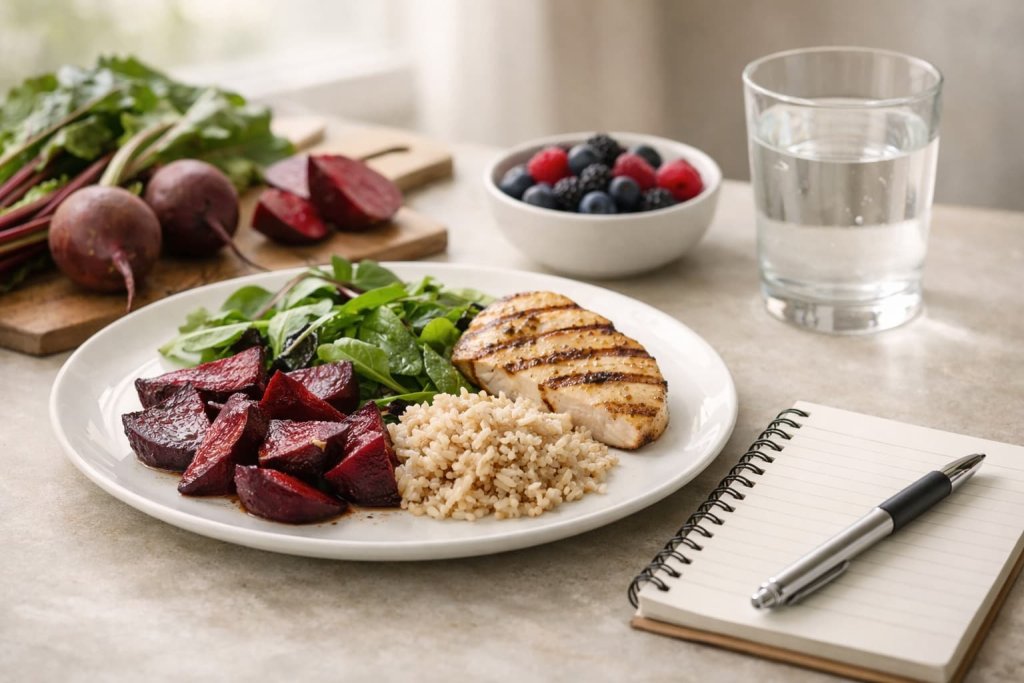
Below are 9 evidence-based beets benefits, plus practical serving tips, side effects, and who should be careful.
What makes beets beneficial
Beets (beetroot) contain dietary nitrate, which your body can convert into nitric oxide. Nitric oxide helps blood vessels relax and widen, supporting circulation. The American Heart Association explains that nitrate-rich foods like beets have been studied for cardiovascular effects, including blood pressure and blood flow.
Beets also supply key nutrients. For example, nutrition data based on USDA entries show that 1 cup of raw beets provides fiber and potassium while being relatively low in calories. (USDA FoodData Central)
9 evidence-based beets benefits
1) May help lower blood pressure (most consistent evidence)
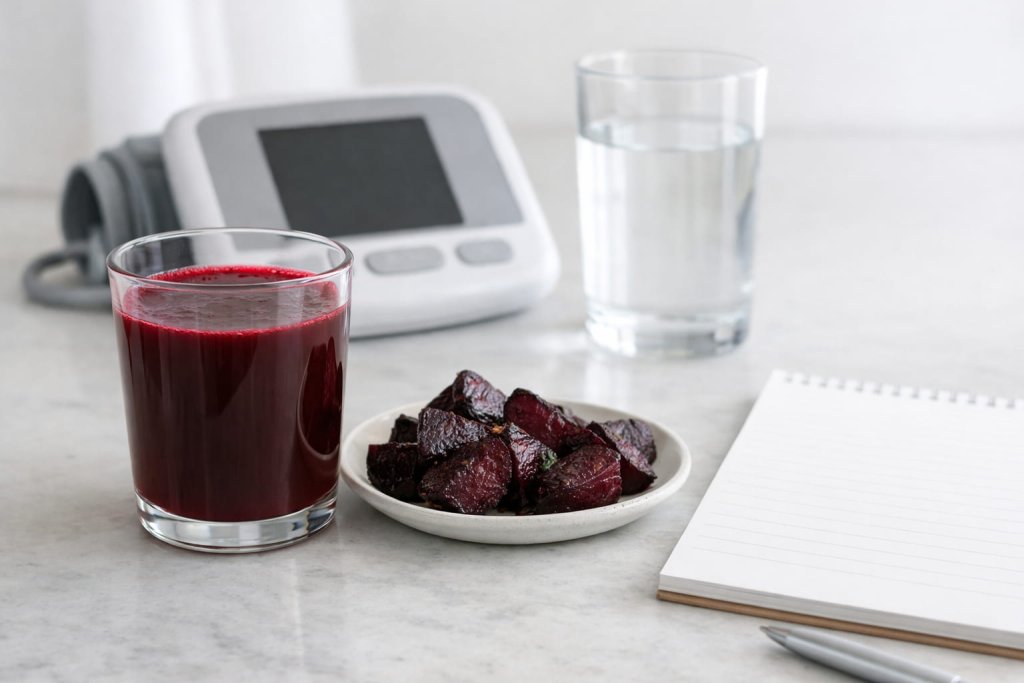
Beetroot juice and nitrate-rich beet products are repeatedly linked to modest reductions in blood pressure, especially in people with hypertension. A 2024 meta-analysis in Clinical Nutrition ESPEN reported beetroot juice lowered clinical systolic blood pressure in hypertension, with effects seen in interventions up to about 90 days (but not clearly sustained as a 24-hour lowering effect).
How to use this in real life:
- If you already have high blood pressure, think of beets as a food-first add-on, not a replacement for prescribed care.
- Whole beets, roasted or in salads, can be a steady way to include nitrates (with fiber).
2) Supports nitric-oxide availability and healthier blood flow
One reason beets are studied so often is their impact on nitric oxide pathways. A controlled trial published in Hypertension (an American Heart Association journal) found dietary nitrate could reduce blood pressure over a multi-week period in people with hypertension, supporting the idea that nitrate intake can improve vascular function.
Practical takeaway:
- Benefits are most likely when beets are included consistently, not just once in a while.
3) May improve exercise efficiency and endurance (small-to-moderate effects)
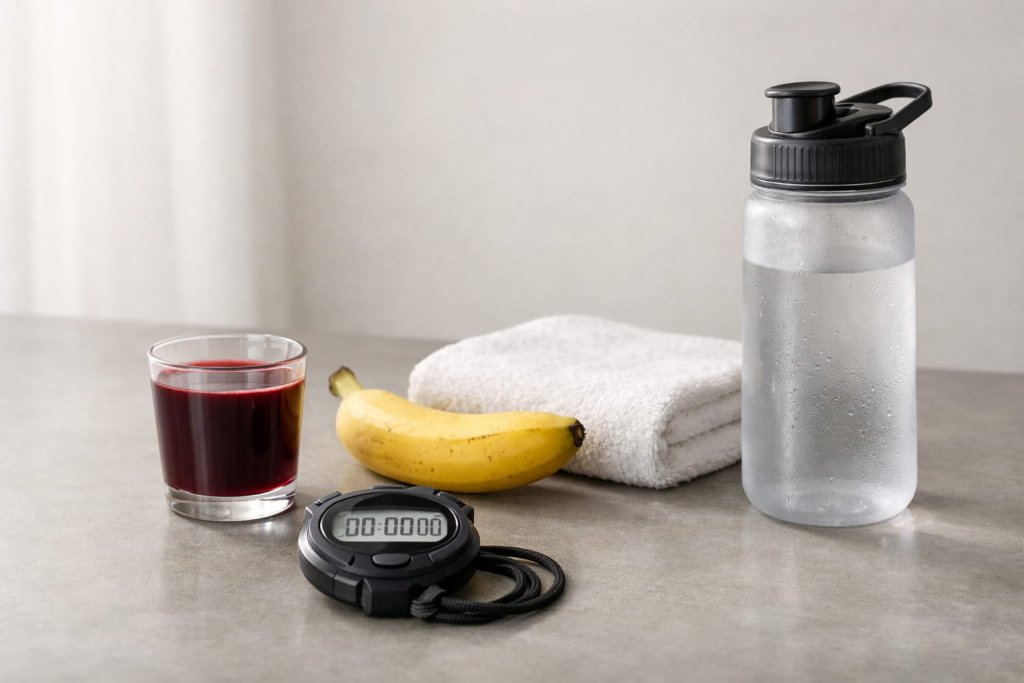
Beetroot juice is commonly studied for performance because improved blood flow and oxygen efficiency can reduce the “cost” of exercise. A 2025 systematic review and meta-analysis in Sports Medicine – Open found beetroot juice supplementation produced small improvements in some performance outcomes (effects vary by dose, timing, training status, and outcome measured).
Practical takeaway:
- The most realistic expectation is a small edge, not a dramatic transformation.
- Whole beets are nutritious, but studies often use juice because it delivers more nitrate per serving (with less fiber).
4) Provides potassium that supports blood pressure patterns
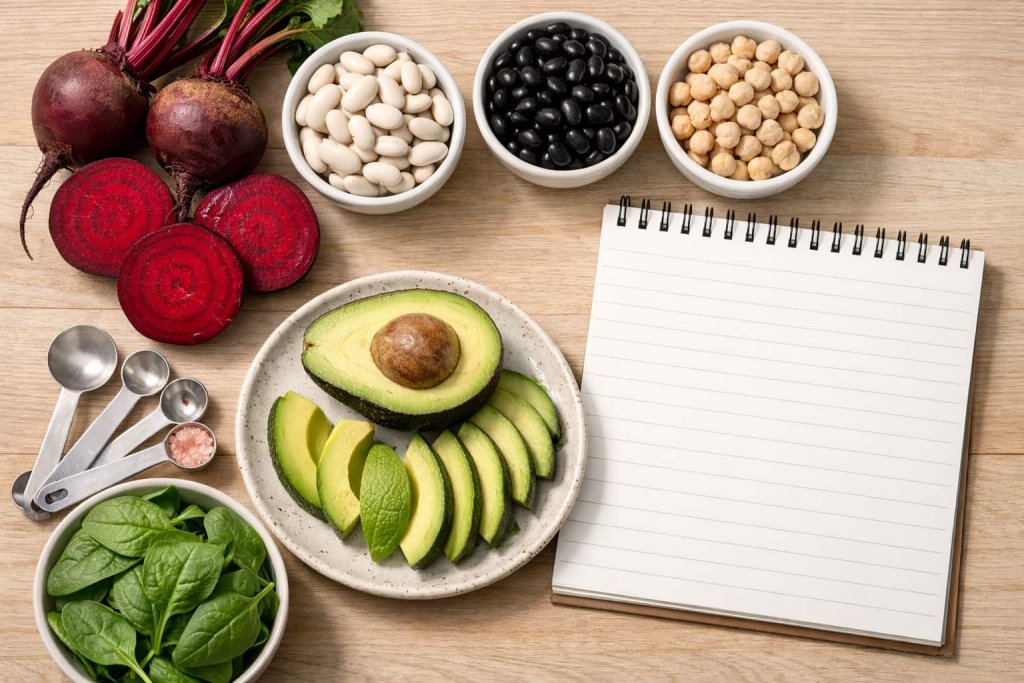
Potassium intake is associated with healthier blood pressure regulation, particularly when sodium intake is high. The National Institutes of Health Office of Dietary Supplements notes higher potassium intakes may help decrease blood pressure through mechanisms like vasodilation and urinary sodium excretion.
How beets fit:
- Beets contribute potassium as part of an overall pattern that includes fruits, vegetables, beans, and dairy or fortified alternatives.
5) Provides folate for cell growth and red blood cell formation
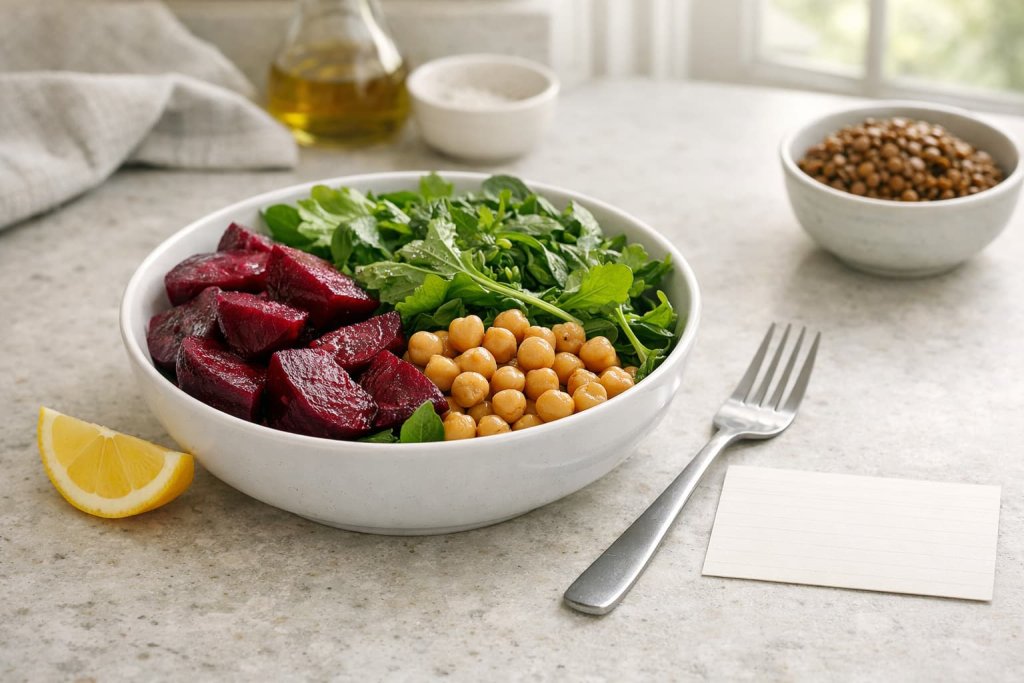
Folate (vitamin B9) supports DNA synthesis and cell division and is especially important during periods of rapid growth (like pregnancy). The National Institutes of Health Office of Dietary Supplements explains folate’s essential roles and recommended intakes.
How beets fit:
- Beets are one of many foods that can help you build a folate-rich diet (alongside leafy greens, beans, and fortified grains).
6) Adds fiber for digestion and satiety
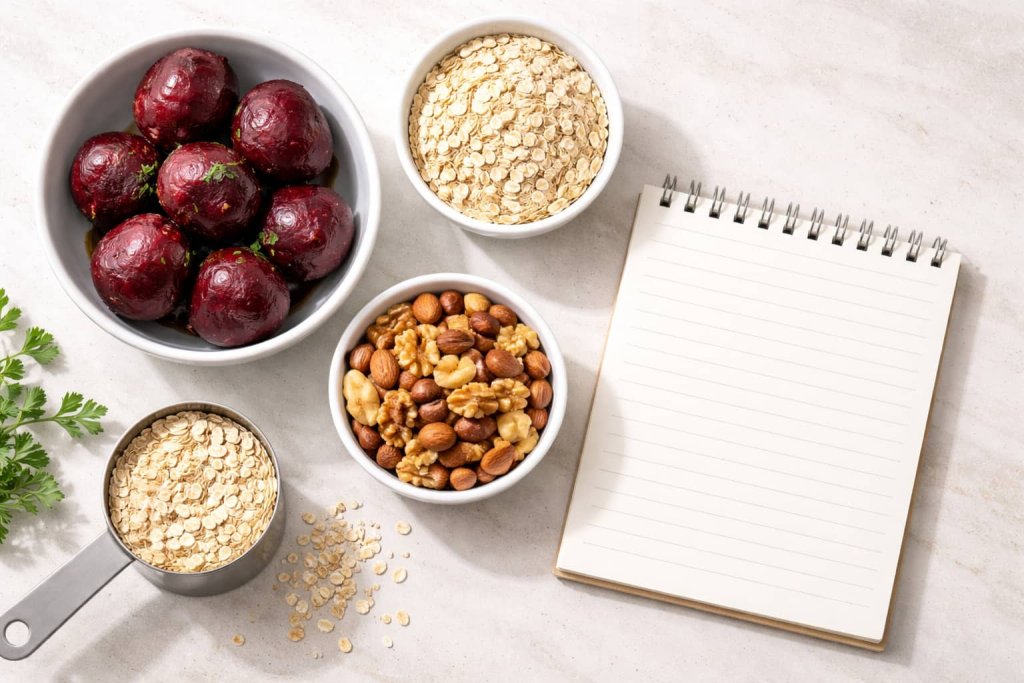
Whole beets provide dietary fiber, which supports regular bowel function and can help you feel fuller after meals. If you juice beets, you generally lose most of the fiber—so choose whole beets more often if digestion and fullness are your goals.
Easy, fiber-friendly ideas:
- Roast cubes and add to grain bowls
- Shred raw beets into slaw
- Blend cooked beets into hummus or dips (fiber stays)
7) Provides betalains, natural pigments with antioxidant activity
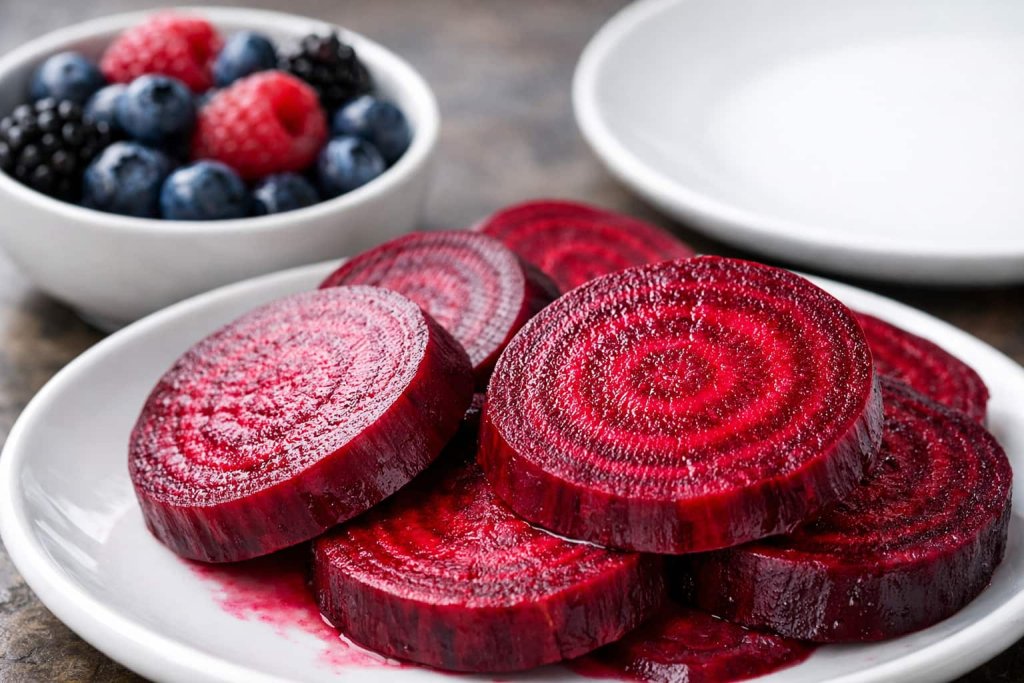
Beets contain betalains (like betanin), which have antioxidant and anti-inflammatory activity in research settings. A 2024 narrative review in Foods summarizes evidence on betalains’ biological activity, noting much of the strongest data come from lab and animal studies, with human outcome evidence still developing.
Best way to phrase this benefit safely:
- Betalains support antioxidant intake and may help support a healthy inflammatory balance, but they are not a proven treatment for any disease.
8) May support cardiovascular risk markers alongside blood pressure (emerging)

Some studies examine beetroot supplementation for vascular markers beyond office blood pressure. Results can be mixed depending on the population and study design. For example, a 2024 randomized trial in Nutrients reported that increased nitrate intake from beetroot juice over 4 weeks affected nitrate metabolism but did not improve vascular function or blood pressure in older adults with hypertension.
Practical takeaway:
- This is why it’s smart to focus your “strong claims” on blood pressure and frame other cardiovascular effects as possible rather than guaranteed.
9) A simple way to increase vegetable variety (and make meals more nutrient-dense)
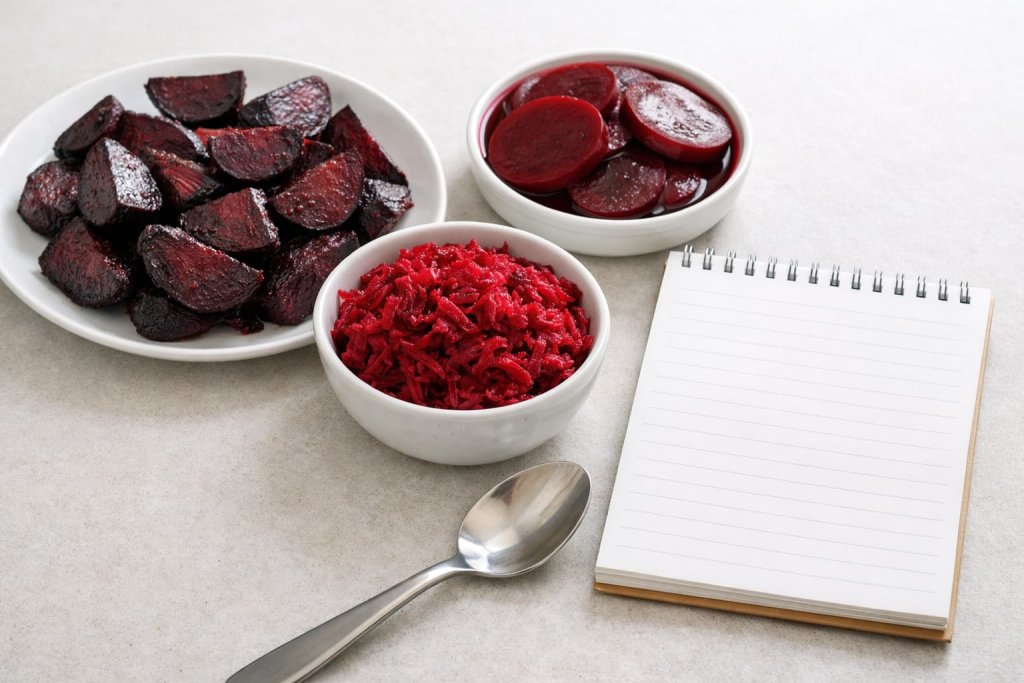
One of the most reliable “benefits” is also the least hyped: beets help you eat more vegetables in a way that’s flavorful and flexible. They work well roasted, pickled, steamed, blended, or grated raw—so they can fit multiple eating patterns (Mediterranean-style, DASH-style, plant-forward, etc.).
How to eat beets for the biggest payoff
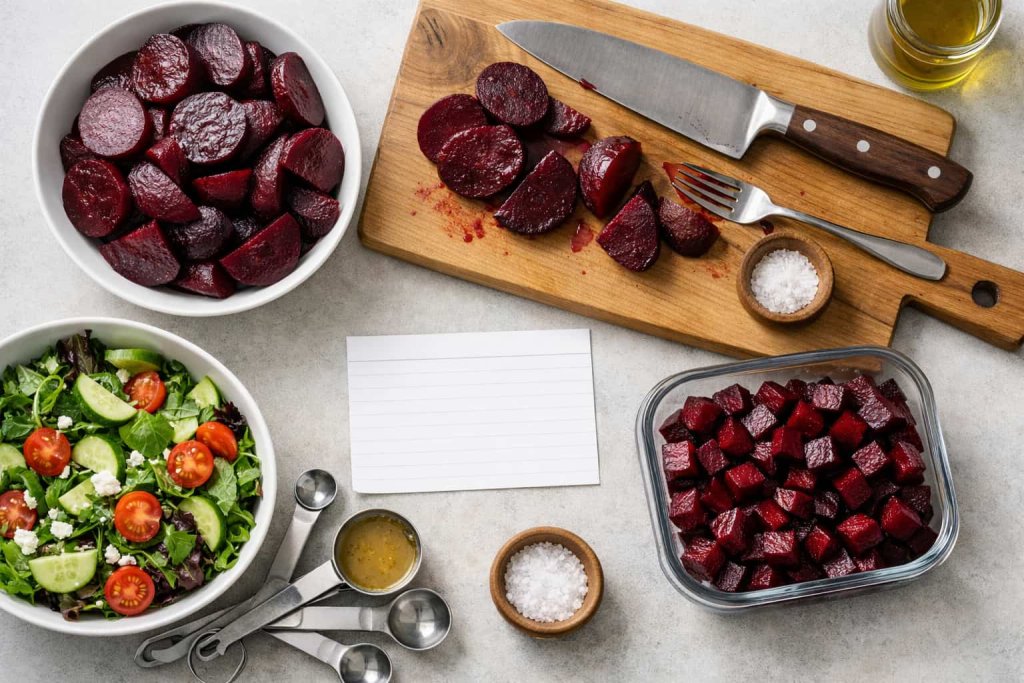
Choose the form that matches your goal
- For general health: whole beets (fiber + nutrients)
- For performance experiments: beetroot juice (more nitrate per serving, less fiber)
- For convenience: cooked vacuum-packed beets (watch added sodium if flavored)
Tips to get more from beets (without overthinking it)
- Keep it consistent: benefits are more likely with regular intake than with occasional large servings.
- Don’t rely only on juice: whole beets add fiber, which supports digestion and satiety.
- If you use beet juice for workouts, test it in training first so you know how your stomach and blood pressure respond.
Simple serving ideas
- Roasted beets with olive oil, vinegar, and herbs
- Beet + orange salad with walnuts
- Beet hummus (blend cooked beets into hummus)
- Smoothie with cooked beets, berries, and yogurt or a fortified alternative
How much beets should you eat for benefits?
There’s no single perfect dose because studies use different beet products with different nitrate levels. For most people, a practical food-first approach is:
- Whole beets: 1/2 to 1 cup cooked beets a few times per week (or most days if tolerated)
- Beet juice: start with a small serving and increase only if you tolerate it (juice is more concentrated and can affect blood pressure more than whole beets)
If you have hypertension, kidney disease, a history of kidney stones, or you take blood pressure medication, check with your clinician before using concentrated beet juice or beet powders.
Side effects of beets
Pink or red urine or stool (beeturia)
This is a well-known, usually harmless effect. The NCBI Bookshelf notes beeturia occurs in about 10% to 14% of people and may be more common with certain conditions (like iron deficiency).
Digestive issues (mostly from large servings)
Large portions—especially juice—can cause:
- Bloating or gas
- Loose stool
- Stomach discomfort (varies by person)
Tip: start with smaller servings and build up.
When to get medical advice
Contact a clinician if you have red urine or stool that continues without beet intake, severe stomach pain, persistent vomiting/diarrhea, or symptoms of very low blood pressure (such as fainting).
Who should be careful with beets
People prone to kidney stones (especially calcium oxalate stones)
Beets are considered a higher-oxalate food. The National Kidney Foundation lists beets among foods high in oxalate and notes that limiting high-oxalate foods may help some people who form calcium oxalate stones.
If you’ve had stones:
- Don’t assume you must avoid beets entirely—ask your clinician/dietitian what level fits your stone type and labs.
- Pairing oxalate foods with calcium sources at meals is sometimes recommended, depending on your plan.
People with low blood pressure or on blood pressure medications
Because beetroot nitrate can lower blood pressure modestly, be cautious with concentrated beetroot juice or supplements if you:
- Have hypotension
- Take antihypertensive medications
- Feel lightheaded easily
If you want to try beet juice, start low and monitor how you feel—especially around workouts or hot weather.
People with chronic kidney disease or potassium restrictions
Beets contain potassium, which can be an issue if you’ve been told to restrict potassium. Follow your renal nutrition plan.
Medication interactions and special situations
Beets are a food, but concentrated beetroot products can meaningfully increase nitrate intake. Consider extra caution and clinician guidance if you:
- Use medications for erectile dysfunction (PDE5 inhibitors) or nitrates for chest pain, because both affect nitric oxide and blood pressure pathways
- Take multiple blood-pressure-lowering medications and have a history of dizziness or fainting
- Are pregnant and using beet supplements (food forms are typically fine, but avoid high-dose supplements unless your clinician recommends them)
Safety box: using beetroot juice or nitrate supplements
- Food-first is usually safest: whole beets are less likely to cause big blood-pressure swings than concentrated juice or powders.
- If you take heart or blood-pressure medication, use beet supplements only with clinician guidance.
- Stop and reassess if you notice dizziness, faintness, or unusually low readings.
Quick checklist for beet powders and juices
If you buy beet powder or bottled beet juice:
- Choose products with a simple ingredient list (beetroot only, or minimal added ingredients)
- Watch added sugar and sodium in flavored or “shots”
- Avoid “mega-dose” claims and stick to food-like servings
- If you compete in sport, consider third-party tested supplements to reduce contamination risk
People also ask about beets benefits
Are beets good for high blood pressure every day?
Daily intake of nitrate-rich foods can support blood pressure patterns, but effects are usually modest and vary by person. If you have hypertension, use beets as part of a broader plan (diet quality, sodium reduction, activity, medication when prescribed).
Is beetroot juice better than whole beets?
Beetroot juice delivers more nitrate in a smaller volume, which is why it’s used in studies. Whole beets provide fiber and can be easier on digestion for many people.
Do beets raise blood sugar?
Beets contain natural carbohydrates, but they also provide fiber (when eaten whole). For most people, beets can fit into balanced meals—especially when paired with protein and healthy fats. If you have diabetes or use glucose-lowering medication, monitor your response to beet juice in particular, since juice is concentrated and lower in fiber.
How long does it take for beets to work?
Some studies show acute effects on blood pressure within hours after nitrate intake, while other research looks at weeks of daily use. For long-term habits, consistency matters more than timing.
Can beets help with workouts?
They may help some people slightly with endurance or exercise efficiency, but results vary. If you try it, test it in training first—not on race day.
Why do beets turn urine red?
Beeturia happens when beet pigments pass through and color urine or stool. It’s usually harmless, but if the color persists without beet intake, check with a clinician.
FAQs
1) What are the top evidence-based beets benefits?
The strongest evidence supports modest blood-pressure lowering and improved blood flow via nitric oxide pathways. Exercise performance benefits are usually small and variable.
2) How much beetroot juice is typically used in studies?
Study protocols vary widely by dose and nitrate content, so there is no single “best” amount. If you use juice, start small and evaluate tolerance and blood pressure response.
3) Do cooked beets still have benefits?
Yes. Cooking may change some compounds, but beets remain a nitrate-containing vegetable and still provide fiber (unless juiced), folate, and potassium.
4) Are pickled beets healthy?
They can be, but check sodium and added sugar. Pickled beets are still vegetables, but they may not fit low-sodium plans.
5) Can beets cause kidney stones?
Beets are high in oxalate, which matters for some stone formers. If you’ve had calcium oxalate stones, follow a personalized plan.
6) Is beeturia dangerous?
Usually no. It’s generally harmless and fairly common. If you see red urine without beet intake, seek medical evaluation.
7) Who should avoid beet supplements?
People with low blood pressure, those on BP meds, and anyone with kidney disease or potassium limits should be cautious and talk with a clinician first.
Conclusion
Beets benefits are most convincing for supporting healthy blood pressure and blood flow, with smaller, more variable benefits for exercise performance. Whole beets are a simple way to add fiber, potassium, and folate to your diet, while beetroot juice is a more concentrated option that deserves extra caution if you’re sensitive to blood pressure changes. If you have kidney stones, kidney disease, or take blood pressure medication, check with a clinician before using beet concentrates.
This content is for informational purposes only and not medical advice.
References
- National Institutes of Health Office of Dietary Supplements — Folate: Fact Sheet for Health Professionals