
The best hamstring exercises for women are a mix of hip-hinge moves (like Romanian deadlifts) and knee-bending curls (like Nordic variations) because the hamstrings work in both roles. Training them this way helps build strong, balanced legs, supports athletic performance, and can improve how your hips and knees feel during daily movement.
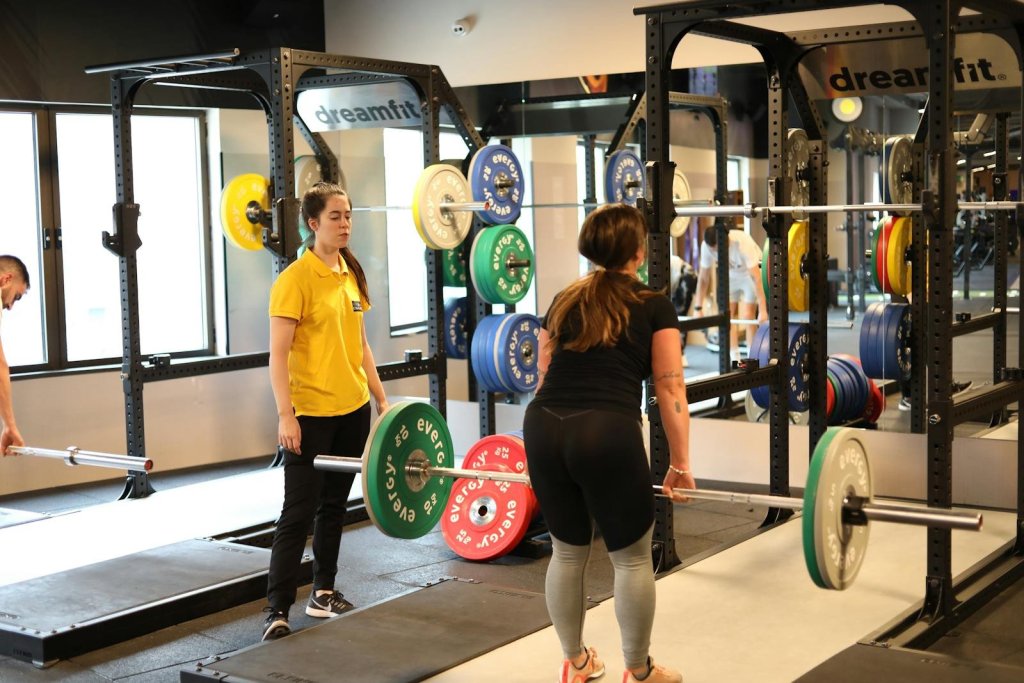
What are the hamstrings and why should women train them?
Your hamstrings are a group of muscles on the back of your thigh that:
- Extend the hip (help you stand up, hinge, sprint, and climb)
- Flex the knee (help you bend the knee and control deceleration)
Many women train glutes and quads but under-train hamstrings, which can contribute to strength imbalance around the hip and knee. A balanced plan improves performance and can support long-term joint function.
The 10 best hamstring exercises for women
Below are the most effective options for home or gym. Each one includes form steps and an easy progression.
1) Romanian Deadlift (Dumbbells or Barbell)
How to do it:
- Stand tall with a soft bend in your knees and weights in front of thighs
- Hinge hips back like you’re closing a car door with your hips
- Keep your back neutral and weights close to your legs
- Lower until you feel a strong hamstring stretch (no rounding)
- Drive hips forward to stand tall and squeeze glutes
Why it works:
The RDL loads the hamstrings in a lengthened position and builds hip-hinge strength that carries over to everyday lifting and athletic movement.
Muscles worked:
Hamstrings (primary), glute max, adductors, erector spinae (support).
Trainer Tip:
Think “hips back, shins mostly vertical.” If you feel it in your low back, shorten the range and slow the lowering phase.
2) Single-Leg Romanian Deadlift
How to do it:
- Hold one dumbbell (or use bodyweight) and shift weight to one leg
- Hinge hips back while the free leg reaches behind you
- Keep hips square and chest long
- Stop when balance starts to wobble or your back rounds
- Stand up by driving through the midfoot/heel
Why it works:
This variation adds balance, hip control, and single-leg hamstring loading. It’s excellent for improving stability and reducing left-to-right strength differences.
Muscles worked:
Hamstrings, glute max/med, foot and ankle stabilizers.
Trainer Tip:
Use a wall or rack for light fingertip support at first so you can focus on mastering the hinge pattern.
3) Nordic Hamstring Curl (Assisted)
How to do it:
- Kneel with ankles anchored under a partner, sturdy strap, or heavy couch
- Keep hips extended in a straight line from knees to shoulders
- Slowly lean forward under control
- Catch yourself with your hands and push lightly to return
- Start with a small range of motion and build gradually
Why it works:
This is one of the strongest eccentric hamstring builders.
Muscles worked:
Hamstrings (especially knee-flexion role), calves (assist), trunk stabilizers.
Trainer Tip:
Use assistance early. Focus on a slow, controlled lowering phase—control matters more than range.
4) Slider or Towel Hamstring Curl (At Home)
How to do it:
- Lie on your back with knees bent and heels on sliders or towels
- Lift hips into a bridge position
- Slowly slide heels away to straighten legs
- Pull heels back in without dropping hips
- Keep ribs down and breathe steadily
Why it works:
This trains the hamstrings as knee flexors while your hips stay lifted, making it an effective and accessible home exercise.
Muscles worked:
Hamstrings, glutes, core (anti-arch role).
Trainer Tip:
If your hips start to drop, shorten the range first. Clean reps are more important than long reps.
5) Stability Ball Hamstring Curl
How to do it:
- Place heels on the ball with knees bent and hips lifted
- Roll the ball away slowly
- Curl it back in under control
- Keep hips high and pelvis steady
- Stop if you can’t maintain hip height
Why it works:
The unstable surface increases hamstring demand and adds a core stability challenge at the same time.
Muscles worked:
Hamstrings, glutes, deep core stabilizers.
Trainer Tip:
If this feels too difficult, begin with simple bridge holds on the ball before adding movement.
6) Seated or Lying Leg Curl Machine
How to do it:
- Adjust the pad so it sits just above your ankles
- Brace your core and keep hips supported
- Curl the weight smoothly without jerking
- Pause briefly at the top
- Lower slowly for 2–3 seconds
Why it works:
This directly targets knee flexion, the hamstrings’ other major role, making it a strong complement to hinge exercises.
Muscles worked:
Hamstrings (all heads), calves (assist).
Trainer Tip:
Emphasize the slow lowering phase. That’s where the hamstrings receive much of the strength stimulus.
7) Hip Thrust (Barbell or Dumbbell)
How to do it:
- Rest upper back on a bench with feet flat and knees bent
- Lightly tuck ribs and brace your core
- Drive through heels to lift hips
- Finish with full hip extension without over-arching
- Lower under control and repeat
Why it works:
While glute-dominant, hip thrusts also train hamstrings as hip extensors, especially when shins stay more vertical.
Muscles worked:
Glutes (primary), hamstrings (assist), core.
Trainer Tip:
If you feel your quads more than hamstrings or glutes, move your feet slightly farther forward.
8) Cable Pull-Through (Or Band Pull-Through)
How to do it:
- Stand facing away from a low cable or band anchor
- Hold the handle between your legs and step forward to create tension
- Hinge hips back with a neutral spine
- Drive hips forward to stand tall
- Keep arms relaxed and let hips power the movement
Why it works:
Reinforces proper hinge mechanics with constant tension and typically feels friendlier on the lower back than heavy barbell hinges.
Muscles worked:
Hamstrings, glutes, adductors, spinal stabilizers.
Trainer Tip:
Avoid turning it into a squat. Focus on pushing hips back, then driving them forward.
9) Good Morning (Light to Moderate)
How to do it:
- Place a light bar across your upper back (or use a band)
- Keep knees softly bent and core braced
- Hinge hips back slowly
- Stop before your back rounds
- Return by driving hips forward
Why it works:
A hinge variation that effectively loads the hamstrings, especially when performed with lighter loads and strict technique.
Muscles worked:
Hamstrings, glutes, spinal erectors.
Trainer Tip:
Keep the weight lighter than your RDL. Focus on precision and control rather than load.
10) Reverse Lunge (Long Stride)
How to do it:
- Step back into a lunge using a longer stride
- Keep the front shin more vertical
- Lower under control
- Drive up through the front heel
- Keep torso tall and pelvis steady
Why it works:
A longer stride shifts more emphasis toward the hips (glute and hamstrings) while still strengthening the entire lower body.
Muscles worked:
Glutes, hamstrings, quads, inner thigh stabilizers.
Trainer Tip:
If knees feel uncomfortable, shorten the range and slow down the lowering phase for better control.
How often should women train hamstrings?
A practical approach for most women:
- 2 days per week if you’re a beginner or training full-body
- 2–3 days per week if your goal is growth/strength and recovery is good
General resistance training guidelines from the American College of Sports Medicine (ACSM) recommend training major muscle groups at least twice weekly and progressing load gradually over time.
Quick safety checklist before you start
Use these simple rules to keep training safe and consistent:
- Warm up 5–8 minutes (easy cardio + leg swings or hip hinges)
- Start with a pain-tolerable range (don’t force deep stretch positions)
- Keep reps controlled; avoid “yanking” into the bottom of a hinge
- Stop if you feel sharp pain, sudden pulling, or worsening symptoms
- Progress gradually (add small weight or reps week to week)
For general hamstring injury care and guidance on when to rest or avoid aggravating activity, refer to the advice from the NHS.
Simple 2-day hamstring plan for women
Day A (Hinge focus)
- Romanian Deadlift: 3 sets of 6–10
- Hip Thrust: 3 sets of 8–12
- Cable Pull-Through: 2–3 sets of 10–15
Day B (Curl + single-leg focus)
- Assisted Nordic Curl or Leg Curl: 3 sets of 5–10
- Slider/Towel Curl or Ball Curl: 2–3 sets of 8–12
- Reverse Lunge (long stride): 2–3 sets of 8–12/side
Progress by adding 1–2 reps first, then small weight increases when form stays controlled.
Common Mistakes to Avoid When Training Hamstrings
Avoid these common errors to make your hamstring exercises for women more effective and safer.
- Turning hinges into squats – Bending the knees too much shifts tension to the quads. Keep a soft knee bend and push hips back.
- Rounding the lower back – Move from the hips, not the spine. Keep your chest long and core braced.
- Rushing the lowering phase – The eccentric (lowering) portion builds strength. Lower with control for 2–3 seconds.
- Skipping knee-flexion exercises – Hamstrings bend the knee too. Include curls or Nordic variations, not just hip thrusts and deadlifts.
- Using too much weight too soon – Prioritize clean form before increasing load.
- Ignoring single-leg work – Single-leg RDLs and lunges help correct imbalances.
- Not allowing recovery – Train 2–3 times weekly and give muscles time to recover.
Fixing these small mistakes can significantly improve results and reduce unnecessary strain.
Pregnancy and postpartum modifications for hamstring exercises
Many people can stay active during pregnancy and postpartum with appropriate medical guidance and individual modifications. For detailed safety considerations, refer to guidance from the American College of Obstetricians and Gynecologists (ACOG).
Practical, conservative adjustments:
- Favor supported moves (leg curl machine, cable pull-through, bodyweight hinges)
- Use lighter loads and controlled tempo
- Avoid breath-holding and max-effort straining
- Stop if you feel pelvic pressure, dizziness, bleeding, or unusual pain and seek medical advice
FAQs
Are hamstring exercises good for women trying to tone legs?
Yes. Hamstring training builds the back-of-leg muscles and supports a more balanced leg look, especially when combined with glute and quad work.
What is the best hamstring exercise for women at home?
Slider/towel hamstring curls and single-leg RDLs are effective home options because they train both knee flexion and hip hinging with minimal equipment.
How many hamstring exercises should I do in one workout?
Most women do well with 2–4 hamstring-focused movements per session, depending on total weekly training volume and recovery.
Should women train hamstrings if they already do squats?
Yes. Squats are more quad-dominant. Adding hinges (RDLs) and curls fills the gap.
Are Nordic hamstring curls only for athletes?
No. They are useful for many people but should be scaled and progressed gradually because they are demanding.
When should I stop hamstring exercises?
Stop if you feel sharp pain, a sudden pulling sensation, or worsening symptoms. Follow conservative injury guidance and consider medical evaluation if needed, such as the recommendations provided by the NHS.
Conclusion
Hamstring exercises for women work best when you train both patterns: hinges (RDLs, pull-throughs) and curls/eccentrics (sliders, leg curls, assisted Nordics). Pick 4–6 of the moves above, train them 2 days per week, and progress gradually with controlled form.
If you want, share your equipment setup (home or gym) and your goal (strength, shape, running support), and I’ll build a more customized weekly plan.
References
- Hamstring Exercise Selection and Injury Risk Reduction — American College of Sports Medicine (ACSM)
- Romanian Deadlift vs Nordic Hamstring Exercise (hamstring architecture research) — PubMed
- Nordic Hamstring Exercise Meta-Analysis (injury reduction) — British Journal of Sports Medicine (BJSM)
- Resistance Training Guidance (ACSM-based PDF) — ACSM
- Hamstring Injury Overview and Activity Advice — Mayo Clinic