
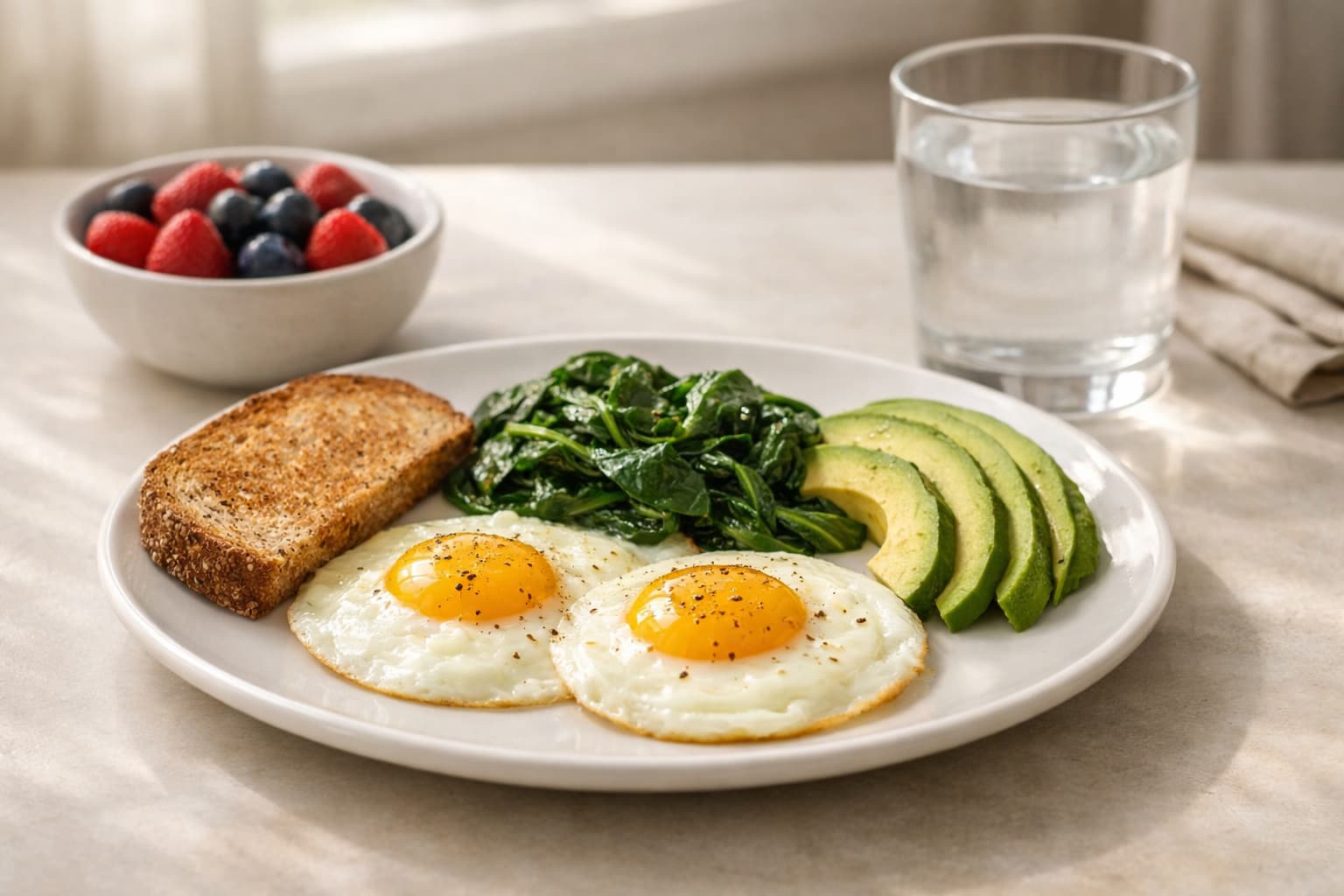
Yes, eggs can be good for you for most people. They provide high-quality protein and several important nutrients, and current heart-health guidance does not treat eggs as automatically unhealthy for everyone. What matters most is your overall eating pattern, how eggs are prepared, and whether you have a health condition that calls for more individualized advice. According to the American Heart Association, eggs can fit into a heart-healthy diet for many people.
Eggs are popular because they are affordable, filling, and easy to use in simple meals. They can fit into a healthy diet, but there are still real concerns to understand, especially dietary cholesterol, food safety, and what eggs are served with. Knowing that balance helps you decide whether eggs make sense for your own routine.
Why eggs are considered nutritious
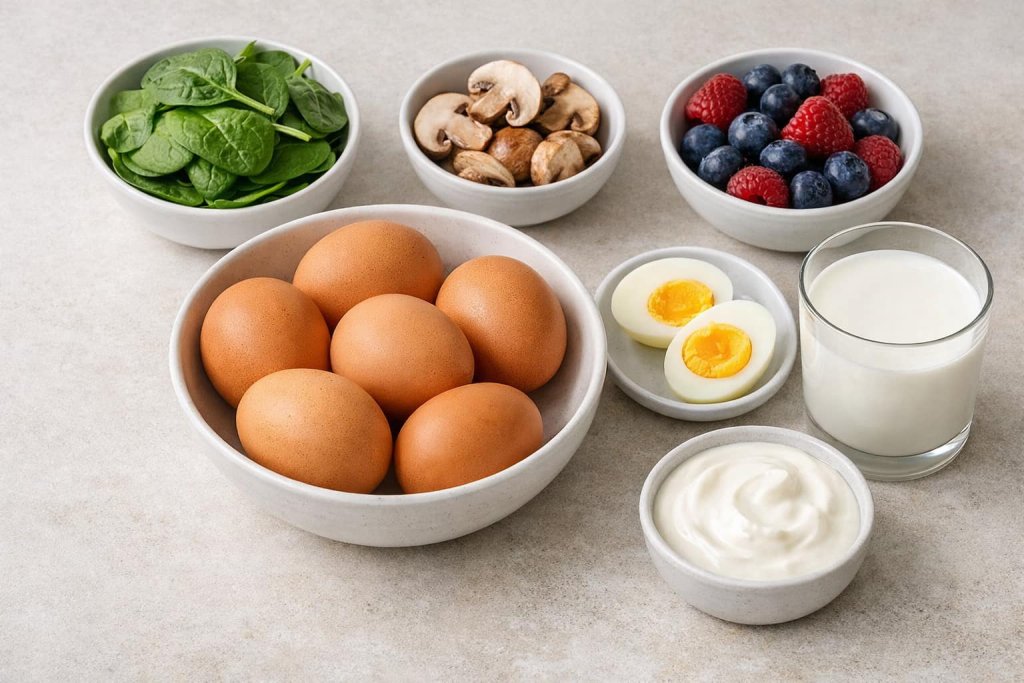
Eggs are a nutrient-dense food. A large egg is commonly described as providing about 72 to 78 calories, around 6 grams of protein, about 5 grams of fat, and roughly 186 mg of cholesterol. Eggs also provide choline, selenium, vitamin B12, and smaller amounts of other nutrients such as vitamin D and riboflavin.
Quick nutrition snapshot for one large egg
According to USDA FoodData Central, one large egg provides roughly:
| Nutrient | Approximate amount |
|---|---|
| Calories | 72–78 |
| Protein | About 6 grams |
| Total fat | About 5 grams |
| Saturated fat | About 1.5–1.6 grams |
| Cholesterol | About 186 mg |
| Choline | About 145–150 mg |
| Selenium | About 15 mcg |
| Vitamin B12 | About 0.5 mcg |
This helps explain why eggs are often described as nutrient-dense. They provide meaningful protein and several important micronutrients in a relatively small serving.
One of the biggest strengths of eggs is protein quality. Egg protein contains all essential amino acids, which makes eggs a convenient way to support fullness and help meet daily protein needs. That can be useful at breakfast or in meals where protein is often too low.
Eggs are also one of the better food sources of choline. The NIH Office of Dietary Supplements explains that choline helps support the brain, nervous system, cell membranes, and normal liver function, and lists eggs among rich food sources.
Are eggs healthy or unhealthy overall?
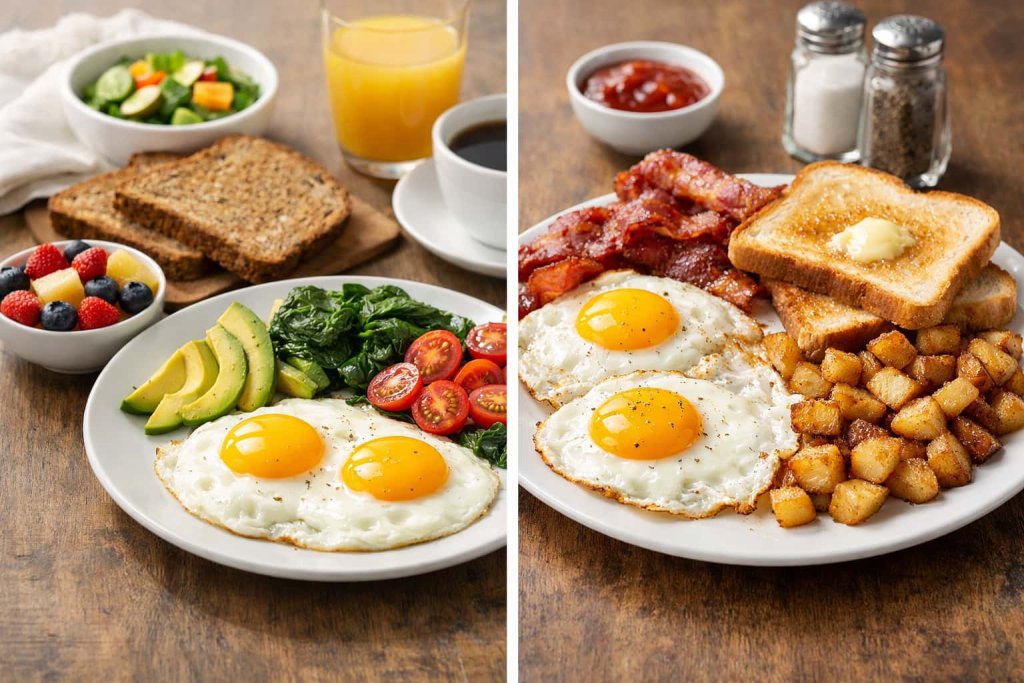
For most people, eggs can be part of a healthy diet. The American Heart Association says healthy people can include eggs as part of a heart-healthy eating pattern, with the bigger issue usually being the overall meal pattern rather than the egg alone. Saturated fat, sodium, and heavily processed sides often matter more than the egg itself.
That means eggs with vegetables, beans, fruit, or whole grains are different from eggs regularly served with bacon, sausage, butter-heavy cooking, fried potatoes, and refined bread. A meal built around eggs can be nutritious, but the surrounding foods often determine whether the overall meal supports heart health.
The main benefits of eating eggs

High-quality protein in a small serving
Eggs deliver meaningful protein in a compact portion. That can help with fullness, meal balance, and maintaining muscle as part of an overall adequate-protein diet. They are especially practical for quick breakfasts and simple lunches.
Rich in choline
Choline is one of the most important reasons eggs stand out nutritionally. The NIH says choline is needed for memory, mood, muscle control, and the formation of cell membranes. Many people do not consume enough choline, so eggs can help close that gap.
Useful source of vitamins and minerals
Eggs provide selenium and vitamin B12, and they also contribute smaller amounts of nutrients such as vitamin D and riboflavin. While eggs are not the only way to get these nutrients, they can strengthen the nutrient quality of a meal.
Affordable and easy to use
Compared with many protein foods, eggs are simple to cook, portion, and combine with other healthy ingredients. That makes them useful for people who want a practical way to build balanced meals at home. The American Heart Association’s diet and lifestyle recommendations also support building meals around nutrient-dense foods.
The main concerns about eggs

Eggs contain a lot of dietary cholesterol
A large egg has about 186 mg of cholesterol, most of it in the yolk. That is why eggs have been debated for years. Current guidance is more flexible than older advice, but cholesterol still matters, especially for people with elevated LDL cholesterol or existing cardiovascular disease.
The current view is not that everyone must avoid eggs. It is that eggs should be considered in the context of total diet quality. The American Heart Association emphasizes healthy eating patterns overall and notes that eggs are often eaten with foods high in saturated fat and sodium.
What you eat with eggs can be the bigger issue
A plate of eggs with vegetables and whole-grain toast is very different from eggs cooked in lots of butter with processed meats on the side. The American Heart Association’s saturated fat guidance recommends limiting saturated fat, especially for people who need to lower LDL cholesterol.
This is why eggs themselves are often blamed for meals that are really high in saturated fat and sodium because of the extras.
Food safety is a real issue
The FDA says even clean, uncracked fresh eggs can contain Salmonella. Eggs should be refrigerated and cooked thoroughly unless pasteurized eggs are used for recipes that stay soft or uncooked.
Are eggs bad for cholesterol?
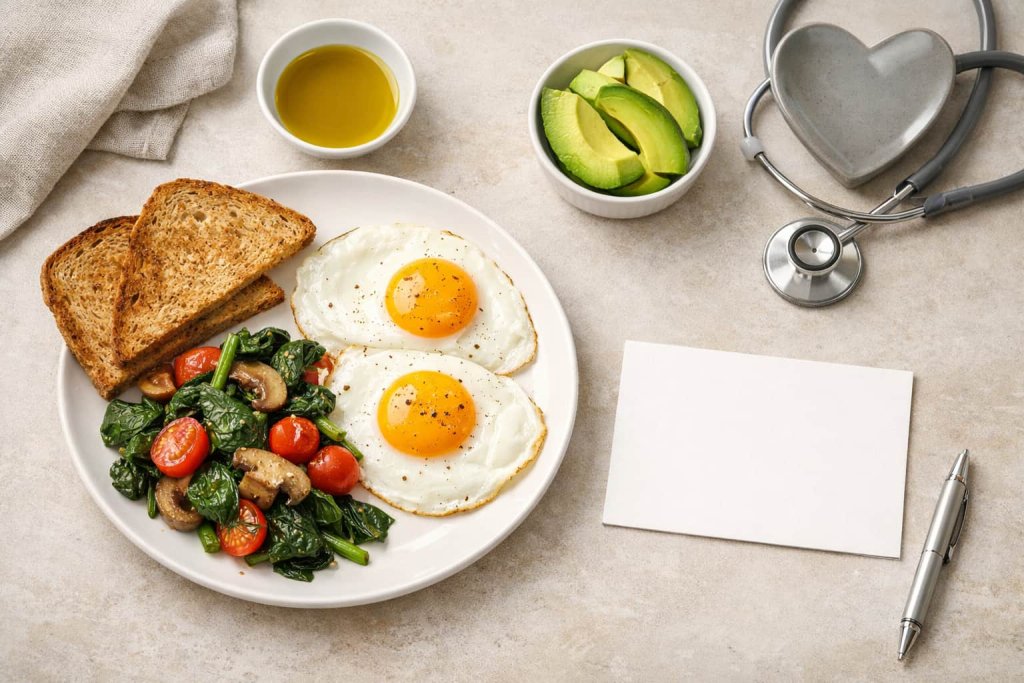
Not necessarily, but it depends on the person.
For many healthy people, moderate egg intake can fit into a heart-healthy diet. The American Heart Association does not tell all healthy adults to avoid eggs. Instead, it places eggs within the bigger picture of dietary pattern and overall risk factors.
Still, some people respond more strongly to dietary cholesterol than others. If you already have high LDL cholesterol, diabetes, or cardiovascular disease, it is smart to discuss your usual egg intake with a clinician or dietitian rather than assuming general advice applies the same way to you. The goal is not fear. It is finding an amount that fits your overall diet and health situation.
How eggs can fit into a heart-healthy diet
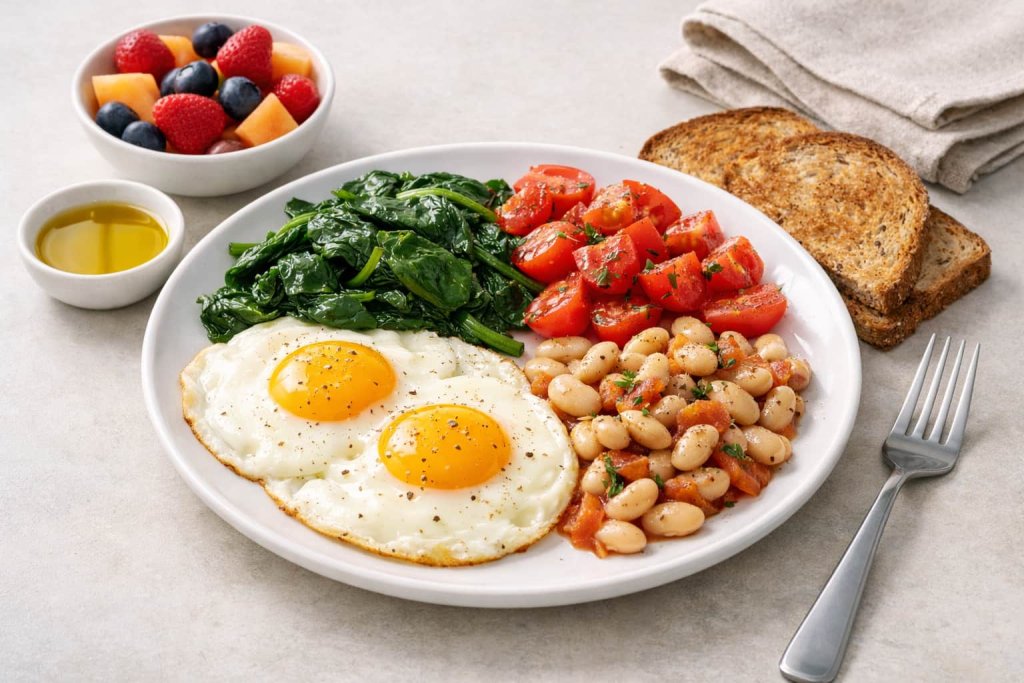
Eggs can fit into a heart-healthy eating pattern when the rest of the meal supports that goal. The Dietary Guidelines for Americans, 2020–2025 emphasize limiting foods higher in saturated fat, sodium, and added sugars, which means the sides and cooking methods matter just as much as the eggs themselves.
A heart-healthier egg meal usually looks like this:
- Eggs paired with vegetables such as spinach, peppers, tomatoes, onions, or mushrooms
- Whole-grain toast, oats, beans, or fruit on the side
- Cooking with a small amount of oil instead of lots of butter
- Keeping bacon, sausage, and heavy cheese as occasional extras rather than everyday defaults
This is why two egg-based breakfasts can have very different nutrition profiles. Eggs with vegetables and whole grains can fit well into a balanced pattern, while eggs served with processed meat, refined carbs, and lots of saturated fat can make the whole meal less supportive of heart health.
Are egg whites healthier than whole eggs?

Egg whites are lower in calories and provide protein without the yolk’s cholesterol. Whole eggs, however, provide the yolk nutrients, including choline and several vitamins and minerals. The better choice depends on your goal.
If you want more nutrients and do not need to limit cholesterol closely, whole eggs are often reasonable. If you are trying to reduce dietary cholesterol while keeping protein up, using some egg whites can be a practical compromise.
Who eggs may be especially good for
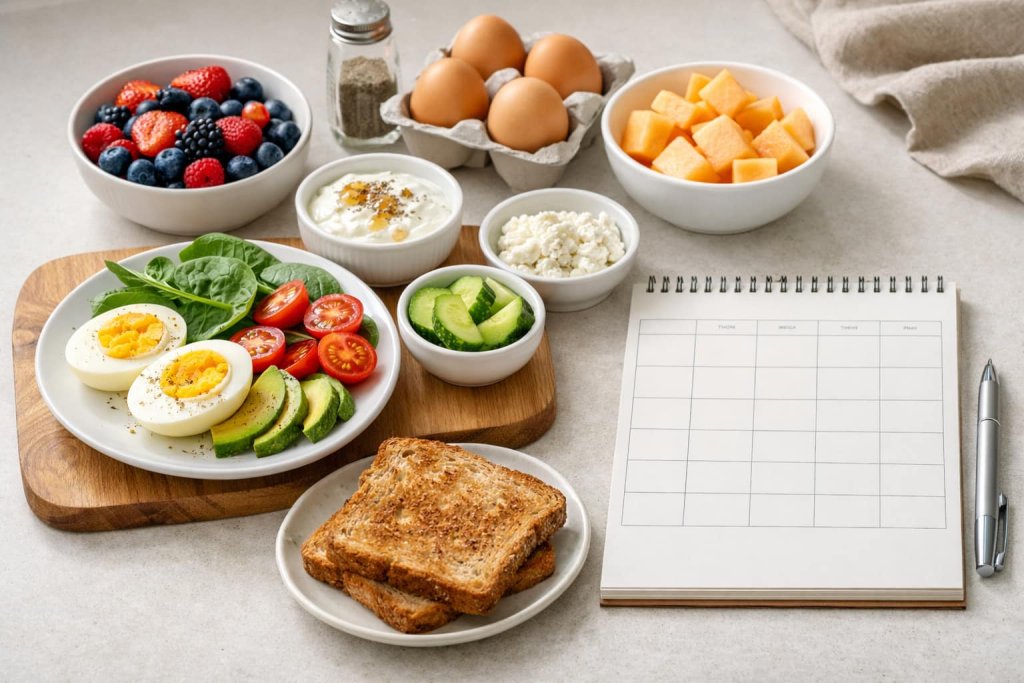
People who need a simple protein option
Eggs can help people who struggle to get enough protein at breakfast or in quick meals. They are easy to pair with higher-fiber foods like vegetables, beans, and whole grains for better meal balance.
Older adults with healthy cholesterol levels
The American Heart Association has noted that older adults with normal cholesterol can include eggs in a healthy eating pattern because eggs offer useful nutrition and are easy to prepare and chew.
Pregnancy and higher choline needs
Choline becomes especially relevant during pregnancy. The NIH Office of Dietary Supplements lists choline as an important nutrient during pregnancy, and eggs can help contribute to intake when handled and cooked safely.
Who should be more careful with eggs

Some people may need a more cautious approach, including:
- People with high LDL cholesterol
- People with cardiovascular disease
- People with diabetes who have been told to monitor dietary cholesterol closely
- Anyone with an egg allergy
- Pregnant people, older adults, young children, and immunocompromised people when eggs are raw or undercooked
If any of these apply to you, eggs may still fit your diet, but your portion size and frequency may need to be more individualized.
Healthier ways to eat eggs
Eggs are healthiest when they are part of a balanced meal pattern. Good options include:
- Boiled or poached eggs with fruit and whole-grain toast
- Scrambled eggs with spinach, tomatoes, or mushrooms
- Eggs with beans and vegetables
- An omelet cooked with minimal oil and served with a salad or roasted vegetables
Helpful habits include using less butter, adding vegetables, and not making processed meats the default side. This keeps the meal lower in saturated fat and more aligned with current heart-health guidance.
How many eggs can you eat in a day?
There is no one number that fits everyone. For healthy people, the American Heart Association says eggs can fit into a healthy eating pattern, but your best amount depends on the rest of your diet, your cholesterol levels, and any medical advice you have been given.
That does not mean you need eggs every day to be healthy. It means eggs can be included reasonably for many people, especially when the rest of the plate supports your goals.
Egg safety: what matters most
The FDA recommends buying eggs from a refrigerator case, choosing clean eggs with uncracked shells, refrigerating them promptly, and cooking eggs until both yolk and white are firm. For dishes that use raw or lightly cooked eggs, pasteurized eggs are the safer choice.
Safe handling matters just as much as cooking. Wash hands, utensils, and surfaces after contact with raw eggs, and avoid leaving egg dishes out too long. These steps reduce the risk of foodborne illness.
A few specific safety details are worth remembering. The FDA says egg dishes such as casseroles or quiches should reach 160°F. For homemade recipes that use raw or lightly cooked eggs, such as certain dressings, sauces, desserts, or homemade ice cream, pasteurized eggs are the safer option.
Common questions people ask about eggs
Are brown eggs healthier than white eggs?
No. The USDA says shell color does not mean one egg is significantly more nutritious than the other. Brown and white eggs mainly differ because of the breed of the hen. Price differences are also not proof that one color is healthier.
Are eggs inflammatory?
Eggs are not automatically inflammatory for most people. For many adults, they can fit into a healthy diet. The bigger concern is usually the overall meal pattern and personal tolerance rather than eggs alone.
Are eggs good for weight loss?
They can help because they provide protein and can make meals more filling. But eggs do not cause weight loss by themselves. They work best when they help you build balanced, calorie-appropriate meals.
FAQ
Are eggs good for you every day?
For many healthy adults, eggs can fit into a regular eating pattern. What matters more is your overall diet quality and your personal cholesterol response.
Are eggs good for your heart?
They can be, depending on your overall eating pattern. Eggs paired with vegetables and whole grains fit much better into a heart-healthy meal than eggs served with processed meats and lots of saturated fat.
Are eggs better than cereal for breakfast?
Often yes, especially if the cereal is highly refined or high in added sugar. Eggs provide more protein, which can make breakfast more filling. But oatmeal, yogurt, and other balanced breakfasts can also be excellent choices.
Can people with high cholesterol eat eggs?
Sometimes yes, but they may need a more personalized limit. If you have high LDL cholesterol or heart disease, discuss frequency and portion size with a clinician or dietitian.
Are egg whites healthier than yolks?
Egg whites are lower in cholesterol, but yolks contain valuable nutrients including choline. Healthier depends on your goals and your health situation.
Are brown eggs healthier than white eggs?
No. The USDA says nutrient levels are not significantly different between white and brown shell eggs.
Is it safe to eat runny eggs?
Runny eggs carry more food-safety risk unless pasteurized eggs are used. The FDA recommends thorough cooking for better safety.
Conclusion
Eggs can be a healthy food for most people. They offer high-quality protein, choline, and other useful nutrients, and current guidance supports including them in a healthy diet rather than avoiding them automatically. The key is to look at the whole picture: your cholesterol levels, your usual meal pattern, and how you cook and serve them.
If you eat eggs, focus on smart pairings, reasonable portions, and safe handling. That gives you the benefits without missing the important cautions.
This content is for informational purposes only and not medical advice.