
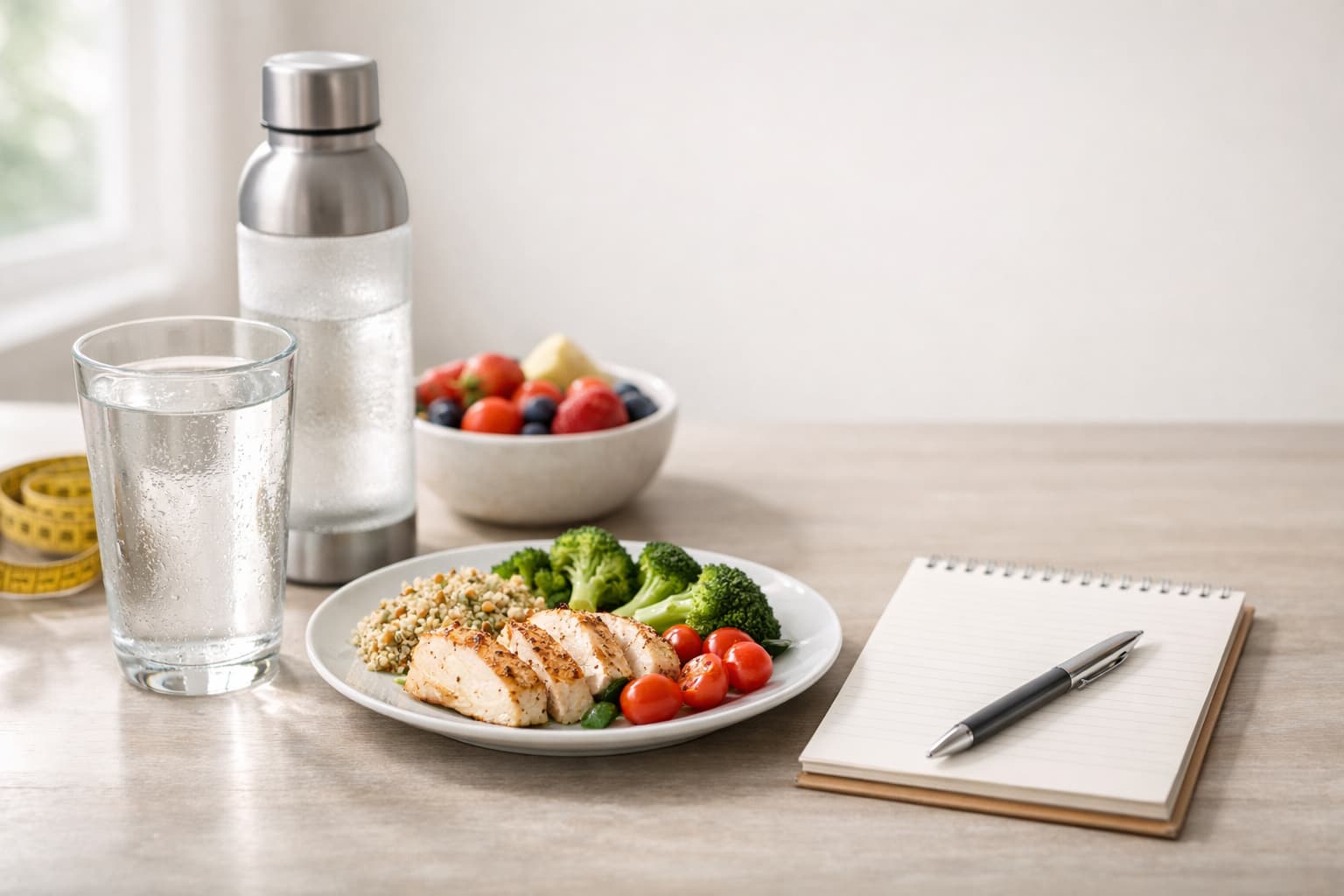
Yes, drinking water may help you lose weight, but mostly by helping you reduce calorie intake rather than by directly burning fat. In everyday life, water is most helpful when it replaces soda, juice drinks, sweet tea, energy drinks, and other calorie-containing beverages. For some people, drinking water before meals may also help with fullness and portion control.
This matters because water is one of the simplest habits you can improve. It is low-cost, easy to find, and easy to build into daily routines. Used the right way, it can support a lower-calorie eating pattern without making your plan feel complicated.
The short answer on water and weight loss
Water can support weight loss, but it is not a magic solution.
According to the Centers for Disease Control and Prevention, water has no calories, and replacing sugary drinks with plain water can help reduce calorie intake. That is the clearest and most practical reason water may help with weight loss.
A 2024 systematic review indexed on PubMed found that simply increasing water intake may not significantly reduce body fat overall in adults with overweight or obesity. However, the same review found that replacing sugar-sweetened beverages with water may offer a modest benefit for weight loss.
Another 2024 review of randomized clinical trials on PubMed reported that in some studies, drinking additional water was linked with greater weight loss than control conditions. That does not mean water works the same way for everyone, but it suggests water can help in specific situations, especially when it changes overall calorie intake.
How drinking water may help you lose weight
It can replace high-calorie drinks
This is the biggest benefit.
If you replace a regular soda, sweetened iced coffee, fruit drink, energy drink, or sweet tea with water, you may lower your daily calorie intake without changing the rest of your meals. Over time, that can support weight loss.
The Centers for Disease Control and Prevention recommends choosing water instead of sugary drinks as a practical way to cut added sugar and calories.
It may help some people feel fuller before meals
Some studies suggest that drinking water before meals may help some adults eat a little less. The effect is usually modest, and it does not happen for everyone, but it can be a useful habit for people who tend to eat quickly or struggle with portion size.
The important point is balance. Water may support appetite control in some cases, but it should not be treated as a guaranteed appetite suppressant.
It supports better hydration habits
Good hydration can also help in indirect ways. When you are well hydrated, you may feel better during exercise, recover more comfortably from activity, and be less likely to mistake thirst for hunger. Those benefits may not sound dramatic, but they can make healthy routines easier to maintain.
What water does not do
Water does not directly melt body fat.
It does not cancel out overeating, erase the effects of high-calorie snacks, or guarantee weight loss on its own. If you drink more water but continue taking in more calories than your body uses, your weight may not change much.
That is why the most accurate message is simple: water is a helpful tool, not a complete weight-loss strategy by itself.
What the research really shows
The evidence is more balanced than many headlines suggest.
The 2024 systematic review on PubMed found that increasing water intake alone may not significantly change body fat levels overall in adults with overweight or obesity. At the same time, it found more promising results when water replaced sugar-sweetened beverages.
The 2024 review of randomized clinical trials on PubMed also found that additional water intake was associated with greater weight loss in some studies compared with control groups.
Taken together, the current evidence supports three realistic conclusions:
- Water is most useful for weight loss when it replaces calorie-containing drinks.
- Drinking water before meals may help some people reduce intake, but not everyone.
- Water alone is unlikely to create major weight loss without other diet and lifestyle changes.
How much water should you drink?
There is no single amount of water that guarantees weight loss.
The NHS says many people can use 6 to 8 cups or glasses of fluid a day as a general guide, although fluid needs vary based on body size, activity, climate, pregnancy, breastfeeding, and illness.
For weight loss, the goal is not forcing down excessive amounts of water. The goal is staying adequately hydrated and using water in place of higher-calorie drinks whenever possible.
Best ways to use water for weight loss
Replace one or two high-calorie drinks each day
This is often the simplest change with the most meaningful impact.
Examples include:
- Water instead of regular soda
- Water instead of sweetened iced coffee
- Sparkling water instead of fruit punch
- Plain water with meals instead of sweet tea
If your drinks currently add a lot of calories to your day, this one change can make a real difference.
Drink water with meals
Choosing water with meals can help keep total meal calories lower than pairing food with sugary drinks or high-calorie specialty beverages.
It is also a habit that is easy to repeat at home, at work, and when eating out.
Try water before meals
Some people find it helpful to drink a glass of water about 20 to 30 minutes before a main meal. This may support portion control, especially if you tend to eat quickly.
It is not a guaranteed trick, but it is simple, safe for most healthy adults, and easy to test in your own routine.
Keep water easy to reach
Convenience matters.
A reusable bottle on your desk, chilled water in the fridge, or a glass of water already on the table can make it easier to choose water without having to think about it.
Drinks that may slow weight loss compared with water
Water is usually the better option when the alternative contains added sugar or a lot of calories.
Common examples include:
- Regular soda
- Sweetened tea
- Energy drinks
- Fruit drinks with added sugar
- Large flavored coffee drinks
- Milkshakes and dessert beverages
According to the Centers for Disease Control and Prevention, sugary drinks are a major source of added sugars in many diets. Replacing them with water is one of the easiest ways to cut liquid calories.
Can drinking more water speed up metabolism?
This idea is often overstated.
You may see claims that water boosts metabolism enough to cause noticeable fat loss on its own. Current evidence does not support treating that as a major weight-loss method. Even if water has small short-term effects in some cases, the most dependable benefit for weight loss still comes from reducing calorie intake when water replaces higher-calorie beverages.
Who may benefit most from this habit?
Drinking more water may be especially helpful for people who:
- Regularly drink soda, juice drinks, or sweetened coffee
- Tend to snack when they are actually thirsty
- Want an easy first step for weight loss
- Need a simple, low-cost habit they can stick with
This is one reason water is such a useful starting point. It may not be dramatic, but it is realistic and sustainable.
Who should be careful about drinking more water?
More water is not always better.
According to the National Institute of Diabetes and Digestive and Kidney Diseases, some people with chronic kidney disease may need to limit liquids. The NHS also notes that fluid restriction may sometimes be needed in kidney disease, especially when swelling is a concern.
You should be careful with general “drink more water” advice if you have:
- Chronic kidney disease
- Kidney failure
- Fluid retention
- Heart failure
- Any medical condition that affects fluid balance
If that applies to you, follow your clinician’s advice instead of general hydration tips.
Signs you may not be drinking enough
Not drinking enough fluids can lead to common signs of dehydration, including:
- Feeling thirsty often
- Dry mouth
- Dark yellow urine
- Headache
- Tiredness
- Feeling lightheaded
The NHS notes that pale yellow urine is often a useful sign that you are drinking enough during the day.
A simple realistic plan
If you want to use water to support weight loss, keep the plan practical.
Week 1
Replace one sugary drink each day with water.
Week 2
Start drinking water with lunch and dinner.
Week 3
Try a glass of water before one main meal each day.
Week 4
Keep a bottle or glass of water within easy reach so it becomes your default drink.
This kind of routine is more realistic than trying to force large amounts of water all at once.
Common questions about water and weight loss
Does warm water help you lose more weight than cold water?
There is no strong evidence that warm water leads to more weight loss than cold water. Choose the temperature you prefer so you are more likely to drink it consistently.
Does lemon water help you lose weight?
Lemon water can be a refreshing way to drink more water, but the benefit still comes mainly from hydration and from replacing higher-calorie drinks. Lemon itself does not make water a fat-loss solution.
Should you drink water instead of eating when you feel hungry?
No. Water can help if thirst is being mistaken for hunger, but it should not replace meals. Healthy weight loss still requires balanced nutrition and enough food to meet your body’s needs.
Is sparkling water as good as plain water for weight loss?
Unsweetened sparkling water can be a good alternative if it helps you avoid soda or other sugary drinks. The key is choosing versions without added sugar or significant calories.
FAQ
Does drinking water help you lose belly fat?
Water does not specifically target belly fat. It may support overall weight loss when it helps reduce total calorie intake, especially by replacing sugary drinks.
How much water should I drink to lose weight?
There is no exact amount that guarantees weight loss. The NHS says 6 to 8 cups or glasses of fluid a day is a general guide for many adults, but your needs may be higher or lower.
Is drinking water before bed good for weight loss?
Not necessarily. Your total daily habits matter more than drinking water at bedtime. Drinking too much right before sleep may also wake you during the night.
Can I lose weight by drinking water only?
No. Water alone is not a healthy or complete weight-loss method. You still need balanced meals, enough protein, regular activity, and an overall calorie deficit.
Does drinking more water reduce appetite?
It may help some people feel fuller, especially before meals, but the effect is usually modest and not universal.
What is better for weight loss, water or diet soda?
Water is the simplest and most reliable choice because it has no calories and no sweetness. Diet soda may help some people cut sugar, but water is still the better everyday habit.
The bottom line
Drinking water can help with weight loss, but mostly because it can lower calorie intake when it replaces sugary or high-calorie drinks. For some people, it may also help a little with fullness before meals. On its own, though, water is not a shortcut to fat loss.
The most effective approach is to make water your default drink, use it to replace liquid calories, and combine that habit with balanced meals, good sleep, and regular movement. That is where water becomes genuinely useful for weight loss.