
The benefits of sunlight come primarily from its role in vitamin D production, circadian rhythm regulation, and overall wellness. Sunlight may support mood, sleep patterns, and certain metabolic functions, but only when exposure is balanced with proper skin protection.

Understanding how sunlight affects the body is essential because UV radiation also carries risks, and safe exposure practices help you enjoy its advantages without unnecessary harm. This guide explains the science-backed benefits, how much sunlight is generally considered safe, who needs extra caution, and how to protect your skin while still getting regular daylight.
For accuracy, this content references authoritative sources such as the World Health Organization (WHO), Centers for Disease Control and Prevention (CDC), National Institutes of Health (NIH), and the American Academy of Dermatology (AAD).
How Sunlight Affects the Body

Sunlight and Vitamin D Production
Sunlight supports natural vitamin D formation when UVB rays reach the skin. This process helps convert precursors into vitamin D₃, which the body later activates. According to the National Institutes of Health, vitamin D supports bone health, muscle function, and normal immune activity through its role in calcium regulation and cellular processes.
However, health authorities recommend not relying on direct, unprotected sun exposure for vitamin D intake because UV radiation increases long-term skin damage risk. Guidance from the American Academy of Dermatology emphasizes obtaining vitamin D primarily from food sources and supplements as a safer approach.
Sunlight’s Role in Circadian Rhythm

Sunlight is the strongest natural cue for regulating the body’s circadian rhythm—the internal 24-hour clock that influences sleep, alertness, hormone cycles, and metabolic patterns. Early-morning light exposure may help support a stable sleep–wake schedule by signaling the brain to increase daytime alertness and prepare for nighttime rest.
Bright natural light in the morning is especially effective because it helps synchronize the body’s internal rhythms with the external day–night cycle. According to guidance from the Centers for Disease Control and Prevention (NIOSH), the sun’s light–dark cycle is the most powerful environmental signal for the circadian system, helping align physiological processes that govern sleep and daily functioning.
Getting sunlight earlier in the day—rather than during periods of strong UV intensity—may support better sleep quality and overall daytime energy without increasing unnecessary UV exposure.
Sunlight’s Influence on Mood and Seasonal Patterns

Daylight exposure may support emotional well-being by helping regulate natural rhythms connected to energy, alertness, and mood. When daylight decreases during fall and winter, some individuals experience noticeable shifts in how they feel or function throughout the day. Shorter days can influence biological processes that guide motivation, energy levels, and overall daily mood patterns.
The National Institute of Mental Health identifies reduced daylight as a key contributing factor in Seasonal Affective Disorder (SAD), a type of depression that follows a predictable seasonal pattern. The condition is linked to changes in light exposure, which can affect circadian timing and other biological rhythms that influence mood.
Regular exposure to natural daylight—particularly earlier in the day—may help support mood stability by reinforcing consistent light–dark cues. This approach emphasizes safe, practical daylight exposure rather than prolonged or unprotected time in the sun.
Additional Wellness-Related Benefits of Sunlight

Supports Routine Physical Activity
Spending time in daylight naturally encourages people to move more, whether through walking, gardening, or outdoor exercise. Increased physical activity may support cardiovascular health, mobility, and overall wellness. Guidance from the Centers for Disease Control and Prevention highlights that regular movement contributes to healthy weight patterns, muscle function, and long-term well-being.
May Support Metabolic and Immune Function

Sunlight exposure contributes to vitamin D production, and vitamin D plays a role in several metabolic and immune pathways. According to the National Institutes of Health, vitamin D supports normal immune regulation and helps maintain calcium balance, which is essential for bone and muscle function. These processes operate in the background to support overall health, but they should not be viewed as medical treatments.
How Much Sunlight Is Considered Safe?
Why There Is No Universal “Safe” Duration
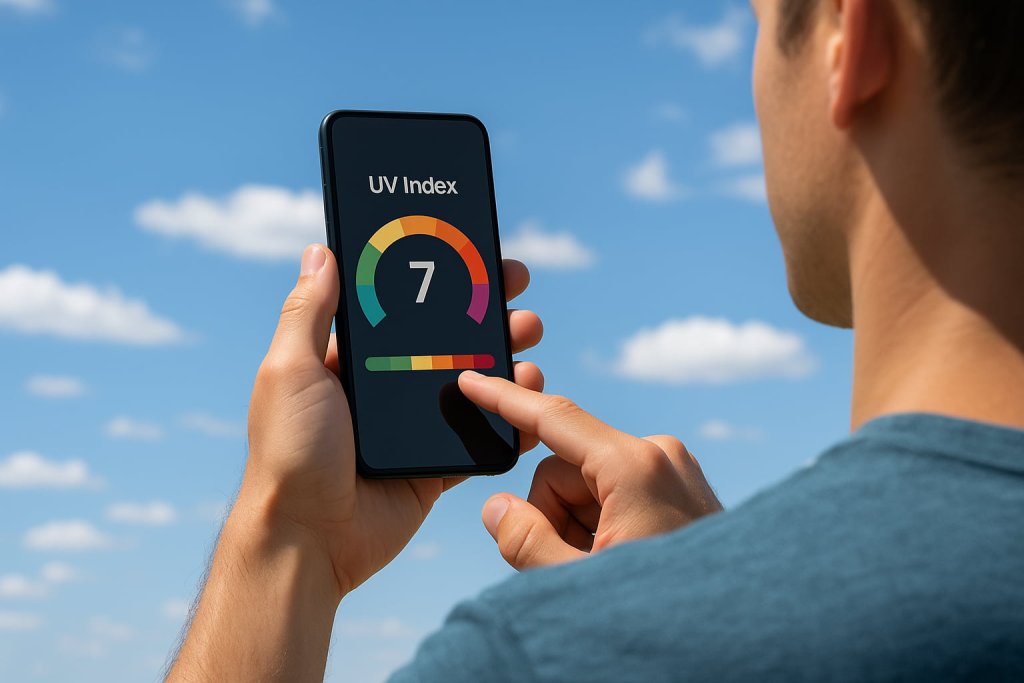
There is no single recommended amount of sunlight that fits everyone, because UV exposure varies widely based on environmental and individual factors. Skin tone, time of year, geographic latitude, altitude, cloud cover, and the daily UV Index all influence how quickly the skin is affected by sunlight. People with lighter skin generally experience UV effects more rapidly, while those with darker skin may require more exposure for comparable vitamin D production — yet both groups face UV-related risks.
The World Health Organization explains that UV radiation intensity changes throughout the day and across seasons, making it difficult to define a universally safe exposure window for all populations.
Source: World Health Organization – Ultraviolet Radiation
General Expert Recommendations
Health authorities emphasize that brief, incidental daylight—such as walking outdoors, commuting, or spending time near natural light—is typically enough for circadian and mood-related benefits. More importantly, experts recommend minimizing intentional exposure during periods when UV radiation is strongest.
According to the Centers for Disease Control and Prevention, avoiding peak UV hours—usually between 10 AM and 4 PM—may help reduce long-term skin and eye damage. The agency also notes that UV rays can penetrate clouds and reflect off surfaces like water, sand, and concrete, making sun protection necessary even when the sky appears overcast.
Source: Centers for Disease Control and Prevention – UV Exposure
The World Health Organization further recommends using the daily UV Index to determine when protective measures are needed, encouraging shade, clothing, and sunscreen whenever the UV Index reaches moderate or higher levels.
Source: World Health Organization – UV Index Guidance
Risks of Excess Sun Exposure
Understanding UVA and UVB Radiation
Sunlight contains two primary types of ultraviolet radiation that reach the Earth’s surface: UVA and UVB. UVA rays penetrate deeper into the skin and are present throughout the day, while UVB rays vary more by season and time of day. Both forms of UV exposure contribute to cumulative skin and eye stress over time. According to the World Health Organization, UV radiation is considered a significant environmental risk factor because long-term exposure can lead to cellular damage in skin and eye tissues.
Source: World Health Organization – Ultraviolet Radiation
Skin Health Concerns (Neutral, Non-Medical)
Prolonged or intense sunlight exposure may lead to visible skin changes such as dryness, discoloration, or gradual changes in texture. These effects accumulate over years and often appear more prominently in people who spend significant time outdoors without protection. The Centers for Disease Control and Prevention notes that UV exposure is one of the primary environmental factors that contributes to long-term changes in skin appearance, underscoring the importance of sun safety habits like shade, clothing, and sunscreen.
Source: Centers for Disease Control and Prevention – UV Exposure
Eye Health Considerations

The eyes are sensitive to UV radiation, and unprotected exposure may lead to discomfort, glare, and long-term strain. The National Eye Institute recommends wearing sunglasses that block 99–100% of UVA and UVB rays to help reduce UV exposure and support long-term eye comfort and visual health.
Source: National Eye Institute – Protecting Your Eyes from the Sun’s UV Light
Sun Safety Precautions
Use Sunscreen Correctly
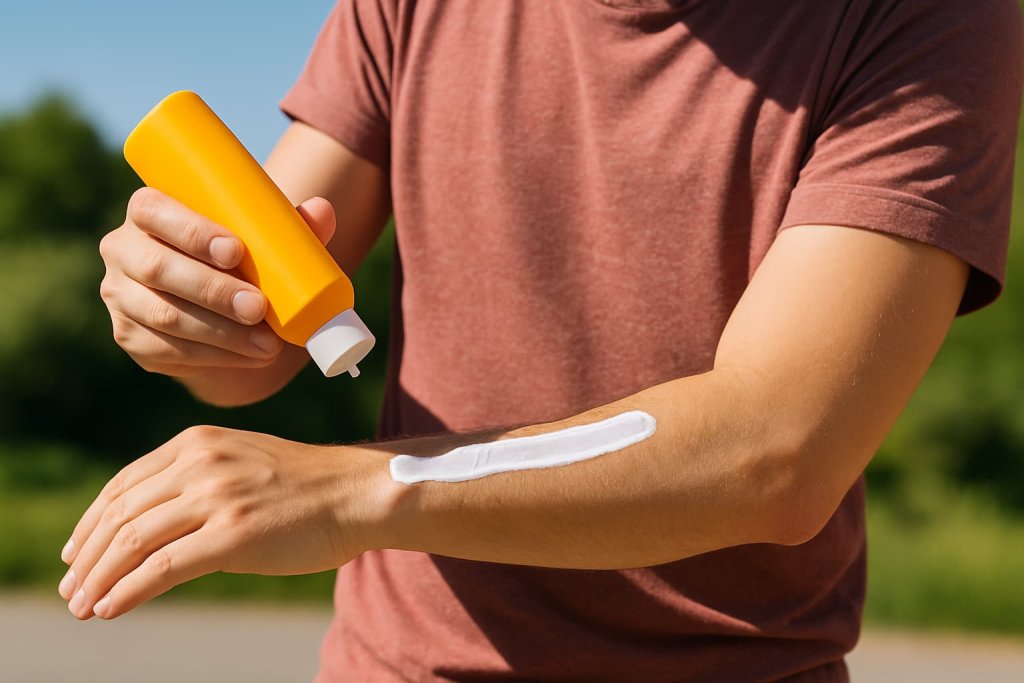
Using sunscreen properly may help reduce UV exposure during outdoor activities. Broad-spectrum sunscreen protects against both UVA and UVB rays, and applying it generously to all exposed skin is essential for effectiveness. According to the American Academy of Dermatology, SPF 30 or higher is recommended for daily outdoor use, with reapplication every two hours or after swimming or sweating.
Source: American Academy of Dermatology – Sunscreen Information
Wear Protective Clothing and Accessories
Protective clothing offers a physical barrier against UV radiation without relying on topical products. Long-sleeved shirts, wide-brimmed hats, and UV-blocking sunglasses may help reduce exposure to sensitive areas like the face and eyes. The Centers for Disease Control and Prevention notes that clothing with tightly woven fabric provides more consistent coverage than lighter materials.
Source: Centers for Disease Control and Prevention – Sun Safety
Seek Shade Strategically
Staying in shaded areas during peak UV hours may help limit unnecessary exposure. Trees, umbrellas, canopies, and indoor spaces can provide effective relief when the sun is strongest. Guidance from the World Health Organization recommends avoiding direct sunlight between late morning and mid-afternoon, when UV intensity tends to reach its highest levels.
Source: World Health Organization – Ultraviolet Radiation
Monitor the Daily UV Index
The UV Index helps predict daily sun strength, making it a valuable tool for planning safe outdoor time. When the index reaches moderate or higher levels, protective measures are encouraged. The Environmental Protection Agency provides UV Index forecasts that help individuals adjust their clothing choices, sunscreen use, and outdoor timing.
Source: Environmental Protection Agency – UV Index
Who Should Be Extra Cautious With Sun Exposure?
Individuals With Fair or Photosensitive Skin
People with naturally fair skin or those who experience sensitivity to sunlight may be more affected by UV radiation. Fair skin contains lower levels of melanin, which offers less natural protection against UV exposure. The Centers for Disease Control and Prevention explains that individuals with fair skin tend to burn more easily and should take additional precautions when outdoors.
Source: Centers for Disease Control and Prevention – Sun Safety
Children and Older Adults
Children’s skin is more delicate and may be more susceptible to UV-related stress. They also accumulate lifetime exposure earlier, making protective habits important from a young age. Older adults may have thinner skin and reduced natural defenses, increasing their sensitivity to UV radiation. According to the World Health Organization, minimizing unnecessary UV exposure at all ages supports long-term skin and eye health.
Source: World Health Organization – Ultraviolet Radiation
People Taking Photosensitizing Medications
Certain medications and topical products can increase the skin’s sensitivity to sunlight, resulting in quicker reactions to UV exposure. Examples may include some antibiotics, acne medications, and herbal supplements. Guidance from the National Library of Medicine notes that photosensitivity is a known side effect of several drug classes, and individuals taking such medications should follow proper sun safety guidance.
Source: National Library of Medicine – Photosensitivity Overview
Individuals at Higher Risk of Vitamin D Deficiency
People with darker skin tones, limited outdoor exposure, or conditions affecting nutrient absorption may face a higher risk of low vitamin D levels. However, increasing unprotected sun exposure is not recommended due to UV-related risks. Instead, the National Institutes of Health advises meeting vitamin D needs through food sources and supplements when appropriate.
Source: National Institutes of Health – Vitamin D Fact Sheet
Ways to Enjoy Sunlight Safely
Prioritize Early Morning Exposure
Early morning sunlight offers a gentler form of natural light that may help support circadian rhythm alignment without the intensity of midday UV radiation. Spending a few minutes outdoors shortly after waking can provide the body with important light cues that influence energy and sleep timing. The Centers for Disease Control and Prevention notes that consistent exposure to natural light helps maintain a stable sleep–wake cycle.
Source: Centers for Disease Control and Prevention – Circadian Rhythms
Combine Daylight With Safe Outdoor Habits
Enjoying sunlight does not require prolonged or direct exposure. Brief, incidental outdoor activities—such as walking, gardening, or taking movement breaks—may support mood and daily activity levels while allowing you to avoid high UV periods. Incorporating sun protection strategies, such as clothing, hats, sunglasses, and shade, helps reduce unnecessary UV exposure. The World Health Organization advises limiting time outdoors during peak UV hours to help support skin and eye safety.
Source: World Health Organization – Ultraviolet Radiation
Get Vitamin D From Diet and Supplements (NIH Guidance)
Vitamin D needs can be met through food and supplements without relying on unprotected sun exposure. Foods such as fortified milk, eggs, and fatty fish provide dietary vitamin D, and supplements may be useful for individuals who are deficient or have limited access to sunlight. According to the National Institutes of Health, relying on dietary and supplemental vitamin D is a safer approach than increasing sun exposure because UV radiation can contribute to long-term skin damage.
Source: National Institutes of Health – Vitamin D Fact Sheet
Frequently Asked Questions (FAQ)
How much sunlight is ideal each day?
There is no universal duration that applies to everyone. Factors such as skin tone, UV Index, season, and geographic location influence how quickly UV exposure affects the skin. The World Health Organization advises limiting time outdoors during peak UV hours and using protection even during short periods outside.
Source: World Health Organization – Ultraviolet Radiation
Can sunlight help support mood?
Daylight exposure may support mood by helping regulate biological rhythms connected to energy, alertness, and overall emotional balance. When daylight decreases in fall and winter, some individuals may notice changes in energy or mood. The National Institute of Mental Health explains that reduced sunlight is a key factor associated with Seasonal Affective Disorder (SAD), a type of depression that follows a predictable seasonal pattern. Regular, safe daylight exposure—especially earlier in the day—may help support more stable daily mood rhythms.
Source: National Institute of Mental Health – Seasonal Affective Disorder
Is sunlight a reliable vitamin D source?
Sunlight can support vitamin D production, but health authorities recommend obtaining vitamin D primarily from food and supplements because UV radiation carries long-term risks. The National Institutes of Health states that dietary and supplemental vitamin D are safer, more controlled options.
Source: National Institutes of Health – Vitamin D Fact Sheet
Does sunlight help sleep?
Morning daylight exposure may help support a healthy sleep–wake cycle by reinforcing the body’s circadian rhythm. The Centers for Disease Control and Prevention explains that natural light is a key regulator of the body’s internal clock.
Source: Centers for Disease Control and Prevention – Circadian Rhythms
Do cloudy days still require sunscreen?
Yes. UV rays can penetrate clouds even when the sky appears overcast. The Centers for Disease Control and Prevention recommends using sunscreen whenever spending extended time outdoors, regardless of weather.
Source: Centers for Disease Control and Prevention – Sun Safety
Can you get vitamin D through windows?
No. Window glass blocks nearly all UVB rays, which are required for vitamin D synthesis. For individuals with low vitamin D levels, the National Institutes of Health recommends food and supplements instead of intentional UV exposure.
Source: National Institutes of Health – Vitamin D Fact Sheet
Who should avoid prolonged sunlight?
Individuals with fair or photosensitive skin, children, older adults, those taking photosensitizing medications, and people at higher risk of vitamin D deficiency should be cautious. The World Health Organization emphasizes minimizing unnecessary UV exposure for all age groups.
Source: World Health Organization – Ultraviolet Radiation
Conclusion
Sunlight plays an important role in supporting circadian rhythm, mood, and vitamin D production, but these benefits must be balanced with careful protection from UV radiation. Incorporating early morning light, practicing sun-safe habits, and using dietary sources of vitamin D helps you enjoy sunlight safely.
Consistent sun protection—shade, clothing, and sunscreen—supports long-term skin and eye health while still allowing you to benefit from natural daylight.
This content is for informational purposes only and not medical advice.