
Yes, peanut butter does go bad. Most jars do not spoil quickly, but over time the oils can turn rancid, the texture can dry out or separate, and the flavor can become stale or bitter. Knowing how long peanut butter lasts, how to store it, and what warning signs to watch for helps you avoid waste and decide when a jar is no longer worth eating.
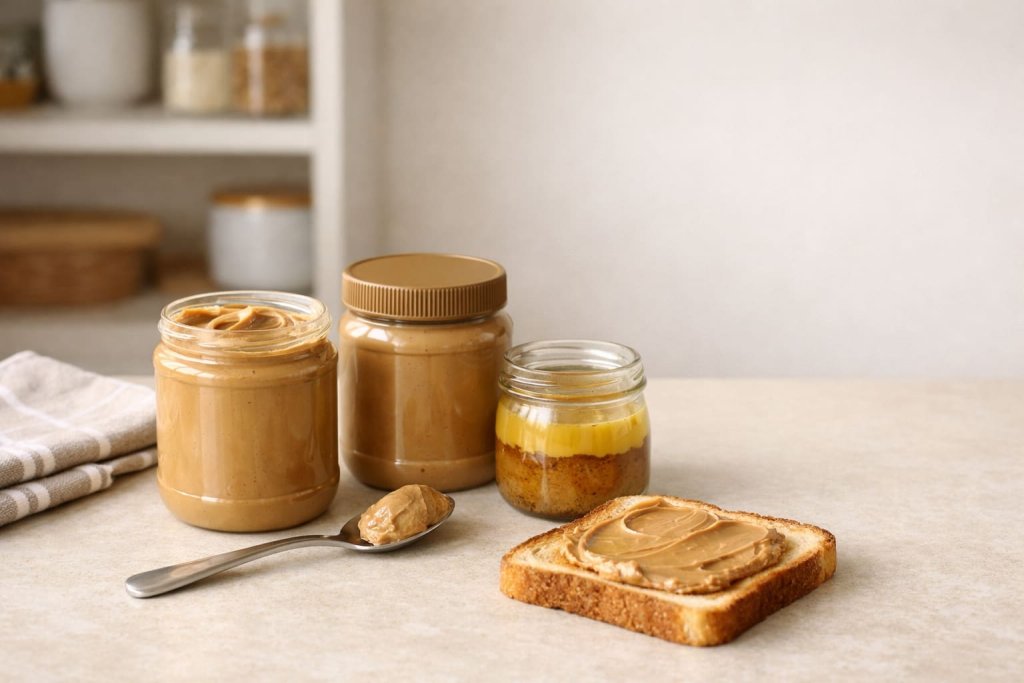
According to the USDA, unopened peanut butter typically keeps for 6 to 9 months in the pantry, while opened peanut butter usually keeps for about 2 to 3 months in the pantry. Natural peanut butter often has a shorter quality window after opening and usually does better in the refrigerator.
Does Peanut Butter Actually Spoil or Just Lose Quality?
In most cases, peanut butter goes bad because of quality breakdown, not because it suddenly becomes highly perishable like milk or cooked leftovers. Peanut butter is low in moisture, which helps slow bacterial growth, but it is also high in fat. Over time, those fats can oxidize and become rancid, which changes the smell, taste, and texture.
That means an old jar may not always look dramatic, but it can still become unpleasant enough that you should throw it out. The FDA says food that looks or smells suspicious should be discarded, and moldy food should also be thrown away.
How Long Does Peanut Butter Last?
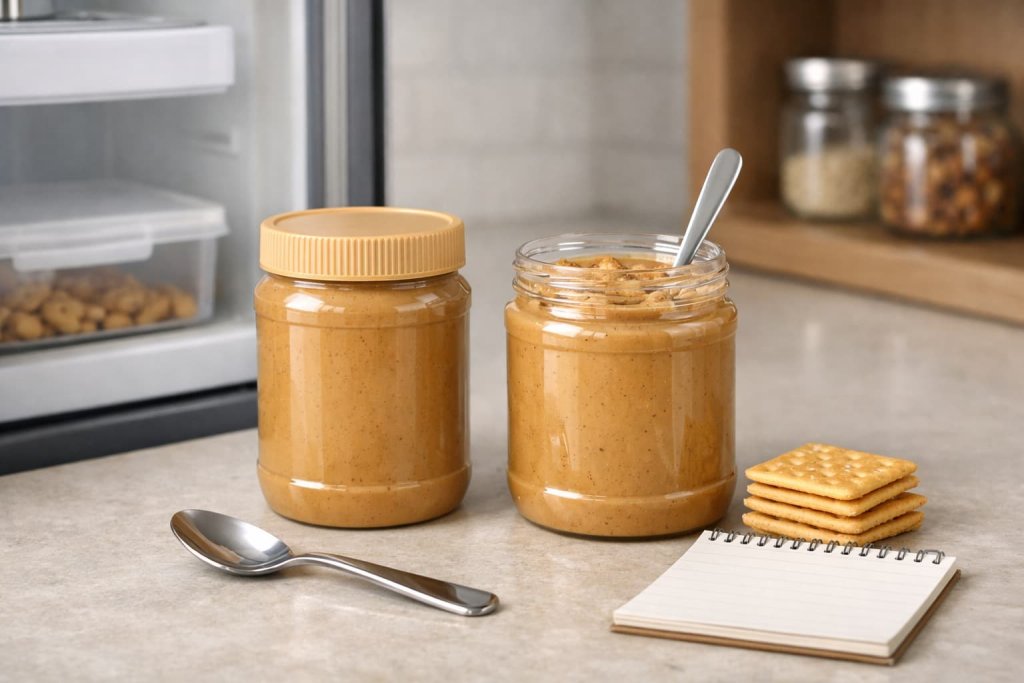
Unopened peanut butter
Shelf-stable peanut butter usually lasts a long time when kept in a cool, dry pantry. The USDA says unopened peanut butter can last around 6 to 9 months in the pantry. Brand guidance can be even longer when stored properly, but the package date still matters. Jars should be used by the “best if used by” date for the best quality.
Opened peanut butter
Once opened, regular commercial peanut butter is generally best within about 2 to 3 months in the pantry. If you want it to keep quality longer, refrigeration helps. The National Peanut Board says opened peanut butter can last about 6 to 9 months in the refrigerator.
Natural peanut butter
Natural peanut butter usually separates because it does not contain the same stabilizers as many conventional jars. USDA FoodKeeper data indicates natural peanut butter keeps about 12 months unopened and around 3 to 4 months after opening when refrigerated, or until the package date if that comes first.
Signs Peanut Butter Has Gone Bad
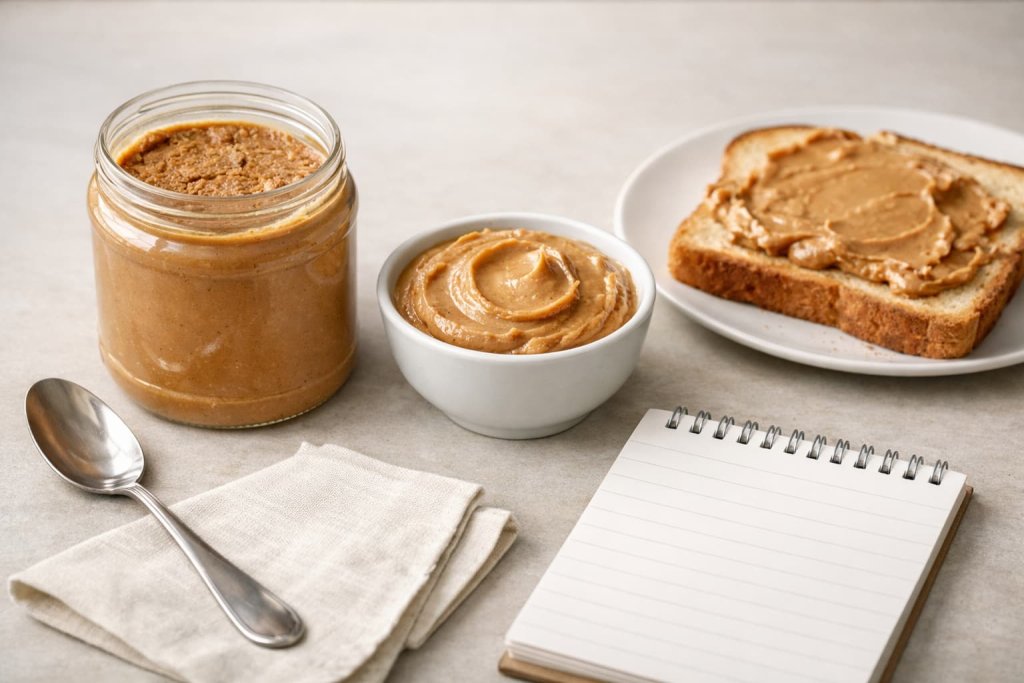
The easiest way to tell that peanut butter is no longer good is by checking its smell, taste, and appearance.
1. It smells rancid or sour
Fresh peanut butter smells nutty and mild. Bad peanut butter may smell sharp, bitter, sour, or paint-like. That is one of the clearest signs the oils have turned. The FDA’s general food-safety rule is simple: if it smells suspicious, throw it out.
2. The taste is bitter or stale
If the aroma seems off, the flavor usually is too. Rancid peanut butter can taste bitter, harsh, or oddly metallic instead of creamy and roasted. A noticeable off taste is a strong sign the jar is past its prime. According to the National Peanut Board, peanut butter quality drops as oils break down over time.
3. The texture is unusually dry, hard, or gritty
Some oil separation is normal, especially in natural peanut butter. That alone does not mean it has gone bad. But if the peanut butter becomes very dry, hardened, or difficult to stir back together, quality has likely dropped.
4. You see mold or obvious contamination
Mold is not normal. If you see mold, water damage, pantry pests, or anything that looks contaminated, discard the jar. FDA guidance says moldy food should be thrown away.
Does Peanut Butter Need to Be Refrigerated?
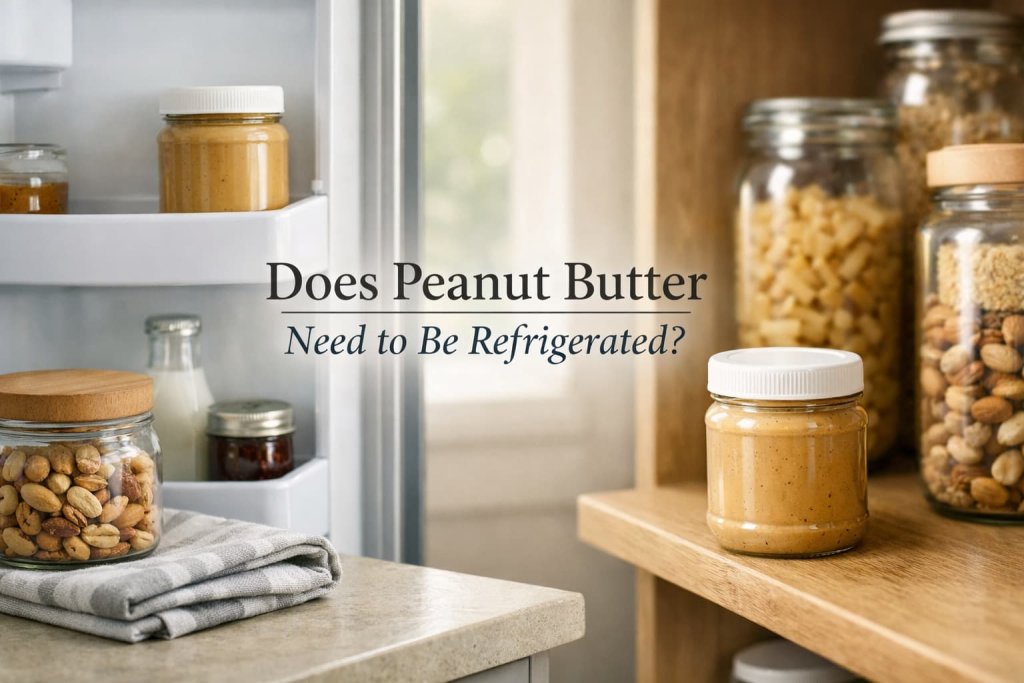
Regular commercial peanut butter usually does not need refrigeration right away after opening, but refrigeration can help it stay fresher longer. Natural peanut butter is more likely to benefit from refrigeration because its oils separate more easily and its quality can decline faster.
A practical rule is:
- Regular peanut butter: pantry is usually fine for a couple of months after opening
- Natural peanut butter: refrigerate after opening unless the label says otherwise
- Any jar you want to keep longer: refrigeration helps slow quality loss
How to Store Peanut Butter the Right Way
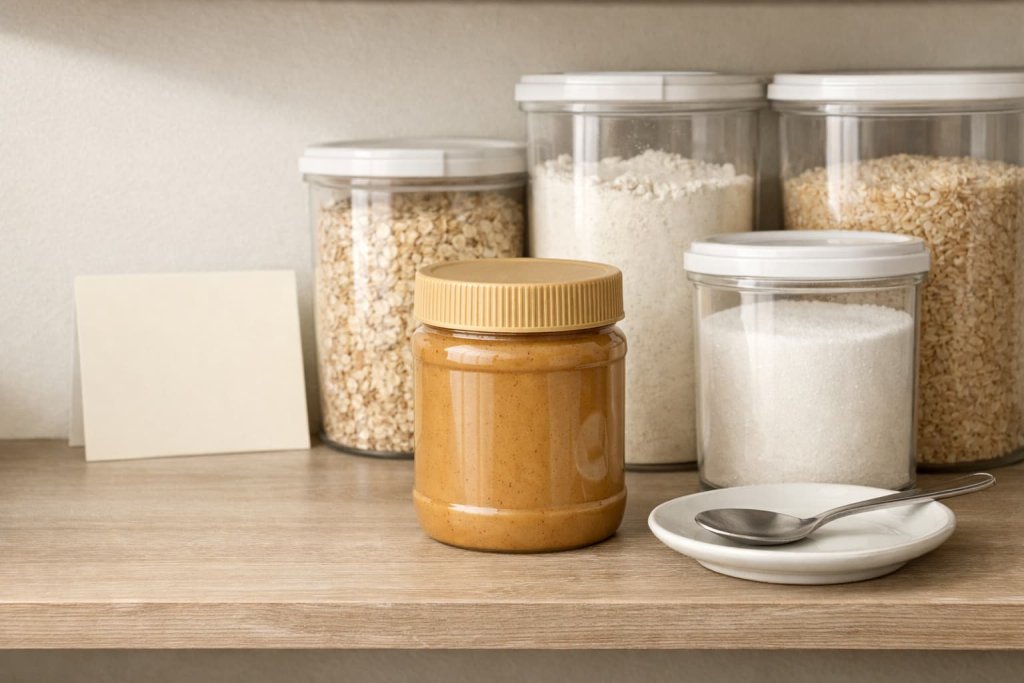
Good storage makes a big difference. Keep peanut butter:
- tightly sealed
- in a cool, dry place
- away from direct sunlight
- away from heat sources like stoves or sunny windows
- refrigerated after opening if it is natural or if you want to extend freshness
USDA FoodKeeper and the National Peanut Board both emphasize following label directions, especially for natural varieties.
Can You Eat Expired Peanut Butter?
Sometimes, yes, but only with caution.
A “best by” or “best if used by” date is mainly about quality, not always immediate safety. If the jar is unopened, stored properly, and still smells and looks normal, it may still be usable shortly after that date. But once the smell, taste, or texture changes, it is better to throw it away. Jif notes that peanut butter quality depends heavily on storage conditions and whether the jar has been opened.
Do not rely only on the date. Also check:
- whether the jar has been opened
- how it was stored
- whether it shows any spoilage signs
- whether moisture or contamination may have gotten into it
Is Oil Separation a Sign It Went Bad?
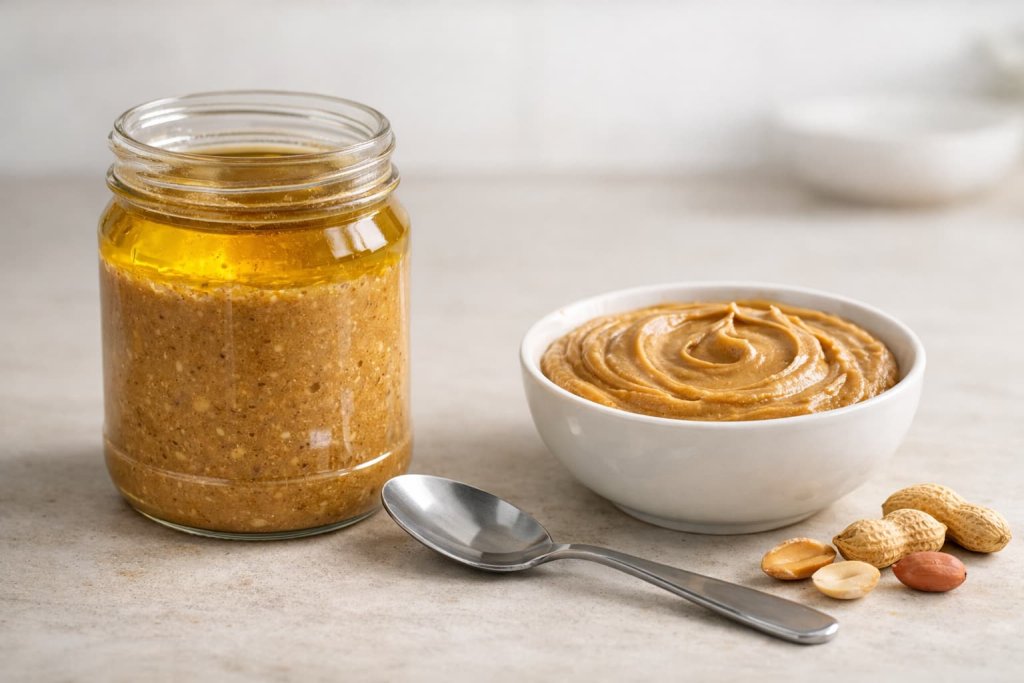
No. Oil separation is normal, especially in natural peanut butter. It usually means the peanut solids and oils have separated during storage, not that the jar is spoiled. Stirring it well can often fix the texture.
The issue is when separation comes with other warning signs, such as a rancid smell, darkened color, mold, or a very unpleasant taste. In that case, do not keep it.
Who Should Be Extra Careful?
Peanut butter is a food allergy concern for some people. The FDA identifies peanuts as one of the major food allergens that must be declared on labels of regulated packaged foods. Anyone with a peanut allergy should avoid peanut butter completely unless a product is specifically safe for them.
You should also be more cautious with peanut butter if:
- the jar has been left open for a long time
- a dirty knife has been dipped into it repeatedly
- liquid or crumbs from other foods got into the jar
- it was stored in a hot place for weeks or months
Quick Answer: How Long Is Peanut Butter Good For?
Here is the practical summary most readers want:
| Type of peanut butter | Unopened | Opened in pantry | Opened in refrigerator |
|---|---|---|---|
| Regular commercial peanut butter | About 6–9 months | About 2–3 months | Often longer for quality |
| Natural peanut butter | About 12 months or package date | Usually shorter quality window | About 3–4 months |
These are general storage estimates, so the label instructions should still come first.
Common Mistakes That Make Peanut Butter Go Bad Faster
Storing it near heat
Warm storage speeds up oil breakdown and makes rancidity more likely over time. A cool pantry is better than a cabinet above the stove.
Using a wet or dirty spoon
Moisture and food contamination can shorten shelf life. Always use a clean utensil.
Ignoring label instructions
Some jars, especially natural peanut butter, may specifically say to refrigerate after opening. That instruction matters more than a general rule.
FAQs
Does peanut butter go bad if not refrigerated?
Regular commercial peanut butter often stays fine in the pantry for about 2 to 3 months after opening. Natural peanut butter usually holds quality better in the refrigerator.
How can you tell if peanut butter is rancid?
The main signs are a sour, bitter, or paint-like smell, an unpleasant taste, and texture changes such as dryness or hardness. If it smells suspicious, throw it out.
Is separated oil in peanut butter bad?
No. Oil separation is normal, especially in natural peanut butter. Stir it back in unless the jar also smells off or shows spoilage.
Can expired peanut butter make you sick?
Sometimes old peanut butter is only stale or rancid, but any jar with suspicious smell, mold, or contamination should be discarded. Food safety depends on storage, not just the printed date.
How long does natural peanut butter last after opening?
USDA FoodKeeper data puts opened natural peanut butter at about 3 to 4 months in the refrigerator, or until the package date if that comes first.
Does unopened peanut butter go bad?
Yes, eventually. Unopened peanut butter still loses quality over time, though it lasts much longer than an opened jar. USDA guidance says about 6 to 9 months in the pantry for peanut butter in general.
Conclusion
Peanut butter does go bad, but usually slowly. Most of the time, the first problem is rancidity and quality loss, not sudden spoilage. Store it properly, watch for off smells or mold, and follow the label for natural varieties. When a jar smells bitter, tastes wrong, or looks suspicious, it is better to replace it than risk eating it.