
Yes, the best way to drink more water is to attach it to habits you already do every day. For most people, that means keeping water nearby, drinking with meals, choosing water more often than sugary drinks, and increasing fluids when it is hot or when activity goes up. According to the Centers for Disease Control and Prevention, water helps prevent dehydration and supports normal body functions, including temperature control and waste removal.
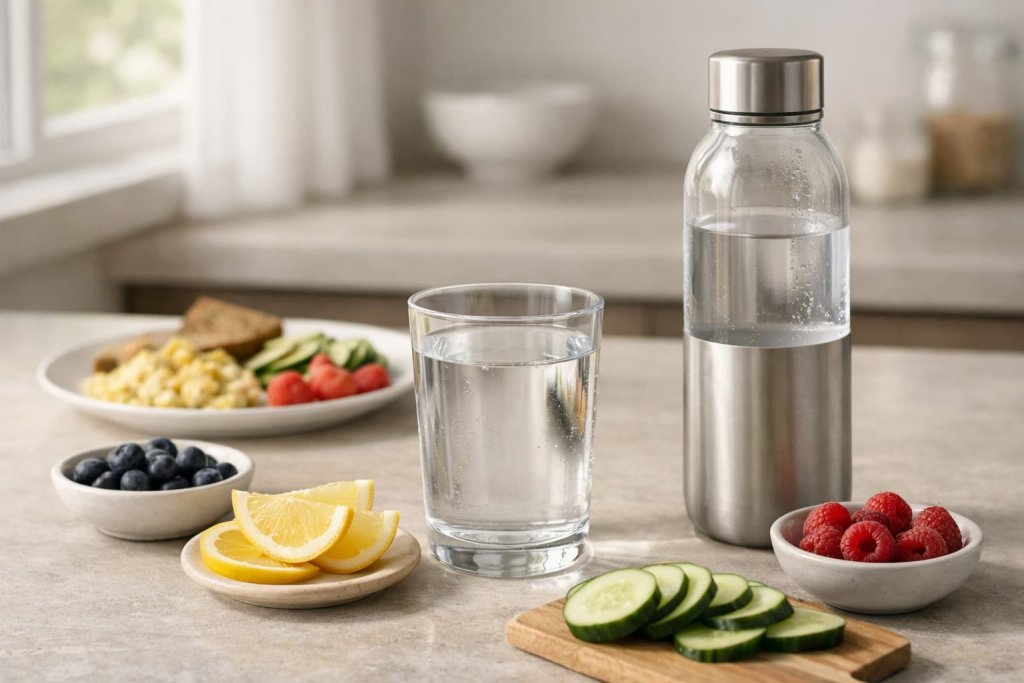
Learning how to drink more water matters because hydration affects energy, comfort, digestion, exercise, and day-to-day well-being. The good news is that you do not need a perfect routine or a one-size-fits-all “8 glasses” rule. A few simple habits usually work better than forcing large amounts at once. The National Kidney Foundation notes that daily needs vary based on age, climate, activity, and health conditions.
Why drinking enough water matters
According to the CDC, water helps your body keep a normal temperature, lubricate and cushion joints, protect sensitive tissues, and remove waste through urination, perspiration, and bowel movements. CDC guidance also notes that dehydration may contribute to unclear thinking, mood changes, overheating, constipation, and kidney stones.
The American Heart Association also explains that, for most people, water is the best drink for staying hydrated, while fruits and vegetables can add to your fluid intake too.
How much water do you actually need
There is no single amount that fits everyone. The National Academies of Sciences, Engineering, and Medicine set Adequate Intake levels for total water at about 3.7 liters per day for men and 2.7 liters per day for women, and that total includes water from both beverages and food.
That does not mean everyone should force the same number of glasses. The National Kidney Foundation says the “8 glasses a day” idea is not a hard rule and that hydration needs differ from person to person.
Your needs may go up if you are:
- in a hot climate
- more physically active
- pregnant or breastfeeding
- sick with fever, vomiting, or diarrhea
CDC says your body needs more water in hot climates, with higher activity, and during illness such as fever, diarrhea, or vomiting. The American College of Obstetricians and Gynecologists says people who are pregnant should generally drink 8 to 12 cups of water a day.
What counts toward your daily water intake
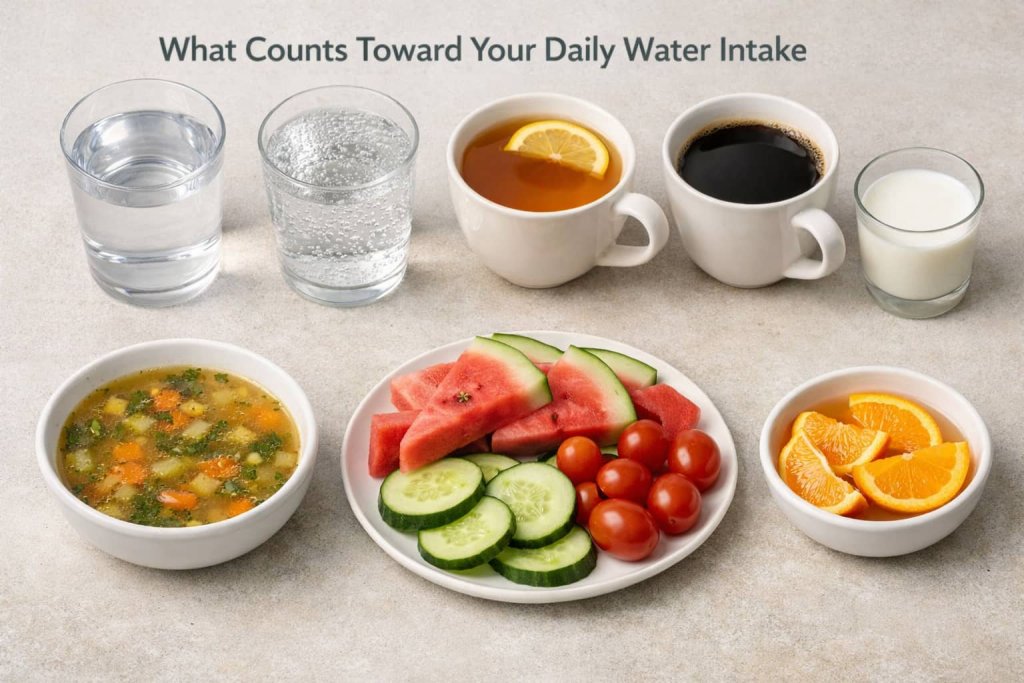
Not all of your fluids have to come from plain water. According to the National Academies, total water intake includes water from beverages and from food. That means plain water is a great foundation, but other drinks and high-water foods can help too.
Examples that can contribute to hydration include:
- plain water
- unsweetened sparkling water
- milk
- tea and coffee
- soups and broths
- fruit such as watermelon, oranges, and strawberries
- vegetables such as cucumber, lettuce, and tomatoes
Water is still the best default drink for most people because it hydrates without added sugar or calories. But knowing that other fluids and foods count can make hydration feel more realistic and easier to manage.
12 simple daily habits to drink more water
1. Start your morning with a glass of water
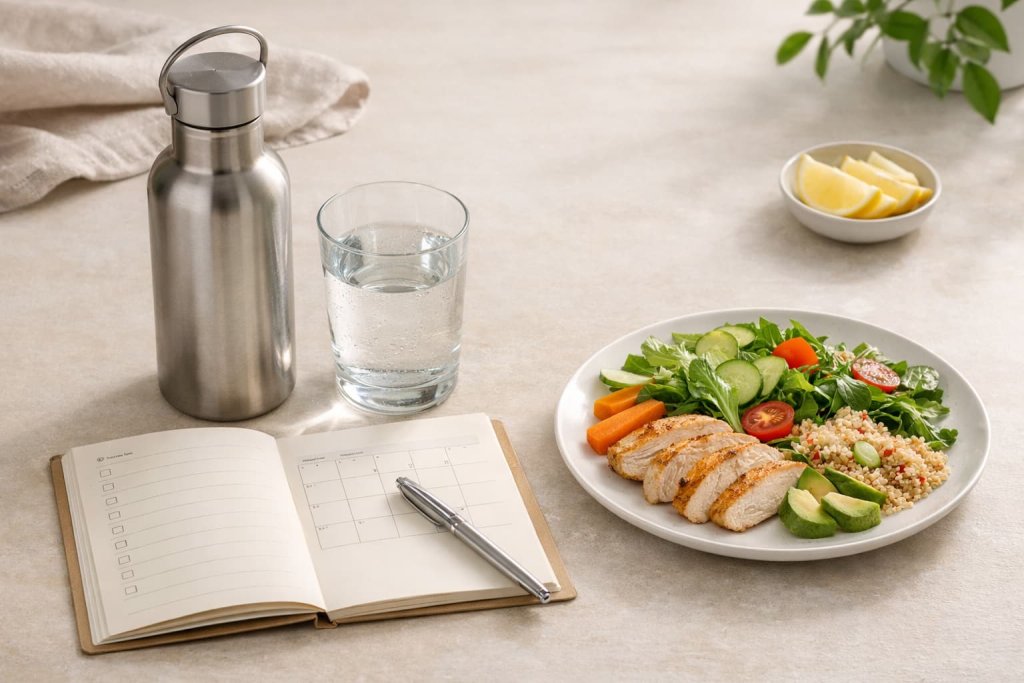
Drinking water soon after you wake up is an easy anchor habit. It helps you begin the day with fluids before coffee, tea, errands, or work distract you. This works especially well if you place a filled glass or bottle where you will see it first.
2. Keep a reusable bottle with you
One of the easiest ways to drink more water is to make it visible and convenient. CDC often suggests bringing a reusable bottle for refills, especially when you are out. When water is already within reach, you are more likely to sip without thinking about it.
3. Drink water with every meal
Pairing water with breakfast, lunch, and dinner turns hydration into an automatic part of eating. This is one of the most practical habits because meals already happen on schedule. It can also help replace sugary drinks at the table. CDC says choosing water instead of sugary drinks can lower calorie intake because water has no calories.
4. Take a few sips between bites
This small habit can help people who forget to drink for hours at a time. The National Institute on Aging advises older adults not to wait for thirst and suggests taking sips of water or other fluids between bites during meals.
5. Set “drink water” moments, not complicated goals
Instead of chasing a big number all day, create simple triggers. Drink after brushing your teeth, before leaving the house, when you sit down to work, after bathroom breaks, and before bed if that does not disturb your sleep too much. Habit cues are often more realistic than trying to remember ounces.
6. Choose water instead of sugary drinks more often
This is one of the most effective changes because it improves hydration and can reduce added sugar at the same time. CDC recommends choosing water, which can be tap, bottled, or unsweetened sparkling water, instead of sugary drinks.
7. Add flavor if plain water feels boring
If the taste of plain water is what stops you, make it more appealing. The CDC suggests adding berries or slices of lime, lemon, or cucumber to water. Sparkling water can also be a no-calorie option when it is unsweetened.
Easy ways to make water more appealing
If you struggle with plain water, small changes can make a big difference:
- serve it cold if you prefer crisp, refreshing drinks
- try ice with lemon, lime, orange, cucumber, or berries
- use a straw if that helps you sip more often
- choose still or sparkling water based on what you enjoy more
- keep water in a bottle or glass you actually like using
The easier and more pleasant water feels, the more likely you are to keep drinking it consistently.
8. Eat more water-rich foods
Food counts toward hydration too. The American Heart Association says some fruits and vegetables can be a source of water, and the National Academies include food in total daily water intake. That means foods like cucumber, oranges, melon, lettuce, tomatoes, and soups can support your overall hydration habits.
9. Drink more often in hot weather
Hot conditions increase fluid needs. CDC says you need more water in hot climates, and its heat guidance for athletes says to drink more water than usual and not wait until you are thirsty.
10. Build water into exercise
A good rule is to think about hydration before, during, and after activity. The American Heart Association advises drinking a few cups of water before, during, and after exercise in the heat. For most people, water is enough, though sports drinks may be useful for vigorous, high-intensity exercise in very hot weather.
11. Use reminders if you keep forgetting
Phone alarms, bottle markings, sticky notes, or app reminders can help if busy days make you lose track of drinking. The point is not perfection. It is to create enough prompts that water becomes the easy default.
12. Track your pattern for a few days
You do not need to track forever. But a short check-in can show whether you tend to drink only at night, forget water at work, or replace it with soda or sweet coffee drinks. Once you notice the pattern, it gets easier to fix the exact part of the day where hydration falls off.
A simple example of a daily hydration routine
Here is one realistic way to apply these habits:
- one glass after waking up
- water with breakfast
- carry a bottle during the morning
- water with lunch
- a refill in the afternoon
- water before or after a workout
- water with dinner
- extra fluids if the day is very hot or active
This kind of routine is easier to stick with than trying to drink a large amount all at once.
Signs you may not be drinking enough water
According to MedlinePlus, common dehydration signs include:
- thirst
- dry mouth or sticky mouth
- urinating less than usual
- dark-colored or darker yellow urine
- tiredness
- headache
- dizziness
- muscle cramps
If these signs show up often, your daily routine may need more fluids, especially during heat, exercise, or illness.
A simple urine color check
Urine color can be a helpful rough clue. In general, pale yellow usually suggests you are reasonably hydrated, while darker yellow urine may mean you need more fluids. This is not a perfect test, though. Some vitamins, medicines, and foods can also change urine color. If urine stays very dark, you are urinating much less than usual, or you feel dizzy or unwell, pay closer attention and consider medical advice if symptoms continue.
Common mistakes that make it harder to drink more water
Waiting until you feel very thirsty
Thirst can be a useful signal, but it is not always the best early reminder, especially in older adults or during hot weather and exercise. The National Institute on Aging says older adults may lose some of their sense of thirst with age, and CDC heat guidance says not to wait until you are thirsty to drink more water.
Trying to “catch up” all at once
Large amounts at one time can feel uncomfortable and are harder to maintain. Spreading fluids through the day is usually more practical. The CDC/NIOSH hydration guidance for heat notes that drinking at shorter intervals is more effective than drinking large amounts infrequently.
Drinking most of your water too late in the day
Some people avoid water because they do not want to wake up at night to urinate. A simple fix is to drink more earlier in the day and around meals, then ease up close to bedtime if nighttime trips to the bathroom are a problem for you. This can make hydration feel more manageable without giving up fluids altogether.
Counting only plain water and ignoring everything else
Plain water is a great default, but hydration also comes from other beverages and from foods. The National Academies count food as part of total water intake, and the American Heart Association notes that fruits and vegetables can help with hydration too.
Replacing too much water with sugary drinks
Sugary drinks can add calories and sugar without the same benefits as making water your regular default. CDC recommends choosing water instead of sugary drinks for a healthier pattern.
When water is enough and when electrolytes may help
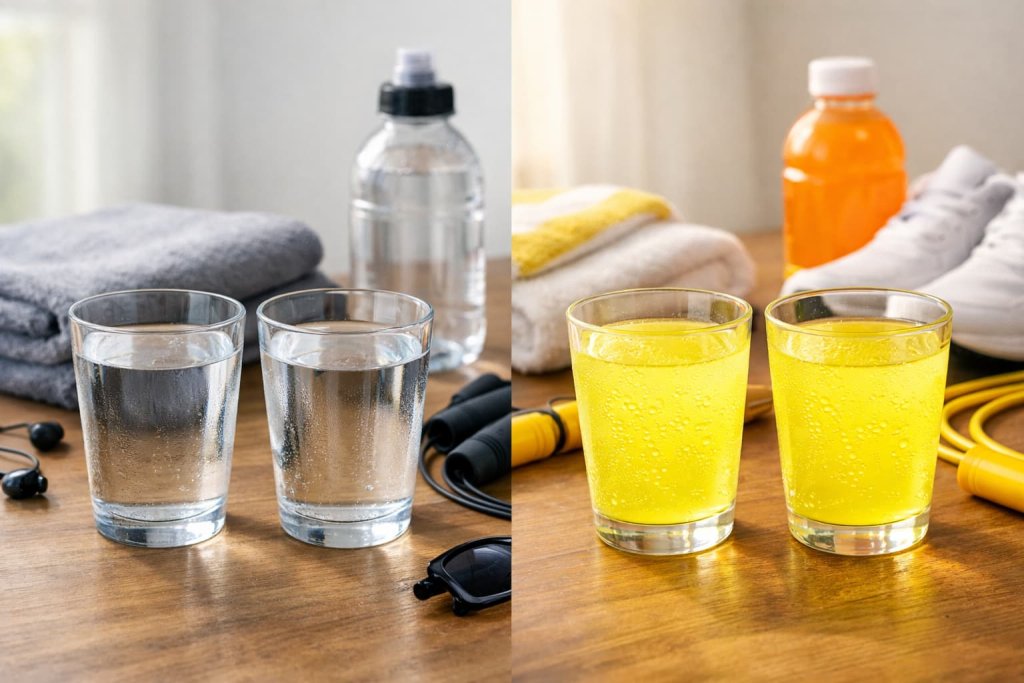
For most everyday situations, plain water is enough. That includes normal daily activity, regular meals, and most shorter or moderate workouts.
Electrolytes may be more helpful when you are:
- exercising hard for a long time
- sweating heavily in very hot weather
- losing fluids from vomiting or diarrhea
- unable to eat normally during illness
The American Heart Association notes that sports drinks may be useful for vigorous, high-intensity exercise in hot conditions, but many also contain added sugar. For many people, water plus regular meals is enough. If illness, heavy sweating, or heat are part of the picture, a more tailored hydration plan may make sense.
Who should be more careful with hydration advice
Some people should not follow generic hydration tips without considering their health situation.
The National Kidney Foundation’s hydration guidance says people with advanced chronic kidney disease, kidney failure, or dialysis may need to limit fluids. That is because the body may not remove water normally, which can lead to fluid buildup.
You may also need individualized advice if you:
- have been told to restrict fluids
- have certain heart or kidney conditions
- sweat heavily for work or exercise
- are pregnant or breastfeeding
- are sick with vomiting or diarrhea
Safety box
Drinking enough water is important, but more is not always better. According to CDC Stacks/NIOSH heat stress guidance, drinking more than 48 ounces per hour can be dangerous because it may lower the salt concentration in the blood too much. People with kidney disease or fluid restrictions should follow medical advice instead of general hydration tips.
Is it okay if I do not like plain water?
Yes. Unsweetened sparkling water or water flavored with fruit slices can help. CDC specifically suggests berries, lemon, lime, or cucumber for flavor.
Do coffee and tea count toward hydration?
They can contribute to fluid intake, but water is still the best default drink for most people according to the American Heart Association.
Is sparkling water as hydrating as still water?
In general, sparkling water can help with hydration too, especially when it is unsweetened. CDC includes unsweetened sparkling water among healthier choices, and the American Heart Association notes that sparkling water can help you stay hydrated.
Do I need sports drinks?
Usually not for everyday hydration. The American Heart Association says sports drinks may be useful for people doing high-intensity, vigorous exercise in very hot weather, but they can be high in added sugars and calories.
What is the easiest first step if I never drink enough water?
Start with one repeatable habit: a glass when you wake up and water with every meal. Once that feels automatic, add a bottle during the day.
FAQ
1. How can I train myself to drink more water every day?
Use cues you already have, such as waking up, meals, work breaks, and workouts. Keeping water visible and easy to grab usually works better than relying on memory alone.
2. How do I know if I am drinking enough water?
A good starting point is how you feel across the day and whether you have signs of dehydration such as thirst, dark urine, dry mouth, dizziness, or headache. If you often notice these signs, you may need more fluids.
3. Does drinking more water help with weight control?
Replacing sugary drinks with water can reduce calorie intake because water has no calories, according to CDC. That can support a healthier eating pattern, though water alone is not a weight-loss solution.
4. Should I drink water even if I am not thirsty?
Often, yes. This can be especially helpful in hot weather, during exercise, and for older adults whose thirst signals may be weaker.
5. Can I drink too much water?
Yes. Very large amounts in a short time can be unsafe. CDC/NIOSH warns that drinking more than 48 ounces per hour can cause a medical emergency in some situations.
6. Is bottled water better than tap water?
Not necessarily. CDC includes tap water, bottled water, and unsweetened sparkling water as suitable choices when choosing water over sugary drinks.
7. What if I have kidney disease or have been told to limit fluids?
Follow your clinician’s advice. The National Kidney Foundation says some people with advanced CKD, kidney failure, or dialysis may need to limit fluids.
Bottom line
If you want to know how to drink more water, focus on simple habits you can repeat: drink at set times, keep water close, choose it more often than sugary drinks, and adjust when heat, exercise, or illness increase your needs. You do not need a perfect number. You need a routine you can actually keep.
Start with two habits today: drink one glass when you wake up and one glass with each meal. That small change is often enough to build real momentum.
This content is for informational purposes only and not medical advice.