
Pumpkin seeds benefits include providing essential minerals, plant protein, healthy fats, and antioxidants that support overall wellness when included as part of a balanced diet. Understanding their nutrition profile helps you use them safely and effectively without overstating health claims.
Pumpkin seeds, also known as pepitas, are small but nutrient-dense. They are commonly added to meals for crunch, flavor, and nutritional value. According to authoritative nutrition sources, pumpkin seeds fit well into heart-healthy and nutrient-focused eating patterns when consumed in appropriate portions.
What Are Pumpkin Seeds? (Overview and Nutrition Profile)
Overview
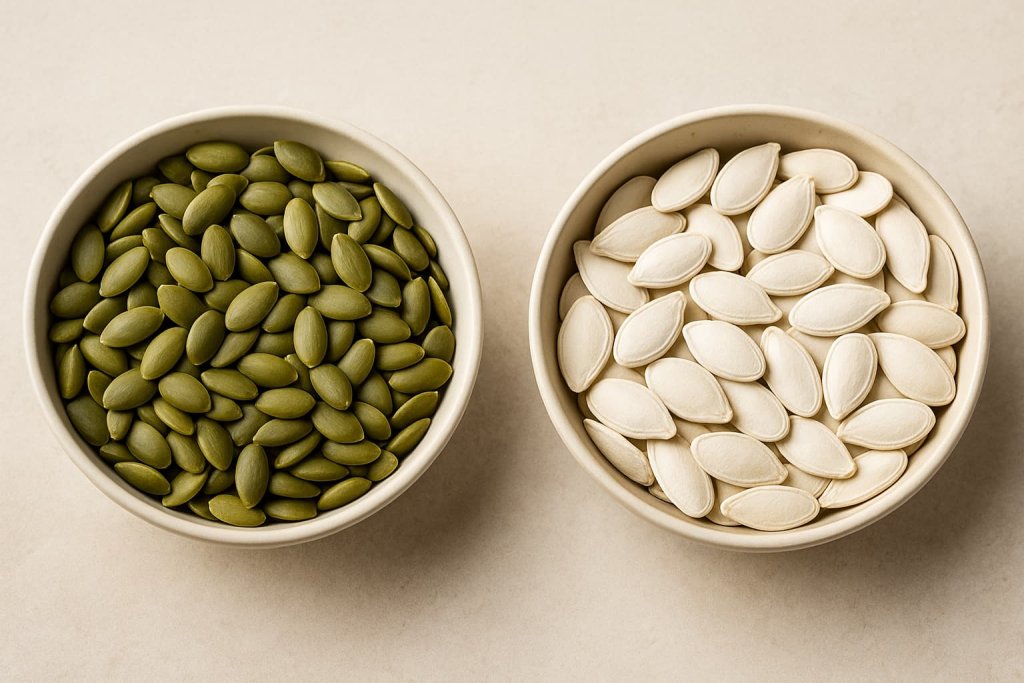
Pumpkin seeds are the edible seeds of pumpkins (Cucurbita pepo). They are eaten either unhulled (with the white outer shell) or hulled, in which case they are commonly called pepitas. Hulled pumpkin seeds are flat, green, and softer in texture, making them the most widely used form in cooking and packaged foods.
Pumpkin seeds are consumed raw, dry-roasted, or lightly seasoned and are often added to salads, soups, grain bowls, baked goods, and snack mixes. From a nutrition perspective, they are considered nutrient-dense, meaning they provide a high concentration of essential nutrients in a relatively small serving.
Nutrition Profile of Pumpkin Seeds
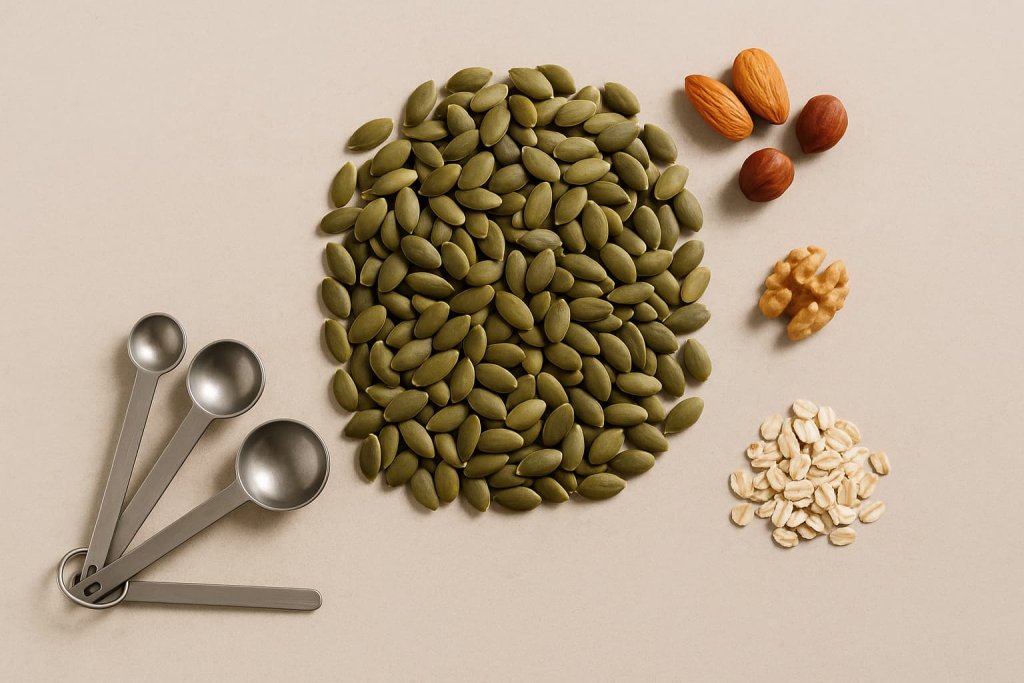
Pumpkin seeds provide a balance of macronutrients and key minerals that support overall dietary quality. According to the U.S. Department of Agriculture, the nutrition values below are based on a standard 1-ounce (28-gram) serving of hulled pumpkin seeds (pepitas).
Nutrition Profile Table (Per 1 Ounce / 28 g)
| Nutrient | Amount | Nutrition Context |
|---|---|---|
| Calories | ~153 kcal | Energy-dense; portion awareness is important |
| Protein | ~7 g | Supports muscle maintenance and satiety |
| Total Fat | ~13 g | Mostly unsaturated fats |
| Saturated Fat | ~2.3 g | Naturally occurring |
| Carbohydrates | ~5 g | Low overall carbohydrate content |
| Dietary Fiber | ~1 g | Contributes modestly to digestive health |
| Magnesium | ~152 mg (≈36% DV) | Supports muscle, nerve, and metabolic function |
| Zinc | ~2.1 mg (≈19% DV) | Supports immune and cellular processes |
| Iron | ~2.3 mg (≈13% DV) | Supports oxygen transport |
| Phosphorus | ~329 mg (≈26% DV) | Supports bone structure and energy metabolism |
| Copper | ~0.4 mg (≈44% DV) | Supports iron metabolism and connective tissue |
Pumpkin seeds are calorie-dense, so they are best consumed in moderate portions, typically around one ounce per serving, as part of a balanced and varied diet.
Nutrition values are approximate and may vary by variety, preparation method, and brand.
10 Proven Pumpkin Seeds Benefits Backed by Nutrition Science
1. Rich Source of Magnesium
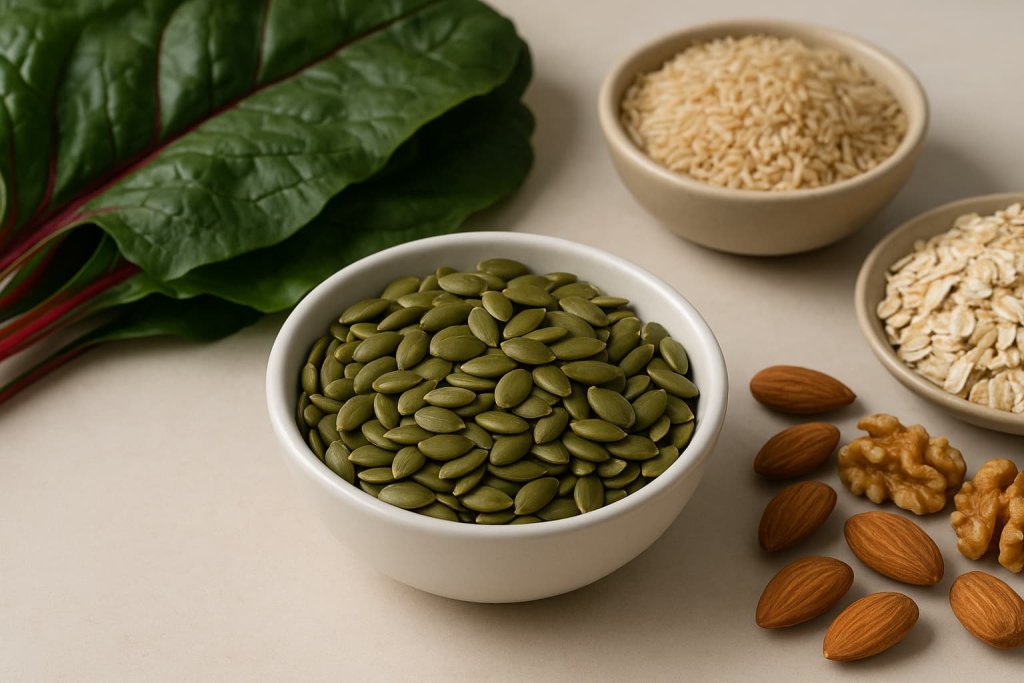
Pumpkin seeds are a concentrated source of magnesium, a mineral involved in muscle contraction, nerve signaling, energy production, and glucose metabolism. According to the National Institutes of Health Office of Dietary Supplements, magnesium participates in more than 300 enzymatic reactions in the body and supports normal blood pressure and bone structure. Including magnesium-rich foods like pumpkin seeds may help support overall metabolic and neuromuscular function as part of a balanced diet.
2. Supports Immune Function Through Zinc Intake
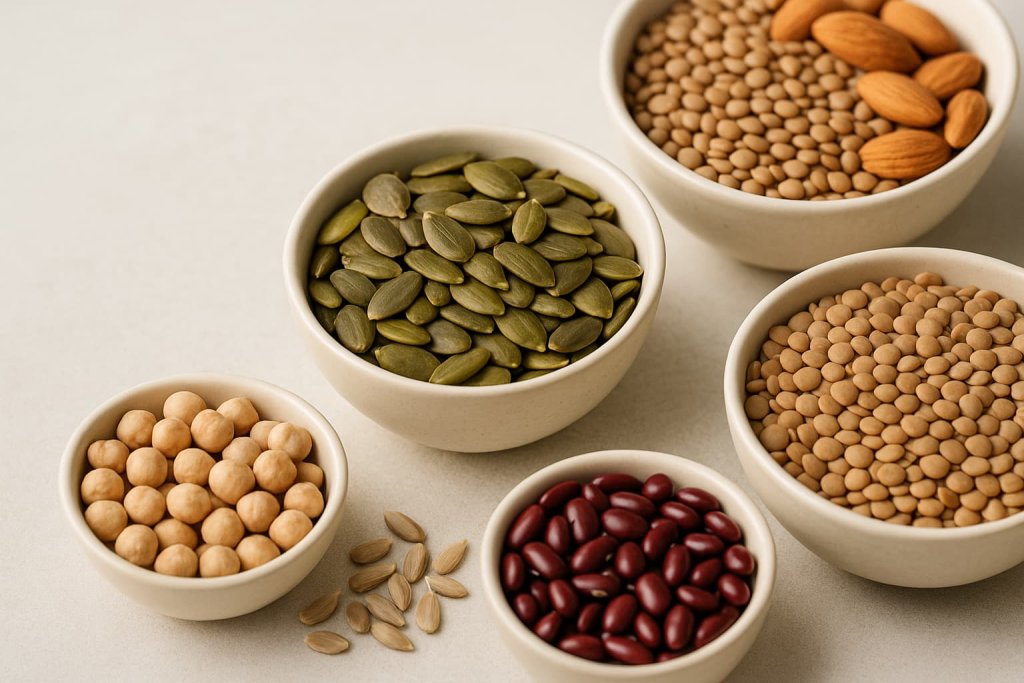
Zinc is essential for immune cell development, enzyme activity, and normal tissue maintenance. Pumpkin seeds provide a meaningful amount of zinc in a small serving. According to the National Institutes of Health Office of Dietary Supplements, adequate zinc intake supports normal immune responses and cellular processes. Food-based zinc sources are especially relevant for individuals following plant-forward eating patterns.
3. Provides Plant-Based Protein
Pumpkin seeds supply approximately 7 grams of plant-based protein per one-ounce serving. Protein supports muscle maintenance, tissue repair, and satiety. For individuals reducing animal-based foods, pumpkin seeds may help support daily protein intake when combined with other plant protein sources such as legumes and whole grains.
4. Contains Heart-Healthy Unsaturated Fats
Most of the fat in pumpkin seeds comes from unsaturated fatty acids. The American Heart Association notes that replacing saturated fats with unsaturated fats supports heart-conscious eating patterns. Using pumpkin seeds in place of less nutrient-dense snacks may help align meals with general cardiovascular nutrition guidance.
5. Provides Antioxidants That Support Cellular Health
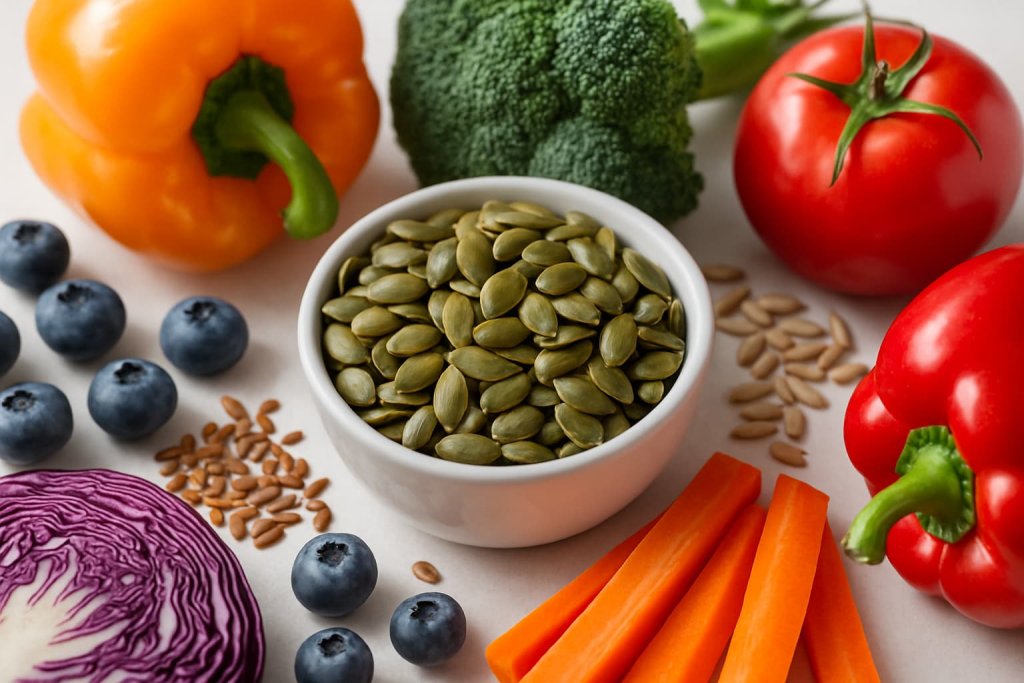
Pumpkin seeds contain antioxidants such as vitamin E and carotenoids. Research summarized by the National Library of Medicine explains that antioxidants help protect cells from oxidative stress caused by free radicals. While antioxidants do not prevent disease, diets that include antioxidant-containing foods are associated with overall cellular support.
6. Supports Digestive Health With Fiber
Pumpkin seeds provide modest amounts of dietary fiber, which supports digestive regularity and contributes to feelings of fullness. Fiber plays an important role in digestion and appetite regulation when consumed as part of a varied diet. Pairing pumpkin seeds with higher-fiber foods such as vegetables, legumes, or whole grains helps strengthen this effect.
7. May Support Prostate and Urinary Wellness
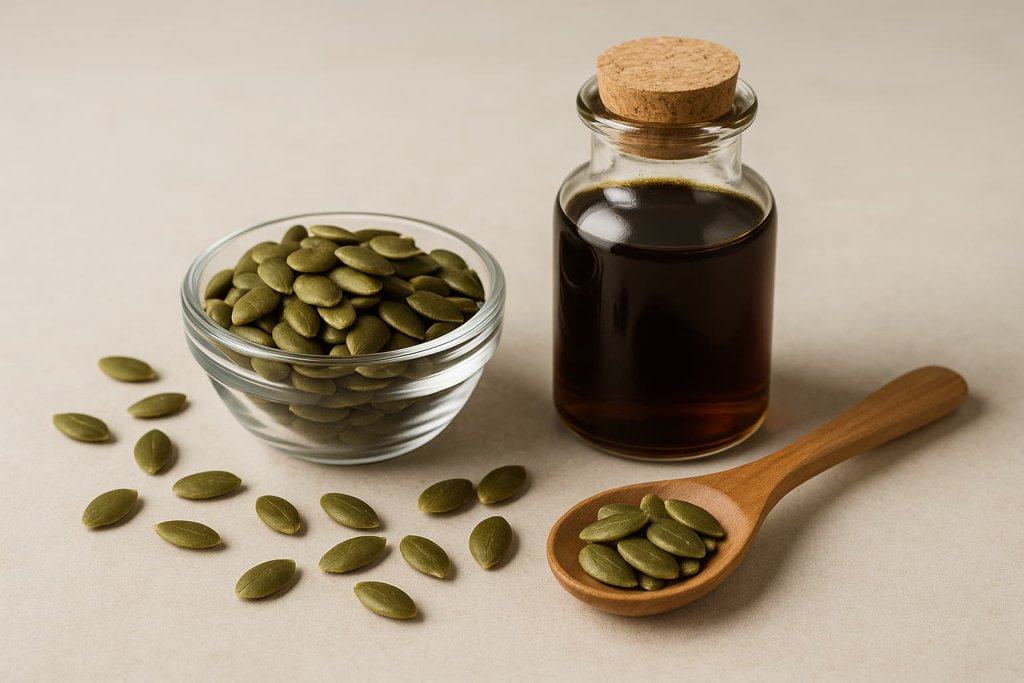
Pumpkin seed oil and extracts have been studied for their role in supporting urinary comfort, particularly in aging men. Clinical research published by the National Library of Medicine suggests pumpkin seed oil may be associated with improved urinary symptom scores. This evidence applies to oil or extract forms, not whole seeds, and should be viewed as dietary support rather than treatment.
8. Contributes Iron for Oxygen Transport
Pumpkin seeds contain non-heme iron, which supports oxygen transport in the blood. According to the National Institutes of Health Office of Dietary Supplements, iron from plant foods is best absorbed when consumed alongside vitamin C-rich foods. Combining pumpkin seeds with fruits or vegetables may help support iron absorption, particularly for individuals following plant-based diets.
9. Supports Bone Health Through Key Minerals
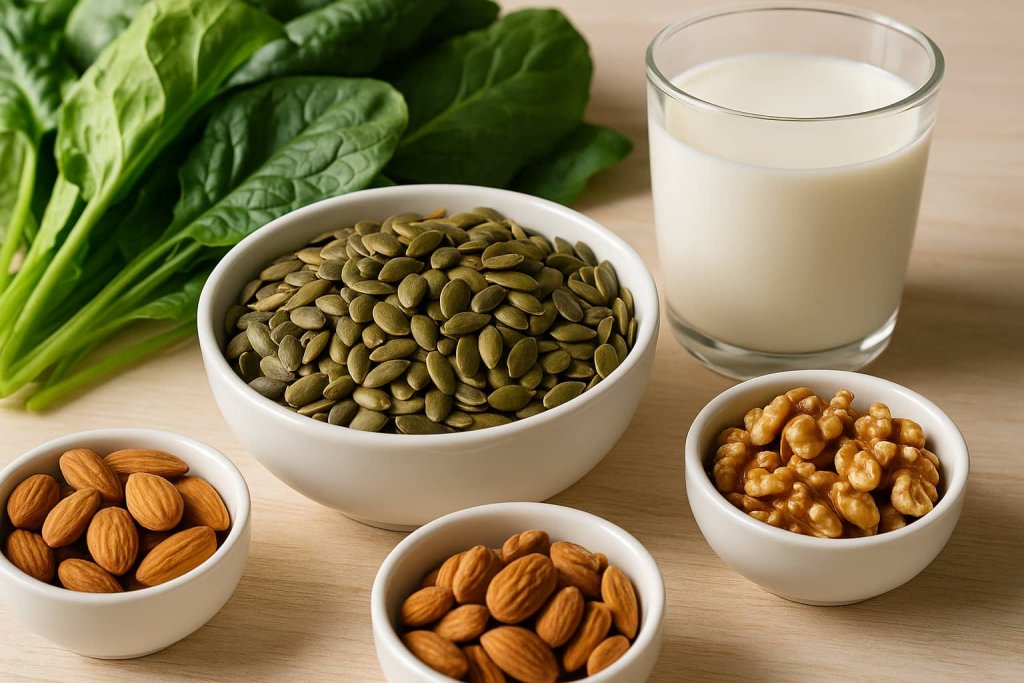
Magnesium, phosphorus, and zinc found in pumpkin seeds contribute to bone structure and mineral balance. Adequate intake of these minerals supports normal bone maintenance over time. Pumpkin seeds can complement other bone-supportive foods such as dairy products, leafy greens, and fortified foods.
10. Fits Well Into Weight-Conscious Eating Patterns
Pumpkin seeds are calorie-dense but provide a combination of protein, fat, and fiber that may help promote satiety. The American Heart Association recommends small portions of nuts and seeds—about one ounce—as part of a balanced eating pattern. Portion awareness allows pumpkin seeds to fit well into weight-conscious, nutrient-focused diets.
Raw vs Roasted Pumpkin Seeds
Nutritional Differences
Raw and roasted pumpkin seeds are nutritionally similar, but processing can slightly affect certain nutrients. Raw pumpkin seeds retain their natural fat structure and contain no added sodium. Roasting improves flavor and texture but may introduce added salt and, if done at very high temperatures, can slightly reduce heat-sensitive antioxidants.
From a nutrition perspective, the primary difference is sodium content, not macronutrients. Choosing preparation methods that preserve unsaturated fats and limit sodium helps maintain their overall nutritional value.
Choosing Unsalted and Minimally Processed Options
When selecting pumpkin seeds, unsalted or lightly dry-roasted options are generally preferred. Minimally processed seeds allow you to control sodium intake and avoid unnecessary additives. According to the American Heart Association, limiting excess sodium supports heart-conscious eating patterns, especially when consuming calorie-dense foods like nuts and seeds.
Safety Considerations and Who Should Be Cautious
Calorie Density and Portion Awareness
Pumpkin seeds are nutrient-dense but also calorie-dense. A standard serving is about one ounce, or a small handful. Eating larger portions can significantly increase calorie intake, which may be a concern for individuals managing weight or energy balance. Practicing portion awareness supports long-term dietary consistency.
Sodium Content in Flavored or Roasted Seeds
Flavored and heavily salted pumpkin seeds can contribute substantial amounts of sodium. High sodium intake is associated with increased blood pressure in some individuals. The Dietary Guidelines for Americans recommend limiting sodium intake as part of a balanced eating pattern, making unsalted varieties a better everyday option.
Allergies and Digestive Sensitivity
Seed allergies are less common than nut allergies but can still occur. Some individuals may also experience digestive discomfort due to the fat or fiber content. Introducing pumpkin seeds gradually and consuming them in moderate amounts may help reduce digestive sensitivity.
Considerations for Specific Dietary Needs
Individuals following calorie-restricted, low-sodium, or low-fat diets may need to monitor portion size and preparation methods. Those with gastrointestinal conditions or specific nutrient restrictions should consider how pumpkin seeds fit into their overall eating plan.
Pumpkin Seeds Nutrition Compared to Other Seeds
Pumpkin Seeds vs Sunflower Seeds
Pumpkin seeds generally provide more magnesium and zinc, while sunflower seeds tend to be higher in vitamin E. Both offer unsaturated fats and plant-based protein, but their micronutrient profiles differ, making variety beneficial in a balanced diet.
Pumpkin Seeds vs Chia and Flax Seeds
Chia and flax seeds are higher in fiber and omega-3 fatty acids, while pumpkin seeds provide more protein, iron, and zinc. Each seed type supports nutrition in different ways, and rotating between them helps diversify nutrient intake without relying on a single food source.
Frequently Asked Questions About Pumpkin Seeds Benefits
Are pumpkin seeds good for daily consumption?
Pumpkin seeds can be eaten daily in small portions as part of a balanced diet.
How many pumpkin seeds should you eat per day?
Most nutrition guidance suggests about one ounce (28 grams) per serving.
Are pumpkin seeds suitable for plant-based diets?
Yes. Pumpkin seeds are commonly included in vegetarian and vegan eating patterns due to their protein and mineral content.
Do pumpkin seeds support sleep?
Pumpkin seeds contain magnesium and tryptophan, nutrients involved in normal sleep-related processes, but individual responses vary.
Can pumpkin seeds affect cholesterol levels?
Pumpkin seeds are low in saturated fat and contain unsaturated fats, which align with heart-conscious dietary patterns when eaten in moderation.
Are pumpkin seeds safe for children?
Pumpkin seeds are generally safe for children when age-appropriate portions are used and choking risk is considered.
Conclusion
Pumpkin seeds are a nutrient-dense food that contributes minerals, healthy fats, plant-based protein, and antioxidants to the diet. When consumed in appropriate portions and minimally processed forms, they fit well into balanced eating patterns for a wide range of individuals. Variety, moderation, and overall dietary quality remain key to long-term wellness.
This content is for informational purposes only and not medical advice.