
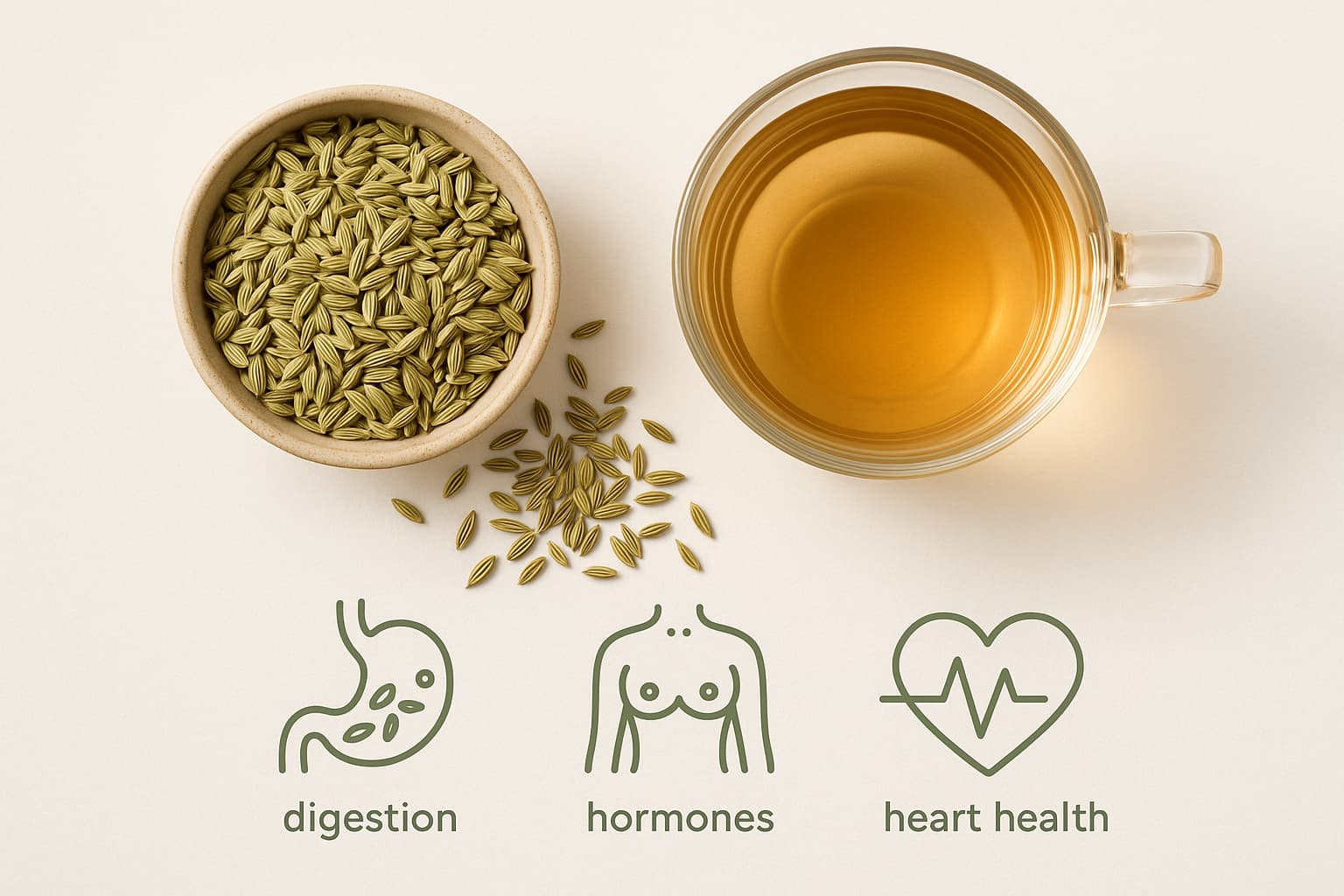
Fennel seeds are rich in fiber, antioxidants, and essential nutrients that may support digestion, hormonal balance, and overall wellness. Known for their distinct licorice-like flavor and wide culinary use, these tiny seeds from Foeniculum vulgare have been valued for centuries in traditional medicine and modern nutrition alike. Understanding their science-backed benefits helps you use them safely and effectively as part of a healthy diet.
What Are Fennel Seeds? (Overview and Nutrition Profile)
Fennel seeds come from the aromatic herb Foeniculum vulgare, a flowering plant in the Apiaceae (carrot) family. These small, oval, greenish-brown seeds are native to the Mediterranean region and have been cultivated for centuries for both culinary and medicinal use. Known for their sweet, slightly licorice-like aroma, fennel seeds are widely used as a spice, mouth freshener, and digestive aid across Ayurvedic, Mediterranean, and Middle Eastern cuisines.
In traditional Ayurvedic medicine, fennel is considered a cooling herb that helps balance the body’s digestive fire (Agni), reduce bloating, and freshen the breath. Mediterranean and European cultures have long used fennel to flavor fish dishes, soups, and bread, while Indian households commonly chew roasted fennel seeds (saunf) after meals to support digestion.
Fennel seeds contain powerful essential oils and phytochemicals, including anethole, fenchone, estragole, and quercetin, which are responsible for their aromatic flavor and potential health-supportive effects. These compounds are known for their antioxidant, anti-inflammatory, and digestive-supporting properties.
According to the USDA FoodData Central (2025), fennel seeds are nutrient-dense and provide essential vitamins and minerals that support heart, bone, and digestive health.
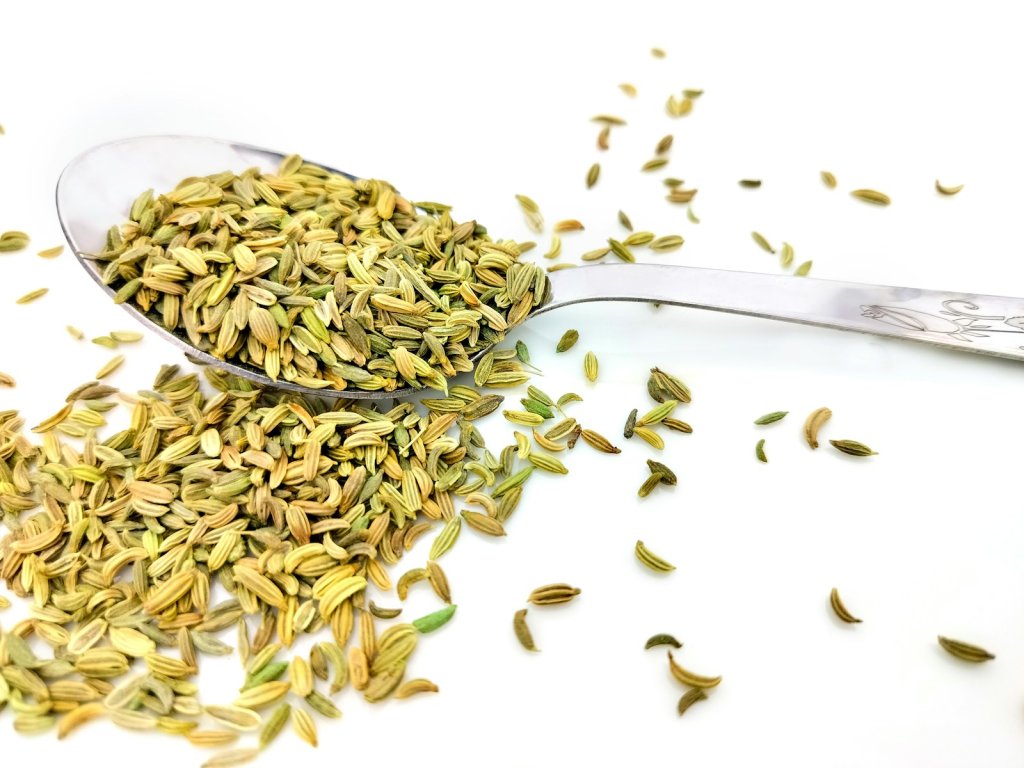
Nutrition Profile of Fennel Seeds (per 1 tablespoon / 6 g):
| Nutrient | Amount | Key Function |
|---|---|---|
| Calories | 20 kcal | Provides mild energy boost |
| Dietary Fiber | 2.3 g | Supports digestion and satiety |
| Protein | 0.8 g | Helps maintain tissue and muscle health |
| Fat | 0.9 g | Contains healthy plant oils |
| Carbohydrates | 3 g | Provides steady energy release |
| Calcium | 69 mg | Supports bone and dental strength |
| Magnesium | 14 mg | Aids muscle and nerve function |
| Potassium | 93 mg | Helps maintain heart rhythm and fluid balance |
| Iron | 0.6 mg | Supports oxygen transport in the blood |
| Vitamin C | 1.2 mg | Contributes to immune and skin health |
Key Active Compounds:
- Anethole: The major aromatic compound that may help support digestion and hormone balance.
- Fenchone: Provides the warm aroma and supports smooth muscle relaxation.
- Estragole: Adds sweetness and mild flavor complexity.
- Quercetin: A plant flavonoid with strong antioxidant activity that supports immune and cellular health.
Fennel seeds are therefore more than a spice — they’re a compact source of fiber, minerals, and phytonutrients that support digestive comfort, hormonal balance, and metabolic health when used as part of a balanced diet.
Source: USDA FoodData Central – Fennel Seeds
10 Proven Health Benefits of Fennel Seeds (Backed by Science)
Fennel seeds are rich in fiber, essential oils, and phytonutrients that may support digestion, hormonal balance, and heart health. Scientific research continues to uncover how these aromatic seeds contribute to overall wellness when included in a balanced diet.
1. Supports Healthy Digestion
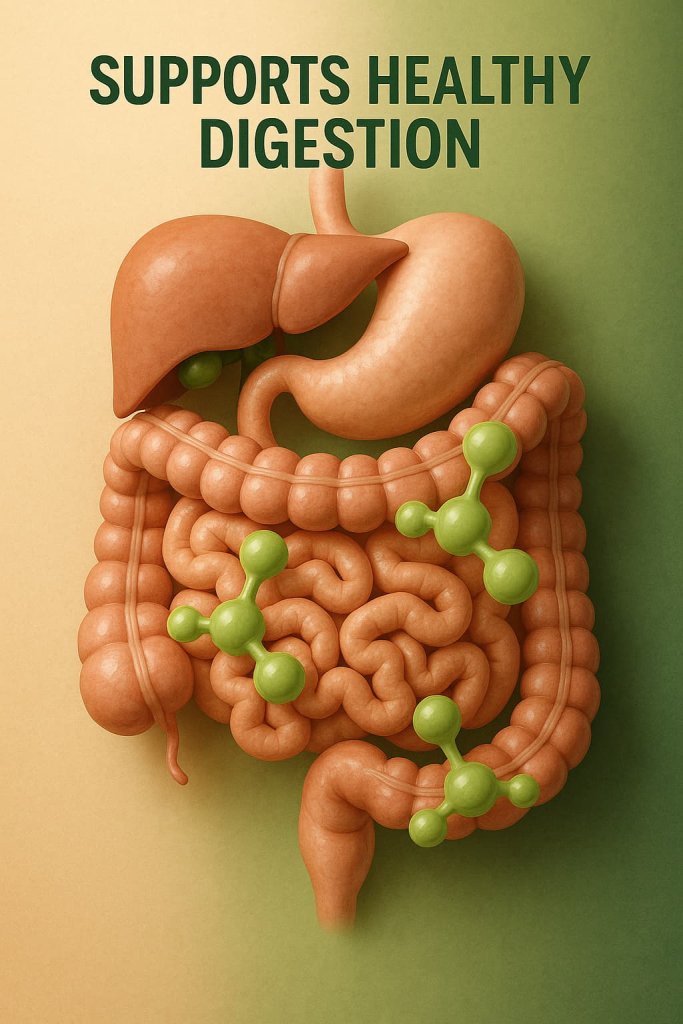
Fennel seeds have been traditionally prized for their ability to support healthy digestion and reduce post-meal discomfort. Their essential oils—particularly anethole, fenchone, and estragole—stimulate the secretion of digestive enzymes and gastric juices, promoting smoother movement of food through the gastrointestinal tract. This natural digestive support makes fennel tea or lightly roasted seeds a common after-meal practice in many cultures, especially in Ayurvedic and Mediterranean traditions.
Modern science supports these traditional uses. A 2023 review published in the International Journal of Molecular Sciences found that fennel essential oil and its key bioactive components may help relax intestinal smooth muscles and enhance gut motility. Researchers observed that fennel’s volatile compounds interact with calcium channels in the intestinal walls, promoting muscle relaxation and reducing spasms that can contribute to bloating and cramping.
By aiding smooth digestive flow and reducing gas formation, fennel seeds may help maintain gut comfort naturally. Including a small amount—about ½ to 1 teaspoon of crushed seeds—in meals or tea may support healthy digestion as part of a balanced diet.
Sources: International Journal of Molecular Sciences (2023), USDA FoodData Central, NIH Office of Dietary Supplements.
2. May Help Relieve Menstrual Discomfort

Research suggests fennel seed extracts and teas may support menstrual wellness by relaxing uterine muscles and easing cramps. The compounds anethole and fenchone possess mild antispasmodic effects that may reduce muscle tension.
A 2023 systematic review published in Complementary Therapies in Medicine analyzed several clinical trials and found that fennel oil supplementation significantly reduced pain intensity during menstruation compared to placebo, offering a gentle, plant-based option for menstrual comfort.
3. Promotes Hormonal Balance and Menopausal Wellness
Fennel contains phytoestrogens—naturally occurring plant compounds that can gently mimic estrogen activity in the body. These compounds may support hormonal equilibrium in women experiencing PMS or menopausal symptoms such as hot flashes and sleep disturbances.
A 2021 study in Menopause Review (Przegląd Menopauzalny) reported that fennel supplementation improved quality of life, sleep, and reduced vasomotor symptoms in postmenopausal women. Researchers attribute these effects to fennel’s mild estrogenic activity and antioxidant capacity.
4. May Support Lactation in Nursing Mothers

Traditionally used as a galactagogue, fennel seeds have been employed to support breast milk production in nursing mothers. The compound anethole may help stimulate milk secretion through its mild estrogenic properties.
A 2020 clinical review published in Phytotherapy Research found that fennel tea and standardized extracts modestly increased milk volume in lactating women. However, researchers emphasized that more extensive human trials are needed to confirm these effects and establish safe dosage ranges.
5. Provides Antioxidant Protection

Fennel seeds are a rich source of polyphenols, flavonoids, and phenolic acids such as quercetin, chlorogenic acid, and rosmarinic acid. These antioxidants may help protect body cells from oxidative stress—a key factor in aging and chronic disease development.
According to a 2022 study in the Journal of Food Science and Technology, fennel seed extract demonstrated strong free radical–scavenging activity, indicating its potential to support cellular defense mechanisms and overall vitality. Regular use in the diet—such as in tea or cooking—can add antioxidant support naturally.
6. Supports Heart and Metabolic Health
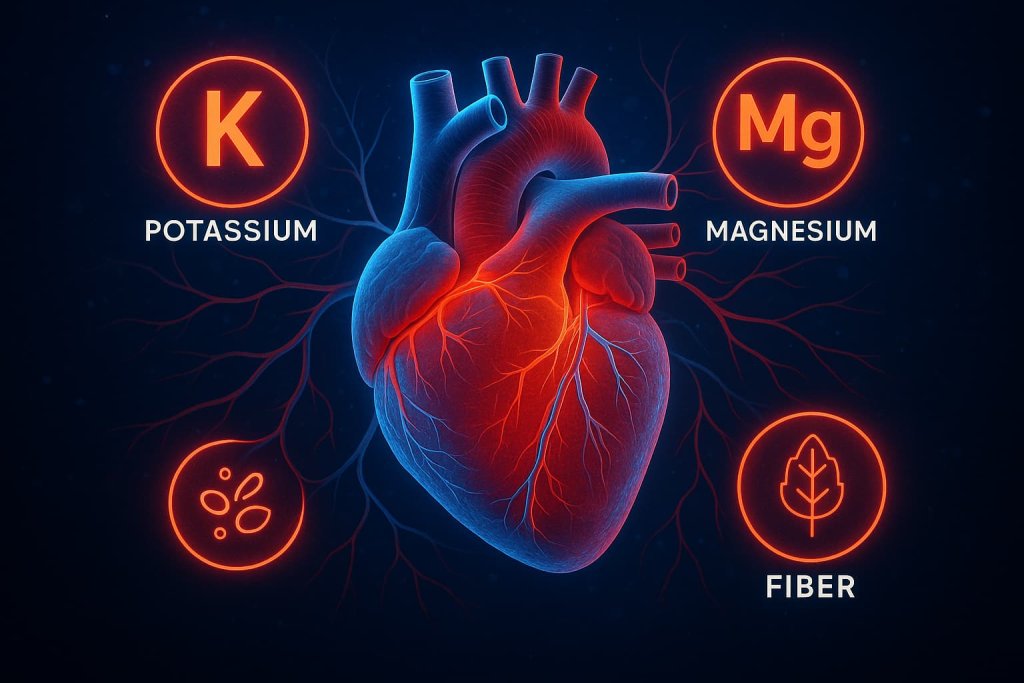
The combination of fiber, potassium, and magnesium in fennel seeds plays an important role in maintaining heart and metabolic balance.
The American Heart Association (AHA) notes that adequate potassium intake can help maintain healthy blood pressure by balancing the effects of sodium. Meanwhile, fennel’s dietary fiber supports cholesterol management by binding excess fat during digestion. Including fennel seeds in meals or tea may contribute to a heart-supportive diet when combined with regular exercise and low-sodium food choices.
7. May Support Weight Management

Fennel seeds are low in calories and rich in fiber, making them a practical addition to a balanced diet for those aiming to manage their weight naturally. The fiber content in fennel seeds slows digestion, promotes a feeling of fullness, and helps stabilize post-meal blood sugar levels — all factors that support mindful eating and portion control.
Scientific evidence supports fennel’s potential role in appetite regulation. A placebo-controlled crossover trial published in the Clinical Nutrition Research Journal found that women who consumed fennel tea before meals experienced reduced subjective hunger and lower prospective food intake compared to those who drank a placebo. Researchers attributed these effects to anethole and other volatile compounds in fennel that may influence appetite-related hormones and gut motility.
While fennel alone is not a weight-loss remedy, incorporating it into a healthy dietary pattern — such as drinking fennel tea before meals or adding seeds to soups, salads, or herbal blends — may help support appetite control and digestive comfort. Pairing this approach with regular exercise, adequate hydration, and a balanced diet enhances long-term wellness outcomes.
Sources: Clinical Nutrition Research (PMC4525133), USDA FoodData Central, Harvard T.H. Chan School of Public Health – Healthy Weight.
8. Supports Bone and Mineral Health
Fennel seeds contain key minerals—calcium, magnesium, phosphorus, and manganese—that are vital for maintaining bone structure and density.
According to the National Institutes of Health Office of Dietary Supplements (NIH ODS), consistent intake of calcium and magnesium supports bone metabolism and reduces the risk of deficiency-related bone loss. Including fennel seeds in cooking or herbal blends offers a natural, plant-based way to enhance mineral intake.
9. May Support Healthy Skin and Aging

Antioxidants in fennel seeds, including quercetin and chlorogenic acid, help protect the skin from oxidative stress that can contribute to premature aging. These compounds may support collagen production and overall skin elasticity.
A 2023 review in Nutrients found that dietary polyphenols improve skin photoprotection, hydration, and repair mechanisms. Combined with adequate hydration and sun protection, fennel seeds can be a beneficial addition to skin-supportive diets.
10. Supports Immune and Respiratory Health
Compounds in fennel, such as anethole and limonene, demonstrate mild antimicrobial and anti-inflammatory properties that may help maintain immune balance.
A 2024 study available on PubMed Central (NCBI) noted that fennel extract modulated inflammatory markers and improved gut barrier function in experimental models, indirectly supporting immune defense. Warm fennel tea or infused water may also help soothe mild throat irritation and support respiratory comfort during seasonal changes.
Recommended Daily Intake and Safe Use
Fennel seeds are safe for most healthy adults when consumed in moderate, culinary amounts. Their potent essential oils mean a little goes a long way — both in flavor and in wellness support.
General Intake Guidelines:
- Daily Serving: 1–2 teaspoons (about 2–4 g) of whole or lightly crushed fennel seeds per day.
- Tea Preparation: Steep 1 teaspoon of fennel seeds in 1 cup (240 mL) of hot water for 5–7 minutes. Drink 1–2 cups daily after meals to support digestion and relaxation.
- Culinary Use: Add seeds to cooked dishes, spice mixes, or roasted snacks for gentle digestive and aromatic benefits.
Culinary vs. Supplement Use:
- Culinary use (as tea, seasoning, or spice) is considered safe for daily consumption.
- Fennel seed extracts, essential oils, or capsules are more concentrated and should only be used under medical supervision, particularly during pregnancy or while taking hormone-related medications.
Food Safety Recommendations:
Proper storage and handling are essential to maintain the freshness, flavor, and safety of fennel seeds. Though they are a shelf-stable spice, exposure to heat, moisture, or air can degrade their essential oils and increase the risk of spoilage or contamination over time.
According to the U.S. Food and Drug Administration (FDA) and the U.S. Department of Agriculture (USDA) Food Safety and Inspection Service, safe storage practices for herbs and spices help prevent contamination and preserve quality.
Best Storage and Handling Guidelines:
- Temperature: Store fennel seeds below 25 °C (77 °F) in a cool, dark, and dry place to maintain their aromatic oils and nutrient content.
- Container: Use airtight glass jars or stainless-steel containers to prevent air exposure and moisture absorption.
- Light and Moisture Protection: Keep away from direct sunlight, kitchen steam, or humid areas to avoid oxidation and mold formation.
- Shelf Life: Whole fennel seeds typically stay fresh for up to 12–18 months, while ground fennel should be used within 6–8 months for optimal flavor and potency.
- Food Safety Note: Always use clean, dry spoons to scoop spices, and avoid cross-contamination by sealing containers immediately after use.
Possible Side Effects and Precautions
Fennel seeds are generally considered safe when used in culinary amounts, but concentrated extracts, essential oils, or supplements can cause side effects or interact with certain medications. Because fennel contains naturally occurring phytoestrogens, individuals with hormone-sensitive conditions, pregnant or breastfeeding women, and those taking specific medications should use caution and consult a healthcare professional before consuming fennel in high doses.
Allergies:
Fennel belongs to the carrot family (Apiaceae), which also includes celery, carrot, and mugwort. People allergic to these plants may experience mild reactions such as itching, rash, or swelling after consuming fennel. If symptoms occur, discontinue use and seek medical advice.
Source: WebMD – Fennel Overview
Pregnancy and Breastfeeding:
Culinary use of fennel seeds — for example, as a spice or mild tea — is generally safe for most healthy adults. However, high-dose extracts and essential oils may influence hormone activity and should be avoided during pregnancy. The NIH LactMed Database notes that concentrated fennel preparations have been linked to rare adverse reactions in breastfed infants. Always consult a qualified healthcare provider before using fennel supplements while pregnant or nursing.
Medication Interactions:
Fennel’s plant compounds, such as anethole, have mild estrogenic activity and may interact with medications that affect hormones, including birth control pills, hormone replacement therapy, or medications for breast or uterine conditions. Fennel can also affect the liver’s ability to metabolize certain drugs.
Source: Mayo Clinic – Herbal Supplements and Drug Interactions
Photosensitivity:
In rare cases, consuming large amounts of fennel extracts containing compounds like estragole or fenchone may increase sensitivity to sunlight. This is not a concern for regular culinary use but should be considered with excessive or concentrated intake.
Source: WebMD – Fennel Overview
Infants and Children:
Although fennel teas have been used traditionally to soothe infant colic, the European Food Safety Authority (EFSA) advises against giving concentrated fennel extracts to infants and toddlers due to potential exposure to estragole and lack of sufficient safety data. Parents should only use pediatric-approved herbal products under medical supervision.
How to Use Fennel Seeds in Your Diet
Fennel seeds are versatile, aromatic, and easy to incorporate into everyday meals or wellness routines.
1. Digestive Tea:
Steep 1 teaspoon of crushed fennel seeds in hot water for 5–7 minutes. Drink after meals to support digestion and reduce bloating.
2. Roasted Snack:
Dry-roast fennel seeds for 2–3 minutes over low heat to enhance flavor. Mix with carom seeds (ajwain) or sesame for a post-meal digestive mix.
3. Spice Blends:
Add ground fennel to curry powders, soups, and stews for a subtle sweetness and aroma. It pairs well with cumin, coriander, and black pepper.
4. Baking and Cooking:
Use in breads, pickles, sauces, or marinades for a fragrant Mediterranean touch.
5. Modern Wellness Ideas:
Add crushed fennel seeds to smoothies, herbal infusions, or detox water for flavor and gentle digestive support.
Serving Tip:
Chew ½ teaspoon of fennel seeds after meals — a traditional Ayurvedic practice that freshens breath and supports gut comfort.
Frequently Asked Questions (FAQs)
1. Are fennel seeds good for digestion?
Yes. Fennel seeds contain essential oils such as anethole and fenchone that help relax intestinal muscles and promote smoother digestion.
2. Can fennel tea help with bloating?
Fennel tea may help relieve gas and bloating by supporting gut motility and reducing intestinal spasms, as supported by research in the International Journal of Molecular Sciences (2023).
3. How much fennel tea can I drink daily?
Most adults can safely enjoy 1–2 cups of fennel tea daily. Avoid overuse of concentrated extracts without professional advice.
4. Are fennel seeds safe during pregnancy?
Culinary use (in food or mild tea) is generally safe, but avoid concentrated oils or supplements due to their hormonal activity. Always consult your doctor before use.
5. Can fennel help balance hormones?
Yes. Fennel’s mild phytoestrogen compounds may support hormonal balance in women, especially during PMS or menopause.
6. Do fennel seeds help with weight management?
Fennel seeds are rich in fiber, which may promote fullness and reduce appetite when consumed before meals or in tea form.
7. Can I use fennel seeds daily?
Yes, when consumed in moderate culinary amounts, fennel seeds are safe and beneficial as part of a balanced diet.
Conclusion
Fennel seeds (Foeniculum vulgare) are a flavorful, nutrient-rich spice with centuries of traditional use and growing scientific support. Their fiber, minerals, and antioxidant compounds may support digestion, hormonal balance, metabolism, and overall wellness when used regularly in small amounts.
Including fennel seeds in your daily diet — as tea, seasoning, or post-meal chew — offers a simple way to enhance flavor and promote natural health balance.
This content is for informational purposes only and not medical advice.