
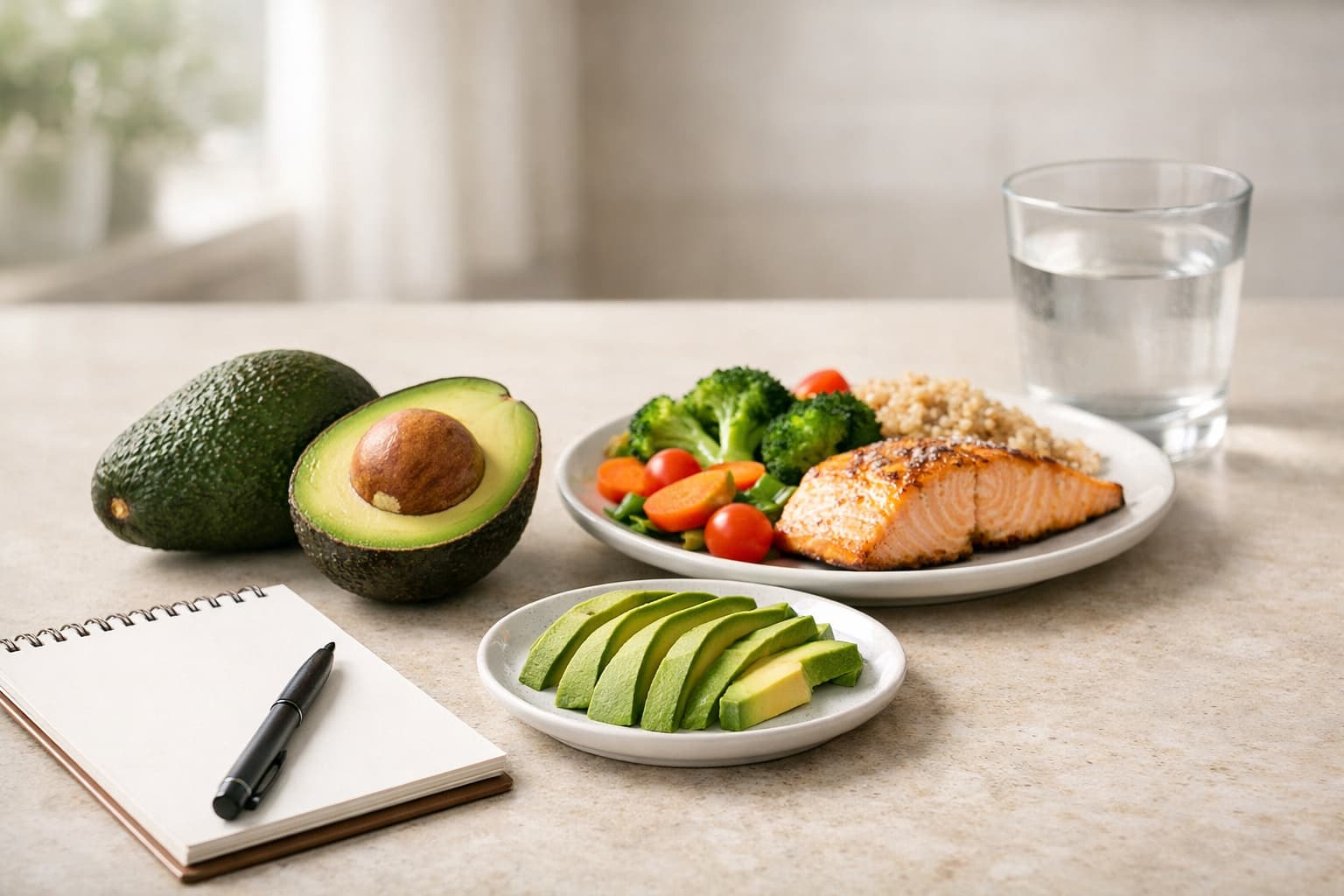
Yes, avocados are good for you for most people. They are rich in unsaturated fat, fiber, potassium, folate, and vitamin K, and they can support a heart-healthy eating pattern when eaten in sensible portions. Understanding the real benefits and limits matters because avocados are nutritious, but they are not a miracle food, and some people need to be more careful with them. According to USDA FoodData Central, avocado is a nutrient-dense food, while the American Heart Association emphasizes that replacing saturated fats with unsaturated fats can help lower LDL cholesterol and support heart health.
A practical way to think about avocados is this: they can be a smart choice when they replace foods higher in saturated fat, such as butter, creamy spreads, or processed meat toppings. They also add fiber and staying power to meals, which can make healthy eating easier to stick with over time.
What makes avocados nutritious
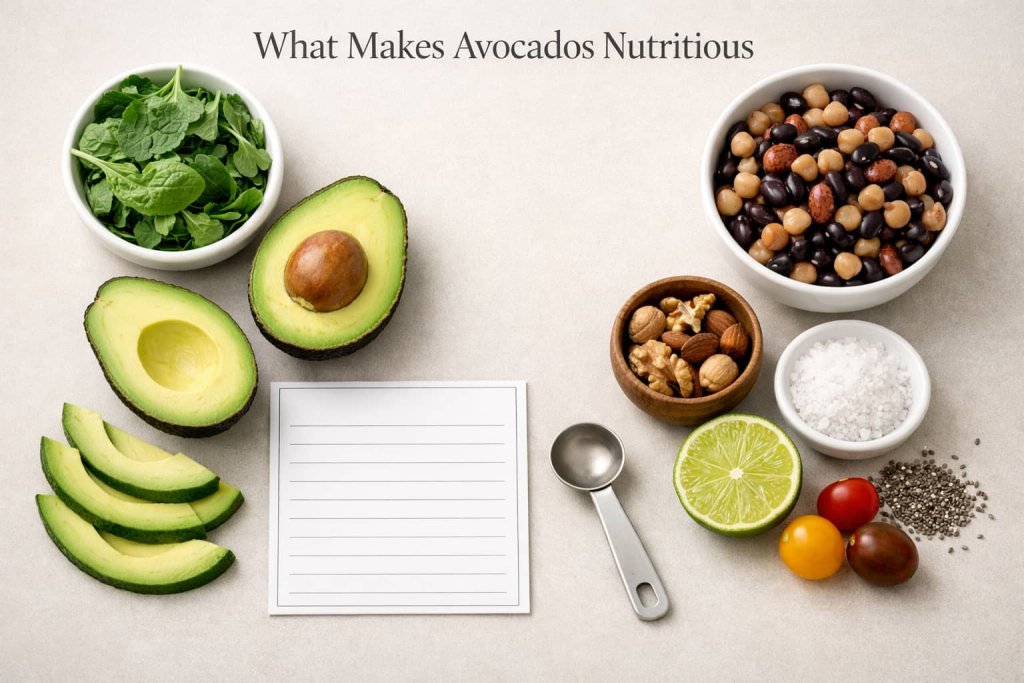
According to USDA data, 100 grams of raw avocado provides about 160 calories, 14.7 grams of fat, 6.7 grams of fiber, 485 milligrams of potassium, and 81 micrograms of folate. Most of the fat in avocado is unsaturated, which is the type generally linked with better heart-health outcomes when it replaces saturated fat in the diet.
Avocados also provide vitamin K and other micronutrients in meaningful amounts. That nutrient mix is one reason they fit well into balanced eating patterns built around whole foods, vegetables, legumes, whole grains, nuts, seeds, and healthier fat sources.
What avocados do not provide much of
Avocados are nutritious, but they are not a complete meal on their own. They are not a high-protein food, and they do not provide the same amount of protein you would get from eggs, Greek yogurt, fish, chicken, tofu, beans, or lentils.
This matters because some people think of avocado as a full meal replacement when it works better as one part of a balanced plate. A more satisfying and balanced option is to pair avocado with a protein source and a high-fiber carbohydrate, such as eggs and whole-grain toast, beans and vegetables, or salmon with a grain bowl.
Thinking about avocado this way helps you get the benefits without expecting it to do everything by itself.
Are avocados good for your heart?
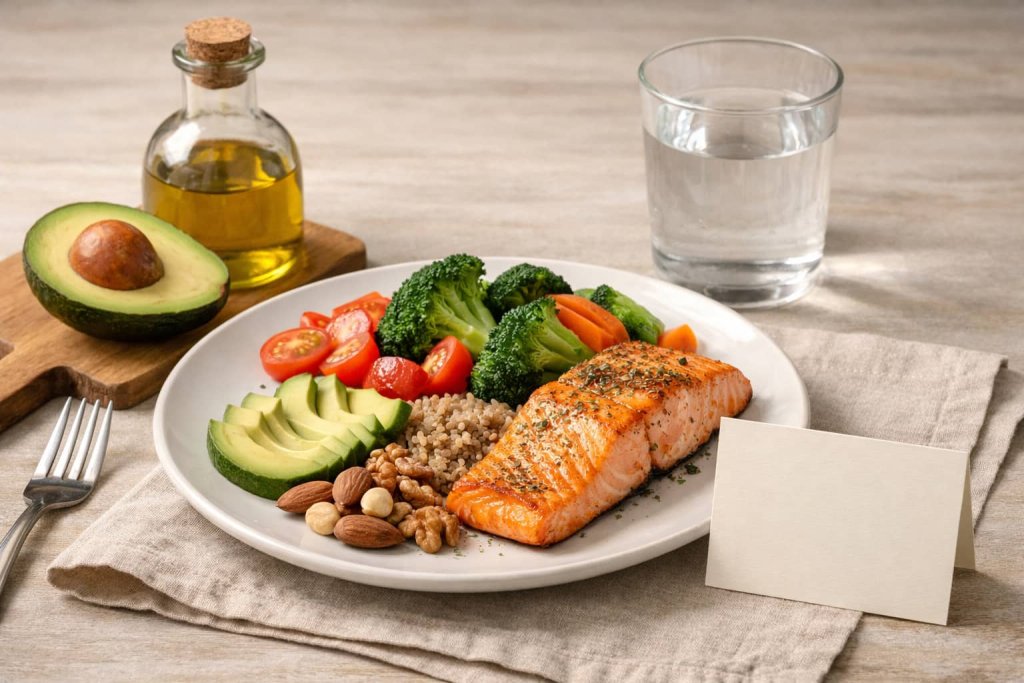
This is where the evidence is strongest. The American Heart Association notes that diets high in saturated and trans fats raise LDL cholesterol, while swapping in more unsaturated fats can help reduce cardiovascular risk. Because avocados are rich in unsaturated fats, they make sense as part of a heart-smart diet.
A large 2022 study published in the Journal of the American Heart Association found that higher avocado intake was associated with a lower risk of cardiovascular disease and coronary heart disease in two large U.S. cohorts. The same study also found that replacing some servings of butter, margarine, egg, yogurt, cheese, or processed meats with avocado was linked with lower cardiovascular disease risk. This does not prove avocado alone caused the benefit, but it strongly supports avocado as a better swap than foods high in saturated fat.
A 2024 review indexed in PubMed concluded that avocado consumption may reduce total cholesterol and LDL cholesterol in people with hypercholesterolemia. The review also found that avocado intake did not appear to negatively affect body weight in the available studies.
Are avocados good for weight loss?
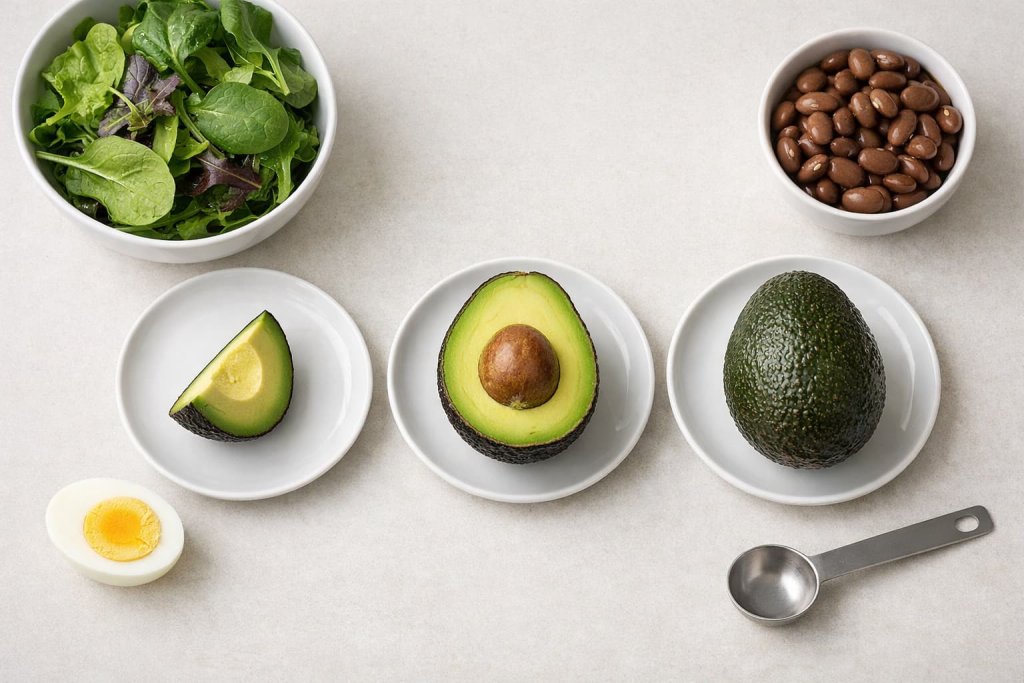
Avocados can fit into a weight-loss plan, but they do not cause weight loss by themselves. They are relatively calorie-dense compared with many fruits and vegetables, so portion size still matters. At the same time, the combination of fat and fiber may help meals feel more satisfying.
Research suggests avocado may help with fullness. A controlled study available through PubMed Central found that replacing carbohydrate energy in a meal with avocado-derived fat and fiber increased meal satisfaction in adults with overweight or obesity. Another crossover trial found that adding about half an avocado to lunch increased satiety over the next several hours, although the added calories may have contributed to that effect.
The most useful advice is simple: avocado works best for weight management when it replaces less filling or less nutritious foods, not when it is just added on top of an already high-calorie meal. That might mean using avocado instead of mayonnaise, cheese, butter, or large portions of creamy dressings.
Are avocados good for blood sugar?
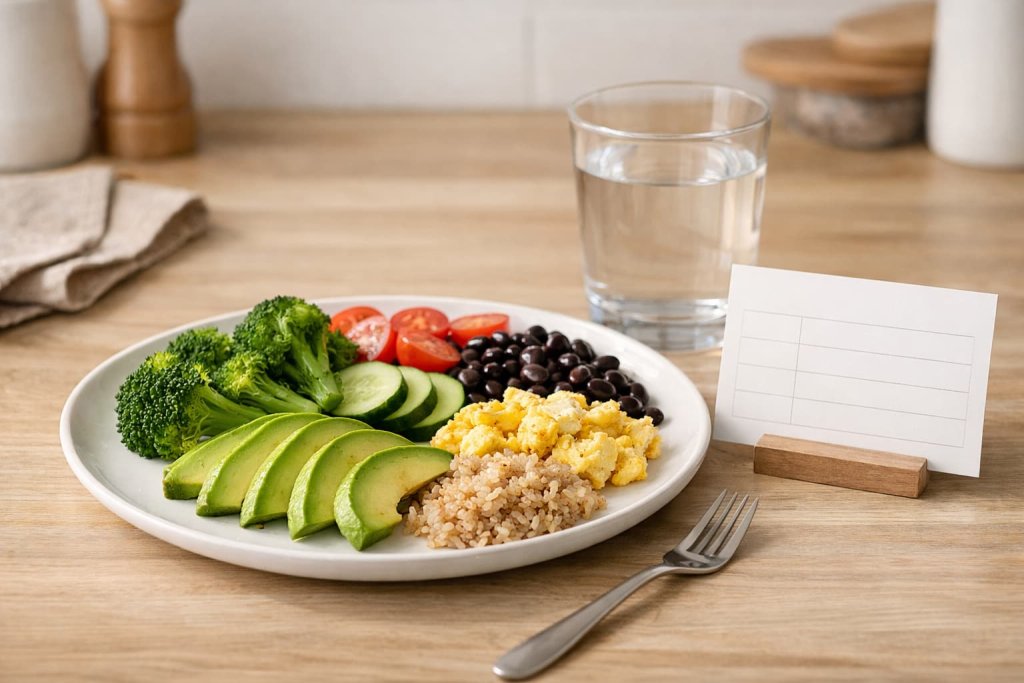
Avocados are low in sugar and are commonly included in balanced eating plans for people with diabetes. The American Diabetes Association lists avocados among healthy fat choices and encourages focusing on meal patterns that include more monounsaturated and polyunsaturated fats in place of less healthy fat sources.
That does not mean people with diabetes can eat unlimited amounts. It means avocado can be a useful part of a balanced plate, especially when paired with vegetables, beans, eggs, fish, or other nutrient-dense foods.
Other potential benefits of avocados
Avocados can help raise overall fiber intake, and fiber is one of the nutrients many people do not get enough of. The FDA identifies fiber and potassium as nutrients of public health concern because low intake is associated with health risks. Since avocado provides both, it can help improve overall diet quality.
Avocados also have a low glycemic index and provide mostly unsaturated fat, which may be one reason they fit well into Mediterranean-style and cardiometabolic-friendly eating patterns. The Harvard T.H. Chan School of Public Health notes that avocados are rich in monounsaturated fats, a good source of fiber, and relatively low in carbohydrate.
Risks and downsides to know
For most healthy adults, avocados are safe. The main downside is calorie density. A whole medium avocado can provide about 240 calories, so portions can add up fast if you are also eating other high-fat foods in the same meal. The Harvard T.H. Chan School of Public Health gives about 240 calories for a whole medium avocado.
Another point is potassium. Avocados are considered a high-potassium food, which is fine for many people but may be a concern for people with chronic kidney disease, depending on their lab values and care plan. The National Kidney Foundation specifically notes that avocados are considered high in potassium, and NIDDK advises tailoring potassium intake to individual kidney needs.
Some people with latex allergy can also react to avocado because of latex-fruit cross-reactivity. The Anaphylaxis Campaign notes that some people with immediate latex allergy also react to foods including avocado. Older immunology research indexed in PubMed also documents cross-reacting allergens in natural rubber latex and avocado.
Vitamin K is another practical point. Avocado contains vitamin K, so people taking warfarin should focus on keeping vitamin K intake consistent rather than making sudden big changes in how much avocado they eat.
Who avocados are a good fit for
Avocados are often a good fit for people who want:
- more fiber in meals
- a healthier replacement for butter, cream cheese, mayonnaise, or processed meat toppings
- a more satisfying breakfast or lunch
- a whole-food source of unsaturated fat
- a diabetes-friendly or heart-conscious eating pattern
These benefits make the most sense when avocado is part of a balanced meal rather than used as a reason to ignore overall diet quality.
Who should be careful with avocados
You may need to be more careful with avocados if you:
- have chronic kidney disease or have been told to limit potassium
- have a latex allergy or past reactions to avocado
- are taking warfarin and need consistent vitamin K intake
- are trying to lose weight and tend to overpour oils or add avocado on top of already high-calorie meals
For these groups, avocado may still be possible, but portion size and individual advice matter more.
How much avocado is a reasonable portion?
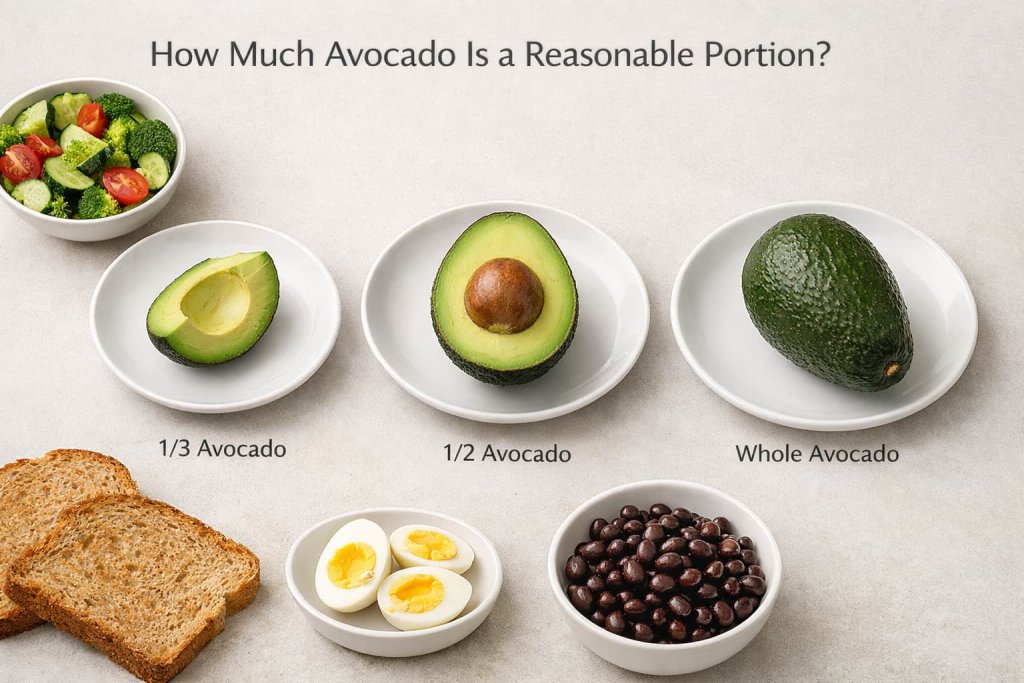
A reasonable portion depends on your goals and the rest of your meal. For many people, one-third to one-half of a medium avocado is a practical serving. That gives you fiber and healthy fat without turning the meal into a calorie-heavy dish. The Harvard T.H. Chan School of Public Health notes that one whole medium avocado provides about 240 calories, which is why smaller portions often make sense.
A good rule is to think about avocado as a fat source, not just a vegetable topping. If your meal already includes plenty of nuts, cheese, creamy sauce, or oil, a large avocado portion may be more than you need.
Are avocado oil, guacamole, and packaged avocado products just as healthy?
They can be, but it depends on what has been added.
Plain avocado, plain mashed avocado, and simple guacamole made with ingredients like lime, onion, tomato, and herbs can all fit well into a healthy eating pattern. But some prepared avocado products may include a lot of sodium, added oils, or larger portions than you expect.
Avocado oil is mostly a fat source without the fiber you get from whole avocado. That does not make it unhealthy, but it is not nutritionally identical to eating the whole fruit.
The easiest rule is to check what the avocado product is replacing and what else comes with it. Whole avocado usually gives you the most complete nutritional benefit because it includes fiber along with unsaturated fat.
Best ways to eat avocados
Avocados are healthiest when they help improve the overall quality of the meal. Good uses include:
- replacing mayonnaise in sandwiches
- adding a small portion to eggs and vegetables
- using sliced avocado in grain bowls or salads
- mashing it onto whole-grain toast with beans or egg
- pairing it with salsa, vegetables, or beans instead of heavy dips
The key is what avocado replaces. Using it instead of foods high in saturated fat is where the strongest benefit is likely to show up.
Easy avocado swaps that make sense
Try simple swaps like these:
- mashed avocado instead of mayonnaise on a sandwich
- avocado slices instead of extra cheese on tacos or bowls
- avocado on toast instead of butter
- a small spoonful of avocado in a salad instead of a heavy creamy dressing
- avocado with beans, eggs, or fish to build a more filling meal
These swaps are helpful because they keep the focus on replacement, which is where avocado is most likely to improve the overall quality of your diet.
How to choose, ripen, and store avocados
A ripe avocado should feel slightly soft when you press it gently, but it should not feel mushy. If it is very firm, let it ripen at room temperature for a few days.
To slow ripening, move ripe avocados to the refrigerator. If you use only half, leave the pit in the unused half if possible, brush the cut surface with lemon or lime juice, and store it tightly wrapped or in an airtight container. This may help reduce browning, though some darkening is still normal.
These simple steps make avocado easier to use regularly and can help reduce food waste.
Common myths about avocados
Avocados are too fattening to be healthy
Not true. Avocados are high in fat, but most of that fat is unsaturated. They can fit well into healthy diets. The real issue is portion size and total calorie intake.
Avocados are bad if you have diabetes
Not true for most people. The American Diabetes Association includes avocados among healthy fat choices. The bigger issue is the total meal pattern, not avocado alone.
Avocados guarantee heart benefits on their own
That is too strong. The best evidence supports avocados as part of a healthier pattern, especially when they replace foods higher in saturated fat. They are helpful, but they are not magic.
Simple bottom line
Avocados are a healthy food for most people. They offer unsaturated fat, fiber, potassium, folate, and vitamin K, and the best evidence supports their role in heart-healthy eating patterns and overall diet quality. They can also help meals feel more satisfying. But they are still calorie-dense, and people with kidney disease, latex allergy, or vitamin K-related medication concerns may need extra caution.
FAQ
Are avocados good for you every day?
They can be, if they fit your calorie needs and the rest of your diet. Daily avocado intake has been studied, and current evidence suggests it can support diet quality and may improve some blood lipid measures, though it is not required for good health.
Are avocados healthier than bananas?
They are different foods with different strengths. Avocados provide more fat and fiber, while bananas are usually lower in calories and known for potassium and carbohydrate. One is not automatically better than the other.
Can avocados raise cholesterol?
Avocados themselves are not known to raise LDL cholesterol in the way foods high in saturated fat can. Current evidence more often suggests neutral or favorable effects on LDL when avocado replaces less healthy fat sources.
Are avocados inflammatory?
Current mainstream guidance does not support calling avocado an inflammatory food for most people. Because it is rich in unsaturated fat and fiber, it generally fits anti-inflammatory-style eating patterns, though individual reactions can vary.
Can you eat avocado if you are trying to lose weight?
Yes, but portion size matters. Avocado can support fullness, but it still adds calories. It works best when it replaces other calorie-dense foods rather than being added on top of them.
Who should avoid avocados?
Most people do not need to avoid them completely. People with potassium restrictions from kidney disease, latex-related allergy, or vitamin K-sensitive medication management may need more individualized advice.
Conclusion
Avocados are good for you in a realistic, evidence-based way. They are not a cure-all, but they are a nutrient-dense food that can support heart health, fiber intake, and meal satisfaction when used well. The smartest approach is to use avocado as a replacement for less healthy fats, keep portions realistic, and match it to your own health needs.