
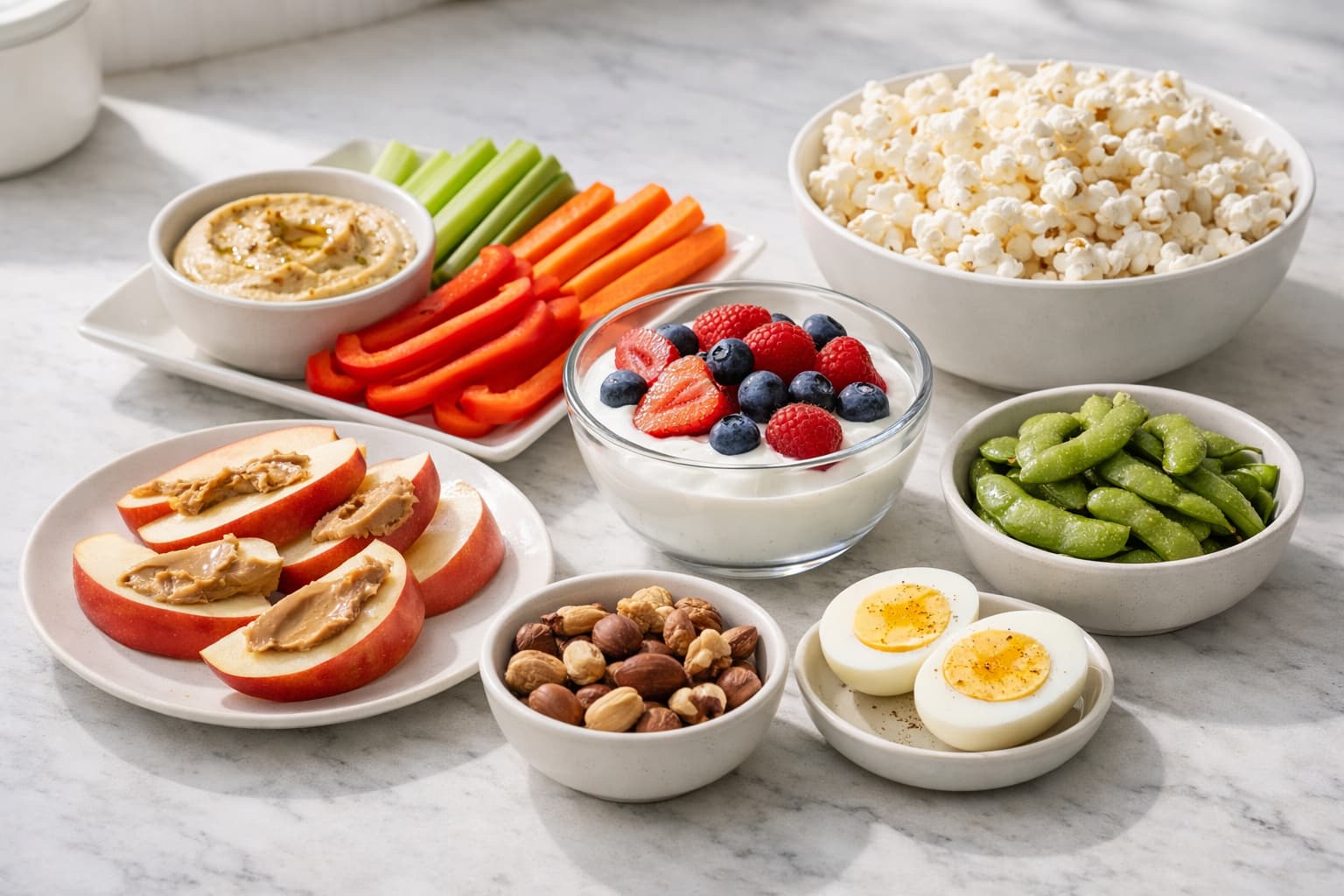
The best snacks for weight loss are nutrient-dense, portion-aware foods that combine fiber and protein (or healthy fats) to help you feel satisfied without adding excessive calories. Choosing snacks this way supports nutrition and overall wellness by helping manage hunger, maintain steady energy, and encourage consistent eating habits—without extreme or restrictive approaches.
Guidance from the National Institute of Diabetes and Digestive and Kidney Diseases, MyPlate.gov, and DietaryGuidelines.gov consistently emphasizes food quality, balance, and realistic snack choices as part of a healthy eating pattern.
What makes a snack supportive of weight loss
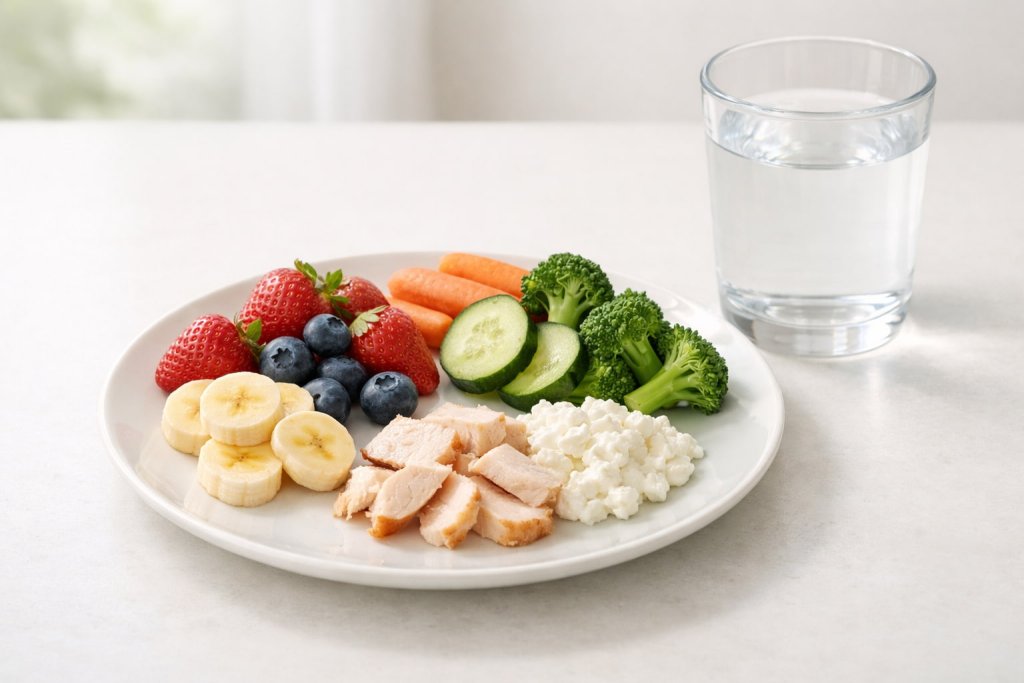
A snack supports weight goals when it:
- Helps manage hunger between meals
- Adds nutritional value rather than mostly empty calories
- Fits within overall daily energy needs
Fruits and vegetables are often highlighted because they provide fiber and water, which add volume and may help you feel full with fewer calories. According to the Centers for Disease Control and Prevention, the fiber and water content of fruits and vegetables can help support fullness as part of a balanced diet.
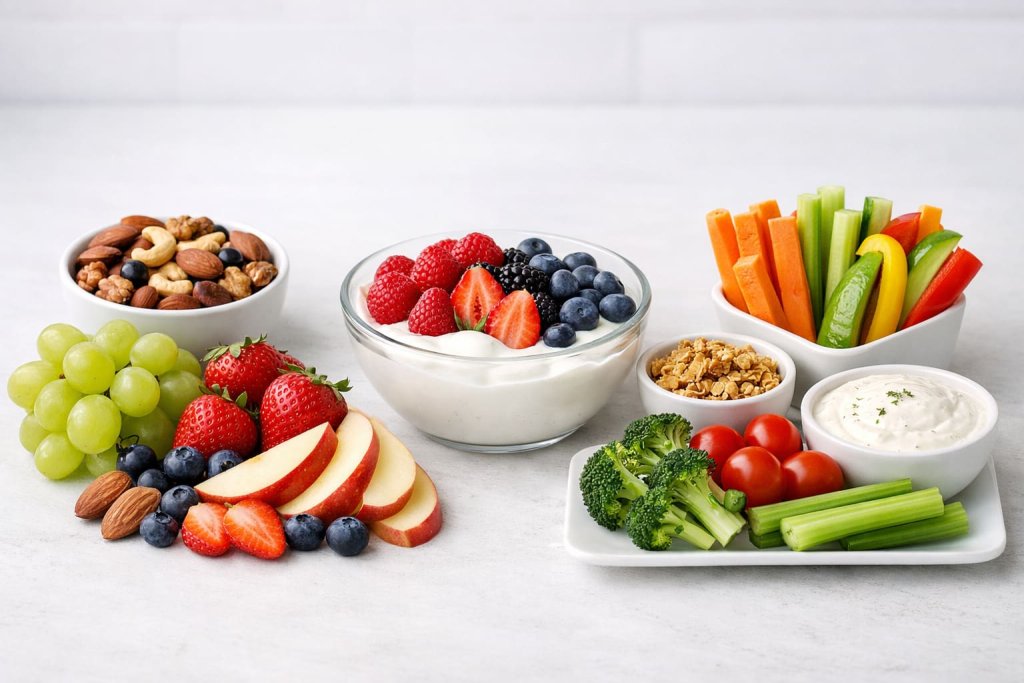
The simple snack formula
A practical structure for between-meal snacks is:
- Produce for fiber and volume
- Protein for staying power
- Optional healthy fats for satisfaction
This approach reflects snack-building guidance from MyPlate.gov, which encourages combining food groups rather than relying on refined snack foods alone.
Quick Snack Reference Table
Use this table as a fast, practical guide for choosing snacks when you’re hungry between meals. The focus is on balanced combinations that align with federal nutrition guidance and support nutrition and overall wellness. Portions can be adjusted based on individual energy needs.
This snack structure reflects recommendations from MyPlate.gov, DietaryGuidelines.gov, and the National Institute of Diabetes and Digestive and Kidney Diseases.
| Snack option | Typical portion | Why it may help | Best for |
|---|---|---|---|
| Apple + nut butter | 1 apple + 1–2 tbsp nut butter | Fiber from fruit plus fat/protein may support satiety | Afternoon hunger |
| Plain Greek yogurt + berries | ¾–1 cup yogurt + berries | Protein supports fullness; berries add fiber and volume | Mid-morning or post-workout |
| Raw vegetables + hummus | 1–2 cups veggies + 2–4 tbsp hummus | High-volume vegetables with protein and unsaturated fats | Crunch cravings |
| Cottage cheese + vegetables | ½–1 cup cottage cheese + veggies | Protein-rich base with low-calorie volume | Light but filling snack |
| Hard-boiled eggs + fruit | 1–2 eggs + fruit | Protein plus fiber may help manage hunger | Strong between-meal hunger |
| Air-popped popcorn | ~3 cups air-popped | Whole-grain volume can feel filling for fewer calories | Evening snack routine |
| Tuna/salmon + whole-grain crackers | 1 pouch/can + small cracker serving | Protein-forward with whole-grain fiber | On-the-go or busy days |
| Edamame | ½–1 cup shelled | Plant protein and fiber may support satiety | Plant-based option |
| Nuts + fruit | Small handful nuts + fruit | Fat/protein paired with fiber can reduce repeat snacking | Long gaps between meals |
How to use this table in real life
Pick one snack (not multiple) to reduce unplanned grazing.
Pair produce with protein when possible, as encouraged by MyPlate.gov.
For packaged items, compare serving size, added sugars, sodium, and protein on the Nutrition Facts label. The U.S. Food and Drug Administration explains how to use % Daily Value (%DV) to judge amounts quickly (a helpful guide: 5% DV or less is low and 20% DV or more is high).
Repeat what works—consistent snack choices often matter more than variety for a sustainable routine.
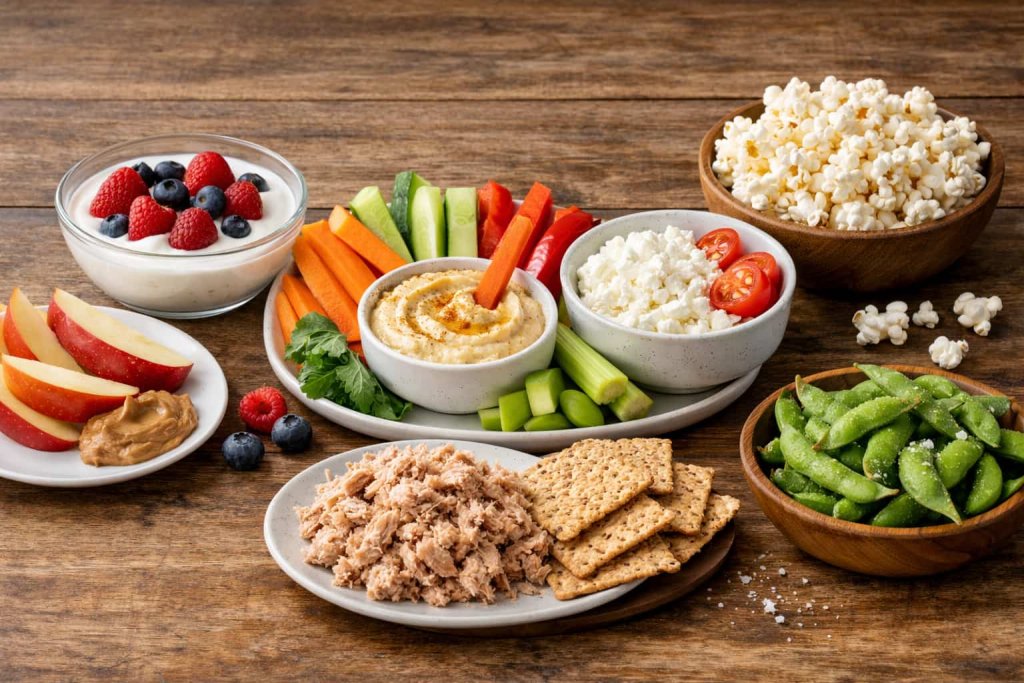
9 Best Snacks for Weight Loss When You’re Hungry Between Meals
The snack options below are practical, repeatable, and aligned with federal nutrition guidance. They are designed to help manage between-meal hunger while supporting nutrition and overall wellness. Portions can be adjusted based on individual needs, but the underlying structure—fiber-rich foods paired with protein and/or unsaturated fats—remains consistent.
This approach reflects guidance from MyPlate.gov, DietaryGuidelines.gov, and the National Institute of Diabetes and Digestive and Kidney Diseases, which all emphasize nutrient-dense foods, balanced portions, and sustainable eating patterns.
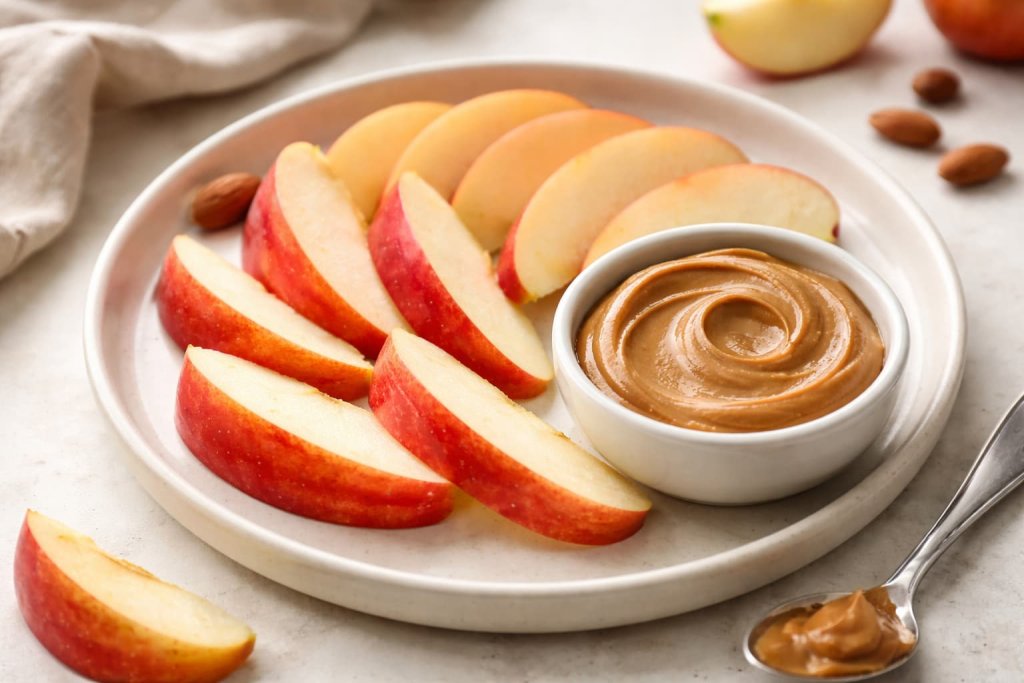
1. Apple With Peanut Butter or Almond Butter
Typical portion:
1 medium apple with 1–2 tablespoons nut butter
Why it may help:
Apples provide fiber and water, which add volume to snacks and may help support fullness. Nut butters contribute fat and a small amount of protein, which can slow digestion and make the snack more satisfying. This type of fruit-plus-protein/fat pairing aligns with snack-building guidance from MyPlate.gov.
Label tip:
When choosing nut butter, compare Nutrition Facts labels and ingredient lists for minimal added sugars and sodium. The U.S. Food and Drug Administration explains how to use the Nutrition Facts label to check added sugars, sodium, and serving size, which can help you compare similar products and select options that better fit a balanced, weight-conscious eating pattern.
According to the U.S. Food and Drug Administration, added sugars are listed separately on the label, making it easier to identify nut butters with fewer added ingredients.
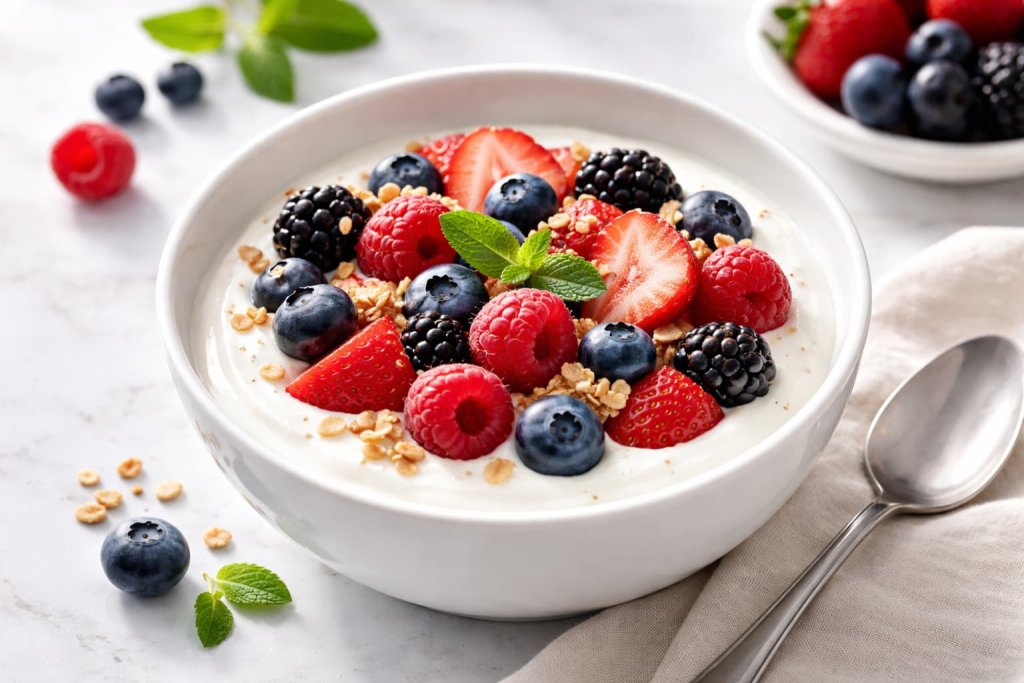
2. Plain Greek Yogurt With Berries
Typical portion:
¾–1 cup plain Greek yogurt with fresh or frozen berries
Why it may help:
Protein-rich foods are commonly associated with increased satiety compared with refined carbohydrate snacks. Berries add fiber and volume with relatively few calories. This combination supports snack balance consistent with healthy eating patterns described by DietaryGuidelines.gov.
Practical tip:
Instead of choosing sweetened yogurt, add flavor with fruit, cinnamon, or vanilla extract to help limit added sugars, as advised by the U.S. Food and Drug Administration.
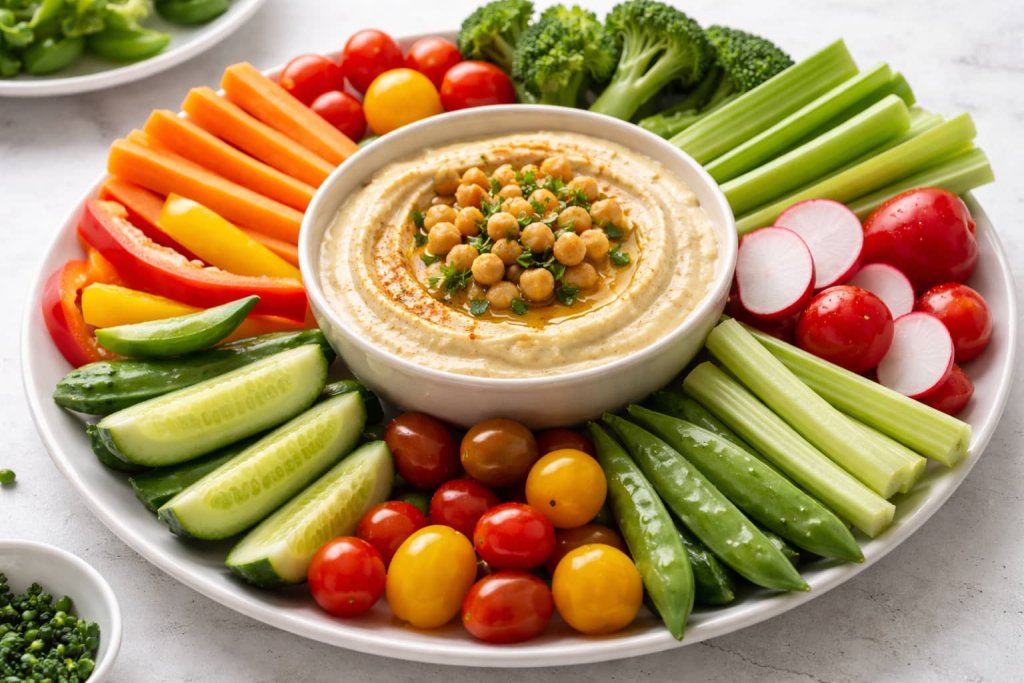
3. Raw Vegetables With Hummus
Typical portion:
1–2 cups raw vegetables with 2–4 tablespoons hummus
Why it may help:
Non-starchy vegetables are generally low in calories and high in water and fiber. Pairing them with hummus adds protein and unsaturated fats, which can increase satisfaction. The Centers for Disease Control and Prevention notes that fruits and vegetables can help you feel full with fewer calories due to their fiber and water content.
Prep strategy:
MyPlate.gov recommends washing, cutting, and portioning vegetables ahead of time to make healthier snacks easier to grab.
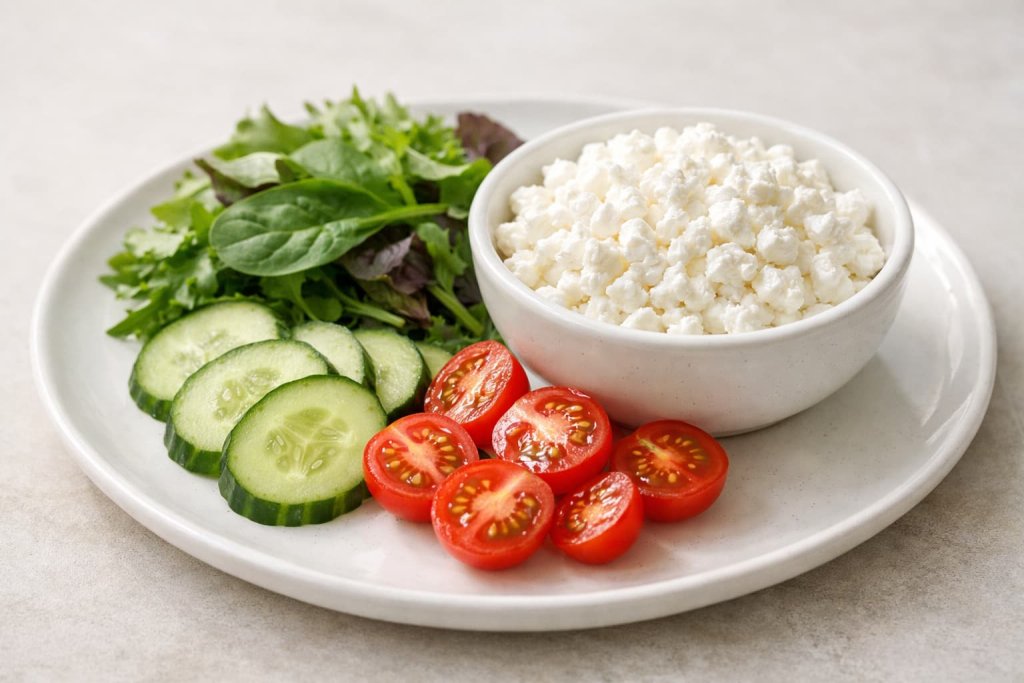
4. Cottage Cheese With Vegetables
Typical portion:
½!– /wp:paragraph –>
Why it may help:
Cottage cheese provides protein, which supports satiety, while vegetables add volume and fiber. This pairing fits well within balanced snack patterns promoted by DietaryGuidelines.gov.
Watch-out:
Sodium content can vary widely by brand. Comparing sodium per serving and % Daily Value (%DV) on the Nutrition Facts label, as explained by the U.S. Food and Drug Administration, can help you choose an option that better fits your overall sodium goals. The FDA also notes a quick %DV guide where 5% DV or less is low and 20% DV or more is high—useful for spotting higher-sodium cottage cheese at a glance.
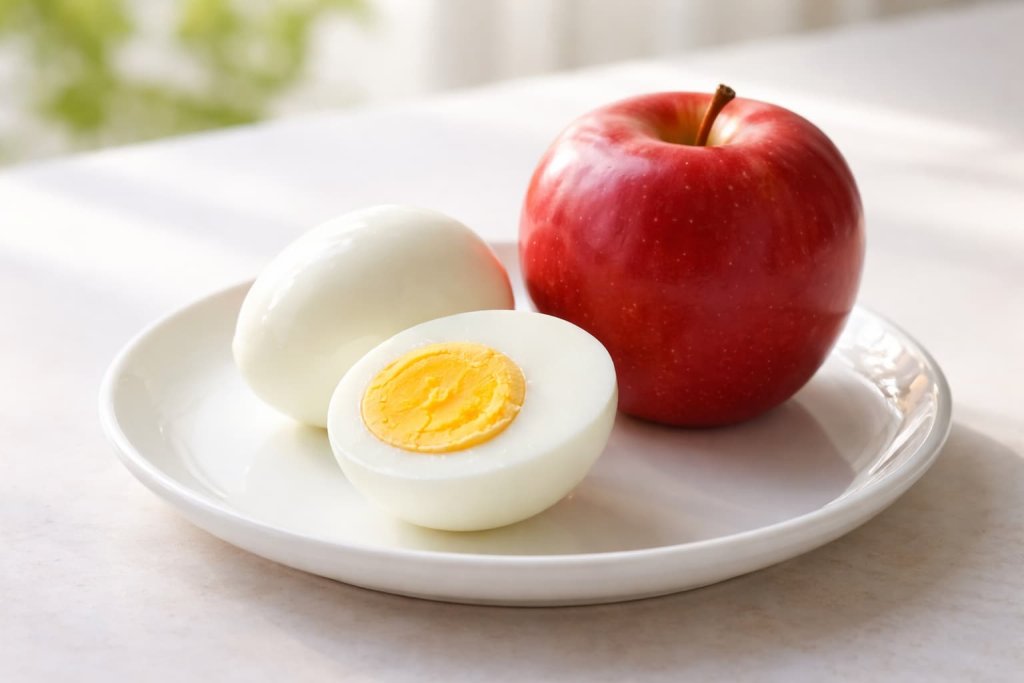
5. Hard-Boiled Eggs With Fruit
Typical portion:
1–2 hard-boiled eggs with one piece of fruit
Why it may help:
Eggs are a source of protein, which may help reduce hunger between meals. Adding fruit contributes fiber and hydration, supporting overall snack balance. Protein-containing snacks are commonly included in weight-management guidance from the National Institute of Diabetes and Digestive and Kidney Diseases.
Make-ahead tip:
Preparing eggs in batches and storing them in the refrigerator can support consistent, planned snacking.
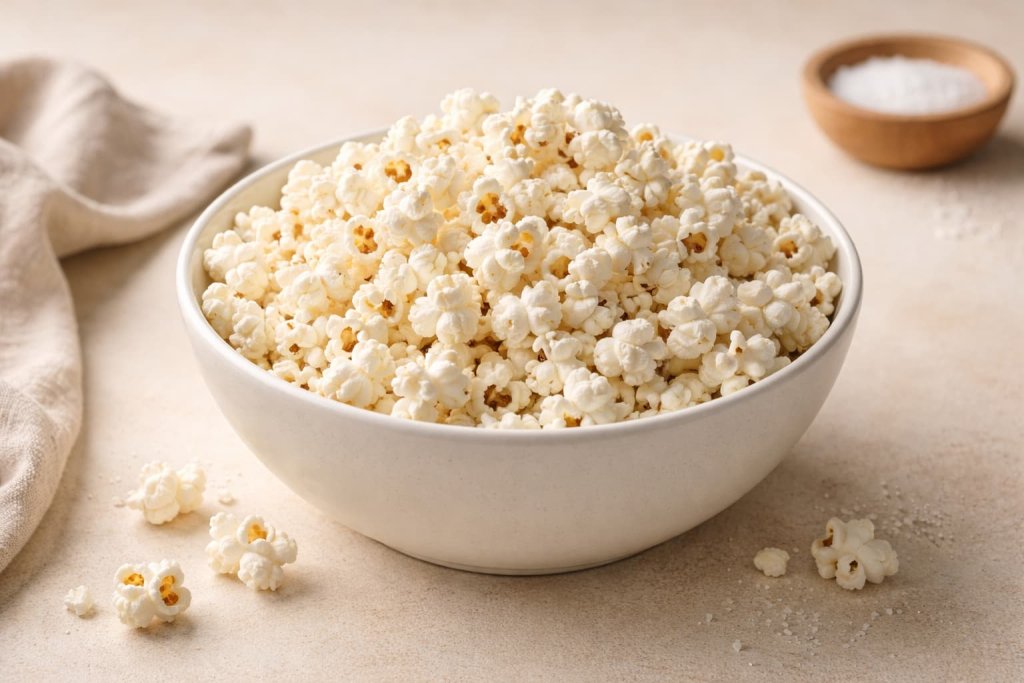
6. Air-Popped Popcorn
Typical portion:
About 3 cups air-popped popcorn
Why it may help:
Popcorn is a whole grain and provides volume, which can make it feel filling for relatively fewer calories compared with many refined snack foods. Whole grains are emphasized as part of healthy eating patterns by DietaryGuidelines.gov.
Practical tip:
Keeping butter, sugar, and salty toppings modest can help popcorn fit more easily into a weight-conscious eating pattern.
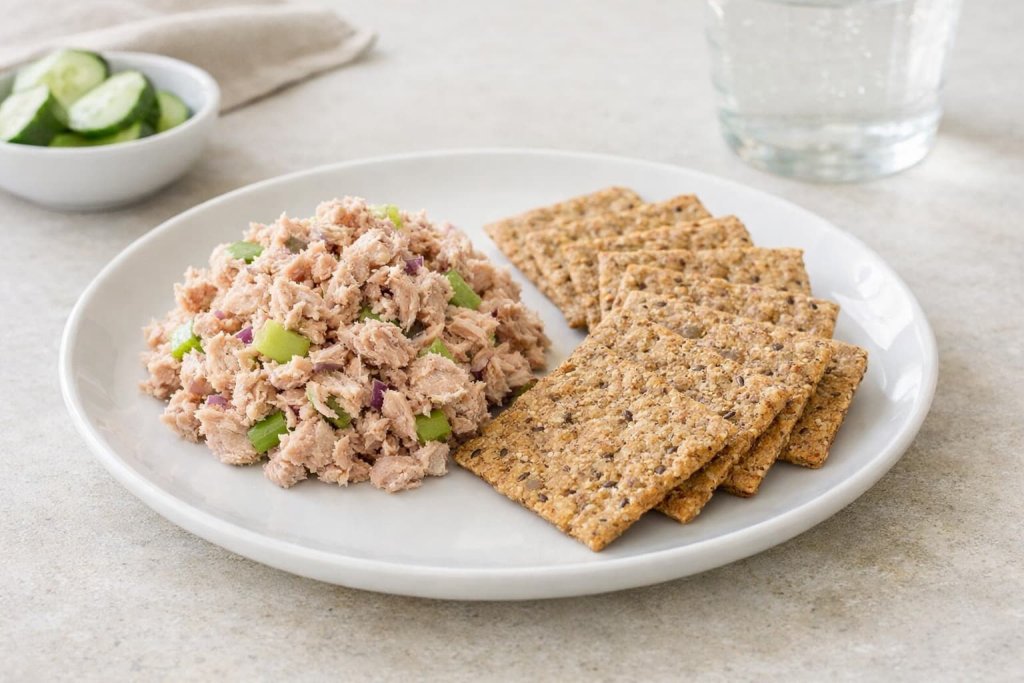
7. Tuna or Salmon With Whole-Grain Crackers
Typical portion:
One small pouch or can of tuna or salmon with a small serving of whole-grain crackers
Why it may help:
This snack is protein-forward and includes whole grains, which contribute fiber. Protein-rich snacks are often more satisfying than refined carbohydrate snacks alone, a principle reflected in guidance from MyPlate.gov.
Label tip:
Sodium can vary a lot across canned or pouch tuna and salmon. Compare sodium per serving (and % Daily Value) on the Nutrition Facts label and choose a lower-sodium option when possible. The U.S. Food and Drug Administration explains how to use serving size and %DV to compare similar products—using the quick guide that 5% DV or less is low and 20% DV or more is high—which can help you spot higher-sodium fish products fast.
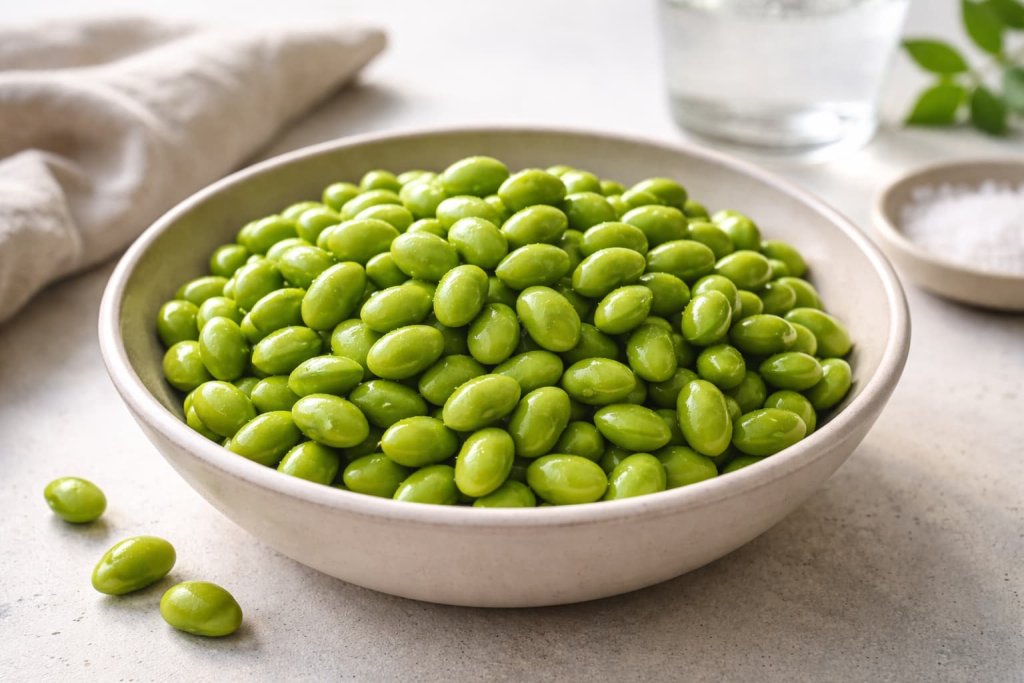
8. Edamame
Typical portion:
½–1 cup shelled edamame
Why it may help:
Edamame provides plant protein and fiber, which together may support satiety. Plant-based protein foods are encouraged as part of healthy dietary patterns by DietaryGuidelines.gov.
Practical tip:
Unsalted or lightly salted versions are easier to fit within daily sodium recommendations.
9. Nuts Paired With Fruit
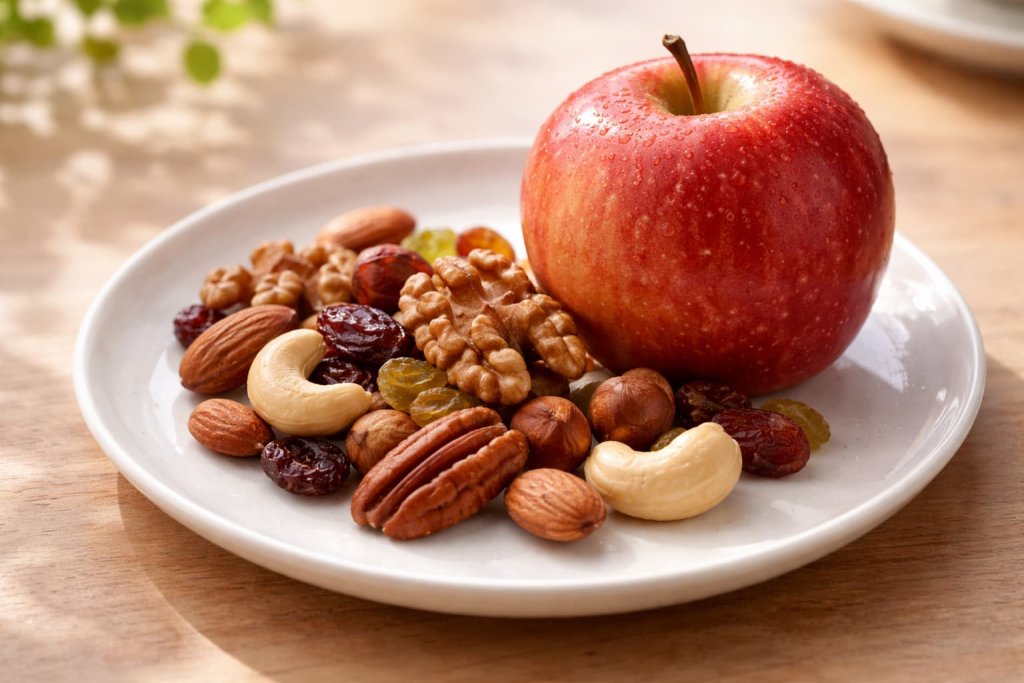
Typical portion:
One small handful of nuts with one piece of fruit
Why it may help:
Nuts provide unsaturated fats and some protein, while fruit contributes fiber and volume. This combination can help reduce the urge to snack again shortly afterward, aligning with balanced snack guidance from MyPlate.gov.
Portion note:
Nuts are nutrient-dense and higher in calories, so portion awareness is important when including them regularly.
How to choose packaged snacks using the Nutrition Facts label
Packaged snacks can fit into a weight-conscious eating pattern, but using the Nutrition Facts label is what helps keep choices consistent with your goals. A practical approach is to compare similar products and prioritize options that provide more fiber and protein while keeping added sugars and sodium more moderate.
This aligns with label guidance from the U.S. Food and Drug Administration and the healthy eating pattern framework from DietaryGuidelines.gov, which emphasizes staying within limits for added sugars (less than 10% of calories/day), saturated fat (less than 10% of calories/day), and sodium (less than 2,300 mg/day) while choosing nutrient-dense foods.
Use Daily Values to spot “too much” quickly
The U.S. Food and Drug Administration explains that Daily Values (DVs) are reference amounts that help you quickly judge whether a food is relatively low or high in certain nutrients. Key Daily Values commonly used when choosing snacks include:
- Added sugars: 50 grams per day
- Dietary fiber: 28 grams per day
- Sodium: 2,300 milligrams per day
As a general rule, 5% DV or less is considered low, while 20% DV or more is considered high. This makes it easier to compare similar snack options at a glance.
A Practical Label Checklist for Snacks
When comparing similar packaged snacks—such as bars, yogurt cups, crackers, or chips—use this checklist:
- Added sugars: Lower is usually better for a daily snack routine. The U.S. Food and Drug Administration notes that the DV for added sugars is 50 grams per day (based on a 2,000-calorie pattern).
- Fiber: Higher-fiber snacks may help with fullness. Compare fiber amounts within the same food category for a fair comparison.
- Protein: Snacks that contain protein are often more satisfying than refined carbohydrate–only options.
- Sodium: Compare brands—some savory snacks vary widely in sodium content.
- Saturated fat: Keep it moderate across the day as part of an overall healthy eating pattern.
The DietaryGuidelines.gov framework consistently emphasizes prioritizing nutrient-dense foods and limiting highly processed items high in added sugars and excess sodium.
Portion and Timing Strategies When You’re Hungry Between Meals
If you’re hungry soon after eating
If hunger appears within 60–90 minutes of a meal, consider:
- Was the meal low in protein or fiber?
- Did you drink water?
- Is it a craving rather than true hunger?
In many cases, a small produce-based snack—such as fruit or vegetables—may be enough.
If it’s been 2–4 hours since your last meal
This is where a balanced snack works best:
- Produce + protein
Examples include yogurt with berries, vegetables with hummus, or eggs with fruit.
If night snacking is your challenge
Try an intentional snack instead of grazing:
- Choose one planned option
- Put it on a plate or bowl
- Eat without screens when possible
This approach supports awareness and portion control without strict rules.
Common Snack Traps and Smarter Swaps
- Chips or crackers alone → add a protein (tuna, yogurt-based dip, cheese)
- Candy or pastries → fruit with yogurt or fruit with nuts
- Sweetened yogurt → plain yogurt with fruit
- Sugary granola bars → bars with lower added sugars and some fiber or protein (compare labels)
Frequently Asked Questions
What are the best snacks for weight loss that keep you full?
Snacks that combine produce (fiber and volume) with protein—and sometimes healthy fats—are often more satisfying. Guidance from MyPlate.gov supports building snacks by combining food groups.
Are nuts good snacks for weight loss?
They can be, because they are filling and nutrient-dense, but portion size matters. Pairing a small handful of nuts with fruit is a practical option.
Is popcorn a good snack for weight loss?
Air-popped popcorn can be a helpful high-volume snack. It works best when high-saturated-fat toppings are kept modest and a protein is added if hunger is strong.
How do I pick a healthy packaged snack?
Use the Nutrition Facts label to compare similar products. The U.S. Food and Drug Administration explains how % Daily Value (%DV) can help you quickly judge nutrients like added sugars, fiber, and sodium—with a simple rule of thumb: 5% DV or less is low and 20% DV or more is high. This makes it easier to spot options with lower added sugars and sodium and more fiber for a more balanced, weight-conscious snack choice.
How often should I snack for weight loss?
It depends on your hunger and meal schedule. If planned snacks help prevent overeating later, they can support consistency. The National Institute of Diabetes and Digestive and Kidney Diseases includes examples such as apples or yogurt with fruit as part of balanced weight-management routines.
Conclusion
When you’re hungry between meals, the most reliable snacks for weight loss are the ones you can repeat consistently: produce for volume, protein for staying power, and portions that fit your day. Start with a few go-to snacks you enjoy, prepare them ahead, and use the Nutrition Facts label to keep packaged snacks aligned with your nutrition and wellness goals.
This content is for informational purposes only and not medical advice.