
Pickles can be good for you in some situations, but they are not automatically a healthy food for everyone. They are usually low in calories and can add flavor without much fat, but many pickles are high in sodium, and not all pickles offer probiotic benefits. Understanding the difference between fermented pickles and standard vinegar pickles helps you make a smarter choice.
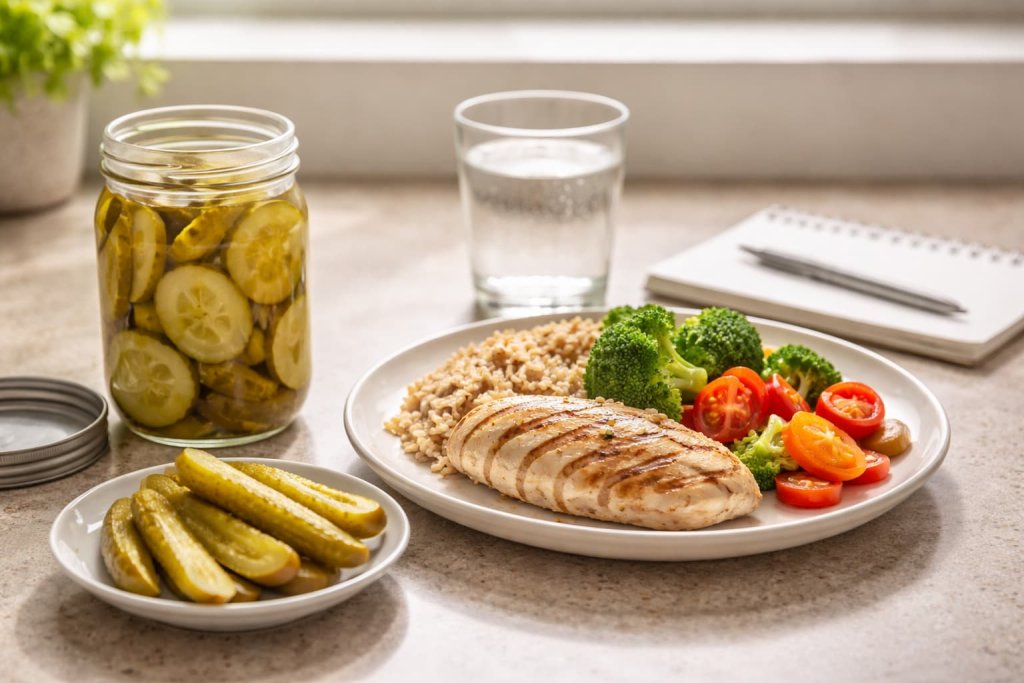
If you like pickles, the good news is that you usually do not need to avoid them completely. The key is to look at the type of pickle, the serving size, and the sodium on the label. For some people, especially those trying to limit sodium, that matters more than anything else. According to the FDA, the Daily Value for sodium is less than 2,300 mg per day, and 20% Daily Value or more per serving is considered high.
What Pickles Are
Pickles are usually cucumbers preserved in brine, vinegar, or both. Some are made through fermentation, while others are made as quick-process or fresh-pack pickles with vinegar.
This difference matters. The National Center for Home Food Preservation explains that regular dill pickles are fermented and cured over time, while fresh-pack or quick-process pickles are not fermented and are instead covered with vinegar and seasonings. USDA standards also distinguish between naturally cured dill pickles and processed dill pickles packed in vinegar.
Are Pickles Nutritious?
Pickles are not a major source of protein, healthy fat, or many calories, but they can still have a place in a balanced diet.
What they may offer:
- very few calories per serving
- a strong flavor that can make meals more satisfying
- some cucumber-based nutrients, though usually in small amounts
- possible probiotic value if they are truly fermented and still contain live microbes
What they usually do not provide much of:
- protein
- fiber in meaningful amounts
- a wide range of vitamins and minerals in large amounts
- long-lasting fullness on their own
In practical terms, pickles work better as a condiment or side than as a major nutrition source. USDA FoodData Central shows that pickle nutrition can vary by type and product, which is another reason to read labels instead of assuming all pickles are the same.
The Biggest Benefit: Low Calories and Big Flavor
One reason people like pickles is simple: they add crunch and flavor for very few calories. That can be useful when you want more taste in sandwiches, grain bowls, wraps, or snack plates without adding much fat or sugar.
This does not make pickles a superfood, but it does make them a practical food. A small serving can help make a meal feel more enjoyable. For someone trying to build satisfying meals while keeping calories reasonable, that can be helpful.
Still, low calorie does not always mean low impact. With pickles, the tradeoff is often sodium.
The Main Downside: Pickles Can Be High in Sodium
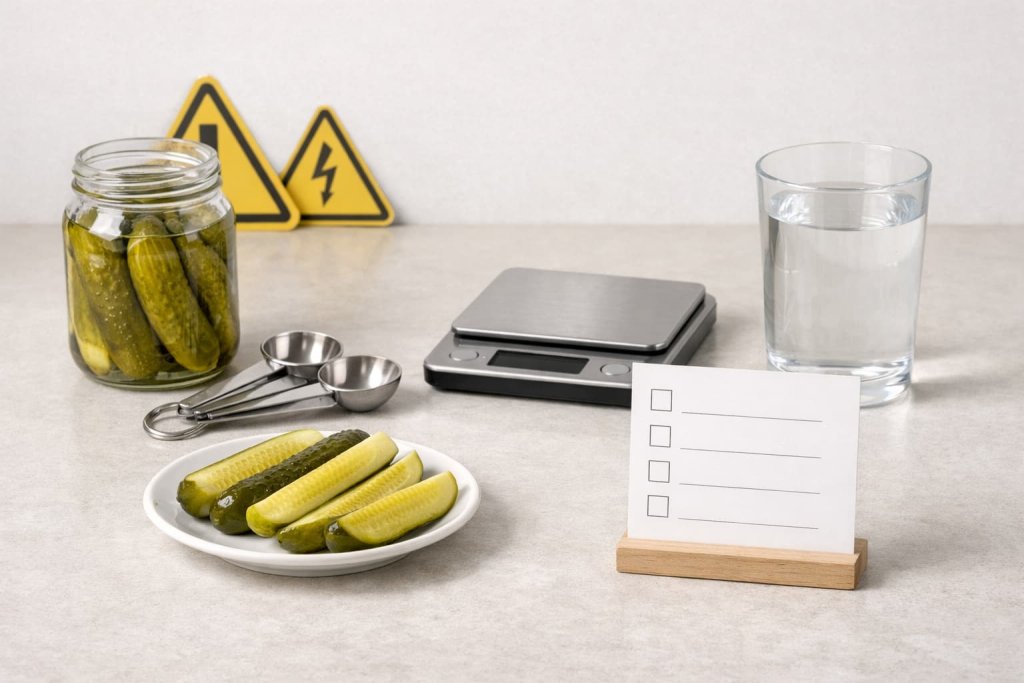
For most people, sodium is the most important nutrition issue with pickles.
The FDA says adults should limit sodium to less than 2,300 mg per day, and Americans consume about 3,400 mg per day on average. The FDA also notes that 5% Daily Value or less is considered low, while 20% Daily Value or more is considered high. That means even a small serving of pickles can take up a noticeable share of your daily sodium budget if the product is heavily salted.
This matters because sodium adds up across the day. A few pickles at lunch may not seem like much, but when they are combined with bread, deli meat, cheese, soup, or packaged snacks, the total can rise quickly. The FDA also notes that most dietary sodium comes from packaged and prepared foods, not just the salt shaker.
What “Low Sodium” Means on the Label
If you are trying to buy a better option, label claims can help.
The FDA says:
- Sodium-free means less than 5 mg per serving
- Very low sodium means 35 mg or less per serving
- Low sodium means 140 mg or less per serving
- Reduced sodium means at least 25% less sodium than the regular product
That is useful because reduced sodium does not always mean low sodium. It only means lower than the standard version.
Are Fermented Pickles Good for Gut Health?
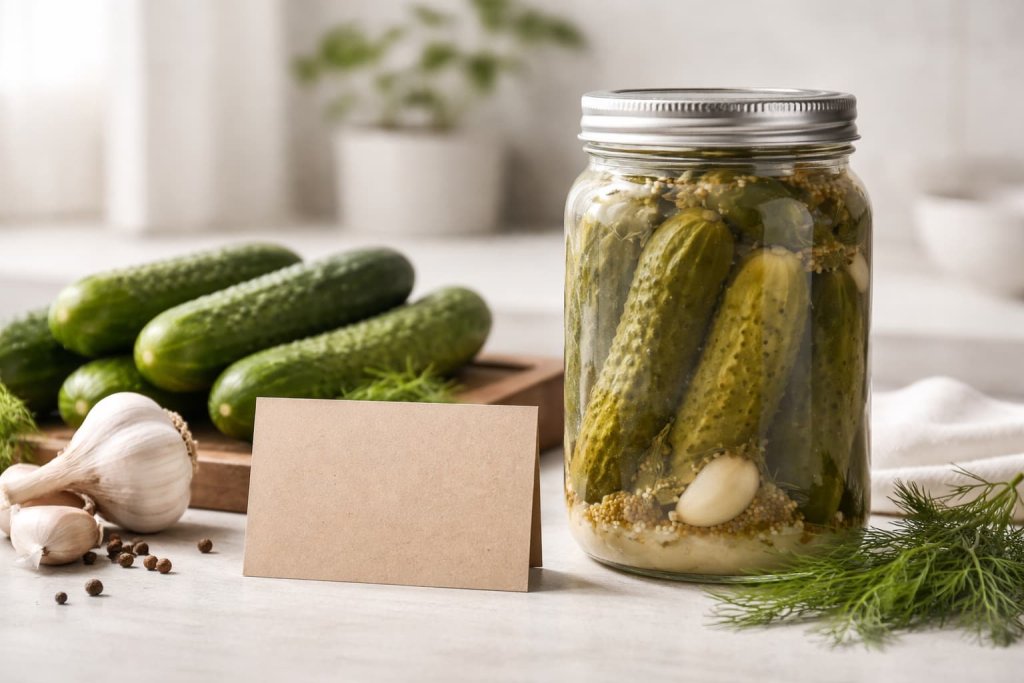
They may be, but only in the right form.
The National Center for Complementary and Integrative Health explains that probiotics are live microorganisms found in some foods and supplements and that they may have health benefits. But the evidence is not the same for every product, and probiotic use is not risk-free for everyone.
This is where many articles oversimplify the topic. Not all pickles are probiotic pickles.
The National Center for Home Food Preservation says regular dill pickles are fermented, while fresh-pack pickles are not fermented and are made with vinegar. That means a shelf-stable vinegar pickle is not the same thing as a live fermented pickle.
Fermented Pickles vs Vinegar Pickles
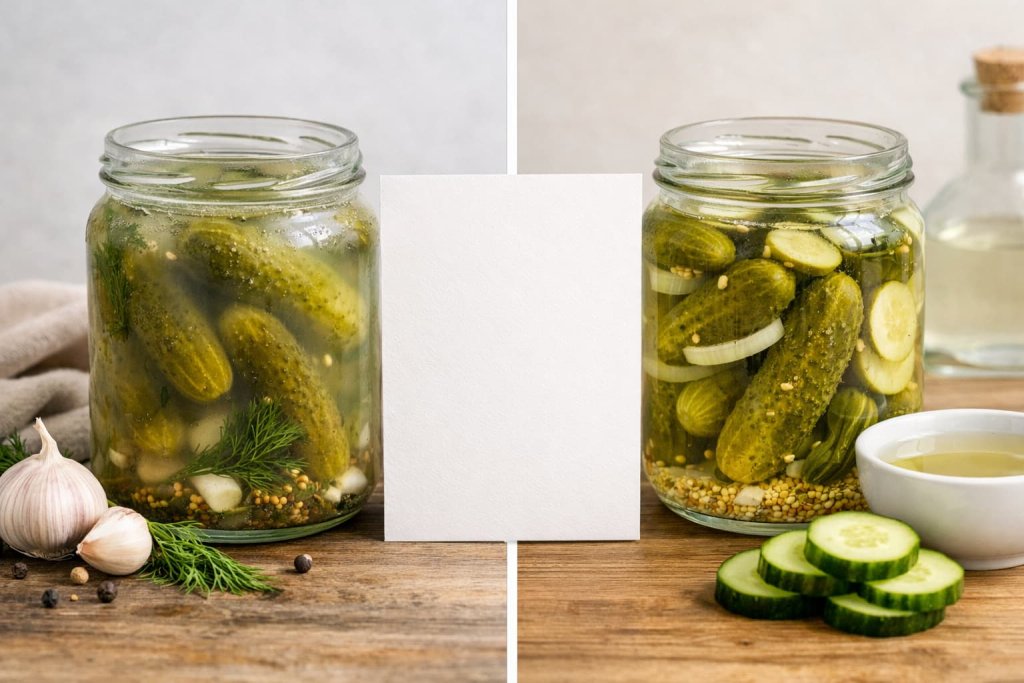
A simple rule:
- Fermented pickles are made through microbial fermentation in brine
- Quick-process or vinegar pickles are acidified with vinegar and are not fermented
USDA materials on fermented and acidified vegetables note that lactic acid is produced naturally in fermented products, while vinegar is the usual acid added to pasteurized, unfermented fresh-pack pickles.
So, if you want possible probiotic value, look for pickles that are specifically sold as fermented and that indicate live cultures or refrigeration where appropriate. Do not assume all pickle jars support gut health.
How to Tell if a Pickle Is Likely Fermented
A simple shopping tip can help: many true fermented pickles are sold in the refrigerated section, while many shelf-stable jarred pickles are vinegar-pickled and heat-processed for shelf life. That is not a perfect rule, but it is a useful starting point.
Also check the package for wording such as “fermented,” “live cultures,” or similar language. If the jar mainly highlights vinegar, shelf stability, or standard pickle flavor without mentioning fermentation, it is less likely to be a live fermented product.
Are Pickles Good for Weight Loss?
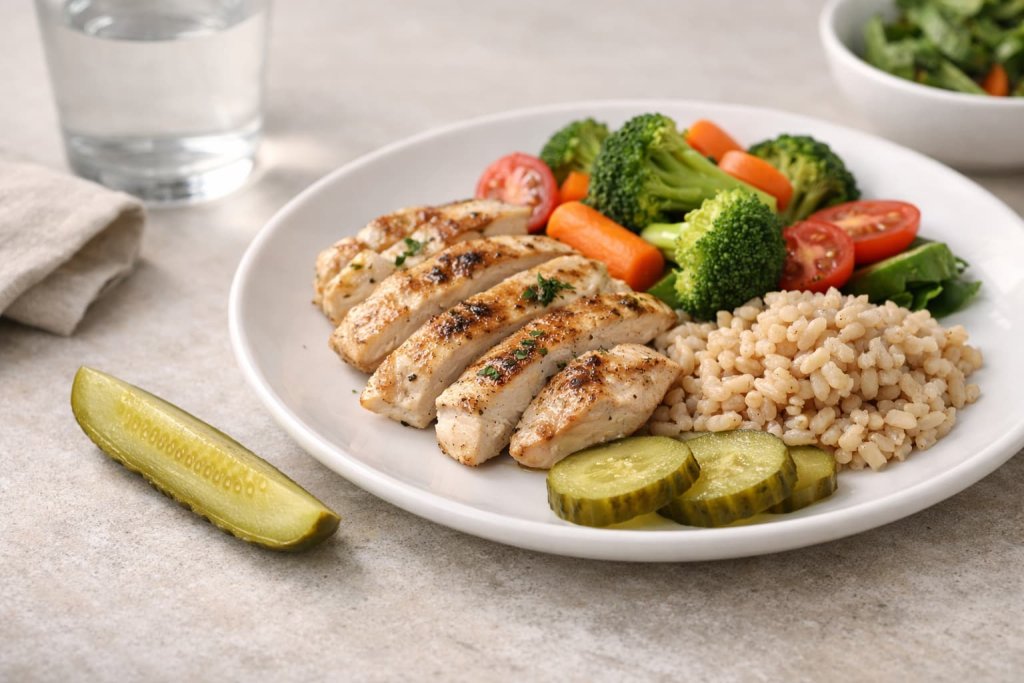
Pickles can fit into a weight-loss plan, but they are not a weight-loss food by themselves.
They may help in a few simple ways:
- they are low in calories
- they add strong flavor and crunch
- they can make simple meals feel less bland
That said, they do not provide much protein or fiber on their own, so they are not especially filling by themselves. A better approach is to use pickles as a small add-on to meals built around protein, vegetables, fruit, beans, yogurt, eggs, tofu, fish, or whole grains.
For example, adding a few pickle slices to a turkey sandwich or grain bowl is very different from eating large portions of salty pickled foods all day. Portion and overall meal quality still matter.
Is Pickle Juice Good for You?
Pickle juice is not the same thing as eating pickles. It is usually very low in calories, but it can be extremely high in sodium. That means it is not automatically a healthy drink, even if it is trendy in sports or wellness content.
Some people use pickle juice in small amounts, but from a general nutrition standpoint, the biggest thing to watch is sodium. If you are already getting a lot of sodium from meals and snacks, pickle juice can push your intake even higher very quickly.
For most people, pickle juice is best treated as an occasional, small-amount product rather than an everyday health drink. If you are trying to limit sodium, it is usually a better idea to focus on water and balanced meals instead.
Are Sweet Pickles Less Healthy?
Sometimes they are, depending on the product.
USDA pickle standards show that sweet pickles are a distinct category. In general, sweet pickles may contain more sugar than dill-style pickles, so they are worth comparing on the Nutrition Facts label.
This does not mean sweet pickles are always a poor choice. It means you should check two things:
- sodium per serving
- added sugars per serving
If you eat sweet pickles often, those numbers matter more than the name on the jar.
Who Should Be More Careful With Pickles?
Pickles are not equally ideal for everyone.
You may want to be more careful if you:
- are trying to limit sodium for blood pressure or heart health
- often eat other salty foods during the day
- are sensitive to acidic foods
- are looking for probiotic foods but are buying standard shelf-stable vinegar pickles by mistake
The FDA explains that high sodium intake can contribute to high blood pressure over time and that limiting sodium becomes increasingly important with age.
People looking into probiotic foods should also remember that NCCIH advises caution with probiotic products in people with serious underlying illness or compromised immune systems. That does not mean fermented foods are automatically unsafe, but it does mean probiotic claims should be treated carefully, especially in higher-risk situations.
How to Choose Healthier Pickles
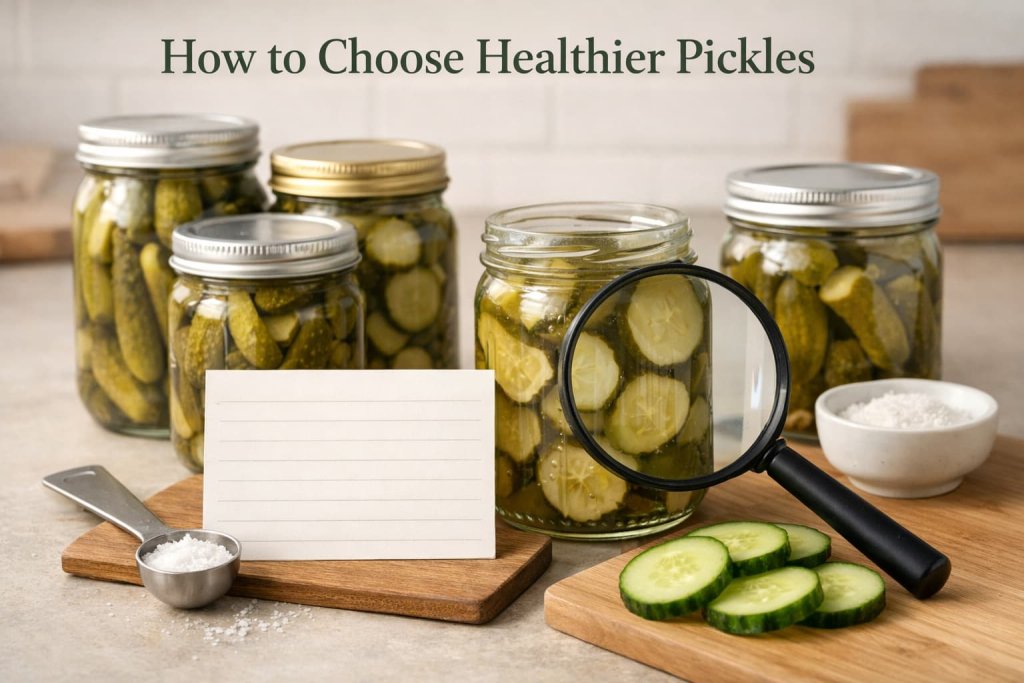
A smarter pickle choice usually comes down to the label.
Look for these details
1. Sodium per serving
Start here first. Use the Daily Value and compare brands. The FDA says 20% Daily Value or more per serving is high.
2. Serving size
A serving may be smaller than you expect. If you eat double the serving, you also double the sodium and any added sugar.
3. Added sugar
This matters most with sweet pickles and bread-and-butter styles. Compare products instead of guessing.
4. Fermented vs non-fermented
If you want possible probiotic value, check whether the product is actually fermented rather than just pickled with vinegar.
5. “Low sodium” or “reduced sodium” wording
These are not the same thing. Low sodium has a specific FDA definition, while reduced sodium only means lower than the regular version.
A Quick Note on Homemade Pickles
Homemade pickles can be enjoyable, but safe preparation matters. Pickling is not just about flavor. The balance of salt, vinegar, and processing method helps make the food safe as well.
If you make pickles at home, follow a tested recipe from a reliable food preservation source rather than guessing on ingredient amounts. This is especially important for shelf-stable pickles. For readers who enjoy home pickling, using trusted food preservation guidance is the safest approach.
How Much Pickle Makes Sense?
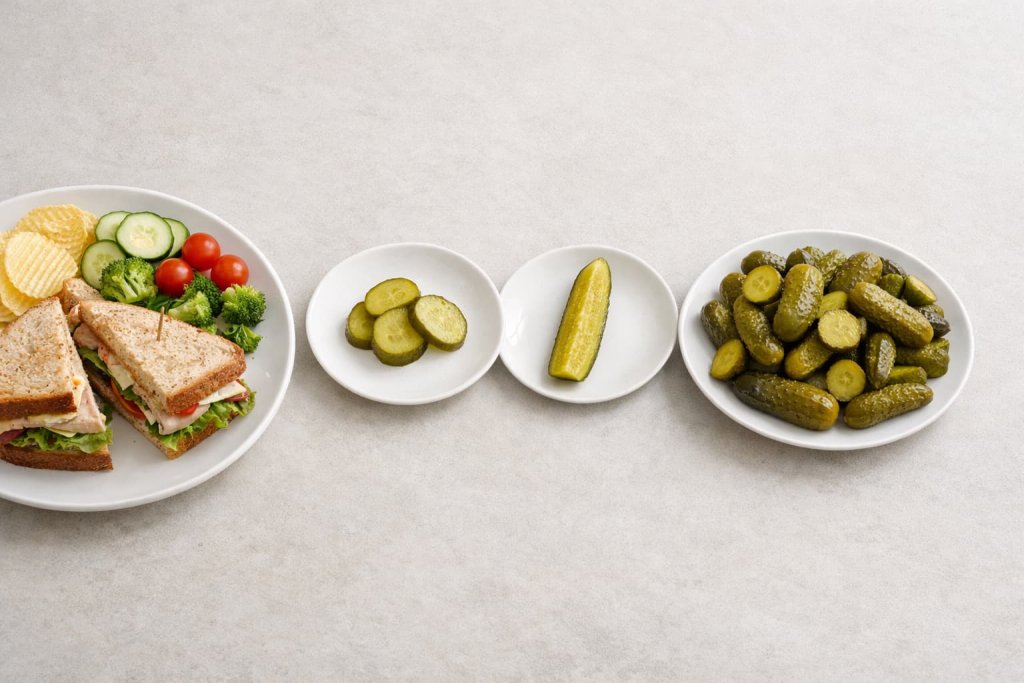
For most people, a small serving used as a condiment or side is a reasonable approach.
That might mean:
- a few slices on a sandwich
- a spear with lunch
- a small serving with a meal instead of a large bowl as a snack
This lets you enjoy the flavor without letting sodium climb too high. If the rest of your day already includes salty foods, a smaller portion makes even more sense.
Common Mistakes People Make With Pickles
Assuming all pickles are probiotic
They are not. Fermented pickles and vinegar pickles are different.
Ignoring serving size
A label may look reasonable until you realize the stated serving is much smaller than what you actually eat.
Forgetting the rest of the meal
Pickles on their own are not always the issue. The bigger sodium load often comes from the full meal, especially when pickles are paired with deli meats, chips, cheese, sauces, or restaurant foods. The FDA notes that sodium from packaged and prepared foods adds up quickly.
Treating pickles as a health food
Pickles can fit into a healthy diet, but they are not a substitute for vegetables, fruit, beans, nuts, dairy, fish, or other more nutrient-dense foods.
Bottom Line: Are Pickles Good for You?
Pickles can be good for you in moderation, especially if you enjoy them as a low-calorie, flavorful food. But many pickles are high in sodium, and not all pickles provide probiotic benefits. Fermented pickles may offer more gut-health potential than standard vinegar pickles, but label reading still matters.
A good rule is simple: enjoy pickles in small portions, compare sodium levels across brands, and do not assume every jar is the same. If you are trying to support heart health or reduce sodium, choose lower-sodium options and keep portions realistic.
FAQs
Are pickles healthy every day?
They can be part of your diet, but eating them every day may not be ideal if your total sodium intake is already high. The label and portion size matter most.
Are dill pickles healthier than sweet pickles?
Often, dill pickles have less sugar than sweet pickles, but sodium can still be high in both. Compare Nutrition Facts labels instead of relying only on the type.
Do pickles count as probiotics?
Only some do. Fermented pickles may contain live beneficial microbes, but quick-process vinegar pickles do not automatically offer the same probiotic value.
Are pickles bad for blood pressure?
They are not automatically bad, but many are high in sodium, which can be a concern for blood pressure when intake is too high overall.
Are pickles good for gut health?
Fermented pickles may help support gut health, but not all pickles are fermented, and probiotic benefits vary by product.
Are pickles okay for weight loss?
Yes, they can fit into a weight-loss plan because they are usually low in calories, but they are best used as a flavorful add-on rather than a main food.
How do I choose a healthier pickle?
Look for lower sodium, realistic serving sizes, less added sugar if relevant, and clear signs that the product is fermented if you want possible probiotic benefits.
Conclusion
Pickles are one of those foods that can be both useful and overhyped. They can add crunch and flavor with very few calories, but the sodium can be a real drawback. The healthiest approach is not to avoid them automatically or treat them like a miracle food. It is to choose carefully, keep portions sensible, and fit them into an overall balanced eating pattern.