
Probiotics may help support digestion, gut balance, immune function, and overall wellness, according to current research from respected health organizations. Understanding the benefits of probiotics is important because they influence the gut microbiome, which plays a key role in digestion, nutrient absorption, immune activity, and even aspects of metabolic and emotional wellness.

This guide gives you a clear, evidence-informed overview of how probiotics work, their potential benefits, safe use, best food sources, and when to approach supplementation carefully. All data is based on authoritative sources such as the National Institutes of Health (NIH), the Centers for Disease Control and Prevention (CDC), Harvard T.H. Chan School of Public Health, and the World Health Organization (WHO).
What Probiotics Are and How They Work

Probiotics are live microorganisms that may support wellness when consumed in adequate amounts. According to the National Institutes of Health (NIH Office of Dietary Supplements), probiotics primarily act in the digestive system, where they interact with gut bacteria, support intestinal barrier function, and influence immune responses.
Key ways probiotics support the body include:
- Helping maintain a balanced gut microbiome
- Supporting the production of short-chain fatty acids
- Assisting the gut barrier in staying strong
- Competing with potentially harmful microbes
- Supporting digestive comfort and regularity
8 Evidence-Based Benefits of Probiotics
1. Supports Digestive Comfort and Regularity

Probiotics may help support digestive comfort by influencing the balance of microorganisms in the gut. Certain strains are associated with reductions in occasional bloating, gas, and irregularity by promoting a healthier environment for digestion. According to the National Institutes of Health, some probiotic strains may also support smoother digestive transit and overall gastrointestinal comfort. These benefits vary by strain and may not apply universally, which is why product labels and clinical evidence matter.
2. May Help Reduce Antibiotic-Associated Digestive Issues

Antibiotics can temporarily disrupt the gut microbiome. Research from the National Library of Medicine shows that specific probiotic strains may help reduce the likelihood of antibiotic-associated digestive discomfort when taken close to the start of antibiotic therapy. This support appears to be strain-dependent, and not all products offer equal benefits. Probiotics are not a substitute for medical care, but they may help maintain digestive balance during periods of microbiome disruption.
3. May Support Individuals With IBS-Related Symptoms
Irritable bowel syndrome (IBS) involves recurring digestive discomfort, changes in bowel habits, and sensitivity in the gut. Some studies reviewed by the American Gastroenterological Association indicate that targeted probiotic strains may help support comfort for individuals experiencing IBS-related symptoms, particularly bloating and occasional abdominal discomfort. Responses can vary significantly, and probiotics should be considered a supportive option within a broader wellness plan.
4. Supports Immune System Function

A significant portion of the immune system is connected to the digestive tract. Probiotics may support immune activity by influencing gut microbes and interacting with immune cells that line the intestinal wall. According to the National Center for Complementary and Integrative Health, certain strains are linked with improved immune modulation, meaning they may help the body respond appropriately to everyday challenges. These effects are modest and should be viewed as part of an overall wellness strategy.
5. May Support Upper Respiratory Wellness

Some studies suggest that probiotics may play a role in supporting upper respiratory wellness. Evidence summarized by the National Center for Complementary and Integrative Health indicates that certain strains may be associated with shorter duration or reduced frequency of common upper respiratory concerns. The quality of evidence is mixed, and findings vary across age groups and strains, but this remains an area of active scientific interest.
6. Supports Gut Barrier Integrity
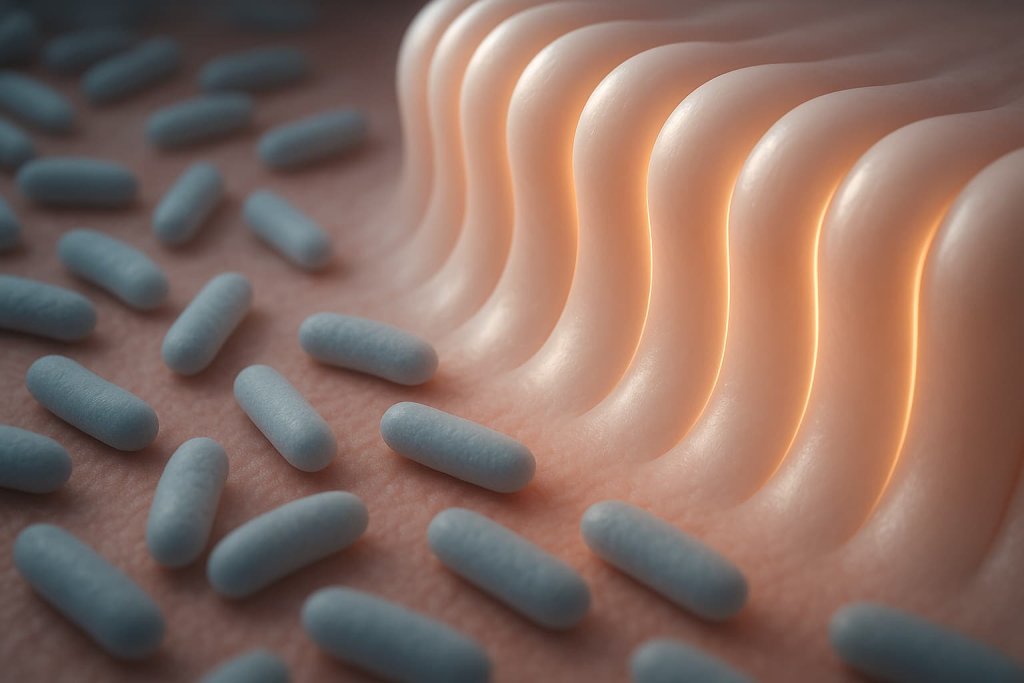
A strong gut barrier helps support nutrient absorption and overall digestive health. Probiotics may contribute to this by supporting the protective mucus layer and maintaining a balanced gut environment. Research from the National Institutes of Health notes that some strains may help reinforce this barrier, reducing the likelihood of unwanted substances interacting with the gut lining. This is one of the ways probiotics may help maintain digestive wellness.
7. Emerging Evidence for Metabolic and Nutritional Support

Researchers continue exploring how probiotics influence metabolic markers. Evidence from the Harvard T.H. Chan School of Public Health suggests that some strains may be associated with improvements in cholesterol, blood glucose balance, or body composition. These findings are preliminary and not consistent across studies. Probiotics should not be used with the expectation of metabolic change but may play a supportive role within balanced nutrition and lifestyle habits.
8. Early Insights Into the Gut–Brain Connection
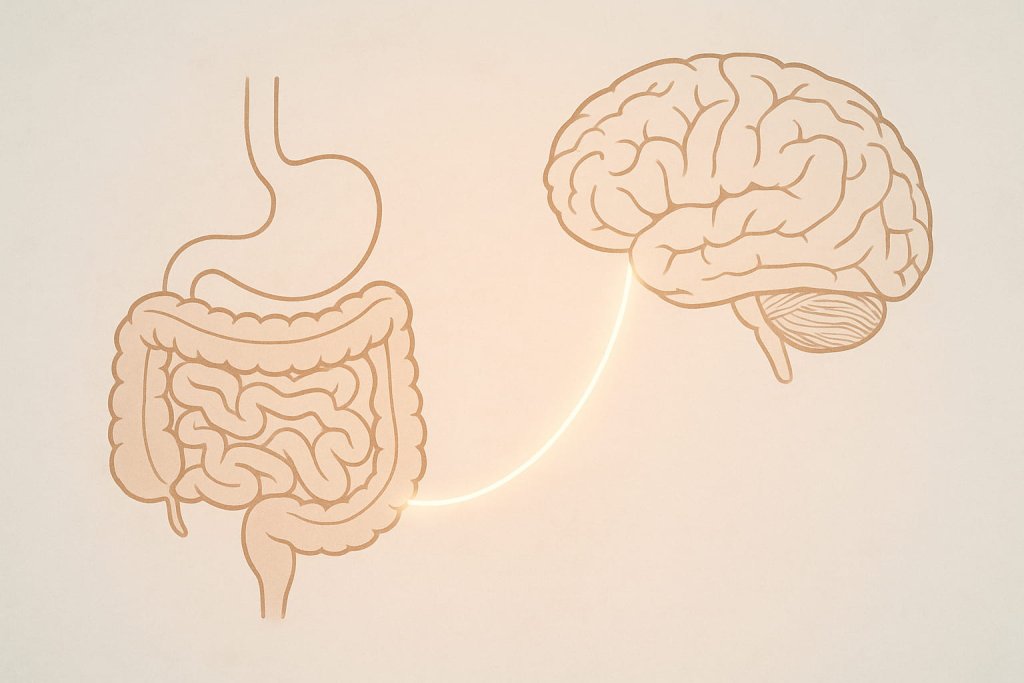
The gut communicates with the brain through neural, hormonal, and immune pathways known as the gut–brain axis. Emerging research reviewed by the National Institutes of Health explores how probiotics may influence neurotransmitter activity and inflammatory responses that affect emotional wellness. While early findings are promising, the evidence remains limited, and probiotics should not be considered a replacement for professional mental health care. They may, however, support overall gut health, which contributes to broader well-being.
Best Food Sources of Probiotics

| Food Category | Examples | Potential Probiotic Benefit | Important Notes |
|---|---|---|---|
| Fermented Dairy Foods | Yogurt with live active cultures, kefir, certain soft cheeses | May support digestion, gut balance, and microbial diversity | Look for labels stating “live and active cultures”; some dairy products lose cultures during heat processing |
| Fermented Soy Foods | Tempeh, miso, natto | May contribute beneficial bacteria and plant-based nutrients | Some products are cooked during preparation, which may reduce live cultures |
| Fermented Vegetable Foods | Kimchi, unpasteurized sauerkraut, fermented pickles | May support gut diversity and provide fiber and antioxidants | Pasteurized or shelf-stable versions typically do not contain live probiotics |
| Other Live-Culture Foods | Kombucha, certain raw cheeses, brine-fermented vegetables | May help support the gut microbiome when consumed regularly | Sugar content, fermentation time, and storage can affect culture levels |
| Naturally Fermented Beverages | Water kefir, ginger beer (traditional fermentation) | May provide lactic acid bacteria and yeasts | Commercial varieties may filter out or pasteurize live cultures |
1. Fermented Dairy Foods
Fermented dairy products are among the most accessible and widely studied sources of probiotics. Options such as yogurt with live and active cultures, kefir, and certain types of fermented soft cheeses may help support gut microbial diversity. According to the Harvard T.H. Chan School of Public Health, these foods can provide beneficial bacteria that may support digestion and overall gut wellness when consumed regularly. The presence of live cultures depends on how the product is processed and stored, so checking labels is important.
2. Fermented Soy and Vegetable-Based Foods
Many traditional plant-based foods naturally contain probiotic cultures formed during fermentation. Examples include tempeh, miso, kimchi, and unpasteurized sauerkraut. These foods not only offer potential probiotic benefits but also contain fiber and micronutrients that support overall digestive wellness. Research from the National Institutes of Health notes that fermented vegetables and soy products may contribute to a varied microbial environment, which is associated with healthier gut function.
3. Other Live-Culture and Naturally Fermented Foods
Probiotic-containing foods extend beyond dairy and vegetables. Items such as kombucha, certain pickles, and specific cheeses made with live cultures provide additional options. These foods may complement a balanced diet and contribute beneficial microbes that support gut diversity. Because fermentation methods differ across brands and products, not all fermented foods retain live cultures, making label review especially important.
How Processing and Labeling Affect Live Cultures

Heat, pasteurization, and extended storage can significantly reduce or eliminate live cultures from fermented foods. To identify true probiotic-containing items, look for labels indicating “live and active cultures” or naming specific strains used during fermentation. Guidance from the National Institutes of Health emphasizes that not all fermented products contain probiotics at the time of consumption, even if they were initially cultured. Choosing minimally processed, refrigerated, and clearly labeled products increases the likelihood of obtaining live, beneficial microbes.
Should You Take a Probiotic Supplement?
When Supplements May Be Helpful
Probiotic supplements may be helpful for individuals who do not regularly consume fermented foods or who want targeted support for specific wellness goals. Certain strains may support digestive balance during periods of temporary microbiome disruption, such as after travel, dietary changes, or antibiotic use. According to the National Institutes of Health, benefits vary widely by strain, dose, and the individual’s health status, so supplements should be seen as supportive rather than essential.
How to Choose a High-Quality Supplement
Selecting the right product is critical because probiotic quality differs significantly between brands. High-quality supplements list specific strains, include the number of colony-forming units (CFUs) guaranteed through the end of shelf life, and undergo independent testing for purity. The strain name (for example, Lactobacillus rhamnosus GG) is more important than CFU count alone. Guidance from the Harvard T.H. Chan School of Public Health recommends choosing products that clearly document their microbial strains, manufacturing standards, and storage needs.
Understanding CFUs, Strains, and Evidence
CFUs measure the number of live microorganisms in a probiotic dose. However, a higher CFU count does not automatically provide greater benefit. What matters most is whether the specific strain has been studied in humans. Research from the National Library of Medicine shows that probiotic effects are highly strain-specific, meaning one type may support digestive comfort while another may support immune activity. Consumers should match strains to evidence-based outcomes whenever possible.
Safety Considerations and Who Should Use Caution
Groups Who Should Seek Professional Guidance
While probiotics are considered safe for most healthy individuals, certain groups should speak with a healthcare professional before using supplements. This includes:
- People with weakened immune systems
- Individuals with serious underlying health conditions
- Those recovering from major illness or surgery
- Premature infants
The U.S. Food and Drug Administration advises that these groups may have a higher risk of complications, including rare infections, when taking live microbial products.
Possible Mild Digestive Effects
Some people experience temporary digestive changes when starting probiotics. These may include mild gas, bloating, or changes in stool pattern as the gut microbiome adjusts. These effects typically resolve within a few days. If discomfort persists, reducing the dose or selecting a different strain may help.
Product Quality, Contamination Risks, and Regulation
Probiotic supplements are regulated as dietary supplements in the United States, meaning they do not require premarket approval. Because of this, product quality varies. According to the National Center for Complementary and Integrative Health, some products have been found to contain strains not listed on the label or fewer live organisms than claimed. Choosing third-party-tested brands and reviewing evidence-backed strains can help reduce risk.
How to Support the Microbiome Beyond Probiotics
Increasing Prebiotic Fiber Intake
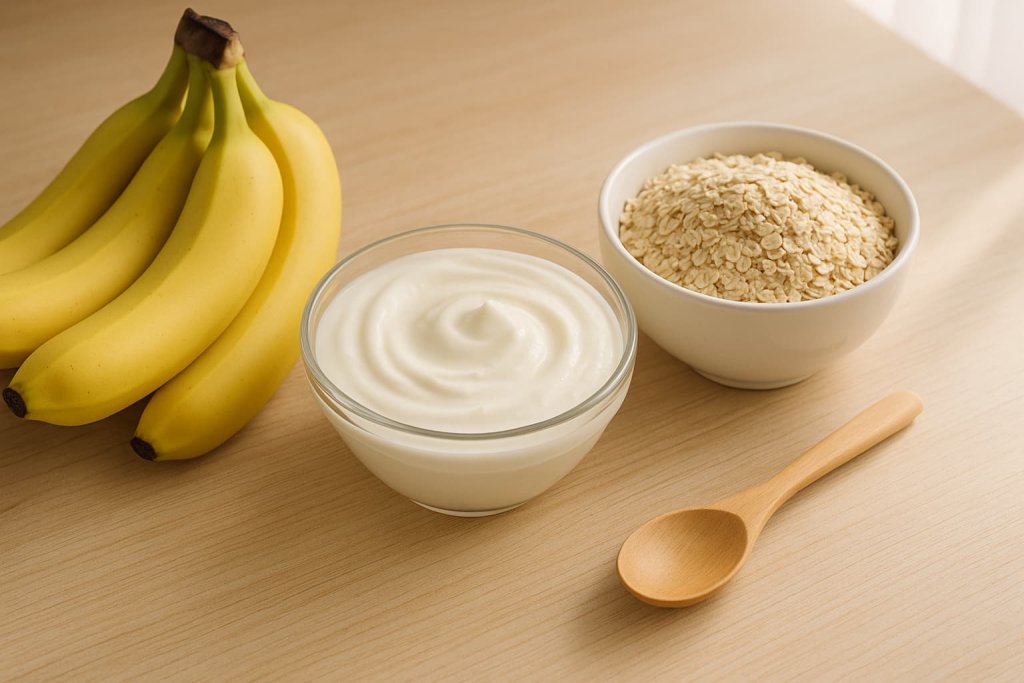
Prebiotics feed beneficial gut bacteria and help them thrive. Foods rich in prebiotic fiber include garlic, onions, leeks, asparagus, bananas, oats, beans, and whole grains. The Dietary Guidelines for Americans recommend a fiber-rich eating pattern to support digestion and overall wellness.
Fiber-Rich Nutrition and Microbial Diversity
A diet high in diverse plant foods may support microbial diversity more effectively than supplements alone. This includes vegetables, fruits, legumes, nuts, seeds, and whole grains. According to the Harvard T.H. Chan School of Public Health, dietary fiber plays a central role in supporting long-term gut health and metabolic balance.
Hydration for Digestive Support
Adequate hydration helps support digestion and normal bowel function. Proper fluid intake ensures that fiber works effectively and supports regularity. The Centers for Disease Control and Prevention notes that hydration is essential for maintaining normal physiological processes, including digestion.
Sleep and Stress Management for Gut Balance
Sleep, stress levels, and emotional wellness influence the gut–brain connection and overall microbiome health. Consistent sleep routines, regular movement, and mindful stress management practices may help support microbial balance. These lifestyle habits work alongside nutrition to promote a healthier gut environment.
Frequently Asked Questions
Are probiotics safe for daily use?
Many healthy individuals can take probiotics daily, but safety depends on personal health status. People with underlying conditions should seek professional guidance.
How quickly do probiotics start to work?
Some people notice changes within days, while others may take several weeks. Results depend on the strain, the individual, and consistent use.
Are food-based probiotics better than supplements?
For many people, probiotic foods offer gentle, natural support along with beneficial nutrients. Supplements may be helpful when targeted strains or higher doses are desired.
Do probiotics support immune health?
Certain strains may support aspects of immune function by interacting with gut microbes and intestinal immune cells. Effects vary and should not be viewed as medical treatment.
Should probiotics be used during antibiotic courses?
Some strains may help support digestive balance when antibiotics disrupt the microbiome. It is best to ask a healthcare professional for guidance on timing and strain selection.
How do I know which probiotic strain is right for me?
Strains should be chosen based on clinical evidence and desired outcomes. Reviewing product labels and authoritative research can help guide selection.
Conclusion
Probiotics may support digestion, immune function, and overall gut balance when part of a well-rounded wellness plan. Choosing evidence-backed strains, prioritizing fiber-rich foods, and maintaining supportive lifestyle habits can offer meaningful benefits over time. Supplements may be useful for certain individuals, but food-first approaches often provide broader nutritional value.
This content is for informational purposes only and not medical advice.