
Fortified foods are foods with vitamins or minerals added to help fill common nutrient gaps—especially for nutrients like vitamin D, folic acid, iron, iodine, and vitamin B12. Understanding fortified foods matters because they can make it easier to meet key nutrient needs with everyday groceries, but they can also add up quickly when you combine fortified foods with supplements.

What are fortified foods
Fortification means adding nutrients to a food to improve its nutritional value. Some fortification replaces nutrients lost during processing, and some adds nutrients that weren’t there in meaningful amounts before.
According to the U.S. Food and Drug Administration (FDA), fortification should be used thoughtfully (not randomly), because “random fortification” can increase the risk of nutrient imbalances or excessive intakes.
Fortified vs enriched foods
- Fortified: nutrients are added (for example, vitamin D added to milk).
- Enriched: nutrients are added back after processing (for example, refined grain products enriched with certain B vitamins and iron). In the U.S., enriched cereal grain products also commonly include folic acid, a major public health strategy.
Why fortified foods can support everyday health

Fortified foods can help in practical ways:
- They make certain nutrients easier to get consistently (especially if you don’t eat many natural sources).
- They’re often built into staples people already buy (milk, cereals, breads, salt).
- They can be especially helpful for groups with higher needs or higher risk of shortfalls (kids, teens, pregnant people, older adults, plant-based eaters).
A well-known example is folic acid fortification: the Centers for Disease Control and Prevention (CDC) recommends 400 mcg of folic acid daily for people who can become pregnant, and notes enriched grain products are one way to get it.
A real-world example is folic acid fortification in enriched cereal grains. The CDC reports the U.S. standard is 140 mcg folic acid per 100 g of enriched cereal grain product, and estimates mandatory fortification prevents about 1,000 neural tube defect–affected pregnancies each year.
Fortified foods can help you meet nutrient needs, but they don’t automatically make a food “healthy.” You’ll still get the best results by prioritizing overall food quality (protein, fiber, whole-food ingredients) and using fortified products as a support tool—not a shortcut.
The 15 best fortified foods to include in your routine

Amounts vary by brand—always verify using the Nutrition Facts label.
Quick list table
| Fortified food | Common nutrients added | Best for |
|---|---|---|
| Milk (cow’s milk) | Vitamin D | Easy daily vitamin D |
| Fortified plant milks | Often vitamin D, calcium, sometimes B12 | Dairy-free nutrient coverage |
| Breakfast cereals (ready-to-eat) | Often iron, B vitamins; sometimes vitamin D/B12 | Convenient “nutrient boost” |
| Fortified oatmeal/instant cereals | Often iron, B vitamins | Warm breakfast option |
| Fortified orange juice | Sometimes vitamin D and/or calcium | People who don’t drink milk |
| Fortified yogurt | Sometimes vitamin D | Extra protein + possible vitamin D |
| Fortified spreads/margarine | Sometimes vitamin D | Small daily add-on |
| Enriched bread | Commonly folic acid + iron + B vitamins | Staple grain option |
| Enriched pasta | Commonly folic acid + iron + B vitamins | Pantry staple |
| Enriched rice | Often iron and B vitamins (varies) | Staple carb option |
| Fortified flour / products made with it | Often iron + B vitamins (varies) | Baking + everyday grains |
| Iodized salt | Iodine | Thyroid-supporting iodine source |
| Fortified nutritional yeast | Vitamin B12 (often) | Plant-based B12 help |
| Fortified nutrition bars/meal replacements | Varies widely | On-the-go backup option |
| Infant formula (when used) | Multiple essential nutrients | Baby feeding support when formula is used |
Quick best picks for most people:
- Fortified milk or a fortified plant milk with vitamin D (and calcium)
- A lower-added-sugar fortified cereal (iron + B vitamins)
- Enriched bread/pasta (folic acid + iron)
- Iodized salt (if your household salt isn’t iodized)
- Fortified nutritional yeast or a B12-fortified staple (especially for plant-based diets)
Best fortified foods for vitamin D
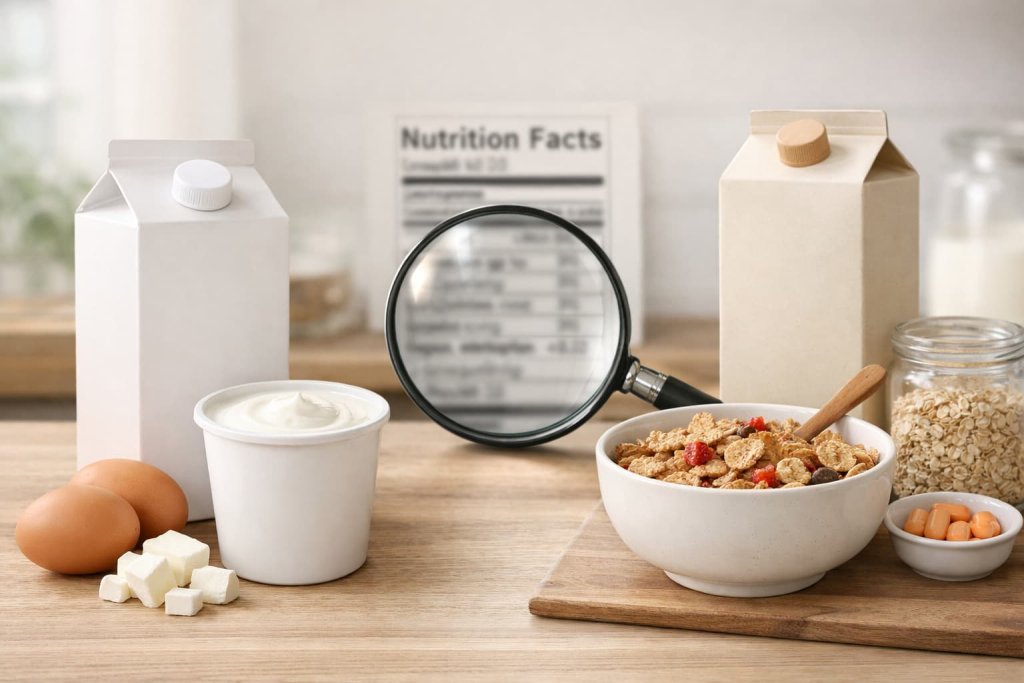
Vitamin D is one of the most common nutrients added to foods in the U.S. The NIH Office of Dietary Supplements (ODS) notes that almost all U.S. milk is fortified with about 3 mcg (120 IU) per cup, and fortified foods provide most vitamin D in American diets.
1) Fortified cow’s milk
Why it’s a top pick:
- Very consistent availability
- Easy to use daily (coffee, cereal, smoothies)
2) Fortified plant milks (soy, almond, oat)
Why it’s a top pick:
- Helpful if you avoid dairy
- Often fortified to be similar to milk, but amounts vary by brand
3) Fortified breakfast cereals
Why it’s a top pick:
- Some cereals include vitamin D (plus other nutrients)
- Label-reading is important because added sugar varies widely
4) Fortified orange juice
Why it’s a top pick:
- A non-dairy way some people get vitamin D and/or calcium
- Choose options with low or no added sugars when possible
5) Fortified yogurt (some brands)
Why it’s a top pick:
- Adds protein and may add vitamin D, depending on the product
6) Fortified margarine/spreads (some products)
Why it’s a top pick:
- Small, easy daily serving for people who already use spreads
Best fortified foods for folic acid
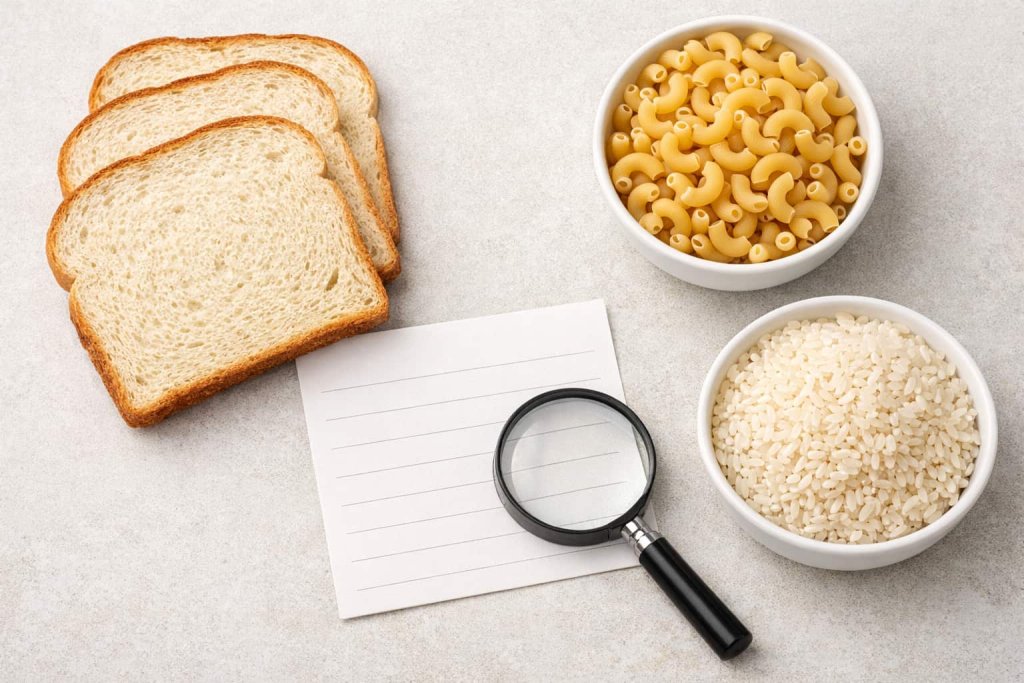
Folic acid is the synthetic form used in fortification and supplements. It’s especially important before and early in pregnancy.
7) Enriched bread
Why it’s a top pick:
- Common staple
- Often provides folic acid through enriched flour
8) Enriched pasta
Why it’s a top pick:
- Pantry-friendly and affordable
- Often made from enriched flour
9) Enriched rice
Why it’s a top pick:
- Widely used staple
- Enrichment varies, so confirm on the package
Best fortified foods for iron

Iron is commonly added to refined grain products and cereals.
The NIH Office of Dietary Supplements (ODS) notes that wheat and other flours are often fortified with iron, making bread, cereal, and other grain products useful sources of non-heme iron.
10) Fortified breakfast cereals (iron-fortified)
Why it’s a top pick:
- Often a significant iron source
- Pair with vitamin C foods (fruit) to support absorption of non-heme iron
11) Fortified flour and foods made with it
Why it’s a top pick:
- Shows up across many everyday foods (breads, crackers, pasta)
- Can help fill small gaps over time
Best fortified foods for iodine
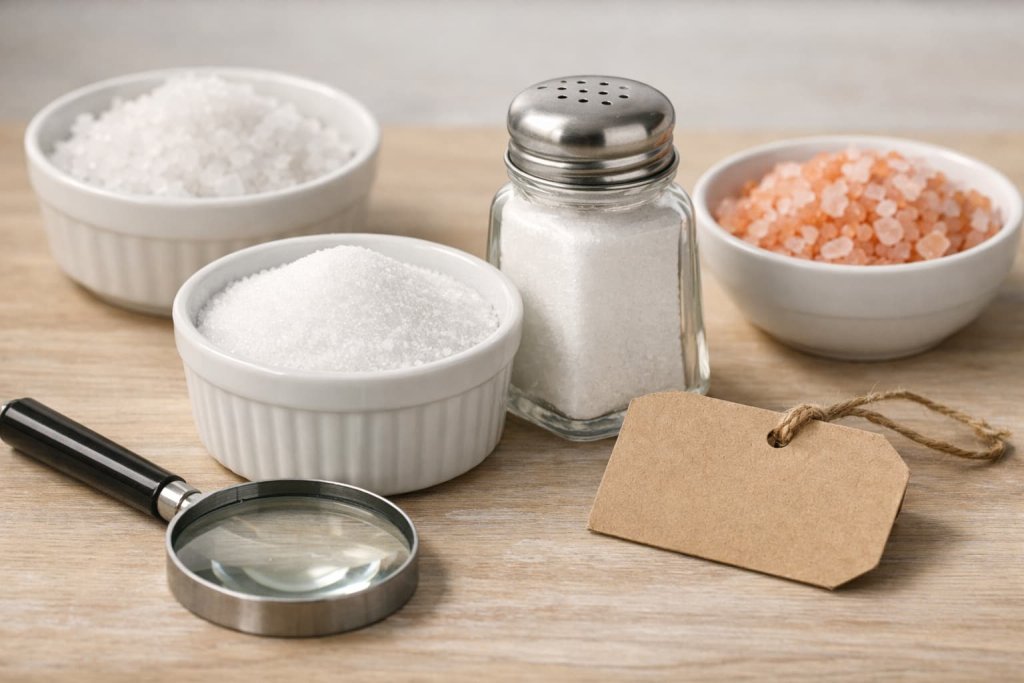
Iodine is essential for thyroid hormone production. Many people get iodine from iodized salt, seafood, and dairy; fortified salt remains a major public health tool.
The World Health Organization (WHO) describes salt iodization as an effective strategy to increase iodine intake at the population level.
12) Iodized salt
Why it’s a top pick:
- Simple, affordable
- Best used in small amounts because overall sodium intake still matters
If you’re limiting sodium, you can still use iodized salt strategically in small amounts while focusing on overall sodium sources (restaurant meals, packaged foods). Fortification helps, but it works best alongside an overall sodium-aware eating pattern.
Important note: Many specialty salts (like sea salt, Himalayan pink salt, or kosher salt) are not iodized unless the label specifically says “iodized.” If iodine is a goal for you, the label matters more than the type of salt.
Best fortified foods for vitamin B12
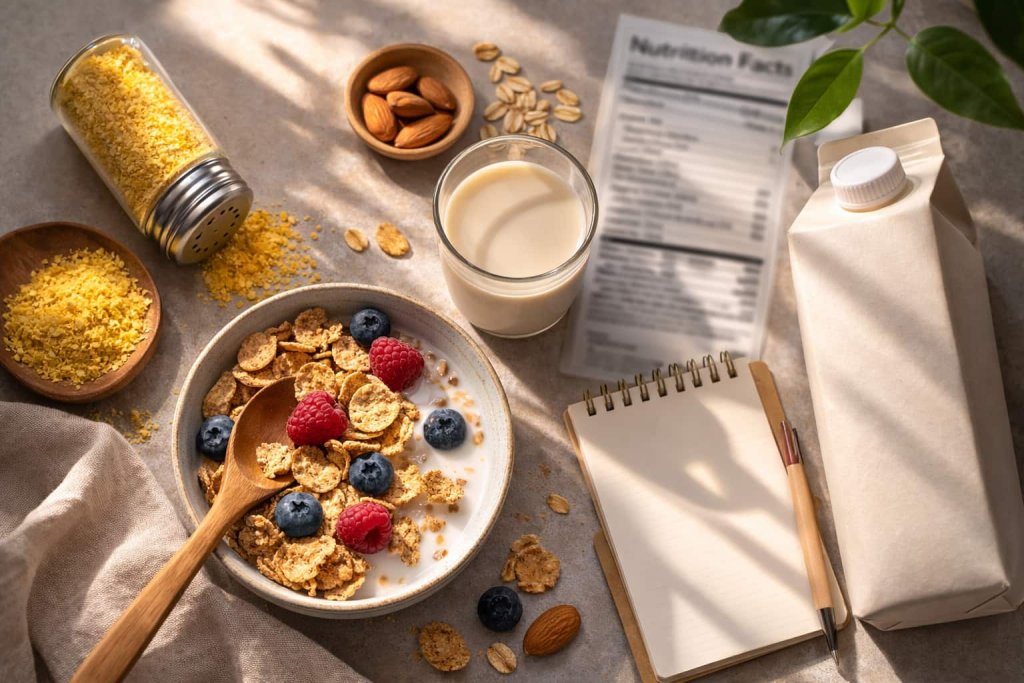
Vitamin B12 is naturally found in animal foods, so fortified options can be especially useful for people eating mostly plant-based.
The NIH Office of Dietary Supplements (ODS) notes that some breakfast cereals, nutritional yeasts, and other foods are fortified with vitamin B12 and advises checking the Nutrition Facts label to confirm.
13) Fortified nutritional yeast
Why it’s a top pick:
- Popular in plant-based cooking
- Can provide meaningful B12 depending on brand and serving size
14) B12-fortified breakfast cereals
Why it’s a top pick:
- Convenient way to add B12
- Choose lower-added-sugar options more often
Fortified foods that are helpful but need extra label-checking
These can be useful in real life, but the nutrition quality can vary dramatically.
15) Fortified meal replacements and nutrition bars
These often include a “vitamin/mineral blend,” but also may be high in added sugar, saturated fat, or sodium. Use them as a backup—not the foundation of your diet.
How to choose fortified foods using the Nutrition Facts label
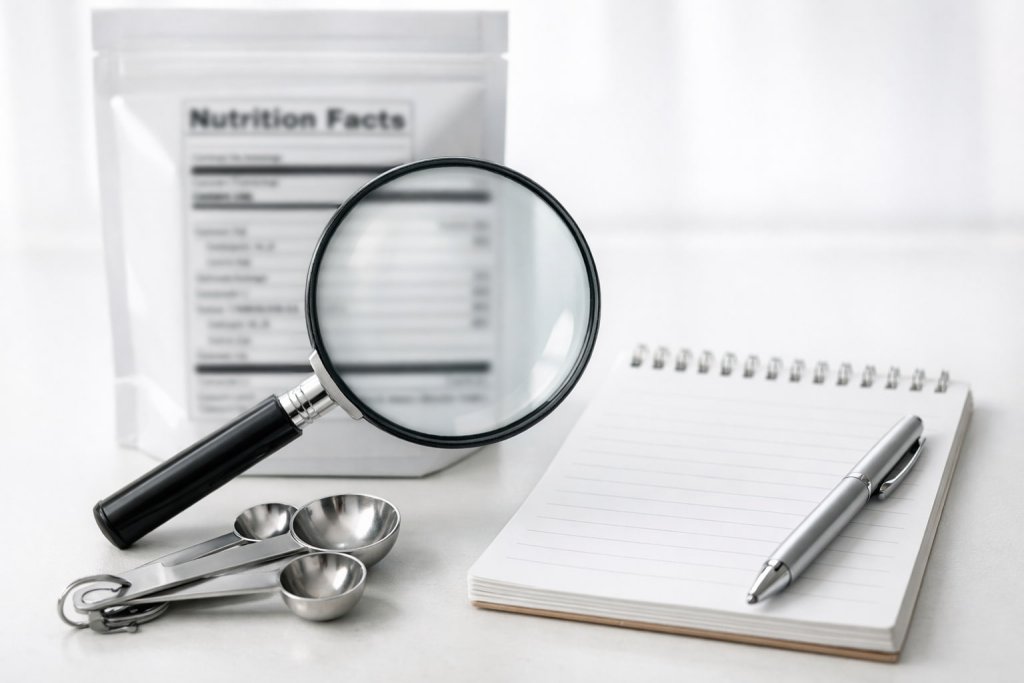
Fortified foods are only “worth it” if the overall product fits your goals.
The U.S. Food and Drug Administration (FDA) explains that vitamin D and potassium are required on Nutrition Facts labels, and calcium and iron continue to be required—so you can compare these nutrients quickly between brands.
A quick label checklist
- Start with serving size (so you’re comparing fairly).
- Look for % Daily Value for vitamin D, calcium, iron, potassium (and any added nutrients listed).
- Check added sugars and sodium—fortified doesn’t automatically mean “healthy.”
- Scan the ingredients list for what the food is mostly made of (whole grains, protein sources, etc.).
A simple rule of thumb: about 5% Daily Value is a little, and 20% Daily Value or more is a lot. If you’re choosing a fortified product specifically for a nutrient (like vitamin D, iron, or B12), look for a meaningful % Daily Value in a realistic serving size.
Common mistakes people make with fortified foods
- Assuming “fortified” means low sugar or low sodium (it doesn’t).
- Stacking multiple fortified foods plus a multivitamin without realizing totals add up.
- Choosing a fortified food but ignoring serving size (the nutrient only looks high if the serving is large).
- Relying on bars and meal replacements as daily staples instead of using them as backups.
- Forgetting that many specialty salts aren’t iodized unless labeled.
Safety box: how to use fortified foods without overdoing it
Fortified foods are generally safe as part of a balanced diet, but stacking can happen—especially if you also take supplements.
Key safety points:
- If you take a multivitamin, your “extra” intake often comes from supplements + fortified foods combined.
- For folic acid, the NIH Office of Dietary Supplements (ODS) lists an adult Tolerable Upper Intake Level (UL) of 1,000 mcg/day for synthetic folic acid (from fortified foods and supplements combined).
- For many nutrients, ULs vary by age and life stage. The National Academies of Sciences, Engineering, and Medicine provides a summary table of tolerable upper intake levels and notes that certain ULs apply specifically to synthetic forms from supplements and fortified foods.
If you are pregnant, have thyroid disease, kidney disease, or take medications that interact with vitamins/minerals, it’s smart to ask a clinician or registered dietitian how fortified foods and supplements should fit together.
Who fortified foods are best for (and who should be careful)
Often helpful for
- People who don’t regularly eat nutrient-dense foods (busy schedules, limited cooking)
- Dairy-free or plant-forward eaters (vitamin D, calcium, B12)
- People trying to meet higher needs (teens, older adults, pregnancy planning)
Use extra care if you
- Take multiple supplements that overlap (multivitamin + specialty products)
- Have a medical condition affected by certain nutrients (thyroid concerns with iodine, kidney disease with mineral balance)
- Are choosing fortified foods that are also high in added sugars or sodium
FAQs
Are fortified foods healthy
They can be, but it depends on the whole product. Fortification adds nutrients, but you still want to check added sugars, sodium, and overall ingredients.
Are fortified foods safe for everyone
Most are safe in normal portions, but people who take supplements, are pregnant, or have certain medical conditions may need more personalized advice to avoid excess intake.
How can I tell if a food is fortified
Check the Nutrition Facts label for specific vitamins/minerals and look for wording like “fortified,” “enriched,” or added nutrients listed in the ingredients (for example, “vitamin D3” or “cyanocobalamin” for B12).
What is the difference between fortified and enriched foods
Fortified foods have nutrients added; enriched foods have certain nutrients added back after processing. Many refined grains are enriched, and enriched grains are also a major source of folic acid in the U.S.
Should I choose fortified foods or supplements
For most people, fortified foods are a good first step when you’re close to meeting your needs and just need a small boost. Supplements can be useful when needs are higher (like pregnancy planning for folic acid) or when you have limited dietary options. If you take supplements, keep an eye on overlap with fortified foods so you don’t unintentionally exceed upper limits.
Do fortified foods replace supplements
Sometimes they can reduce the need, but not always. If you have a diagnosed deficiency or higher needs (like pregnancy planning), follow clinician guidance.
Can you get too many vitamins from fortified foods
Yes—especially when combined with supplements. Upper limits exist for some nutrients, and total intake includes fortified foods plus supplements.
What are the best fortified foods for a plant-based diet
Fortified plant milk, fortified breakfast cereal, and fortified nutritional yeast are common picks, especially for vitamin B12 and vitamin D (amounts vary).
Is iodized salt considered a fortified food
Yes. Salt iodization is a fortification strategy used to increase iodine intake at a population level.
Which fortified foods are best for kids
Often fortified milk (or fortified dairy alternatives) and fortified cereals can help fill common gaps, but choose options with lower added sugar and appropriate serving sizes.
Conclusion
Fortified foods can be a simple, practical way to cover common nutrient gaps—especially vitamin D, folic acid, iron, iodine, and B12—without radically changing how you eat. Focus on high-quality staples (milk or fortified alternatives, enriched grains, iodized salt, and sensible cereals), use the Nutrition Facts label to avoid “fortified junk,” and be mindful when supplements are in the mix.
This content is for informational purposes only and not medical advice.