
Yes — you can put creatine in coffee, and for most healthy adults, this combination is considered safe when used in moderation. Creatine is stable in hot liquids, and mixing it with your morning coffee may support a consistent daily routine. Most people safely use 3–5 g of creatine per day, and according to the U.S. Food and Drug Administration, healthy adults can generally consume up to 400 mg of caffeine per day without problems.
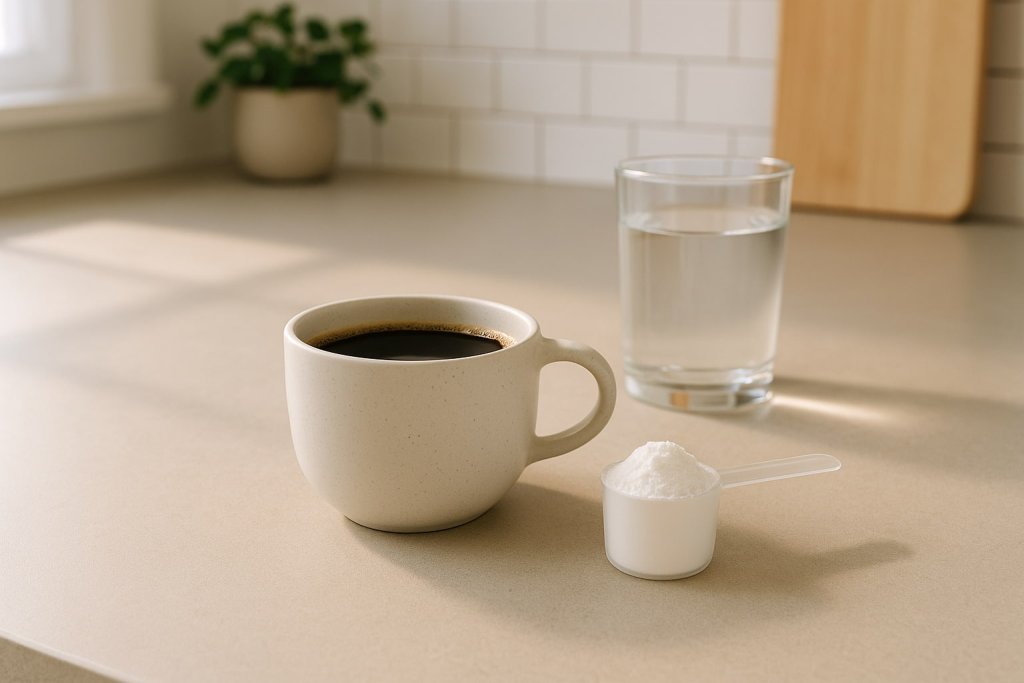
The NIH Office of Dietary Supplements explains that creatine is one of the most researched performance-supporting supplements and is typically safe for healthy adults when used as directed. Coffee simply acts as a warm liquid that helps dissolve the powder, and drinking it soon after mixing preserves creatine’s stability. For most individuals, combining creatine with coffee is a convenient way to stay consistent without affecting safety or effectiveness.
Authoritative sources referenced:
- NIH Office of Dietary Supplements – Dietary Supplements for Exercise and Athletic Performance
- FDA – Safe Caffeine Intake Guidelines
What Happens When You Mix Creatine With Coffee?

How Creatine Behaves in Hot Coffee (Stability & Chemistry)
Creatine monohydrate is known for its high stability, especially in dry powder form. When added to hot coffee, creatine remains structurally stable because short-term exposure to heat does not meaningfully break it down. Research summarized in the Journal of the International Society of Sports Nutrition (JISSN) notes that creatine only begins converting into creatinine at a faster rate when it sits in liquid for long periods, especially in high-acid environments or at elevated temperatures for several hours or days. Typical coffee, though warm, does not stay at high enough temperatures long enough to significantly degrade creatine.
Drinking your creatine-infused coffee within 15–30 minutes helps preserve potency because the conversion process is gradual, not immediate. Since coffee’s pH generally ranges from 4.8–5.5, the environment is mildly acidic—but not enough to break down creatine quickly. This is why adding creatine to a fresh cup of coffee and consuming it shortly afterward maintains its effectiveness while providing a simple way to stay consistent with daily intake.
Does Coffee Reduce Creatine’s Effectiveness?
There is ongoing discussion about whether caffeine affects the benefits of creatine, but the research is mixed and generally reassuring. The NIH Office of Dietary Supplements highlights creatine as one of the most studied and reliable supplements for supporting exercise performance, while caffeine—when consumed in moderation—may support alertness and energy. Together, they do not show consistent negative interactions in healthy adults.
A few older studies suggested high caffeine intake might reduce creatine’s potential to support performance, but more recent reviews, including those covered by the JISSN, report no consistent evidence that moderate caffeine reduces creatine’s effects. According to the Mayo Clinic, the main concern is that very high caffeine intake (often around or above 300 mg at one time) may increase the chance of digestive discomfort or muscle tightness, which may indirectly affect exercise tolerance—not creatine’s mechanism itself.
For most individuals who keep daily caffeine under the 400 mg limit recommended by the U.S. Food and Drug Administration, creatine mixed with coffee remains safe and effective. Research consistently supports that moderate caffeine use is generally compatible with creatine supplementation, making this combination a convenient option for many daily routines.
Authoritative sources referenced:
- Journal of the International Society of Sports Nutrition – Creatine Position Stand
- NIH Office of Dietary Supplements – Dietary Supplements for Exercise and Athletic Performance
- Mayo Clinic – Creatine Information
Benefits of Taking Creatine With Coffee
1. Supports a Consistent Daily Routine
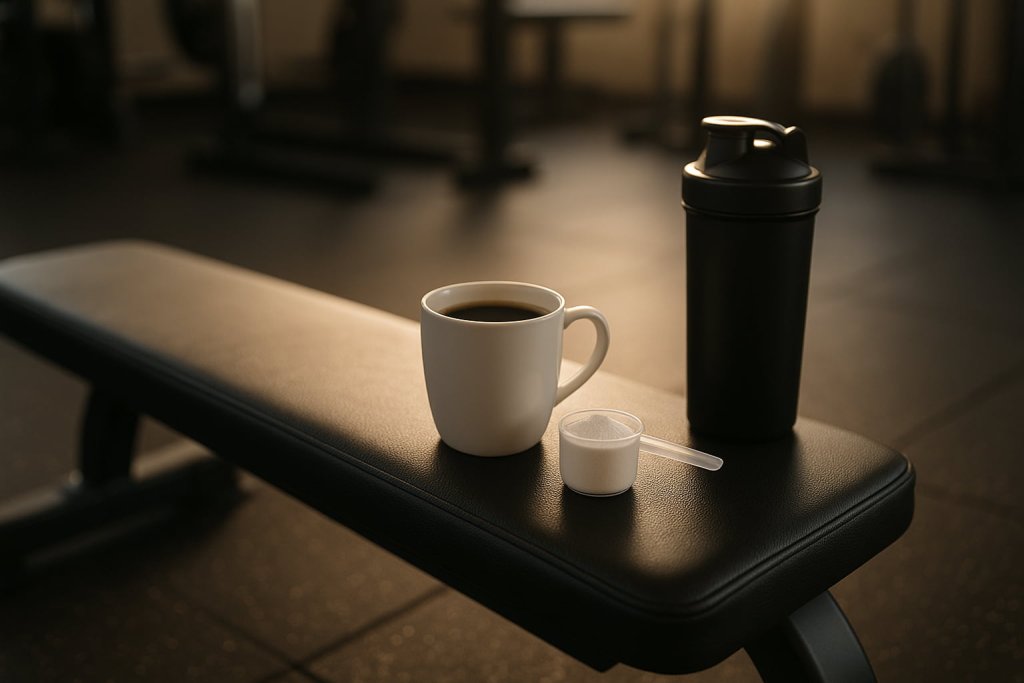
One of the most practical benefits of mixing creatine with coffee is that it supports daily consistency, which is essential for creatine to work effectively. According to the Journal of the International Society of Sports Nutrition (JISSN), creatine supports performance benefits through ongoing muscle saturation, not timing. This means taking it once per day—at any time—may help maintain creatine levels in the body. Adding creatine to your regular morning coffee makes the habit easier to follow, reducing the chances of skipped doses and supporting long-term adherence.
2. May Support Performance for Some Individuals
Creatine is one of the most researched supplements for supporting muscular energy during short, high-intensity activity. The NIH Office of Dietary Supplements highlights that creatine may help support strength, power output, and overall training performance when combined with regular exercise. Coffee, on the other hand, contains caffeine, which the U.S. Food and Drug Administration notes may support alertness and mental focus at safe daily intakes. When used together in moderation, creatine and caffeine may complement each other, helping some individuals feel more prepared for demanding workouts.
3. Pre-Workout Energy for Caffeine-Tolerant Users
For people who tolerate caffeine well, drinking creatine with coffee before a workout may enhance readiness by providing both physical and mental support. Caffeine may help support focus and perceived energy, while creatine may help support the body’s natural energy production during high-intensity movement. This combination may be especially convenient for individuals who prefer a simple, single drink instead of multiple supplements.
Because caffeine tolerance varies widely, following safe daily limits—such as the FDA’s guidance of up to 400 mg of caffeine per day for healthy adults—helps ensure safe and comfortable use. Those who are sensitive to caffeine may prefer taking creatine at another time of day to avoid jitters or sleep disruption.
Authoritative sources referenced:
- Journal of the International Society of Sports Nutrition – Creatine Position Stand
- NIH Office of Dietary Supplements – Dietary Supplements for Exercise and Athletic Performance
- FDA – Caffeine and Energy Support Information
Potential Downsides and Safety Concerns
1. Digestive Discomfort (GI Sensitivity)
Some individuals may experience digestive discomfort when combining creatine with coffee, especially if taken on an empty stomach. Both creatine and caffeine can occasionally contribute to sensations such as bloating, loose stool, or mild cramping. The NIH Office of Dietary Supplements notes that creatine may cause temporary stomach discomfort in some users at higher doses, while the U.S. Food and Drug Administration explains that caffeine may sometimes lead to digestive sensitivity in certain individuals. Using a smaller initial serving or consuming creatine with food may help reduce discomfort for those who are more sensitive.
2. Dehydration Risk During Exercise
Creatine may support increased water retention in muscle cells, and caffeine has a mild diuretic effect in some people. While neither is likely to cause dehydration on its own when used responsibly, combining the two before intense training may increase your hydration needs. The FDA’s caffeine guidance encourages users to be mindful of fluid intake, particularly around workouts. Staying well hydrated throughout the day may help support comfort and performance when using creatine and coffee together.
3. Sleep and Timing Concerns
Caffeine intake later in the day may interfere with sleep quality, and taking creatine as part of an evening coffee may unintentionally increase stimulation close to bedtime. According to the FDA’s consumer caffeine guidance, caffeine may remain active in the body for several hours. If you are sensitive to caffeine or notice sleep disruption, it may be better to limit this combination to the morning or early afternoon.
When This Combination May Not Be Ideal
Creatine mixed with coffee may not be the best option for everyone. Individuals who experience significant jitteriness from caffeine, have a history of digestive sensitivity, or prefer low-acid beverages may find that creatine mixes more comfortably with water, a smoothie, or a post-workout shake. These alternatives may support better tolerance for those sensitive to acidic or caffeinated drinks.
The Mayo Clinic explains that some people may need to limit caffeine intake due to sensitivity, sleep concerns, heart-related considerations, or anxiety, making creatine-coffee combinations less appropriate for anyone trying to reduce caffeine or avoid overstimulation. Likewise, those who experience discomfort from acidic beverages may prefer non-coffee options for mixing creatine.
For individuals with any underlying health concerns, sensitivity to stimulants, or specific dietary restrictions, it’s best to consult a healthcare provider to determine the safest way to incorporate creatine into daily routines.
Authoritative source referenced:
Who Should Avoid or Be Cautious With Creatine + Coffee

1. Individuals With Kidney Conditions
People with existing kidney conditions or reduced kidney function should be especially cautious with creatine use. Creatine is processed through the kidneys, and the NIH Office of Dietary Supplements notes that individuals with kidney concerns should avoid creatine unless a medical professional advises otherwise. Adding caffeine through coffee may further increase sensitivity for some individuals. Anyone with a history of kidney issues should consult a healthcare provider before using creatine in any form.
2. People With Parkinson’s Disease (High Caffeine Caution)
Research referenced by the Mayo Clinic indicates that high caffeine intake may interfere with creatine’s potential benefits in individuals with Parkinson’s disease. While creatine itself may support muscle energy, high caffeine consumption—especially above 300 mg per day—may influence tolerance or comfort in this population. Because both supplements interact differently in neurological conditions, individuals with Parkinson’s disease should speak with a healthcare provider before adding creatine to coffee or combining it with other caffeinated beverages.
3. Pregnant or Breastfeeding Individuals
Pregnancy and breastfeeding require more conservative nutrient and stimulant management. The U.S. Food and Drug Administration recommends that pregnant individuals limit caffeine intake due to its stimulant effect, and long-term safety data on creatine use during pregnancy or lactation is limited. Because the combination of creatine and coffee may increase overall caffeine intake, pregnant or breastfeeding individuals should consult their clinician before using creatine with coffee.
4. Adolescents and Minors
The NIH Office of Dietary Supplements explains that most creatine research is conducted in adults, and long-term safety data for minors is limited. Additionally, caffeine intake in adolescents requires careful monitoring because younger individuals may be more sensitive to its effects. For these reasons, adolescents should avoid or delay creatine supplementation unless a qualified pediatric healthcare provider confirms it is appropriate. Combining creatine with coffee is generally not recommended for minors.
5. Individuals With Heart Conditions or Anxiety Disorders
Caffeine may temporarily increase heart rate and alertness, which can be problematic for individuals with certain cardiovascular conditions or anxiety-related disorders. The FDA advises being cautious with caffeine if you are sensitive to its effects. When combined with creatine—which may influence water balance and muscle energy—some individuals may feel overstimulated or uncomfortable. Anyone with an underlying heart condition, panic disorder, or strong caffeine sensitivity should consult a healthcare provider before mixing creatine with coffee or increasing caffeine intake.
Authoritative sources referenced:
- NIH Office of Dietary Supplements – Dietary Supplements for Exercise and Athletic Performance
- Mayo Clinic – Creatine Information
- FDA – Caffeine Guidance and Safety
Recommended Dosage and Daily Limits (Creatine + Caffeine)
Daily Creatine Intake (3–5 g Standard)
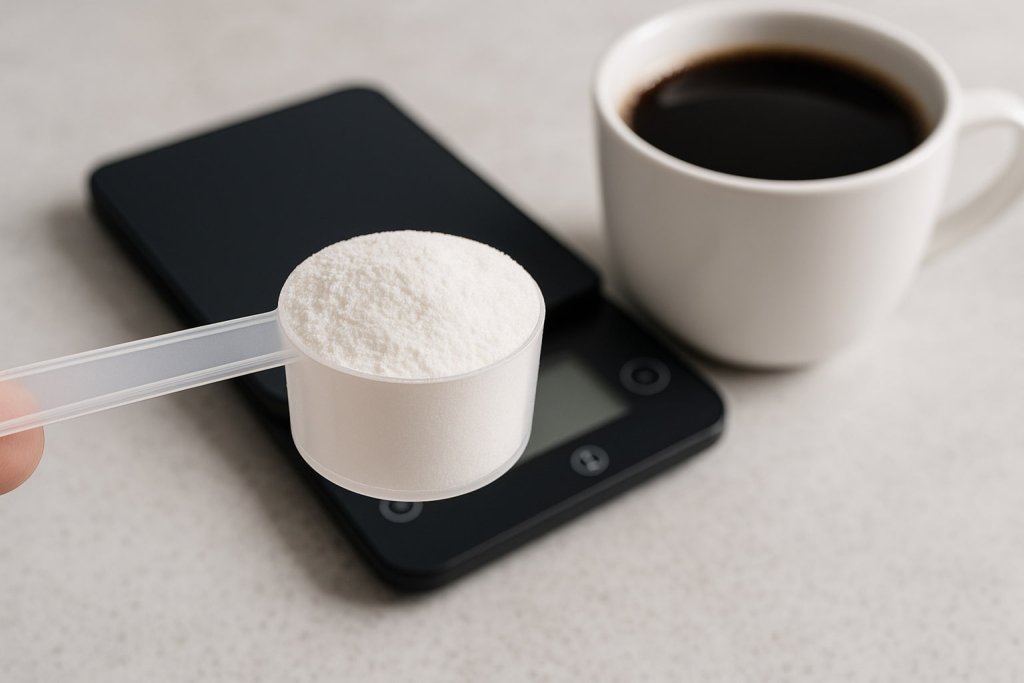
For most healthy adults, the evidence-based daily intake for creatine is 3–5 grams per day, which is the amount supported by the Journal of the International Society of Sports Nutrition (JISSN). This range may help support muscle energy and exercise performance when used consistently. A “loading phase” (higher intake for a short period) is optional and not necessary for most people. Sticking to the standard daily dose may support long-term comfort and ease of use, especially when mixed with coffee as part of a daily routine.
Authoritative reference:
Safe Daily Caffeine Intake (≤400 mg per FDA)
The U.S. Food and Drug Administration states that most healthy adults can safely consume up to 400 mg of caffeine per day. This amount includes all caffeine sources: coffee, tea, energy drinks, soda, chocolate, and pre-workout supplements. Mixing creatine with coffee contributes to your total caffeine intake, so it’s important to consider how much caffeine you consume throughout the day. Exceeding this limit may increase the chance of jitteriness, sleep disruption, or sensitivity for some individuals.
Authoritative reference:
Hydration Requirements for Combined Use
Creatine supports increased water retention in muscle cells, and caffeine may have a mild diuretic effect in individuals who are not habitual caffeine users. While neither ingredient inherently causes dehydration, the combination may increase your hydration needs—particularly around exercise. The NIH Office of Dietary Supplements notes that creatine may increase the body’s overall need for fluids. Drinking water consistently throughout the day may support comfort, temperature regulation, and exercise performance when using creatine with coffee.
Authoritative reference:
Who Needs Reduced Caffeine Intake
Some individuals should consider reducing caffeine intake—or avoid combining caffeine with creatine altogether—based on their sensitivity or underlying conditions. According to the FDA, people who experience anxiety, sleep disruption, digestive sensitivity, or heart palpitations from caffeine may benefit from lowering daily intake. Additionally, individuals who are pregnant, breastfeeding, or managing certain medical conditions may require more conservative caffeine limits. In these cases, taking creatine separately from coffee may offer a more comfortable option.
Authoritative references:
How to Mix Creatine in Coffee Correctly (Step-by-Step)
Hot Coffee Method
To mix creatine into hot coffee, simply add 3–5 grams of creatine monohydrate to a freshly brewed cup and stir until fully dissolved. Warm temperatures help the powder dissolve quickly, and short-term exposure to heat does not degrade creatine. The Journal of the International Society of Sports Nutrition (JISSN) notes that creatine remains stable for short periods even in warm liquids, making hot coffee an easy and effective option.
Authoritative reference:
Iced Coffee Method
Creatine does not dissolve well directly in cold liquids. For iced coffee:
- Dissolve your creatine in a small amount of warm water first.
- Add the mixture to your iced coffee and stir.
This method preserves taste and avoids grainy texture.
Taste & Texture Tips (Micronized Creatine)
Creatine is generally flavorless, but some people prefer micronized creatine monohydrate, which is processed to create smaller particles. This form may help improve solubility and reduce texture issues in both hot and iced coffee. Choosing third-party tested brands may support purity and quality, as recommended by the NIH Office of Dietary Supplements.
Authoritative reference:
When to Take It (Timing Flexibility)
Creatine does not require specific timing. Research shows that daily consistency supports its benefits more than when you take it. Morning coffee is a convenient option, but creatine can be taken at any time of day, with or without food, depending on individual comfort and caffeine sensitivity.
Best Practices for Safe Use (Evidence-Based)
- Choose creatine monohydrate, the most researched and reliable form.
- Use third-party tested products (NSF Certified for Sport, Informed Choice, etc.) for quality assurance.
- Keep creatine intake around 3–5 g per day, the standard evidence-supported amount.
- Keep total caffeine under 400 mg per day, following FDA caffeine safety guidelines.
- Drink water consistently throughout the day to support comfort and hydration.
- Mix creatine only in beverages you’ll drink soon—avoid storing creatine in liquid for long periods.
- If sensitive to caffeine, take creatine separately from coffee to avoid overstimulation.
- Maintain daily consistency—creatine supports its benefits through regular use, not timing.
Authoritative reference:
Creatine in Coffee vs Water or Pre-Workout: Which Is Better?
Convenience & Routine
Coffee is part of many people’s daily routine, which may help support consistent creatine use. Water or shakes may require extra steps, making them less convenient for some users.
GI Comfort Differences
Some individuals find that creatine mixed with coffee (especially acidic or strong coffee) may cause mild digestive sensitivity. Water or a smoothie often provides a gentler option. The NIH Office of Dietary Supplements notes that some people may experience temporary GI discomfort with creatine, making beverage choice important for comfort.
Authoritative reference:
Performance Considerations
Creatine supports muscle energy over time and does not require specific timing. Coffee may support alertness and perceived energy, according to the U.S. Food and Drug Administration, so individuals who tolerate caffeine well may enjoy combining the two before training. Others may prefer taking creatine separately to avoid caffeine-related side effects.
Authoritative reference:
Common Mistakes to Avoid When Mixing Creatine in Coffee
- Exceeding the safe 400 mg caffeine daily limit for healthy adults.
- Using overly acidic canned or bottled coffees that sat for long periods.
- Not drinking enough water before or after exercise.
- Taking too much creatine at once—stick to 3–5 g daily.
- Storing creatine in liquid for extended periods, which may reduce stability.
- Forgetting to track caffeine intake from other sources (tea, energy drinks, pre-workout).
Frequently Asked Questions (FAQs)
Does hot coffee destroy creatine?
No. Creatine remains stable in hot liquids when consumed shortly after mixing, according to research reviewed by the JISSN.
Is caffeine bad with creatine?
Moderate caffeine use is generally compatible with creatine for most healthy adults. Very high caffeine intake may increase sensitivity for some users.
Can you take creatine before or after coffee?
Creatine may be taken at any time of day. Daily consistency is more important than timing.
Can creatine and caffeine cause dehydration?
They may increase hydration needs, especially around exercise. Drinking water throughout the day supports comfort.
Does creatine in coffee cause stomach discomfort?
It may for some individuals, especially when consumed on an empty stomach or with very acidic coffee.
Is creatine safe for everyday use?
The NIH Office of Dietary Supplements notes that creatine may be safe for most healthy adults when used at recommended doses.
Can beginners mix creatine with morning coffee?
Yes, starting with a smaller serving (2–3 g) may help beginners adjust comfortably.
Conclusion
Creatine mixed with coffee is a convenient and generally safe option for most healthy adults when used responsibly. Keeping creatine intake within the 3–5 g daily range, staying under the FDA’s 400 mg caffeine guideline, and maintaining good hydration may help support comfort and performance. As with any supplement routine, individuals with health conditions, sensitivities, or questions should consult a healthcare provider before making changes.
This content is for informational purposes only and not medical advice.