
Castor oil is a nutrient-dense plant oil that may support digestion, skin moisture, hair hydration, and overall wellness due to its high content of ricinoleic acid and natural fatty acids. The most clearly supported use is its role as a short-term stimulant laxative, according to the U.S. Food and Drug Administration. Beyond that, research shows several emerging cosmetic and wellness-related benefits.

Understanding these science-backed uses helps you choose safe, appropriate ways to include castor oil in a wellness routine—especially when focusing on hydration, barrier support, and digestive comfort. This guide covers the top 10 evidence-based benefits, how castor oil works, safety considerations, and when to seek professional guidance.
What Is Castor Oil? (Overview and Nutrition Profile)
Castor oil is a thick, nutrient-rich plant oil extracted from the seeds of the Ricinus communis plant. Its unique composition makes it different from most other plant oils because it is especially high in ricinoleic acid, a fatty acid associated with many of its functional wellness uses. Castor oil has been utilized for generations across skincare, personal care, and digestive support, and it remains widely used today in both cosmetic and regulated pharmaceutical products.
How Castor Oil Is Made
Castor oil is typically produced through a mechanical extraction process, where castor seeds are cleaned, dried, and pressed to release their dense, pale-yellow oil. Cold-pressed versions use lower temperatures to help preserve natural fatty acids.
Commercial castor oil does not contain ricin—the toxic protein found in raw castor seeds—because the extraction and heat-treatment steps used in manufacturing deactivate and remove it.
Ricinoleic Acid and Core Fatty-Acid Composition
Castor oil contains one of the highest natural concentrations of ricinoleic acid, making up roughly 85–90% of its total fatty-acid profile. This fatty acid contributes to castor oil’s ability to retain moisture, create a protective barrier, and support specific cosmetic uses.
Research from the National Library of Medicine describes ricinoleic acid as the primary compound responsible for castor oil’s distinctive functional properties.

Nutrition Snapshot (Calories, Fat, and Composition)
Although castor oil is not consumed as a dietary fat, understanding its nutritional profile helps explain how it works on the skin and within certain formulations.
| Nutrient (Approx. per 1 tbsp) | Amount | Notes |
|---|---|---|
| Calories | ~120 | Similar to other plant oils |
| Total Fat | ~14 g | All from natural fatty acids |
| Ricinoleic Acid | ~10–12 g | Primary active fatty acid |
| Other Fatty Acids | ~2–4 g | Includes oleic and linoleic acids |
Castor oil contains minimal vitamins or minerals, so its benefits are primarily linked to its fatty-acid structure rather than micronutrient content.
How Fat Composition Influences Wellness Applications
Because ricinoleic acid is dense and highly viscous, castor oil creates a strong occlusive layer on the skin. This helps reduce transepidermal water loss and supports hydration—one reason it appears in moisturizers, creams, and beauty formulations.
In pharmaceutical settings, its unique fatty-acid profile also contributes to its stability and suitability as an excipient, as recognized by the U.S. Food and Drug Administration.
10 Evidence-Based Benefits of Castor Oil
1. May Support Short-Term Relief of Occasional Constipation
Castor oil is recognized as a stimulant laxative when used orally in appropriate short-term amounts. According to the U.S. Food and Drug Administration, stimulant laxatives may help support bowel movement by increasing intestinal motility. Castor oil’s primary fatty acid, ricinoleic acid, activates receptors in the intestine that encourage movement, which may support occasional relief within several hours.
Internal use should be limited, short-term, and done with caution, as overuse may lead to dehydration or electrolyte imbalance. Individuals with underlying digestive concerns should consult a healthcare professional before use.
2. May Support Moisture Balance for Dry Skin

Castor oil is rich in natural fatty acids that act as emollients, helping soften the surface of the skin and reduce moisture loss. Research reviewed by the National Library of Medicine describes castor oil as an effective occlusive ingredient that may support smoother, more hydrated skin when used in small amounts.
Its dense texture helps create a protective barrier on the skin, which may help maintain hydration, especially for dry or flaking areas.
3. May Help Improve Dry Eye Symptoms in Approved Formulations

Clinical reviews show that castor-oil–based ophthalmic products may help support the tear-film lipid layer, reducing evaporation and improving comfort for individuals experiencing dry eye symptoms. Research summarized by the National Library of Medicine notes that specific sterile emulsions containing castor oil can support lubrication and eyelid comfort.
Only professionally formulated, sterile eye products should be used. Applying non-ophthalmic oils near or inside the eye is not recommended.
4. Supports Scalp Hydration and Hair Moisture
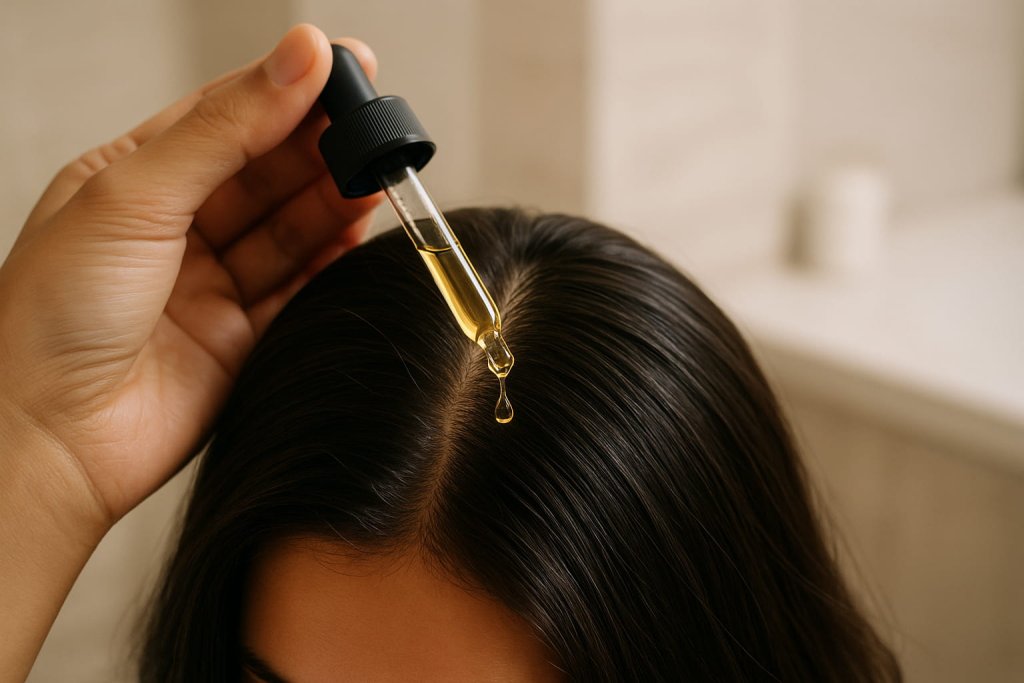
Castor oil’s thick texture and fatty-acid profile may help support scalp hydration and reduce dryness, which can reduce breakage and improve the overall appearance of hair. Dermatology resources highlight that its moisturizing ability may contribute to smoother strands and a shinier finish.
While castor oil is widely used in hair care routines, research from the National Library of Medicine indicates that evidence for direct hair-growth stimulation is limited. Its benefits are mainly cosmetic and moisture related.
5. May Support a Cleaner Skin Environment

Laboratory studies cited by the National Library of Medicine suggest that ricinoleic acid in castor oil shows antimicrobial activity, which may help maintain a cleaner skin surface. This is why castor oil is sometimes included in ointments and topical formulations designed to support hygiene.
These effects are supportive rather than therapeutic, and castor oil should not be relied upon for treating infections or medical skin concerns.
6. Helps Condition Lips, Brows, Lashes, and Cuticles

Castor oil’s glossy texture and moisture-retaining properties make it a popular ingredient in lip balms, brow serums, lash conditioners, and cuticle oils. According to safety assessments published by the Cosmetic Ingredient Review, castor oil is widely used in cosmetic formulations because it helps soften and smooth skin surfaces while preventing moisture loss.
Patch testing is recommended for individuals with sensitive skin.
7. May Help Maintain Moisture in Ointment Bases
Castor oil is commonly used as a component in pharmaceutical ointments because it helps maintain a moist environment, which is known to support the natural recovery process of intact skin. Research summaries from the National Library of Medicine indicate that castor oil contributes stability and viscosity to topical preparations.
Only professionally designed products should be used for compromised or sensitive skin areas.
8. May Help Reduce Inflammation in Early Laboratory Studies

Preliminary laboratory studies show that ricinoleic acid may have anti-inflammatory activity in controlled research settings. Research from the National Library of Medicine highlights these findings, though human studies remain limited.
These early results suggest potential, but they do not confirm clinical effectiveness. Castor oil should not be used as a substitute for medical care.
9. Widely Used in Food and Pharmaceutical Products

Castor oil has a long history of regulated use in both food and pharmaceutical manufacturing. According to the U.S. Food and Drug Administration, it is recognized as an excipient in capsules, ointments, and certain packaged products due to its stability and lubricating qualities.
This regulated use reflects its safety profile when processed correctly and used as intended.
10. May Support Management of Demodex-Related Eyelid Issues (Early Evidence)
Emerging research reviewed by the National Library of Medicine suggests that castor-oil–based eyelid applications may help reduce debris associated with Demodex-related eyelid irritation when used under professional guidance.
Evidence remains early, and only sterile, ophthalmic-safe formulations should be used for any eyelid application. More research is needed before firm conclusions can be drawn.
Safety Considerations and Who Should Avoid Castor Oil
Oral Use Safety (Dosage, Warnings, Contraindications)
Castor oil is recognized as a stimulant laxative for short-term use only. According to the U.S. Food and Drug Administration, stimulant laxatives should be used sparingly and never for long-term digestive support.
Overuse may contribute to diarrhea, cramping, dehydration, or electrolyte imbalance. Individuals with intestinal obstruction, unexplained abdominal pain, or severe dehydration should avoid internal use.
Because internal use affects intestinal motility, it is essential to follow labeled instructions and speak with a clinician if symptoms persist.
Topical Use Safety (Patch Testing, Sensitivity)
Castor oil is generally well tolerated when used on the skin, but some individuals may experience irritation or contact sensitivity. A small patch test on the inner forearm is recommended before applying it to larger areas.
People with eczema, allergies, or highly reactive skin should introduce castor oil slowly and discontinue use if redness or discomfort occurs.
Eye Safety (Only Ophthalmic-Grade Products)
Only sterile, ophthalmic-grade castor oil products should be used near the eyes. Research from the National Library of Medicine shows that castor oil may support the tear-film lipid layer when formulated into approved eye drops, but non-sterile cosmetic oils may introduce irritation or infection risk.
Never apply standard castor oil directly inside the eyes.
Special Populations (Pregnant Individuals, Chronic Conditions)
Pregnant individuals should avoid internal castor-oil use unless specifically advised by a healthcare professional, as castor oil influences intestinal and smooth-muscle activity.
People with chronic digestive disorders, electrolyte imbalances, or ongoing medical conditions should consult a clinician before using castor oil internally or on sensitive skin.
Product Quality, Purity, and Labeling
High-quality castor oil products should provide clear labeling, batch information, and grade classification. Choosing correctly sourced and accurately labeled products reduces the risk of contamination or improper use, especially for topical and internal applications.
How to Choose a High-Quality Castor Oil
USP-Grade vs. Cosmetic-Grade Options
USP-grade castor oil meets standards for identity, purity, and processing quality. It is intended for regulated internal use under defined conditions.
Cosmetic-grade castor oil is designed for skin, hair, and beauty applications only and should not be taken internally.
Cold-Pressed, Hexane-Free, Organic Labels
Cold-pressed castor oil is extracted without high heat, preserving more of its natural fatty acids. Hexane-free processing avoids chemical solvents, which some consumers prefer for skin and scalp use.
Organic certification ensures the castor seeds were grown without synthetic pesticides according to established standards.
What to Look for in Ophthalmic and Cosmetic Formulations
For eye-area use, only products labeled as ophthalmic, sterile, or designed specifically for eyelid hygiene should be selected.
For cosmetic use, look for ingredient transparency, minimal additives, non-fragranced formulas, and packaging that protects the oil from light and contamination.
How to Use Castor Oil Safely in a Wellness Routine
Appropriate Skin Application Methods
A small amount can be applied to clean, dry skin to support moisture balance. Because castor oil is thick, many people dilute it with lighter oils for easier application. Avoid applying to broken or irritated skin unless using a professionally formulated product.
Safe Scalp and Hair Application
Castor oil may be massaged into the scalp or used on damp hair to support hydration. Applying too much can make rinsing difficult, so small amounts are recommended.
Patch testing is advised for individuals with sensitive scalps.
Internal Use Considerations (Short-Term Only)
Castor oil should only be taken internally for short-term relief of occasional constipation and should follow labeled directions.
If discomfort, dehydration, or prolonged symptoms occur, internal use should be discontinued, and medical guidance sought.
When to Seek Medical Advice
Anyone experiencing severe digestive symptoms, chronic constipation, unexplained abdominal pain, eye irritation, or persistent skin reactions should contact a healthcare professional.
Individuals with conditions requiring regular medication should confirm potential interactions before using castor oil internally.
Frequently Asked Questions
Is castor oil safe for daily use?
Topical use in small amounts is generally tolerated. Daily internal use is not recommended due to its stimulant effects.
Does castor oil help hair grow?
Current research does not show direct hair-growth stimulation. However, castor oil may help support hydration and reduce breakage, which can make hair appear fuller.
Can castor oil support digestion?
Yes—castor oil is recognized as a stimulant laxative and may support occasional relief. It should only be used short-term and according to labeled directions.
Is castor oil safe around the eyes?
Only sterile, ophthalmic-grade formulations should be used. Standard cosmetic oils should not be applied to or inside the eye.
What is the difference between regular and Jamaican black castor oil?
Jamaican black castor oil undergoes a different processing method, giving it a darker color. Its cosmetic benefits are generally similar to standard castor oil.
Can castor oil help with acne or scars? (Evidence limitations)
Some users report cosmetic improvements, but high-quality clinical research is limited. Castor oil should not be viewed as an acne or scar treatment.
Conclusion
Castor oil offers a range of science-supported cosmetic and wellness benefits, particularly for skin moisture, scalp hydration, and short-term digestive support. While many traditional uses are promising, they vary in evidence strength. Always choose high-quality products and use them safely, particularly when applying near the eyes or using internally.
With balanced expectations and proper use, castor oil can be a valuable addition to a wellness routine.
This content is for informational purposes only and not medical advice.