
A dairy free diet can be healthy and balanced—but only if you replace dairy’s key nutrients (especially calcium, vitamin D, iodine, and protein) with smart alternatives. Going dairy-free can be essential for a true milk allergy and helpful for some people with lactose intolerance, but it can also create nutrient gaps if you simply “remove” dairy without a plan. For current, practical guidance on what counts as dairy (and the best non-dairy equivalents), start with the USDA MyPlate dairy group guidance.

What a dairy free diet means (and how it differs from lactose-free)
A dairy-free diet avoids all foods made from animal milk, including:
- Milk (all fat levels)
- Yogurt and cheese
- Butter, cream, sour cream, ice cream
- Ingredients made from milk proteins, such as whey and casein/caseinate
A lactose-free diet is different:
- It removes or reduces lactose (milk sugar), but may still include dairy proteins.
- Some people with lactose intolerance can tolerate small amounts of lactose, or do well with yogurt, hard cheeses, or lactose-free dairy products.
For a clear medical distinction, see the National Institute of Diabetes and Digestive and Kidney Diseases overview.
Common foods that often contain dairy (even when you don’t expect it)
If you’re dairy-free for allergy reasons, these are some of the most common “surprise” sources to double-check:
- Baked goods (some breads, biscuits, pastries)
- Creamy soups, sauces, and salad dressings
- Chocolate, caramel, and some candy
- Instant mashed potatoes and boxed mixes
- Flavored chips or seasoning blends (some contain whey)
- Protein bars and shakes (often contain whey or casein)
- “Butter flavor” snacks and popcorn
- Restaurant foods cooked with butter or cream
Who dairy-free is best for (and who should be careful)

Best fit
- Milk allergy: Dairy-free is often necessary because the reaction is to milk proteins (not lactose). If you have a diagnosed allergy, strict avoidance and careful label reading matter. The American College of Allergy, Asthma & Immunology has patient guidance on milk allergy basics.
- Some people with lactose intolerance: Some feel better with less lactose; others can keep certain dairy foods. NIDDK notes tolerance varies person-to-person.
Use extra care if you are
- Pregnant, breastfeeding, or trying to conceive: Iodine and vitamin D needs matter.
- A teen still building peak bone mass: Calcium + vitamin D intake is especially important.
- Older adult or at higher fracture risk: Bone-support nutrients need attention.
- Managing thyroid conditions: Iodine intake should be discussed with a clinician.
- Switching a young child to non-dairy drinks: Not all plant milks support growth needs.
For child-specific guidance (12 months and older), the Centers for Disease Control and Prevention explains when cow’s milk and fortified soy beverages are appropriate.
Dairy-free vs vegan: what’s the difference?
A dairy-free diet removes dairy products, but it can still include other animal foods like eggs, fish, poultry, or meat. A vegan diet avoids all animal-derived foods. This matters because fully vegan patterns may need extra planning for nutrients like vitamin B12 and sometimes iodine, depending on food choices.
Benefits of a dairy free diet (what’s realistic and evidence-based)
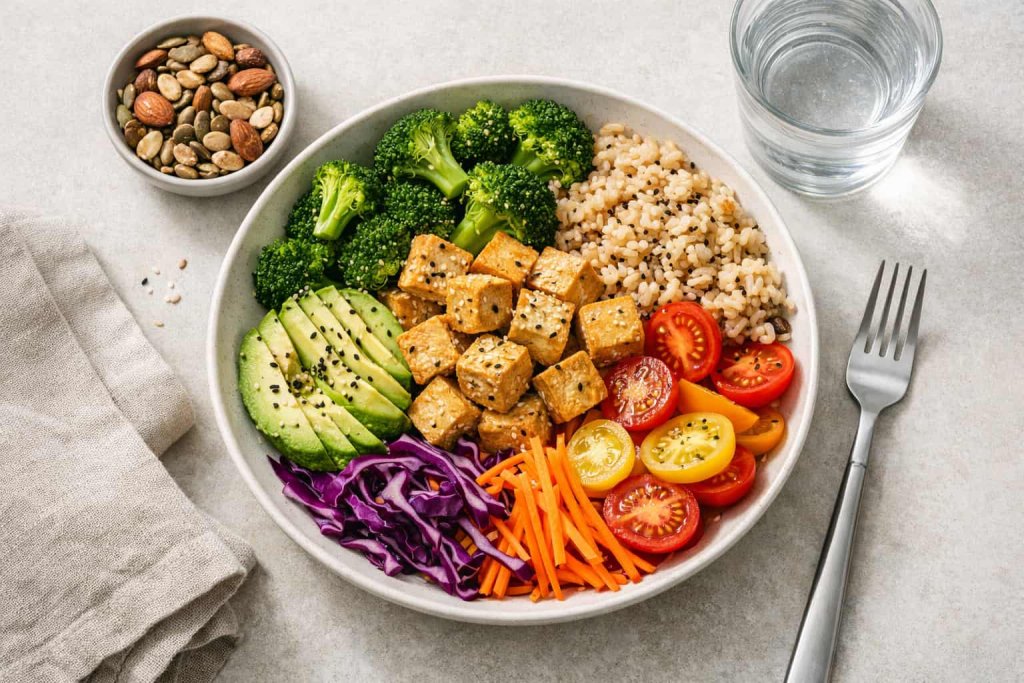
A dairy-free diet doesn’t automatically mean “healthier.” Benefits depend on why you’re doing it and what replaces dairy.
Symptom relief in lactose intolerance (for some people)
If lactose triggers GI symptoms, reducing lactose can help. Many people can tolerate some lactose—so a full dairy-free diet may be more restrictive than necessary.
Safety for milk allergy
If you have a true milk allergy, dairy-free is a key safety step—because reactions are driven by milk proteins.
Diet quality can improve if swaps are nutrient-dense
Some people end up eating more:
- Beans, lentils, tofu/tempeh
- Nuts/seeds
- Fish, eggs, poultry (if not vegetarian/vegan)
- Fruits and vegetables
But this only happens when the “replacement plan” is intentional.
Read Also: Dairy Free Diet Meal Plan: 7 Days of Easy Balanced Meals
Risks of a dairy free diet (the common “hidden” downsides)
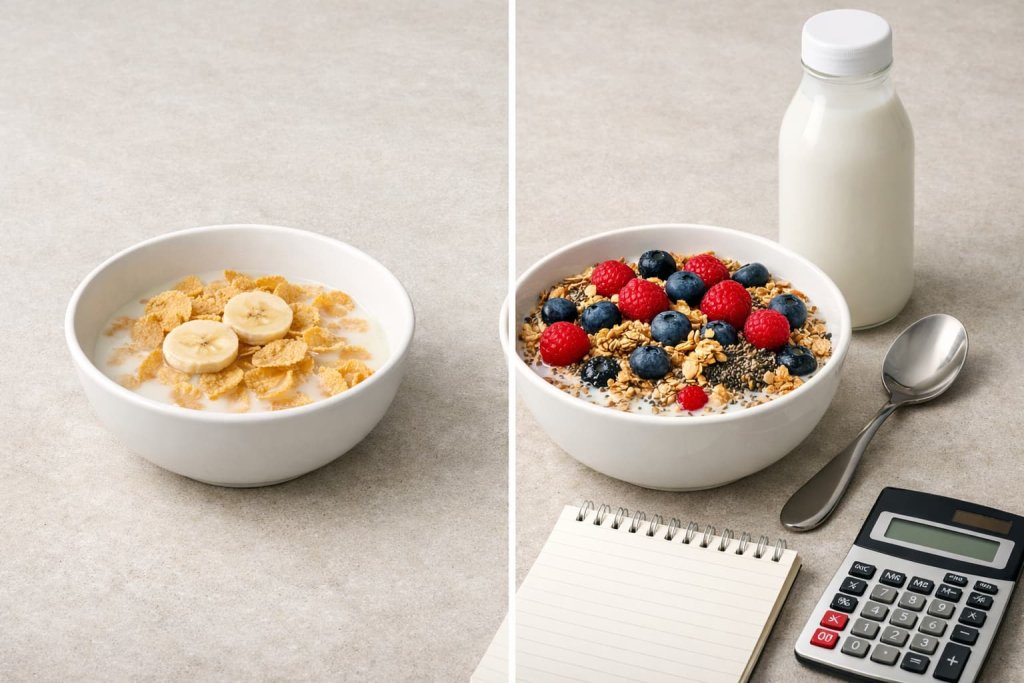
The most common issue isn’t protein—it’s missing micronutrients that dairy often supplies in everyday diets.
Nutrients that often drop without dairy
- Calcium
- Vitamin D
- Iodine
- Sometimes vitamin B12 and riboflavin (B2), depending on the rest of your diet
In the U.S. Dietary Guidelines, calcium and vitamin D are highlighted as nutrients many people under-consume. (You can review the overall pattern guidance in the Dietary Guidelines for Americans.)
“Plant milk” nutrition varies a lot
This is where many dairy-free diets go wrong: not all plant-based beverages are nutritionally similar to milk. Some are very low in protein and may not be fortified.
The U.S. Food and Drug Administration explains how nutrient profiles differ and why label checking matters.
Nutrients to watch on a dairy free diet (and the best replacements)

Below is a practical “watch list” you can use to plan meals and shop smarter.
Dairy-free nutrients to watch table
| Nutrient to watch | Why it matters | Strong dairy-free sources | Label tip |
|---|---|---|---|
| Calcium | Bone and tooth structure; muscle and nerve function | Calcium-set tofu, fortified soy milk/yogurt, fortified juices, canned salmon/sardines with bones, some greens | Aim for a fortified beverage with ~300 mg calcium per serving when possible |
| Vitamin D | Helps your body absorb calcium; supports bone health | Fortified beverages/foods; fatty fish; eggs (some) | Check for vitamin D fortification (amount varies) |
| Iodine | Needed to make thyroid hormones | Iodized salt (in appropriate amounts), seafood, dairy-free fortified foods (limited), some seaweed (variable) | Don’t assume plant milks contain iodine—many don’t |
| Protein | Fullness, muscle maintenance, growth | Soy milk, soy yogurt, tofu/tempeh, beans/lentils, eggs, fish/poultry/meat (if used) | Compare grams per serving—many almond/oat drinks are low |
| Vitamin B12 | Nerve function and blood cell formation | Fish/meat/eggs (if used), fortified foods (common in vegan patterns) | If vegan, prioritize reliable fortified sources |
For official daily intake targets and food sources:
- Calcium: NIH Office of Dietary Supplements
- Vitamin D: NIH Office of Dietary Supplements
- Iodine: NIH Office of Dietary Supplements
Best dairy substitutes that actually “replace” nutrients
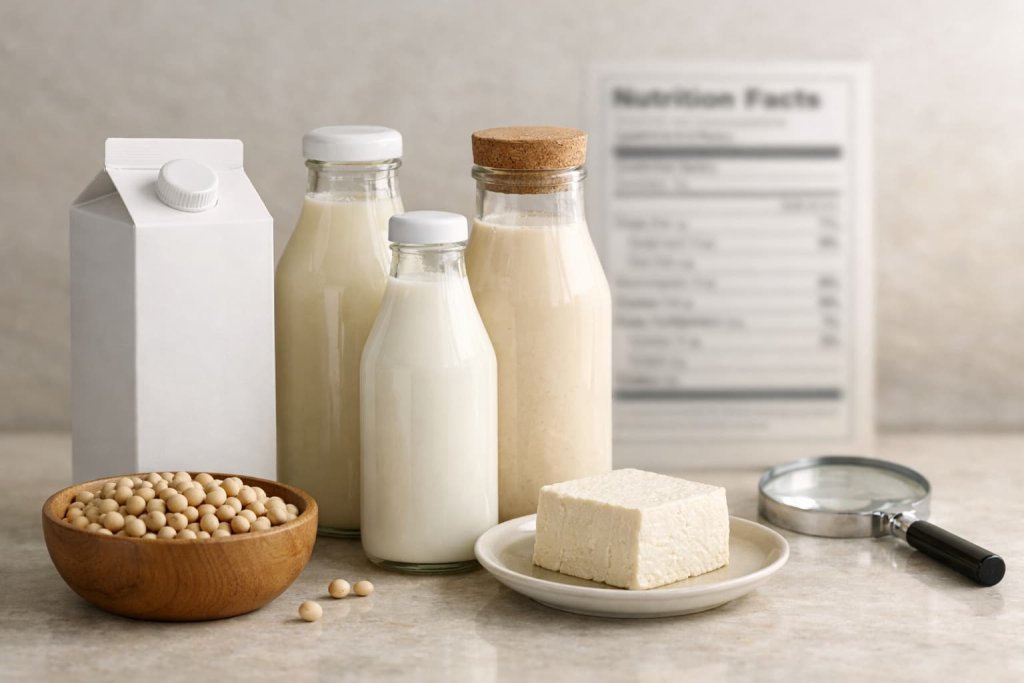
Fortified soy milk and fortified soy yogurt are the closest match
If you want a swap that behaves most like dairy nutritionally, fortified soy is the most consistently comparable option in U.S. guidance.
Other plant milks can still work, but treat them as beverages—not “milk equivalents”
Almond, oat, rice, coconut, and blends vary widely. Some are fortified; many are low in protein. These can fit in a dairy-free diet, but you may need to replace protein and minerals elsewhere in the day.
Quick checklist: how to choose a better plant milk
When you want a true milk replacement, compare products using the Nutrition Facts label:
- Protein: pick options with higher protein (often soy or pea-based)
- Calcium: look for a meaningful calcium amount per serving (fortified)
- Vitamin D: check whether it’s fortified (and how much)
- Added sugar: choose unsweetened when possible
- Sodium: keep it reasonable (especially if you drink it daily)
If your plant milk isn’t fortified or is very low in protein, treat it as a beverage you enjoy—not as a nutrition equivalent to milk.
Watch added sugars and “dessert-style” products
Flavored plant milks, sweetened yogurts, and dairy-free ice creams can add a lot of sugar. Choose unsweetened versions when possible.
Label-reading checklist for hidden dairy (quick scan)
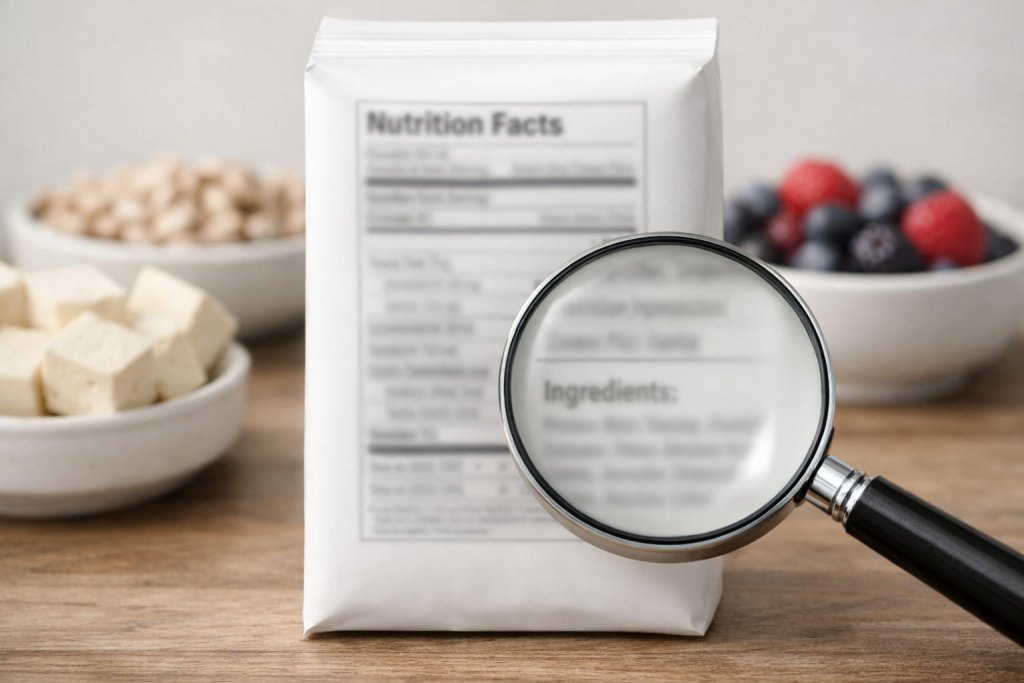
If you’re dairy-free for allergy reasons, ingredient lists matter more than “dairy-free” marketing.
Look for:
- Milk, cream, butter, cheese, yogurt
- Whey
- Casein, caseinate
- Milk powder, milk solids
- “Contains: Milk” allergen statement (common on packaged foods)
Tip: “Non-dairy” on a label does not always mean “no milk ingredients.” Always check the ingredient list and allergen statement.
Dairy-free when eating out (cross-contact matters)
If you avoid dairy due to a milk allergy, ingredient lists aren’t the only issue—cross-contact can happen in shared kitchens. When ordering:
- Ask if foods are cooked with butter, ghee, cream, or cheese (even “plain” items)
- Ask if the kitchen uses shared grills, fryers, or utensils for dairy-containing foods
- Request clean utensils and a clean prep surface when possible
- Keep a simple “must avoid” list ready (milk, butter, ghee, cheese, whey, casein)
If you’re dairy-free for lactose intolerance rather than allergy, cross-contact is usually less of a concern, but hidden dairy ingredients can still cause symptoms.
Safety box: How to go dairy-free without nutrient gaps

- Choose fortified, unsweetened soy milk (or another fortified option) if you want a true “milk replacement.”
- Build at least one high-calcium food into your day (calcium-set tofu, fortified beverage, canned fish with bones).
- Don’t forget iodine—use iodized salt appropriately and discuss supplementation if you avoid seafood and don’t use iodized salt.
- If you’re vegan, ensure reliable vitamin B12 from fortified foods or supplements.
- If you’re switching a child to non-dairy beverages, follow pediatric guidance and prioritize fortified options that support growth.
Simple 1-day dairy-free meal example (covers common nutrient gaps)
Use this as a template and adjust portions to your needs:
- Breakfast: Oatmeal made with fortified unsweetened soy milk + nut butter + fruit
- Lunch: Grain bowl with beans or tofu + lots of vegetables + olive oil + pumpkin seeds
- Snack: Hummus with veggies, or a handful of nuts + fruit
- Dinner: Salmon (or tofu) + roasted vegetables + a calcium-rich side (calcium-set tofu, fortified beverage, or canned fish with bones if used)
Quick check: You want at least one reliable calcium source and one higher-protein choice somewhere in the day.
Common mistakes on a dairy free diet (and easy fixes)
- Mistake: Switching to sweetened plant milks and flavored dairy-free yogurts
Fix: Choose unsweetened versions and add your own fruit or cinnamon. - Mistake: Assuming all plant milks have similar nutrition
Fix: Compare protein and fortification (calcium + vitamin D). - Mistake: Forgetting iodine after removing dairy
Fix: Use iodized salt appropriately and include iodine-containing foods if you eat them. - Mistake: Relying heavily on dairy-free cheese and ice cream as “replacements”
Fix: Use them occasionally, but get core nutrients from fortified staples and whole foods.
People Also Ask about a dairy free diet
Is a dairy free diet healthier than a regular diet?
It can be, but it depends on what replaces dairy. A dairy-free diet built around whole foods and fortified staples can be balanced. A dairy-free diet built around sweetened drinks and processed substitutes may be less nutritious.
Can I still get enough calcium without dairy?
Yes—through fortified beverages, calcium-set tofu, canned fish with bones, and other calcium-rich foods. The key is consistency.
Do I need to go fully dairy-free for lactose intolerance?
Not always. Many people can tolerate some lactose, and options like lactose-free dairy, yogurt, or hard cheeses may work.
What is the best milk alternative nutritionally?
Fortified soy beverage is often the closest overall match for protein and key nutrients, but label-checking still matters.
Are plant-based cheeses and ice creams good replacements for dairy?
They can fit occasionally, but many are not strong sources of calcium or protein and may be high in saturated fat or added sugars. Treat them more like “treat foods” than nutrition replacements.
FAQ
1) How long does it take to feel better after going dairy-free?
If dairy is a trigger (allergy or lactose intolerance), some people notice changes within days to weeks. But results vary, and symptoms can have multiple causes.
2) Can I be dairy-free and still eat butter?
No. Butter is a dairy product. Some people with lactose intolerance tolerate small amounts, but it’s not dairy-free.
3) Is ghee dairy-free?
Ghee is made from butter. Some versions have very low lactose, but it’s still derived from dairy and not safe for milk allergy unless a clinician says otherwise.
4) Do I need a calcium supplement if I don’t eat dairy?
Not automatically. Many people can meet needs through fortified foods and calcium-rich meals. If your intake is consistently low, discuss supplements with a clinician.
5) Which plant milk is best for kids?
Guidance varies by age, but fortified unsweetened soy beverage is commonly listed as an appropriate alternative after 12 months in some guidance. Talk with a pediatric clinician if your child has allergies or limited food variety.
6) What’s the easiest high-protein dairy-free breakfast?
Examples: tofu scramble + toast; oatmeal made with fortified soy milk + nut butter; eggs + fruit; or a bean-and-egg breakfast taco (if eggs are included).
7) How do I avoid iodine deficiency on a dairy-free diet?
Use iodized salt appropriately (unless you have a medical reason not to), include iodine-containing foods like seafood if you eat it, and ask a clinician whether a supplement is appropriate for your situation.
Conclusion
A dairy free diet can work well—and sometimes it’s necessary—but it’s not “set it and forget it.” If you go dairy-free, aim to replace what dairy provided: calcium, vitamin D, iodine, and (for many people) convenient protein. Start by choosing fortified staples, keep an eye on labels, and build a simple daily routine that covers the nutrient basics.
This content is for informational purposes only and not medical advice.
Sources/References
- USDA — Dairy Group – One of the Five Food Groups (Accessed: February 28, 2026)
- National Institute of Diabetes and Digestive and Kidney Diseases — Definition & Facts for Lactose Intolerance (Accessed: February 28, 2026)
- American College of Allergy, Asthma & Immunology — Milk Allergy | Causes, Symptoms & Treatment (Accessed: February 28, 2026)
- Centers for Disease Control and Prevention — Cow’s Milk and Milk Alternatives (Published: March 20, 2025; Accessed: February 28, 2026)
- U.S. Food and Drug Administration — Milk and Plant-Based Milk Alternatives: Know the Nutrient Difference (Published: February 22, 2023; Accessed: February 28, 2026)
- NIH Office of Dietary Supplements — Calcium: Fact Sheet for Consumers (Accessed: February 28, 2026)
- NIH Office of Dietary Supplements — Vitamin D: Fact Sheet for Consumers (Published: November 8, 2022; Accessed: February 28, 2026)
- NIH Office of Dietary Supplements — Iodine: Fact Sheet for Consumers (Published: May 1, 2024; Accessed: February 28, 2026)
- U.S. Department of Health and Human Services & U.S. Department of Agriculture — Dietary Guidelines for Americans, 2020–2025 (Published: December 2020; Accessed: February 28, 2026)