
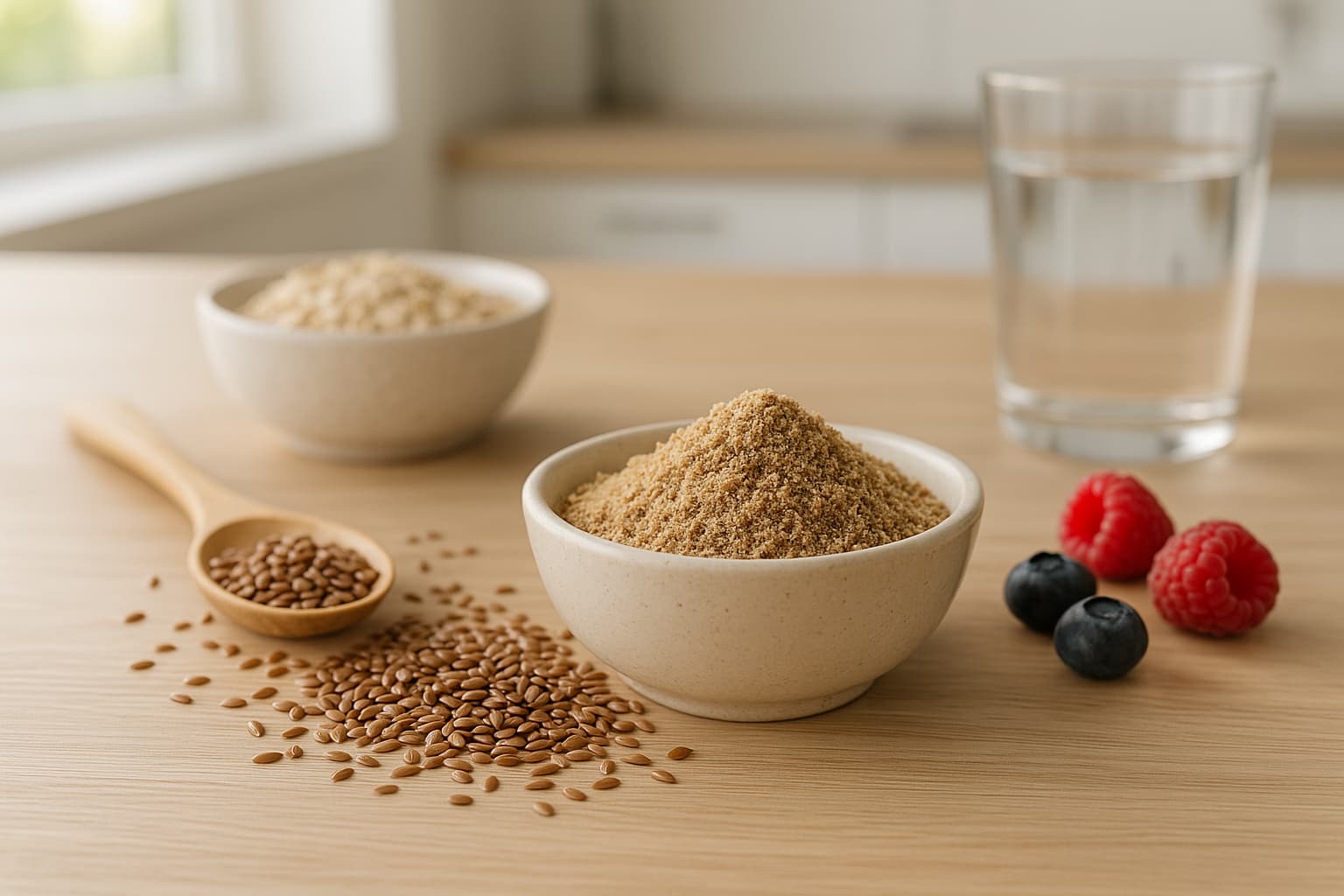
Flaxseed benefits come from its rich supply of fiber, plant-based omega-3s, and lignans, which may help support overall nutrition and daily wellness when included in a balanced diet. Understanding how flaxseed fits into healthy eating patterns is important because it is a nutrient-dense food often recommended by public health and academic nutrition sources for heart, digestive, and metabolic support. This guide focuses on evidence-based nutrition insights, practical use, and safety considerations, based on authoritative sources.
What Is Flaxseed? (Nutrition Overview)
Flaxseed comes from the Linum usitatissimum plant and is commonly consumed as a nutrient-dense food. It is widely studied in nutrition science because it provides dietary fiber, plant-based omega-3 fatty acids, and naturally occurring plant compounds, all of which contribute to overall dietary quality.
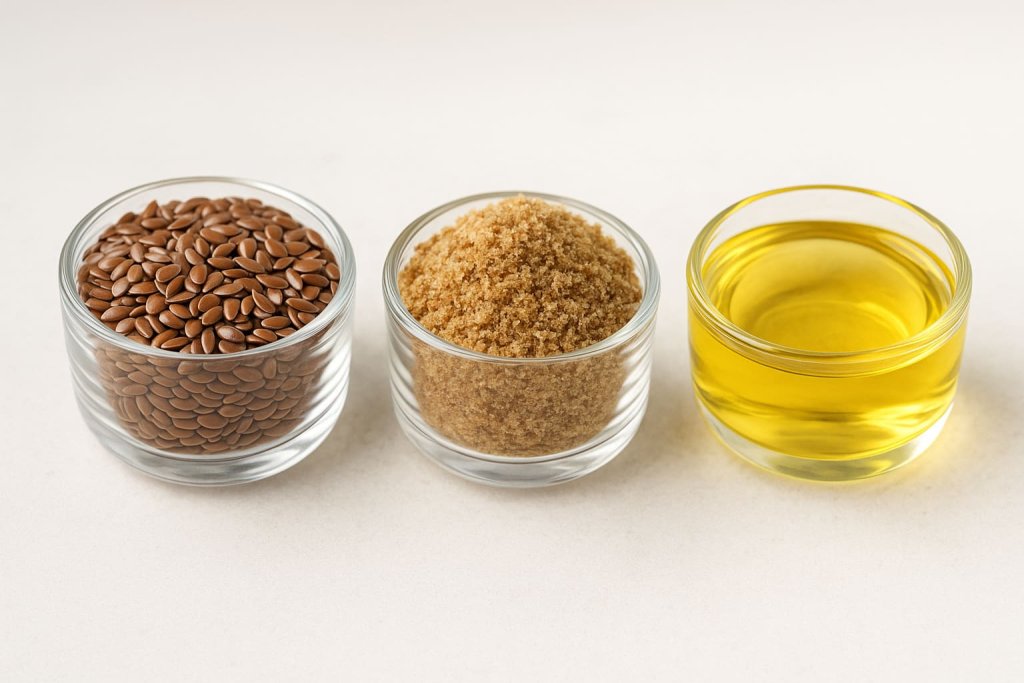
Flaxseed is available in three main forms: whole flaxseed, ground (milled) flaxseed, and flaxseed oil. From a nutrition perspective, ground flaxseed is most often recommended, as milling improves the absorption of key nutrients that may otherwise pass through the digestive system when seeds are eaten whole.
According to the National Institutes of Health Office of Dietary Supplements, flaxseed is one of the richest dietary sources of alpha-linolenic acid (ALA), an essential plant-based omega-3 fatty acid that must be obtained from food. Flaxseed also supplies both soluble and insoluble fiber, supporting normal digestion and helping increase overall fiber intake.
In addition, flaxseed is the most concentrated commonly consumed source of lignans, a type of plant polyphenol. Information from the National Center for Complementary and Integrative Health notes that lignans contribute antioxidant activity as part of a balanced diet.
Flaxseed Nutrition Overview (Typical Ground Flaxseed)
| Nutrient | Approximate Amount (1 Tbsp / ~7 g) | Nutrition Context |
|---|---|---|
| Calories | ~37 kcal | Provides energy in a small serving |
| Dietary Fiber | ~3 g | Supports digestive regularity and fiber adequacy |
| Protein | ~2 g | Contributes to plant-based protein intake |
| Total Fat | ~3 g | Mostly unsaturated fats |
| Alpha-Linolenic Acid (ALA) | ~2.3 g | Essential plant-based omega-3 fatty acid |
| Lignans | High (varies by variety) | Plant polyphenols with antioxidant activity |
| Magnesium | ~27 mg | Supports normal muscle and nerve function |
| Phosphorus | ~44 mg | Important for bone structure and energy metabolism |
| Iron | ~0.6 mg | Contributes to oxygen transport as part of total intake |
Nutrition values are approximate and based on data from the U.S. Department of Agriculture and summaries from the National Institutes of Health. Values may vary depending on seed variety and preparation.
Overall, flaxseed is best viewed as a whole-food ingredient that supports balanced nutrition, rather than a supplement intended to manage or prevent medical conditions. When used in moderate, food-based amounts, it fits well into fiber-rich and plant-forward eating patterns.
10 Proven Flaxseed Benefits Backed by Science
1. Rich Source of Plant-Based Omega-3 Fatty Acids
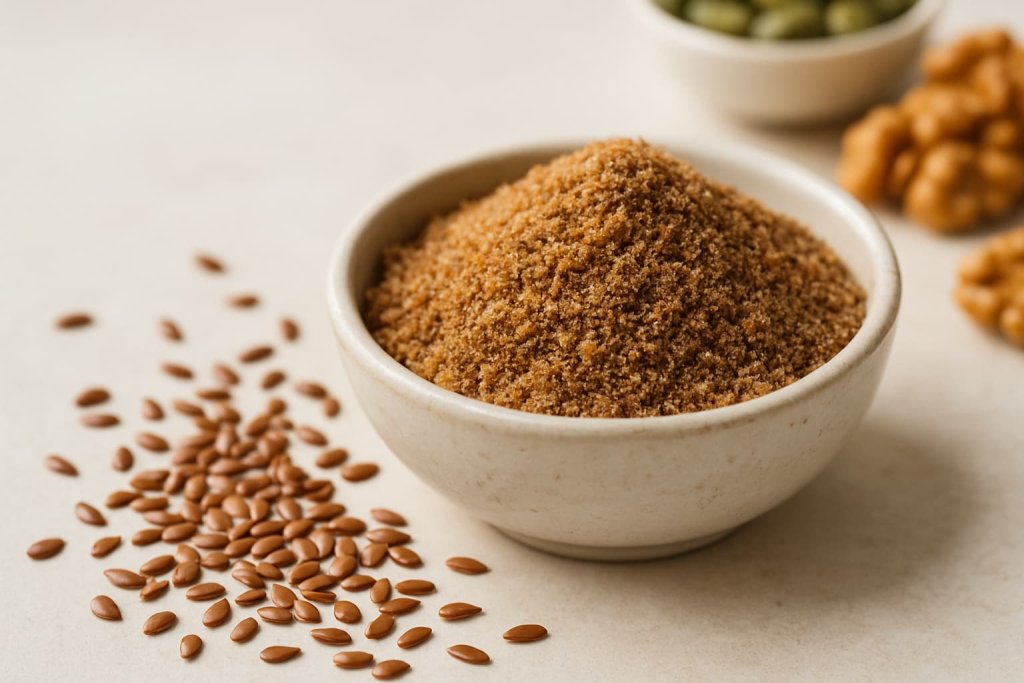
Flaxseed is one of the most concentrated food sources of alpha-linolenic acid (ALA), an essential plant-based omega-3 fat. According to the National Institutes of Health Office of Dietary Supplements, ALA supports normal cellular and cardiovascular function and must be obtained from the diet. Including flaxseed may help support omega-3 intake, particularly for individuals who consume little or no fish.
2. Supports Heart-Healthy Nutrition Patterns

Whole and ground flaxseed have been studied for their role in heart-supportive dietary patterns. Research from the National Library of Medicine indicates that flaxseed intake is associated with improvements in certain lipid markers, such as total and LDL cholesterol, when consumed as part of a balanced diet. These findings are linked to flaxseed’s fiber, ALA, and lignan content rather than acting as a standalone solution.
3. May Help Support Healthy Blood Pressure Levels

Several controlled trials summarized by the National Library of Medicine suggest that flaxseed consumption may help support healthy blood pressure levels, especially in adults with elevated baseline readings. These effects appear most consistently when flaxseed is used regularly alongside other heart-healthy lifestyle habits.
4. High in Dietary Fiber for Digestive Wellness
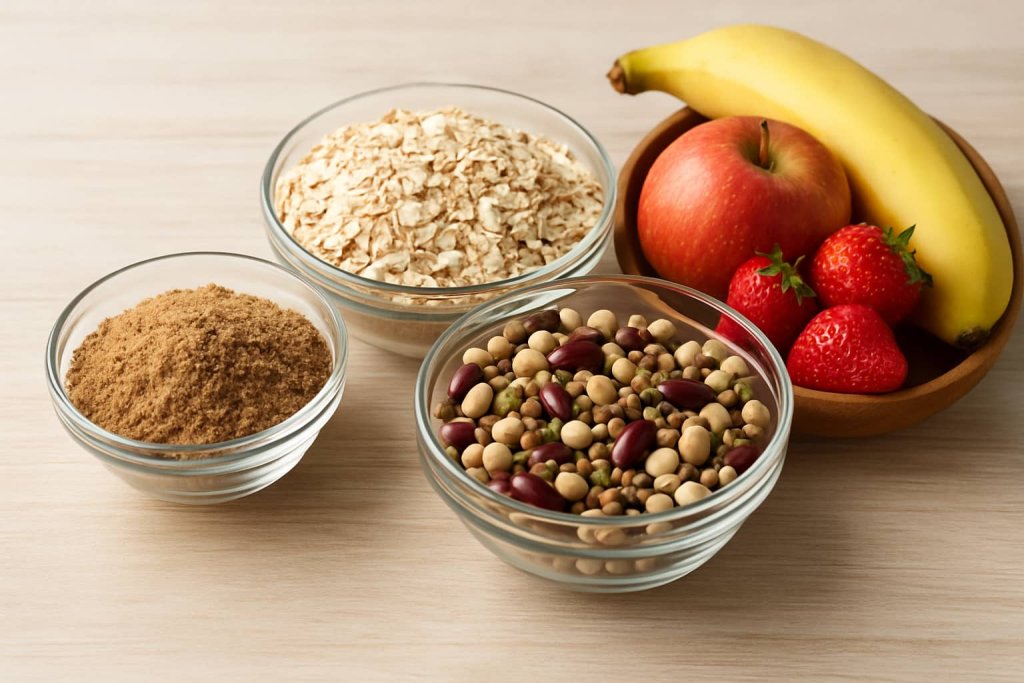
Flaxseed provides both soluble and insoluble fiber, which play complementary roles in digestion. According to the National Institutes of Health, adequate fiber intake supports normal bowel function and regularity. Adding flaxseed to meals may help support digestive wellness, particularly for individuals with low fiber intake.
5. Provides Lignans With Antioxidant Properties
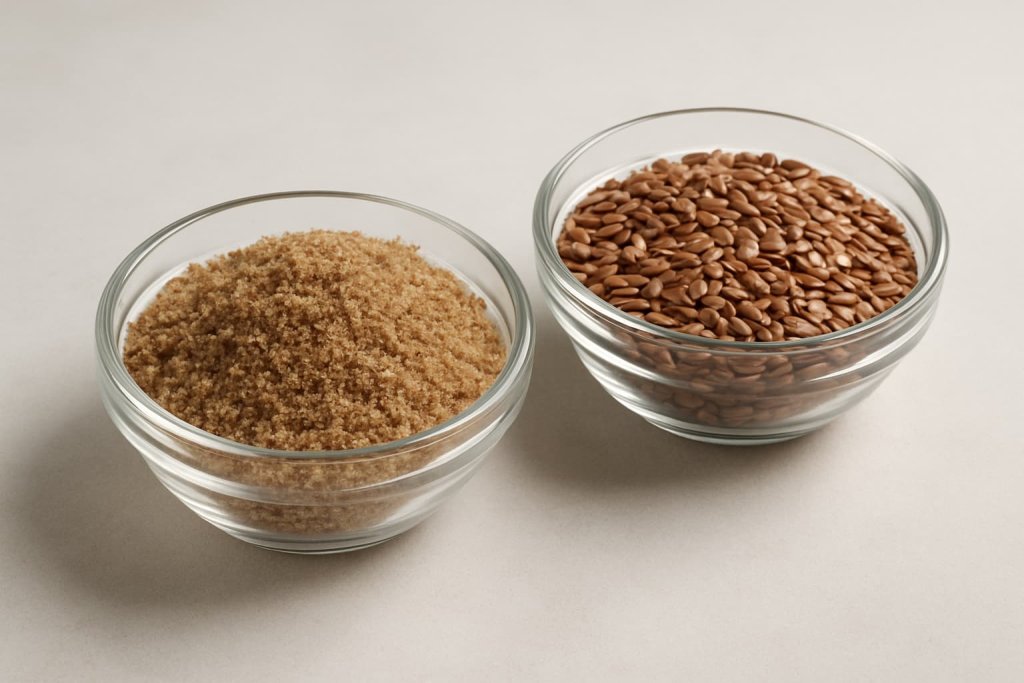
Flaxseed is the richest known dietary source of lignans, a type of plant polyphenol. Information from the National Center for Complementary and Integrative Health notes that lignans have antioxidant activity and are studied for their role in overall dietary quality. Their presence contributes to flaxseed’s nutritional value rather than serving a therapeutic purpose.
6. Supports Balanced Blood Sugar as Part of a Healthy Diet

Systematic reviews indexed by the National Library of Medicine indicate that flaxseed intake may help support healthy blood sugar markers, particularly in adults with metabolic concerns. These findings emphasize flaxseed’s role within broader dietary patterns, not as a replacement for medical care or prescribed nutrition plans.
7. Helps Close Common Fiber Intake Gaps
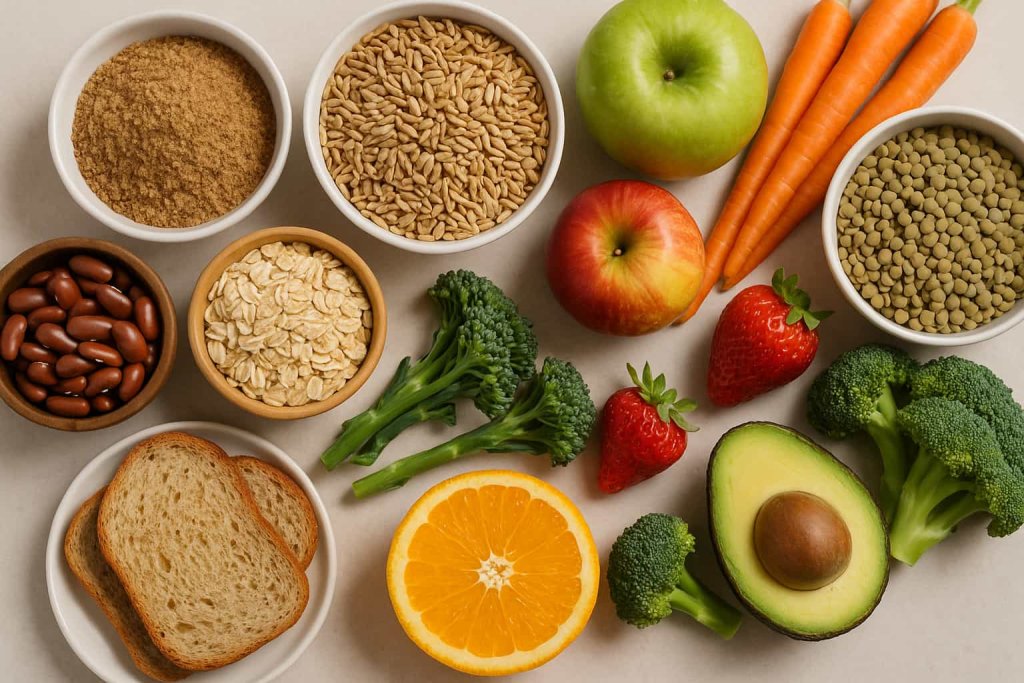
Most adults consume less fiber than recommended. The Dietary Guidelines for Americans highlight fiber as a nutrient of public health concern. Because flaxseed delivers several grams of fiber in a small serving, it may help individuals move closer to daily fiber goals when used consistently in meals.
8. Contributes to Satiety and Meal Satisfaction

Flaxseed’s combination of dietary fiber, healthy fats, and plant-based protein may help support feelings of fullness after meals. Fiber slows digestion and contributes to bulk in the stomach, which can help you feel satisfied longer and support appetite awareness as part of balanced eating patterns. Research indexed by the National Library of Medicine shows that higher dietary fiber intake is associated with increased satiety and may help regulate food intake when consumed as part of whole, minimally processed foods.
According to the Centers for Disease Control and Prevention healthy eating tips, many adults need to increase their intake of fiber-rich foods, because fiber helps maintain digestive health and can help you feel fuller longer after meals. This can make it easier to choose nutrient-dense foods and support overall healthy eating habits.
Flaxseed fits well into this pattern when used in appropriate food-based amounts, such as added to cereals, smoothies, or yogurt, because it enhances filling power without adding excessive calories and contributes to overall meal satisfaction within a balanced diet.
9. Supports Overall Anti-Inflammatory Nutrition Patterns

Recent evidence summarized in the National Library of Medicine suggests flaxseed consumption may be associated with favorable changes in certain inflammation-related markers. These findings reflect dietary pattern effects rather than disease-specific outcomes and vary depending on population and intake form.
10. Nutrient-Dense Addition to Plant-Forward Eating

Flaxseed aligns well with Mediterranean-style and plant-forward eating patterns promoted by the American Heart Association. Its combination of fiber, ALA omega-3s, and plant compounds supports overall dietary quality and nutrient density without relying on animal-based sources.
How to Use Flaxseed Safely and Effectively
Ground vs Whole vs Oil: Key Differences
Flaxseed is available in several forms, each with distinct nutritional characteristics. Ground (milled) flaxseed provides fiber, plant-based omega-3s (ALA), and lignans in a form the body can absorb more easily. Whole flaxseed contains the same nutrients but may pass through the digestive system partially undigested if not chewed thoroughly. Flaxseed oil supplies ALA omega-3s but does not provide fiber or lignans.
According to the National Center for Complementary and Integrative Health, many nutrition studies focus on ground flaxseed because it delivers the broadest range of naturally occurring compounds found in the seed.
Typical Food-Based Amounts Used in Research
Most nutrition research uses modest, food-based amounts of flaxseed rather than high-dose supplementation. Common study ranges fall between 1 and 2 tablespoons of ground flaxseed per day, incorporated into meals such as cereals, yogurt, or baked foods.
Research summarized by the National Library of Medicine emphasizes moderation and consistency, highlighting flaxseed as a dietary component rather than a concentrated intervention.
Storage, Preparation, and Freshness Tips
Proper handling helps preserve flaxseed’s nutritional quality:
- Grinding: Whole flaxseed can be ground at home using a coffee or spice grinder for improved absorption.
- Refrigeration: Ground flaxseed is best stored in an airtight container in the refrigerator.
- Oxidation awareness: Because flaxseed contains polyunsaturated fats, exposure to heat, light, and air may reduce freshness over time.
Guidance from the U.S. Department of Agriculture supports proper storage of seeds and oils to maintain nutrient stability.
Who Should Be Cautious With Flaxseed (YMYL Required)
Pregnant or Breastfeeding Individuals
Safety data on regular flaxseed or flaxseed oil intake during pregnancy and breastfeeding are limited. The National Center for Complementary and Integrative Health advises avoiding flaxseed supplements during pregnancy due to potential hormonal activity, and recommends consulting a healthcare professional for individualized guidance.
People Taking Blood-Thinning or Blood-Sugar-Affecting Medications
Flaxseed may influence blood clotting and blood sugar markers. According to the National Center for Complementary and Integrative Health, individuals taking anticoagulants, antiplatelet drugs, or medications that affect glucose regulation should speak with a healthcare professional before using flaxseed regularly.
Individuals With Digestive Conditions or Sensitivities
Because flaxseed is high in fiber, it may cause bloating or discomfort in individuals with digestive sensitivities or bowel conditions. The National Institutes of Health notes that increasing fiber intake should be done gradually to support tolerance and digestive comfort.
Importance of Adequate Fluid Intake
High-fiber foods like flaxseed should be consumed with sufficient fluids. According to the National Center for Complementary and Integrative Health, inadequate fluid intake combined with fiber supplements may increase the risk of digestive discomfort or blockage.
Flaxseed vs Flaxseed Oil (Nutrition Comparison)
What You Get From Whole or Ground Flaxseed
Whole and ground flaxseed provide a combination of:
- Dietary fiber
- Alpha-linolenic acid (ALA) omega-3s
- Lignans and other plant compounds
This combination supports overall dietary quality and aligns with nutrition-focused research outcomes.
What Flaxseed Oil Provides — and What It Lacks
Flaxseed oil delivers concentrated ALA omega-3s but does not contain fiber or lignans. According to the National Institutes of Health Office of Dietary Supplements, whole-food sources of omega-3s often provide additional nutrients that oils alone do not supply.
Frequently Asked Questions About Flaxseed Benefits
Is flaxseed better whole or ground?
Ground flaxseed is generally preferred because it allows better absorption of nutrients compared to whole seeds.
How much flaxseed should you consume daily?
Most studies use about 1–2 tablespoons per day as part of regular meals.
Does flaxseed oil provide the same benefits?
Flaxseed oil provides omega-3s but lacks the fiber and lignans found in whole or ground flaxseed.
Can flaxseed support weight management?
Flaxseed may help support satiety due to its fiber content, but it is not a weight-loss solution.
Is flaxseed safe to consume every day?
For most healthy adults, moderate daily intake as part of a balanced diet is considered safe.
Does flaxseed interact with medications?
It may interact with certain medications, particularly those affecting blood clotting or blood sugar, so professional guidance is recommended.
Conclusion
Flaxseed is a nutrient-dense food that can be incorporated into balanced eating patterns to support overall nutrition and wellness. Choosing the appropriate form, using moderate amounts, and understanding safety considerations help ensure flaxseed fits responsibly into everyday diets.
This content is for informational purposes only and not medical advice.