
Carrots may help support vision, heart health, digestion, and immune function — thanks to their rich supply of beta-carotene, fiber, and antioxidants.
Understanding the science behind carrots helps you make smarter nutritional choices that benefit your overall wellness. This article explores the top evidence-based health benefits of carrots, their key nutrients, and how to include them safely in your diet.
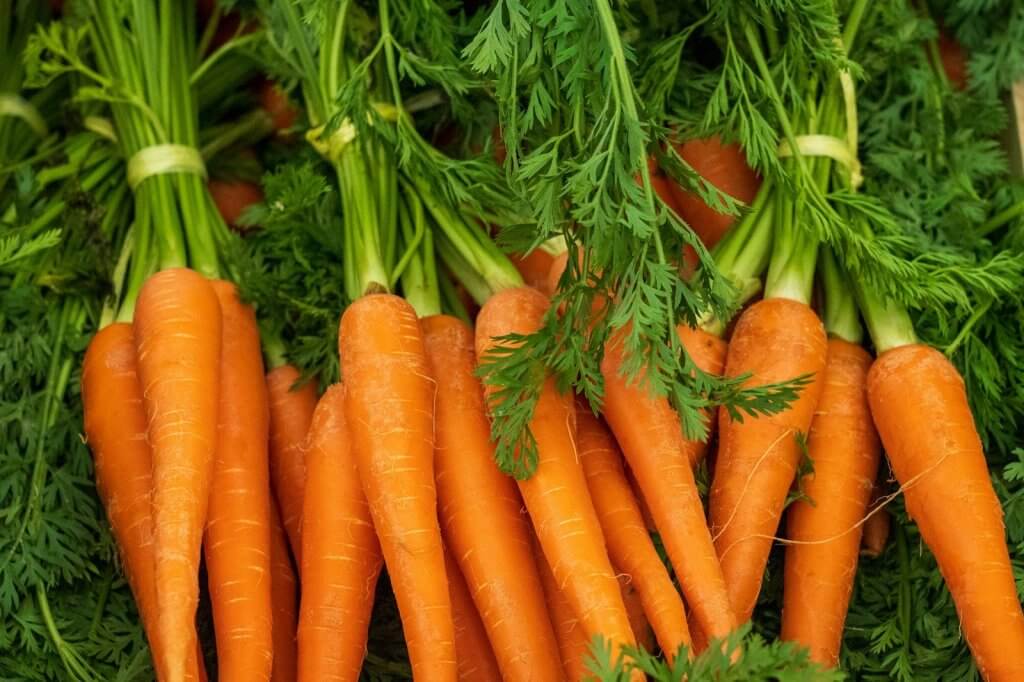
What Are Carrots? (Overview and Nutrition Profile)
Carrots (Daucus carota) are root vegetables belonging to the Apiaceae family, native to Europe and southwestern Asia but now cultivated worldwide. They are among the most widely consumed vegetables because of their natural sweetness, crunch, and rich nutritional profile. Carrots come in several colors — orange, purple, red, yellow, and white — each containing unique phytonutrients that support health in different ways.
- Orange carrots are rich in beta-carotene, a precursor to vitamin A that supports vision and immune health.
- Purple carrots contain anthocyanins, powerful antioxidants linked to inflammation balance and cardiovascular support.
- Red carrots provide lycopene, a carotenoid associated with heart and skin health.
- Yellow carrots are rich in lutein, which may help maintain healthy eyes.
- White carrots have mild flavor and contain fiber for digestive wellness.
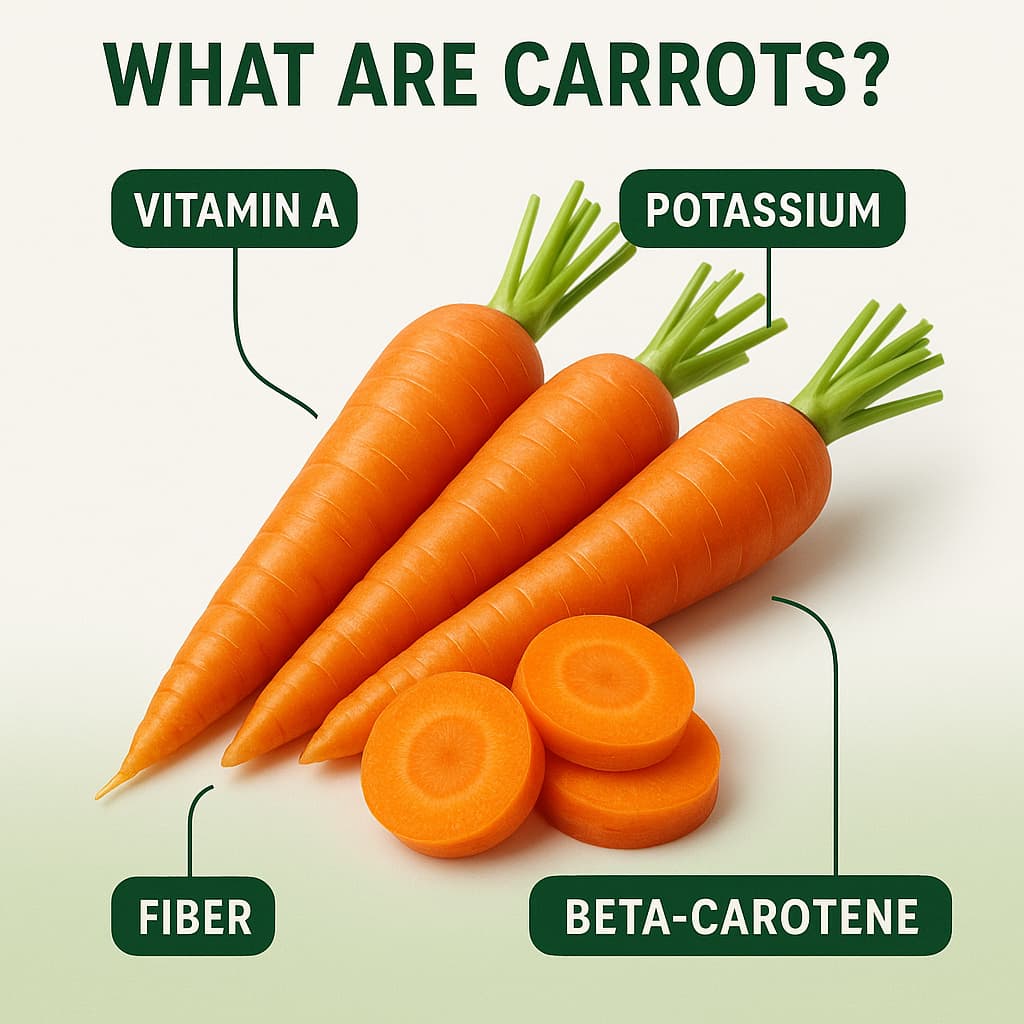
According to the USDA FoodData Central (2024), 100 grams of raw carrots provide:
| Nutrient | Amount | % Daily Value* |
|---|---|---|
| Calories | 41 kcal | 2% |
| Carbohydrates | 9.6 g | 3% |
| Dietary Fiber | 2.8 g | 10% |
| Protein | 0.9 g | 2% |
| Total Fat | 0.2 g | <1% |
| Vitamin A (as Beta-Carotene) | 835 µg RAE | 93% |
| Vitamin K1 | 13.2 µg | 11% |
| Potassium | 320 mg | 7% |
| Vitamin C | 5.9 mg | 7% |
*Percent Daily Values are based on a 2,000-calorie diet.
Carrots are naturally low in fat and sodium yet rich in antioxidants, fiber, and micronutrients that support multiple areas of health, from vision and skin to digestion and immunity. Their mild flavor and versatility make them easy to include in both raw and cooked dishes.
In short: Carrots are a nutrient-dense, low-calorie vegetable that supports overall wellness through their wide range of vitamins, minerals, and phytonutrients.
Authoritative source: USDA FoodData Central – Carrots (Raw) | Harvard T.H. Chan School of Public Health – Vegetables and Health
10 Proven Health Benefits of Carrots (Backed by Science)
Carrots are nutrient-dense vegetables that may help support vision, heart health, digestion, and overall wellness. Scientific studies show that their natural pigments and fibers contribute to multiple areas of health when enjoyed as part of a balanced diet.
1. Supports Eye and Vision Health

Carrots are best known for supporting healthy eyesight. They are naturally rich in beta-carotene, which the body converts to vitamin A, an essential nutrient for the retina and night vision.
According to the Harvard T.H. Chan School of Public Health, adequate vitamin A intake helps maintain the integrity of the cornea and supports light-sensing cells in the eye.
A 2023 review in Frontiers in Nutrition reported that diets high in carotenoid-rich foods such as carrots may help maintain visual performance and reduce risk of age-related eye changes. In addition to beta-carotene, lutein and zeaxanthin in carrots may help filter blue-light exposure and support macular health.
Key nutrients: Beta-carotene, lutein, zeaxanthin
2. Promotes Heart and Cardiovascular Health
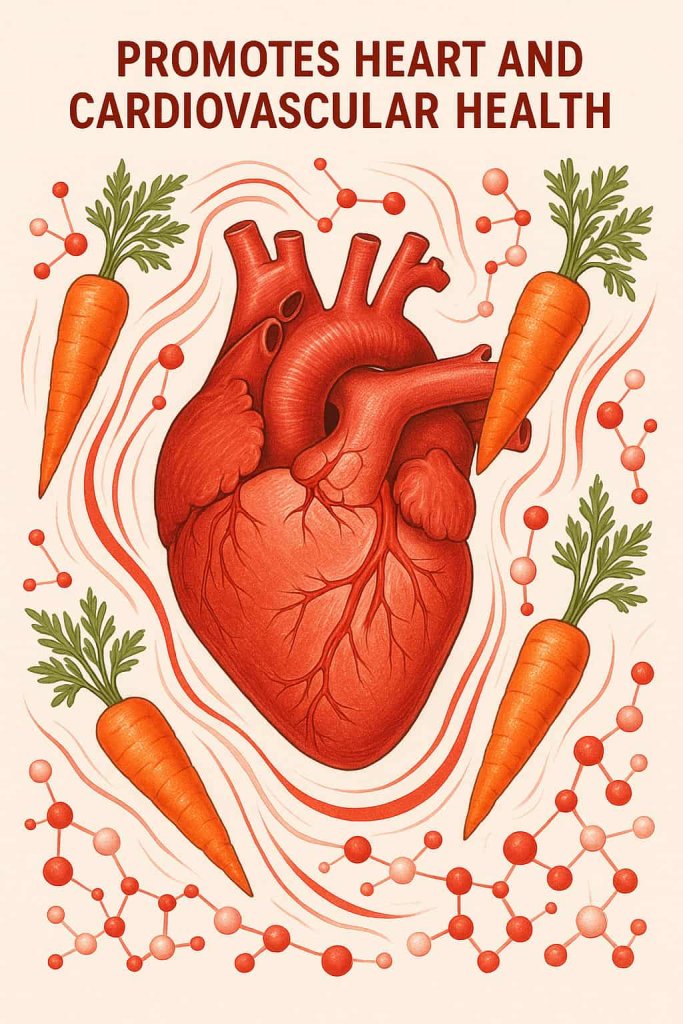
Carrots contain soluble fiber and antioxidants that support normal cholesterol metabolism and vascular health. The American Heart Association notes that diets high in fiber and plant-based antioxidants may help maintain healthy blood pressure and circulation (AHA Carrot and Heart Health).
A 2023 University of Illinois study found that carotenoid-processing enzymes in carrots contribute to balanced lipid metabolism, which may support cardiovascular resilience. Regularly including carrots — raw sticks, grated salads, or lightly steamed sides — can add fiber and potassium without excess calories or sodium.
Practical tip: Enjoy raw carrot sticks or add shredded carrots to salads for a daily fiber boost.
3. Supports Healthy Digestion
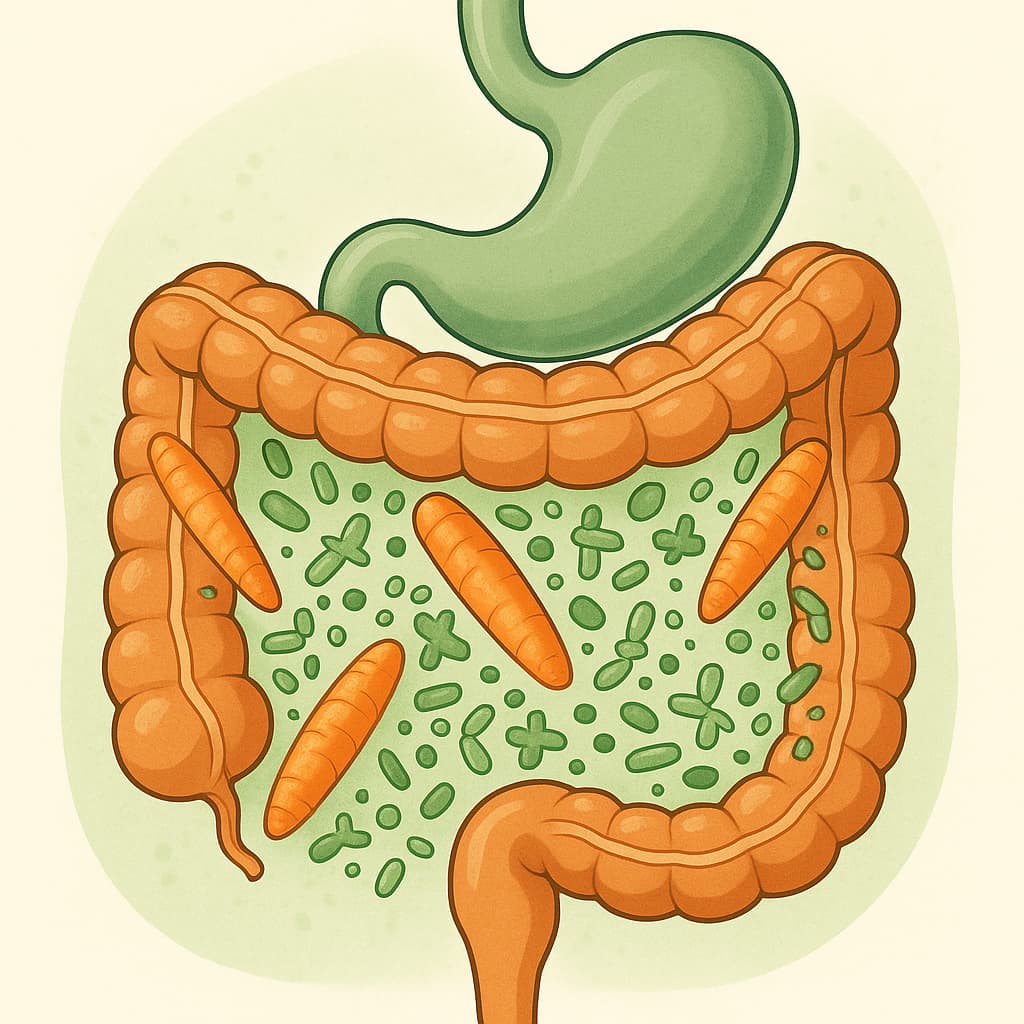
Carrots are an excellent source of dietary fiber, which plays a key role in supporting healthy digestion and gut balance. The insoluble fiber in carrots adds bulk to stool and promotes regular bowel movements, while soluble fiber ferments in the intestine to nourish beneficial gut bacteria.
According to the Cleveland Clinic, fiber helps keep the digestive system regular, supports microbial diversity, and contributes to long-term intestinal wellness. Meeting daily fiber needs may also support healthy cholesterol and blood sugar levels — additional benefits of a balanced, fiber-rich diet.
With about 2.8 grams of fiber per 100 grams, carrots provide a convenient and nutrient-dense way to promote digestive regularity and maintain gut health naturally.
Key nutrient: Fiber (2.8 g per 100 g)
4. May Support Immune Function
Carrots supply vitamin A, vitamin C, and antioxidant carotenoids that support normal immune defense. Vitamin A is essential for the health of mucosal barriers — such as those lining the respiratory tract — which form the body’s first line of defense against pathogens.
A 2022 review in Food & Function found that beta-carotene and lutein may strengthen immune cell activity and antioxidant balance. The NIH Office of Dietary Supplements also emphasizes vitamin A’s role in immune cell differentiation and epithelial integrity.
Regular carrot consumption contributes to a diet that supports immune readiness year-round.
5. Supports Skin Health and Natural Glow
Carotenoids such as beta-carotene and lycopene in carrots may help support skin appearance and resilience. These pigments accumulate in the skin and may help neutralize oxidative stress from sunlight and environmental factors.
A 2023 study in Nutrients reported that higher blood levels of carotenoids were associated with improved skin tone and elasticity. Carrot nutrients may also support collagen synthesis through their antioxidant effects.
Quick tip: Pair carrots with a small amount of healthy fat – such as olive oil or avocado – to enhance carotenoid absorption.
6. May Help Balance Blood Sugar
Carrots have a low glycemic load (2–4) and a moderate glycemic index, meaning they cause a slow, steady increase in blood glucose.
The fiber in carrots slows carbohydrate digestion and supports stable post-meal glucose levels.
According to Harvard Health Publishing, low-GI vegetables like carrots are appropriate for balanced meal plans, including those designed for diabetes management.
Practical tip: Combine carrots with protein or healthy fats to further slow glucose absorption.
7. May Support Healthy Weight Management

Low in calories yet high in fiber and water, carrots promote fullness and satiety. Eating carrots before or during meals may help reduce calorie intake without compromising nutrition.
A 2024 meta-analysis published in Appetite found that low-energy-density foods such as carrots support portion control and weight stability over time. Their sweet flavor satisfies cravings naturally, making them an ideal snack alternative.
Key benefit: Fills you up, not out – one cup of raw carrots contains only about 50 calories.
8. Provides Antioxidant and Anti-Inflammatory Compounds
Carrots are abundant in polyphenols, carotenoids, and specialized phytonutrients that help counter oxidative stress. Compounds such as falcarinol, falcarindiol, and anthocyanins (in purple carrots) have been studied for their roles in supporting cellular protection.
Research published on ScienceDirect in 2023 showed that carrot-derived phenolics exhibit antioxidant capacity that may help maintain inflammatory balance when combined with a plant-rich diet.
Regular consumption of colorful carrots provides a spectrum of antioxidants beneficial for long-term cellular health.
9. Supports Bone and Cellular Health
Carrots contain vitamin K1, potassium, and trace minerals that contribute to bone metabolism and nerve function. Vitamin K helps activate proteins responsible for bone mineralization, while potassium assists in maintaining proper acid-base balance critical for bone preservation.
The NIH Office of Dietary Supplements notes that consistent intake of vitamin K-rich foods may support bone density and vascular health. Including carrots alongside leafy greens can help meet daily vitamin K needs naturally.
10. Encourages Long-Term Healthy Eating Habits
Carrots are accessible, versatile, and naturally sweet, making them a simple gateway to healthier eating patterns. Their bright colors and crunch add appeal to meals, encouraging higher fruit-and-vegetable intake overall.
Replacing processed snacks with raw or roasted carrots supports nutrient-dense, plant-forward eating habits that align with dietary recommendations from the U.S. Department of Agriculture. Whether added to soups, smoothies, or salads, carrots integrate easily into everyday nutrition.
Possible Side Effects and Precautions
Carrots are generally safe and nutritious for most people when eaten in moderation. However, certain considerations are important for maintaining balanced, evidence-based health practices.
- Excess beta-carotene intake: Eating very large amounts of carrots can cause carotenemia—a harmless condition in which the skin takes on a yellow-orange tint due to excess carotene in the bloodstream. It’s reversible and not dangerous, but moderation is best.
- Allergies and sensitivities: People with birch pollen allergies may experience mild Oral Allergy Syndrome (OAS) after eating raw carrots, causing brief itching or tingling in the mouth or throat. According to the American Academy of Allergy, Asthma & Immunology (AAAAI), this reaction occurs because carrot proteins resemble birch pollen. Cooking or peeling carrots usually prevents symptoms. Consult an allergist if reactions persist.
- Medication interactions: Carrots contain vitamin K1, which can influence blood clotting. Those on blood-thinning medications (such as warfarin) should maintain consistent vitamin K intake and consult healthcare providers before making dietary changes. (NIH Office of Dietary Supplements – Vitamin K)
- Sugar content awareness: While carrots are low in calories, they contain natural sugars. For individuals managing blood sugar, portion control and pairing with proteins or healthy fats are advised.
Bottom line: Carrots are a safe, nutrient-rich food, but balanced consumption is key to ensuring optimal benefits without unnecessary excess.
How to Eat and Store Carrots
Eating and Preparation Tips:
Carrots can be eaten raw, cooked, or juiced — each method offers unique benefits.
- Raw carrots preserve vitamin C and fiber content.
- Steamed or roasted carrots enhance the absorption of beta-carotene and other fat-soluble nutrients.
- Juiced carrots provide concentrated antioxidants but remove fiber — enjoy occasionally as part of a balanced diet.
Pair carrots with healthy fats such as olive oil, nuts, or avocado to increase carotenoid absorption.
Storage and Food Safety:
Proper storage helps maintain the freshness, texture, and nutritional quality of carrots while reducing the risk of contamination. The U.S. Food and Drug Administration (FDA) recommends safe handling practices for all fresh vegetables, including carrots.
Best storage practices:
- Refrigeration: Store carrots at or below 40 °F (4 °C) to slow spoilage and preserve nutrients.
- Moisture control: Keep carrots unwashed until use to prevent moisture buildup that encourages microbial growth.
- Packaging: Use a perforated plastic bag or breathable container to maintain airflow and prevent condensation.
- Shelf life: Raw carrots typically last 1–2 weeks, while cooked carrots keep 3–4 days in an airtight container.
- Cleaning: Wash carrots thoroughly under running water before eating or cooking — avoid soap, bleach, or detergents, which are unsafe for food surfaces.
Following FDA guidance ensures your carrots stay safe, fresh, and nutrient-rich from purchase to plate.
Frequently Asked Questions (FAQ)
1. Are raw or cooked carrots healthier?
Both forms are beneficial — raw carrots retain more vitamin C, while cooking increases beta-carotene absorption.
2. Can eating carrots improve eyesight?
Carrots support healthy vision due to their beta-carotene and lutein content, but they do not reverse poor eyesight.
3. Are carrot juices as healthy as whole carrots?
Juices provide vitamins and antioxidants but lack fiber; whole carrots are better for digestive and metabolic health.
4. Do different carrot colors offer different benefits?
Yes. Purple carrots are rich in anthocyanins, red carrots contain lycopene, and yellow carrots provide lutein — all with distinct antioxidant properties.
5. How many carrots can I safely eat daily?
1 medium carrot (or about 100 grams) per day supports vitamin A needs without risk of carotenemia.
6. Are carrots suitable for people with diabetes?
Yes. Carrots have a low glycemic load and can be included in balanced, controlled meal plans.
7. Can I eat carrots every day?
Yes — daily consumption supports nutrient intake, but vary your diet with other colorful vegetables for broader nutritional coverage.
Conclusion
Carrots are one of the most nutrient-dense and versatile vegetables available, offering a rich mix of vitamin A, fiber, potassium, and antioxidants that may support eye, heart, digestive, and immune health. Their bright color, low calorie count, and natural sweetness make them a practical choice for both everyday meals and long-term healthy eating habits.
Incorporating carrots into salads, soups, smoothies, or roasted dishes can enhance both flavor and nutrition. For the greatest benefit, combine them with other vegetables and healthy fats to support nutrient absorption.
This content is for informational purposes only and not medical advice.
References
- USDA FoodData Central – Carrots (Raw) Nutrient Profile
- Harvard T.H. Chan School of Public Health – Vitamin A and Carotenoids
- Cleveland Clinic – Why Fiber Is Key for Gut Health
- American Heart Association – What’s Up with Carrots? Let’s Root Out the Truth
- NIH Office of Dietary Supplements – Vitamin K Fact Sheet