
Electrolytes are essential minerals that support hydration, nerve signaling, and muscle function. They play a vital role in maintaining the body’s fluid balance, pH regulation, and energy production—making them indispensable for overall health and wellness. Understanding their benefits helps you stay hydrated, energized, and perform at your best every day.
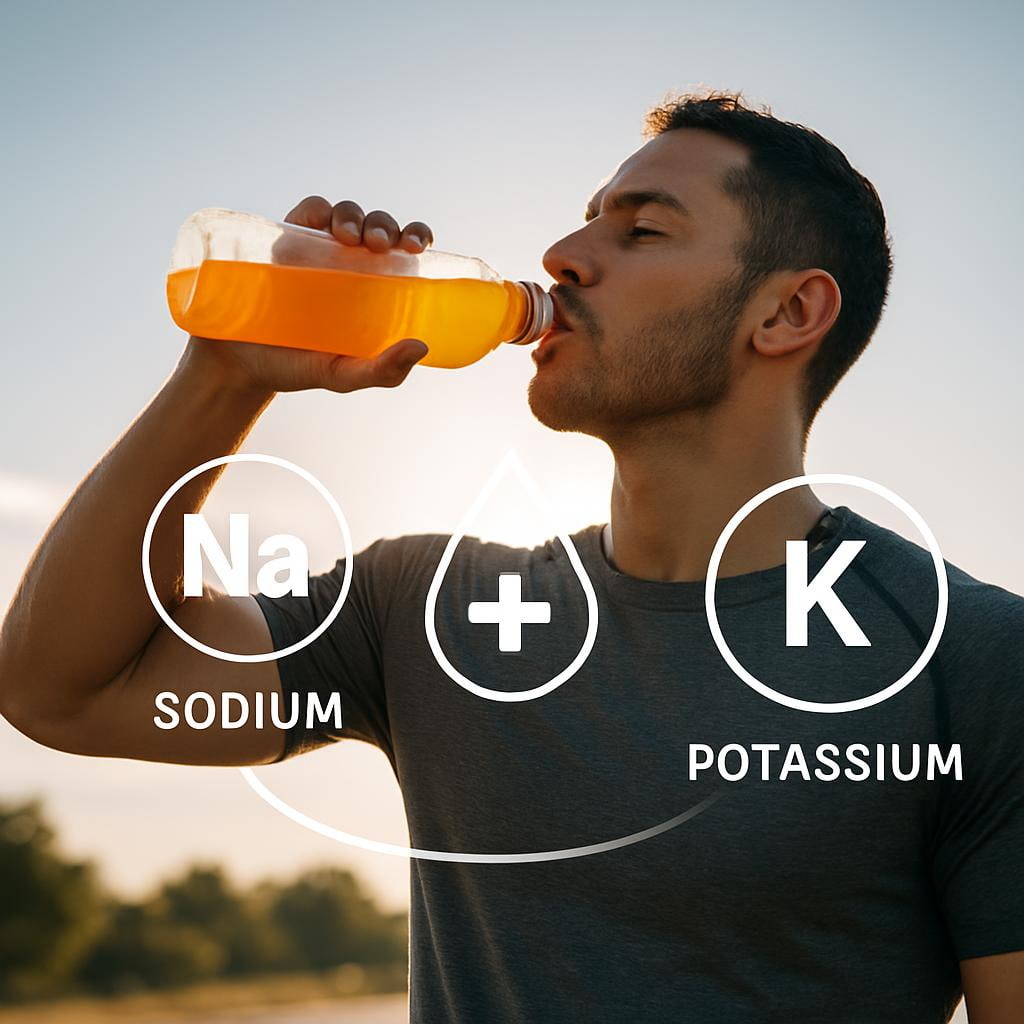
What Are Electrolytes?
Electrolytes are electrically charged minerals—sodium, potassium, magnesium, calcium, chloride, phosphate, and bicarbonate—that help your body conduct nerve impulses, contract muscles, and balance fluid levels.
According to the Cleveland Clinic, these minerals are crucial for maintaining normal heart rhythm, muscle tone, and cellular health. Electrolytes are naturally present in many foods and beverages, including fruits, vegetables, dairy, nuts, and certain sports drinks.
10 Proven Health Benefits of Electrolytes
Electrolytes are essential for maintaining hydration, nerve communication, and muscle performance.
Each of these minerals contributes uniquely to your body’s balance, energy, and overall vitality.
1. Supports Optimal Hydration and Fluid Balance
Electrolytes—particularly sodium, potassium, and chloride—help maintain the balance of fluids inside and outside your cells, ensuring tissues stay properly hydrated.
A 2021 review in the Journal of the International Society of Sports Nutrition found that beverages containing electrolytes significantly improve water retention and rehydration compared with plain water, especially during extended exercise or heat exposure.
This occurs because sodium promotes fluid absorption in the intestines, while potassium supports intracellular hydration.
Consuming electrolyte-rich foods like coconut water, avocados, spinach, and bananas can help maintain hydration naturally.
Learn more: Harvard Health Publishing – Do You Need Extra Electrolytes?
2. Promotes Healthy Muscle Function and Recovery
Muscles rely on calcium, magnesium, and potassium to contract and relax properly.
An imbalance—often caused by excessive sweating or inadequate dietary intake—can lead to cramps, stiffness, or weakness.
According to the Cleveland Clinic, replenishing electrolytes after intense physical activity supports proper muscle recovery and prevents post-workout fatigue.
Magnesium, in particular, plays a vital role in preventing muscle twitches and promoting relaxation after exercise.
Read more: Cleveland Clinic – Understanding Electrolytes
3. Helps Maintain Healthy Nerve and Brain Function
Your nervous system relies on electrolytes—especially sodium and potassium—to transmit electrical impulses between neurons. These minerals control the movement of charged particles across cell membranes, creating the voltage necessary for nerve signal transmission. This process, known as the sodium–potassium pump (Na⁺/K⁺ ATPase), allows the brain and body to communicate efficiently and respond rapidly to stimuli.
When sodium and potassium levels fall out of balance—due to dehydration, poor diet, or excessive sweating—nerve signaling can slow down, leading to fatigue, confusion, or muscle weakness. Maintaining the right electrolyte balance therefore supports focus, reaction time, and overall cognitive performance.
According to the National Institutes of Health (NIH) Office of Dietary Supplements, both sodium and potassium are essential for proper nerve conduction, muscle control, and cellular communication. Ensuring adequate intake through a balanced diet rich in fruits, vegetables, and whole foods supports long-term brain and nervous system health.
Reference: NIH Office of Dietary Supplements – Potassium Fact Sheet for Health Professionals
4. Supports Heart Health and Blood Pressure Regulation
Electrolytes have a direct influence on cardiovascular wellness.
- Potassium helps relax blood vessel walls, offsetting sodium’s effects and supporting healthy blood pressure.
- Magnesium and calcium regulate heartbeat rhythm and vascular contraction.
The American Heart Association (AHA) notes that diets rich in potassium from foods like bananas, beans, and leafy greens may reduce the risk of hypertension and stroke.
Explore more: AHA – Potassium and Your Heart Health
5. Balances Body pH and Cellular Function
Electrolytes like bicarbonate and phosphate maintain the body’s acid–base balance, which is essential for optimal enzyme and cell function.
A stable pH (around 7.35–7.45) ensures your metabolism, respiration, and immune responses work efficiently.
Imbalance—caused by dehydration or kidney issues—can disrupt energy production and muscle coordination.
Consistent hydration and balanced nutrition support a healthy internal pH environment.
6. May Enhance Physical Performance and Endurance
Prolonged exercise or high-heat exposure can cause significant losses of sodium, potassium, and other electrolytes through sweat, which may lead to dehydration, reduced endurance, and muscle fatigue. Electrolytes are essential for maintaining fluid balance, muscle contractions, and thermoregulation—all critical factors for sustaining athletic performance.
A 2022 study published in the European Journal of Applied Physiology found that electrolyte-enriched fluids help maintain plasma sodium concentration, improve hydration status, and reduce muscle cramping during endurance events compared to plain water. These benefits occur because electrolytes aid in water absorption and retention, preventing the decline in blood volume that often contributes to fatigue and heat-related performance drops.
Athletes, outdoor workers, and those training in warm environments benefit from strategic electrolyte replacement to support stamina, focus, and recovery. For a natural approach, mix water with a small pinch of sea salt and fresh citrus juice to replenish minerals and enhance rehydration without added sugars.
7. Aids in Nutrient Absorption and Digestion
Electrolytes such as sodium and chloride help produce stomach acid (HCl), which assists in protein digestion and nutrient absorption.
In the small intestine, sodium ions enable glucose and amino acid transport, ensuring nutrients are efficiently absorbed.
Balanced electrolyte intake supports healthy metabolism, digestion, and gut motility, while preventing bloating and fatigue after meals.
Maintaining hydration with mineral water or electrolyte-balanced fluids supports optimal digestive health.
Reference: National Library of Medicine – Electrolyte Transport and Absorption
8. Helps Prevent Dehydration from Illness or Heat
Electrolyte loss can accelerate rapidly during illnesses such as vomiting, diarrhea, or fever, as well as in hot environments where heavy sweating occurs. These conditions deplete sodium, potassium, and chloride, which are vital for maintaining the body’s fluid balance, muscle coordination, and nerve function. Without timely replacement, dehydration can progress quickly—especially in children, older adults, and athletes.
To restore hydration safely and effectively, the World Health Organization (WHO) recommends oral rehydration salts (ORS) containing a precise ratio of sodium, glucose, and potassium. This scientifically formulated balance promotes efficient fluid absorption in the intestines, helping to replace lost electrolytes and water. WHO emphasizes that properly prepared ORS can prevent and manage dehydration caused by heat exposure or gastrointestinal illness worldwide.
For mild dehydration, natural options such as diluted fruit juice or water mixed with a small pinch of salt and a splash of lemon can provide an effective homemade rehydration drink without excess sugar. Staying ahead of fluid loss—especially during illness or hot weather—is key to maintaining energy, focus, and muscle performance.
Reference: World Health Organization – Oral Rehydration Salts (ORS): Production of the New ORS
9. Supports Bone and Cellular Health
Electrolytes like calcium, phosphate, and magnesium are essential building blocks for bones and teeth.
Calcium strengthens skeletal structure, while phosphate supports energy metabolism within cells.
Magnesium acts as a cofactor in more than 300 enzymatic reactions, including protein synthesis and DNA repair.
According to the National Institutes of Health, maintaining adequate calcium and magnesium intake supports bone density and cellular energy production throughout life.
Reference: NIH – Magnesium Fact Sheet for Health Professionals
10. May Reduce Fatigue and Improve Energy Levels
Electrolytes support the cellular processes that generate energy, including glucose transport and ATP synthesis.
Even mild dehydration can reduce mental alertness and cause tiredness.
Proper electrolyte intake—especially magnesium and potassium—supports steady energy, reduces fatigue, and enhances endurance during both mental and physical tasks.
Hydrating with electrolyte-infused water or mineral-rich foods like leafy greens, nuts, and citrus fruits helps sustain energy naturally.
Reference: Cleveland Clinic – Role of Electrolytes in Energy Regulation
Common Signs of Electrolyte Imbalance
Maintaining proper electrolyte levels is essential for normal muscle, nerve, and heart function. Even mild imbalances can cause fatigue, dizziness, or muscle cramps, while severe cases may affect blood pressure, breathing, or heartbeat. Recognizing symptoms early supports safe correction and prevents complications.
| Type of Imbalance | Common Symptoms | Possible Causes |
|---|---|---|
| Hyponatremia (Low Sodium) | Headache, nausea, confusion, muscle cramps, seizures in severe cases | Overhydration, vomiting, diarrhea, certain medications (e.g., diuretics) |
| Hypernatremia (High Sodium) | Intense thirst, fatigue, restlessness, elevated blood pressure | Dehydration, excessive salt intake, kidney dysfunction |
| Hypokalemia (Low Potassium) | Muscle weakness, irregular heartbeat, constipation | Heavy sweating, vomiting, diuretics, poor diet |
| Hyperkalemia (High Potassium) | Heart palpitations, numbness, muscle fatigue | Kidney disease, certain medications, supplements |
| Hypocalcemia (Low Calcium) | Tingling, muscle spasms, brittle nails, fatigue | Vitamin D deficiency, low magnesium, hormonal imbalance |
| Hypomagnesemia (Low Magnesium) | Tremors, anxiety, muscle cramps, irregular heartbeat | Alcohol overuse, poor nutrition, certain diuretics |
References:
- Cleveland Clinic – Electrolyte Imbalance: Symptoms & Treatment
- Mayo Clinic – Low Sodium (Hyponatremia)
- NIH ODS – Potassium Fact Sheet
Recommended Daily Intake of Major Electrolytes
Adequate electrolyte intake varies by age, sex, and activity level. The table below summarizes recommended daily values for healthy adults based on NIH Office of Dietary Supplements (2025) and USDA FoodData Central data.
| Electrolyte | Recommended Daily Value (Adults) | Best Food Sources |
|---|---|---|
| Sodium (Na) | ≤ 2,300 mg | Sea salt, soups, olives, pickles |
| Potassium (K) | 2,600–3,400 mg | Bananas, avocados, spinach, beans |
| Calcium (Ca) | 1,000–1,200 mg | Dairy, fortified plant milk, sardines |
| Magnesium (Mg) | 310–420 mg | Almonds, pumpkin seeds, dark leafy greens |
| Chloride (Cl) | 1,800–2,300 mg | Table salt, tomatoes, celery |
| Phosphate (P) | 700 mg | Fish, lentils, whole grains, nuts |
References:
- NIH Office of Dietary Supplements – Magnesium Fact Sheet
- NIH Office of Dietary Supplements – Calcium Fact Sheet
- USDA FoodData Central – Nutrient Database
How to Replenish Electrolytes Naturally
Most people can restore electrolytes through a balanced diet—no supplements or sports drinks required. Natural foods provide minerals along with vitamins, fiber, and hydration support.
Best Electrolyte-Rich Foods
- Fruits: Bananas, oranges, watermelon, and coconut water (rich in potassium and magnesium)
- Vegetables: Spinach, kale, sweet potatoes, and beets
- Nuts & Seeds: Almonds, pumpkin seeds, sunflower seeds (excellent magnesium sources)
- Dairy & Fortified Drinks: Milk, yogurt, fortified soy or almond milk (calcium and potassium)
- Whole Grains & Legumes: Beans, lentils, oats, and quinoa
Safe Hydration Tips
- Drink plain water throughout the day; use electrolyte drinks only after intense workouts, heat, or illness.
- Limit high-sugar or artificially colored sports beverages.
- For a homemade electrolyte drink: mix water, a pinch of sea salt, and a squeeze of lemon or orange juice.
References:
Possible Side Effects and Precautions
While electrolytes are vital, excess intake or misuse of supplements can pose risks—especially for people with kidney disease, hypertension, or heart conditions.
Key Safety Considerations
- Too much sodium may raise blood pressure and increase heart disease risk.
- Excess potassium can cause irregular heart rhythm in those with kidney dysfunction.
- High calcium or magnesium supplementation without medical advice can interfere with medication absorption.
The U.S. Food and Drug Administration (FDA) advises following recommended dietary allowances and consulting healthcare professionals before using high-dose supplements.
References:
Frequently Asked Questions (FAQ)
1. Do electrolyte drinks really improve hydration?
Yes—especially after prolonged sweating or illness. However, for daily use, water and balanced meals usually suffice.
2. Can kids or seniors take electrolyte drinks?
Yes, but use age-appropriate formulations or oral rehydration solutions (ORS) recommended by healthcare providers.
3. Is coconut water a good source of electrolytes?
Yes—it naturally contains potassium, magnesium, and calcium with minimal added sugar.
4. Can you get too many electrolytes?
Yes, excessive intake—especially of sodium or potassium—can harm heart and kidney function. Balance is key.
5. What are natural ways to boost electrolytes?
Eat potassium-rich fruits, magnesium-rich seeds, and hydrate with mineral water or homemade salt-citrus drinks.
6. Are electrolyte powders safe?
Most are safe when used as directed. Choose low-sugar options and consult a healthcare provider if you have chronic conditions.
Conclusion
Electrolytes are fundamental for hydration, nerve communication, muscle function, and heart health. Maintaining balance through food-based sources and proper hydration supports endurance, energy, and overall wellness.
Remember, moderation and awareness of your body’s needs are key to long-term health.
This content is for informational purposes only and not medical advice.