
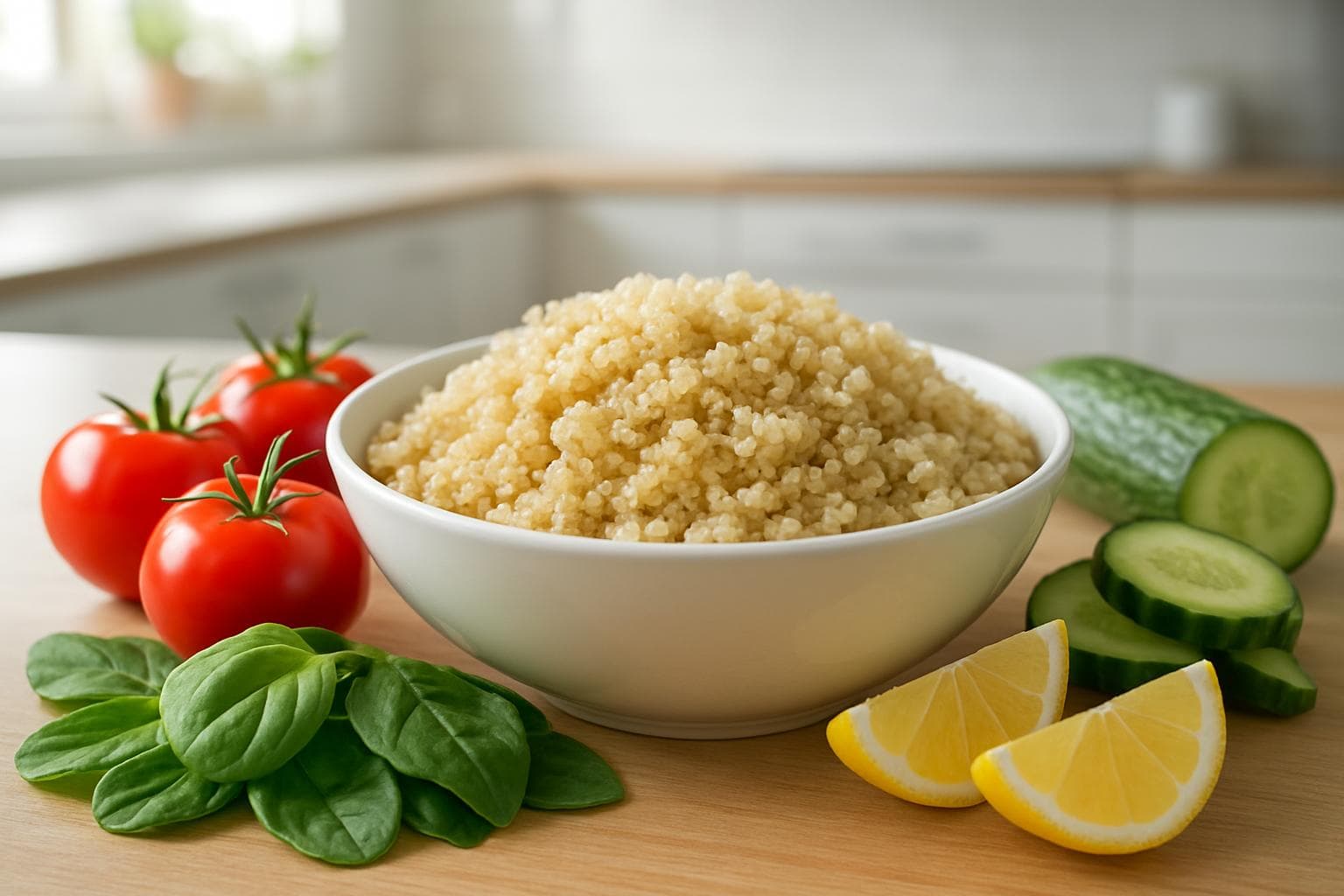
Quinoa is good for your overall health because it’s rich in complete protein, fiber, essential minerals, and antioxidants that support heart, digestive, and metabolic wellness.
Quinoa is one of the most nutrient-dense whole grains you can add to your diet. It provides complete protein (rare for plant foods), steady energy, gut-friendly fiber, and key minerals like magnesium, iron, and zinc. Understanding the health benefits of quinoa helps you make smarter choices for long-term wellness, meal planning, weight management, and blood sugar balance.
This guide breaks down research-backed benefits, nutrition facts, safe intake tips, and FAQs—written in clear, friendly language and aligned with YMYL safety standards.
What Is Quinoa? (Overview and Nutrition Profile)
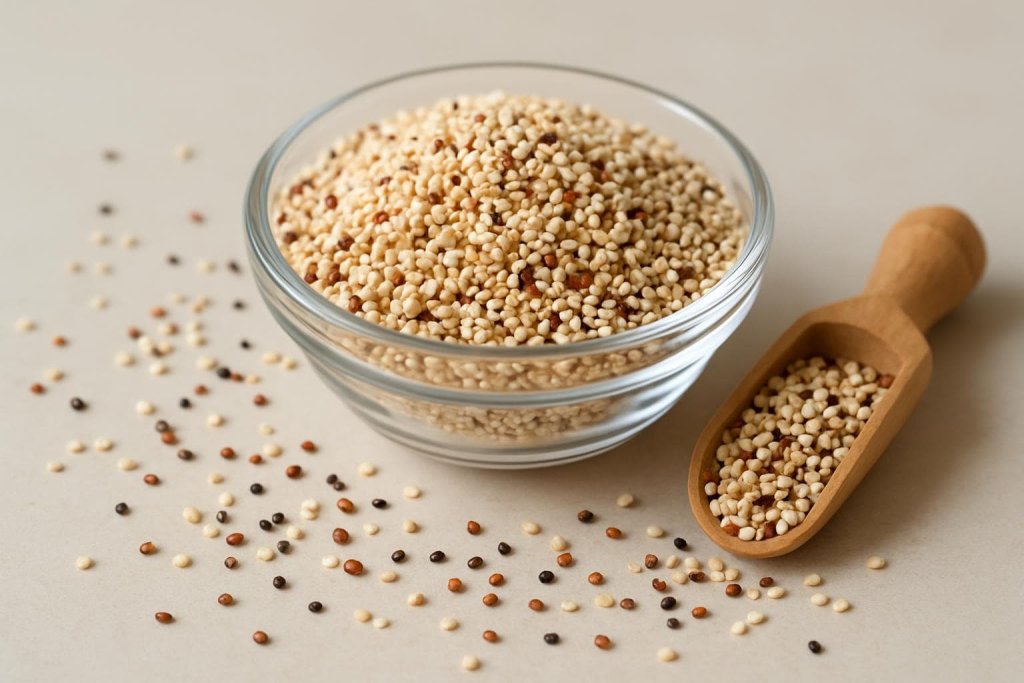
Quinoa is a nutrient-dense, naturally gluten-free seed often grouped with whole grains because of its similar culinary uses and rich nutritional value. Native to the Andes region of South America, quinoa has been cultivated for thousands of years and is celebrated for its exceptional protein quality, versatility, and mineral content. Today, it is widely recommended in nutrition and wellness guidance due to its balanced macronutrients and beneficial plant compounds.
Nutrition Profile (Per 1 Cup Cooked Quinoa – USDA Data)
According to the USDA FoodData Central, one cup of cooked quinoa provides a concentrated source of protein, fiber, complex carbohydrates, and essential minerals that support overall wellness.
Key nutrients per 1 cup cooked (approximate values):
- Calories: 222
- Protein: 8 g (complete protein containing all nine essential amino acids)
- Fiber: 5.2 g
- Carbohydrates: 39 g
- Fat: 3.6 g (primarily heart-friendly unsaturated fats)
- Magnesium: ~118 mg
- Iron: ~2.8 mg
- Phosphorus: ~281 mg
- Potassium: ~318 mg
Quinoa also contains B vitamins (including folate and B6), small amounts of vitamin E, and beneficial antioxidants such as quercetin and kaempferol, which may support cellular health.
10 Proven Health Benefits of Quinoa (Backed by Nutrition Data)
Quinoa provides a rare combination of complete protein, dietary fiber, essential minerals, and antioxidants. These nutrients work together to support heart health, digestion, blood sugar balance, and overall nutritional wellness.
1. Supports Heart Health
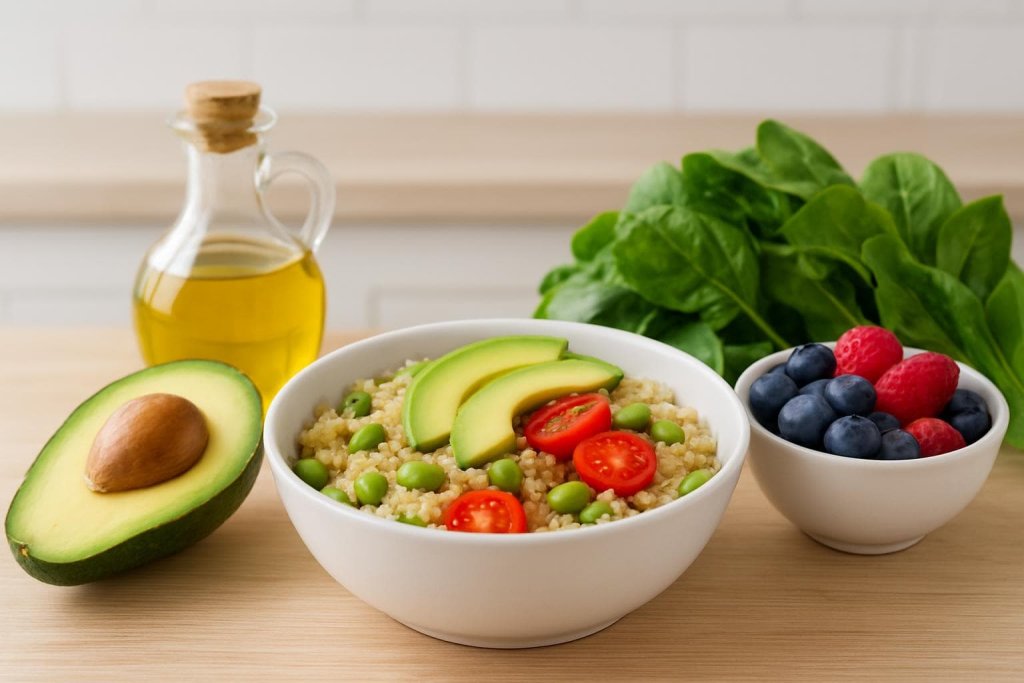
Quinoa is rich in dietary fiber, unsaturated fats, magnesium, and antioxidant compounds—nutrients that may help support long-term cardiovascular health. According to the Harvard T.H. Chan School of Public Health, replacing refined grains with whole grains like quinoa is associated with a lower risk of heart disease and stroke.
The fiber in quinoa may help reduce LDL (“bad”) cholesterol, while its magnesium content supports healthy blood vessel function. Additionally, antioxidants such as quercetin may help protect cells from oxidative stress, which is linked with heart health.
Why it matters: Population studies consistently show that diets higher in whole grains are linked with better cardiovascular outcomes, making quinoa a smart choice for long-term wellness.
2. Provides Complete Plant Protein
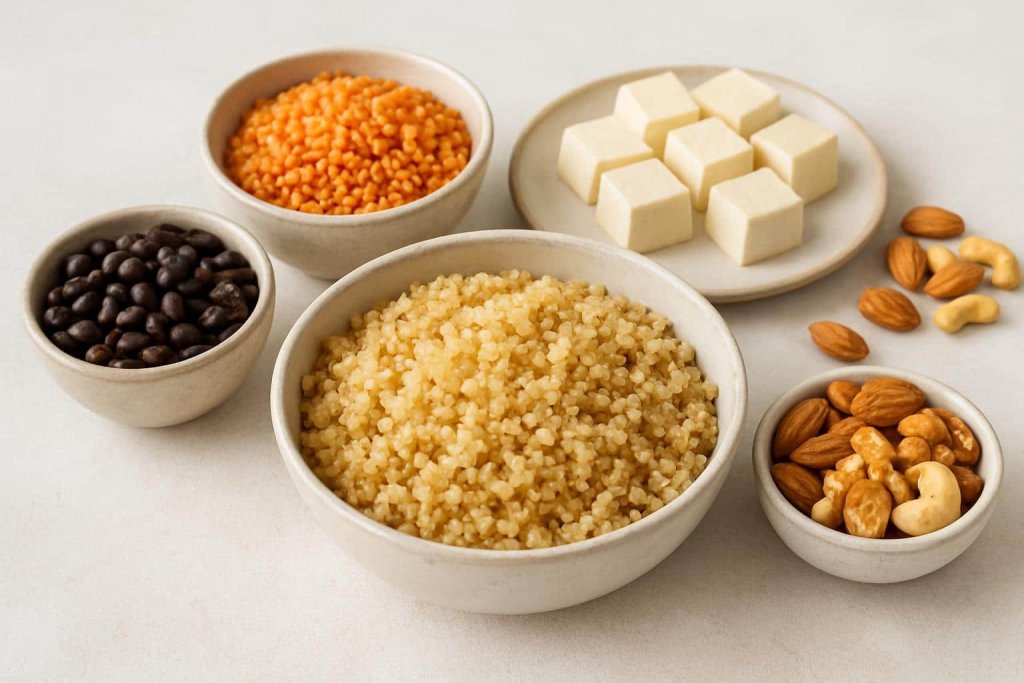
Quinoa is one of the few plant foods that naturally contains all nine essential amino acids, giving it a “complete protein” profile similar to animal-based foods. This makes it especially valuable for vegetarians, vegans, and anyone aiming to increase high-quality plant protein.
The USDA FoodData Central database lists quinoa as providing about 8 grams of protein per cooked cup, significantly more than most grains.
Why it matters: Adequate protein supports muscle repair, satiety, immune function, and metabolic processes.
3. Rich in Fiber for Gut Health
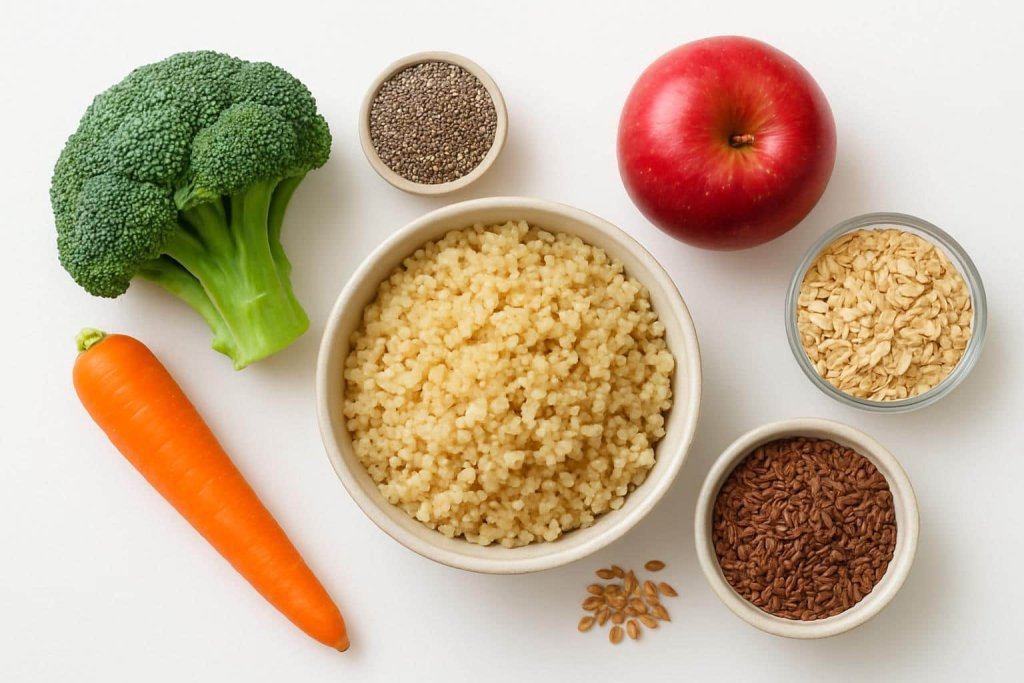
With over 5 grams of dietary fiber per cooked cup, quinoa supports digestion and healthy bowel movements. Fiber plays an essential role in nourishing beneficial gut bacteria, regulating digestion, and supporting bowel regularity.
The Cleveland Clinic notes that higher fiber intake may help support digestive comfort and overall metabolic health.
Fiber benefits include:
- Supports regular bowel movements
- Nourishes gut-friendly bacteria
- Helps maintain steady blood sugar
- Supports fullness and appetite control
A fiber-rich diet may help support digestive wellness and long-term health.
4. May Help With Weight Management
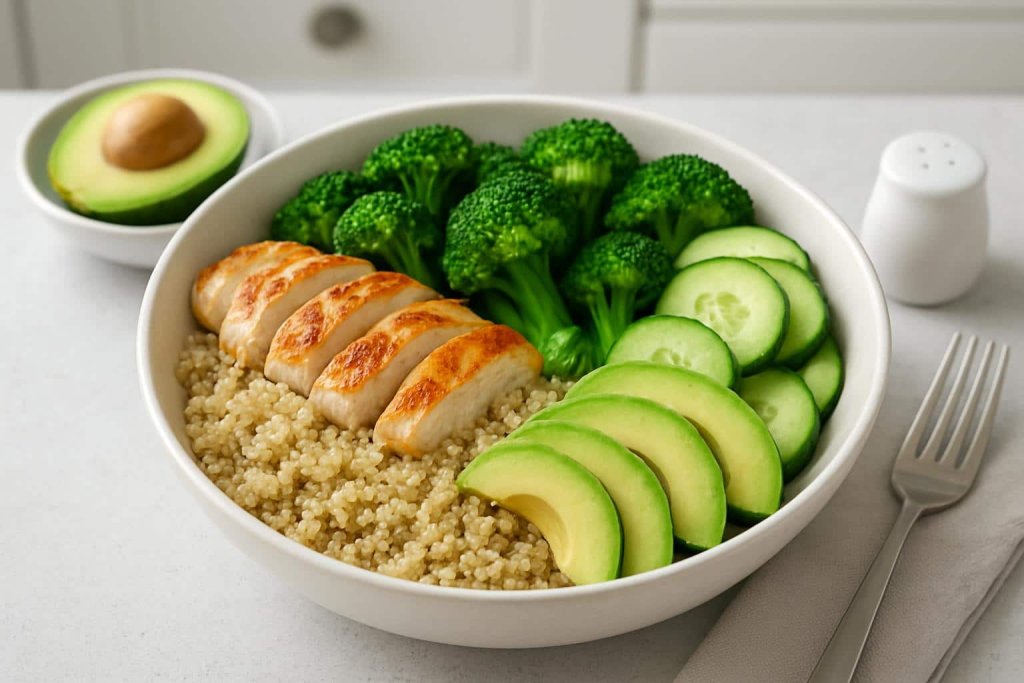
Quinoa’s combination of fiber and complete protein supports long-lasting fullness. These nutrients digest more slowly, helping to regulate appetite and support a balanced calorie intake.
Research presented by Harvard’s Healthy Eating Plate shows that high-fiber whole grains may support better weight control than refined grains.
Why it matters: Increased satiety helps prevent overeating and supports healthy weight goals over time.
5. Helps Support Balanced Blood Sugar
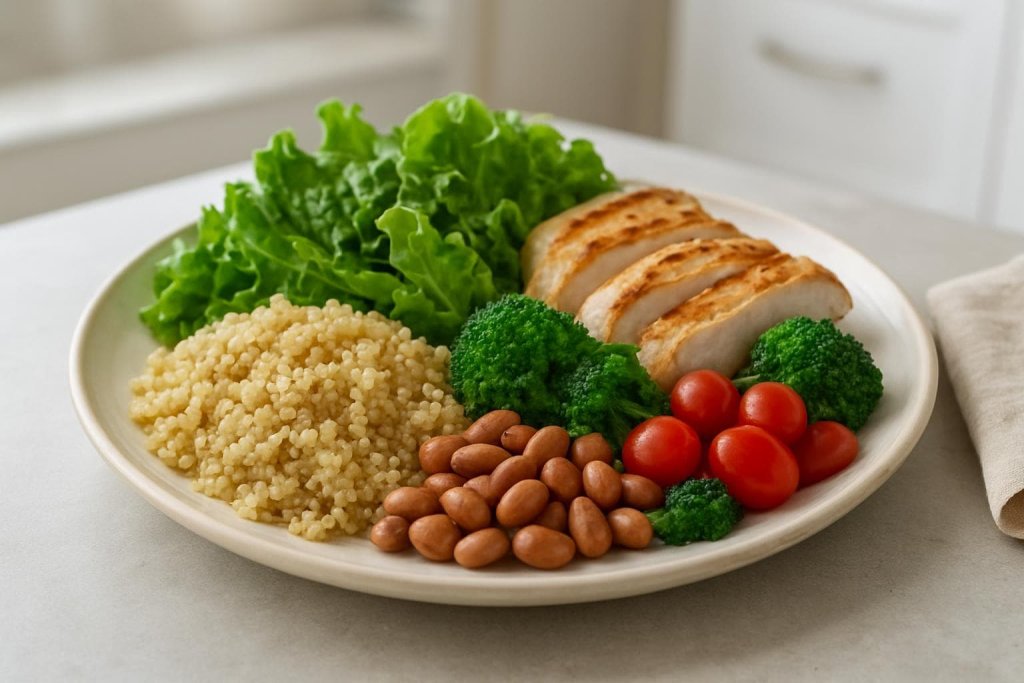
Quinoa has a low-to-moderate glycemic index, which means it digests gradually and supports steadier blood sugar levels compared with refined grains. Its blend of protein, fiber, and complex carbohydrates helps slow glucose absorption.
The American Diabetes Association encourages choosing whole grains with more fiber for steadier blood sugar—quinoa fits well into this guideline.
Good for:
- Individuals watching carbohydrate intake
- Those seeking lower-glycemic meal options
- Anyone replacing white rice or refined grains
- Balanced meal planning for metabolic health
6. Naturally Gluten-Free
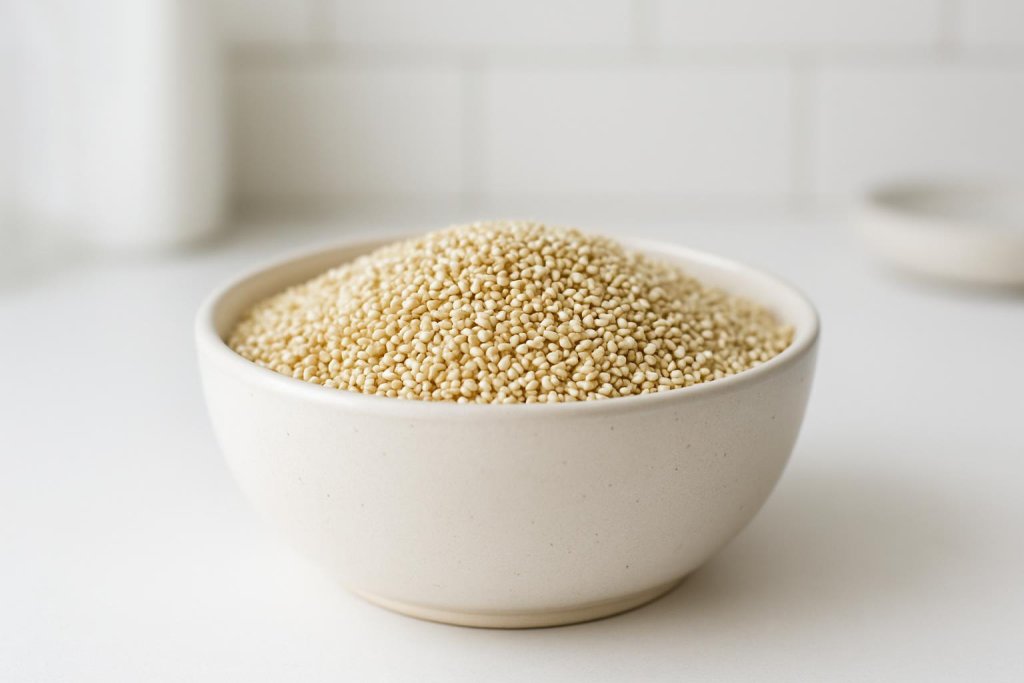
Quinoa is naturally gluten-free, making it a helpful grain alternative for individuals following gluten-free diets. It’s commonly recommended as a staple whole grain for those with gluten sensitivity or celiac disease.
The Celiac Disease Foundation includes quinoa on its list of safe gluten-free grains—provided it’s labeled gluten-free to avoid cross-contamination.
Always choose certified gluten-free brands if you have celiac disease.
7. High in Key Minerals (Iron, Magnesium, Zinc, Phosphorus)
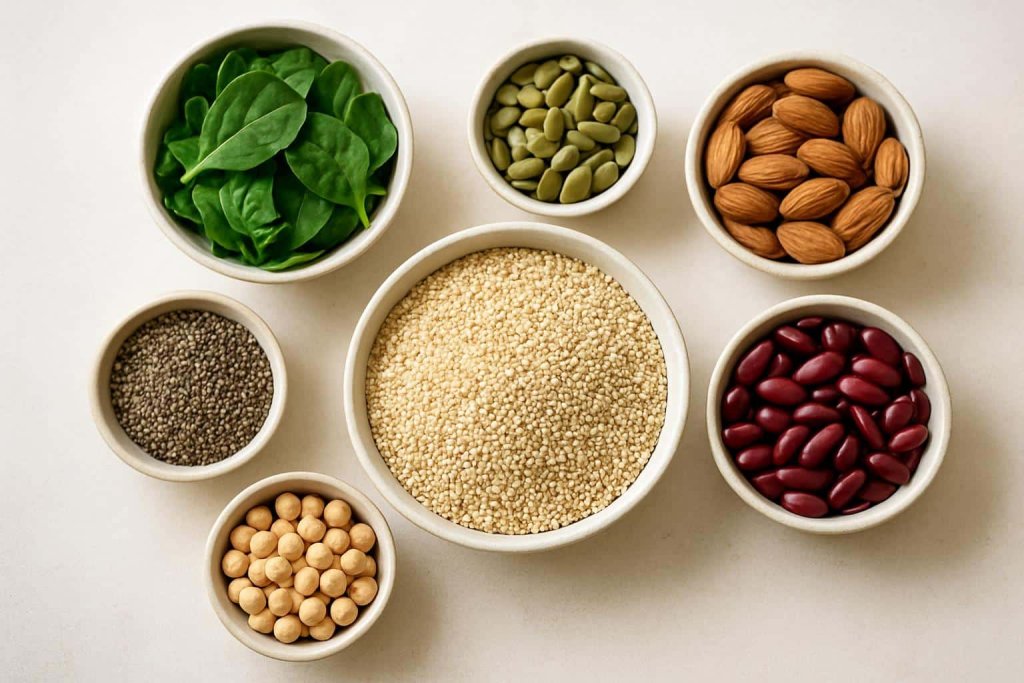
Quinoa provides several essential minerals that support metabolic, muscular, and cellular health.
Key nutrient highlights (per USDA):
- Magnesium: supports muscle and nerve function
- Iron: supports oxygen transport
- Zinc: supports immune system function
- Phosphorus: supports bone and cell health
These minerals contribute to daily energy, healthy blood flow, and overall wellness. Quinoa’s nutrient density makes it a valuable addition to plant-forward diets.
8. Contains Antioxidants That Support Cellular Health
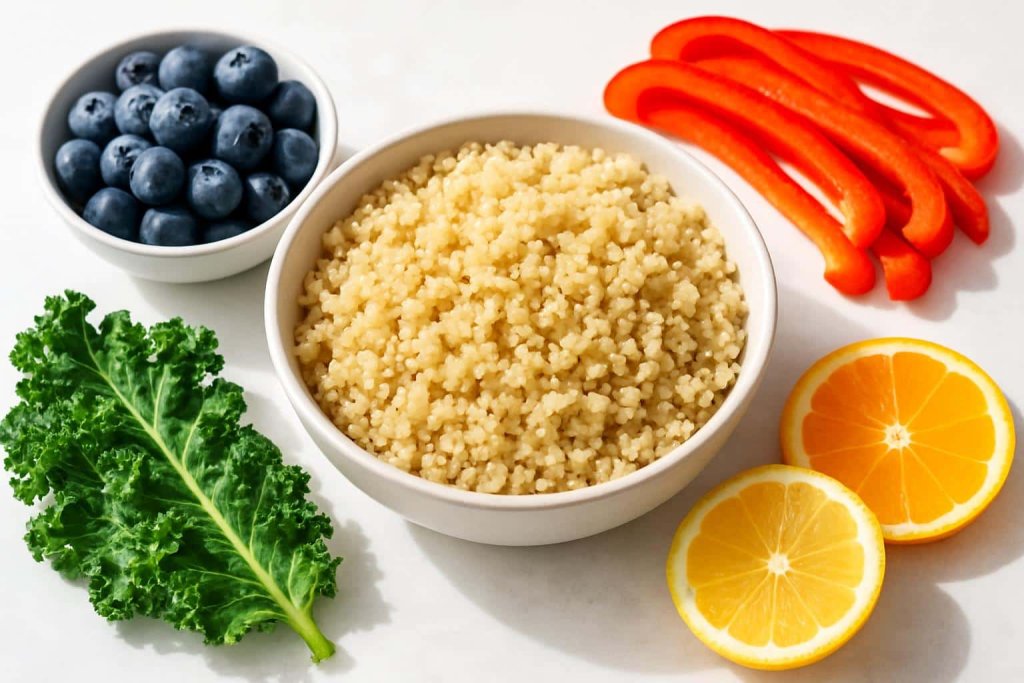
Quinoa is rich in plant compounds such as quercetin, kaempferol, and other flavonoids. These antioxidants may help reduce oxidative stress—a factor linked with long-term cellular health.
Research published in nutrition journals highlights that antioxidant-rich diets may help support overall wellness and long-term health outcomes.
Example overview: https://www.hsph.harvard.edu/nutritionsource/antioxidants/
Why it matters: Antioxidant-rich foods support healthy aging and cellular protection.
9. Supports Better Diet Quality
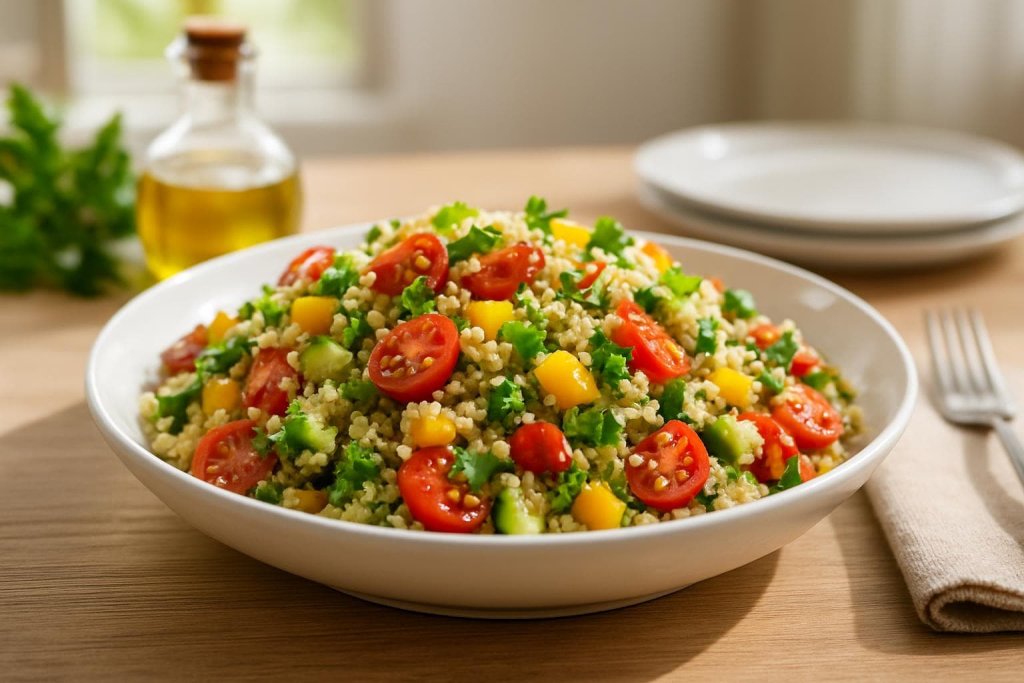
Quinoa’s nutrient density and versatility make it easy to incorporate into healthy eating patterns. The Harvard Healthy Eating Plate encourages making whole grains part of daily meals, and quinoa is listed as a top whole-grain choice.
Healthy diet patterns that commonly include quinoa:
- Mediterranean diet
- Plant-based or vegetarian diets
- Heart-healthy diets (DASH or AHA guidelines)
- Gluten-free eating patterns
Replacing refined grains with quinoa can significantly improve overall nutrient intake.
10. Versatile and Easy to Add to Meals
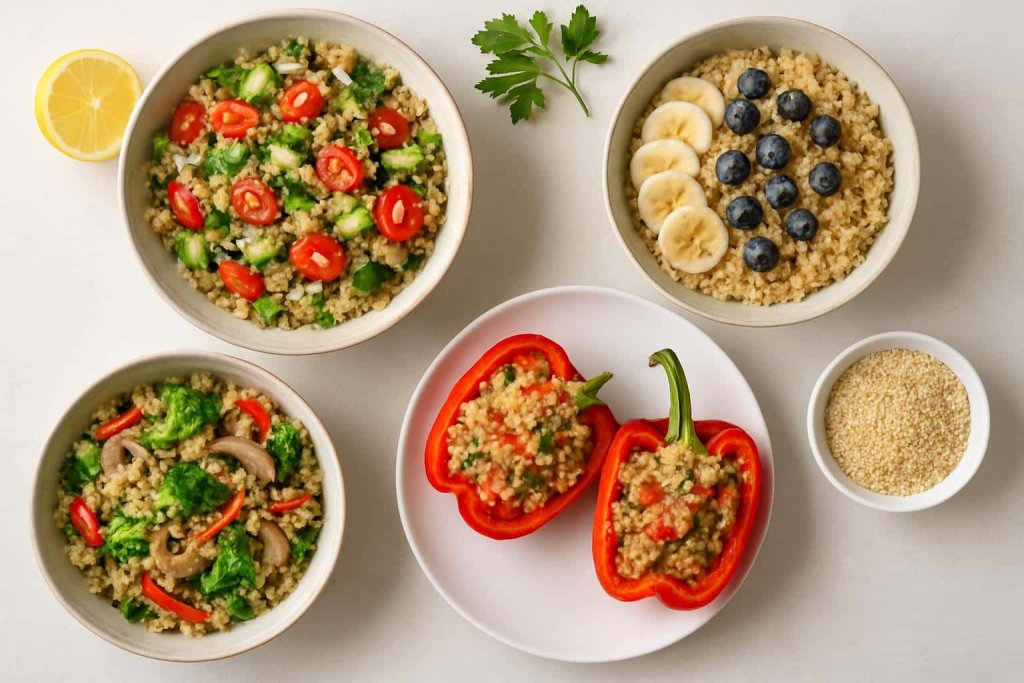
Quinoa’s mild, nutty flavor and quick cooking time make it an easy whole grain to use in everyday meals. It works well in both savory and sweet dishes, helping you build nutrient-dense meals.
Quick meal ideas:
- Quinoa veggie bowls
- Quinoa-stuffed bell peppers
- Breakfast quinoa with berries
- Quinoa soup or chili
- Quinoa fried rice
Because it pairs well with lean proteins, vegetables, and healthy fats, quinoa supports balanced meal planning and long-term dietary wellness.
Possible Side Effects and Precautions
While quinoa is generally considered safe and well-tolerated, it’s important to understand potential side effects and precautions—especially for individuals with sensitivities, digestive conditions, or kidney stone risk. These considerations help ensure quinoa is incorporated safely into your diet.
Saponin Sensitivity
Quinoa seeds are coated with saponins, natural compounds that can taste bitter and may irritate sensitive individuals. For some people, saponins may contribute to temporary digestive discomfort or mild skin irritation.
Tip: Thoroughly rinse quinoa under running water before cooking to help remove most saponins. Some brands pre-rinse, but doing it at home provides added safety.
Digestive Issues (Gas, Bloating)
Because quinoa is high in fiber, increasing your intake too quickly may lead to gas, bloating, or abdominal discomfort. This is more common in people who are not used to fiber-rich foods or those with digestive conditions.
The Cleveland Clinic notes that introducing fiber gradually and drinking enough water may help support digestive comfort.
Oxalates and Kidney Stone Considerations
Quinoa contains oxalates, which may be a concern for individuals prone to calcium oxalate kidney stones. People with a history of kidney stones should follow personalized guidance from a healthcare provider when adding oxalate-containing foods to their diet.
Allergy Warnings
Although rare, quinoa allergies do exist. Symptoms may include itching, hives, digestive upset, or swelling. Some reactions may stem from saponins rather than the seed itself. Anyone who experiences symptoms should discontinue use and seek medical guidance.
Portion Control and Calorie Density
Quinoa is calorie-dense, providing around 222 calories per cup cooked (USDA).
Large portions combined with added oils or dressings may contribute to excess calorie intake. Moderate servings of ½–1 cup cooked are typically appropriate for balanced meals.
Gluten-Free Cross-Contamination Reminder
Quinoa is naturally gluten-free, but cross-contact can occur during processing or packaging.
The Celiac Disease Foundation recommends choosing certified gluten-free brands for individuals with celiac disease.
Who Should Limit Intake
- Individuals with IBD (Crohn’s or ulcerative colitis) during active flare-ups (due to fiber content).
- Individuals with oxalate kidney stones or high oxalate sensitivity.
- Individuals with known quinoa allergy or saponin sensitivity.
- People needing low-fiber diets temporarily for medical reasons.
How to Add Quinoa Safely to Your Diet
Incorporating quinoa into your diet is simple when you follow safe preparation methods and balanced portion sizes. Because quinoa contains complete protein and fiber, it can support overall wellness when used as part of a nutritious meal plan.
Serving Suggestions
- Use quinoa as a base for grain bowls.
- Add it to salads for extra protein and texture.
- Mix into soups, stews, or chili to boost fiber.
- Prepare as a warm breakfast cereal with berries and nuts.
- Use in stuffed peppers, veggie patties, or stir-fries.
Safe Daily Intake
Most people can safely consume ½ to 1 cup cooked quinoa per day as part of balanced meals. This amount provides valuable nutrients without excessive caloric intake.
Cooking, Soaking, and Rinsing Tips
- Rinse quinoa thoroughly to remove saponins.
- Use a 2:1 water-to-quinoa ratio for fluffy texture.
- Optional: Soak quinoa for 10–20 minutes to improve digestibility.
- Cook for 12–15 minutes, then fluff with a fork.
Who Benefits the Most from Eating Quinoa
- Individuals following plant-based or vegetarian diets
- People seeking higher fiber intake
- Those managing blood sugar balance
- Individuals seeking gluten-free grains
- Anyone wanting more nutrient-dense carbohydrate options
Healthy Pairing Suggestions
Pair quinoa with:
- Vegetables (spinach, broccoli, bell peppers)
- Lean proteins (chicken, fish, beans, tofu)
- Healthy fats (avocado, olive oil, seeds)
Balanced meals support steady energy, fullness, and nutritional variety.
Storage and Food Safety Tips
Following proper storage and food safety practices ensures quinoa remains fresh and safe to consume. The guidelines below follow USDA food safety standards.
Dry Quinoa Storage
- Store unopened quinoa in a cool, dry place.
- After opening, transfer to an airtight container.
- Keep away from heat and moisture to prevent rancidity.
Cooked Quinoa Storage
- Refrigerate cooked quinoa within 2 hours of cooking.
- Store in a sealed container.
- Use within 3–5 days, following USDA refrigerator safety guidelines.
Freezing Instructions
- Cool quinoa completely before freezing.
- Place in freezer-safe bags or containers.
- Label with date and use within 2–3 months for best quality.
Food Safety Reminders
- Reheat cooked quinoa to 165°F (74°C) before eating.
- Avoid cross-contamination with raw meat or poultry.
- Always wash hands and surfaces before handling cooked grains.
Frequently Asked Questions (FAQs)
1. Is quinoa healthier than rice?
Yes. Quinoa generally offers more fiber, more protein, and more minerals than white rice. It is considered a nutrient-dense option according to Harvard’s Nutrition Source.
2. Can quinoa be eaten daily?
Most people can safely enjoy quinoa daily in moderate portions, unless they have allergies, kidney stone concerns, or specific medical restrictions.
3. Is quinoa good for diabetes?
Yes. Quinoa’s fiber and protein content support steadier blood sugar responses compared with refined grains. The American Diabetes Association recommends choosing whole grains for balanced carbohydrate intake.
4. Does quinoa help with weight management?
Quinoa may help support satiety due to its protein and fiber, which can help reduce overeating when used as part of a balanced, calorie-controlled diet.
5. Why does quinoa cause stomach discomfort in some people?
This may occur due to saponin residue or high fiber content. Washing quinoa thoroughly and starting with smaller portions may help.
6. Is quinoa safe during pregnancy?
Yes. Quinoa is nutrient-dense and naturally gluten-free, making it a supportive food during pregnancy when consumed safely and in balanced meals. It provides iron, magnesium, and fiber—all important nutrients.
7. Is quinoa good for digestion?
Yes. Quinoa is high in fiber and may support healthy digestion and regular bowel movements when introduced gradually.
Conclusion
Quinoa is a nutrient-rich, versatile grain alternative that supports heart health, digestion, blood sugar balance, and overall dietary quality. When prepared and consumed safely, it can be a valuable addition to everyday meals for individuals seeking balanced, whole-food nutrition. Always pay attention to portion sizes, potential sensitivities, and food safety guidelines to enjoy quinoa safely and confidently.
This content is for informational purposes only and not medical advice.