
How much caffeine is too much? For most healthy adults, up to 400 milligrams (mg) per day is generally considered a safe upper limit when caffeine is spread throughout the day. Understanding this limit matters because caffeine can influence sleep quality, hydration habits, heart rhythm sensations, and daily energy—key pillars of nutrition and overall wellness.

This guide uses authoritative health sources, practical tables, and wellness-focused explanations—without medical claims.
What Counts as “Too Much” Caffeine?
“Too much” caffeine is not the same for everyone. Sensitivity varies based on age, body size, pregnancy status, medications, and how quickly your body metabolizes caffeine.
According to the U.S. Food and Drug Administration (FDA), 400 mg per day is a level that is not generally associated with negative effects for most adults, but individual sensitivity varies. That’s why it’s smart to track your total daily intake from all sources combined (coffee, tea, soda, energy drinks, and supplements).
Recommended Daily Caffeine Limits by Group
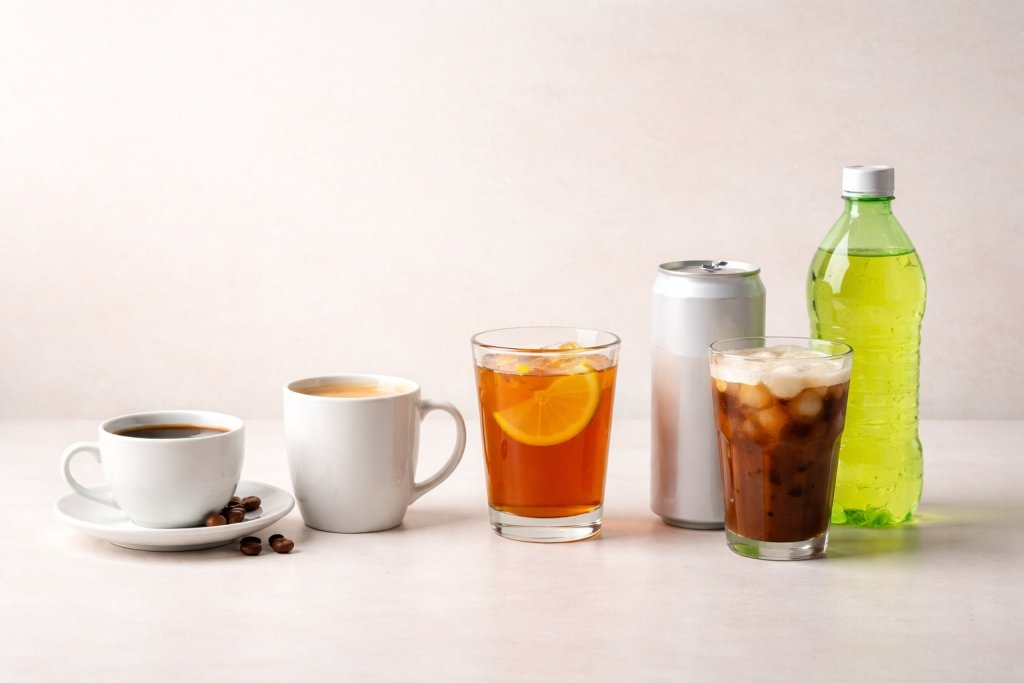
The table below summarizes widely accepted guidance from major health authorities. It’s placed here to give readers quick clarity before details.
| Group | Generally Recommended Limit | Authoritative Source |
|---|---|---|
| Healthy adults | Up to 400 mg/day | U.S. Food and Drug Administration (FDA) |
| Pregnant individuals | Less than 200 mg/day | American College of Obstetricians and Gynecologists (ACOG) |
| Breastfeeding individuals | Up to 300 mg/day | Health Canada |
| Teens (12–18 years) | Up to 100 mg/day | American Academy of Child and Adolescent Psychiatry (AACAP) |
| Children | No proven safe dose established | American Academy of Child and Adolescent Psychiatry (AACAP) |
How Much Caffeine Is in Common Drinks?
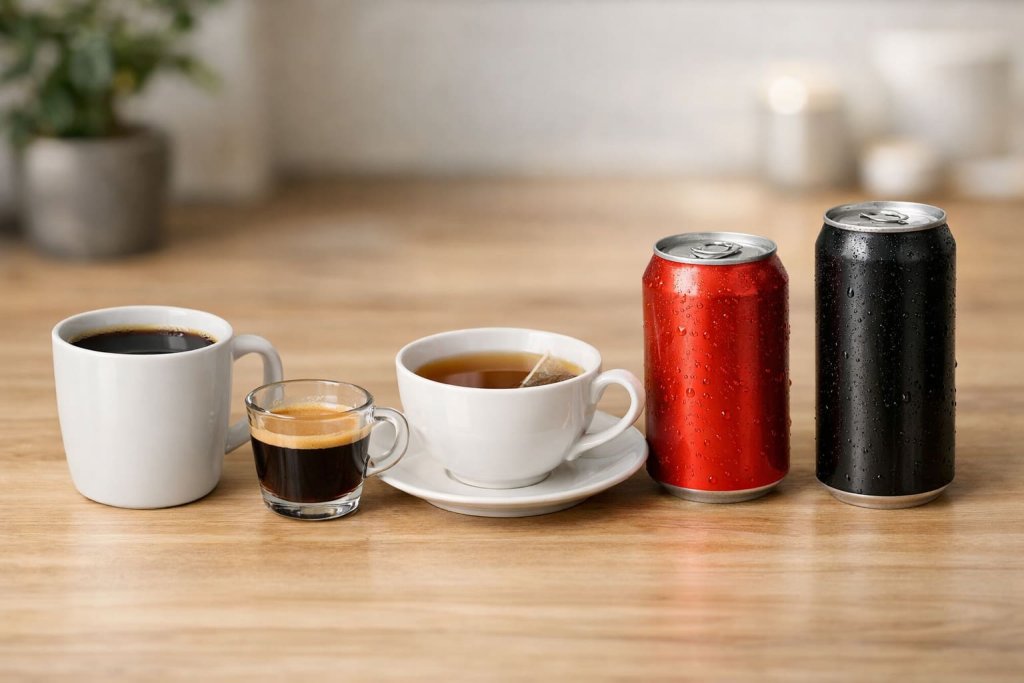
Many people underestimate caffeine intake because caffeine content varies widely by drink type, serving size, and preparation method. A “cup” of coffee or tea often means very different things at home versus in cafés, which can make daily intake harder to track.
According to the U.S. Food and Drug Administration (FDA), caffeine amounts can vary significantly across drink types and serving sizes—even for “the same” beverage.
Caffeine Content in Common Beverages (Typical Servings)
| Beverage (Typical Serving) | Approx. Caffeine |
|---|---|
| Brewed coffee (8 oz / 1 cup) | 80–100 mg |
| Espresso (1 shot / ~1 oz) | 60–70 mg |
| Black tea (8 oz / 1 cup) | 40–50 mg |
| Green tea (8 oz / 1 cup) | 25–35 mg |
| Cola soda (12 oz can) | 30–40 mg |
| Energy drink (16 oz can) | 160–300+ mg |
| Energy shot (2 oz bottle) | ~200 mg |
Values vary by brand and preparation method.
For a reality check on typical caffeine ranges, Health Canada publishes average caffeine amounts for common foods and drinks, and the Mayo Clinic provides consumer-friendly comparisons that help translate milligrams into daily beverage habits.
What Does “One Cup” of Coffee or Tea Actually Mean?
- A standard cup used in nutrition guidance equals 8 fluid ounces (240 mL).
- Many coffee shop drinks are 12–20 oz, which equals 1.5 to 2.5 standard cups or more.
- A 16-oz coffee may therefore provide 160–220 mg of caffeine, even though it is often perceived as “one cup.”
Coffee: Serving Size Makes the Biggest Difference
- Home-brewed coffee: Typically provides 80–100 mg per 8 oz.
- Coffee shop brews: Often contain more caffeine due to larger sizes and stronger extraction.
- Roast level: Light roasts may contain slightly more caffeine by volume because the beans are denser.
Moderate coffee intake may help support alertness and perceived energy, but portion awareness supports overall wellness balance.
Tea: Lower Caffeine, but Multiple Cups Add Up
- Black tea: Higher caffeine due to oxidation and longer steeping.
- Green tea: Lower caffeine and naturally rich in plant compounds such as catechins.
- Steeping time: Longer steeping releases more caffeine into the cup.
How Caffeine Fits Into Nutrition and Wellness
Caffeine is not a nutrient, but it interacts with nutritional status and daily habits:
- Mental alertness: Moderate caffeine intake may help support focus and perceived energy.
- Physical performance: Often used pre-exercise to support endurance and perceived effort.
- Hydration balance: Caffeinated drinks still contribute fluid, but excessive intake may increase urination in sensitive individuals.
- Sleep quality: Intake later in the day may interfere with sleep, which can affect next-day energy and wellness routines.
Wellness-focused guidance emphasizes timing, moderation, and total daily intake rather than elimination.
Signs You May Be Consuming Too Much Caffeine
These effects are signals, not diagnoses, and may appear at lower doses in sensitive individuals:
- Trouble falling or staying asleep
- Feeling jittery, restless, or anxious
- Rapid heartbeat or palpitations
- Digestive discomfort
- Headaches or irritability
If these occur, reducing intake or spacing caffeine earlier in the day may help support overall well-being.
Does Caffeine Timing Matter?
Yes. Caffeine can remain active for hours, and timing can affect how you sleep and feel the next day.
A clinical pharmacology summary from the National Library of Medicine (NIH) via NCBI Bookshelf notes that caffeine’s average half-life in adults is about 5 hours, and it can be longer depending on factors like pregnancy, medications, and individual metabolism. Practically, that means a late-day coffee may still be influencing alertness and sleep timing for many people.
Is All Caffeine the Same?
Caffeine’s effect depends on the source and context:
- Coffee and tea provide antioxidants alongside caffeine.
- Energy drinks may contain high caffeine plus added sugars or other stimulants.
- Supplements and powders can deliver concentrated doses quickly, increasing the risk of accidental overconsumption.
Whole-food and traditional beverage sources are generally easier to moderate.
Who Should Be More Cautious With Caffeine Intake
While moderate caffeine intake may support alertness and daily energy for many people, certain groups may experience effects at lower amounts. Being cautious helps support sleep quality, comfort, and overall wellness without relying on medical claims.
The U.S. Food and Drug Administration (FDA) notes that “too much” varies by person, and sensitivity can be influenced by health conditions, medications, and life stage.
Individuals Sensitive to Stimulants
- Even smaller doses may cause restlessness, jitteriness, or noticeable heart sensations.
- Sensitivity may be stronger with concentrated products or when caffeine is taken without food.
- Spacing caffeine earlier in the day may help support comfort and balance.
A clinical overview from the National Library of Medicine (NIH) via NCBI Bookshelf explains that caffeine metabolism and duration can vary widely across individuals.
People With Sleep Difficulties
- Afternoon or evening caffeine may make it harder to fall asleep or stay asleep.
- Poor sleep can affect next-day energy, focus, and wellness routines.
- Earlier timing or lower-caffeine choices may support better sleep consistency.
Those Using Caffeine From Multiple Sources
- Tea, soda, energy drinks, pre-workouts, and supplements can all add to your daily total.
- Combining multiple sources can push intake higher than expected.
- Reading labels and tracking servings helps keep intake aligned with personal tolerance.
Frequently Asked Questions
How much caffeine is too much in one sitting?
Single doses above 200 mg at once may cause noticeable effects in some people, even if total daily intake stays under 400 mg.
Is caffeine bad for nutrition?
In moderate amounts, caffeine does not negate good nutrition, but excessive intake may displace water or nutrient-dense foods.
Can caffeine affect hydration?
Caffeinated beverages still count toward fluid intake, but very high doses may increase fluid loss in sensitive individuals.
Does body weight change caffeine tolerance?
Yes. Lower body weight and slower metabolism may increase sensitivity to caffeine’s effects.
Are natural caffeine sources safer?
“Natural” does not always mean lower dose. The total caffeine amount matters more than the source.
Should athletes follow different limits?
Many athletes use caffeine strategically, but the same upper safety limits apply for general wellness.
Conclusion
Caffeine can fit into a balanced nutrition and wellness routine when consumed mindfully. For most healthy adults, staying at or below 400 mg per day, paying attention to timing, and choosing familiar beverage sources can help support energy without disrupting sleep or comfort. If you are pregnant, breastfeeding, or managing sensitivity, lower limits are recommended.
This content is for informational purposes only and not medical advice.