
Yes, white rice can be part of a healthy diet, but it is usually less nutritious than whole-grain options like brown rice. The biggest differences are fiber, how quickly it can raise blood sugar, and whether the rice is enriched with nutrients such as iron and B vitamins. Understanding those tradeoffs helps you decide how often to eat white rice, how much to serve, and what to pair it with.
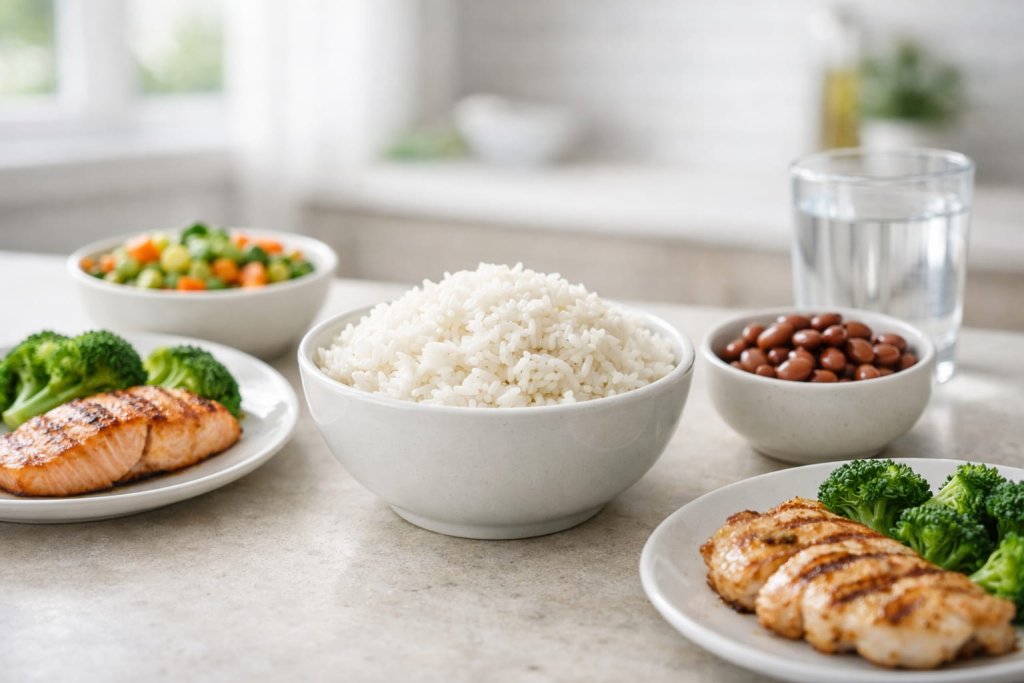
White rice is one of the most common staple foods in the world because it is affordable, easy to cook, easy to digest, and versatile. That does not make it unhealthy by default. A moderate portion of white rice eaten with vegetables, beans, eggs, fish, chicken, tofu, or other protein-rich foods is very different from a large bowl of white rice eaten on its own.
What White Rice Is, and How It Differs From Brown Rice
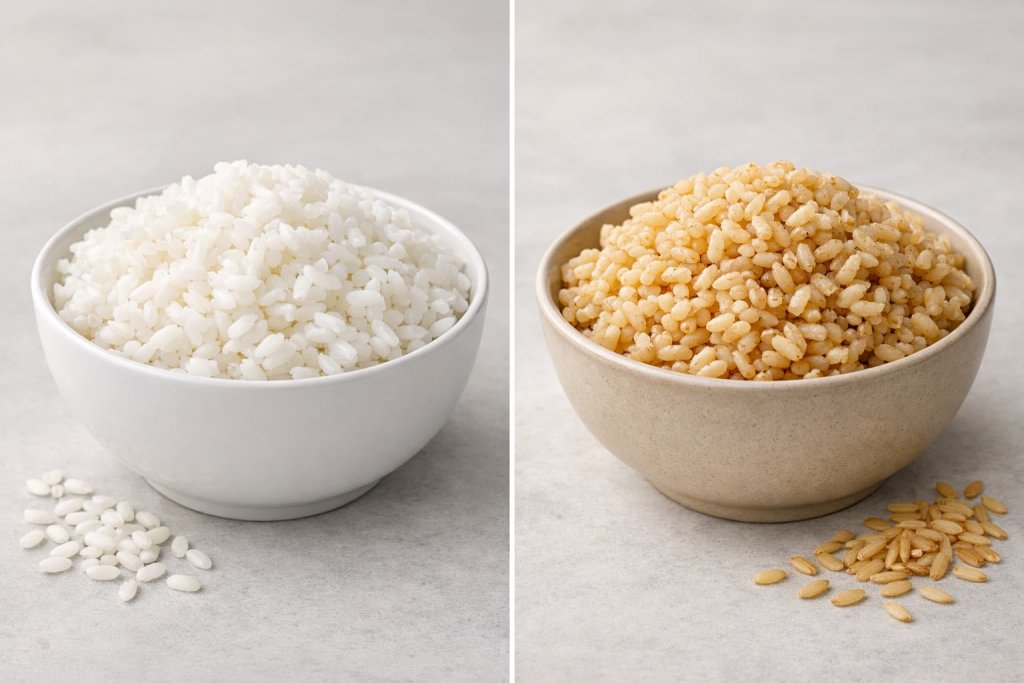
White rice is a refined grain. During processing, the bran and germ are removed, leaving mostly the starchy endosperm. That gives white rice a softer texture and longer shelf life, but it also removes much of the natural fiber and some nutrients. Brown rice keeps the bran and germ, so it naturally contains more fiber and a broader nutrient profile. The Dietary Guidelines for Americans classify white rice as a refined grain and note that refined-grain choices should be enriched.
That enrichment point matters. Many people assume white rice has no nutritional value, but enriched white rice can provide nutrients that are added back after processing. According to the FDA, enriched grain products may provide nutrients such as iron and B vitamins including folic acid. Even so, enrichment does not replace the fiber lost during refining.
A Quick Nutrition Snapshot of White Rice
Cooked white rice is mainly a carbohydrate food. A typical cooked serving gives you energy and usually only a small amount of fiber and protein. If the rice is enriched, it may also provide added iron and B vitamins such as folic acid, thiamin, riboflavin, and niacin. That is helpful, but it still does not make white rice equal to whole grains in overall nutrient density. In practical terms, white rice works best as one part of a balanced meal, not the only meaningful source of nutrition on the plate.
Nutrition Profile Table
The table below shows the approximate nutrition for 1 cup of cooked enriched white rice. According to USDA FoodData Central, this serving provides about 205 calories, 44.5 grams of carbohydrate, 4.3 grams of protein, 0.4 grams of fat, and 0.6 grams of fiber.
| Nutrient | Amount per 1 cup cooked enriched white rice |
|---|---|
| Calories | 205 |
| Carbohydrates | 44.5 g |
| Protein | 4.3 g |
| Total Fat | 0.4 g |
| Fiber | 0.6 g |
| Sugars | 0.1 g |
| Sodium | 1.6 mg |
| Iron | 1.9 mg |
| Calcium | 15.8 mg |
| Potassium | 55.3 mg |
| Phosphorus | 67.9 mg |
Is White Rice Healthy?
White rice is healthy in some situations and less ideal in others. The most accurate answer is that it can fit into a balanced eating pattern, but it is not usually the best grain to rely on for most of your grain intake. The Dietary Guidelines continue to favor more whole grains overall, while allowing enriched refined grains as part of a healthy pattern.
So, white rice is not automatically unhealthy. It becomes less helpful when large portions crowd out higher-fiber foods or when it is eaten often without vegetables, legumes, or protein. For many people, the practical goal is not to avoid white rice completely, but to use it more thoughtfully. The American Diabetes Association also emphasizes that carbohydrate amount and meal balance matter.
Potential Benefits of White Rice
It Is Easy to Digest
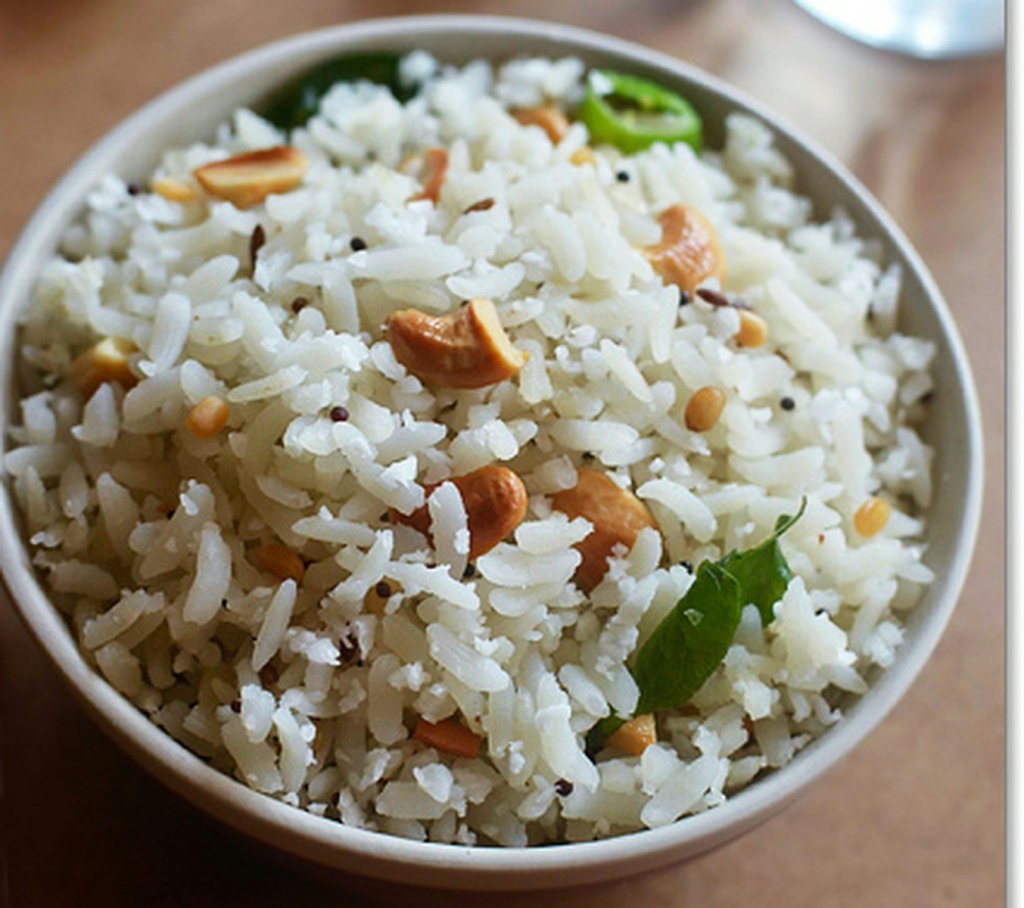
White rice is lower in fiber than brown rice, which can make it easier on the digestive system in some situations. That can be useful when someone wants a bland, simple carbohydrate food or does not tolerate high-fiber grains well. This does not make white rice superior overall, but it explains why it can still have a place in real-life eating patterns. Harvard T.H. Chan School of Public Health notes that rice can fit into healthy eating patterns depending on type, portion, and overall diet quality.
Enriched White Rice Can Provide Useful Nutrients
If the package says “enriched,” white rice may contribute iron and B vitamins such as thiamin, riboflavin, niacin, and folic acid. The FDA also notes these nutrients when discussing enriched grain products on labels. That means white rice is not nutritionally worthless, especially when enriched, though it is still lower in fiber than whole grains.
It Is Affordable and Versatile
White rice is inexpensive, shelf-stable, and works with many cuisines. That matters for consistency and food access. A food does not need to be perfect to be useful. When white rice helps someone build regular meals with vegetables and protein, it can support a more realistic eating pattern than a grain they do not enjoy or cannot afford.
The Main Downsides of White Rice
White Rice Is Lower in Fiber Than Whole Grains
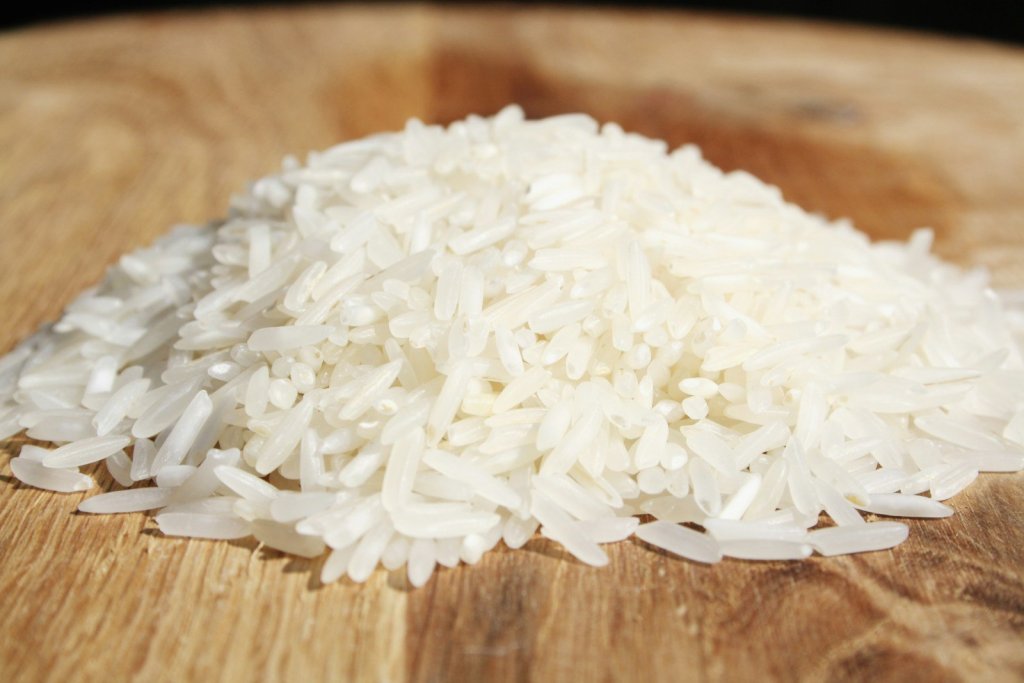
The biggest nutritional drawback is fiber loss. Whole grains generally support better fullness, steadier digestion, and better overall grain quality. Harvard Nutrition Source recommends choosing a variety of whole grains and limiting refined grains like white rice.
This is why white rice is usually better seen as one grain option, not the only grain you eat. Swapping some white rice meals for brown rice, oats, barley, quinoa, or other whole grains can raise fiber intake without forcing an all-or-nothing approach.
It Can Raise Blood Sugar Faster
White rice is a refined carbohydrate, so it generally digests faster than brown rice. Harvard’s rice guide notes that the average glycemic index for white rice is higher than brown rice. The American Diabetes Association also emphasizes paying attention to both the amount and type of carbohydrate when managing blood sugar.
That does not mean everyone must avoid white rice. It means portion size and meal balance matter more. A smaller serving of white rice eaten with vegetables, beans, fish, eggs, tofu, chicken, or healthy fats will usually work better than a large serving by itself.
It May Crowd Out More Nutritious Grain Choices
When white rice is your main grain at most meals, you may miss chances to get more fiber and naturally occurring nutrients from whole grains. The Dietary Guidelines emphasize whole grains and advise that people who eat refined grains should choose enriched grains.
White Rice and Blood Sugar: What Matters Most
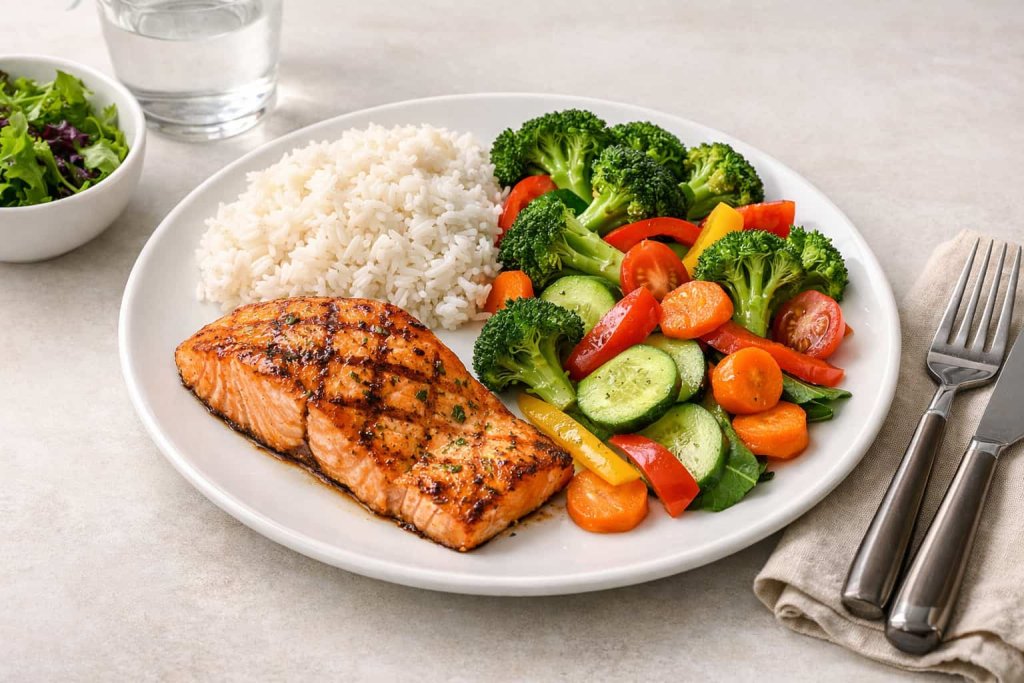
For blood sugar, the important question is not only whether you eat white rice, but also how much you eat and what you eat with it. The American Diabetes Association explains that starch foods should generally take up about a quarter of the plate when using the plate method.
A practical way to make white rice meals more balanced is to use a plate method:
- Fill half the plate with non-starchy vegetables
- Use one quarter for protein
- Use one quarter for carbohydrate foods such as rice
This kind of visual balance can make meals more satisfying and easier to manage without making eating feel complicated.
Better Ways to Eat White Rice
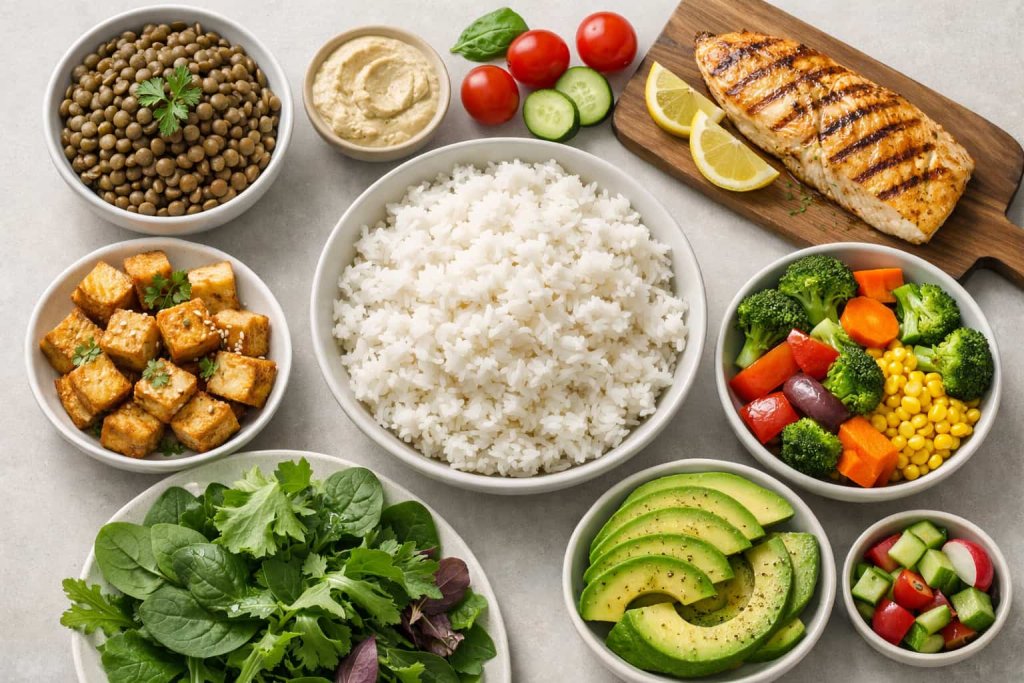
Try these simple upgrades:
- Keep the portion moderate instead of making rice the largest part of the meal
- Pair rice with beans, lentils, tofu, eggs, fish, chicken, or Greek yogurt-based sides
- Add vegetables such as broccoli, spinach, peppers, cabbage, carrots, or mixed salad
- Use white rice more often in mixed meals than as a plain oversized side
- Rotate in brown rice or other whole grains during the week
These steps do not turn white rice into a whole grain, but they can make the meal more balanced and more filling.
Is White Rice Better or Worse Than Brown Rice?
Brown rice is usually the more nutritious everyday choice because it keeps the bran and germ, which means more fiber and a less refined carbohydrate profile. White rice is usually easier to digest and softer in texture, but nutritionally it is more limited. For most healthy adults, the most sensible advice is to eat white rice if you enjoy it, while choosing brown rice or other whole grains more often when possible.
Still, “better” does not always mean better for every person in every situation. Some people prefer white rice for taste, texture, digestion, cost, or cultural food patterns. A sustainable healthy diet is one you can actually follow.
What About Arsenic in White Rice?
This is one of the most important safety topics in any article about rice. The FDA explains that rice and rice products can contain inorganic arsenic. The agency also notes that cooking rice in excess water and draining it can reduce inorganic arsenic, but this method can also lower the nutritional value of enriched polished and parboiled rice.
For most adults, this does not mean rice must be avoided completely. It means variety is smart. Eating a mix of grains instead of relying heavily on rice every day can help lower repeated exposure while also improving overall nutrient intake. This is especially worth noting for people who eat rice several times daily.
Practical Ways to Reduce Concern
- Vary your grains instead of eating rice at every meal
- Do not assume rinsing will meaningfully solve the arsenic issue
- Remember that some cooking methods can reduce arsenic but may also reduce nutrients in enriched rice
- Keep your overall diet varied and balanced
The goal here is not fear. It is simply smarter routine meal planning.
Who White Rice May Work Well For
White rice may fit well for:
- People who want an affordable, simple staple food
- People who prefer a lower-fiber grain in some meals
- Athletes or active people who want easy-to-digest carbohydrates around training
- Anyone who balances it with vegetables, protein, and other higher-fiber foods through the day
For very active people, white rice can be useful because it is a familiar, easy-to-digest source of carbohydrate. In some situations, that makes it easier to eat enough energy around training or competition without the heavier, more filling texture of high-fiber grains. Even then, it still helps to balance the overall day with vegetables, protein, fruit, legumes, and some whole grains.
These uses do not make white rice uniquely healthy, but they do show where it can fit well.
Who Should Be More Careful With White Rice
You may want to be more careful with white rice if:
- You have diabetes or prediabetes
- You are working on appetite control and need higher-fiber meals
- Most of your grain intake already comes from refined grains
- You eat rice very frequently and rarely rotate other grains
In these cases, the main issue is usually not white rice alone. It is the pattern of low fiber, large portions, and repeated refined-grain intake.
How Much White Rice Makes Sense?
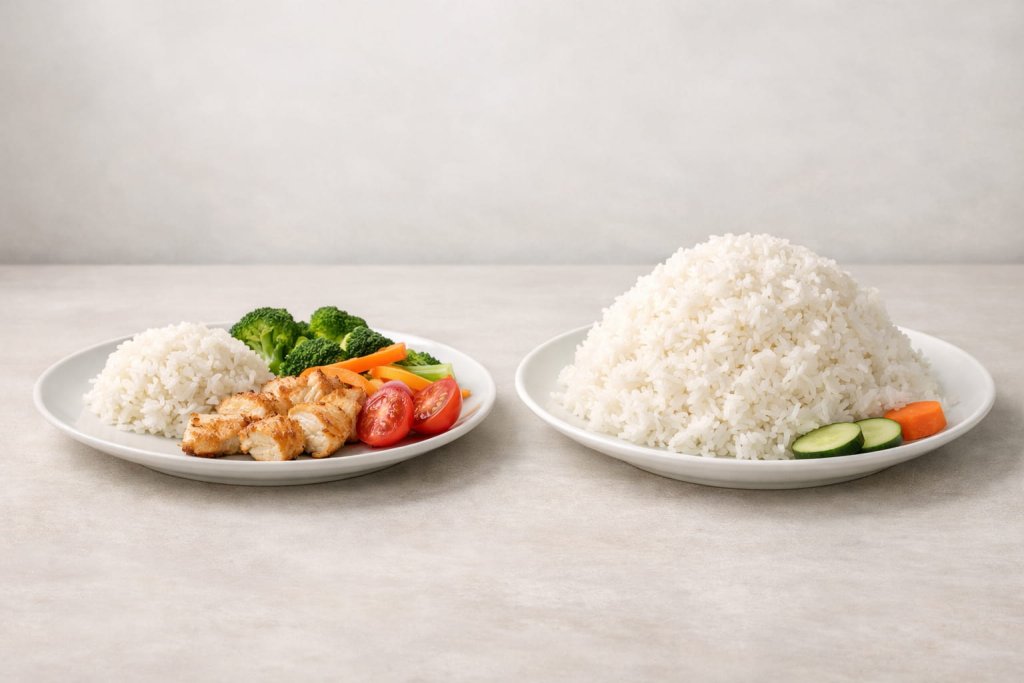
There is no single perfect serving for everyone, but moderation matters. A useful visual is to keep cooked rice to about the carbohydrate quarter of your plate instead of letting it dominate the meal. The American Diabetes Association uses this kind of plate balance to help people build more even meals.
A moderate portion in a mixed meal is usually very different from a heaping plate of rice with little else. That one shift alone can change how filling and blood-sugar-friendly the meal feels.
A simple example is a meal with a modest scoop of cooked white rice, a palm-sized serving of chicken, fish, tofu, eggs, or beans, and plenty of non-starchy vegetables. That kind of plate is usually more balanced than a large mound of rice with only a small amount of protein or vegetables on the side.
How to Choose a Healthier White Rice
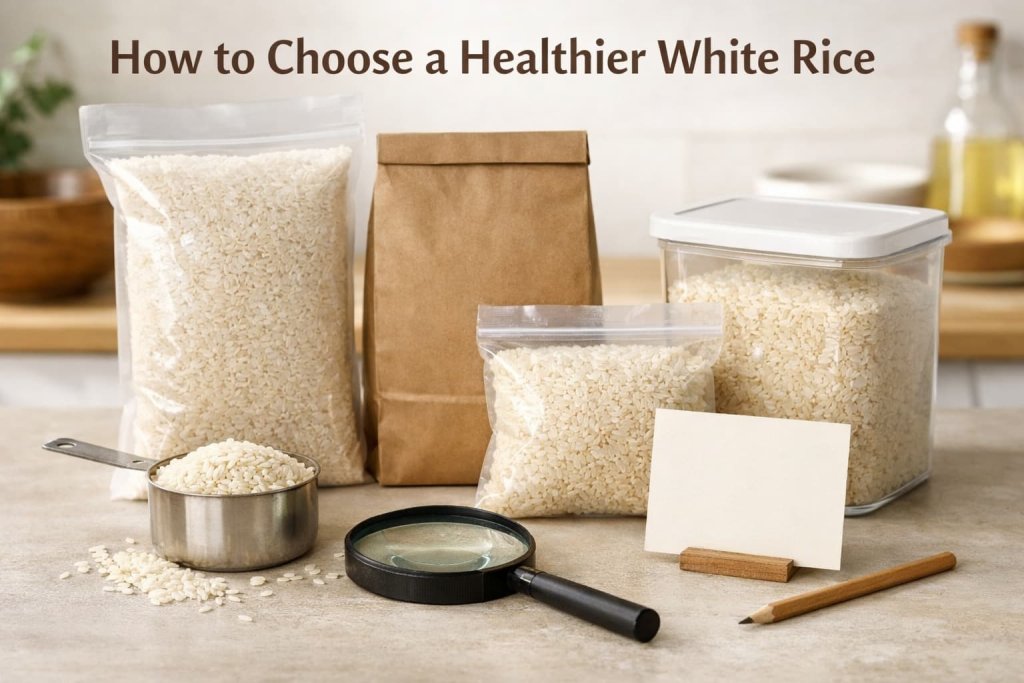
Not all white rice products are equally helpful. If you buy white rice often, check the label and package details instead of assuming all options are the same.
Look for:
- Enriched white rice rather than unenriched white rice
- Plain rice without added sodium, flavor packets, or sauces
- A product that fits your normal portion size and cooking habits
- Clear package labeling if you want to compare enriched versus non-enriched options
Be more careful with:
- Instant rice meals with salty seasoning packets
- Ready-to-eat rice products high in sodium
- Rice-based side dishes that add oils, sugars, or heavy sauces
This does not mean convenience products are always unhealthy. It simply means plain enriched rice usually gives you more control over the final meal.
Simple Ways to Make White Rice Healthier
Add Protein
Pairing white rice with beans, lentils, fish, chicken, eggs, tofu, or yogurt-based dishes can make the meal more satisfying and more balanced. Protein helps turn rice from a quick carb-heavy meal into a fuller meal.
Add Vegetables
Vegetables increase fiber, volume, and micronutrients without making the meal harder to prepare. Even simple additions such as stir-fried mixed vegetables, cucumbers, tomatoes, spinach, cabbage, or a side salad can help.
Mix Grains When You Can
You do not need to switch overnight. Even replacing some white rice meals with brown rice, quinoa, oats, barley, or other whole grains can improve the overall balance of your week.
Common Questions People Have About White Rice
Is White Rice Bad for Weight Loss?
Not necessarily. White rice can fit into a weight-loss plan if portions are controlled and the meal includes protein and vegetables. The bigger problem is often oversized servings and low-fiber meal patterns, not white rice alone.
Is White Rice Inflammatory?
This is often overstated online. White rice is a refined grain, and eating a lot of refined carbohydrates is generally less helpful than choosing more whole grains. But calling white rice itself inflammatory is too simplistic. Your overall eating pattern matters more than one single food.
Is Jasmine or Basmati Rice Healthier Than Regular White Rice?
Both can fit the same general advice. The biggest factors are still portion size, enrichment, and what you eat with the rice. A specific variety may change texture and cooking style, but the overall health message stays about the same for white rice as a refined grain.
The Healthiest Way to Eat White Rice
White rice is usually most helpful when:
- The portion is moderate
- The meal includes protein
- You add vegetables or legumes
- You do not rely on white rice as your only grain every day
- You choose enriched plain rice when possible
White rice is usually less helpful when:
- The portion is very large
- The meal is mostly rice with little protein or fiber
- Most of your grains are refined grains
- You regularly choose heavily salted or flavored packaged rice products
These patterns matter more than the label “healthy” or “unhealthy” by itself.
FAQ
1. Can I Eat White Rice Every Day?
You can, but it is usually better to vary your grains. Eating white rice daily is more reasonable when portions are moderate and your diet also includes vegetables, legumes, protein foods, and some whole grains.
2. Is Enriched White Rice Healthier Than Unenriched White Rice?
Enriched white rice is generally the better choice because it adds back nutrients such as iron and certain B vitamins, including folic acid. It still does not replace the fiber lost during refining.
3. Is White Rice Okay for People With Diabetes?
It can be, but it should be portioned carefully and balanced with protein, vegetables, and other higher-fiber foods. People with diabetes often do better when they pay close attention to the total amount and type of carbohydrate in the meal.
4. Should I Rinse White Rice Before Cooking?
Rinsing may help with texture, but the FDA says it does not meaningfully solve the arsenic issue. For enriched rice, the FDA also warns that washing or certain cooking methods can reduce added nutrients.
5. Is Brown Rice Always Better Than White Rice?
Brown rice is usually the more nutrient-dense choice because it contains more fiber and is less refined. But white rice can still fit into a healthy diet depending on portion size, meal balance, tolerance, and personal preference.
6. Does White Rice Have Any Nutritional Value?
Yes. White rice is mainly a carbohydrate food, but enriched types can also provide iron and B vitamins. It is less nutrient-dense than whole grains, but it is not nutritionally worthless.
The Bottom Line
White rice is not the healthiest grain choice, but it is not automatically unhealthy either. It can fit into a healthy diet when portions are reasonable, meals are balanced, and whole grains still have a regular place in your routine. For most people, the smartest approach is simple: enjoy white rice if you like it, but do not let it be your only grain. Rotate better-quality grain choices through the week and build rice meals around vegetables and protein.