
Hand exercises improve grip strength, flexibility, and fine-motor control, helping your hands move better and feel stronger during daily tasks. These simple exercises may support joint comfort, reduce stiffness, and improve the way you hold, lift, write, or type. Understanding how hand exercises work is important because grip strength is now considered a meaningful indicator of overall functional health.
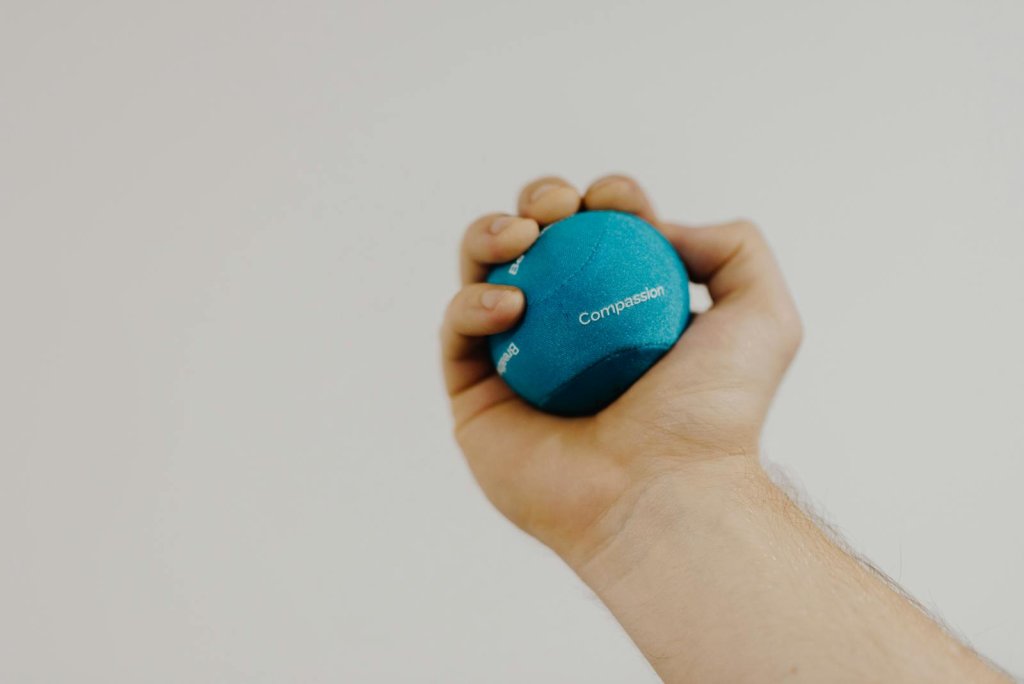
Most hand routines include mobility, tendon-gliding, strength work, and forearm support. You’ll find all of these below, including steps, safety notes, and expert-backed guidelines.
15 Best Hand Exercises to Improve Strength
Strengthening your hands helps improve grip power, reduce stiffness, and support better daily function. These 15 proven exercises target mobility, dexterity, and forearm strength to help your hands feel stronger and work more efficiently.
1. Finger Tendon Glides
Why It Works:
This exercise helps your flexor tendons glide smoothly through the hand, reducing stiffness and improving range of motion. It’s commonly used in hand therapy to maintain mobility after overuse, injury, or long periods of typing.
Muscles Worked:
Flexor tendons, intrinsic hand muscles, lumbricals.
How to Do It:
- Start with your fingers fully straight.
- Move into a hook fist, bending the knuckles while keeping fingertips straight.
- Shift into the tabletop position (knuckles bent, fingertips straight upward).
- Make a full fist with all joints flexed.
- Return to the straight-hand position.
- Perform 5–10 slow, controlled repetitions.
Trainer Tip:
Do this several times per day to prevent stiffness, especially if you work at a computer.
2. Finger Lifts
Why It Works:
Finger lifts improve finger independence, extension strength, and mobility—helpful for fine motor tasks like writing, typing, and gripping small objects.
Muscles Worked:
Finger extensors, lumbricals, interossei.
How to Do It:
- Place your hand flat on a table or firm surface.
- Lift one finger at a time as high as comfortable.
- Hold for 2–3 seconds.
- Lower slowly.
- Repeat 8–10 reps per finger.
Trainer Tip:
Don’t force the height—smooth, controlled lifting is more effective than lifting high.
3. Thumb Touches
Why It Works:
This exercise improves thumb coordination, dexterity, and functional pinch strength, which supports daily tasks like buttoning clothes or holding objects.
Muscles Worked:
Thumb flexors, thenar muscles, opponens pollicis.
How to Do It:
- Touch your thumb to the tip of each finger, forming a clean “O” every time.
- Move slowly from index to little finger.
- Repeat 10–12 cycles.
Trainer Tip:
Focus on precision and full contact—avoid rushing the movement.
4. Full Fist Squeezes
Why It Works:
Encourages full finger flexion, helps loosen stiff joints, and promotes overall hand circulation—especially beneficial after waking up or long computer use.
Muscles Worked:
Finger flexors, palmar intrinsic muscles.
How to Do It:
- Form a gentle fist.
- Squeeze lightly for 3–4 seconds.
- Relax and open your hand fully.
- Repeat 10–15 reps.
Trainer Tip:
If you have arthritis, use only light pressure to avoid irritation.
5. Ball or Putty Squeezes
Why It Works:
A proven way to build grip strength, grip endurance, and overall hand power. Research shows regular squeezing exercises may improve daily functional strength.
Muscles Worked:
Forearm flexors, intrinsic hand muscles, flexor digitorum group.
How to Do It:
- Hold a stress ball, therapy putty, or tennis ball.
- Squeeze with moderate pressure for 3–5 seconds.
- Release slowly.
- Perform 10–15 reps.
Trainer Tip:
Start with soft putty or a softer ball and increase resistance as you get stronger.
6. Towel Wringing
Why It Works:
Trains rotational gripping strength used in everyday twisting tasks like opening jars or wringing out a cloth.
Muscles Worked:
Forearm flexors, extensors, pronators, supinators.
How to Do It:
- Roll up a towel.
- Grip both ends and twist in opposite directions.
- Reverse and twist the other way.
- Repeat 10–12 reps.
Trainer Tip:
Keep elbows close to your body to target the wrists and hands—not the shoulders.
7. Finger Spreads (Elastic Band)
Why It Works:
Strengthens the often-neglected finger extensor muscles, promoting balanced hand strength and reducing tension from repetitive gripping.
Muscles Worked:
Finger extensors, abductors, interossei.
How to Do It:
- Place a rubber band around all fingers.
- Spread your fingers outward.
- Hold for 2 seconds.
- Return slowly.
- Repeat 12–15 reps.
Trainer Tip:
Use a thicker or doubled band to increase resistance over time.
8. Pinch Strength Holds
Why It Works:
Develops thumb-to-finger pinch strength, essential for holding keys, bags, utensils, or performing fine motor tasks.
Muscles Worked:
Thumb pinch muscles (adductor pollicis), finger flexors, thenar muscles.
How to Do It:
- Pinch a book, weight plate, clothespin, or card.
- Hold for 5–10 seconds.
- Rest and repeat 6–10 reps.
Trainer Tip:
Start with thin objects and progress to thicker or heavier ones gradually.
9. Wrist Curls
Why It Works:
Strengthens the wrist flexors, which directly support grip strength and improve your ability to hold or carry objects.
Muscles Worked:
Forearm flexors (flexor carpi radialis, flexor carpi ulnaris).
How to Do It:
- Hold a light dumbbell or water bottle.
- Rest forearm on thigh, palm facing upward.
- Curl your wrist upward.
- Lower slowly.
- Perform 10–15 reps.
Trainer Tip:
Slow, controlled lowering builds strength more effectively than fast reps.
10. Reverse Wrist Curls
Why It Works:
Balances grip strength by strengthening the wrist extensors, reducing the risk of overuse and improving wrist alignment.
Muscles Worked:
Forearm extensors (extensor carpi radialis, extensor carpi ulnaris).
How to Do It:
- Hold a light weight with your palm facing down.
- Lift the back of your hand upward.
- Lower slowly.
- Repeat 10–15 reps.
Trainer Tip:
Use very light weight—these muscles fatigue quickly.
11. Wrist Rotations
Why It Works:
Improves wrist mobility and coordination, helping with tasks involving turning or rotating the hand.
Muscles Worked:
Forearm rotators (pronator teres, supinator).
How to Do It:
- Hold a light object or nothing at all.
- Rotate your wrist clockwise.
- Then rotate counterclockwise.
- Repeat 10–15 reps each direction.
Trainer Tip:
Keep your elbow close to your body to avoid compensating with the shoulder.
12. Radial–Ulnar Deviations
Why It Works:
Strengthens the side-to-side stabilizing muscles of the wrist, supporting better control during lifting, carrying, and gripping tasks.
Muscles Worked:
Wrist stabilizers, forearm muscles (flexor/extensor variants).
How to Do It:
- Hold a light weight vertically.
- Move your wrist side to side (thumb side to pinky side).
- Perform 10–15 controlled reps.
Trainer Tip:
Keep your forearm still—only the wrist moves.
13. Tabletop Finger Walk
Why It Works:
Improves finger dexterity, coordination, and isolation—helpful for musicians, typists, and anyone needing precise finger control.
Muscles Worked:
Intrinsic hand muscles, finger flexors and extensors.
How to Do It:
- Place fingertips on a table.
- “Walk” them forward and back in small steps.
- Continue for 15–20 seconds.
Trainer Tip:
Apply light pressure to avoid fatigue and maintain smooth, rhythmic steps.
14. Farmer’s Carry (Grip Endurance)
Why It Works:
Builds real-world grip endurance and strengthens the entire hand–forearm chain while enhancing shoulder and core stability.
Muscles Worked:
Forearm flexors, intrinsic hand muscles, shoulders, core.
How to Do It:
- Hold two moderate-weight dumbbells.
- Walk 20–30 seconds with stable posture.
- Rest and repeat 2–3 times.
Trainer Tip:
Avoid shrugging—keep shoulders down and chest tall.
15. Dead Hangs (Advanced)
Why It Works:
Develops strong support grip and forearm endurance, improving your ability to hold bodyweight and enhancing shoulder stability.
Muscles Worked:
Grip muscles, forearms, lats, shoulders, rotator cuff.
How to Do It:
- Grab a pull-up bar with both hands.
- Hang for 10–20 seconds.
- Rest and repeat.
Trainer Tip:
Skip this exercise if you have shoulder, wrist, or elbow discomfort.
How Often Should You Do Hand Exercises?
Follow evidence-aligned guidelines:
- Mobility & Tendon Glides: Daily or multiple short sessions per day.
- Strength Training: 2–3 days per week following ACSM-style resistance guidelines.
- Reps & Sets:
- 1–3 sets
- 8–15 reps for strengthening exercises
- 10–20 seconds for holds (carries/hangs)
- Increase reps or resistance gradually using soft-to-firm putty, heavier objects, or longer holds.
Common Mistakes to Avoid
- Using too much resistance too early
- Training through joint or nerve pain
- Overworking gripping muscles without balancing with extensors
- Holding your breath (always breathe naturally)
- Ignoring wrist alignment and posture
Why Hand Exercises Matter
Hand exercises play an important role in maintaining healthy movement, supporting daily function, and improving overall hand comfort. They may help reduce stiffness from repetitive activities like typing, writing, or gripping tools. Research also shows that grip strength is closely linked to functional independence, mobility, and physical resilience—making hand health an important part of overall well-being. Strengthening the hand and forearm muscles supports better control, improves the ability to carry objects, and enhances fine-motor movements you rely on every day.
Key Benefits of Hand Exercises
- Support long-term functional health as you age.
- Support healthier hand and wrist movement patterns.
- May help reduce everyday stiffness from repetitive use.
- Improve grip strength, which research links to better mobility and daily independence.
- Enhance fine-motor skills for tasks like writing, typing, and buttoning clothes.
- Increase hand and forearm endurance for lifting and carrying.
Safety Guidelines Before You Begin
Before starting a hand-exercise routine, keep these points in mind:
- Avoid sharp, shooting, or worsening pain.
- Move slowly and stay within a comfortable range.
- Warm up with gentle wrist circles or tendon glides.
- If you have arthritis, nerve issues, recent injury, or swelling, follow guidance from a doctor or hand therapist.
- Stop and rest if your hands become numb, weak, or overly fatigued.
FAQs
1. Do hand exercises really improve grip strength?
Yes. Research consistently shows that targeted hand exercises may increase grip strength, especially when done 2–3 times per week.
2. Can hand exercises help with arthritis stiffness?
They may help improve comfort and mobility, but movements should be gentle. Follow guidance from a healthcare professional.
3. How long does it take to see results?
Many people notice improvement in 4–8 weeks with consistent practice.
4. Are hand exercises safe for carpal tunnel?
Some exercises (like nerve and tendon glides) may help, but they are not a stand-alone treatment. Refer to official medical resources.
5. Do I need equipment for hand exercises?
Most exercises require no equipment, but items like a stress ball, rubber band, or light dumbbell can be helpful.
6. Should I do hand exercises every day?
Mobility exercises can be done daily; strength work is best performed 2–3 days per week.
7. Can these exercises help reduce typing or phone-use discomfort?
They may support better mobility and strength, but frequent breaks and ergonomic adjustments are also important.
Conclusion
Hand exercises are a simple, effective way to improve grip strength, flexibility, and daily hand function. Whether your goal is better mobility, stronger hands for work or fitness, or reduced stiffness, these exercises provide a solid foundation. Start with a few movements, stay consistent, and gradually progress.
Ready to begin? Start with tendon glides and ball squeezes today to feel a noticeable difference in how your hands move and perform.