
Pull ups are a bodyweight exercise where you hang from a bar and pull your body up until your chin clears the bar, using your back, arms, and core. Learning proper pull up form matters because it helps you build real pulling strength, track progress clearly, and reduce “cheat reps” that can irritate shoulders or elbows over time.
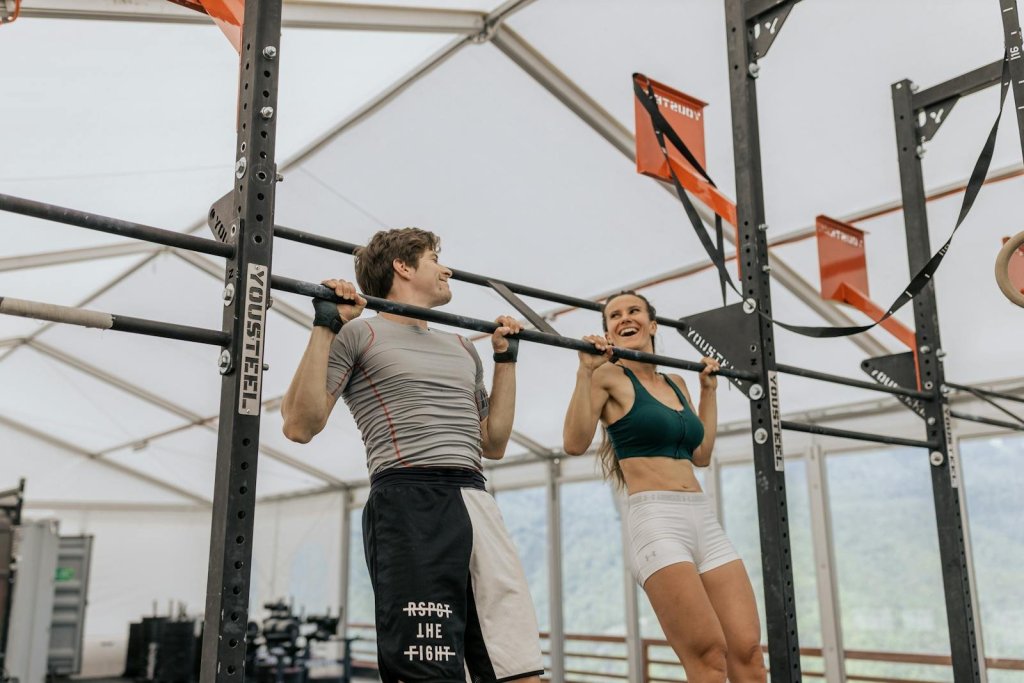
In this guide, you’ll learn the safest setup, the most effective grips, the most common mistakes, and a step-by-step progression plan (including the classic vertical-pull progression used in strength coaching).
What are pull ups?
A pull up is a vertical pulling movement done on a fixed bar using an overhand grip (palms facing away). The goal is clean, controlled reps through a consistent range of motion.
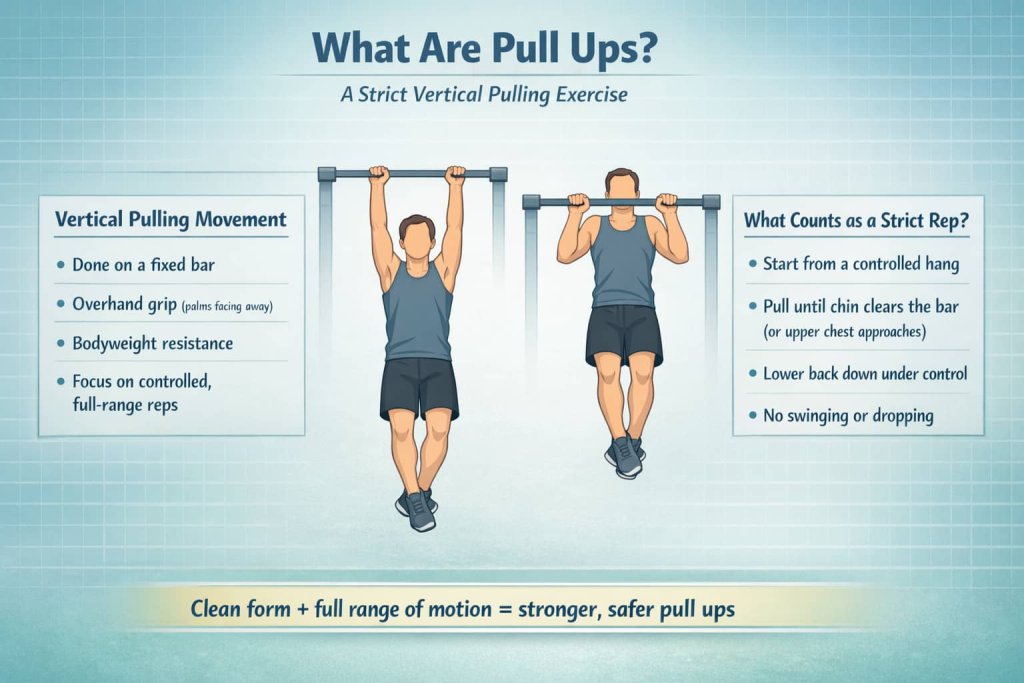
Most coaches define a strict pull up as:
- Start from a controlled hang
- Pull until your chin clears the bar (or upper chest approaches the bar)
- Lower back down under control (no dropping)
Why pull ups are worth doing
Pull ups are popular because they train multiple muscles at once and build strength you can feel in daily life and sports.
Key benefits:
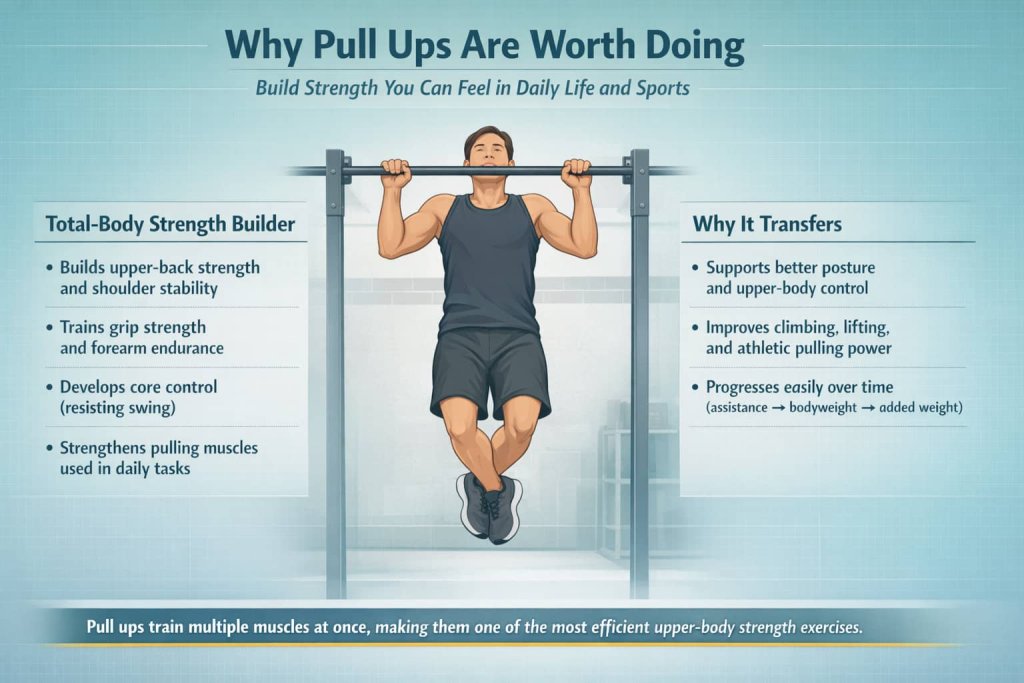
- Builds upper-back strength and shoulder stability
- Trains grip strength and forearm endurance
- Develops core control (you must resist swinging)
- Progresses easily over time (assistance → bodyweight → added weight)
How to do pull ups with strict form
How to do it (bullet points):
- Grab the bar with an overhand grip, hands about shoulder-width apart
- Start in a controlled hang with shoulders “set” (think: shoulders down and back, not shrugged)
- Brace your core and lightly squeeze your glutes to prevent swinging
- Pull your chest up toward the bar while keeping your ribs down (avoid over-arching)
- Aim to bring your chin over the bar without craning your neck
- Pause briefly at the top if you can keep control
- Lower slowly to a full hang again, keeping tension (don’t drop)
Trainer tip:
If your reps look clean on the way up but messy on the way down, slow your lowering phase—controlled technique is a common safety and training principle in strength guidance from the Mayo Clinic.
What you need for pull ups
- A stable pull-up bar that does not wobble
- Enough head clearance to reach a full hang safely
- Optional: resistance band, assisted pull-up machine, or a box for setup support
Muscles worked in pull ups
Primary muscles:
- Latissimus dorsi (lats)
- Upper back (mid/lower traps, rhomboids)
- Biceps and brachialis
Secondary support:
- Forearms and grip muscles
- Rear delts
- Core (anti-swing control)
Pull Up Variations (When to Use Them)
Pull up variations help you change the challenge without changing the goal: strict vertical pulling with good shoulder control. Use the variation that lets you keep clean reps, a steady body position, and a controlled lowering phase.
1. Neutral-Grip Pull Ups (palms facing each other)
Why it works:
Neutral grip often feels smoother on the elbows and shoulders because it keeps the arm in a more natural position while still training the same vertical pulling pattern. It’s a smart choice for building weekly volume with consistent reps.
How to do it:
- Use parallel handles (neutral-grip bar) and grab with palms facing each other
- Start in a controlled hang with shoulders set (down and back)
- Brace your core and keep legs quiet to prevent swinging
- Pull until your chin clears the handles (or your upper chest approaches)
- Lower under control back to a full hang and reset
Trainer Tip:
If neutral grip feels better, use it for most of your weekly sets and keep overhand pull ups as a secondary skill practice.
2. Chin Ups (underhand grip)
Why it works:
Chin ups usually feel easier for many beginners because the biceps can contribute more, which helps you practice full range reps and build pulling strength without grinding. It’s also a useful bridge toward strict overhand pull ups.
How to do it:
- Grab the bar with palms facing you, about shoulder-width
- Set your shoulders before pulling (avoid shrugging)
- Pull your chest up while keeping ribs down and neck neutral
- Finish with chin over the bar, then lower slowly to a full hang
Trainer Tip:
Keep wrists straight and avoid “curling” yourself to the bar. Think “pull elbows down” rather than “pull with hands.”
3. Band-Assisted Pull Ups
Why it works:
Bands reduce your bodyweight so you can practice strict form through a full range of motion. That means more quality reps, better technique, and a safer path to your first unassisted pull up.
How to do it:
- Loop a resistance band securely around the bar
- Place one foot (or a knee) into the band and set your grip
- Start in a controlled hang with the band supporting some weight
- Pull up smoothly to chin-over-bar height
- Lower slowly and fully, keeping tension and controlling swing
Trainer Tip:
Pick a band that lets you do 3–6 clean reps with a steady body. Progress by switching to a lighter band, not by forcing sloppy reps.
4. Assisted Pull-Up Machine
Why it works:
Machine assistance is stable and repeatable, making it easier to control form and track progress. It’s especially helpful when you want consistent sets and reps without the “changing help” that bands can create through the rep.
How to do it:
- Choose an assistance level that allows strict reps (no bouncing)
- Set knees or feet on the pad as instructed
- Start with shoulders set and core braced
- Pull until chin clears the bar, then lower under control
- Keep tempo smooth and avoid using the pad’s bounce
Trainer Tip:
Use the same rep standard every time. Lower the assistance gradually only when your reps stay strict at the same range of motion.
5. Negative Pull Ups (eccentric-only)
Why it works:
Negatives overload the lowering phase, which is a powerful way to build strength and control when you can’t yet pull your body up. They also teach you how to stay tight and avoid shoulder shrugging or swinging.
How to do it:
- Use a box to step into the top position (chin over bar)
- Set shoulders and brace your core before you start lowering
- Lower for 3–5 seconds to a full hang
- Step back up and repeat, fully resetting each rep
Trainer Tip:
Stop the set when your lowering speed gets faster or your shoulders shrug up. Three perfect negatives beat five messy ones.
6. Tempo Pull Ups (slow reps)
Why it works:
Tempo makes pull ups harder without adding weight by increasing time under tension. Slow lowering improves control, teaches better body position, and often cleans up rep quality quickly.
How to do it:
- Use a controlled tempo like 1 second up and 3 seconds down
- Start from a full hang with shoulders set
- Pull smoothly to chin-over-bar height
- Lower for a full 3 seconds to a full hang, keeping your body steady
Trainer Tip:
If you can’t keep the tempo, use a band and keep the tempo strict. Tempo + assistance beats fast, uncontrolled reps.
7. Weighted Pull Ups
Why it works:
Once you can do consistent bodyweight pull ups, adding load is one of the clearest ways to build strength. Small weight increases help you progress without needing endless reps.
How to do it:
- Use a dip belt or hold a dumbbell securely between your feet (advanced)
- Keep the exact same standards: full hang, chin over bar, controlled lowering
- Start with small weight increases and lower reps
- Rest enough to keep every set strict
Trainer Tip:
Add weight only if you can already hit solid clean sets (often 6–10 strict reps bodyweight). If form breaks, reduce load or return to tempo work.
8. Towel Pull Ups (advanced grip focus)
Why it works:
Towel pull ups increase grip demand and forearm endurance because you’re squeezing fabric instead of a solid bar. They’re great when your back is strong but your grip is the limiting factor.
How to do it:
- Drape two towels evenly over the bar
- Hold one towel in each hand (or both hands on one towel for a harder variation)
- Set shoulders, brace core, and pull smoothly
- Keep reps strict and lower slowly to avoid slipping
- Use shorter sets for safety and quality
Trainer Tip:
Use low reps and longer rest. If your grip is failing mid-rep, switch to hangs or towel holds instead of forcing reps.
Pull up grip types and how to choose
Grip changes how the rep feels and which muscles “help” more. Choose the grip that lets you stay controlled and pain-free.
| Grip | What it is | Usually feels like |
|---|---|---|
| Overhand (Pull up) | Palms away | More upper-back and lat demand |
| Underhand (Chin up) | Palms toward you | Often more biceps help, sometimes easier |
| Neutral grip | Palms facing each other | Often shoulder- and elbow-friendly if available |
| Wide grip | Hands wider than shoulders | Shorter range, can feel tougher on shoulders for some |
Practical rule: Start with shoulder-width overhand or neutral if you have the option. If elbows feel cranky, try neutral grip before forcing more volume.
Common pull up mistakes (and quick fixes)
Swinging and “kipping” unintentionally
Fix:
- Squeeze glutes lightly
- Brace your midsection before you pull
- Pause for one second at the bottom to reset
Half reps (not reaching a full hang or not getting high enough)
Fix:
- Pick a standard and repeat it (full hang → chin over bar)
- Use assistance (band/machine) so you can own the full range
Shrugging up into your ears
Fix:
- Think “shoulders down” before the first rep
- Start each set with a controlled hang and shoulder set
Neck jutting and chin reaching
Fix:
- Keep your neck neutral
- Pull your chest up, not your face forward
Safety note: Don’t train through sharp or shooting pain—this “stop if it hurts” idea matches mainstream strength-training safety advice from Mayo Clinic Health System.
Pull up progressions that actually work
If you can’t do pull ups yet, your job is to build the vertical pulling pattern and gradually reduce assistance.
A classic coaching sequence is the vertical pull progression: lat pulldown → assisted pull-up → pull-up, as shown in an NSCA coaching resource on resistance-training movement patterns from the National Strength and Conditioning Association.
Step 1: Build vertical pull strength
Best options:
- Lat pulldown (controlled, full range)
- Seated cable pulldown variations
- Scapular pull-ups (small-range “shoulder set” reps)
Goal: You can control the movement and keep shoulders stable.
Step 2: Assisted pull ups (make the rep look perfect)
Assistance options:
- Assisted pull-up machine
- Resistance band assistance
- Partner assistance (light, consistent help)
Goal: 3–6 clean reps per set with minimal swinging.
Step 3: Negative pull ups (controlled lowering)
How:
- Step to the top position using a box
- Lower for 3–5 seconds
- Reset and repeat
Goal: Own the lowering phase before chasing more full reps.
Step 4: Full pull ups (low reps, high quality)
Start with singles or doubles and build gradually.
If you want a coach-style approach to getting better faster, the “practice the move” (specificity) principle shows up clearly in pull-up coaching.
How to program pull ups for results
If you’re a beginner (0–2 reps)
- 2–3 days/week
- 3–5 sets of assisted pull ups or negatives
- Stop 1–2 reps before form breaks
Example:
- Assisted pull ups: 4 sets of 5 reps
- Negatives: 3 sets of 3 reps (3–5 second lowers)
If you’re intermediate (3–8 reps)
- 2–3 days/week
- Mix strict reps + back-off assistance
Example:
- Strict pull ups: 5 sets of 3 reps
- Back-off band-assisted: 2 sets of 6 reps
If you’re advanced (9+ reps)
- Add difficulty with:
- Weight (dip belt)
- Tempo (slower lowering)
- Pauses (1 second at top)
- Keep at least one “easy technique day” each week
General training context: Pull ups count as muscle-strengthening work, and public-health guidelines recommend doing muscle-strengthening activity at least two days per week, as explained by the CDC.
Who should be careful with pull ups?
Be extra cautious (or choose an easier vertical-pull option first) if you have:
- Ongoing shoulder or elbow pain that gets worse with pulling
- A recent upper-body injury or surgery (get cleared first)
- Poor bar setup (an unstable bar is a no-go)
For teens and beginners, pull ups can be a great skill, but prioritize clean reps, controlled volume, and recovery.
FAQs
Are pull ups better than chin ups?
Neither is “better” for everyone. Pull ups (overhand) often feel more back-dominant, while chin ups (underhand) usually involve more biceps and may feel easier for beginners.
How wide should my pull up grip be?
Start around shoulder-width. Too wide often shortens range of motion and can feel rough on shoulders for some people.
How many pull ups should I do per workout?
Quality first. Beginners often do 15–30 total assisted/negative reps across sets. Intermediates can build toward 15–30 total strict reps across sets, depending on recovery.
What’s the fastest way to get your first pull up?
Train 2–3 days/week with assisted pull ups plus controlled negatives, and keep reps strict. Progress by reducing assistance and improving control.
Should I go to a dead hang every rep?
For most people, yes—full range helps you standardize reps and track progress. If your shoulders don’t tolerate a full hang, use a controlled bottom position and get guidance.
Do pull ups build muscle?
They can support back and arm muscle growth when you use enough total volume over time and progressively increase difficulty (more reps, less assistance, slower tempo, or added load).
Why do my elbows hurt during pull ups?
Common reasons include doing too much volume too soon, using a grip that irritates your joints, or losing control on the way down. Try neutral grip if available, reduce volume, slow the lowering phase, and avoid training through sharp pain.
Conclusion
Pull ups are simple to understand but rewarding to master: set your shoulders, brace your core, pull with control, and progress step-by-step. Start with assistance that lets you keep perfect form, then earn your full reps over time.
If you tell me your current level (0 reps, 1–3 reps, 4–8 reps, 9+ reps), I’ll lay out a clean 4-week pull up progression you can paste into your workout plan.
References
- Youdas, J. W., et al. (2010). Surface electromyographic activation patterns and elbow joint motion during pull-up and chin-up variations. PubMed
- Dickie, J. A., et al. (2017). Electromyographic analysis of muscle activation during pull-up variations (grip comparisons). PubMed
- Snarr, R. L., Esco, M. R., & Hall, M. E. (2017). Electromyographical comparison of traditional, suspension, and towel pull-up variations. PubMed Central (PMC)