
The suitcase carry exercise is a one-handed loaded walk that trains your core to resist side-bending, improving stability, posture control, and total-body strength in a very practical way. It’s popular because it looks simple, but it challenges your trunk, hips, and grip while you move, which is how your body works in real life.
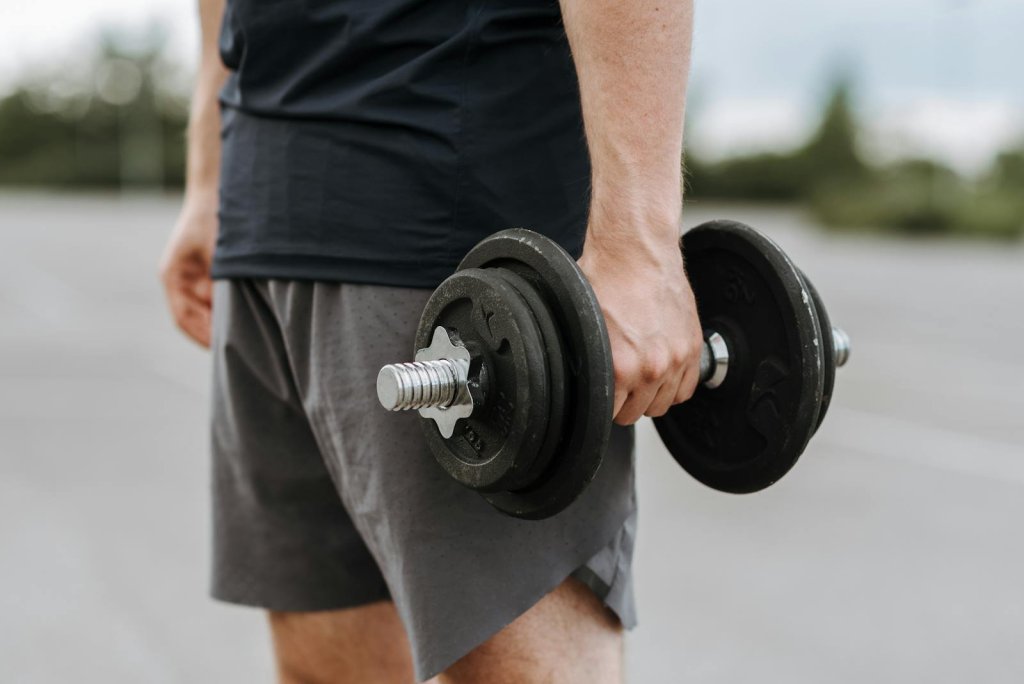
If you want a time-efficient exercise that builds real-world strength with minimal equipment, the suitcase carry is a strong option. You’ll learn exactly how to do it safely, how to choose the right weight, and how to program it for your goals.
What Is the Suitcase Carry Exercise
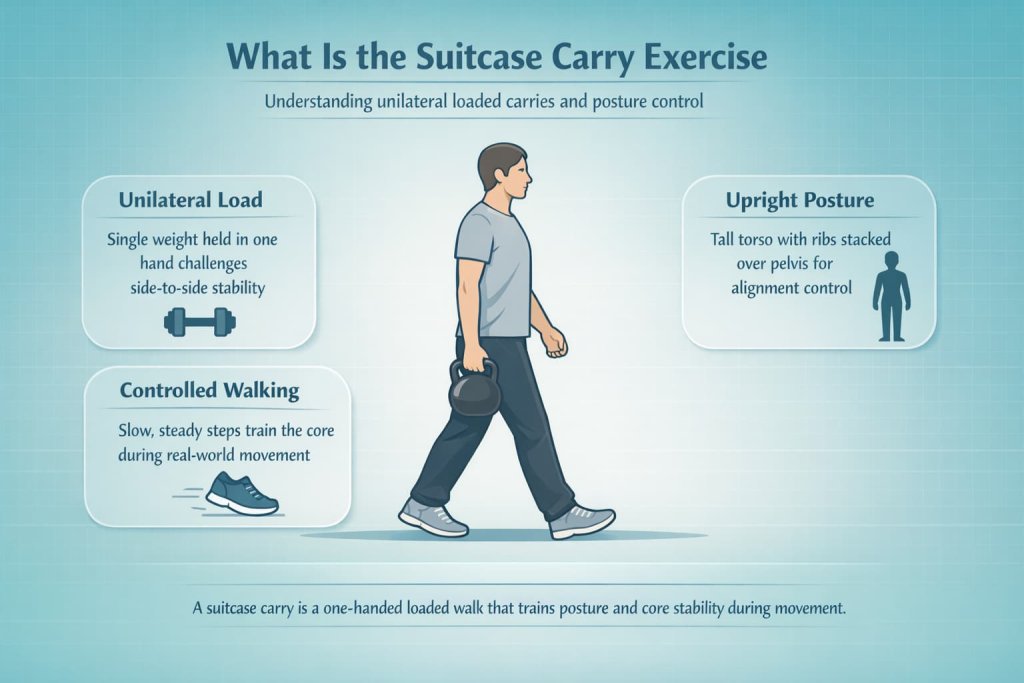
The suitcase carry is a unilateral loaded carry. You hold a single dumbbell or kettlebell at your side (like carrying a suitcase) and walk with controlled steps while keeping your torso tall and steady. The suitcase carry is a walking movement performed with a single weight held at the side while maintaining an upright spine and controlled posture.
How to Do the Suitcase Carry Exercise
Setup
- Choose a dumbbell or kettlebell you can hold without leaning or shrugging.
- Stand tall with feet about hip-width apart.
- Hold the weight at one side with the arm straight and relaxed.
- Stack your ribs over your pelvis and keep your head tall.
Walking cues
- Take slow, controlled steps.
- Keep shoulders level and avoid leaning toward or away from the weight.
- Minimize trunk sway, twisting, or side-bending.
- Walk for your planned time or distance, then switch sides.
Why the Suitcase Carry Exercise Builds Serious Core Stability
Core stability is not just about abdominal muscles. In daily activities and sport, your trunk must resist unwanted movement while your hips and legs produce force. The suitcase carry is especially effective for training anti-lateral flexion, meaning your core works to prevent side-bending while you walk.
The National Strength and Conditioning Association (NSCA) highlights loaded carries as a whole-body strategy for developing hip–trunk stability, noting that unilateral loading increases the demand on the trunk to stay aligned during movement.
What research says about carries vs holds
A 2024 electromyography study published by the National Institutes of Health (NIH) compared loaded carries performed while walking with static loaded holds. The findings showed that the suitcase carry produced greater activation of key trunk muscles, including the longissimus and multifidus, than holding a single weight while standing still. This supports the idea that walking under load challenges core stability more effectively than static positions.
Muscles Worked in the Suitcase Carry Exercise
The suitcase carry involves the entire body, but the primary focus is on muscles responsible for posture and stability.
Primary muscles and systems trained
- Lateral core stabilizers that resist side-bending
- Deep spinal stabilizers that support neutral alignment
- Glute and hip stabilizers that keep the pelvis level during walking
- Grip and forearm muscles that maintain control of the load
- Upper back and shoulder stabilizers that support upright posture
Common Mistakes That Reduce Results
Leaning or counterbalancing
Leaning away from the weight reduces the core challenge and turns the exercise into a compensation pattern rather than a stability drill.
Shrugging the shoulder
Excessive shoulder elevation shifts work away from the trunk and may strain the neck and upper traps.
Rushing the walk
Fast steps increase momentum and trunk sway, reducing the quality of core engagement.
Going too heavy too soon
Unilateral loading places higher demands on the spine than carrying weight in both hands. The National Strength and Conditioning Association (NSCA) emphasizes conservative loading and clean technique when progressing one-handed carries.
How Heavy Should You Go
Choose a weight that allows you to stay upright, breathe normally, and walk without visible leaning.
Simple starting guide
- Beginners: 20–40 seconds per side with perfect posture
- Intermediate: 30–60 seconds per side with consistent alignment
- Advanced: Gradual load increases while maintaining posture quality
If grip fatigue limits performance before posture does, reduce carry duration and build volume progressively.
Suitcase Carry Exercise Variations and Progressions
Regression options
- Suitcase hold (standing still) to learn posture control
- Lighter weight with longer, posture-focused carry time
Progression options
- Longer walking distances or time
- Heavier loads with unchanged posture quality
- Slower walking tempo to reduce momentum
- Controlled uneven surfaces only when alignment remains stable
The National Strength and Conditioning Association (NSCA) notes that loaded carries can be used early in training to reinforce stability or later as a conditioning tool.
How to Program the Suitcase Carry Exercise
Suitcase carries can be programmed by time or distance depending on your goal.
For core stability and posture control
- 2–3 sets of 20–40 seconds per side
- 45–90 seconds rest
For strength and bracing under load
- 3–4 sets of 15–30 seconds per side with heavier weight
- 90–120 seconds rest
For conditioning
- 2–4 rounds of 30–60 seconds per side
- Shorter rest periods if posture remains controlled
For overall health, the Centers for Disease Control and Prevention (CDC) recommends combining strength training with regular physical activity across the week.
Who Should Be Careful Before Doing Suitcase Carries
Most people can perform suitcase carries safely with appropriate loading and good technique, but extra caution is recommended if you have certain conditions or limitations. Because this exercise involves unilateral loading and walking, it places higher demands on balance and trunk control than many static core exercises.
You should be especially careful if you have:
- New, worsening, or persistent low back pain
- Pain, numbness, tingling, or weakness that travels into the leg or foot
- A history of spinal disc injury, stress fracture, or recent back surgery
- Balance impairments or a high risk of falls
- Significant asymmetry in strength or mobility that makes it difficult to stay upright
- Any condition where carrying weight in one hand feels unstable or uncomfortable
In these situations, starting with lighter loads, shorter distances, or bilateral carries (weight in both hands) may be more appropriate before progressing to suitcase carries.
When to Stop or Seek Professional Guidance
Stop the exercise and seek qualified medical or rehabilitation guidance if you notice symptoms that go beyond normal muscular effort or fatigue. The suitcase carry should feel challenging but controlled, not painful or alarming.
Seek professional input if you experience:
- Sharp, increasing, or persistent back pain during or after carries
- A feeling of “giving way,” loss of balance, or inability to stay upright even with light weight
- Progressive worsening of symptoms across sessions instead of gradual improvement
- New neurological symptoms such as numbness, tingling, or weakness
- Pain that does not settle with reduced load, shorter carries, or rest
Professional assessment can help determine whether the suitcase carry is appropriate for you, how it should be modified, or whether a different exercise would better match your current capacity.
Suitcase Carry Exercise FAQs
Is the suitcase carry good for abs?
Yes. It trains the core to resist side-bending and unwanted motion while walking. Research summarized by the National Institutes of Health (NIH) shows greater trunk muscle activation during walking carries compared with static holds.
How far should I walk?
Start with a distance or time you can complete with perfect posture, often 10–25 meters or 20–40 seconds per side.
Dumbbell or kettlebell?
Both are effective. Choose the option that allows you to keep the shoulder relaxed and posture upright.
Should I feel it in my lower back?
You should feel muscular effort, not pain. Reduce load or stop if discomfort increases or posture breaks down.
How often should I do suitcase carries?
Most people include them 2–3 times per week within a strength program, which aligns with general activity guidance from the Centers for Disease Control and Prevention (CDC) .
Farmer’s carry vs suitcase carry?
A farmer’s carry uses weight in both hands, while a suitcase carry uses one. The unilateral load increases anti-side-bending demands, as explained by the National Strength and Conditioning Association (NSCA).
Conclusion
The suitcase carry exercise is a simple but highly effective way to build real-world core stability. By resisting side-bending while walking, you train posture, balance, and strength in a way that transfers directly to daily life. Start light, move slowly, and progress only when alignment stays clean.
References
- World Health Organization (WHO): Physical Activity Recommendations
- U.S. Department of Health and Human Services: Physical Activity Guidelines for Americans (2nd Edition)
- SAGE Journals: Biomechanical Analysis of the Farmer’s Walk (Winwood et al., 2014)
- ScienceDirect: Effects of Load Carriage on Spinal Loading (Chow et al., 2011)