
You cannot target belly fat directly, but you can reduce overall body fat and strengthen your core to achieve a flatter stomach. This approach is supported by national nutrition and physical-activity guidelines and remains the safest, most evidence-based method. Understanding how nutrition, lifestyle habits, and movement patterns influence abdominal fat helps you make sustainable changes that support both health and appearance. The Dietary Guidelines for Americans and the Centers for Disease Control and Prevention provide clear advice on healthy eating, physical activity, and weight-management behaviors that may help support a flatter, stronger midsection.

Understanding What a “Flat Stomach” Really Means
A “flat stomach” is shaped by a combination of fat distribution, core muscle development, posture, and daily movement patterns. It is not the result of one exercise or one type of diet; rather, it reflects long-term wellness habits that influence how the abdomen stores fat and how the muscles underneath support the midsection.
Excess abdominal fat—especially deep visceral fat—is also relevant from a health standpoint. According to the National Institute of Diabetes and Digestive and Kidney Diseases (NIDDK), visceral fat around the abdominal organs is associated with increased long-term health risks, which is why many expert guidelines emphasize sustainable, full-body strategies instead of rapid or localized fat-loss claims.
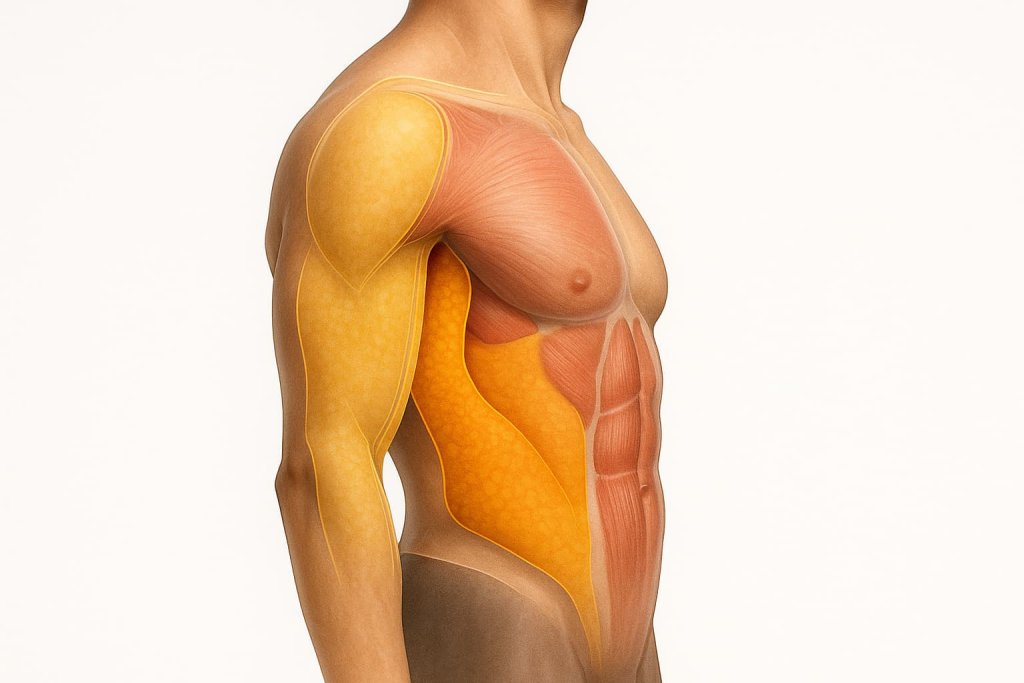
The Difference Between Visceral Fat and Subcutaneous Fat
Abdominal fat is not all the same, and understanding the difference helps set realistic expectations:
- Visceral fat surrounds internal organs deep inside the abdomen. It cannot be seen directly but contributes to waist circumference and overall abdominal size. Research from the National Heart, Lung, and Blood Institute (NHLBI) notes that excess visceral fat is linked with increased cardiometabolic risk.
- Subcutaneous fat sits directly beneath the skin and is the type most visible around the stomach. Its reduction depends on overall fat loss rather than isolated exercises.
Both types respond to full-body nutrition and activity patterns, not to targeted abdominal workouts.
How Core Muscle Tone Influences Midsection Appearance
While overall fat reduction determines the size of the abdomen, core muscle tone strongly influences how the midsection looks once body fat decreases. Well-conditioned deep-core muscles may help support upright posture, stabilize the spine, and create a smoother, more structured abdominal profile.
Core muscles include not only the visible abdominal muscles but also deeper stabilizers in the back, pelvis, and hips. These muscles work together to support alignment, maintain balance, and reduce strain on the spine. According to Harvard Health Publishing (Harvard Health), a strong core supports healthy posture and enhances movement efficiency, which may help the abdomen appear more supported during daily activities.
Core training alone does not reduce belly fat — fat loss occurs through total-body nutrition and energy balance. However, strengthening the core plays an important shaping role once fat decreases by improving posture, enhancing abdominal firmness, and supporting long-term functional movement.
The Role of Posture and Sedentary Behaviors
Posture significantly affects how the abdomen looks—even at the same body-fat level. Long hours of sitting may cause the pelvis to tilt forward, the lower back to round, or the core to disengage. This can push the abdominal wall outward and make the stomach appear less flat.
Reducing prolonged sitting supports not only appearance but also metabolic wellness. According to the Centers for Disease Control and Prevention (CDC Physical Activity Basics), minimizing sedentary time and adding frequent movement breaks may help support healthier body composition patterns over time.
Improving posture, engaging the core during walking and standing, and breaking up long sedentary periods all contribute to a more supported midsection.
Why You Cannot Spot-Reduce Belly Fat

Despite common belief, it is not possible to selectively reduce fat from the stomach by performing more ab exercises. Fat loss occurs across the entire body and is influenced by nutrition, energy balance, sleep, stress, and physical activity—not by training a specific muscle group more frequently.
How the Body Actually Loses Fat
Fat is mobilized from fat cells when the body is in a calorie deficit, drawing energy from stored fat throughout different regions. This process is systemic, not localized.
Research from the National Library of Medicine (NLM) shows that studies on “spot reduction” do not support the idea that exercising a specific area causes greater fat loss in that area. Instead, total-body changes driven by long-term nutrition and activity habits determine where fat decreases over time.
Why Ab Exercises Alone Do Not Reduce Belly Fat
Many people associate sit-ups or crunches with flattening the stomach, but these exercises target the muscles, not the fat above them. Strengthening the abs improves tone and stability but does not burn belly fat directly.
Findings referenced by the National Library of Medicine (NLM) demonstrate that increased abdominal exercise does not significantly reduce subcutaneous fat in the midsection. The muscles may strengthen, but fat remains unchanged without overall fat loss.
However, ab training still supports posture, spinal stability, and muscle definition, which influences midsection appearance when body fat is reduced.
What Approaches Do Support Midsection Changes
A flatter stomach comes from holistic lifestyle patterns, not isolated movements. Effective strategies include:
- A nutrient-rich eating pattern emphasizing vegetables, fruits, whole grains, lean proteins, and healthy fats
- Creating a moderate, sustainable calorie deficit when appropriate
- Regular physical activity, including both cardio and strength training
- Adequate sleep and stress management
- Hydration and limiting high-calorie beverages
- Reducing prolonged sitting
The Dietary Guidelines for Americans (USDA DGA) recommend balanced eating patterns that may help support healthy body composition over time. When these strategies are combined with consistent movement and recovery habits, the midsection often becomes flatter and more defined in a sustainable, health-supportive way.
Nutrition Strategies That Support a Flatter Stomach
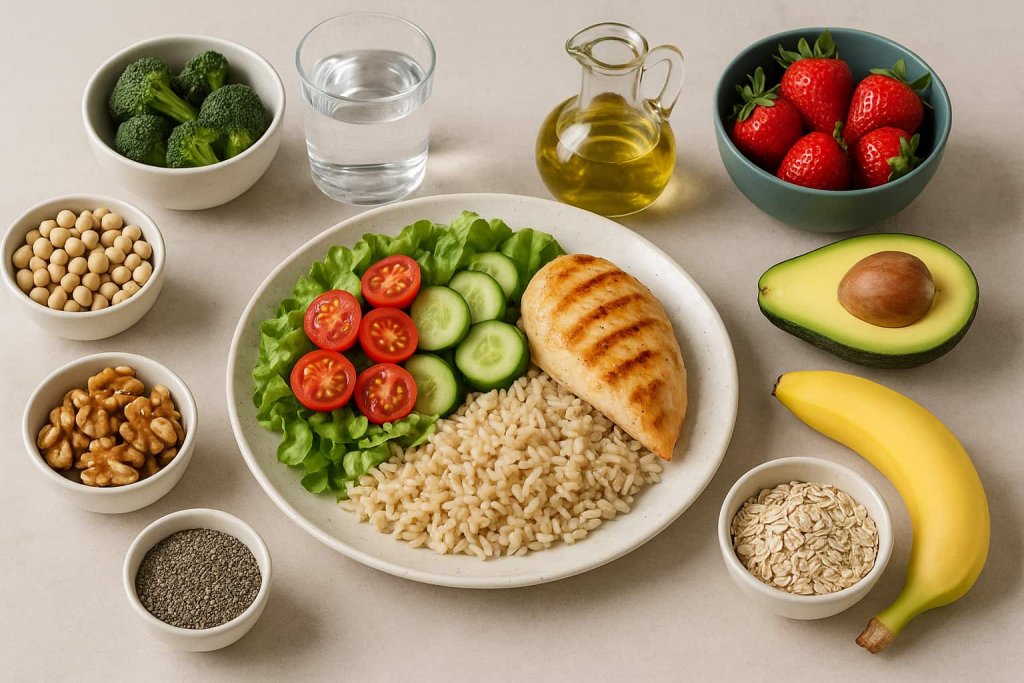
Nutrition is the most influential factor in supporting healthy body composition and midsection changes. A flatter stomach is not achieved through restrictive diets or quick fixes, but through balanced, nutrient-dense eating patterns that support steady energy, fullness, and overall fat reduction. The Dietary Guidelines for Americans (USDA DGA) recommend emphasizing whole foods, limiting added sugars, and choosing lean proteins and healthy fats to support long-term wellness and healthy body weight patterns.
Build Meals Around Whole, Fiber-Rich Foods
Fiber-rich foods may help support fullness, steady digestion, and more stable energy throughout the day. Foods such as vegetables, fruits, whole grains, beans, lentils, nuts, and seeds provide bulk without excessive calories, making them a beneficial foundation for meals.
According to Harvard T.H. Chan School of Public Health (Harvard Nutrition Source), dietary fiber supports digestive regularity and may help promote satiety, which can make it easier to maintain a balanced eating pattern over time.
Include Lean Protein and Plant-Based Protein Sources
Protein supports muscle maintenance, appetite regulation, and steady energy. Including both lean animal proteins and plant-based options may help support fullness and overall body composition.
Examples include:
Protein-rich foods slow digestion, which may help prevent overeating and support sustainable calorie control.
Choose Healthy Fats That Support Satiety
Healthy fats contribute to satisfaction and nutrient absorption without the rapid energy spikes commonly associated with refined carbohydrates. Sources such as olive oil, avocado, nuts, seeds, and fatty fish may help support overall wellness and provide steady energy throughout the day.
These fats also play a role in hormone regulation and may help reduce reliance on high-sugar, high-calorie snacks.
Limit Added Sugars and Refined Carbohydrates
Excess added sugars and refined grains may contribute to increased calorie intake without providing lasting fullness. The Dietary Guidelines for Americans recommend limiting added sugars to less than 10% of daily calories to support a balanced body weight and healthier metabolic patterns.
Reducing foods like pastries, sugary cereals, white bread, sweets, and ultra-processed snacks may help support more stable energy levels and a flatter appearance over time.
Reduce Sugary Beverages and High-Calorie Drinks
Sugary beverages are one of the leading contributors of added sugars in the diet and provide calories without supporting fullness. These drinks may significantly increase daily calorie intake while offering minimal nutritional value. According to the Centers for Disease Control and Prevention (CDC Sugar-Sweetened Beverages Research), regular consumption of sugar-sweetened beverages is associated with weight-gain patterns and higher risk of long-term health complications.
Replacing high-calorie drinks with low-calorie, hydrating options is a simple and effective strategy. The Centers for Disease Control and Prevention (CDC Healthy Drinks Guidance) explains that choosing water, unsweetened tea, or plain sparkling water helps support hydration and reduces unnecessary calorie intake.
Because the body does not register liquid calories as effectively as calories from solid foods, sugary beverages may lead to excess intake without increasing satiety. Choosing water-based drinks supports balanced energy and aligns with long-term healthy-weight patterns.
Create a Sustainable Calorie Deficit Without Restrictive Dieting
A flatter stomach results from overall fat reduction, which requires a moderate, not extreme, calorie deficit. Excessively restrictive dieting may lead to fatigue, nutrient gaps, and rebound overeating.
Instead, focus on:
- Balanced portions
- Consistent meal patterns
- Fiber-rich foods
- Lean proteins
- Healthy fats
A sustainable deficit supports long-term progress and helps maintain muscle mass, which contributes to a more toned midsection.
Support Digestive Comfort Through Gradual Fiber Increases
Increasing fiber too quickly may cause temporary digestive discomfort. Introducing fiber-rich foods gradually allows the digestive system to adjust while supporting regularity.
Hydration plays a key role as well. Pairing fiber-rich meals with adequate water supports smoother digestion and may help reduce bloating.
Foods That May Help Support Digestive Regularity
Certain foods naturally contain fiber or beneficial compounds that may help support digestive comfort, including:
- Oats
- Chia seeds
- Flaxseed
- Lentils and beans
- Fruits such as apples, berries, and pears
- Vegetables such as broccoli, carrots, and leafy greens
These foods support healthy digestion without relying on harsh cleanses or extreme methods.
Eating Patterns That Support Consistent Energy Levels
Stable energy patterns support more mindful eating and reduce the likelihood of overeating later in the day. Helpful approaches include:
- Balanced meals that combine protein, fiber, and healthy fats
- Regular meal timing
- Avoiding long periods without eating
- Choosing whole-food carbohydrate sources
These strategies may help maintain appetite control and support a calmer digestive system.
Lifestyle Habits That Influence Belly Fat Patterns

Lifestyle choices play a major role in how the body stores fat, manages energy, and regulates appetite. Factors such as sleep quality, daily stress, hydration, and sedentary time influence metabolic patterns that may affect abdominal fat. Supporting these areas with consistent habits strengthens overall wellness and may help contribute to long-term midsection changes.
Prioritize Consistent, High-Quality Sleep
Sleep affects appetite hormones, energy regulation, and overall body composition. Inadequate or inconsistent sleep may influence hunger cues and lead to increased cravings for high-calorie foods.
According to the National Institutes of Health (NIH Sleep Health), poor sleep is associated with changes in appetite-regulating hormones, which may contribute to weight-gain patterns over time. Establishing a consistent sleep schedule, limiting screen time before bed, and creating a restful environment may help support more stable eating habits and energy levels throughout the day.
Most adults benefit from 7–9 hours of quality sleep each night.
Manage Daily Stress Levels
Chronic stress may influence appetite patterns and increase the desire for calorie-dense comfort foods. Elevated stress levels can also affect sleep, digestion, and motivation for physical activity, all of which impact body composition.
Stress-management habits may include:
- Deep breathing or meditation
- Gentle stretching or yoga
- Outdoor walks
- Setting boundaries around work and digital devices
These strategies may help stabilize daily habits, reduce emotional eating tendencies, and support healthier long-term patterns.
Reduce Long Periods of Sitting
Extended sitting decreases energy expenditure and may affect posture, which can influence how the abdomen appears. Breaking up sedentary time may help support metabolic health, maintain muscle activation, and encourage steadier energy levels.
According to the Centers for Disease Control and Prevention (CDC Physical Activity Basics), reducing sedentary time and increasing regular movement breaks supports healthier metabolic outcomes. Short activity breaks—such as standing, walking for a few minutes, or stretching—can be beneficial throughout the day.
Aim to stand or move briefly every 30–60 minutes.
Hydration Habits That Support Digestive and Metabolic Health
Staying well hydrated plays a key role in digestion, appetite regulation, and metabolic efficiency. Even mild dehydration may influence hunger signals, making it easier to confuse thirst with appetite, which can lead to unnecessary calorie intake. Adequate hydration also supports smoother digestion and works along with dietary fiber to help reduce temporary bloating that may affect how the stomach appears.
Water is the preferred daily beverage for most people. According to the Centers for Disease Control and Prevention (CDC Healthy Water & Drinks Guidance), choosing water instead of sugary beverages supports hydration while helping reduce excess calorie intake, contributing to more balanced long-term wellness patterns.
Helpful hydration habits include:
- Drinking water regularly throughout the day
- Hydrating before meals and physical activity
- Choosing unsweetened tea or sparkling water as alternatives to sugary drinks
Maintaining consistent hydration supports both digestive comfort and overall metabolic function, reinforcing healthy dietary habits and daily energy levels.
Physical Activity for Supporting a Flatter Stomach

Physical activity supports midsection changes by increasing energy expenditure, promoting total-body fat reduction, and strengthening the muscles that stabilize the abdomen. While no exercise can selectively burn belly fat, a combination of cardio, strength training, and core-focused movements may help support a flatter and more toned appearance over time.
Cardio Activities That Support Overall Fat Reduction
Cardiovascular exercise increases calorie burn and supports heart and metabolic health. It is one of the most effective ways to promote the overall fat reduction necessary for visible changes in the midsection.
According to the Centers for Disease Control and Prevention (CDC Physical Activity Guidelines), adults should aim for 150–300 minutes of moderate-intensity activity or 75–150 minutes of vigorous-intensity activity per week to support general wellness and body-weight patterns.
Moderate-Intensity Options (Walking, Cycling)
Moderate-intensity activities are accessible for most fitness levels and may help support a sustainable fat-loss pattern. They include:
- Brisk walking
- Steady-state cycling
- Low-impact aerobic sessions
- Elliptical workouts
- Light hiking
These activities elevate the heart rate without excessive strain, making them suitable for daily or near-daily movement. They may help support energy balance and contribute to gradual reductions in overall fat mass.
Vigorous-Intensity Options (Running, Interval Training)
Vigorous-intensity exercise can create a larger calorie burn in a shorter period. Examples include:
- Running or jogging
- High-intensity interval training (HIIT)
- Fast-paced cycling
- Rowing
- Aerobic intervals
These workouts may support cardiovascular fitness and can complement moderate-intensity activity. They are especially helpful when an individual seeks efficient workouts or has limited time.
Strength Training for Improving Body Composition
Strength training supports long-term body composition by helping build and maintain muscle mass. Muscle tissue expends slightly more energy at rest than fat tissue, which may contribute to healthier metabolic patterns and a more sculpted midsection once overall fat levels decrease. Regular resistance training also helps maintain functional strength, stability, and joint support — all of which influence posture and how the abdominal area appears during daily movement.
According to Harvard Health Publishing (Harvard Health), strength training may increase resting energy expenditure and help preserve muscle during fat loss, supporting healthier body composition outcomes. Additionally, resistance-based exercise plays a key role in maintaining balance, reducing strain on the spine, and supporting everyday movement efficiency.
Most adults benefit from at least two strength-training sessions per week, targeting all major muscle groups. Consistency, progressive overload, and proper technique help ensure that strength training supports midsection appearance safely and effectively when combined with balanced nutrition and adequate recovery.
Full-Body Movements That Support Core Engagement
Compound exercises use multiple muscle groups and naturally involve the core. These movements support overall strength and midsection stability:
- Squats
- Deadlifts
- Lunges
- Step-ups
- Rows
- Push-ups
- Overhead presses
Such exercises require the deep core muscles to stabilize the spine, which may help improve posture and midsection alignment over time.
Core-Specific Exercises for Stability and Posture
Core-specific training does not directly reduce belly fat, but it plays a key role in shaping how the midsection looks — by strengthening the muscles that support the spine, stabilize the pelvis, and maintain posture. These deeper stabilizing muscles (beyond just the “six-pack” abs) work together to support daily movement, balance, and structural alignment.
According to Harvard Health Publishing (Harvard Health), a strong core helps support healthy posture, enhances balance and stability, and reduces strain on the spine and joints. This improved structural support can make the abdomen appear more supported and help maintain a smoother midsection outline.
Core training alone does not eliminate belly fat — fat reduction remains dependent on total-body nutrition, calorie balance, and overall activity. However, when combined with fat loss, working on core strength can help improve posture, spinal alignment, and abdominal tone — contributing to a firmer, more defined midsection appearance over time.
Beginner-Friendly Core Strengthening Options
For individuals new to core training or returning from inactivity, accessible movements may include:
- Supine marches
- Glute bridges
- Heel taps
- Modified side planks
- Seated knee lifts
- Stability-ball core movements
These exercises provide a safe foundation for improving abdominal strength and support gradual progression toward more advanced movements.
Daily Habits That May Help Improve Midsection Appearance
Daily behaviors influence digestion, appetite signals, posture, and overall wellness — all factors that may affect how the midsection looks. These habits work together with nutrition and movement to support gradual, sustainable changes.
Eat Slowly and Support Natural Fullness Signals
Eating too quickly may lead to overeating because the body’s fullness signals take time to activate. Slower eating helps you recognize satiety sooner, which may support balanced portion sizes and reduce unnecessary calorie intake. Taking smaller bites, pausing between bites, and minimizing distractions can help support mindful eating patterns.
Identify and Manage Common Bloating Triggers
Temporary bloating can make the stomach appear more pronounced, even without changes in body fat. Common contributors include:
- Large meals eaten quickly
- High-sodium foods
- Carbonated drinks
- Certain high-fat meals
- Rapid fiber increases
- Eating when stressed
Gradual dietary adjustments, consistent hydration, and identifying personal food triggers may help support digestive comfort.
Incorporate Light Movement Throughout the Day
Small, frequent movement helps counteract the effects of prolonged sitting. Even light activity increases circulation, supports digestion, and engages postural muscles that influence abdominal appearance.
According to the Centers for Disease Control and Prevention (CDC Physical Activity Basics), breaking up sedentary time with short movement breaks supports healthier metabolic patterns. A few minutes of walking, stretching, or standing every 30–60 minutes may help support daily energy balance and midsection comfort.
Who Should Be Cautious or Seek Personalized Guidance
While general wellness strategies benefit many people, certain groups may require individualized recommendations or medical consultation before adjusting diet or exercise routines.
Individuals With Chronic Health Conditions
People with chronic conditions — including heart disease, diabetes, metabolic disorders, or gastrointestinal issues — should follow personalized guidance. According to the National Institutes of Health (NIH Health Topics), medical conditions may change nutritional needs, physical-activity recommendations, and digestive tolerance, making individualized care essential.
Individuals With a History of Eating Disorders
Those with current or past disordered eating patterns may be sensitive to weight-focused goals or restrictive behaviors. A licensed therapist, registered dietitian, or healthcare professional can help ensure strategies remain supportive and safe.
Pregnant or Postpartum Individuals
Pregnancy and postpartum periods involve significant changes in muscle structure, abdominal tissue, and nutritional needs. Core-strengthening strategies, calorie intake, and activity levels should be adapted to the individual’s stage and medical guidance.
When to Consult a Qualified Healthcare Professional
Seek personalized guidance if you experience:
- Unexpected weight changes
- Persistent digestive discomfort
- Dizziness or low energy during activity
- Difficulty maintaining balanced eating patterns
Healthcare professionals can provide tailored recommendations to support safe progress and long-term wellness.
Frequently Asked Questions (FAQ)
Can specific foods burn belly fat?
No single food directly burns belly fat. However, nutrient-dense foods rich in fiber, lean protein, and healthy fats may help support fullness and overall calorie control, which contributes to total fat reduction.
How long does it take to see changes in the stomach area?
Timeframes vary based on starting body composition, consistency, genetics, and daily habits. Sustainable changes typically occur gradually and result from long-term patterns rather than rapid or extreme methods.
Do ab workouts help flatten the stomach?
Ab exercises strengthen the core muscles, which may help support posture and abdominal tone, but they do not selectively reduce belly fat. Visible changes occur when overall fat levels decrease through balanced nutrition and routine activity.
Do detox teas or cleanses flatten the stomach?
There is no scientific evidence that detox products reduce abdominal fat. Some may cause temporary water loss or digestive discomfort. Whole-food eating patterns and adequate hydration are safer and more reliable long-term strategies.
What is the healthiest way to reduce abdominal fat?
A combination of balanced nutrition, regular activity, consistent sleep, and stress management supports total-body fat reduction. According to the Dietary Guidelines for Americans (USDA DGA), nutrient-dense eating patterns are foundational for supporting a healthy body weight over time.
Can walking regularly support a flatter stomach?
Yes. Walking increases daily energy expenditure and supports overall fat reduction. It is accessible, low-impact, and suitable for most fitness levels.
Should carbohydrates be limited to flatten the stomach?
Carbohydrates do not need to be avoided. Whole-food carb sources — including fruits, vegetables, and whole grains — support energy and digestive health. Limiting refined carbs and added sugars is more effective for supporting healthy body composition.
Conclusion
A flatter stomach develops from consistent, science-based habits rather than quick fixes. Improvements occur when nutrition, movement, sleep, hydration, and stress management work together to support total-body wellness.