
Sea moss is a nutrient-dense red seaweed widely discussed for its potential wellness benefits—and its main benefits come from its rich mineral and fiber content, not from medical effects. Understanding the evidence-based benefits of sea moss is essential because most claims online are exaggerated, and the science is still emerging. According to the National Institutes of Health (NIH) and the U.S. Department of Agriculture (USDA), seaweeds offer minerals, iodine, and prebiotic fibers that may support overall health when consumed in small, appropriate amounts.
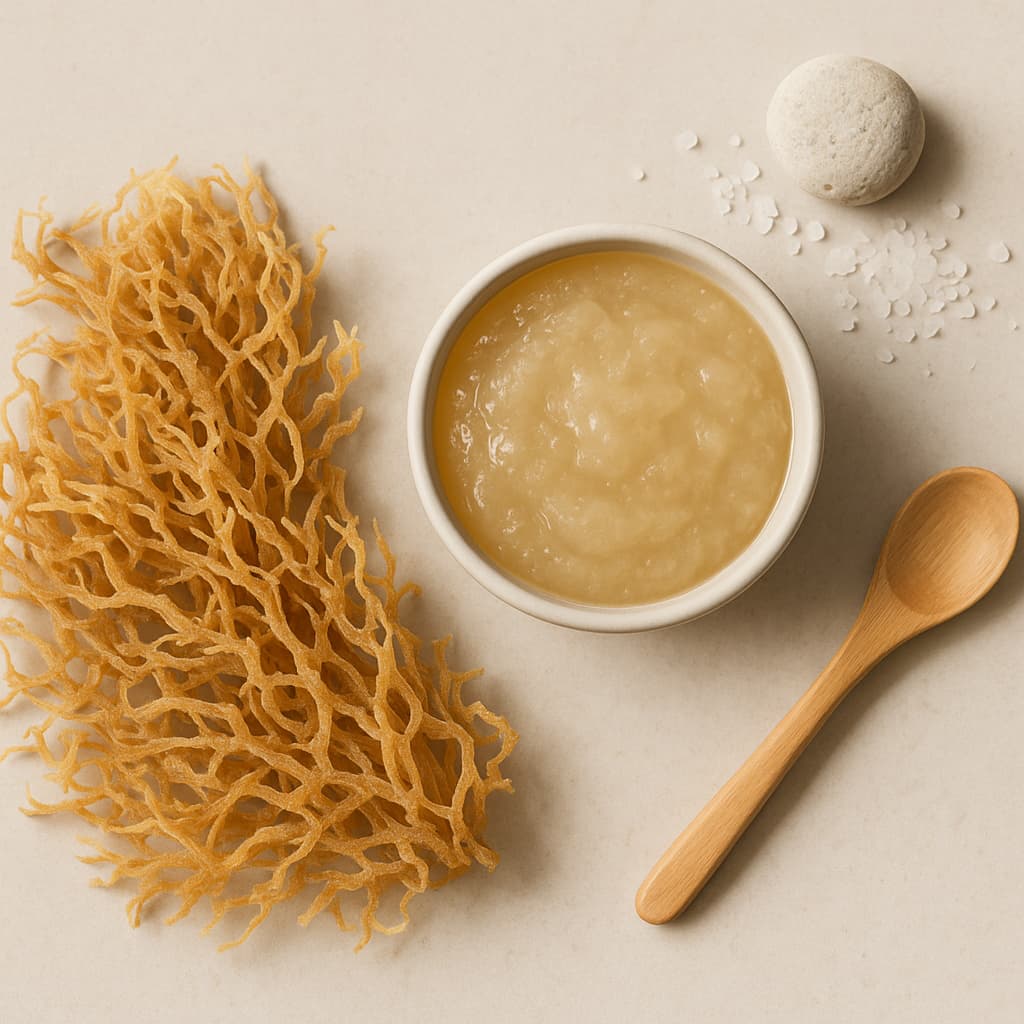
Sea moss can be used as a gel, powder, capsule, or dried whole form. Key considerations include iodine levels, product purity, and third-party testing. Below, you’ll find a clear, research-backed guide to the wellness benefits sea moss may offer—without overstated claims.
What Is Sea Moss? (Overview and Nutrition Profile)
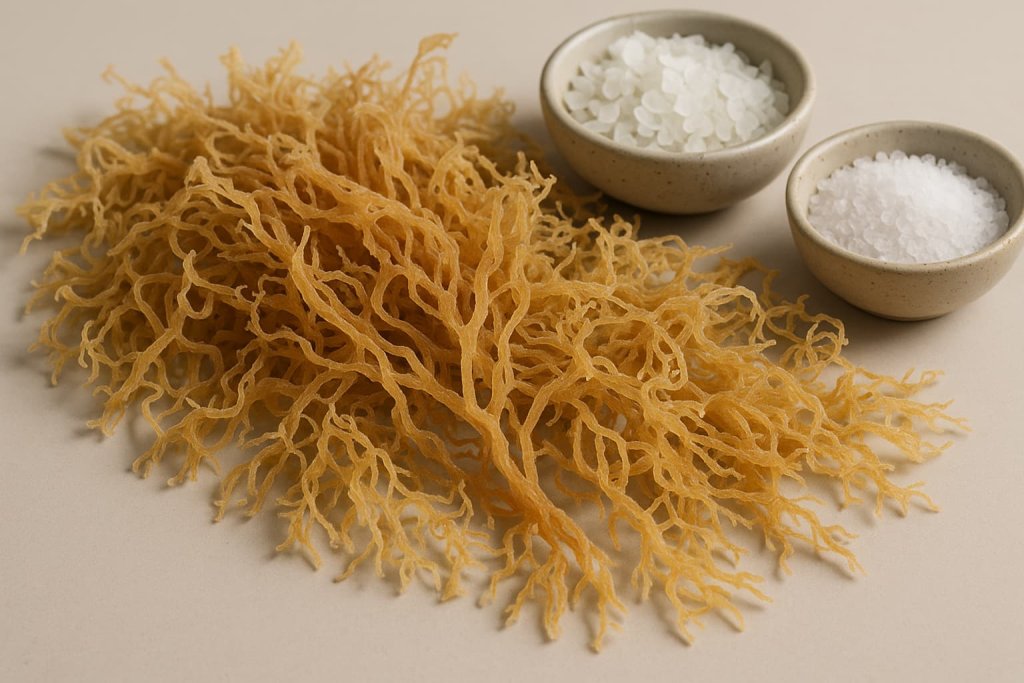
Sea moss is a type of red seaweed commonly found along the Atlantic coastlines of Europe, the Caribbean, and North America. The two most widely used varieties in wellness products are Chondrus crispus and Gracilaria, both known for their mineral-rich profiles and natural gel-like texture when soaked or blended. Sea moss has traditionally been used as a thickening agent in foods, and today it is popular in gels, powders, capsules, and drinks.
Sea moss is valued for its naturally occurring minerals—particularly iodine, magnesium, calcium, potassium, zinc, and small amounts of iron. It is extremely low in calories and fat while providing trace nutrients and prebiotic polysaccharides that may support digestive wellness. These qualities make sea moss a nutrient-dense addition to a balanced diet when consumed in moderation.
According to the U.S. Department of Agriculture, a small serving of raw sea moss contains about 10 calories, minimal protein, and small amounts of fiber. Although nutrient levels vary depending on species and environment, sea moss is known for its high iodine content, which plays a key role in normal thyroid function. Because iodine levels can differ widely, understanding portion control is essential for safe and effective use.
Nutrition Table (Approximate Values per Standard Serving)
| Nutrient | Approximate Amount | Notes |
|---|---|---|
| Calories | ~10 kcal | Very low energy density |
| Carbohydrates | ~3 g | Mostly natural polysaccharides |
| Fiber | ~0.5 g | Contains prebiotic compounds |
| Protein | ~0.5 g | Minimal |
| Iodine | Varies widely | Must be moderated for thyroid safety |
| Iron | ~10% DV | Supports normal energy metabolism |
| Magnesium | ~7% DV | Supports nerve and muscle functions |
| Zinc | ~4% DV | Contributes to immune function |
12 Evidence-Based Benefits of Sea Moss for Wellness
1. Supports Healthy Thyroid Function (Iodine Source)

Sea moss naturally contains iodine, a mineral required for normal thyroid hormone production. These hormones help regulate metabolic activity, energy balance, and temperature control. According to the National Institutes of Health Office of Dietary Supplements, adults need 150 mcg of iodine per day, and both deficiency and excess can affect thyroid health. For this reason, sea moss may support iodine intake in small, moderated portions. Individuals with thyroid conditions should review their intake with a healthcare professional.
2. Provides Minerals That Support Daily Wellness
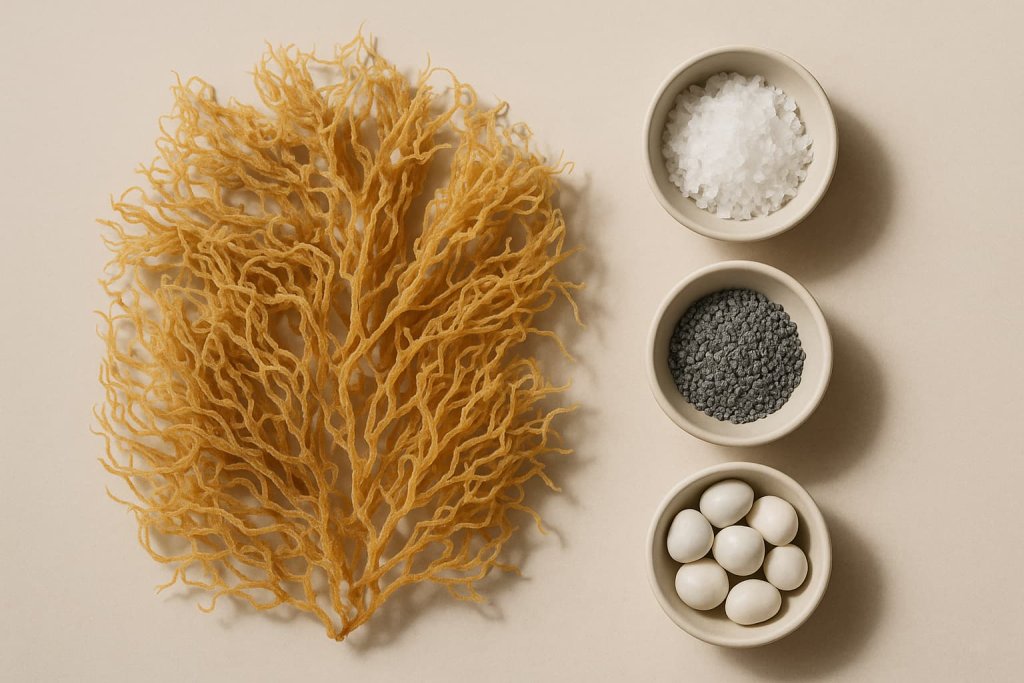
Sea moss offers essential minerals such as magnesium, calcium, potassium, zinc, and iron. These nutrients contribute to muscle function, bone support, and cellular processes. Research from the U.S. Department of Agriculture shows that red seaweeds provide trace minerals that complement a balanced dietary pattern. Although amounts per serving are modest, sea moss can assist in supporting total daily nutrient intake.
3. Contains Prebiotic Fiber That Supports Gut Health

Red seaweeds contain sulfated polysaccharides that function as prebiotics—compounds that may help nourish beneficial gut bacteria. Research summarized by the National Library of Medicine indicates that prebiotic fibers may support microbial diversity and intestinal health. While more human research is needed, sea moss contributes small amounts of these fibers, helping support overall digestive wellness.
4. May Support Digestive Comfort

Because sea moss contains natural dietary fiber, it may support smoother digestion and contribute to feelings of regularity when paired with a fiber-rich eating pattern. Fiber helps add bulk to stools and supports normal intestinal movement. Those with digestive sensitivities should monitor their response to new fiber sources and adjust portions as needed.
5. Provides Antioxidant Compounds

Sea moss contains polyphenols and other antioxidant compounds that may help support the body’s natural defense against oxidative stress. According to research reviewed by the National Library of Medicine, red seaweeds contain antioxidants that can neutralize free radicals in laboratory settings. While findings in humans are still early, including antioxidant-containing foods may support overall cellular wellness.
6. May Support Metabolic Wellness

Preliminary studies on seaweed polysaccharides suggest potential roles in supporting glucose balance and metabolic markers. These findings are not specific to sea moss alone, but they highlight how red seaweed compounds may influence metabolic pathways. The National Library of Medicine notes that most research remains early-stage, meaning sea moss should be viewed as a supportive food rather than a metabolic intervention.
7. Supports Hydration and Electrolyte Balance
Sea moss contains minerals like potassium, calcium, and magnesium—electrolytes that support normal hydration and nerve and muscle function. These minerals help maintain daily fluid balance, especially when paired with adequate water intake. As part of a nutrient-conscious diet, sea moss may contribute small amounts of these electrolytes.
8. May Support Immune Health

Sea moss contains micronutrients and antioxidants that play roles in normal immune function. Zinc, magnesium, and vitamin-related compounds found in seaweeds support cellular processes involved in immune response. Laboratory studies summarized by the National Library of Medicine show that red seaweed polysaccharides may influence immune pathways, although evidence in humans is still developing.
9. Supports Skin Wellness

The natural gel-like texture of sea moss comes from its polysaccharides, which can help support skin hydration when used in topical formulations. These compounds form a light, moisture-retaining film on the skin’s surface. While benefits are primarily cosmetic rather than medical, sea moss-based skincare products may offer a soothing and hydrating effect.
10. Supports Overall Mineral Intake for Active Lifestyles

People with active lifestyles often have increased mineral needs related to muscle activity, hydration, and recovery. Sea moss provides trace minerals that may help support these daily demands. While it should not be relied on as the sole source of any nutrient, its mineral content can complement a well-rounded eating plan.
11. Contains Nutrients That May Support Bone Health
Sea moss contains small amounts of calcium and magnesium—two minerals important for maintaining normal bone structure. These nutrients work together in bone mineralization and nerve signaling. According to the National Institutes of Health, adequate calcium and magnesium intake is essential for lifelong skeletal health. Sea moss can offer supportive amounts when included as part of a mineral-conscious diet.
12. Offers Gentle Fiber Support for Regularity
The fiber in sea moss may help support regular bowel movements by contributing bulk and promoting smoother digestion. Fiber-rich foods are emphasized in The Dietary Guidelines for Americans for their role in supporting digestive wellness. Sea moss alone is not a high-fiber food, but its polysaccharides can complement a fiber-rich eating pattern.
How Much Sea Moss Should You Consume?
Typical Serving Amounts Referenced by Nutrition Experts
There are no official government guidelines for sea moss intake, but nutrition experts commonly reference 3–4 grams of dried sea moss per day as a conservative amount for most adults. This serving size reflects moderation and helps limit iodine exposure while still providing minerals and prebiotic fibers. Because iodine levels vary widely, starting with smaller amounts and adjusting based on personal tolerance is recommended.
Understanding Iodine Variability and Safe Intake Ranges
Iodine is the most important safety consideration when consuming sea moss. According to the National Institutes of Health Office of Dietary Supplements, adults need 150 mcg of iodine per day, and the upper limit is 1,100 mcg. Some red seaweeds may contain high levels of iodine depending on species and growing conditions. Consuming sea moss in small, labeled portions supports safer iodine intake. Individuals should avoid combining sea moss with additional iodine supplements unless advised by a clinician.
Who Should Use Extra Caution
Individuals with thyroid conditions
Because iodine directly affects thyroid hormone production, those with hypo- or hyperthyroidism should review sea moss intake with a healthcare professional.
Pregnant or breastfeeding individuals
Iodine needs increase during pregnancy, but excess iodine may also affect thyroid function. Guidance from a clinician is essential for safe use.
Those with kidney or digestive conditions
Mineral content and fiber levels may influence kidney function or digestion. People with chronic kidney disease or sensitive digestive systems should exercise caution.
Children and older adults
Iodine tolerance and nutrient needs differ by age group. Sea moss should only be used in age-appropriate amounts and preferably under professional guidance.
People taking medication that interacts with iodine or minerals
Certain medications—especially thyroid medications, diuretics, and potassium-affecting drugs—require careful monitoring. Discussing sea moss intake with a healthcare provider is recommended.
How to Choose a High-Quality Sea Moss
What to Look for in Safe, Tested Products
Third-party testing
Choose brands that provide independent testing for heavy metals, microbial contaminants, and identity verification. This ensures safety and transparency.
Species transparency
Look for products that specify whether the sea moss is Chondrus crispus, Gracilaria, or another red seaweed. Species influence texture, iodine content, and nutrient profile.
Sourcing practices
Sea moss harvested from clean waters reduces the risk of contaminants. Reputable companies often disclose harvesting locations and sustainability practices.
Supplement Regulation Considerations (FDA Guidance)
Dietary supplements, including sea moss, are not pre-approved for safety or effectiveness by the U.S. Food and Drug Administration. Manufacturers are responsible for producing safe products, but quality varies widely across the industry. Choosing brands that follow Good Manufacturing Practices (GMP) helps ensure product consistency and purity.
Forms of Sea Moss (Gel, Dried, Capsules, Powder)
Differences in potency
- Dried sea moss generally contains the most concentrated nutrients per gram.
- Gel offers convenience but may vary in strength depending on preparation.
- Powders and capsules provide measured serving sizes, making moderation easier.
Storage and shelf-life notes
- Gel typically lasts 1–2 weeks in the refrigerator.
- Dried sea moss has a longer shelf life when stored in a cool, dry place.
- Powders and capsules should be sealed tightly and stored away from moisture.
How to Add Sea Moss to a Wellness-Focused Eating Pattern
Common Culinary Uses (Smoothies, Soups, Gels)
Sea moss gel blends smoothly into smoothies, juices, soups, sauces, and oatmeal. It has a neutral flavor, making it adaptable to many recipes. Small portions—typically 1–2 tablespoons of gel—are commonly used in wellness routines.
Portion Control for Safety and Effectiveness
Portion size is essential due to iodine variability. Using measured servings helps avoid excessive intake. Spreading use throughout the week rather than consuming large amounts daily can support a balanced approach.
Pairing Sea Moss with Nutrient-Dense Foods
Sea moss works well alongside whole foods rich in vitamins, minerals, and fiber. Pairing it with fruits, vegetables, legumes, and whole grains supports a nutrient-dense dietary pattern aligned with guidance from the Dietary Guidelines for Americans.
Potential Risks and Safety Considerations
Iodine Excess and Thyroid Health
Too much iodine may affect thyroid hormone production. Individuals with thyroid conditions or those taking related medications should seek medical guidance before using sea moss regularly.
Heavy Metals and Contaminant Concerns
Seaweeds can absorb heavy metals such as arsenic, lead, and cadmium from ocean environments. Choosing third-party tested products helps reduce exposure to these contaminants.
Digestive Sensitivities and Fiber Tolerance
While sea moss contains beneficial fibers, some individuals experience bloating or digestive discomfort. Starting with a small amount and monitoring tolerance helps determine personal comfort levels.
When to Consult a Healthcare Professional
Anyone with chronic health conditions, nutrient-related concerns, or medication interactions should discuss sea moss use with a healthcare professional—especially before long-term or high-intake use.
Frequently Asked Questions (FAQs)
Is sea moss safe to take daily?
Small portions may be suitable for some adults, but iodine variability makes moderation essential. Those with thyroid or kidney concerns should seek medical guidance.
Does sea moss support immunity?
Sea moss contains minerals and antioxidants that support normal immune function, but more human research is needed.
Can sea moss help support digestion?
Its natural fibers may help support digestive regularity, but responses vary by individual.
How long does sea moss gel last?
Homemade gel typically lasts 1–2 weeks in the refrigerator when stored properly.
Is sea moss suitable for pregnant individuals?
Pregnant or breastfeeding individuals should consult a clinician due to iodine considerations and supplement safety.
Does sea moss contain protein?
Sea moss contains minimal protein—about 0.5 grams per small serving—so it is not a significant protein source.
Conclusion
Sea moss is a nutrient-rich sea vegetable that may support wellness through its minerals, prebiotic fibers, and antioxidant compounds. Using sea moss in moderation, selecting high-quality tested products, and considering individual health needs helps ensure safe and balanced consumption.
This content is for informational purposes only and not medical advice.