

Pineapple is rich in vitamin C, bromelain, and antioxidants that may support immune health, digestion, and inflammation balance.
This tropical fruit is not only delicious but also packed with nutrients that promote overall wellness. Understanding its science-backed benefits helps you make healthier dietary choices and appreciate how this fruit fits into a balanced, nutrient-dense diet.
What Makes Pineapple So Healthy?
Pineapple (Ananas comosus) stands out as one of the most nutrient-rich tropical fruits, offering a wide array of vitamins, minerals, and beneficial plant compounds.
It’s particularly rich in vitamin C, manganese, bromelain, and antioxidants, all of which support immune strength, collagen formation, and healthy metabolism.
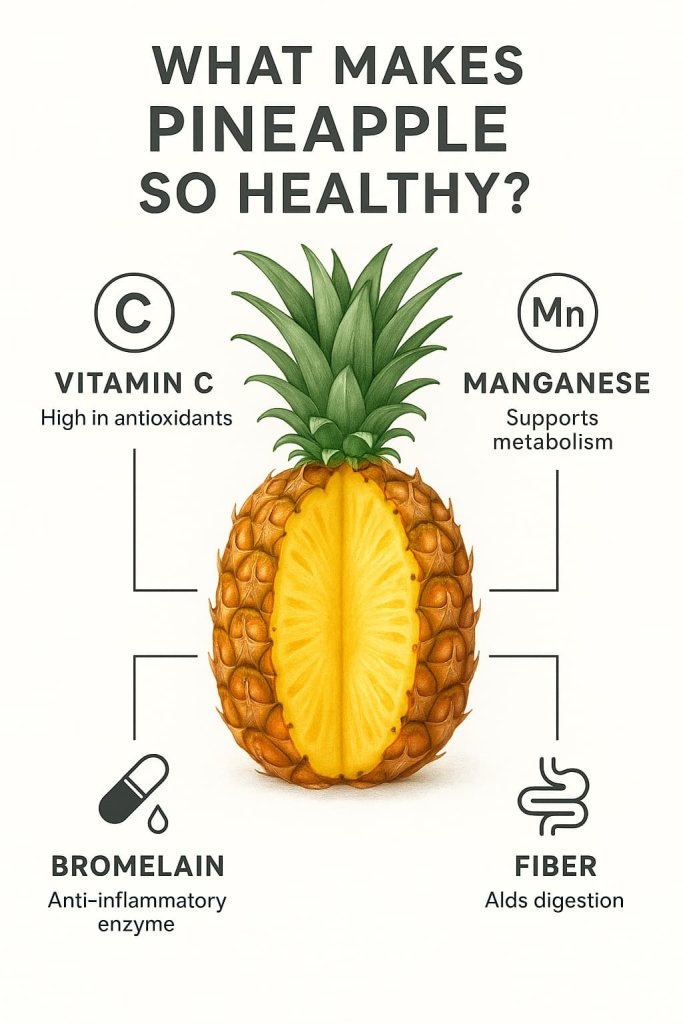
According to USDA FoodData Central (2025), one cup (165 g) of fresh pineapple chunks provides the following nutrients:
| Nutrient | Amount (per 165 g) | % Daily Value (DV) | Key Function |
|---|---|---|---|
| Calories | 82.5 kcal | — | Provides natural energy |
| Vitamin C | 78.9 mg | 88% DV | Supports immune function and collagen synthesis |
| Manganese | 1.5 mg | 65% DV | Aids bone strength and antioxidant defense |
| Vitamin B6 | 0.2 mg | 11% DV | Assists in metabolism and nervous system health |
| Fiber | 2.3 g | 8% DV | Promotes digestive health and satiety |
| Copper | 0.2 mg | 9% DV | Supports energy production and collagen formation |
| Potassium | 180 mg | 4% DV | Helps maintain normal blood pressure |
Beyond its micronutrients, pineapple contains bromelain, a naturally occurring enzyme complex that supports protein digestion and has anti-inflammatory and antioxidant properties (National Center for Biotechnology Information).
Pineapple’s high vitamin C and antioxidant content help neutralize harmful free radicals, while fiber promotes digestive balance.
Together, these nutrients make pineapple a powerful food for overall wellness, supporting everything from immune defense to bone and skin health.
10 Evidence-Based Benefits of Pineapple You Should Know
Pineapple is more than a tropical delight—it’s a nutrient-dense fruit loaded with vitamin C, manganese, and bromelain that supports overall health and vitality.
Below are ten science-backed benefits of pineapple that may support your immune system, digestion, skin, and more — all supported by credible research and nutrition data.
1. Supports a Strong Immune System

Pineapple is a vitamin C powerhouse that supports your body’s immune defenses and helps protect against oxidative stress.
According to the National Institutes of Health (NIH), vitamin C promotes white blood cell function, enhances iron absorption, and helps the body fight off environmental stressors.
A cup of fresh pineapple delivers nearly 90% of your daily vitamin C needs, which may help your body maintain a strong immune response and reduce the duration of mild upper-respiratory symptoms.
2. Promotes Healthy Digestion
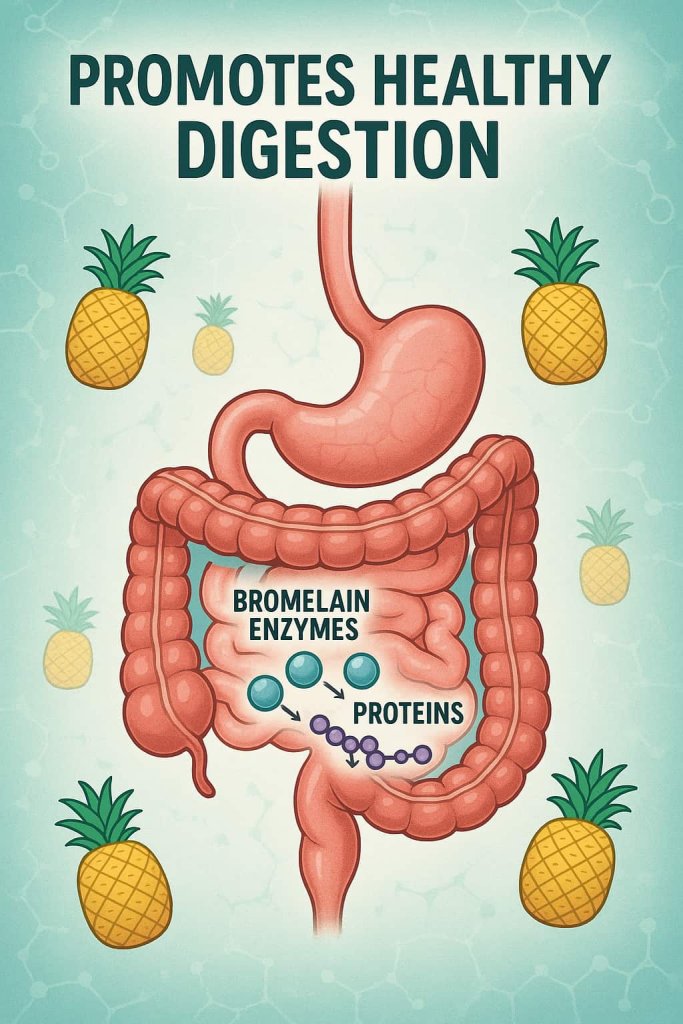
Pineapple contains bromelain, a unique enzyme complex that helps your digestive system break down proteins efficiently.
A study in the Journal of Ethnopharmacology (2020) reported that bromelain supports better nutrient absorption and may help maintain a balanced gut microbiome.
Eating pineapple before or after meals may help promote smoother digestion, especially when consuming protein-rich foods such as meat, fish, or legumes.
3. Rich in Antioxidants That Protect Cells
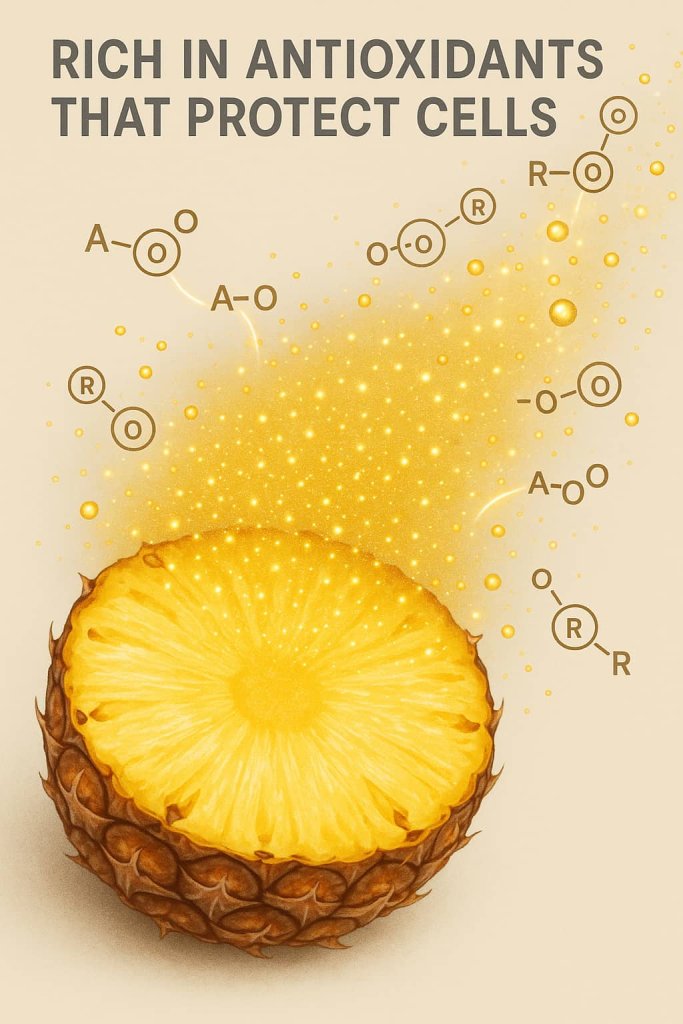
Pineapple is loaded with antioxidants like flavonoids, phenolic acids, and vitamin C, which neutralize free radicals that can damage cells.
A 2021 study published in the Journal of Food Biochemistry found that pineapple polyphenols may help protect cells from oxidative stress—a process linked to aging and chronic diseases.
Regular consumption of antioxidant-rich fruits like pineapple supports cellular resilience and overall wellness.
4. May Support Anti-Inflammatory Balance
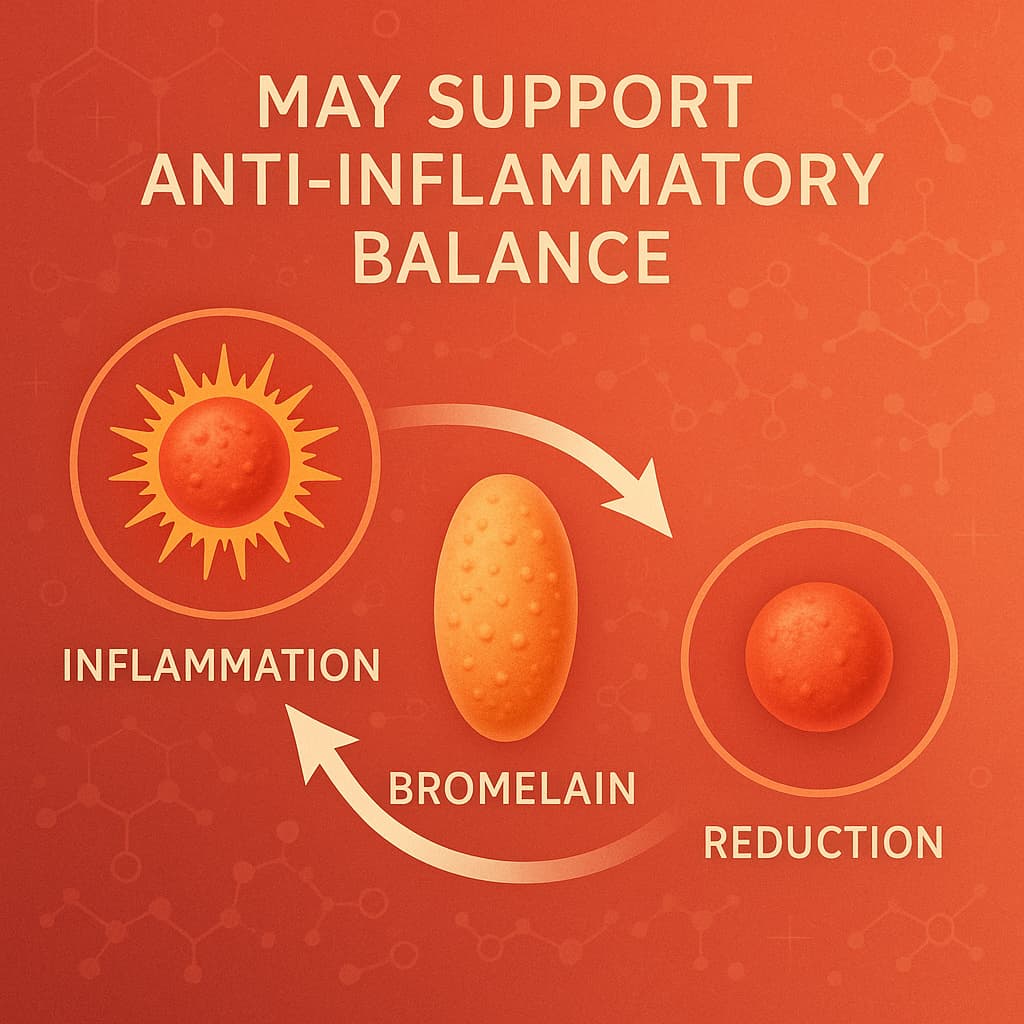
The enzyme bromelain has been studied for its natural anti-inflammatory activity.
According to a review in Biomedical Reports (2016), bromelain may help modulate inflammatory markers and support tissue comfort after physical exertion.
Including fresh pineapple in your diet may contribute to maintaining the body’s natural inflammation balance without relying on supplements.
5. May Promote Heart Health
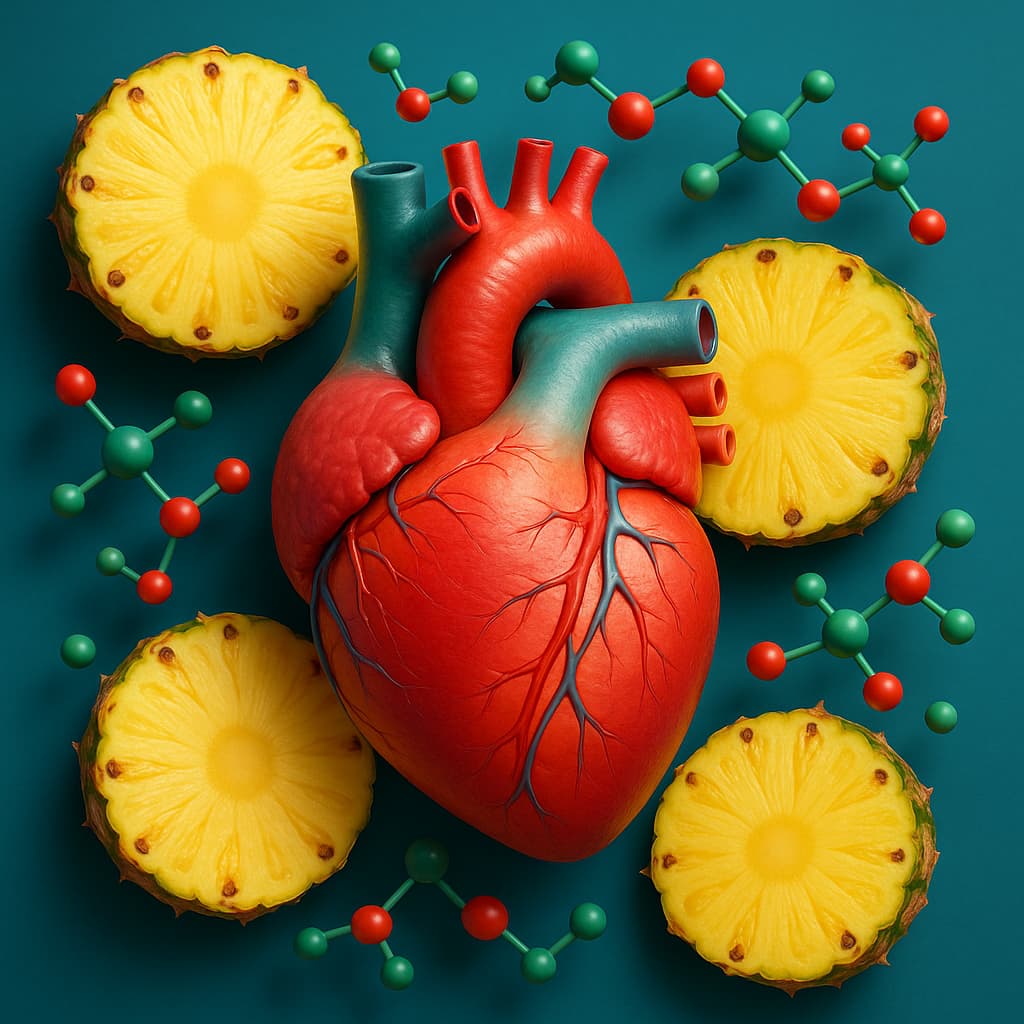
Pineapple contains potassium, fiber, and antioxidants—nutrients that may support cardiovascular function.
Research summarized by PubMed (2020) shows that potassium-rich diets can help maintain healthy blood pressure and support optimal blood vessel function.
In addition, bromelain may help support normal platelet activity and circulation, promoting overall heart health when combined with a balanced lifestyle and diet.
6. Supports Bone and Joint Health
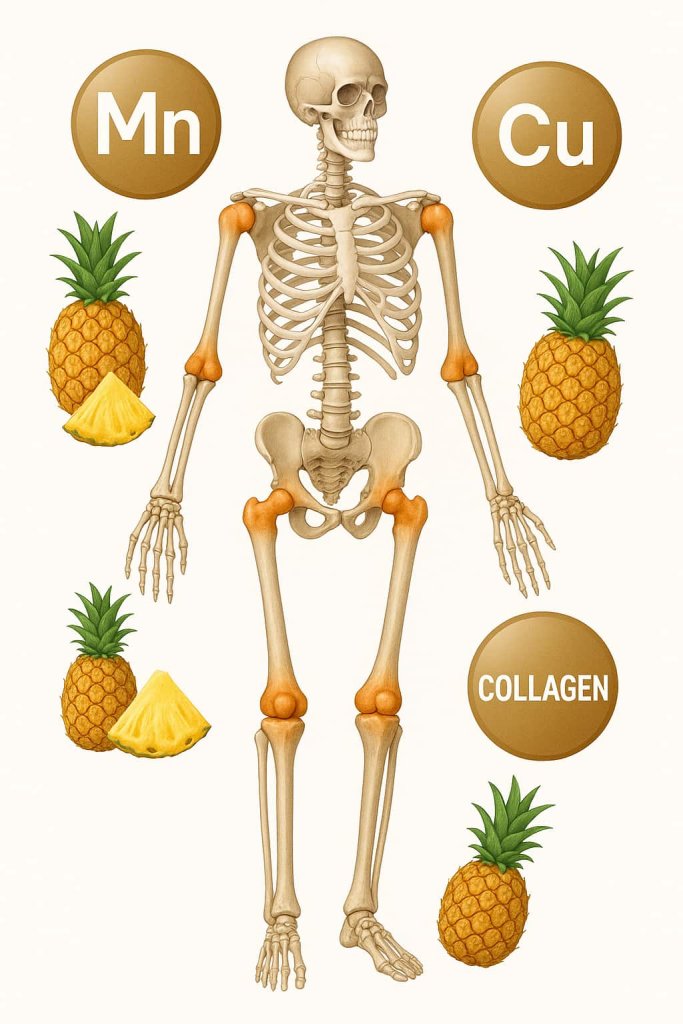
One cup of pineapple provides more than 60% of your daily manganese, an essential mineral for bone strength and cartilage formation.
The Harvard T.H. Chan School of Public Health explains that manganese works with calcium and vitamin D to help build and maintain healthy bones.
Pineapple also provides copper and vitamin C—key nutrients that help produce collagen, the protein matrix that supports joint flexibility and connective tissue health.
7. May Aid in Recovery After Exercise

Pineapple’s bromelain content may support muscle recovery and comfort following physical activity.
A 2021 study in the Journal of Sports Science & Medicine reported that bromelain supplementation may help reduce post-exercise discomfort and inflammation markers.
Pairing pineapple with a source of protein, such as Greek yogurt or a post-workout smoothie, may help your body recover faster and digest nutrients efficiently.
8. Promotes Healthy Skin and Collagen Formation

Vitamin C in pineapple supports collagen synthesis, helping maintain firm, youthful skin.
According to the Cleveland Clinic (2024), antioxidant-rich fruits like pineapple may help combat free radical damage, which contributes to skin aging.
Including pineapple in your daily diet supports smoother, hydrated skin and assists your body in natural tissue repair.
9. May Support Eye Health
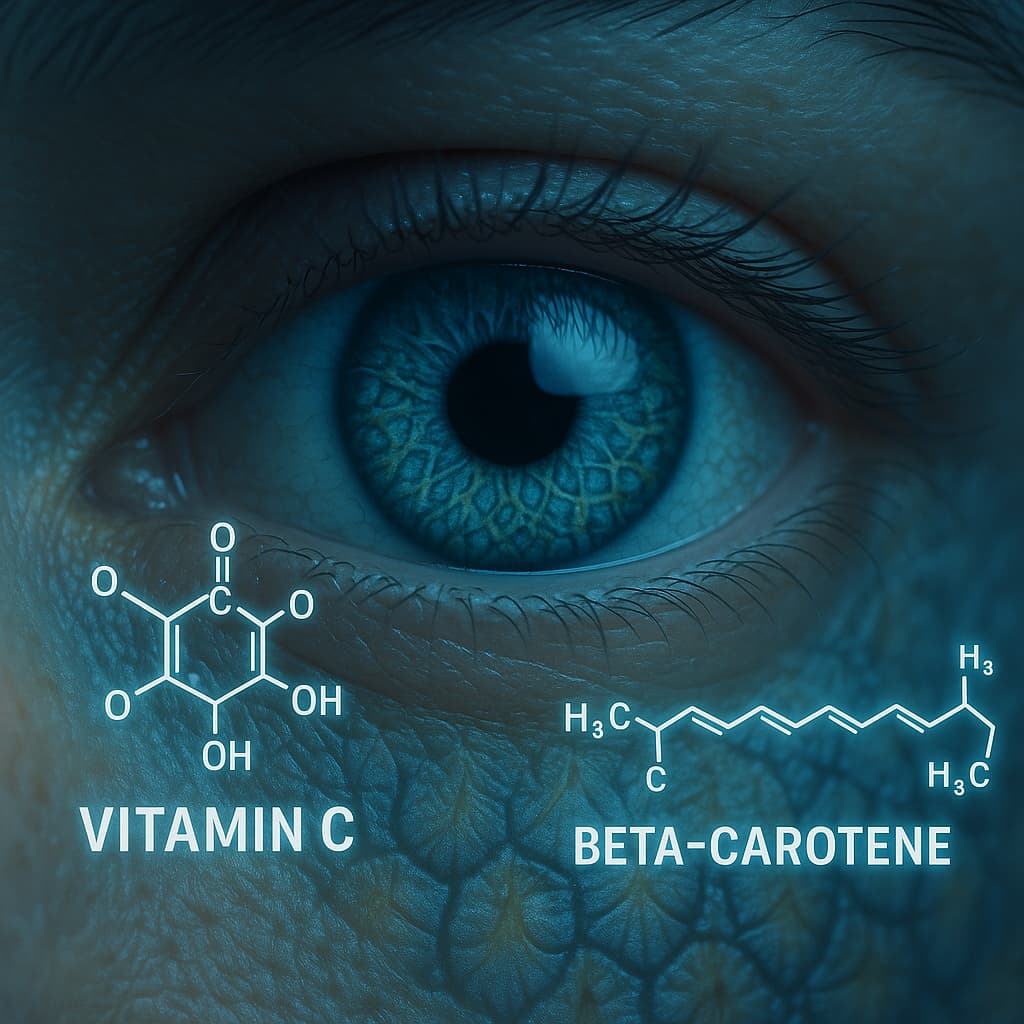
Pineapple contains vitamin C and beta-carotene, both of which support long-term vision and eye function.
The American Academy of Ophthalmology notes that diets rich in vitamin C–containing fruits are linked with lower risks of age-related macular degeneration (AMD).
Adding pineapple and other antioxidant-rich fruits to your diet may help support the health of your retina and protect against oxidative stress in the eyes.
10. May Help Maintain Healthy Weight

Pineapple is naturally low in calories yet high in water and fiber, which helps you stay full for longer.
One cup (165 g) contains about 82 calories and 2 grams of fiber, according to USDA FoodData Central (2025).
Its natural sweetness makes it an excellent alternative to sugary desserts. When eaten mindfully and as part of a balanced diet, pineapple may help support weight management and reduce cravings for processed sweets.
How to Eat Pineapple for Maximum Benefits
To enjoy pineapple’s nutrition safely and effectively, focus on fresh, moderate servings and proper handling. Eating it the right way helps you gain the full benefits of its vitamin C, bromelain, and antioxidants — while minimizing sugar spikes and acidity concerns.
Ideal Serving Size:
- About 1 cup (165 g) of fresh pineapple per day is a healthy, research-backed portion for most adults.
- This serving provides roughly 80 calories, nearly 90% of the daily vitamin C requirement, and a balanced mix of antioxidants and fiber.
- For those managing blood sugar or calorie intake, limit servings to ½ cup and pair with a source of protein or healthy fat.
Best Forms to Choose:
- Fresh pineapple offers the highest enzyme and vitamin content.
- Frozen pineapple is equally nutritious if no sugar is added.
- Juice (freshly extracted, not from concentrate) can be consumed occasionally — but since it lacks fiber, moderate portions (½ cup) are best.
- Avoid syrup-packed canned pineapple, as added sugars may reduce its overall health value.
Healthy Pairing Ideas:
- Add fresh chunks to Greek yogurt or oatmeal for a vitamin C and protein boost.
- Blend into smoothies with spinach, banana, or protein powder for post-workout recovery.
- Mix with salads or grilled chicken to enhance flavor and digestion.
- Use in homemade salsa or stir-fries for a tangy, fiber-rich addition.
Storage & Food Safety Tips:
- Keep unripe pineapples at room temperature until slightly soft and fragrant.
- Once ripe or cut, refrigerate in an airtight container at or below 40 °F (4 °C) and consume within 3–4 days.
- Always rinse the exterior of the pineapple under running water before slicing to remove potential surface bacteria.
- For more safe handling information, refer to the FDA Produce Safety Guidelines.
Possible Side Effects and Precautions (Safety & Compliance)
Although pineapple is generally safe and nutritious, certain individuals may experience mild reactions or need to moderate intake. The table below outlines common considerations based on current evidence.
| Potential Issue | Description | Guidance / Recommendation |
|---|---|---|
| Acid Sensitivity | The fruit’s natural acids may cause mouth or tongue irritation, especially when eaten in large quantities. | Eat with other foods or rinse your mouth afterward to reduce discomfort. |
| Allergy / Latex Cross-Reactivity | People allergic to latex or bromelain may experience itching or swelling after pineapple consumption. | Avoid pineapple if you notice symptoms; consult an allergist if reactions occur. |
| Medication Interactions | Bromelain may interact with anticoagulants (e.g., warfarin) or certain antibiotics. | Check with your healthcare provider before frequent consumption or supplement use. |
| High Natural Sugar Content | Pineapple contains about 16 g of natural sugar per cup, which can affect blood glucose levels. | Choose small servings and pair with fiber or protein if managing diabetes. |
Sources:
- National Institutes of Health (NIH) – Vitamin C Fact Sheet
- Mayo Clinic – Fruit and Blood Sugar Management
- U.S. Food and Drug Administration (FDA) – Food Safety
Frequently Asked Questions (FAQ)
1. Is fresh pineapple better than canned?
Yes. Fresh pineapple contains higher levels of vitamin C and bromelain enzymes. Canned pineapple often includes added sugars and has lower enzyme activity due to heat processing.
2. How much pineapple should I eat per day?
Most nutrition experts, including the Cleveland Clinic, recommend about 1 cup (165 g) daily as part of a balanced diet.
3. Is pineapple safe during pregnancy?
Yes, in moderate amounts. Pineapple provides folate, vitamin C, and fiber beneficial for maternal health. Avoid excessive intake to prevent heartburn from acidity.
4. Can pineapple cause mouth irritation?
Yes, due to its acidity and bromelain. Eating it with yogurt or rinsing your mouth afterward may reduce irritation.
5. Can people with diabetes eat pineapple?
Yes, in controlled portions. Pairing pineapple with protein or fat (like nuts or yogurt) can help stabilize blood sugar levels.
6. What’s the best time to eat pineapple?
It can be eaten anytime, but many prefer it after meals for its digestive enzymes or post-workout for recovery support.
7. Does pineapple juice offer the same benefits as whole fruit?
Juice provides vitamins and enzymes but lacks fiber, which is key for gut health and blood sugar balance. Choose small portions of fresh juice, not from concentrate.
Conclusion
Pineapple is a delicious, nutrient-dense fruit that supports immune strength, digestion, recovery, and skin health when enjoyed in moderation. Its combination of vitamin C, manganese, fiber, and bromelain makes it one of nature’s most balanced foods for overall wellness.
Remember to enjoy it fresh, in controlled portions, and as part of a varied, whole-food diet to maximize its nutritional impact.
This content is for informational purposes only and not medical advice.