
The best drinks for dehydration are oral rehydration solutions (ORS), water, and electrolyte-rich beverages because they help replace fluid and essential minerals lost through sweat, illness, or daily activity. Understanding which drinks support hydration is important because dehydration may affect energy, focus, temperature regulation, and overall wellness.
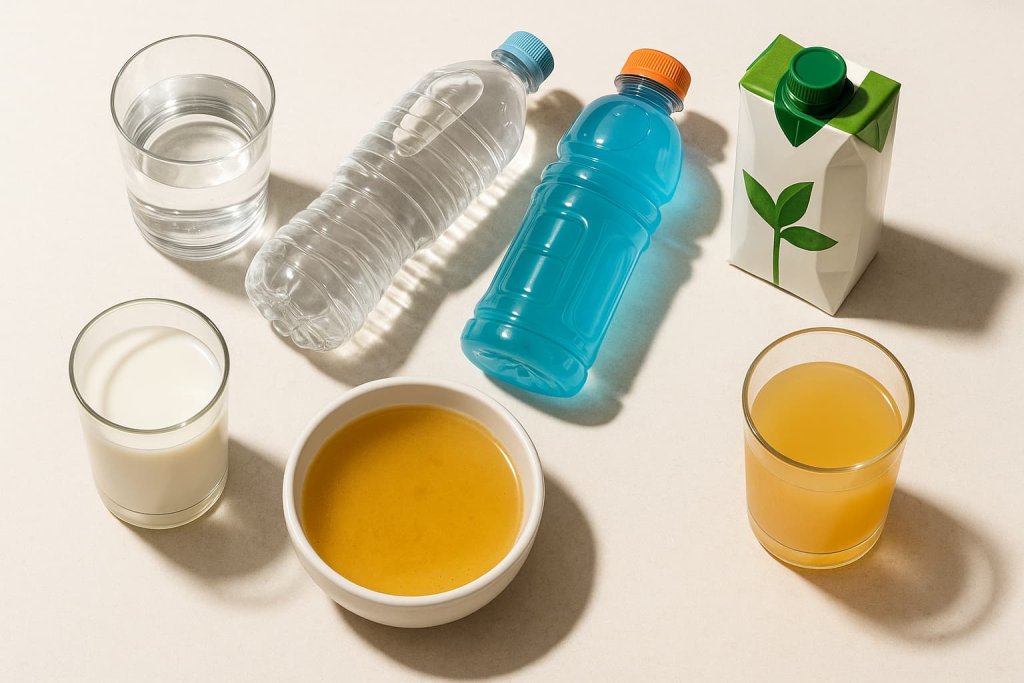
For quick guidance:
- Mild dehydration: water, diluted drinks, or electrolyte beverages
- Dehydration from sweating: sports drinks or electrolyte-enhanced water
- Illness-related dehydration: WHO-formulated ORS
According to the Centers for Disease Control and Prevention, hydration supports proper body temperature and normal physiological function.
Below is a complete guide to the best hydration choices, when to use each, and how they fit into a balanced wellness routine.
What Dehydration Is and Why the Right Drinks Matter
Dehydration occurs when the body loses more fluid than it replaces, which may affect temperature regulation, digestion, concentration, and physical performance. Maintaining adequate hydration supports overall wellness and helps the body function efficiently. According to the Centers for Disease Control and Prevention, getting enough water each day is important for health and supports normal physiological processes, including maintaining temperature balance and preventing dehydration-related strain.

Dehydration may develop from heat exposure, physical activity, illness, or simply not drinking enough fluids. When fluid losses are not replaced, the body’s electrolyte balance may shift, making it harder to regulate temperature, support muscle function, and maintain cognitive performance. Choosing the right hydrating beverages may help support fluid balance and overall wellness, especially during periods of increased fluid loss.
How Dehydration Affects the Body
Even mild dehydration may influence alertness, physical endurance, and overall comfort. Research from the National Institutes of Health notes that hydration status is associated with cognitive performance, muscular function, and the body’s ability to regulate heat.
Common Causes (Heat, Exercise, Illness, Low Intake)
Common reasons for dehydration include:
- Heat exposure or humid weather
- Intense physical activity causing sweat loss
- Illness involving vomiting, fever, or diarrhea
- Not drinking enough fluids throughout the day
Medications, age, and certain health conditions may also influence hydration needs.
Signs of Mild, Moderate, and Concerning Dehydration
Signs of dehydration may include:
- Mild: thirst, dry mouth, slight fatigue, darker urine
- Moderate: dizziness, dry skin, reduced urine output, headaches
- Concerning: confusion, rapid breathing, very low urine output, persistent vomiting
Severe symptoms require prompt medical evaluation.
Why Fluid and Electrolyte Balance Matters for Wellness
Fluids support circulation, temperature control, digestion, and joint mobility. Electrolytes—especially sodium, potassium, and magnesium—help regulate nerve function, muscle contraction, and fluid balance. According to the U.S. Department of Agriculture, electrolytes play a key role in maintaining normal hydration and metabolic functions.
7 Best Drinks for Dehydration Recovery
1. Oral Rehydration Solutions (ORS)
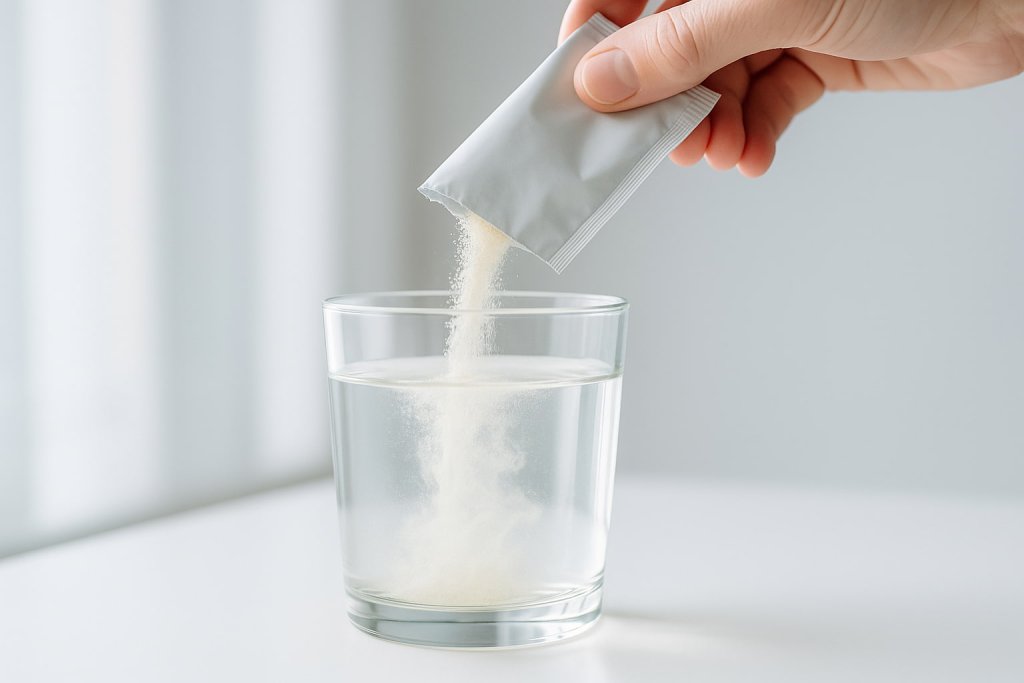
ORS is considered one of the most effective options for dehydration involving significant electrolyte losses or illness. The formula combines glucose and electrolytes in specific concentrations that support efficient absorption. The World Health Organization recommends ORS as a primary method for rehydration during diarrheal illness because it supports fluid uptake more effectively than water alone.
Why ORS Supports Fluid Absorption
The glucose–sodium transport mechanism in the small intestine enhances water absorption. This process helps restore hydration and supports electrolyte balance even when the digestive system is stressed.
When ORS Is the Most Appropriate Choice
ORS is most helpful during:
- Dehydration from diarrhea or vomiting
- Fever-related fluid loss
- Moderate dehydration where electrolytes are needed
- Situations where rapid, efficient absorption is important
2. Water
Water remains the foundation of hydration and is appropriate for most mild dehydration cases. It supports digestion, temperature regulation, nutrient transport, and overall metabolic function.
When Water Is Enough
Water is typically enough for:
- Mild dehydration from daily activity
- Low-intensity exercise
- Warm weather without heavy sweating
- Routine hydration maintenance
If symptoms intensify, electrolytes may become necessary.
Daily Intake and Practical Hydration Tips
Practical habits include:
- Drinking small, steady amounts throughout the day
- Increasing intake during heat or exertion
- Flavoring water with lemon or fruit slices for variety
According to the Centers for Disease Control and Prevention, consistent water intake supports temperature regulation and normal bodily functions.
3. Electrolyte Drinks and Sports Beverages
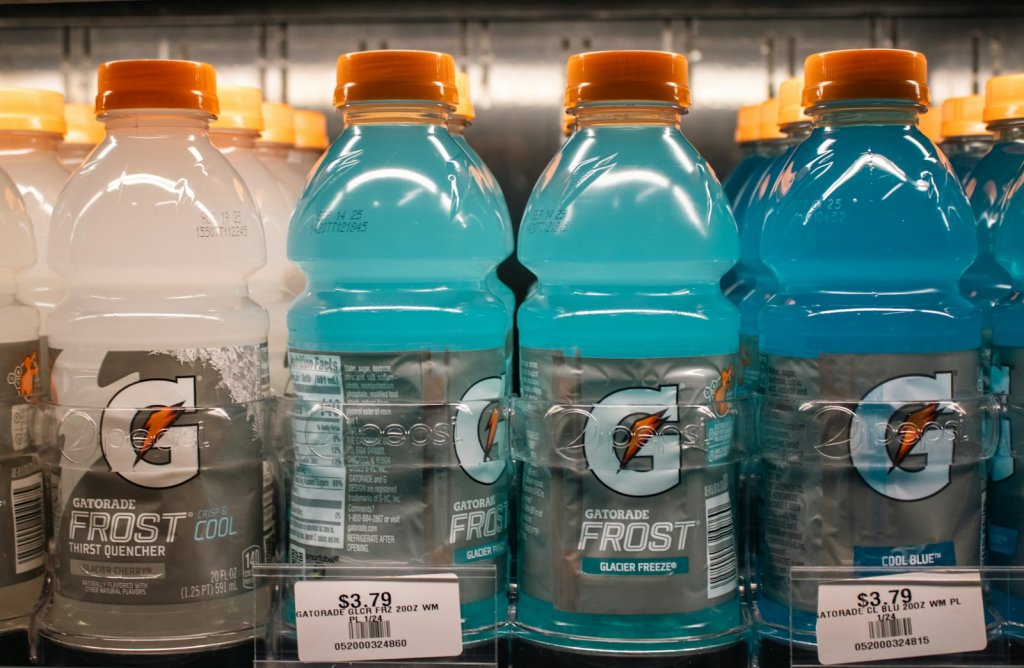
Electrolyte beverages contain sodium, potassium, and carbohydrates that may support hydration during heavy sweating or prolonged exercise. They replenish minerals lost in sweat, helping maintain fluid balance.
When Electrolytes Are Helpful
Electrolyte drinks may be useful for:
- Long workouts exceeding 60–90 minutes
- Hot or humid environments
- High-sweat athletes
- Individuals losing significant sodium
Choosing a Balanced Formula
Look for drinks with:
- Moderate sodium
- Moderate carbohydrate levels
- Low added sugars
- Clear labeling of electrolyte content
Balanced options support hydration without unnecessary calories.
4. Coconut Water
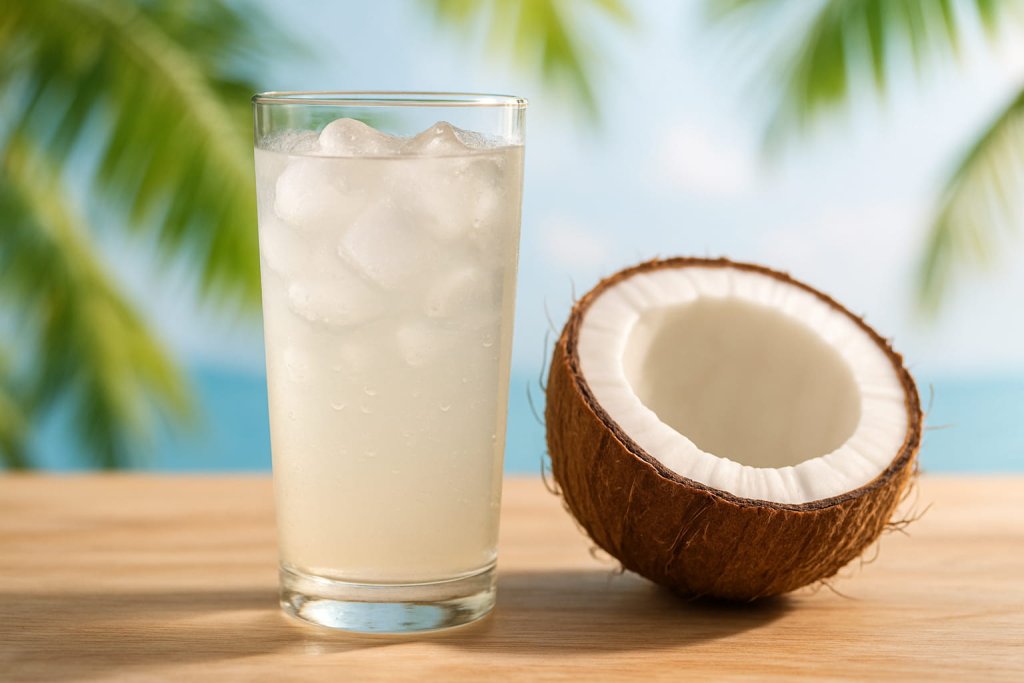
Coconut water provides natural potassium and small amounts of sodium and magnesium. It may help support hydration after mild to moderate dehydration from sweating.
Natural Electrolyte Profile
Coconut water contains minerals that support muscle and nerve function. Its mild sweetness may encourage fluid intake without excessive sugar.
Best Uses and Limitations
Best for:
- Mild dehydration
- Post-exercise rehydration
- Individuals preferring natural beverages
Limitations:
- Not ideal for high sodium loss
- Not a substitute for ORS in illness-related dehydration
5. Milk and Milk-Based Drinks
Milk ranks high on hydration scales because it contains water, electrolytes, carbohydrates, and protein. Research from the National Library of Medicine shows that milk may support better fluid retention than some standard sports drinks.
Hydration Properties
Milk contains sodium and potassium, which may support fluid balance. The protein and carbohydrate content slow gastric emptying, helping retain fluids longer.
When Milk Supports Recovery
Milk may be helpful after:
- Strength training sessions
- Intense workouts requiring both hydration and recovery
- Individuals who tolerate dairy well
6. Diluted Fruit Juice
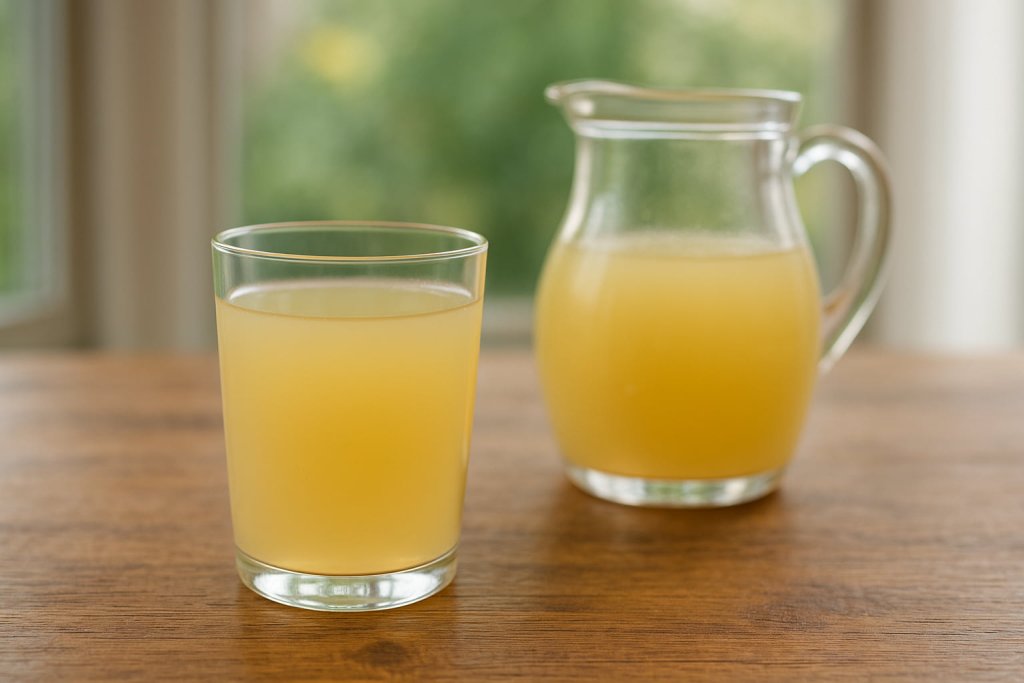
Diluting juice (50% juice, 50% water) lowers sugar content while still providing vitamins and small amounts of carbohydrates.
Benefits for Mild Dehydration
Diluted juice may support hydration by offering:
- Palatability that encourages drinking
- Natural sugars that provide energy
- Hydrating fluid volume
When to Use or Avoid
Use for mild dehydration or reduced appetite.
Avoid during illness-related dehydration unless combined with ORS or directed by guidelines, as full-strength juice may increase gastrointestinal discomfort.
7. Broths and Soups
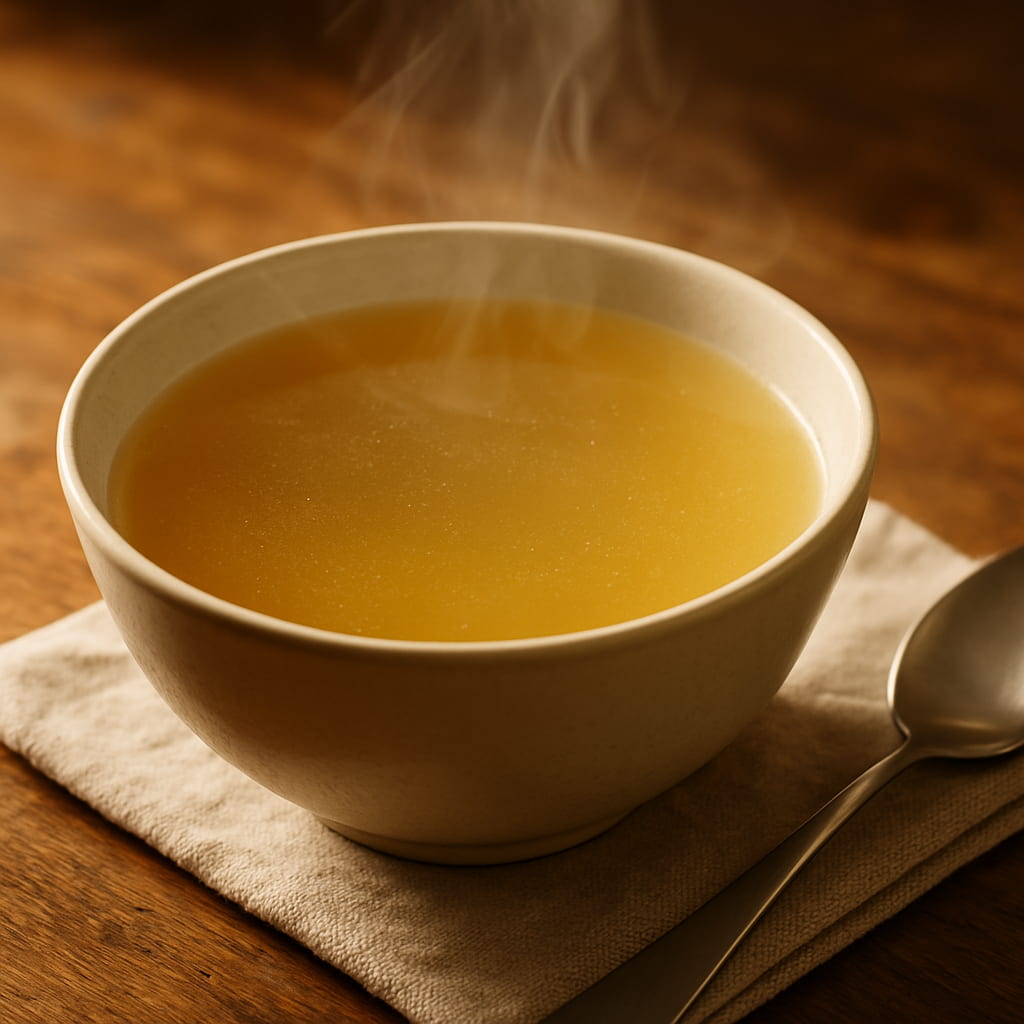
Broths provide sodium and fluid, which may support hydration during illness or cold weather.
Sodium and Fluid Support
The sodium content helps the body retain fluids, supporting hydration when paired with adequate water intake.
Best Situations for Using Broths
Broths may be helpful during:
- Dehydration from reduced appetite
- Post-illness recovery phases
- Situations requiring warm, easy-to-digest fluids
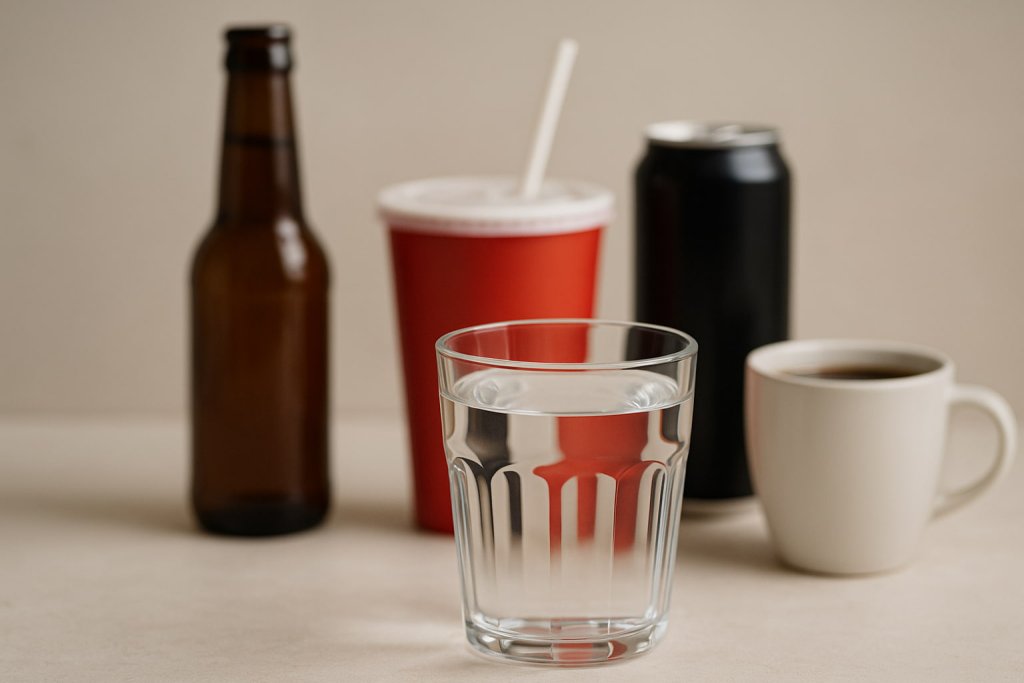
Drinks to Limit or Avoid During Dehydration
1. Alcohol
Alcohol increases urine output, which may worsen dehydration. Because it interferes with the body’s ability to maintain fluid balance, it is best avoided until hydration is restored. According to the Centers for Disease Control and Prevention, alcohol affects normal hydration and temperature regulation, making it unsuitable when recovering from fluid loss.
2. Sugary Sodas and Undiluted Juices
Drinks high in added sugars may contribute to gastrointestinal discomfort and may not support optimal hydration. Undiluted fruit juices contain concentrated sugars that may slow fluid absorption and may increase the risk of worsening symptoms during illness. Diluted options are generally better tolerated.
3. Excessive Caffeine
Moderate caffeine intake is acceptable for most people, but large amounts may increase urine output in some individuals. When dehydrated, it is better to prioritize water or electrolyte beverages. People sensitive to caffeine should be especially cautious.
How Much and How Fast to Drink When Dehydrated
Hydration Strategies for Mild Dehydration
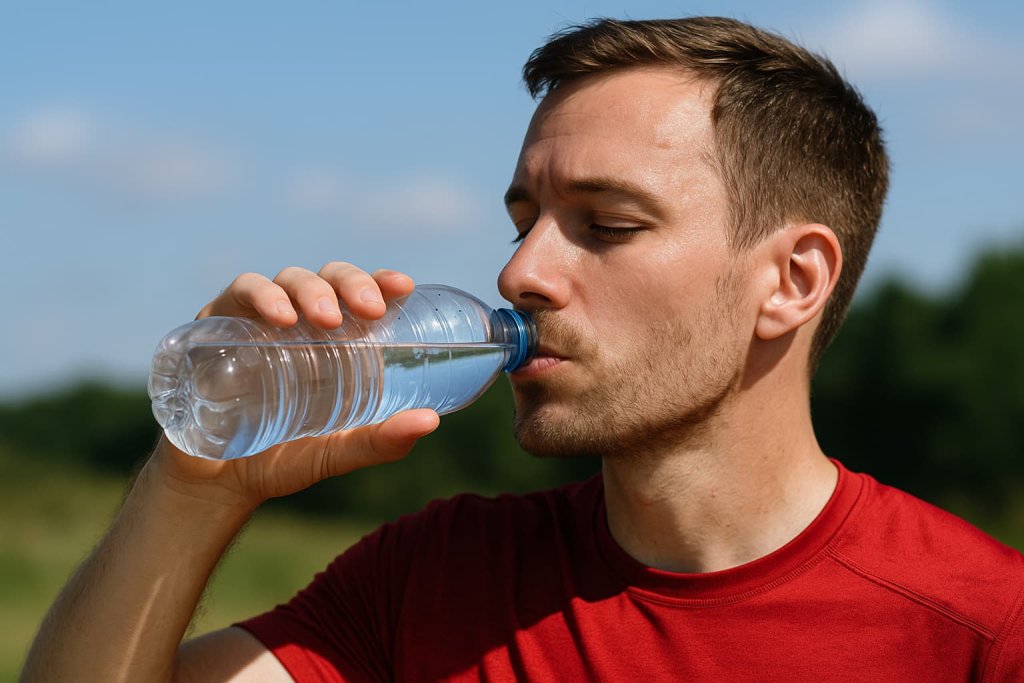
For mild dehydration—characterized by thirst, slight fatigue, or darker urine—small, steady sips often work best. Gradual drinking supports better absorption and reduces the chance of feeling nauseated. Increasing daily water intake and incorporating hydrating foods may also support recovery.
Hydration During Exercise or Heat Exposure
Extended activity or hot environments increase sweat loss, requiring more frequent hydration. The Centers for Disease Control and Prevention notes that fluids support temperature regulation during physical exertion. Before, during, and after activity, drinking fluids at regular intervals helps maintain hydration and performance.
When to Use Electrolytes Instead of Water
Electrolytes may be helpful when:
- Sweat loss is heavy
- Exercise lasts longer than 60–90 minutes
- Weather is hot or humid
- Muscle cramps or fatigue develop
Electrolyte drinks may support sodium and potassium replacement, which are important for maintaining fluid balance during prolonged or intense activity.
When to Seek Medical Evaluation
Seek medical care if dehydration symptoms worsen or do not improve with fluid intake. Concerning signs include persistent vomiting, very low urine output, confusion, dizziness, or inability to keep fluids down. Severe dehydration requires prompt evaluation and may need medical treatment.
Nutrition and Wellness Tips to Support Hydration
Water-Rich Foods That Support Hydration
Many fruits and vegetables provide high water content along with beneficial nutrients. Examples include cucumbers, watermelon, oranges, tomatoes, romaine lettuce, and strawberries. These foods may help support fluid intake throughout the day and complement your drink choices.
Dietary Electrolytes (Potassium, Sodium, Magnesium)
Electrolytes help regulate fluid distribution, nerve signaling, and muscle function.
- Potassium: bananas, oranges, potatoes, coconut water
- Sodium: broths, soups, lightly salted meals
- Magnesium: nuts, seeds, whole grains, leafy greens
According to the U.S. Department of Agriculture, these minerals play important roles in supporting hydration and overall metabolic function.
Daily Habits That Encourage Hydration
Simple practices that may help maintain hydration include:
- Drinking water consistently throughout the day
- Carrying a reusable bottle as a reminder
- Eating balanced meals that include hydrating foods
- Drinking before you feel thirsty, especially during heat or exercise
Monitoring Hydration Through Urine Color
Urine color can offer a quick indication of hydration status.
- Pale yellow often reflects adequate hydration
- Darker shades may signal the need for more fluids
This simple check helps guide daily hydration routines.
Frequently Asked Questions
What drink hydrates the fastest?
Oral rehydration solutions (ORS) hydrate the fastest because their specific balance of glucose and electrolytes supports efficient absorption. This mechanism is recognized by the World Health Organization as an effective approach for dehydration involving significant fluid and electrolyte losses.
Is water enough for dehydration?
Water may be enough for mild dehydration caused by routine activity or low fluid intake. If sweating is heavy or dehydration is related to illness, additional electrolytes may be helpful.
When are sports drinks helpful?
Sports drinks may support hydration during prolonged exercise, hot weather, or high sweat loss. They supply electrolytes and carbohydrates that may help maintain performance and fluid balance.
Is coconut water effective for hydration?
Coconut water provides natural electrolytes and may support hydration after mild to moderate fluid loss. It is less suitable for severe dehydration because it contains limited sodium compared to ORS.
Can milk support hydration after exercise?
Yes. Research from the National Library of Medicine shows that milk may support fluid retention after activity due to its electrolyte, carbohydrate, and protein content.
Which drinks should be avoided when dehydrated?
Alcohol, excessive caffeine, sugary sodas, and undiluted juices are less suitable during dehydration because they may not support optimal fluid replacement.
Conclusion
Dehydration affects daily wellness, physical performance, and overall comfort. The best drinks for dehydration depend on the cause and severity: water for everyday use, electrolytes for sweat-related losses, and ORS for dehydration from illness. Pairing smart hydration choices with good nutrition, balanced electrolytes, and healthy habits supports overall hydration and well-being.
This content is for informational purposes only and not medical advice.