
The best fat-burning foods are nutrient-dense options that may help you feel fuller, support metabolic health, and fit naturally into a balanced eating pattern. While no single food burns fat on its own, certain foods are rich in protein, fiber, or beneficial bioactive compounds that may support healthy weight loss as part of an overall calorie-controlled lifestyle.
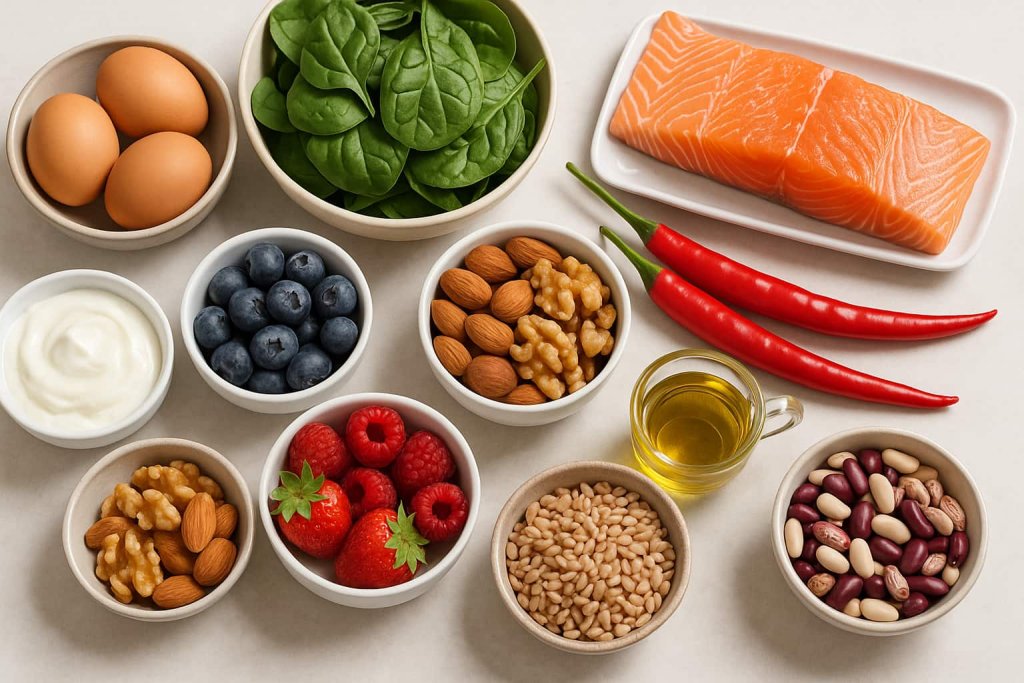
Understanding which foods offer satiety, steady energy, and strong nutritional value can make weight management more sustainable. According to the Centers for Disease Control and Prevention, long-term weight wellness depends on consistent healthy eating patterns, physical activity, adequate sleep, and stress management—not quick fixes or “magic foods.” Choosing nutrient-dense foods aligned with the Dietary Guidelines for Americans may support better fullness, energy, and appetite regulation.
Below are 12 science-supported foods that may help support healthy weight loss when included as part of a balanced diet.
What “Fat-Burning Foods” Really Means
“Fat-burning foods” do not directly burn fat. Instead, they are nutrient-dense foods that may support fullness, balanced calorie intake, steady energy, and metabolic wellness. According to the Centers for Disease Control and Prevention, healthy weight loss depends on overall eating patterns, physical activity, sleep, and stress—not single foods. These foods simply help make a balanced, lower-calorie diet easier to maintain.
Key Mechanisms Behind Fat-Burning Foods
Several nutritional characteristics explain why some foods may support healthy weight loss:
- High protein may help increase satiety and moderate appetite.
- High fiber supports fullness and steady digestion.
- Low energy density allows larger portions with fewer calories.
- Bioactive compounds such as catechins, caffeine, and capsaicin may support small increases in energy expenditure.
- Healthy fats help create satisfying meals that align with long-term wellness.
Together, these mechanisms may help support a balanced calorie intake within a healthy lifestyle.
12 Fat-Burning Foods That May Support Healthy Weight Loss
The foods below do not burn fat on their own, but they may support satiety, metabolic health, and balanced calorie intake, which are key components of healthy weight loss. According to the Centers for Disease Control and Prevention, long-term weight management depends on consistent healthy eating patterns rather than quick fixes. Selecting nutrient-dense foods can help you feel more satisfied while maintaining overall wellness.
1. Eggs

Eggs are rich in high-quality protein, which may help support fullness and reduce the likelihood of overeating later in the day. Protein has a higher thermic effect compared to fats and carbohydrates, meaning the body uses more energy to digest it. Research referenced by the Harvard T.H. Chan School of Public Health notes that protein-dense foods may support appetite control, making eggs a valuable addition to balanced meals.
2. Greek Yogurt and Cottage Cheese
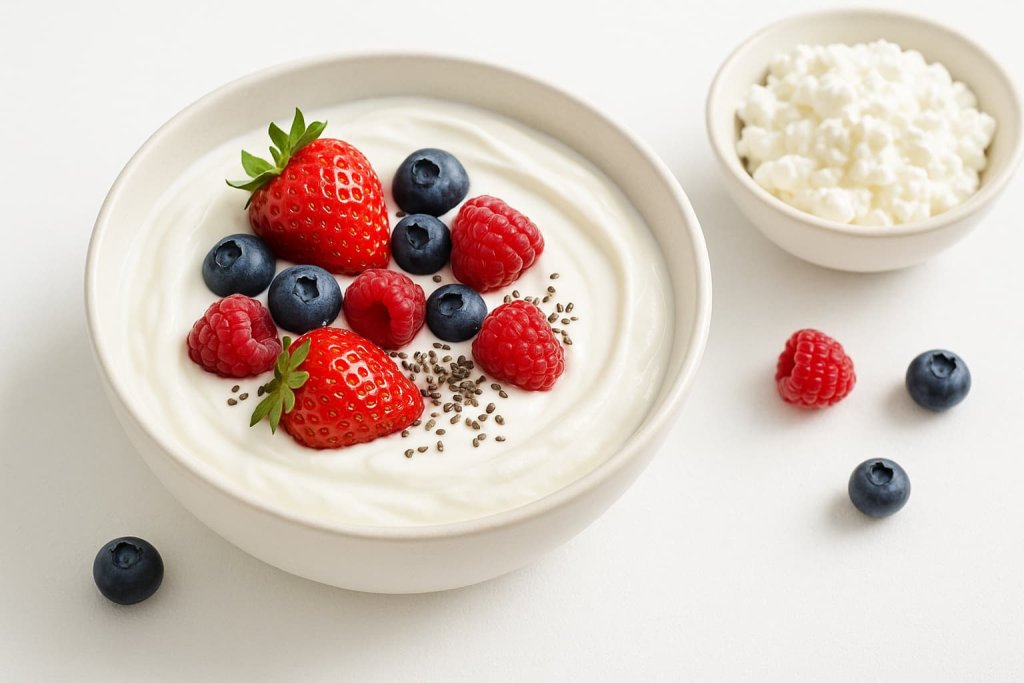
Greek yogurt and cottage cheese supply protein and beneficial nutrients such as calcium. Their thick texture slows digestion, which may help support longer-lasting fullness. According to the National Institutes of Health, higher-protein dairy foods can support lean mass preservation during calorie reduction. Choosing plain, unsweetened options helps keep added sugars low while maximizing nutritional value.
3. Beans, Lentils, and Legumes
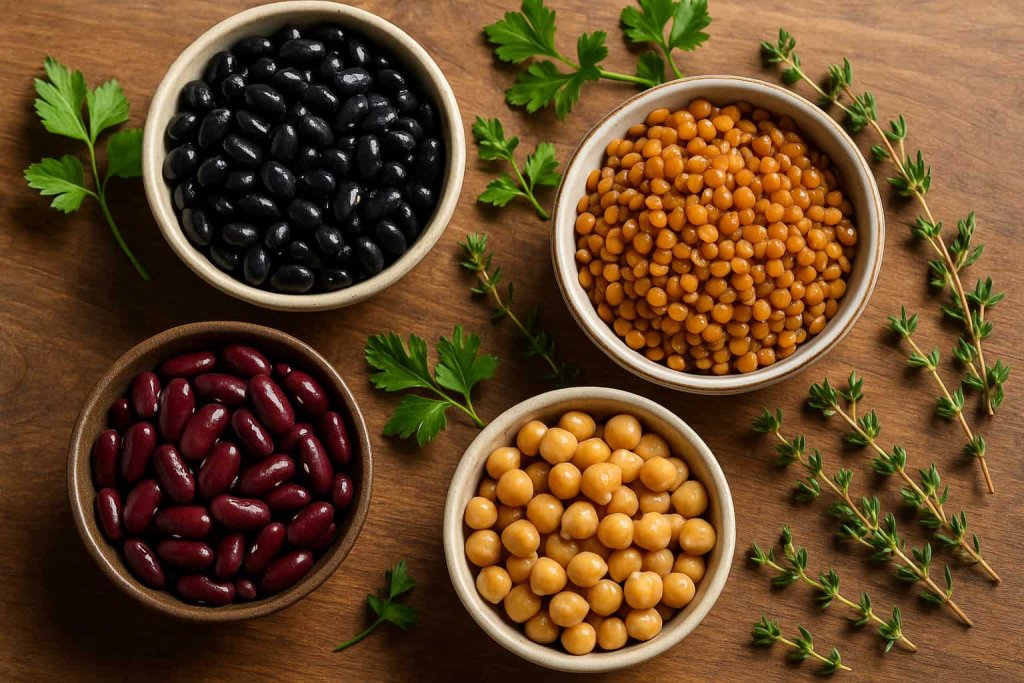
Beans, lentils, chickpeas, and peas provide a combination of fiber, protein, and slowly digested carbohydrates, which may help support steady energy and appetite control. The Dietary Guidelines for Americans recommend legumes as part of a nutrient-dense pattern that supports overall wellness. Their high fiber content also adds bulk to meals without significantly increasing calories.
4. Nuts and Seeds
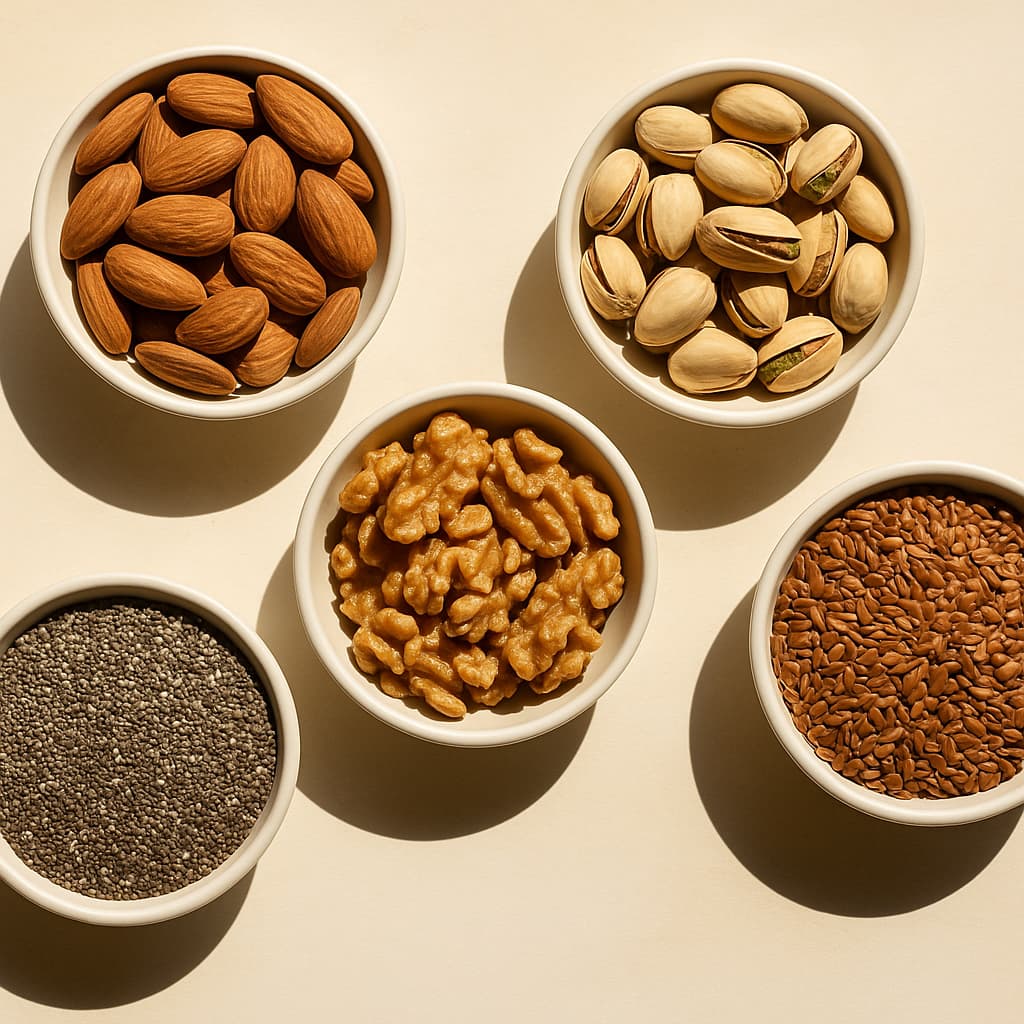
Almonds, walnuts, pistachios, chia seeds, and flaxseeds are nutrient-dense sources of healthy fats, fiber, and plant-based protein. Although they are higher in calories, research from the National Library of Medicine shows that regular nut consumption is associated with stable weight over time, possibly due to their strong satiety effect. Mindful portions—such as a small handful—can help maximize benefits without excess calories.
5. Whole Grains
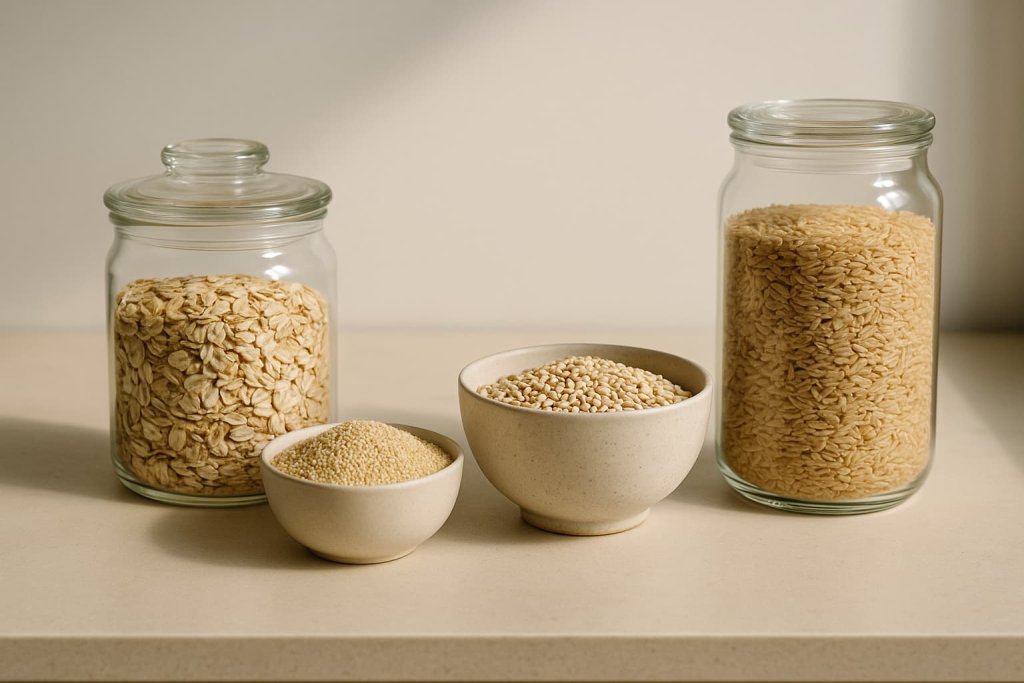
Whole grains such as oats, quinoa, barley, and brown rice are rich in fiber and essential nutrients. They digest more slowly than refined grains, which may help support steady energy and reduce cravings. The Dietary Guidelines for Americans recommend making at least half of all grains whole grains to support overall metabolic and nutritional health. Oats, in particular, contain beta-glucan, a soluble fiber linked with improved fullness.
6. High-Fiber Fruits
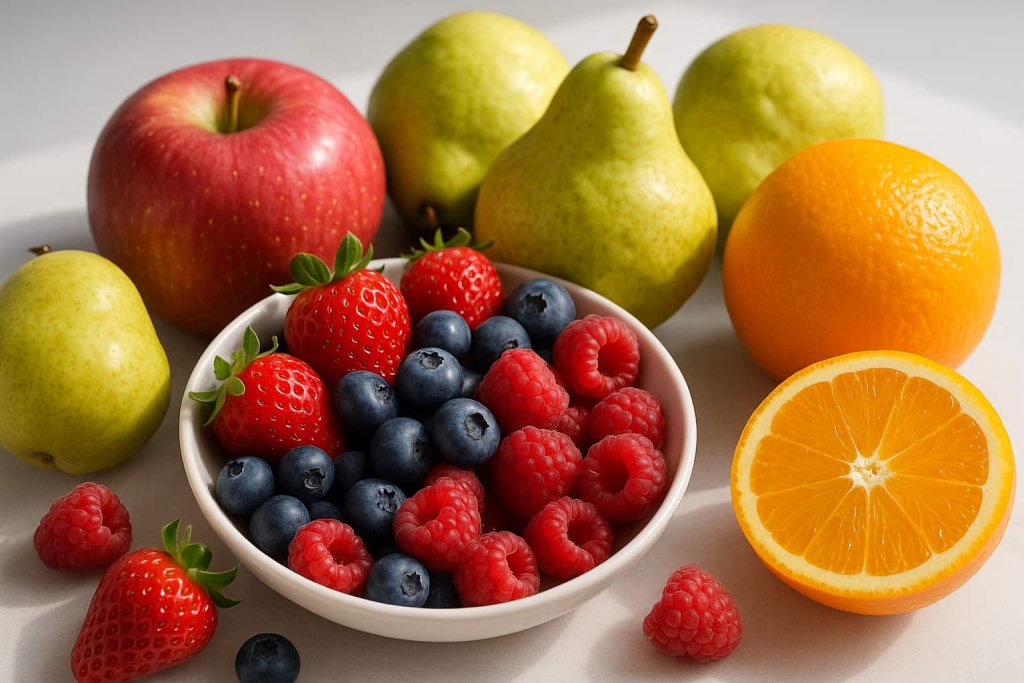
Berries, apples, pears, and citrus fruits supply fiber and water, making them naturally low in energy density. These features may help support appetite control by adding volume to meals without significantly increasing calories. According to the Centers for Disease Control and Prevention, using low-fat, fiber-rich foods such as fruits and vegetables is a practical strategy for reducing calorie intake while maintaining fullness — which may support healthier weight management. Moreover, fiber-rich fruits contribute vitamins, minerals, and antioxidants that support overall nutritional quality.
7. Non-Starchy Vegetables
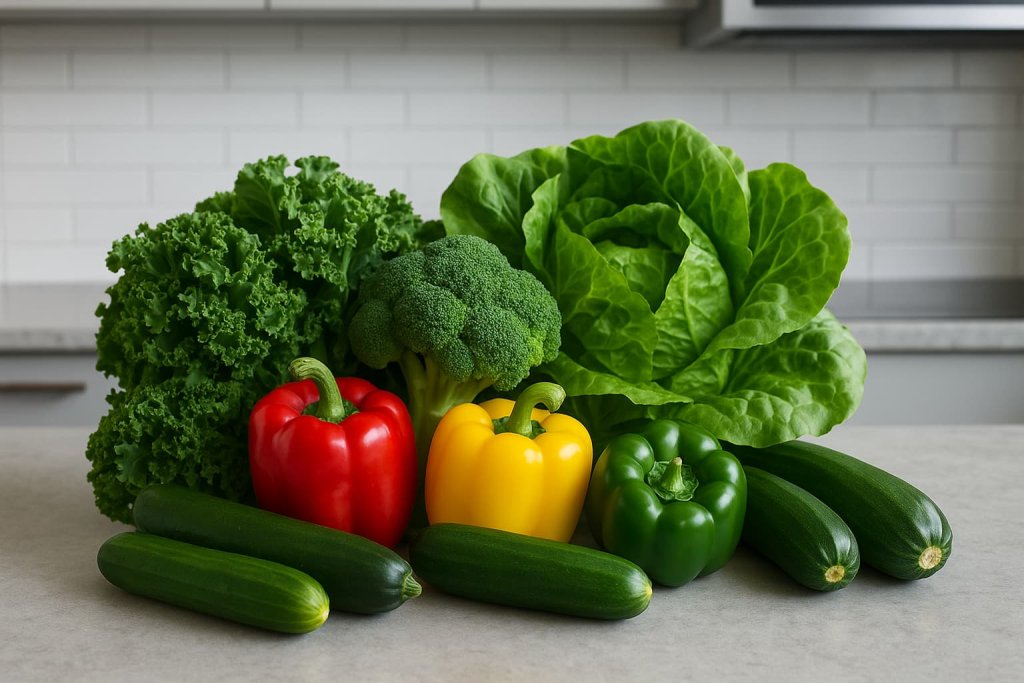
Leafy greens, peppers, broccoli, cauliflower, cucumbers, and zucchini are very low in calories and rich in vitamins, minerals, and fiber. Their high water content makes them filling while supporting overall nutrient balance. The American Heart Association recommends incorporating plenty of vegetables into meals to support long-term wellness, digestion, and weight management.
8. Fatty Fish
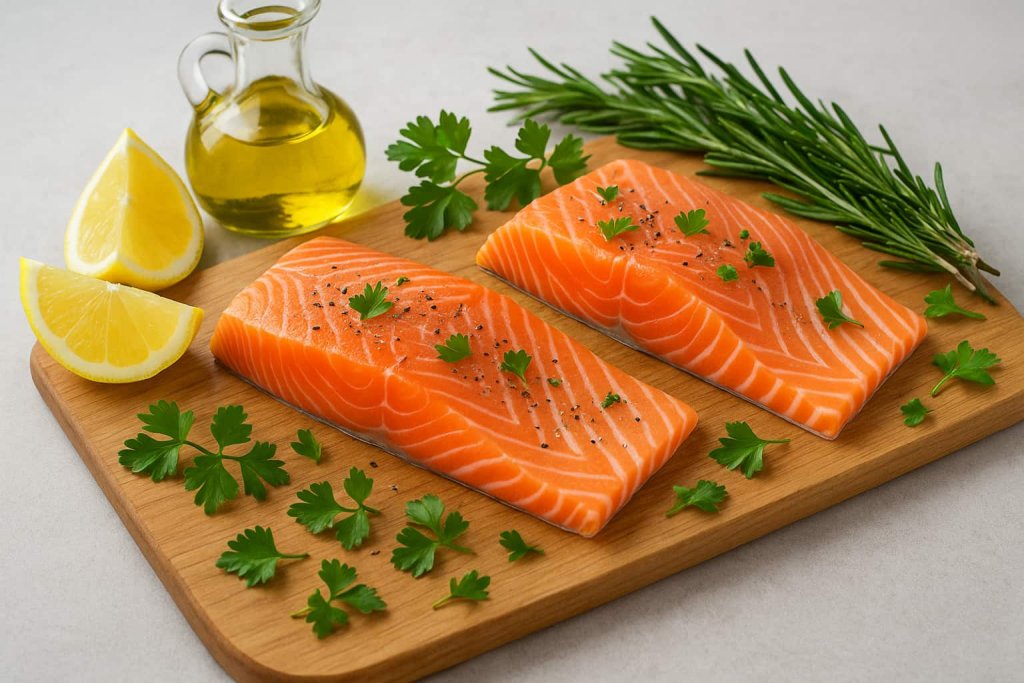
Salmon, trout, sardines, and mackerel provide both high-quality protein and omega-3 fatty acids. These nutrients may support metabolic health and long-lasting fullness. Eating fish regularly is a core component of the Mediterranean-style diet, which the Harvard T.H. Chan School of Public Health notes is associated with healthier body weight patterns and cardiometabolic outcomes.
9. Chili Peppers and Spicy Foods
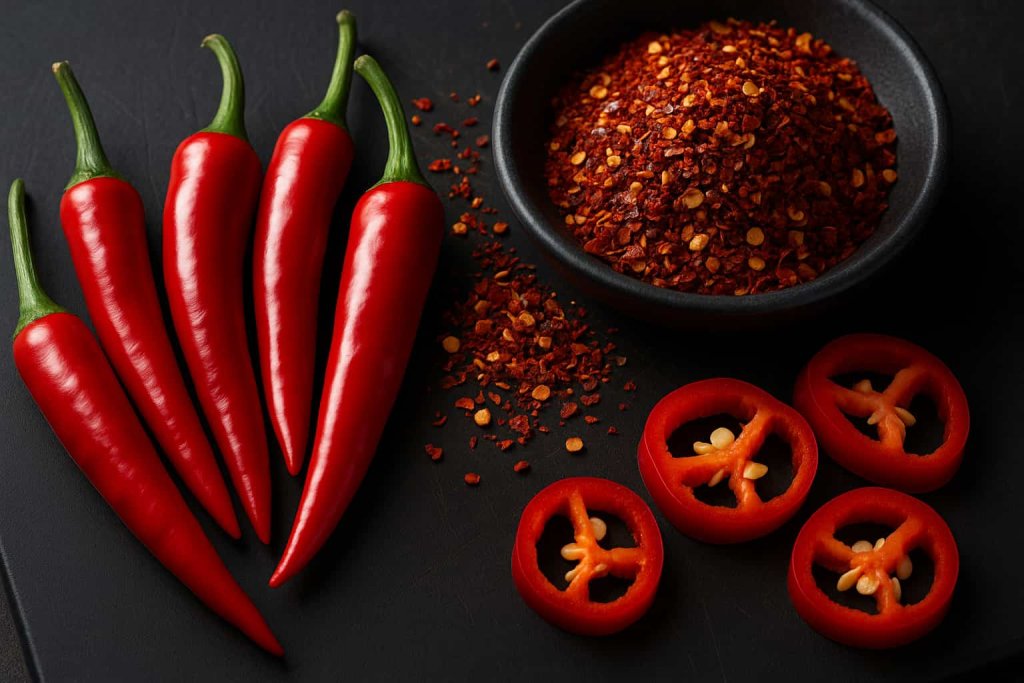
Chili peppers contain capsaicin, a natural compound that may support increased energy expenditure and appetite regulation. While the effect is modest, it may help enhance the flavor of nutrient-dense meals, supporting overall dietary satisfaction. These foods are best used as part of a balanced meal rather than a standalone strategy.
10. Green Tea

Green tea contains catechins and mild caffeine, both of which may support metabolic rate and fat oxidation. Studies summarized by the National Library of Medicine suggest that regular consumption of unsweetened green tea may support small improvements in body composition. Choosing brewed tea over high-dose supplements is generally safer and more aligned with nutrition guidelines.
11. Coffee (Minimally Sweetened)

Moderate coffee intake may support alertness and slight increases in energy expenditure due to its natural caffeine content. To keep coffee aligned with healthy nutrition goals, it’s important to limit added sugars, flavored syrups, and heavy creams, as these can significantly increase calorie intake. Individuals sensitive to caffeine should be mindful of portion sizes and consumption timing to avoid unwanted effects such as restlessness or disrupted sleep.
According to the Centers for Disease Control and Prevention, choosing beverages with little or no added sugar—such as unsweetened coffee or tea—can help reduce excess calories and support overall wellness. Selecting minimally sweetened coffee and pairing it with nutrient-dense foods may contribute to healthier daily eating patterns.
12. Extra-Virgin Olive Oil
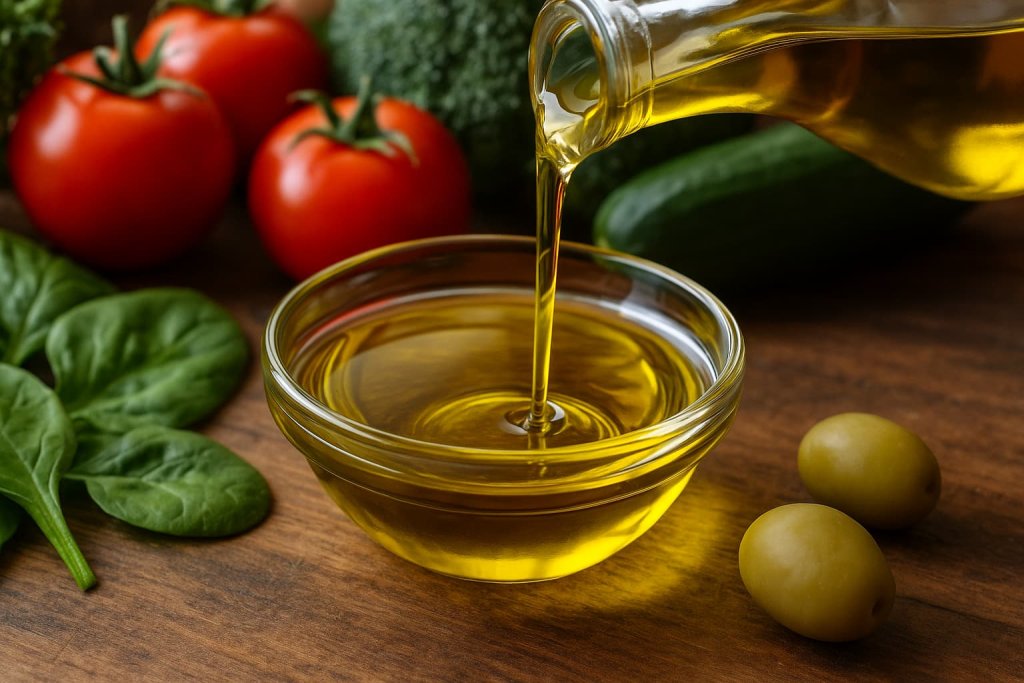
Extra-virgin olive oil provides monounsaturated fats and antioxidants that may support heart and metabolic health. Although it is calorically dense, incorporating moderate amounts may support satiety and help replace less healthy fats such as butter or shortening. The Mediterranean-style pattern, highlighted by the Harvard T.H. Chan School of Public Health, associates olive oil with improved weight and wellness outcomes when used mindfully.
How to Add These Foods to a Balanced Eating Pattern
Incorporating fat-burning foods into your routine is most effective when they fit naturally into a balanced, nutrient-dense eating pattern. According to the Dietary Guidelines for Americans, the most sustainable approach to weight wellness includes a variety of whole foods, mindful portions, and consistent habits that support long-term health.
Practical Meal and Snack Ideas
Adding these foods to everyday meals does not require major changes—small, consistent adjustments often work best. Examples include:
- Starting the morning with eggs, oatmeal, or Greek yogurt paired with fruit
- Replacing higher-calorie spreads with a moderate drizzle of olive oil
- Adding beans or lentils to salads, soups, or grain bowls
- Snacking on a small handful of nuts or seeds for steady energy
- Ending meals with fruit instead of sugary desserts
These combinations may help support fullness and balanced calorie intake throughout the day.
Building Satisfying, Nutrient-Dense Plates
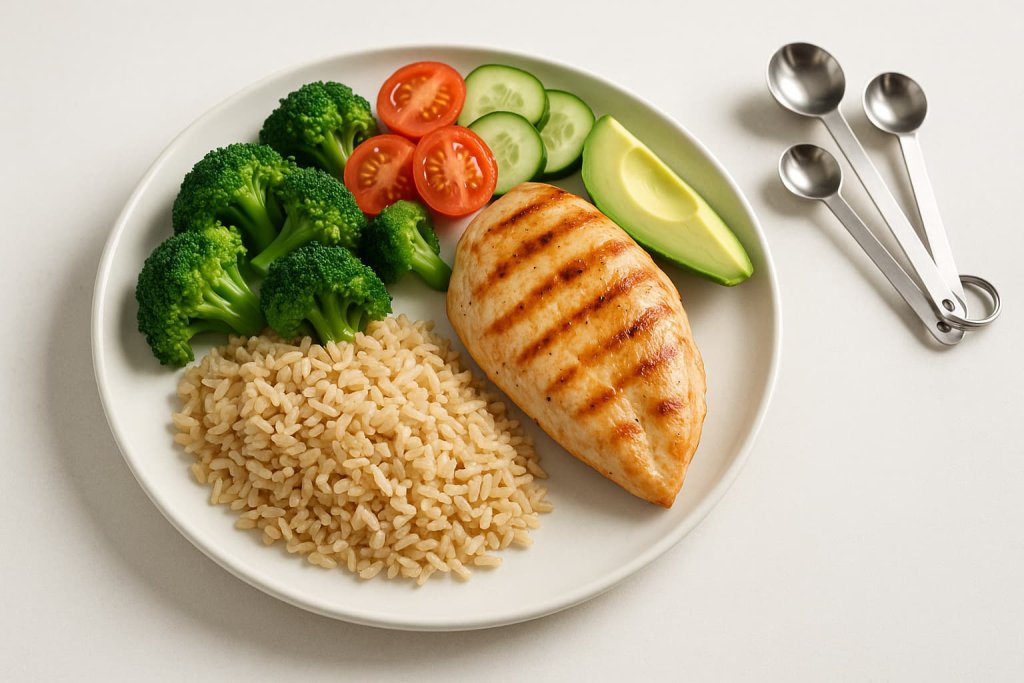
A satisfying, nutrient-dense plate typically includes lean or plant-based protein, high-fiber vegetables, whole grains, and healthy fats. This structure aligns with guidance from the U.S. Department of Agriculture, which recommends making half your plate fruits and vegetables, choosing whole grains for added fiber, and pairing them with protein to support balanced nutrition. Using vegetables or fruits as the base of meals helps add volume without excess calories, while combining them with whole grains and protein may support appetite regulation and steady energy throughout the day.
Choosing Minimally Processed Options
Whole and minimally processed foods generally offer more nutrients per calorie. Items such as plain Greek yogurt, unsweetened green tea, fresh vegetables, whole grains, legumes, and plain nuts may be more supportive than versions with added sugars, refined oils, or heavy sodium. The U.S. Department of Agriculture encourages choosing foods closer to their natural form to improve overall diet quality.
Hydration, Movement, and Lifestyle Support
Nutrition is only one part of a holistic approach to healthy weight. Adequate hydration may support digestion, appetite cues, and overall daily functioning, while regular movement helps maintain energy balance. According to the Centers for Disease Control and Prevention, physical activity supports metabolic health, mood, cardiovascular function, and long-term wellness. When combined with nutrient-dense foods, hydration and movement can reinforce healthy habits and contribute to more sustainable weight-management outcomes.
Safety and Wellness Considerations
Because everyone’s nutritional needs and sensitivities vary, it’s important to approach these foods with awareness. Focusing on moderation and balanced choices supports long-term safety and aligns with national health guidelines.
Portion Awareness for Higher-Calorie Foods (Nuts, Olive Oil)
Nuts, seeds, and olive oil are rich in beneficial fats but also calorie-dense. Mindful portions—such as a small handful of nuts or a controlled drizzle of olive oil—may help you enjoy their nutritional benefits without exceeding your daily calorie needs.
Considerations for Caffeine-Sensitive Individuals
Green tea and coffee may support energy and metabolic processes, but individuals sensitive to caffeine should monitor intake. The National Institutes of Health notes that caffeine tolerance varies widely, and some people may experience restlessness or sleep disruptions at lower doses. Choosing earlier consumption and moderate portions can help reduce unwanted effects.
When to Be Mindful of Sodium, Added Sugars, or Allergies
Some packaged versions of foods—such as flavored yogurt, pre-seasoned fish, or roasted nuts—may contain added sugars, sodium, or ingredients that contribute extra calories. Those with food allergies should check labels carefully, especially when consuming nuts, seeds, dairy, or legumes. Minimally processed options often support better nutrition and overall wellness.
Why Supplements Should Not Replace Whole Foods
Capsaicin, caffeine, and green tea extracts are often sold as weight-related supplements, but high-dose products may carry side effects. Whole foods provide fiber, vitamins, minerals, and protective compounds that supplements cannot replicate. The National Library of Medicine highlights that whole-food patterns are consistently associated with better health outcomes than reliance on supplements alone.
The Importance of Sleep, Stress Management, and Physical Activity
Healthy weight management involves more than making nutritious food choices. Adequate sleep, stress awareness, and regular physical activity all play meaningful roles in supporting appetite regulation, metabolic health, and overall well-being. According to the Centers for Disease Control and Prevention, maintaining a healthy weight requires a combination of balanced nutrition, consistent movement, and lifestyle habits that promote physical and emotional health.
Getting enough sleep may help support stable appetite hormones and energy levels, while effective stress management can reduce behaviors that lead to overeating. Regular physical activity supports energy balance, cardiovascular health, and mood — all of which contribute to a more sustainable approach to wellness. Together, these habits complement nutrient-dense eating patterns and help create long-term, realistic pathways to healthy weight maintenance.
Frequently Asked Questions
Do fat-burning foods actually burn fat?
Not directly. These foods may support satiety, steady energy, and overall diet quality, which can contribute to healthy weight loss when combined with balanced calorie intake and regular movement.
What is the best food for supporting fat loss?
There is no single best food. Options rich in protein, fiber, and healthy fats—such as eggs, legumes, vegetables, fruits, and fatty fish—may help support fullness and balanced eating patterns.
Can these foods reduce belly fat?
These foods may support overall fat reduction as part of a healthy lifestyle, but they do not target specific areas of the body. Spot reduction is not supported by scientific evidence.
How often should I eat these foods?
Many of these foods can be included daily as part of balanced meals. Consistency and overall eating patterns matter more than precise frequency.
Are fat-burning supplements safe?
Food-based approaches are generally safer. Supplements containing concentrated caffeine, capsaicin, or green tea extract may cause side effects and should not replace whole-food strategies.
Do spicy foods help burn extra calories?
Spicy foods may slightly increase energy expenditure due to compounds like capsaicin, but the effect is modest. They are most helpful when paired with nutrient-dense meals that support fullness and overall wellness.
Conclusion
Identifying foods that support fullness, balanced nutrition, and metabolic wellness can make healthy weight management more sustainable. These options work best as part of a broader lifestyle that includes movement, hydration, quality sleep, and stress awareness. Building meals around nutrient-dense whole foods may help support long-term health and weight goals.
This content is for informational purposes only and not medical advice.