
A non toxic yoga mat is one made without PVC, phthalates, heavy metals, or harsh chemical plasticizers, using materials like natural rubber or cork instead.
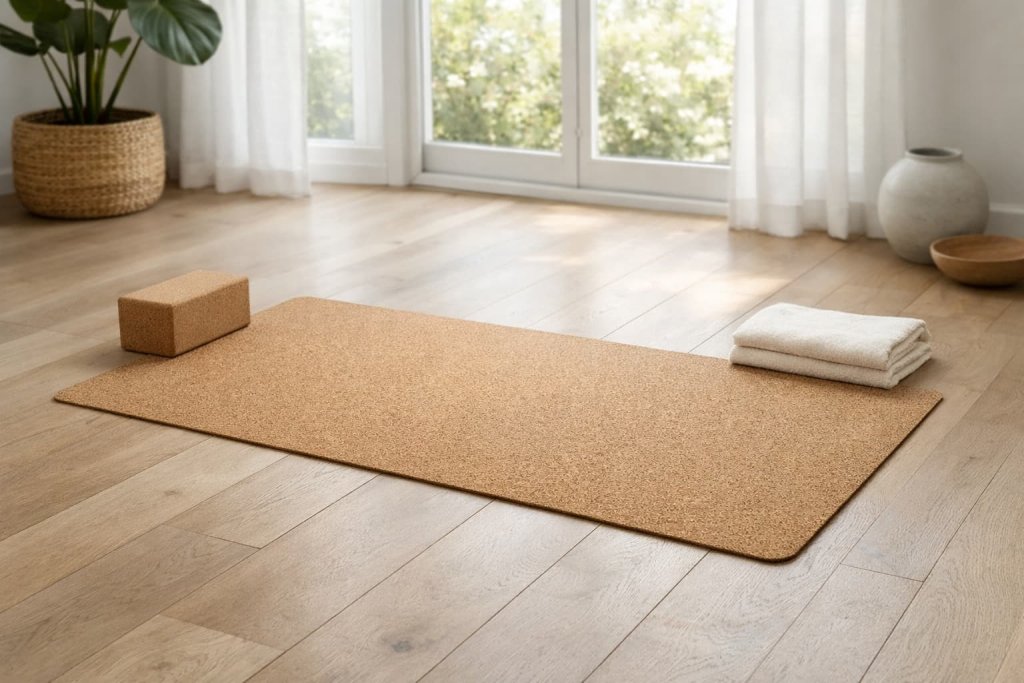
For U.S. yogis in 2026, these mats are popular not just for sustainability, but also for better grip, odor reduction, and skin comfort during regular practice. Whether you practice hot yoga, vinyasa, or gentle stretching at home, choosing a cleaner mat helps reduce unnecessary chemical exposure while supporting stable, slip-resistant performance. This guide explains how non toxic yoga mats work, how we selected the best options, and what to look for before buying.
How We Selected These Non Toxic Yoga Mats
We selected non toxic yoga mats that are consistently available on Amazon US and clearly marketed with clean material disclosures. Priority was given to natural rubber, cork, and eco-PU mats with proven grip, durability, and suitability for U.S. users, while considering brand reputation and realistic care requirements.
Quick Comparison: Best Non Toxic Yoga Mats of 2026
Below is a quick comparison of the non toxic yoga mats reviewed earlier, highlighting materials, ideal use, and buying links.
| Model | Key Features | Ideal For | Buy on Amazon |
|---|---|---|---|
| 1. Liforme Special Yoga Mat | Eco-PU + rubber, alignment system, strong grip | Alignment-focused, hot yoga | View on Amazon |
| 2. JadeYoga Harmony | Natural rubber, open-cell grip | Sweaty, high-traction practice | View on Amazon |
| 3. Manduka eKO (5mm) | Natural rubber, closed-cell surface | Cushioning + durability | View on Amazon |
| 4. JadeYoga Voyager | Ultra-thin natural rubber | Travel, mat topper | View on Amazon |
| 5. Ecoga Cork Yoga Mat | Cork + rubber, alignment line | Hot yoga, cork lovers | View on Amazon |
| 6. Yoga Dood Cork Yoga Mat | Cork surface, minimalist design | Sweat-heavy, grounded practice | View on Amazon |
All mats above avoid PVC and are marketed as non toxic by their manufacturers.
Best Non Toxic Yoga Mat Reviews
Discover in-depth, hands-on reviews of the best non toxic yoga mats available in the U.S., focusing on real-world grip, comfort, materials, and durability.
Each review breaks down who the mat is best for, where it falls short, and how it performs across different yoga styles to help you choose confidently.
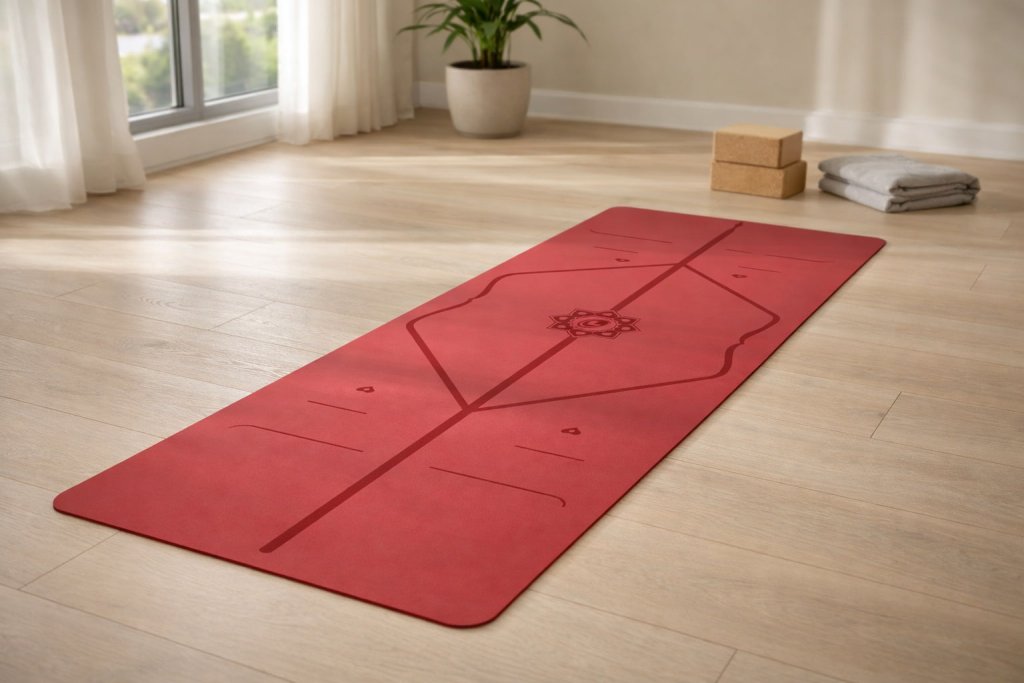
1. Liforme Special Yoga Mat — Best for alignment-focused, sweat-heavy practice
Key Specs
- Brand: Liforme
- Material: Natural rubber base with eco-friendly PU surface
- Thickness: 4.2 mm
- Size: 72.8″ L × 26.8″ W (longer and wider than standard)
- Weight: 2.5 kg
- Warranty: Manufacturer warranty (varies by seller)
Why We Picked It
This mat combines Liforme’s patented alignment system with its “GripForMe” surface, delivering reliable traction even during sweaty flows. The added length and width improve comfort and positioning for taller users.
Performance Notes
- Excellent non-slip grip in dry and hot yoga conditions
- Stable, cushioned feel without sacrificing balance
- Alignment markers help maintain consistent hand and foot placement
Who Should (and Shouldn’t) Buy This
✓ For:
- Practitioners who value precise alignment cues
- Hot yoga or vinyasa users needing dependable grip
✕ Not For:
- Ultralight travel-focused yogis
- Those sensitive to rubber-based mat weight
Pros and Cons
| ✔️ Pros | ✘ Cons |
|---|---|
| ✔️ Outstanding grip and sweat resistance | ✘ Heavier than travel mats |
| ✔️ Alignment system aids posture | ✘ Premium price tier |
Setup & Care Notes: Hand wash only; allow to air-dry fully.
Verdict: A premium, non-toxic yoga mat that excels in grip, alignment support, and full-size comfort.
2. JadeYoga Harmony Yoga Mat — Best for maximum grip and sweaty practice

Key Specs
- Brand: JadeYoga
- Material: Natural open-cell rubber
- Thickness: 3/16 in (≈4.8 mm)
- Size: 68″ L × 24″ W
- Weight: 4.2 lb
- Warranty: Manufacturer warranty (varies by seller)
Why We Picked It
The JadeYoga Harmony stands out for its exceptional natural-rubber grip, making it a long-time favorite among yoga teachers and hot yoga practitioners. Its open-cell surface actively absorbs moisture, helping prevent slipping as your practice heats up.
Performance Notes
- Extremely grippy surface, especially during sweaty or hot yoga
- Dense cushioning provides joint comfort without feeling unstable
- Durable rubber construction holds up well to frequent studio use
Who Should (and Shouldn’t) Buy This
✓ For:
- Hot yoga or power yoga practitioners who sweat heavily
- Users who prioritize traction over lightweight portability
✕ Not For:
- Travelers needing a light or foldable mat
- Those sensitive to the natural rubber scent
Pros and Cons
| ✔️ Pros | ✘ Cons |
|---|---|
| ✔️ Outstanding traction and stability | ✘ Heavier than many yoga mats |
| ✔️ Made without PVC or harsh chemicals | ✘ Requires gentle hand-washing |
Setup & Care Notes: Clean with mild, plant-based cleaner and air-dry away from direct sun.
Verdict: A studio-proven, non-toxic yoga mat that delivers industry-leading grip and durability.
3. Manduka eKO Yoga Mat (5mm) — Best for eco-conscious comfort and durability
Key Specs
- Brand: Manduka
- Material: 100% natural tree rubber (non-toxic foaming agents)
- Thickness: 5 mm
- Size: 71″ L × 26″ W
- Weight: 6.2 lb
- Warranty: Manufacturer warranty (varies by seller)
Why We Picked It
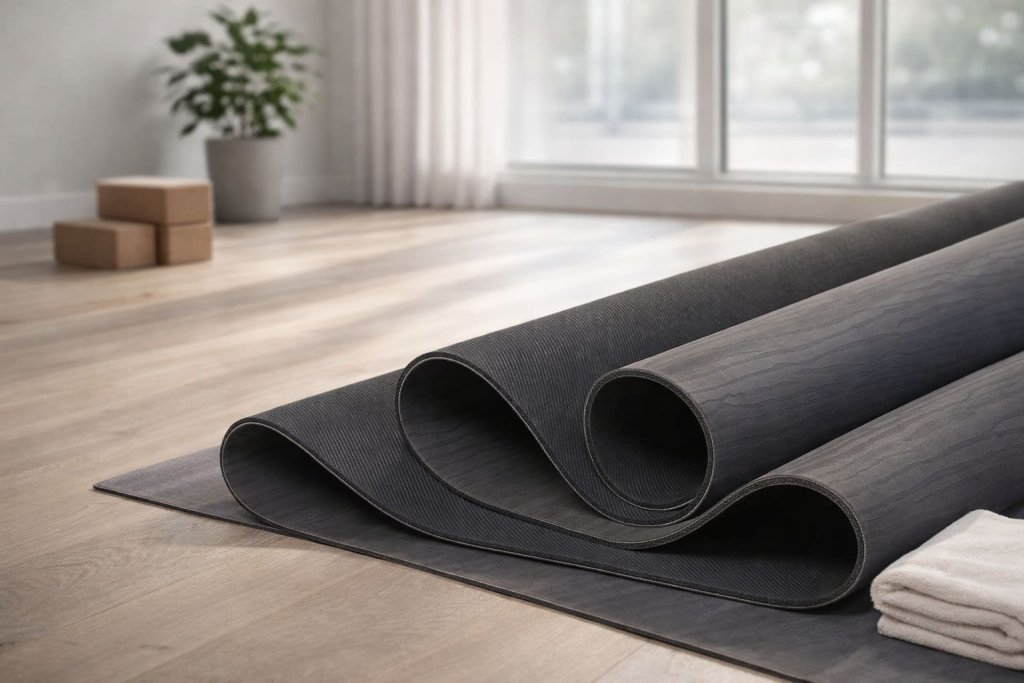
The Manduka eKO delivers a premium, next-to-skin feel using sustainably harvested natural rubber. Its rippled Catch-Grip texture provides dependable traction while the closed-cell surface helps limit moisture absorption.
Performance Notes
- Stable, controlled grip for slow flows and strength-focused practice
- Balanced cushioning that supports joints without feeling spongy
- Durable, scratch-resistant surface suited for frequent use
Who Should (and Shouldn’t) Buy This
✓ For:
- Eco-minded yogis wanting a natural rubber mat
- Home or studio users needing comfortable 5mm support
✕ Not For:
- Travelers seeking a lightweight mat
- Heavy sweaters who prefer ultra-absorbent open-cell grip
Pros and Cons
| ✔️ Pros | ✘ Cons |
|---|---|
| ✔️ Non-toxic, sustainable materials | ✘ Heavier than average |
| ✔️ Comfortable and durable | ✘ Requires careful cleaning |
Verdict: A well-rounded, non-toxic yoga mat offering comfort, durability, and eco-friendly design.
4. JadeYoga Voyager Yoga Mat — Best for travel and ultra-light portability

Key Specs
- Brand: JadeYoga
- Material: Natural open-cell rubber
- Thickness: 1/16 in (≈1.6 mm)
- Size: 68″ L × 24″ W
- Weight: 1.5 lb (0.7 kg)
- Warranty: Manufacturer warranty (varies by seller)
Why We Picked It
The JadeYoga Voyager is designed specifically for yogis who travel frequently and need a mat that packs down small without sacrificing grip. Its natural rubber construction delivers Jade’s signature traction in a foldable, carry-on-friendly format.
Performance Notes
- Excellent grip for its thin profile, even during sweaty sessions
- Minimal cushioning keeps you close to the floor for balance-focused poses
- Folds flat to block-size dimensions for easy packing in bags or luggage
Who Should (and Shouldn’t) Buy This
✓ For:
- Travelers and commuters needing a lightweight yoga mat
- Studio users who want a grippy topper over rental mats
✕ Not For:
- Practitioners needing joint cushioning or knee support
- Home users seeking an all-purpose, full-thickness mat
Pros and Cons
| ✔️ Pros | ✘ Cons |
|---|---|
| ✔️ Extremely lightweight and portable | ✘ Very thin cushioning |
| ✔️ Non-slip natural rubber grip | ✘ Not ideal for sensitive joints |
Verdict: A top-tier non-toxic travel yoga mat that prioritizes grip and packability over padding.
5. Ecoga Premium Cork Yoga Mat (5mm) — Best for hot yoga and sweat-activated grip

Key Specs
- Brand: Ecoga
- Material: Natural cork surface with rubber base
- Thickness: 5 mm
- Size: 72″ L × 24″ W
- Weight: 3 kg
- Warranty: Manufacturer warranty (varies by seller)
Why We Picked It
The Ecoga cork yoga mat excels in hot and sweaty sessions where grip matters most. Its cork surface becomes grippier with moisture, while the natural rubber base keeps the mat firmly planted on the floor.
Performance Notes
- Sweat-activated cork grip improves traction during hot yoga
- Stable, cushioned feel that supports joints without wobble
- Alignment center line helps maintain consistent positioning
Who Should (and Shouldn’t) Buy This
✓ For:
- Hot yoga or power yoga practitioners who sweat heavily
- Eco-conscious users wanting non-toxic, natural materials
✕ Not For:
- Travelers seeking a lightweight or foldable mat
- Users preferring a soft, fabric-like surface feel
Pros and Cons
| ✔️ Pros | ✘ Cons |
|---|---|
| ✔️ Grip improves as you sweat | ✘ Heavier than standard rubber mats |
| ✔️ Non-toxic cork and rubber materials | ✘ Cork feel may take adjustment |
Setup & Care Notes: Wipe clean with a damp cloth; light moisture enhances grip.
Verdict: A non-toxic, cork-based yoga mat that delivers outstanding grip and stability for hot yoga.
6. YOGA DOOD Cork Yoga Mat (4mm) — Best for hot yoga and grounded, sweat-heavy practice
Key Specs
- Brand: Yoga Dood
- Material: Natural cork surface
- Thickness: 4 mm
- Size: 72″ L × 26″ W
- Weight: ~6 lb (2.88 kg package weight)
- Warranty: Manufacturer warranty (varies by seller)
Why We Picked It
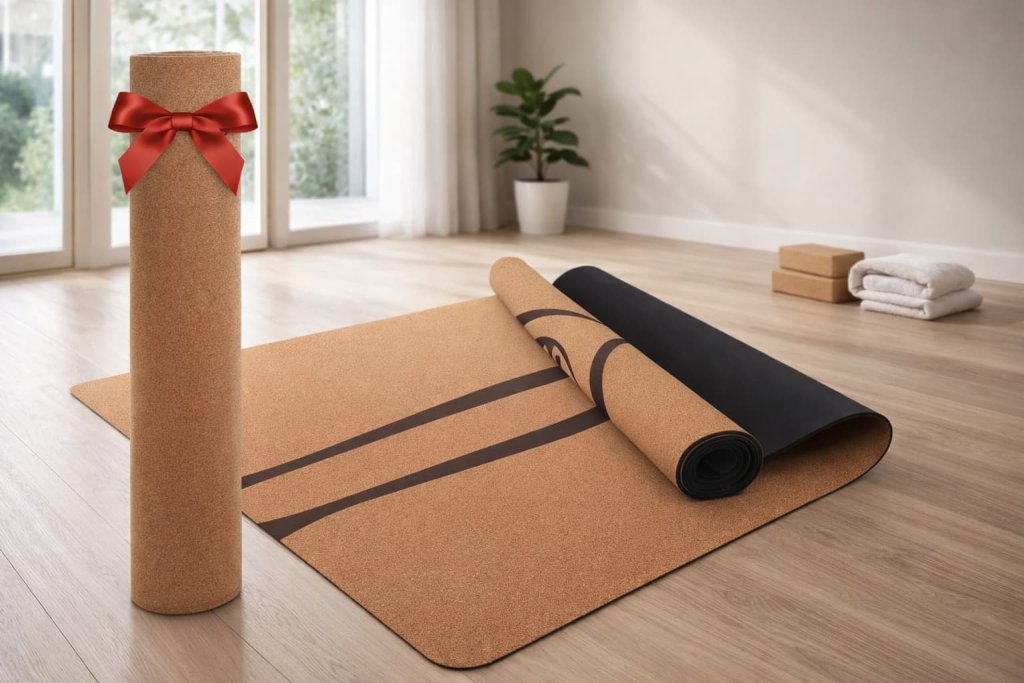
This mat is built around moisture-activated cork grip that improves traction as you sweat, making it especially effective for hot yoga and dynamic flows. The minimalist alignment markings support positioning without visual clutter.
Performance Notes
- Cork surface becomes noticeably grippier with moisture
- Firm, stable feel that supports balance-focused poses
- 4mm cushioning protects knees and wrists without sinking
Who Should (and Shouldn’t) Buy This
✓ For:
- Hot yoga or power yoga practitioners
- Users who prefer a natural, non-toxic cork surface
✕ Not For:
- Those needing plush cushioning for sensitive joints
- Yogis who prefer soft or fabric-like mat textures
Pros and Cons
| ✔️ Pros | ✘ Cons |
|---|---|
| ✔️ Sweat-activated, non-slip cork grip | ✘ Cork feels firm at first |
| ✔️ Wide, stable practice surface | ✘ Heavier than basic PVC mats |
Setup & Care Notes: Wipe clean with a damp cloth; light moisture enhances grip.
Verdict: A non-toxic cork yoga mat that delivers reliable grip, stability, and a grounded feel for intense practice.
Buying Guide: How to Choose the Best Non Toxic Yoga Mat
- Material type: Natural rubber offers excellent grip; cork improves traction as you sweat. Eco-PU tops combine smooth feel with moisture resistance.
- Grip style: Open-cell rubber absorbs moisture for hot yoga; closed-cell surfaces resist sweat but may need a towel for intense sessions.
- Thickness: Around 4–5mm balances joint protection and stability. Thinner mats suit travel; thicker mats help sensitive knees.
- Weight & portability: Rubber and cork mats are heavier than PVC. Travelers should look for foldable or ultra-thin designs.
- Skin sensitivity: Natural materials often reduce odors and irritation compared with synthetic mats.
- Care requirements: Non toxic mats usually require hand washing and air drying; improper cleaning can shorten lifespan.
Who Should Use Caution When Choosing a Non Toxic Yoga Mat
Non toxic yoga mats are designed with cleaner materials, but they still directly affect balance, joint loading, grip, and fall risk during practice. Certain users should take extra care to match the mat to their body needs and practice environment.
- Ultra-thin mats (especially travel mats) provide minimal cushioning and may increase stress on knees, wrists, and hips during kneeling or weight-bearing poses.
- Cork or rubber mats in dry conditions can feel less grippy until warmed up or lightly moistened, increasing slip risk if used incorrectly.
- Users with knee, wrist, or balance sensitivity may experience discomfort or instability if cushioning is insufficient for their practice style.
- Outdoor or uneven surfaces can reduce mat stability, increasing the chance of sliding or uneven weight distribution.
Non toxic yoga mats support safer material choices and stable practice surfaces but do not replace proper technique, surface awareness, or professional guidance for injury prevention.
Thickness, Grip, and Surface Checklist (Before You Buy)
Choosing the right non toxic yoga mat is mostly about matching thickness, grip, and surface feel to how and where you practice. Most returns happen because expectations don’t match real-world use.
- Thickness matches joint sensitivity and balance needs — thinner mats favor stability, thicker mats favor comfort.
- Grip type matches sweat level — cork and open-cell rubber excel in hot yoga; closed-cell surfaces suit dry practice.
- Surface texture feels comfortable on bare skin — cork is firm and textured, rubber is softer and tackier.
- Weight and portability fit home vs travel use — eco mats are heavier; travel mats trade cushioning for packability.
- Mat stays flat and stable on intended flooring — especially important on tile, concrete, or hardwood.
Using this checklist upfront helps reduce discomfort, slipping, and buyer regret while improving long-term satisfaction.
How We Scored
We weighted materials & safety (30%), grip performance (25%), comfort & stability (20%), durability (15%), and usability factors like size and care (10%). Environmental positioning and U.S. availability influenced final rankings but did not outweigh real-world performance.
FAQs
What makes a yoga mat “non toxic”?
Generally, it means the mat avoids PVC, phthalates, heavy metals, and harsh plasticizers, instead using natural rubber, cork, or eco-PU. According to the Environmental Protection Agency, reducing exposure to certain plasticizers can lower unnecessary chemical contact in consumer products.
Are cork yoga mats safe for hot yoga?
Yes. Cork becomes grippier with moisture and is naturally antimicrobial. Many hot-yoga practitioners prefer cork because it reduces slipping without added chemicals.
Do non toxic yoga mats last as long as PVC mats?
With proper care, high-quality natural rubber or cork mats can last several years. Avoid sun exposure and harsh cleaners to maintain grip and integrity.
Are natural rubber mats safe for latex-sensitive users?
Natural rubber contains latex proteins. Users with latex allergies should choose cork-topped or eco-PU mats and consult manufacturer disclosures.
How should I clean a non toxic yoga mat?
Most brands recommend wiping with a damp cloth and mild, plant-based cleaner. The Centers for Disease Control and Prevention advises avoiding harsh disinfectants on surfaces that contact skin frequently.
Final Verdict
For U.S. yogis in 2026, the best non toxic yoga mat depends on your practice style. Natural rubber mats excel in grip and durability, while cork mats shine in hot, sweaty sessions. Prioritizing clean materials, proper thickness, and realistic care expectations will help you choose a mat that supports both your practice and long-term well-being.
Disclosure: As an Amazon Associate I earn from qualifying purchases.