
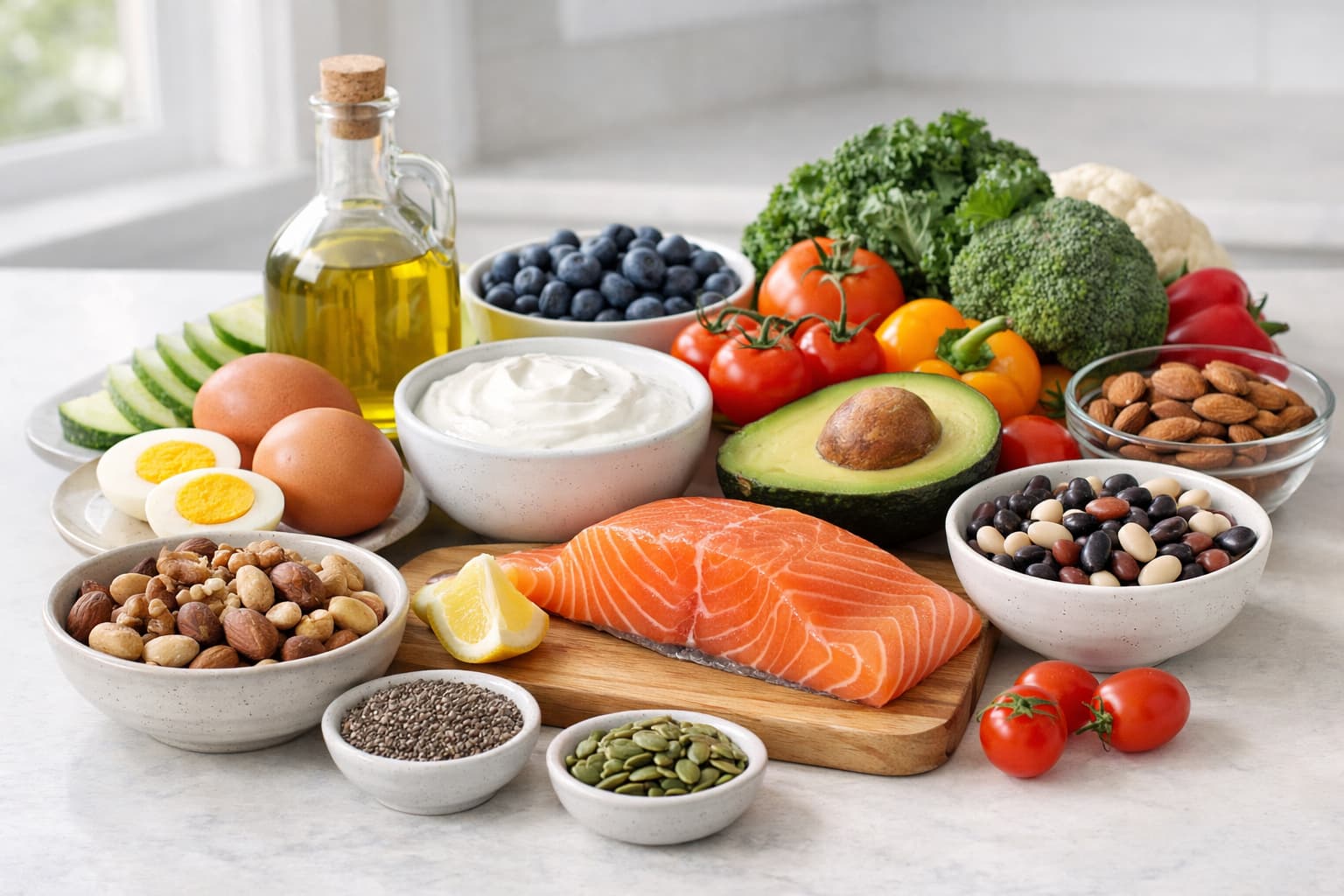
A grain-free diet means avoiding all grains (like wheat, rice, oats, corn, barley, and rye) and foods made from them, and replacing them with nutrient-dense whole foods such as vegetables, fruit, beans/lentils, nuts, seeds, dairy, and quality proteins. Done thoughtfully, it may help some people reduce ultra-processed foods and improve meal quality—but it can also make it harder to meet fiber and key nutrient needs if you don’t plan smart swaps. According to DietaryGuidelines.gov, the Dietary Guidelines for Americans encourage patterns built on whole foods and emphasize fiber-rich whole grains while limiting refined grains and highly processed foods.
What Is a Grain-Free Diet
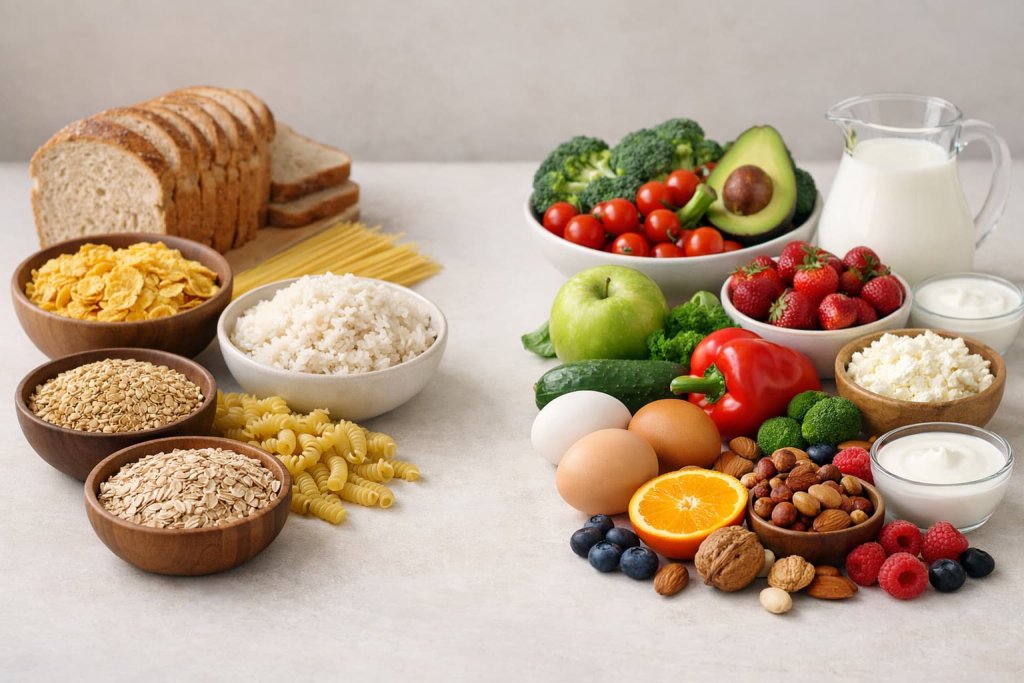
A grain-free diet removes all grains and grain-based products, including:
- Wheat (and wheat flour), barley, rye
- Rice, oats, corn, millet, sorghum
- Common grain foods: bread, pasta, cereal, tortillas, crackers, many baked goods
A practical way to follow “grain-free” is ingredient-based: if it’s made from a grain (or grain flour), it’s out.
What counts as grains
According to MyPlate, the Grains Group includes foods made from wheat, rice, oats, cornmeal, barley, or another cereal grain (including bread, pasta, tortillas, cereal, popcorn, rice, and oatmeal).
Grain-Free Diet vs Gluten-Free
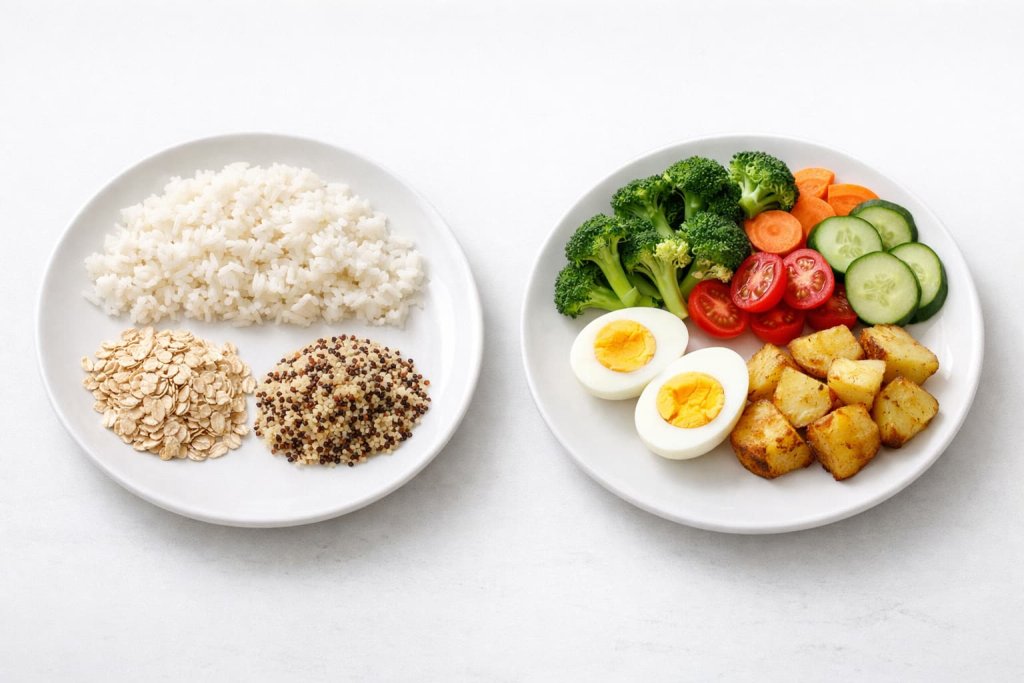
These two diets are often confused, but they’re not the same.
- Gluten-free avoids gluten (a protein in wheat, barley, and rye). It’s medically necessary for people with celiac disease and some other diagnosed conditions. According to NIDDK, treatment for celiac disease requires a gluten-free diet, and a registered dietitian may help keep it balanced.
- Grain-free removes all grains—including gluten-free grains like rice and oats—so it’s typically more restrictive than gluten-free.
Grain-free is not required for celiac disease—gluten-free is the medical requirement—so follow your clinician’s or dietitian’s guidance, as explained by NIDDK.
“Gluten-free” labeling is regulated in the U.S.
According to the FDA, foods labeled “gluten-free” must meet specific requirements, including a threshold of less than 20 parts per million (ppm) gluten.
Potential Benefits of a Grain-Free Diet
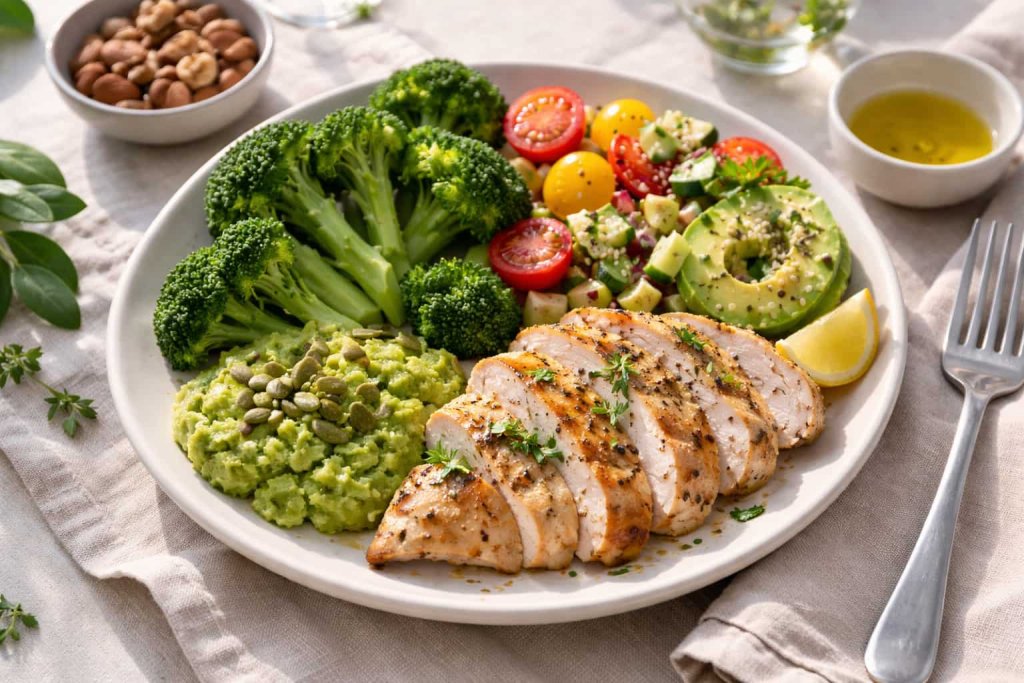
A grain-free diet isn’t automatically “better,” but it may support nutrition and overall wellness in a few practical ways—especially when it shifts your eating pattern toward whole foods.
It may reduce ultra-processed refined carbohydrates
According to DietaryGuidelines.gov, U.S. dietary guidance emphasizes limiting refined grains and highly processed foods. When someone goes grain-free, they often cut common refined/packaged grain foods (like crackers, pastries, and many snack products) simply because they’re no longer options.
It may push meals toward higher nutrient density
When grains are removed, people often build plates around:
- Vegetables and fruit
- Proteins (eggs, seafood, poultry, beans/lentils)
- Nuts, seeds, and healthy fats
- Dairy or fortified alternatives
That structure may support a more “cook-at-home” pattern and more consistent protein and produce intake.
Risks and Tradeoffs to Know First
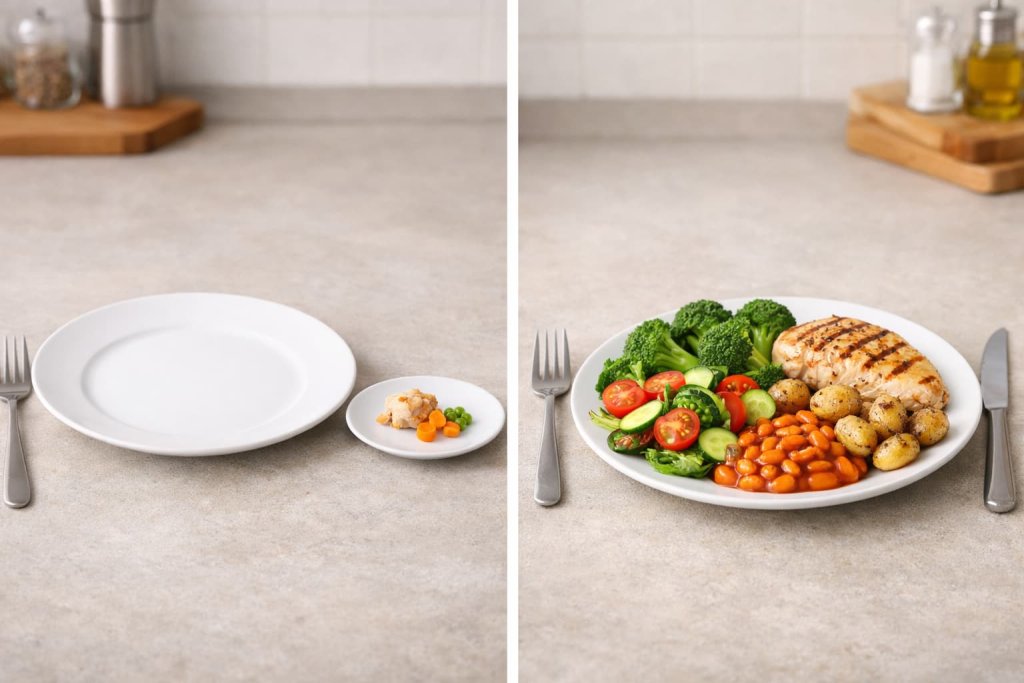
This is the part many grain-free guides skip: grains aren’t “junk” by default. Whole grains and even enriched grains can contribute meaningful nutrients.
Risk 1: Low fiber intake if you don’t replace it
According to MyPlate, grains can provide dietary fiber, and fiber from whole grains may support heart health and normal bowel function. Also, according to the NIH, fiber is an essential part of a healthy diet, and many people fall short of recommended intake.
Risk 2: Missing key nutrients common in grains
According to MyPlate, grains are important sources of B vitamins and minerals like iron and magnesium. Whole grains can also contribute additional nutrients; MedlinePlus notes whole grains contain fiber and nutrients including iron, magnesium, and B vitamins.
Risk 3: Losing benefits of enrichment and fortification
Many refined grains are enriched to add back specific nutrients. The federal standard for enriched flour lists added thiamin, riboflavin, niacin, folic acid, and iron (among other requirements) per pound as shown by eCFR.
Risk 4: Low Energy if You Don’t Replace Carbs
Going grain-free can accidentally cut too many carbs and calories, especially if you remove bread, rice, pasta, and cereal without adding replacements. For active people, very low carbs may lead to low energy, stronger cravings, and harder workout recovery. The American College of Sports Medicine notes carbohydrates are an important fuel source for many types of exercise.
Keep carbs in your meals using grain-free options like:
- Potatoes or sweet potatoes
- Beans or lentils (if you include them)
- Fruit
- Milk, yogurt, or kefir
If you feel tired, hungry soon after meals, or your workouts feel harder, add one of the options above to meals and reassess.
Special note for people who are pregnant or could become pregnant
The U.S. has required folic acid fortification of enriched grains as a public health measure. According to the CDC, enriched cereal grain products can be a major folic acid source for many women.
What to Eat on a Grain-Free Diet
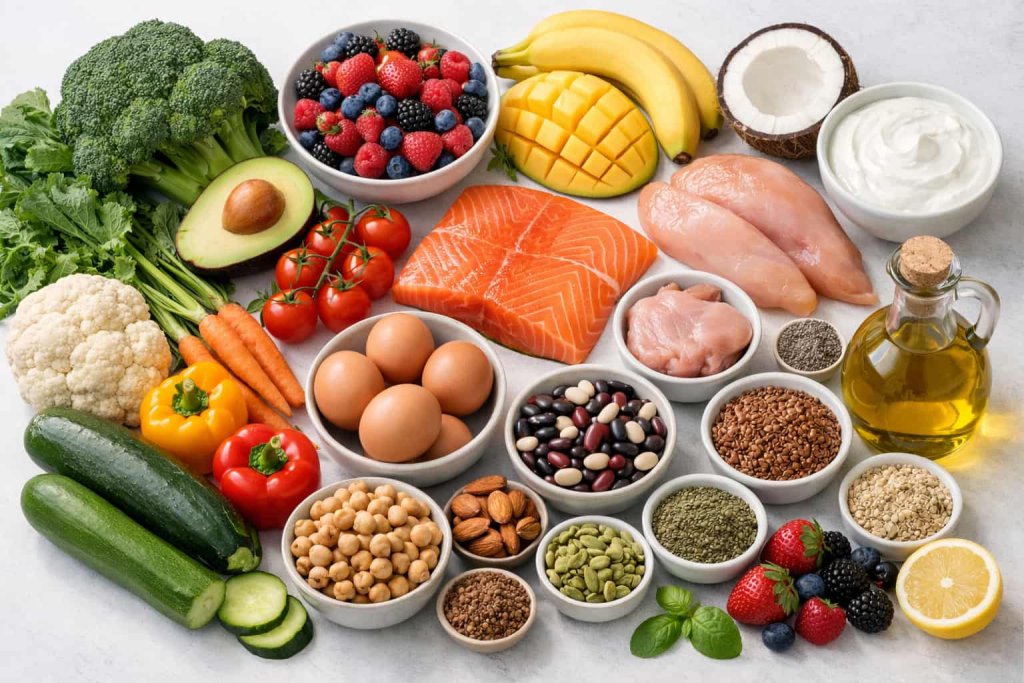
A balanced grain-free approach usually works best when you replace grains with fiber-rich plants and nutrient-dense carbs (not just “grain-free cookies”).
Grain-free foods to prioritize
- Vegetables: leafy greens, broccoli, peppers, carrots, zucchini, cauliflower
- Fruit: berries, apples, citrus, bananas, melon
- Protein: eggs, fish, poultry, lean meat, tofu/tempeh, beans and lentils (if included)
- Dairy or fortified alternatives: milk, yogurt, kefir, cheese (or fortified soy options)
- Healthy fats: olive oil, avocado, nuts, seeds, nut butters
Grain-free carbohydrate options
- Potatoes and sweet potatoes
- Squash and corn-free starchy vegetables
- Beans, lentils, chickpeas (if your plan allows legumes)
- Fruit and dairy foods (as tolerated and aligned with your goals)
Sample 1-Day Grain-Free Meal Pattern
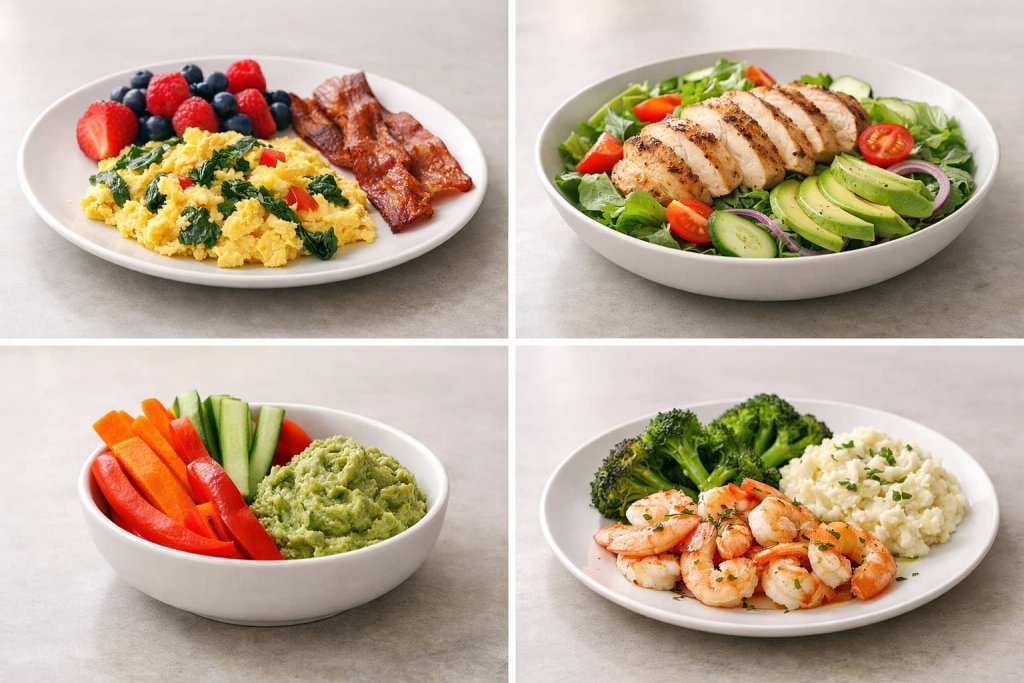
This sample shows how to build a simple day of grain-free eating with fiber, protein, and balanced carbs.
Breakfast
- Plain yogurt or kefir with berries
- Add chia or ground flax + a handful of nuts
Lunch
- Big salad with grilled chicken or tuna
- Add avocado or olive oil dressing
- Optional: a side of sweet potato
Snack
- Hummus with sliced cucumber, carrots, and peppers
- Or fruit + a handful of nuts
Dinner
- Salmon (or eggs/chicken/tofu)
- Roasted vegetables (broccoli, zucchini, peppers)
- Potato or squash on the side
Grain-Free Food List Table
| Category | Eat More Often | Limit or Avoid (Grain-Based) |
|---|---|---|
| Vegetables | Leafy greens, cruciferous vegetables, colorful veg | Breaded veggies, grain-coated fried sides |
| Fruit | Whole fruit, berries, citrus | Fruit snacks made with grain syrups/flours |
| Protein | Eggs, seafood, poultry, beans/lentils, tofu | Breaded meats, many frozen entrées with flour coatings |
| Dairy | Plain yogurt, milk, kefir, cheese | Flavored yogurts with added sugars + grain mix-ins |
| Fats | Olive oil, nuts, seeds, avocado | Processed “snack” foods built on refined grains |
| Starches | Potatoes, sweet potatoes, squash, beans | Rice, oats, corn tortillas, pasta, wheat products |
Smart Grain-Free Swaps That Protect Nutrition
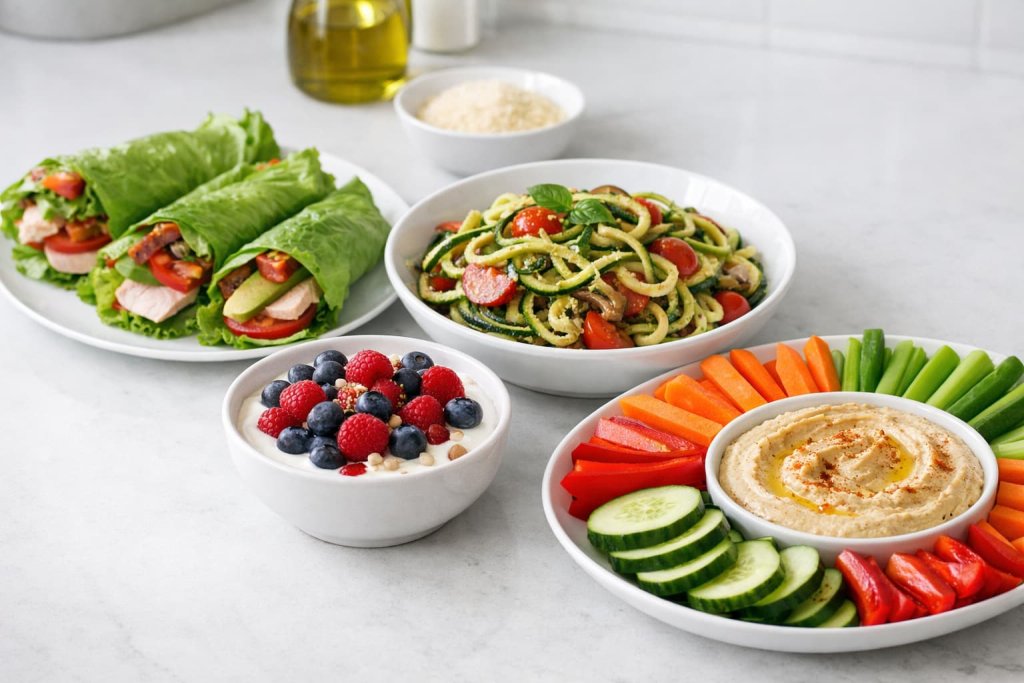
If you go grain-free, your biggest job is replacing the nutrients grains commonly provide—especially fiber and certain B vitamins/minerals.
Fiber-focused swaps
- Instead of cereal/oatmeal → plain yogurt + berries + chia/flax + nuts
- Instead of sandwich bread → lettuce wraps or a “bowl” meal with beans + veggies + protein
- Instead of pasta → zucchini noodles + lentil-based sauce, or roasted vegetables + protein
- Instead of crackers → hummus + sliced vegetables, or nuts/seeds
A helpful fiber benchmark commonly referenced is 14 g per 1,000 calories; see the review summary in PubMed.
Mini checklist to avoid nutrient gaps
If you go grain-free, use this quick checklist to replace nutrients grains often provide.
- Fiber: beans/lentils (if included), chia/flax, berries, vegetables, nuts/seeds
- Folate: leafy greens, beans/lentils, citrus, avocado (pregnancy needs may require medical guidance)
- B vitamins: eggs, dairy, meat/seafood, legumes, leafy greens
- Iron: lean meats, seafood, beans/lentils, spinach (pair plant iron with vitamin C foods like citrus or peppers)
- Magnesium: nuts, seeds (pumpkin seeds), beans/lentils, leafy greens
If you removed these grain foods, use these replacements
- Bread or wraps → lettuce wraps, “bowl meals,” or baked potato + protein
- Rice → roasted potatoes/sweet potatoes, cauliflower “rice,” or beans/lentils (if included)
- Pasta → zucchini noodles, spaghetti squash, or roasted vegetable + protein plates
- Cereal or oatmeal → yogurt + berries + chia/flax, or eggs + fruit
- Crackers → hummus + vegetables, nuts/seeds, or cheese + fruit
Be careful with packaged “grain-free” foods
“Grain-free” doesn’t always mean healthy. Many grain-free packaged snacks can still be high in sodium, saturated fat, and added sugars. Use the Nutrition Facts label to compare products and choose options that fit your overall goals. The FDA explains how to use the Nutrition Facts label to check saturated fat, sodium, and added sugars.
Nutrient coverage tips
- Build at least one bean/lentil meal most days (if tolerated)
- Add nuts/seeds (chia, flax, pumpkin seeds) to salads and yogurt
- Prioritize leafy greens and seafood regularly for minerals
- If you remove enriched grains, consider discussing folate needs with a clinician, especially for pregnancy planning
Who Might Consider a Grain-Free Diet and Who Should Be Cautious
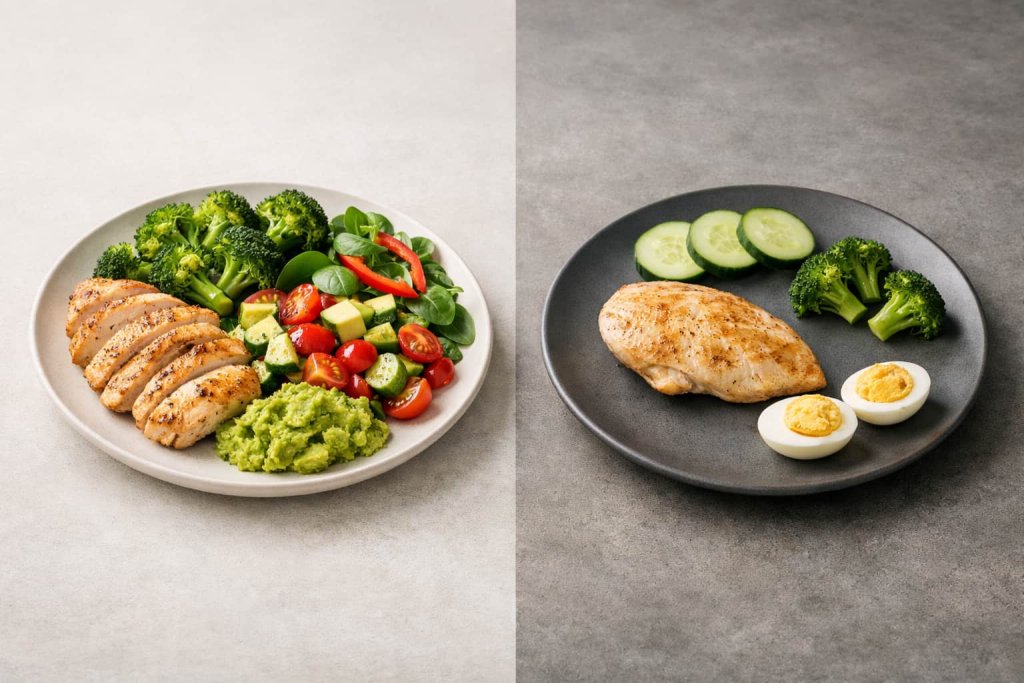
You might consider it if:
- You want a structured way to reduce ultra-processed snack foods and refined carbs
- You prefer a whole-food, protein-and-produce-forward eating pattern
- You’re experimenting with how different foods affect your energy and digestion (without assuming any medical cause)
Good fit vs not a good fit
A grain-free diet may be a good fit if you:
- Want a simple structure to cut ultra-processed snack foods and refined carbs
- Enjoy cooking at home and can build meals around protein, vegetables, and grain-free carbs
- Are willing to plan fiber and key nutrients using beans/lentils (if included), vegetables, fruit, nuts, and seeds
- Can follow it without feeling stressed or overly restricted
It may not be a good fit if you:
- Prefer quick convenience foods and don’t want to read ingredient lists often
- Struggle to get enough calories, feel low energy, or feel hungry soon after meals
- Have a history of restrictive dieting patterns or food anxiety
- Don’t want to give up gluten-free grains like rice or oats (which can still fit healthy eating patterns)
When to get professional guidance
Consider talking with a clinician or registered dietitian before going grain-free if you:
- Are pregnant, breastfeeding, or planning pregnancy
- Have diabetes, kidney disease, digestive conditions, or other medical needs affected by diet changes
- Are managing anemia/iron concerns or have a history of nutrient deficiencies
- Are under 18 (growth needs are higher)
- Feel persistent fatigue, dizziness, or unintended weight loss after changing your diet
For medically required diets like celiac disease, the NIDDK notes that dietitian support can help keep the diet balanced.
Use extra caution (and consider professional guidance) if:
- You are pregnant or could become pregnant (folic acid intake matters), as explained by the CDC
- You have celiac disease and are changing your diet pattern beyond gluten-free needs; the NIDDK notes dietitian support can help keep the diet balanced
- You have a medical condition where major diet changes can affect management (talk to a clinician or registered dietitian)
- Children and teens: Growth needs are high, so removing a whole food group can make it harder to meet energy, fiber, and nutrient needs without careful planning.
- History of disordered eating or very strict dieting: A restrictive plan can increase stress around food or make eating patterns harder to manage.
- Medical conditions: If you have diabetes, kidney disease, digestive conditions, or take medications that depend on stable eating patterns, check with a clinician or registered dietitian before making major diet changes. The NIDDK notes that diet changes for digestive conditions can benefit from dietitian guidance.
How to Start a Grain-Free Diet Without Missing Key Nutrients
- Remove obvious grains first: bread, pasta, rice, cereal, tortillas, crackers
- Replace—not just remove: add beans/lentils, vegetables, fruit, nuts/seeds
- Plan portable meals: salads with protein, yogurt bowls, nuts + fruit, veggie + hummus
- Read ingredient lists carefully: flour, starches, malt, and grain additives show up everywhere
- Watch “grain-free” packaged foods: many are still high in added sugars and low in fiber
- Re-check how you feel after 2–3 weeks: energy, fullness, digestion, meal satisfaction—then adjust
Hidden Grains and How to Read Labels on a Grain-Free Diet
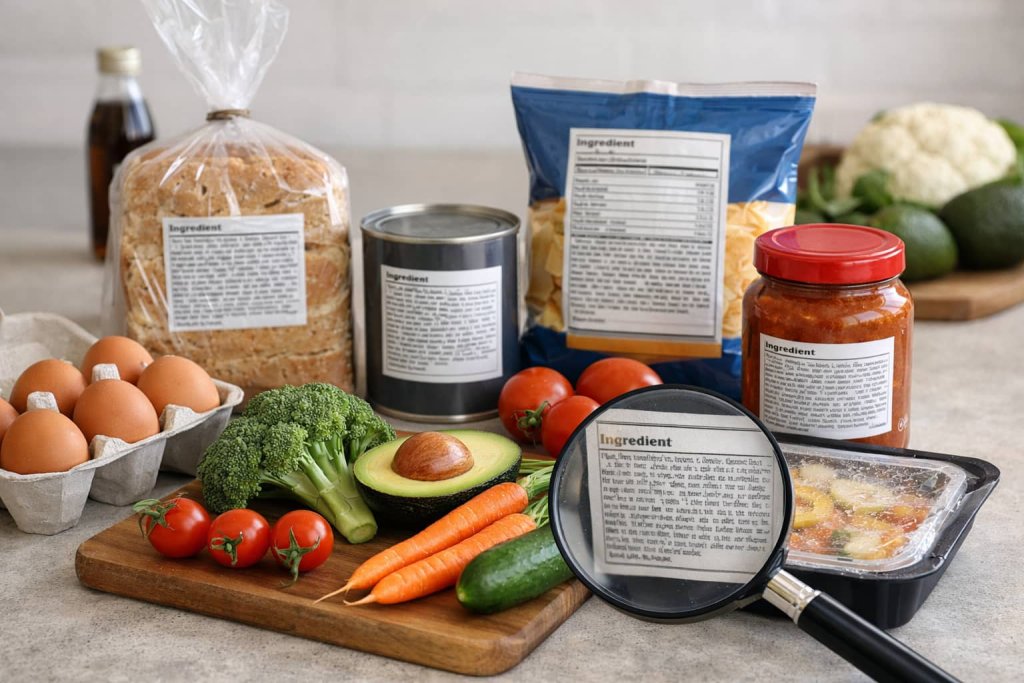
A grain-free diet gets tricky because grains (and grain-based additives) can show up in foods that don’t look like “bread” or “pasta.” The most reliable method is to read the ingredient list every time, especially for packaged foods, sauces, and convenience items. The FDA explains how food labels should present ingredient information, and the FDA notes that ingredients on packaged foods are generally listed in descending order by weight (most used first).
Ingredient words that often signal grains
Look for grain ingredients and grain-derived flours/starches such as:
- Wheat (including wheat flour, durum, semolina, farina, spelt, bulgur)
- Barley, rye, oats, rice, corn (including corn flour, cornmeal)
- Malt or malt extract (often from barley)
- Grain flour, cereal flour, enriched flour
- Cornstarch and other starch thickeners (commonly used in sauces)
If you avoid grains for allergy reasons, wheat is a major allergen and must be clearly identified on labels; the FDA explains how major allergens are declared on packaged foods.
Foods where grains commonly hide
These categories are frequent “surprise” sources of grain ingredients:
- Soups and broths (noodles, barley, flour/starch thickeners)
- Sauces and gravies (flour-thickened sauces, marinades, soy sauce that may contain wheat)
- Seasoning mixes and spice blends (fillers or anti-caking ingredients)
- Deli meats and processed proteins (binders, fillers, coatings)
- Plant milks and drink mixes (oat-based or rice-based products)
- Snack bars and “health bars” (oats, rice crisps, malt)
- Frozen meals (breading, thickened sauces, pasta/rice sides)
Simple label-reading checklist
Use this quick checklist while shopping:
- Check the ingredient list for wheat, rice, oats, corn, barley, rye.
- Scan for flour, malt, and starch thickeners (common in sauces and snacks).
- Double-check condiments and marinades—many “savory” items hide grains.
- Don’t rely on front-label claims like “keto” or “paleo” without checking ingredients.
- Re-check “safe” brands—formulas can change.
Grain-free vs gluten-free label reminder
“Gluten-free” labeling follows specific FDA requirements, but “grain-free” is usually a brand claim without a single universal definition. The FDA explains what “gluten-free” means on U.S. food labels, which is why ingredient-checking still matters if your goal is strictly grain-free.
How to Stay Grain-Free When Dining Out and in Social Situations
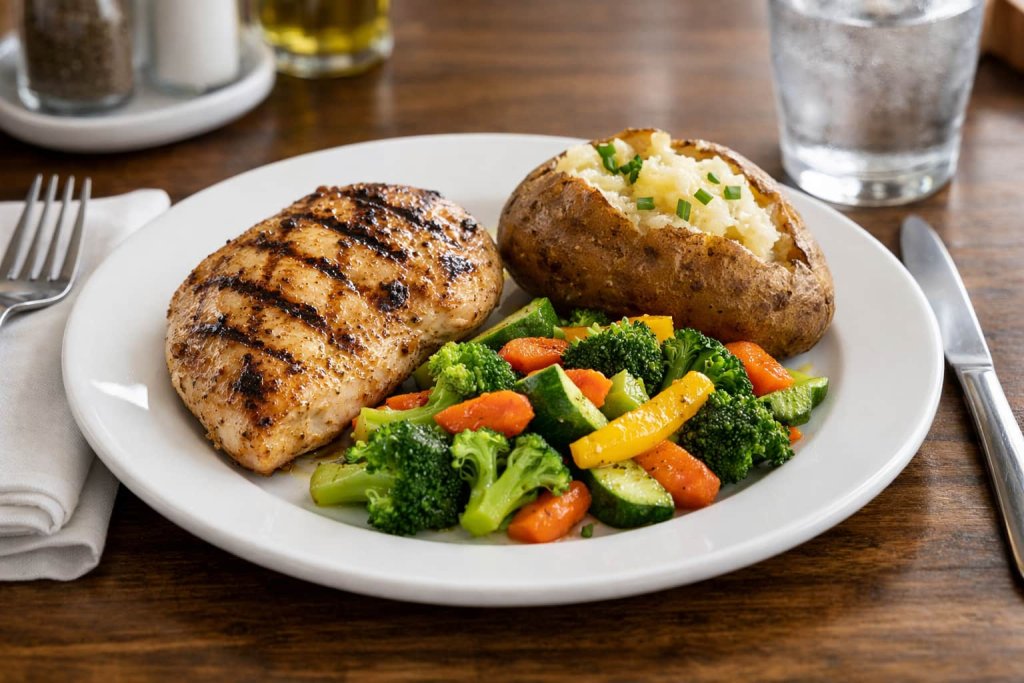
Eating grain-free outside the house is usually less about “perfect rules” and more about asking the right questions. Restaurant meals often include hidden grains in breading, sauces, soups, and marinades—so a quick ingredient check can prevent most surprises. A helpful habit is to use the menu to choose a simple base meal (protein + vegetables + a non-grain starch) and then confirm how it’s prepared.
The easiest restaurant meal template
When in doubt, build your order around this structure:
- Protein: grilled chicken, fish, steak, eggs, tofu (if included in your plan)
- Vegetables: steamed, roasted, sautéed (ask for no breading)
- Non-grain starch (optional): potato, sweet potato, squash
- Simple fat: olive oil, avocado, butter (as preferred)
This approach helps you avoid accidental grains without overcomplicating the order.
Quick questions that prevent hidden grains
Use short, polite questions like these:
- “Is this breaded or dusted with flour?”
- “Is the sauce thickened with flour or cornstarch?”
- “Does the seasoning mix include any wheat or malt?”
- “Is this cooked on the same surface as breaded items?”
If you’re avoiding grains for allergy or medical reasons, it’s especially important to tell the staff clearly. The FDA explains how wheat is considered a major allergen and why ingredient clarity matters.
Common dining-out foods that often contain grains
These items frequently include grain ingredients unless verified:
- Soups (often thickened with flour or include noodles/barley)
- Sauces, gravies, and dressings (flour, malt, or wheat-based soy sauce)
- Fried foods (breading, flour coatings, shared fryers)
- Meatballs, burgers, and patties (breadcrumbs or binders)
- “Veggie” sides (some are breaded or tossed with flour-based sauces)
Safer order ideas (simple and realistic)
- Grilled salmon + vegetables + baked potato
- Bunless burger + side salad (confirm dressing)
- Omelet + fruit + avocado
- Steak + roasted vegetables (ask for butter/olive oil)
- Salad with protein + oil-and-vinegar style dressing
Social events and family meals (how to make it easier)
- Offer to bring one main dish you can eat (protein-based or a big salad).
- Eat a protein-forward snack first (yogurt, eggs, nuts) so you’re not stuck hungry.
- Use a simple plate strategy: fill half your plate with vegetables, add protein, then choose a grain-free carb if available (potatoes, fruit).
Grain-free vs gluten-free reminder when ordering
“Gluten-free” and “grain-free” aren’t the same. According to the FDA, “gluten-free” labeling follows defined requirements, while “grain-free” is usually a broader personal standard—so ingredient questions still matter.
People Also Ask About the Grain-Free Diet
Is a grain-free diet healthy for most people?
It can be, if it increases whole-food intake and keeps fiber and key nutrients high. But for most people, U.S. dietary guidance still emphasizes fiber-rich whole grains as part of a healthy pattern according to DietaryGuidelines.gov.
Can you eat oats on a grain-free diet?
Typically no—oats are a grain, even though they can be gluten-free when processed to avoid cross-contact.
Is grain-free better than gluten-free?
Not automatically. Gluten-free is essential for people with celiac disease, but grain-free is usually a personal choice and removes additional foods that can be nutritious (like rice and oats), as explained by the NIDDK and regulated labeling guidance from the FDA.
What are the most common mistakes on a grain-free diet?
- Replacing grains with low-fiber “grain-free” snacks
- Cutting grains without boosting beans, vegetables, nuts/seeds
- Skipping nutrient planning (iron, folate, B vitamins, magnesium)
FAQ
What foods are considered grains?
According to MyPlate, grains include foods made from wheat, rice, oats, cornmeal, barley, or another cereal grain—like bread, pasta, cereal, tortillas, rice, popcorn, and oatmeal.
Is quinoa allowed on a grain-free diet?
Many people treat quinoa as a “grain” for simplicity, even though it’s a pseudocereal. Whether it fits depends on your personal rules. If you’re grain-free for a specific medical reason, ask a clinician or dietitian.
How do I get enough fiber without grains?
Focus on beans/lentils (if tolerated), vegetables, berries, nuts, seeds (chia/flax), and fiber-rich snacks like hummus with vegetables, using the grains nutrient guidance shown by MyPlate as a reference point for what you’re replacing.
Does a grain-free diet help with weight loss?
It may help some people if it reduces ultra-processed foods and improves meal structure, but results depend on overall calorie intake, protein, fiber, and consistency—not the absence of grains alone.
Is “gluten-free” the same as grain-free on labels?
No. “Gluten-free” is regulated by the FDA (including the less-than-20-ppm standard), while “grain-free” is not a single FDA-defined labeling standard in the same way, so you need to check ingredient lists.
Do I need supplements on a grain-free diet?
Not always. Many people can meet needs with careful food choices. But if you cut enriched grains, nutrients like folic acid and certain B vitamins may need extra attention—especially for pregnancy planning, as described by the CDC and the enriched flour standard in eCFR.
Conclusion
A grain-free diet can be a practical way to reduce ultra-processed foods and build meals around vegetables, protein, and whole-food fats—but it works best when you replace grains with fiber-rich, nutrient-dense foods, not just “grain-free” packaged snacks. If you’re considering grain-free for a medical reason (or you’re pregnant or planning pregnancy), it’s smart to talk with a clinician or registered dietitian to protect key nutrients.
If you want, I can also create a simple 7-day grain-free meal framework (breakfast/lunch/dinner/snacks) designed to keep fiber and nutrients high.
This content is for informational purposes only and not medical advice.