
High-protein grains are whole grains and pseudocereals that naturally contain more protein per cooked cup than typical grains like white rice or corn. The best high-protein grains include sorghum, farro, teff, amaranth, kamut, spelt, quinoa, wild rice, oats, and buckwheat.
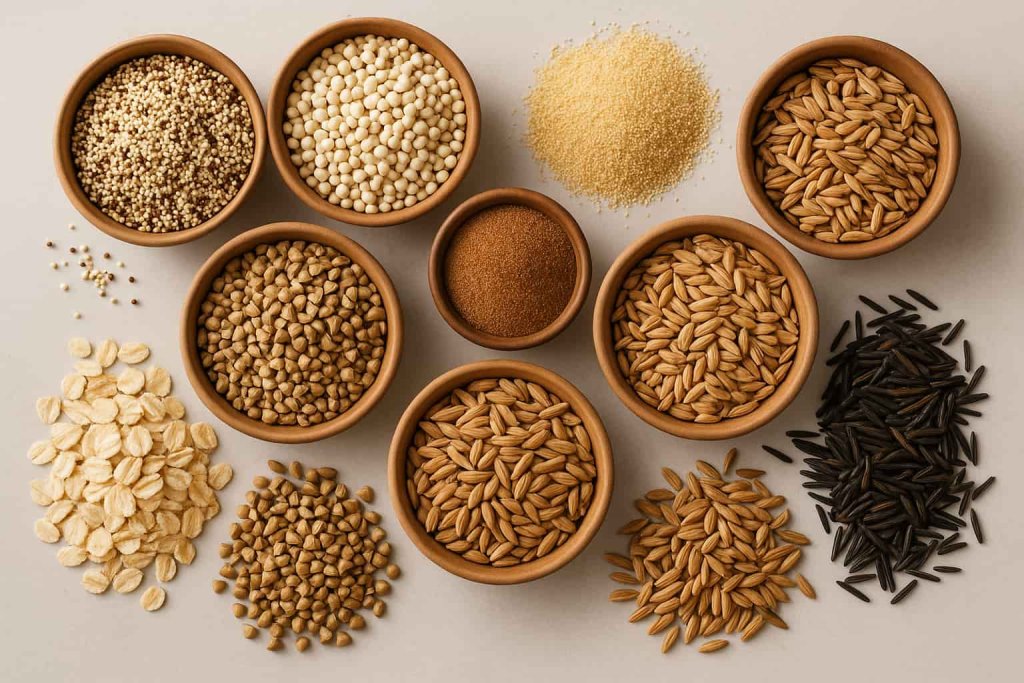
These grains may support fullness, balanced nutrition, and overall health when used as part of a whole-food eating pattern. Understanding their protein content, nutrients, and safe-use considerations helps you choose the right options for your daily meals.
According to the Harvard T.H. Chan School of Public Health, whole grains such as quinoa, oats, buckwheat, wild rice, teff, and others can meaningfully contribute to daily protein intake and support heart-healthy dietary patterns.
Below is a detailed guide to the 10 best high-protein grains, how to use them, nutrition benefits, and safety considerations.
What Are High-Protein Grains?
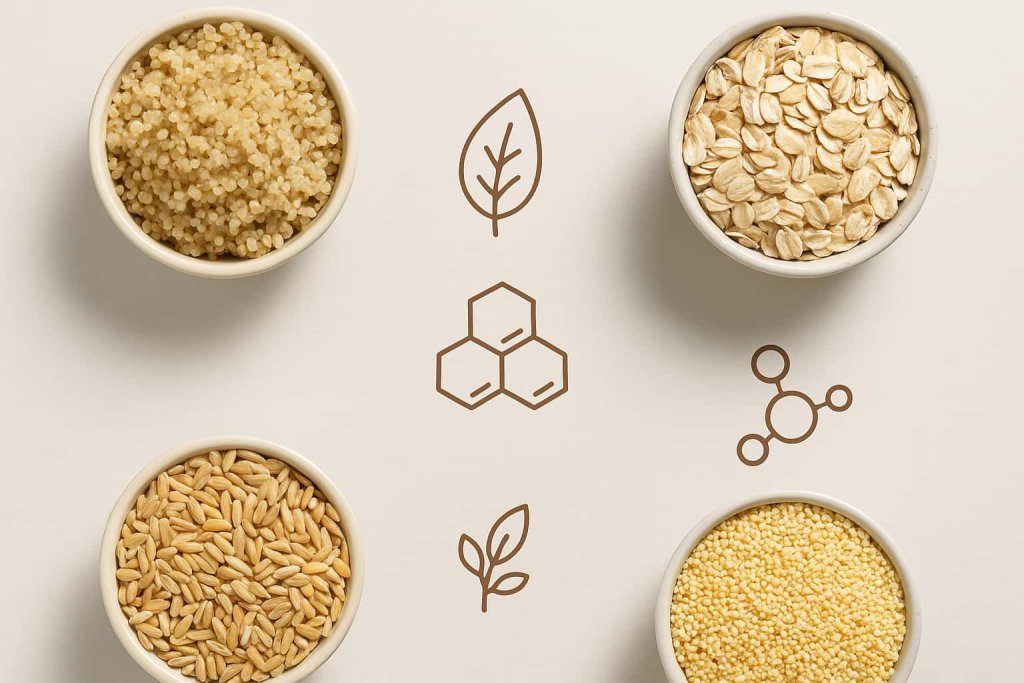
High-protein grains are whole grains and pseudocereals that naturally provide more protein per cooked cup than standard grains such as white rice or corn. While many common grains contain roughly 3–4 grams of protein per cooked cup, high-protein varieties typically offer 6–12 grams or more, making them valuable for individuals aiming to increase plant-based protein intake. These grains also contribute additional nutrients such as fiber, B vitamins, magnesium, and antioxidants, which may support balanced daily nutrition when incorporated into well-planned meals.
Definition and How They Differ from Standard Grains
High-protein grains differ from traditional grains not only in their higher protein content but also in their overall nutrient density. Options such as quinoa, amaranth, sorghum, teff, farro, and buckwheat provide notably higher levels of essential amino acids, minerals, and dietary fiber. These characteristics may support steady energy, fullness, and long-term nutrition when used in combination with other nutrient-rich foods.
Typical Protein Ranges per Cooked Cup
- Standard grains (white rice, corn, pasta): ~3–4 g protein per cooked cup
- High-protein grains (quinoa, teff, amaranth, sorghum, oats, farro): ~6–12+ g protein per cooked cup
Protein amounts vary depending on the cooking method, grain variety, and moisture content, but these ranges offer a reliable comparison for everyday meal planning.
Role in Daily Protein Intake
High-protein grains can help support your daily protein needs as part of a varied eating pattern. Protein plays an essential role in maintaining muscle, supporting immune function, and contributing to overall metabolic health. According to Harvard Health Publishing, the National Academy of Medicine recommends that most adults consume 0.8 grams of protein per kilogram of body weight per day. While grains alone generally do not supply all essential amino acids in optimal proportions, pairing them with legumes, nuts, seeds, or other plant proteins may help create a more nutritionally complete meal.
How Whole Grains May Support Balanced Nutrition
Whole grains contain fiber, vitamins, minerals, and antioxidants that may support long-term wellness. These nutrients work together to promote steady energy release, support digestive regularity, and help maintain overall nutritional balance. Research from the Harvard T.H. Chan School of Public Health notes that choosing whole grains regularly is associated with beneficial health outcomes when part of a balanced eating pattern. High-protein grains simply offer the added benefit of supplying more plant-based protein per serving, making them a strong fit for vegetarian, vegan, and plant-forward diets.
Top 10 High-Protein Grains
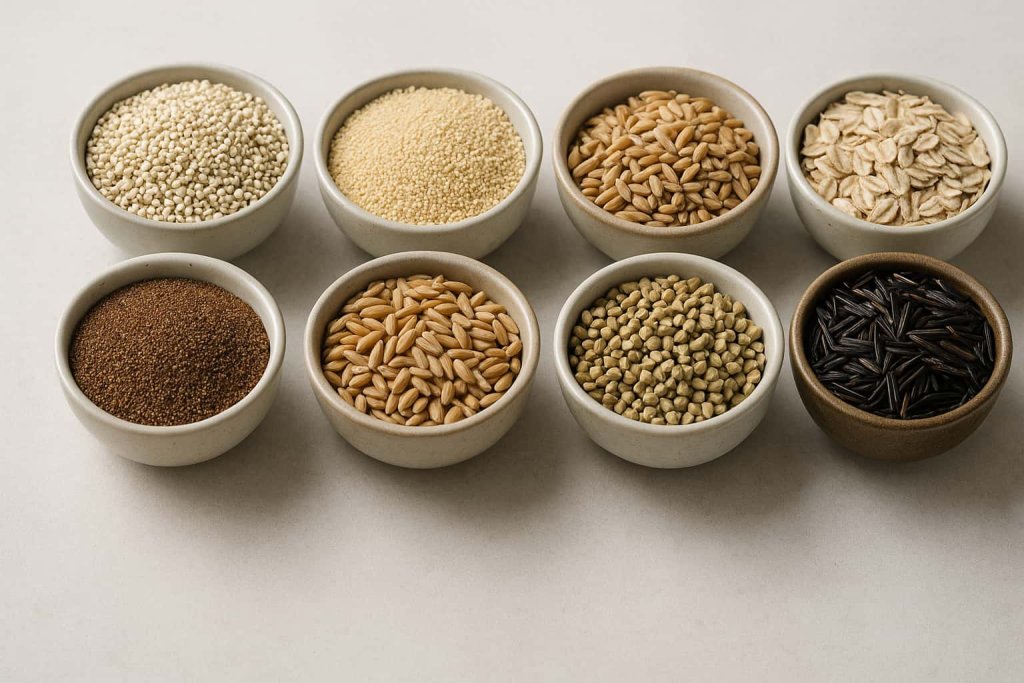
High-protein grains provide significantly more protein than standard grains, with values that can vary based on grain variety, cooking method, and moisture level. The following estimates reflect typical protein content per one cooked cup, offering a practical guide for comparing options. These grains also supply fiber, minerals, and other nutrients that may support balanced nutrition when incorporated into a well-rounded eating pattern.
1. Sorghum (~20 g protein per cooked cup)
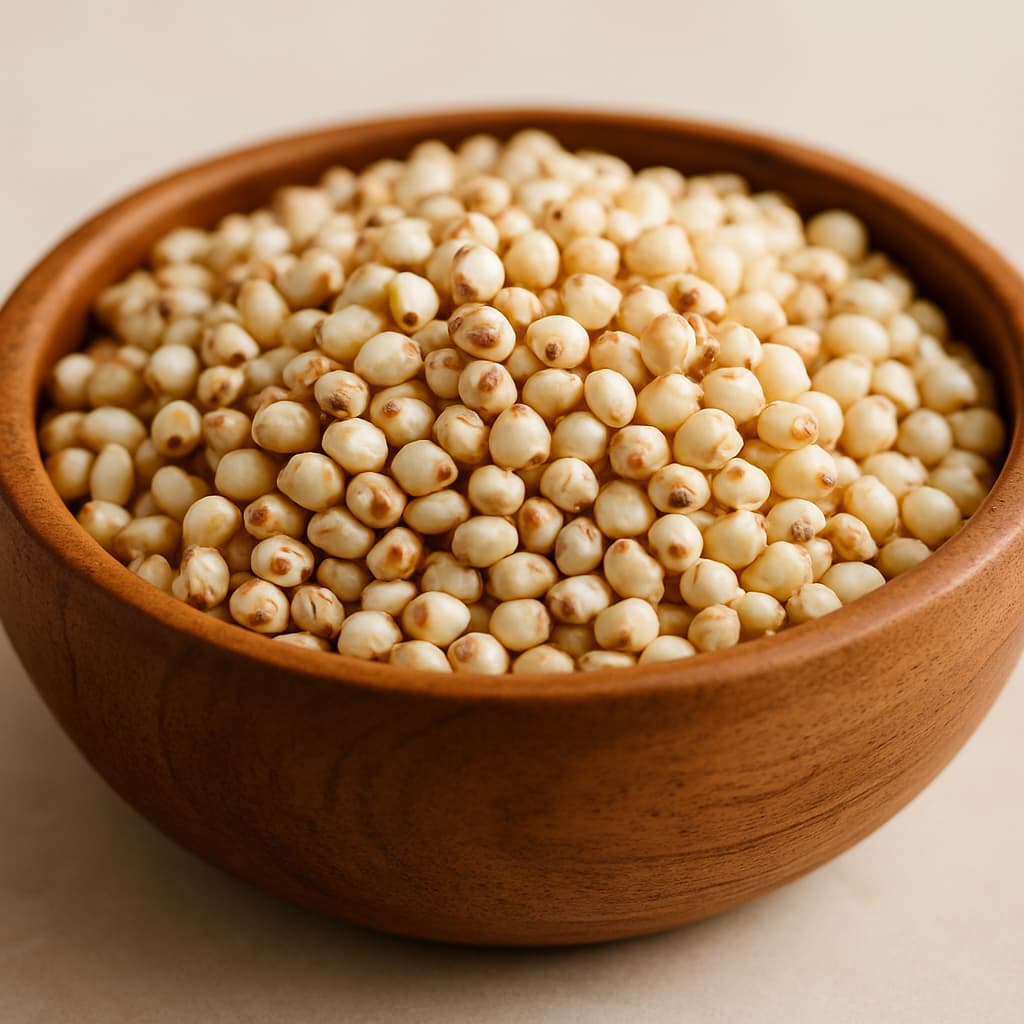
Sorghum is one of the most protein-dense grains available. It is naturally gluten-free and rich in complex carbohydrates, fiber, and minerals such as magnesium and iron. Its mild flavor makes it suitable for salads, pilafs, porridges, and flour blends. Sorghum’s dense nutrient profile may support steady energy and digestive wellness as part of a balanced diet.
2. Farro (~12 g protein per cooked cup)
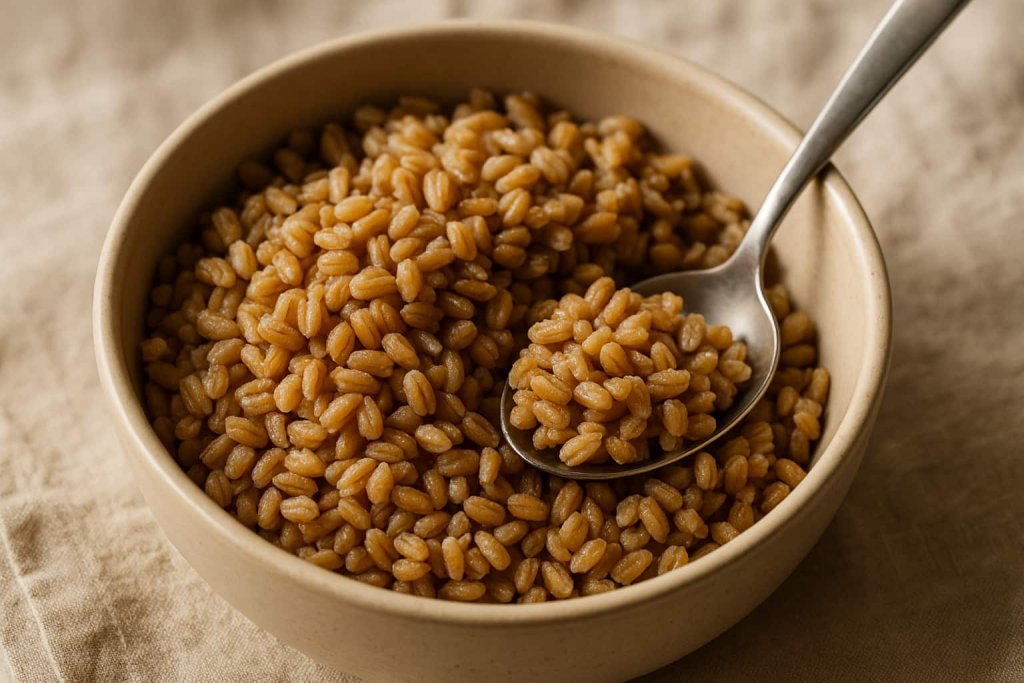
Farro is an ancient wheat variety known for its chewy texture and nutty taste. It contains more protein than many modern wheat products and is also rich in fiber and minerals such as iron. Farro may support satiety and stable energy because of its slower-digesting carbohydrate structure. Since it contains gluten, it is not suitable for individuals with celiac disease.
3. Teff (~10 g protein per cooked cup)
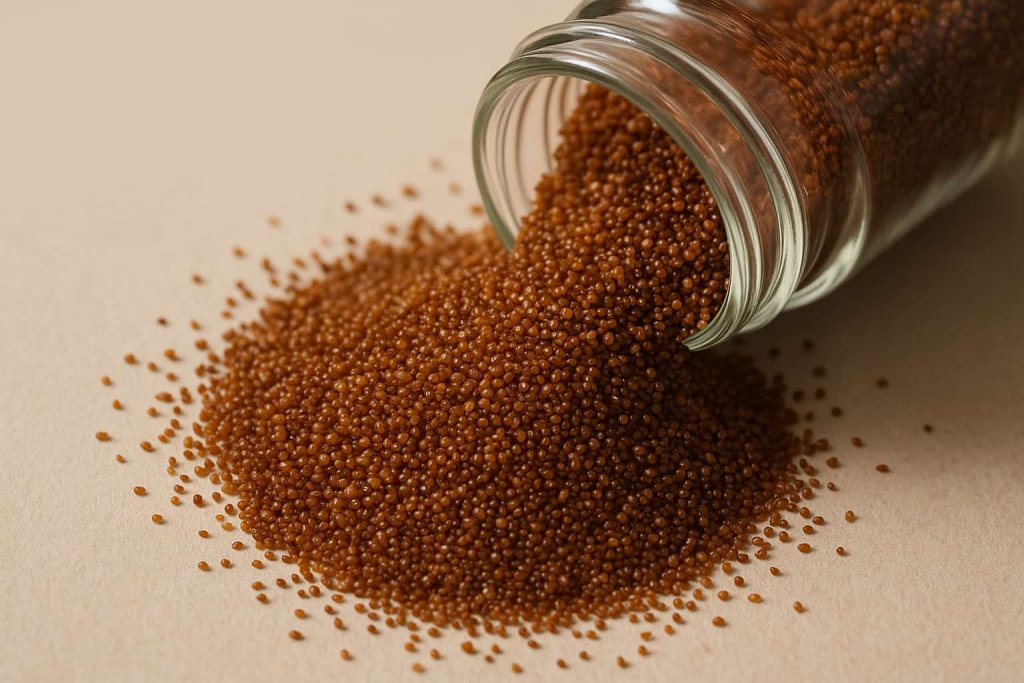
Teff is a tiny Ethiopian grain used traditionally in injera bread. It offers notable amounts of protein, iron, calcium, and resistant starch. Because it is naturally gluten-free and has a mild, earthy taste, teff works well in porridges, baked goods, and warm grain dishes. Its nutrient density may support balanced energy and digestive regularity.
4. Amaranth (~9–9.5 g protein per cooked cup)
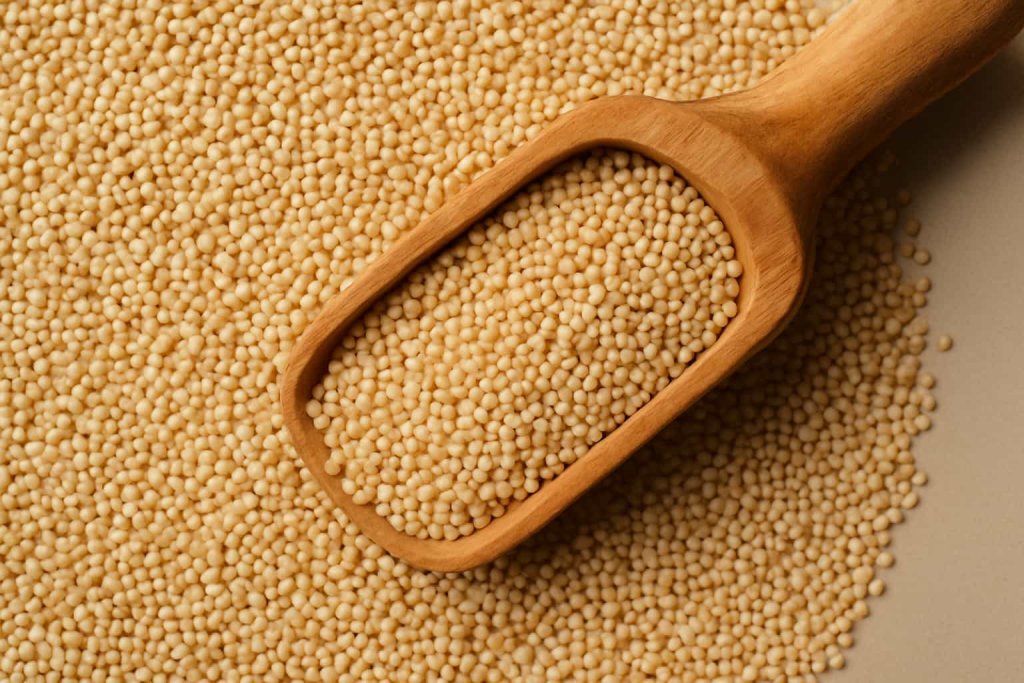
Amaranth is a pseudocereal recognized for containing all essential amino acids, making it a valuable plant-based protein source. It is rich in magnesium, iron, and fiber, and its slightly nutty flavor pairs well with sweet and savory recipes. Amaranth’s nutritional composition may support steady energy and contribute to an overall balanced diet.
5. Kamut (Khorasan wheat) (~9.8–11 g protein per cooked cup)
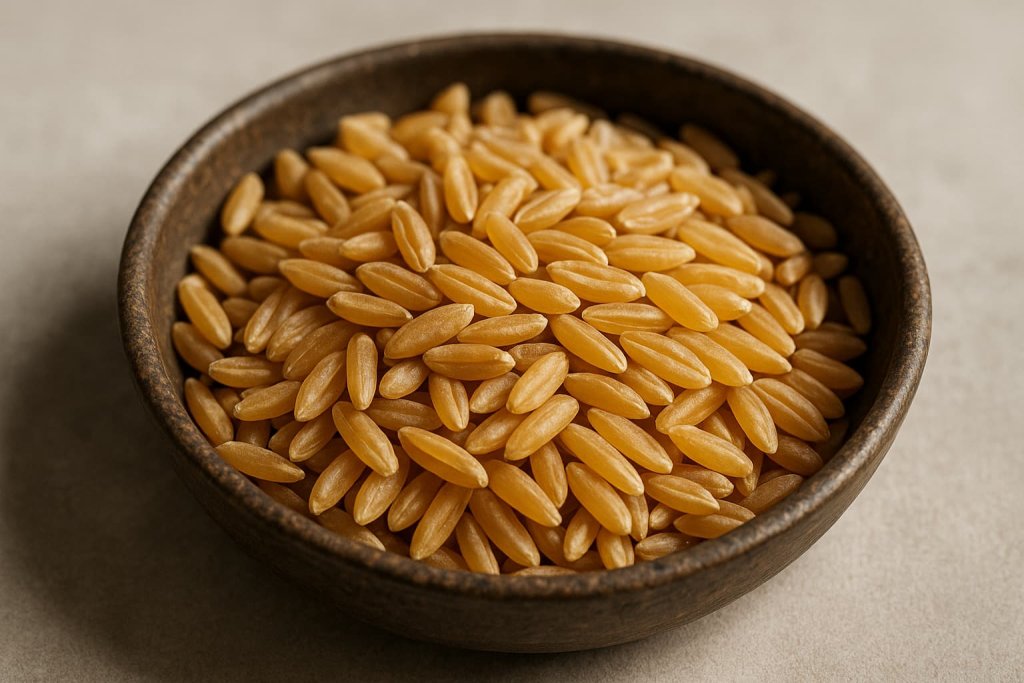
Kamut is an ancient grain with a naturally higher protein content than many traditional wheat varieties. It provides minerals such as selenium, zinc, and magnesium, along with a firm, chewy texture that works well in salads and grain bowls. Because it contains gluten, it is not appropriate for those with celiac disease but can fit into general balanced eating patterns for others.
6. Spelt (~10.7 g protein per cooked cup)
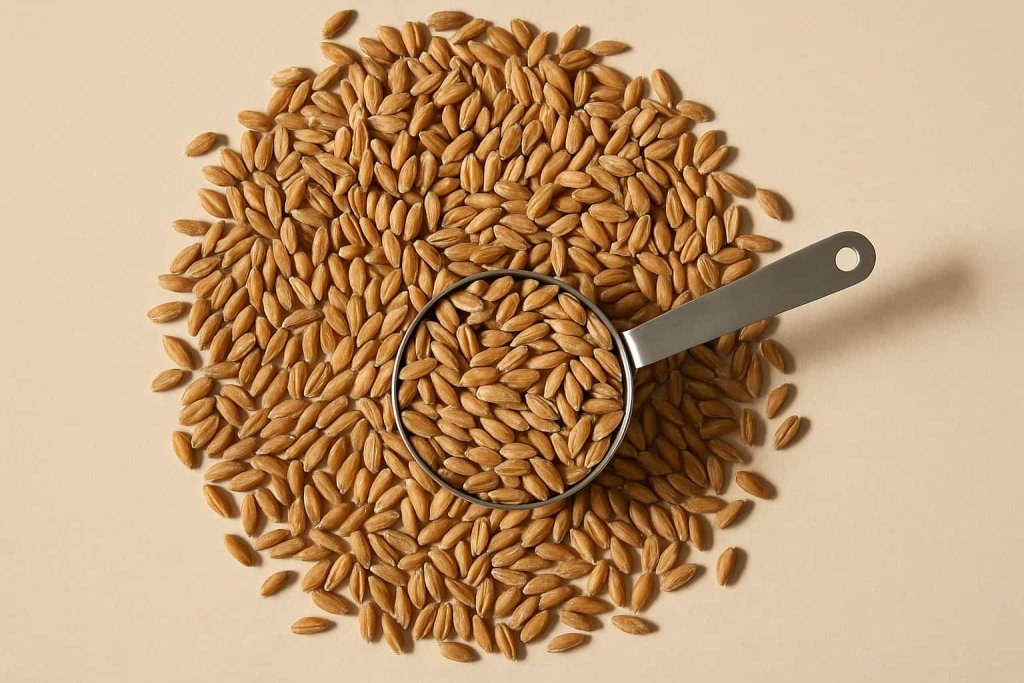
Spelt is another ancient wheat grain valued for its nutty flavor and nutrient density. It provides protein, fiber, B vitamins, and minerals like iron and magnesium. Spelt flour is popular for baking breads, muffins, and crackers, while whole spelt grains work well in warm dishes. It contains gluten and should be avoided by individuals with celiac disease.
7. Quinoa (~8 g protein per cooked cup)
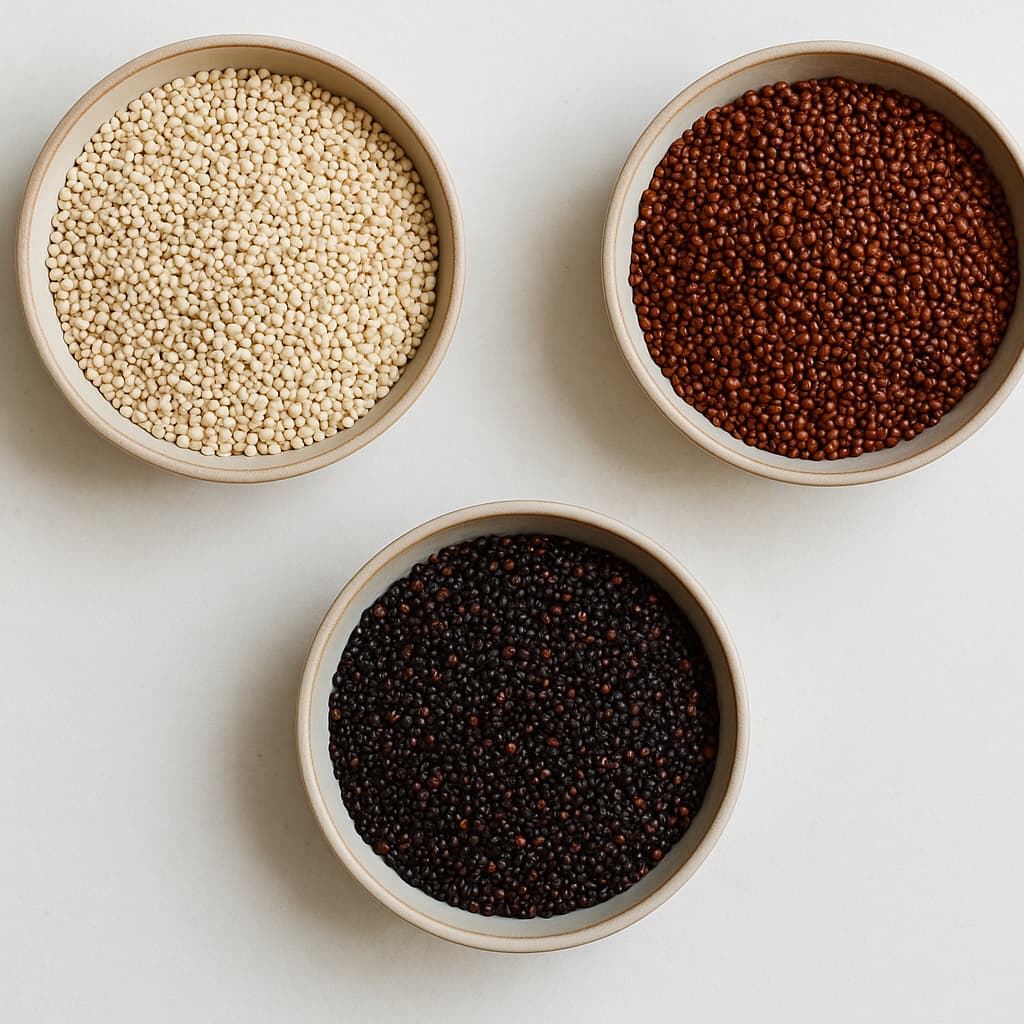
Quinoa is a widely available gluten-free pseudocereal known for its balanced amino-acid profile and versatile culinary uses. It is rich in protein, fiber, and minerals, including magnesium and iron. Research from the Harvard T.H. Chan School of Public Health highlights quinoa as a valuable plant-based protein that can contribute to daily intake and support long-term nutrition. Its light, fluffy texture makes it a popular replacement for rice in salads, soups, and bowls.
8. Wild Rice (~6.5 g protein per cooked cup)
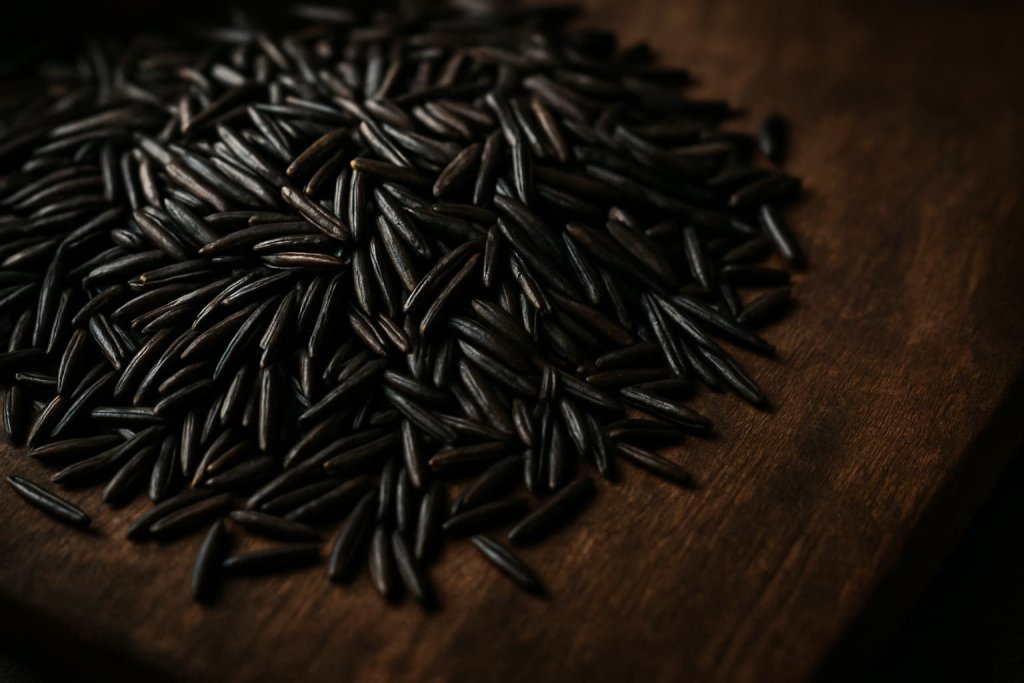
Wild rice is technically a seed from an aquatic grass, but it is grouped nutritionally with whole grains. It contains more protein than white rice and provides fiber, manganese, and zinc. Its earthy flavor and chewy texture make it a strong addition to mixed grain blends, pilafs, and vegetable-forward dishes. Wild rice may support steady energy as part of balanced meals.
9. Oats (~6–11 g protein per cooked cup)
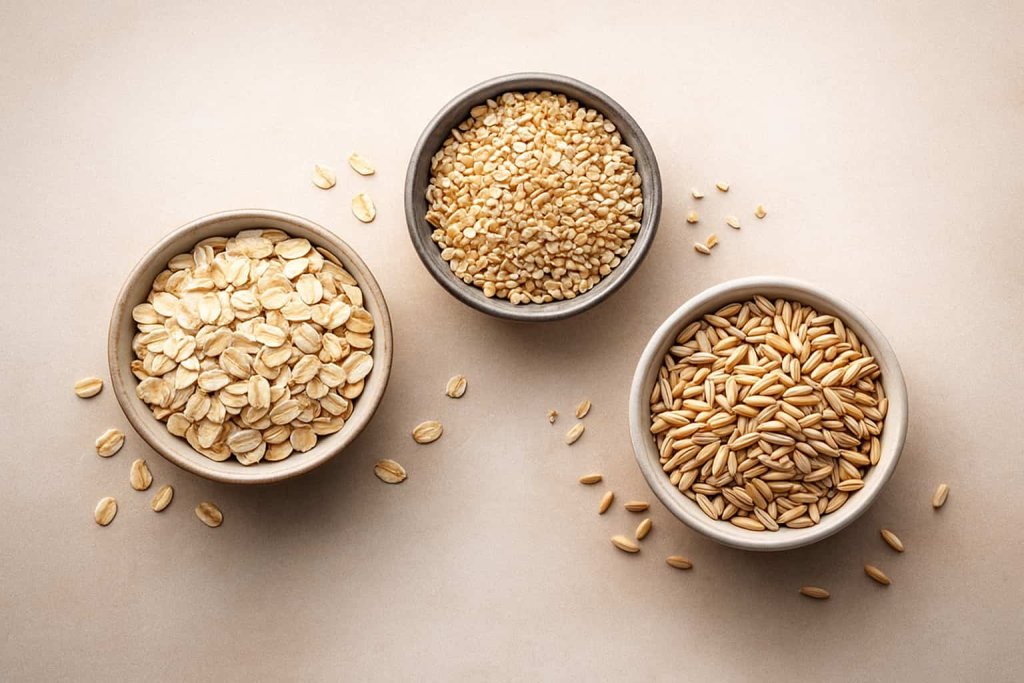
Oats provide variable protein levels depending on the cooking ratio and type of oats used (instant, rolled, or steel-cut). They are rich in beta-glucan, a soluble fiber that may support cholesterol management. According to Harvard T.H. Chan School of Public Health, whole grains like oats contribute fiber and essential nutrients that align with long-term dietary well-being. Choose certified gluten-free oats if you have celiac disease or gluten sensitivity.
10. Buckwheat (~5.7 g protein per cooked cup)
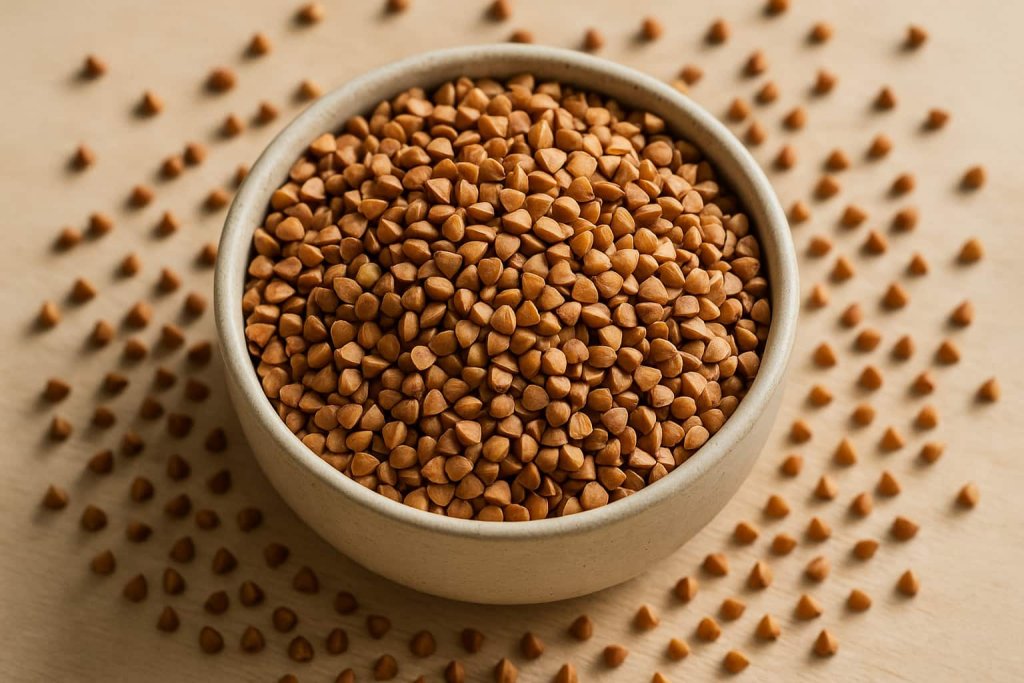
Buckwheat is a gluten-free pseudocereal known for its favorable amino-acid balance and antioxidant content, including rutin. It is commonly used in porridge, soba-style noodles, and baking mixes. Buckwheat’s combination of protein, fiber, and minerals may support balanced nutrition and steady energy when included in meals.
Nutrition Benefits of High-Protein Grains
High-protein grains offer a combination of protein, fiber, vitamins, minerals, and antioxidants that may support balanced nutrition when included as part of a varied eating pattern. These grains differ from refined grain products because they retain their bran and germ, which supply essential nutrients important for maintaining steady energy and overall wellness. The following benefits are explained using neutral, evidence-based and supported with authoritative references only where medically relevant.
May Support Satiety and Balanced Eating
High-protein grains contain a naturally balanced mix of protein and dietary fiber, two nutrients known for their ability to support fullness and help regulate appetite. Protein may help promote satiety by slowing digestion, while fiber adds bulk and supports a steadier release of energy throughout the day. When combined, these nutrients may help reduce rapid spikes and drops in hunger, supporting more consistent eating patterns.
Because they digest more slowly than refined grains, options such as quinoa, oats, sorghum, and farro may support steady energy levels and help maintain balanced meal routines, especially when paired with vegetables, legumes, or healthy fats.
Supports Heart-Healthy Dietary Patterns
Whole grains—including many high-protein grains—fit naturally within eating patterns associated with long-term heart wellness. According to the Harvard T.H. Chan School of Public Health, higher intake of whole grains is linked with beneficial health outcomes when they replace refined grain products. These benefits come from the combined effects of fiber, antioxidants, complex carbohydrates, and essential nutrients found in the whole grain structure.
High-protein grains like quinoa, oats, buckwheat, and wild rice are rich in these components and may support a heart-conscious eating pattern when incorporated into balanced meals that include fruits, vegetables, healthy fats, and lean or plant-based proteins.
Fiber and Digestive Support
High-protein grains supply both soluble and insoluble fiber, each offering distinct digestive functions:
- Soluble fiber absorbs water and forms a gel-like consistency, which may support healthy digestion and steadier energy release.
- Insoluble fiber adds bulk to stool and supports regular bowel movements.
Oats, quinoa, teff, and buckwheat are naturally high in fiber, and their gradual digestion may help support digestive comfort for many people. Increasing fiber intake should be done gradually and with adequate hydration to reduce the likelihood of discomfort—an important practice for individuals adjusting their diets.
Provides Essential Micronutrients
High-protein grains are also rich in key micronutrients that play supportive roles in daily wellness:
- Magnesium — Important for energy metabolism and muscle function
- Iron — Supports oxygen transport and overall vitality
- B vitamins (such as niacin, thiamin, and B6) — Assist in energy production and metabolic processes
- Antioxidants — Naturally occurring compounds in grains like buckwheat, teff, and sorghum that help reduce oxidative stress
Research from the Harvard T.H. Chan School of Public Health highlights that whole grains provide a broad range of vitamins, minerals, and plant compounds not found in refined grains. These nutrients collectively support balanced energy, metabolic function, and overall dietary quality.
High-protein grains simply offer the added advantage of contributing more plant-based protein per serving, making them a valuable part of nutrition-focused eating patterns.
How to Add High-Protein Grains to Your Meals
High-protein grains are versatile and can be incorporated into many meals throughout the day. Because these grains provide protein, fiber, and essential micronutrients, adding them to familiar recipes is an effective way to support balanced nutrition without major dietary changes. The ideas below use clear, practical steps while maintaining medically neutral.
Breakfast Options
High-protein grains offer a nutrient-dense start to the morning, providing steady energy to begin the day.
- Oatmeal or steel-cut oats prepared with milk or fortified plant beverages
- Quinoa porridge simmered with cinnamon and topped with nuts or fruit
- Teff porridge with berries for added fiber
- Buckwheat pancakes made using whole-grain flour for additional protein and minerals
These breakfast choices pair well with yogurt, nut butters, seeds, or fruit to create a more complete nutrient profile.
Lunch and Dinner Options
High-protein grains complement vegetables, legumes, and lean or plant-based proteins, making them easy to incorporate into balanced meals.
- Farro, kamut, or spelt bowls with roasted vegetables
- Wild rice pilaf alongside fish, tofu, or poultry
- Sorghum salads mixed with beans, leafy greens, and herbs
- Quinoa stir-fries with vegetables and edamame
- Amaranth or teff stews for warm, nutrient-dense meals
These combinations may support steady energy and fullness because of the fiber and complex carbohydrates naturally found in whole grains.
Baking and Snack Ideas
High-protein grains can also be used creatively in baked goods and snacks.
- Spelt or buckwheat bread for sandwiches
- Amaranth or oats in muffins, snack bars, or breakfast cookies
- Popped amaranth sprinkled over yogurt or fruit
- Sorghum flour for gluten-free baking mixes
These additions enhance the nutrient density of traditional baked goods while keeping the flavor familiar.
Combining Grains With Other Protein Sources
Pairing high-protein grains with additional plant proteins helps create more complete amino-acid profiles.
- Combine grains with beans, lentils, chickpeas, or split peas
- Add tofu, tempeh, or edamame to grain bowls
- Use nuts, nut butters, or seeds to add healthy fats and supplemental protein
- Mix multiple grains (e.g., quinoa + wild rice) for variety and texture
Research from the Harvard T.H. Chan School of Public Health notes that diversifying plant-based protein sources may support more balanced nutrition by broadening amino-acid intake and micronutrient variety.
Safety Considerations and Who Should Be Cautious
Gluten Sensitivity or Celiac Disease
Some high-protein grains naturally contain gluten and should be avoided by individuals with celiac disease or medically diagnosed gluten sensitivity.
Grains that contain gluten:
- Farro
- Kamut
- Spelt
Naturally gluten-free choices include:
- Quinoa
- Buckwheat
- Sorghum
- Amaranth
- Teff
- Wild rice
- Oats (only when labeled certified gluten-free due to cross-contact risks)
People who must avoid gluten should read labels carefully and choose grains that are processed in certified gluten-free facilities.
Kidney Conditions or Medically Restricted Protein Intake
Individuals with chronic kidney disease or medically supervised protein limitations should avoid increasing dietary protein without professional guidance. Total protein intake—including grains, legumes, dairy, or animal proteins—must be tailored to personal medical requirements.
For safe nutritional planning, individuals with kidney concerns should consult a clinician or registered dietitian who can assess appropriate daily protein goals.
Digestive Sensitivities
High-protein grains are rich in fiber, which may cause temporary digestive discomfort for some individuals when introduced suddenly.
Key safe-use tips include:
- Increase fiber gradually to allow the digestive system time to adjust
- Drink adequate water, as hydration helps fiber move through the digestive tract
- Start with smaller servings of grains such as oats, quinoa, sorghum, or buckwheat before increasing portion sizes
These steps align with safe, evidence-based digestive practices without offering medical claims.
Frequently Asked Questions (FAQ)
Below are clear answers to common questions about high-protein grains. Each subsection provides factual, neutral guidance without making medical claims.
Are high-protein grains enough to meet daily needs?
High-protein grains can contribute meaningfully to your daily protein intake, but most people benefit from combining them with other sources such as legumes, dairy, eggs, tofu, fish, or poultry. According to Harvard Health Publishing, adults generally need about 0.8 g of protein per kilogram of body weight per day, and grains alone typically do not supply the full amount. Pairing grains with other foods helps round out total intake and improves amino-acid variety.
Which grains are gluten-free?
Several high-protein grains are naturally gluten-free, including quinoa, buckwheat, sorghum, amaranth, teff, and wild rice. Oats are naturally gluten-free as well, but only certified gluten-free oats are appropriate for individuals avoiding gluten due to cross-contact risks. Gluten-containing high-protein grains include farro, kamut, and spelt.
Are these grains suitable for vegetarians and vegans?
Yes. All high-protein grains are plant-based and align well with vegetarian and vegan eating patterns. Grains such as quinoa, amaranth, buckwheat, and oats may support plant-forward diets by providing protein, fiber, and micronutrients. Combining grains with legumes, tofu, beans, nuts, or seeds helps create balanced meals with broader amino-acid profiles.
Which high-protein grain is best for beginners?
Beginners often find quinoa, oats, and wild rice easiest to prepare and incorporate into daily meals. These grains cook quickly, have mild flavors, and work well in both sweet and savory dishes. Quinoa is especially versatile, making it a strong starting point for anyone new to high-protein grain choices.
Can they support healthy weight patterns?
High-protein grains may support healthy weight patterns when included as part of balanced meals. Protein and fiber may help promote fullness and steady energy, which can support consistent eating habits. These effects depend on total diet, portion sizes, and overall lifestyle.
What is a typical serving size?
A common serving size for cooked high-protein grains is ½–1 cup, depending on your appetite, energy needs, and meal composition. Using a variety of grains throughout the week can help diversify nutrient intake.
Are high-protein grains beneficial for blood sugar balance?
High-protein grains contain fiber and complex carbohydrates that digest more gradually than refined grains, which may support more stable energy patterns. Individuals managing diabetes or blood-sugar concerns should monitor portions and pair grains with proteins or healthy fats for a balanced meal structure. For personalized guidance, a healthcare professional or registered dietitian is recommended.
Conclusion
High-protein grains such as sorghum, farro, teff, amaranth, kamut, spelt, quinoa, wild rice, oats, and buckwheat offer versatile ways to increase plant-based protein while enjoying fiber, minerals, and antioxidants. These grains may support steady energy, balanced eating patterns, and overall wellness when used alongside vegetables, legumes, and other nutrient-rich foods.
Incorporating a variety of these grains throughout the week can help diversify your meals while supporting nutritional balance. Choose options that fit your dietary needs—especially if you require gluten-free choices—and gradually adjust portion sizes based on comfort and personal health goals.
This content is for informational purposes only and not medical advice.