
Foods high in sodium are most often packaged, prepared, or restaurant foods—especially mixed dishes like sandwiches, pizza, soups, and savory snacks. Learning where sodium hides can support everyday nutrition choices, help you compare products faster, and make it easier to build a balanced pattern that fits your preferences and lifestyle, as summarized by the Centers for Disease Control and Prevention.
What sodium is and why it matters for overall wellness
Sodium is a mineral your body uses for normal functions like fluid balance and nerve signaling. The goal isn’t “zero sodium”—it’s avoiding excess that can quietly add up from common foods.
A useful way to think about sodium for overall wellness:
- Your daily total matters more than any single food.
- Most sodium comes from everyday meals (not just salty snacks).
- Small, consistent reductions are usually easier to maintain than extreme changes.
How much sodium do you need per day
For most teens and adults, many public health guidelines use about 2,300 mg per day as an upper limit, while some global guidance recommends less than 2,000 mg per day for adults. These numbers help you quickly judge whether your usual choices are landing “in range” or creeping higher over time, as explained by the World Health Organization.
If you’re very active and sweat heavily, sodium needs can vary—so it’s smart to treat these as general benchmarks, not personalized targets.
Salt vs sodium: what’s the difference
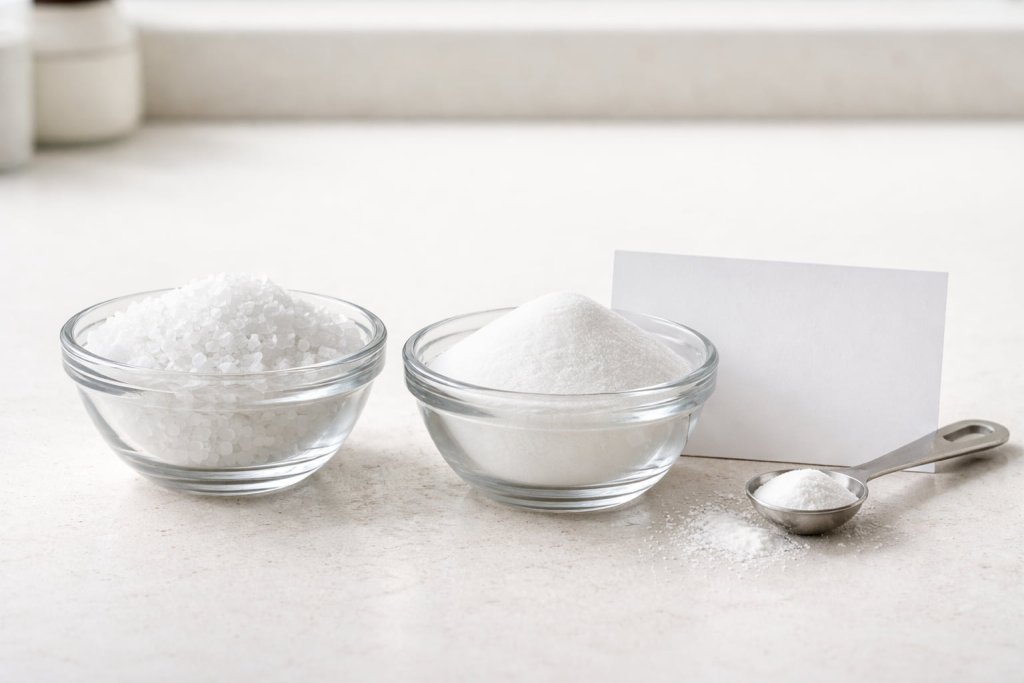
Sodium is a mineral, and “salt” usually means sodium chloride. Nutrition labels list sodium in milligrams (mg), while many public health recommendations also discuss salt.
According to the World Health Organization, 1 gram of salt equals about 400 mg of sodium. A practical shortcut is:
- Sodium (mg) × 2.5 ≈ Salt (mg)
- Example: 800 mg sodium ≈ 2,000 mg salt (2 g salt)
This helps you compare label numbers (sodium) with guidance that may be written in “salt.”
Why high-sodium foods add up so fast
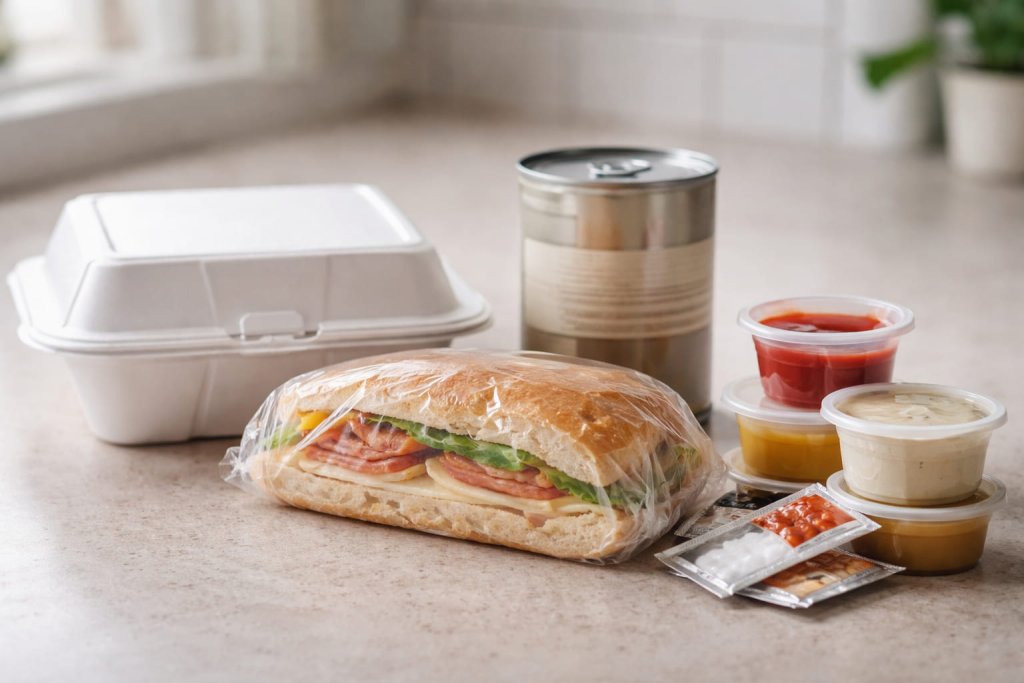
Even if you rarely add salt at the table, your intake can still be high because most sodium comes from packaged and prepared foods (including restaurant meals). That’s a key point highlighted by the U.S. Food and Drug Administration.
That’s why the most effective strategy is usually:
- Identify the biggest sodium “anchors” in your routine (a few foods you eat often)
- Replace or tweak those first (instead of trying to change everything)
Foods high in sodium list by category
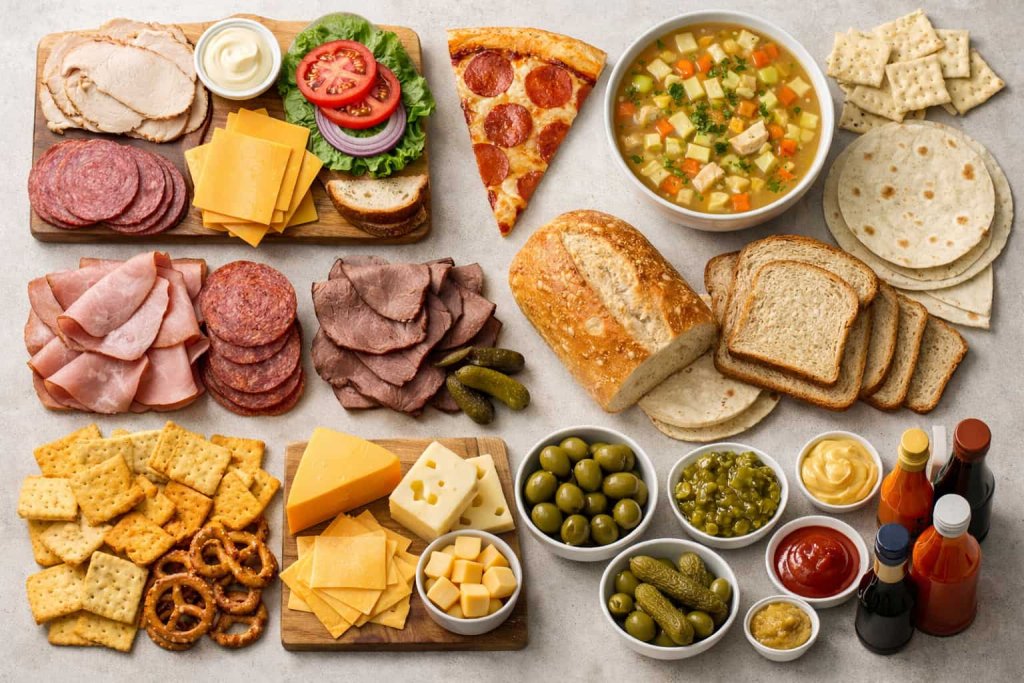
Below is a practical “watch list” of the most common high-sodium categories—these are the types of foods that tend to contribute the most across a typical week.
Quick-reference table: common high-sodium foods and smarter swaps
| High-sodium category | Common examples | Why it’s often high | Smarter everyday swaps (lower sodium) |
|---|---|---|---|
| Sandwiches and wraps | deli subs, chicken sandwiches, breakfast sandwiches, wraps | bread + meat/cheese + sauces stack sodium quickly | choose grilled/roasted protein, add extra veggies, ask for sauce on the side, use less cheese |
| Pizza | chain pizza, frozen pizza, pizza slices | cheese + cured meats + sauce + crust add up | choose veggie-heavy toppings, skip extra cheese/meat, pair 1–2 slices with a salad |
| Soups and broths | canned soups, instant ramen, cup noodles, broth cubes | salty base + seasoning packets are concentrated | pick “low sodium” versions, dilute with extra water and add vegetables/beans, make soup with lower-sodium broth |
| Cured and processed meats | bacon, ham, salami, pepperoni, hot dogs, sausage | curing and preservatives are sodium-heavy | use fresh cooked chicken/turkey/fish, choose lower-sodium deli meat, reduce portion size |
| Breads and tortillas | sliced bread, buns, tortillas, bagels | sodium is common in baked goods | compare brands by sodium per slice, choose lower-sodium options, use open-faced sandwiches |
| Frozen meals and boxed mixes | frozen entrées, mac and cheese boxes, flavored rice/pasta mixes | seasoning blends and sauces are often high | cook simple staples (plain rice/pasta) and season with herbs, lemon, garlic, pepper; choose lower-sodium frozen options |
| Sauces, dressings, condiments | soy sauce, teriyaki, ketchup, BBQ sauce, salad dressing, marinades | small servings can deliver lots of sodium | use “reduced sodium” versions, use smaller amounts, try oil + vinegar + herbs, add citrus for flavor |
| Cheese and cheese-based foods | processed cheese slices, cheese dips, cheesy sauces | cheese and processed blends often contain more sodium | use smaller portions, choose lower-sodium cheeses when available, boost flavor with herbs/spices instead |
| Snack foods | chips, crackers, pretzels, salted nuts, flavored popcorn | salty coatings and seasonings add sodium fast | choose unsalted nuts, plain popcorn you season yourself, lower-sodium crackers |
| Pickled and brined foods | pickles, olives, sauerkraut, kimchi | brining/pickling relies on salt | choose smaller portions, rinse olives/pickles quickly, balance with low-sodium foods in the same meal |
| Restaurant and fast foods | burgers, fried chicken meals, combo meals | large portions + sauces + breading + cheese | ask for sauces on the side, choose grilled items, swap fries for fruit/veg, save half for later |
| “Hidden sodium” baked and sweet items | muffins, pancakes, cookies, packaged desserts | baking soda/powder and processing can add sodium | choose less-processed options, watch serving size, compare labels for sodium per serving |
Highest-impact sodium sources in real life
If you want the biggest payoff, these categories are often the top “sodium drivers” in weekly routines:
- Restaurant meals and combo items
- Packaged soups and ramen-style products
- Deli meats and cured meats
- Sauces and condiments (especially soy/teriyaki-style)
- Frozen entrées and boxed mixes
- Snack foods like chips, crackers, and pretzels
Hidden sodium: foods that surprise people
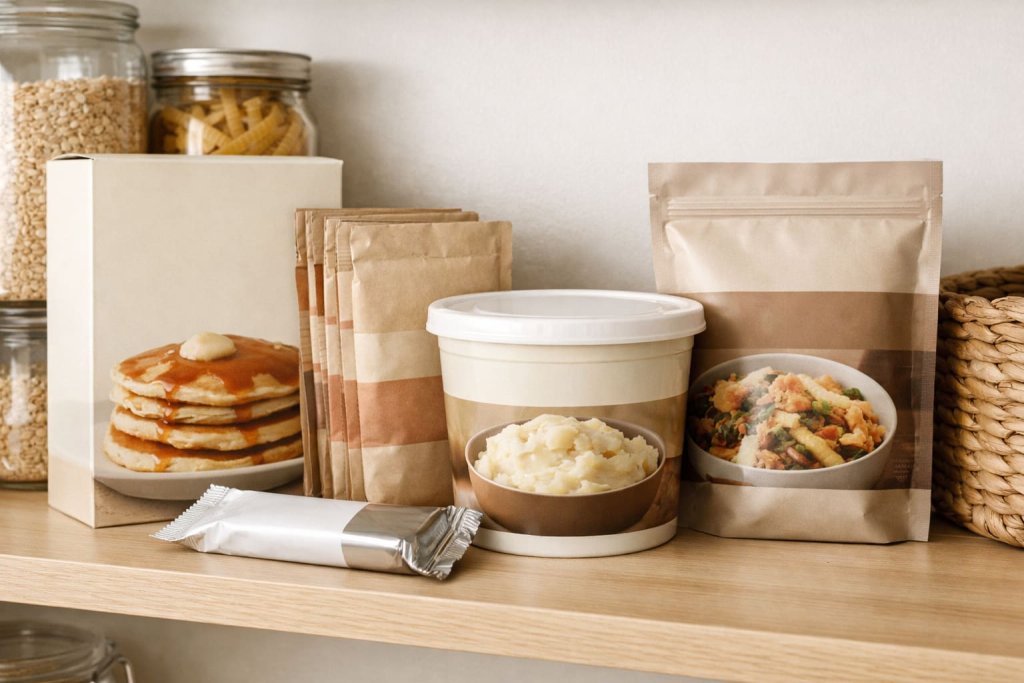
Some foods don’t taste “salty” but still contribute meaningful sodium, especially if you eat them often:
- Sweet snacks and desserts (sodium can be used in baking and processing)
- Breakfast items like frozen sandwiches or prepared egg dishes
- Cheese and cheese-based sauces
- Store-bought meal kits and “just add water” mixes
A simple rule: if it’s heavily processed or designed to be shelf-stable, sodium is often part of the formula.
How to read labels for sodium fast
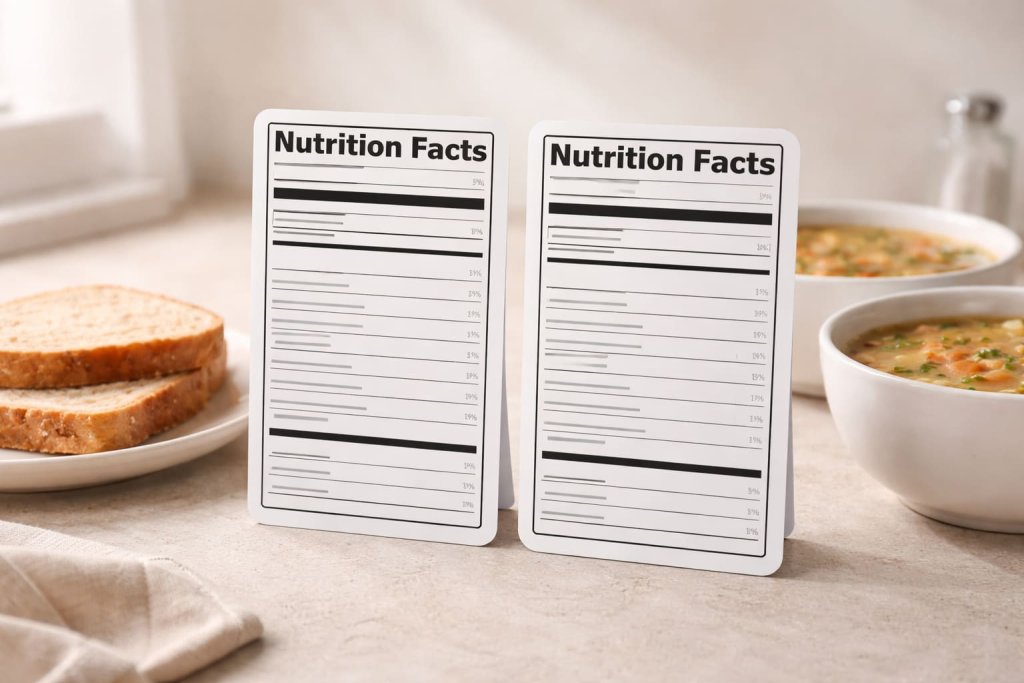
The fastest way to compare foods is the Nutrition Facts label.
Use these two checks:
- Look at the serving size first. A “small” serving can hide a high total if you typically eat 2–3 servings.
- Use % Daily Value (%DV) as a shortcut. As a general guide, 5% DV or less is low and 20% DV or more is high for sodium per serving.
Tip: Compare two similar products (two soups, two breads, two frozen meals) and choose the lower sodium option that still tastes good—this is one of the easiest long-term wins.
What “low sodium” and other label claims mean
Front-of-package terms can be helpful, but they don’t all mean the same thing. These common claims generally mean:
- Low sodium: 140 mg sodium or less per serving
- Very low sodium: 35 mg sodium or less per serving
- Reduced sodium: at least 25% less sodium than the regular version
- No salt added / unsalted: no salt is added during processing, but the food may still contain sodium naturally or from other ingredients
Reminder: Always confirm the mg of sodium per serving on the Nutrition Facts label and double-check the serving size—that’s what determines how much you actually get in a typical portion.
Practical ways to cut sodium without making meals bland
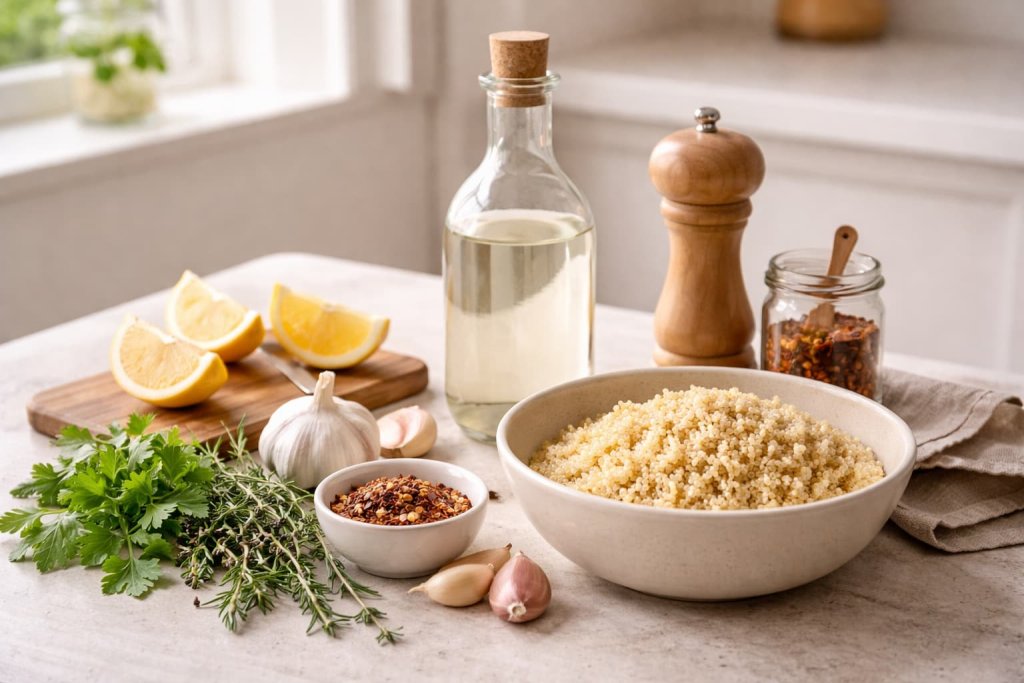
You don’t have to give up your favorite foods. These tweaks often have the best “effort to payoff” ratio:
- Choose one “high-sodium swap” per day (bread, soup, deli meat, sauce, or snack)
- Use “half the sauce” when ordering or cooking (then add flavor with lemon, garlic, pepper, herbs)
- Rinse canned beans and vegetables (can reduce some sodium from the packing liquid)
- Build flavor without salt: citrus, vinegar, chili flakes, garlic, onion, fresh herbs, salt-free seasoning blends
How to build a lower-sodium plate for everyday wellness
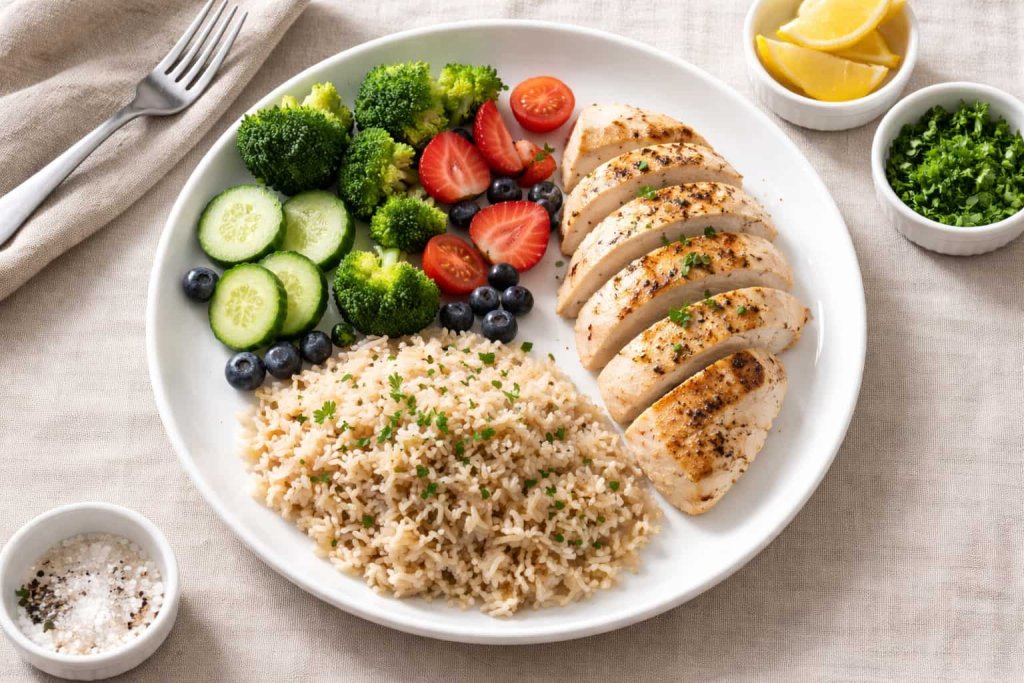
A simple way to keep sodium reasonable is to build most meals from minimally processed basics and add salty ingredients last, in smaller amounts.
Use this easy formula:
- Base: vegetables and fruit (fresh, frozen, or no-salt-added canned when possible)
- Protein: fresh or minimally processed options (eggs, fish, poultry, beans, lentils, tofu)
- Carbs: plain grains and starches you season yourself (rice, oats, potatoes, pasta, quinoa)
- Flavor boosters: acids (lemon/vinegar), herbs, spices, garlic/onion, pepper, chili flakes
Key habit: Use sauces last, not first. Taste the meal before adding salty condiments, then use the smallest amount that still gives you the flavor you want.
Eating out: simple ordering moves that lower sodium
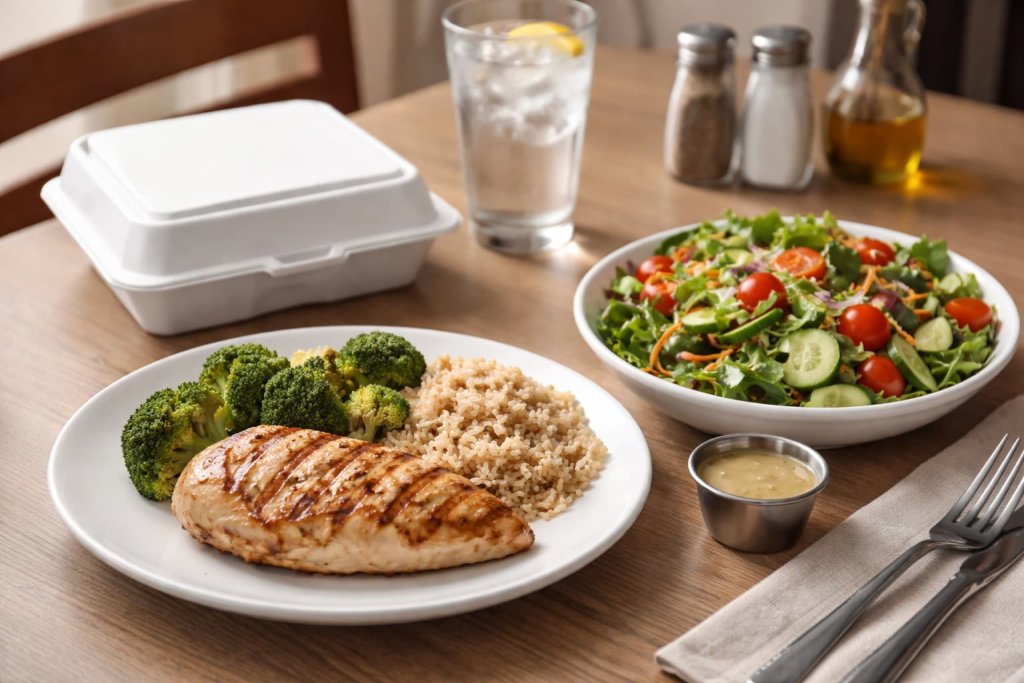
Restaurant meals can be sodium-heavy because sauces, breading, seasoning, and cheese pile up fast. Try:
- Ask for sauces/dressings on the side
- Choose grilled/roasted over breaded or sauced
- Swap fries for fruit, vegetables, or a side salad
- Consider a half portion or take half home
One-day sample lower-sodium menu
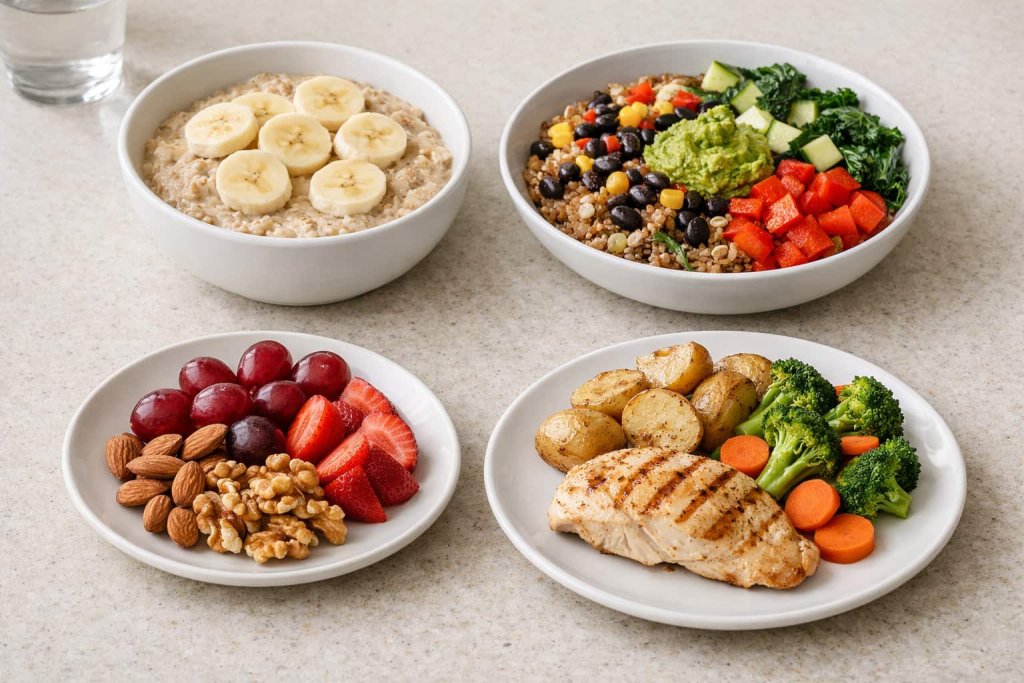
This example shows how small swaps add up while keeping meals satisfying.
- Breakfast: Plain oatmeal cooked with milk or water, topped with banana and cinnamon + a side of yogurt
- Lunch: Homemade grain bowl: cooked rice or quinoa + beans/lentils + lots of vegetables + olive oil and lemon (use dressing/sauce lightly)
- Snack: Fresh fruit + unsalted nuts, or air-popped popcorn seasoned with herbs/spices
- Dinner: Roasted or grilled chicken/fish/tofu + baked potato or plain pasta + steamed vegetables (add flavor with garlic, pepper, lemon, and herbs)
If dining out that day, keep the same approach: choose grilled/roasted, get sauces on the side, and balance the plate with a vegetable side or salad.
A wellness-friendly pattern that supports lower sodium
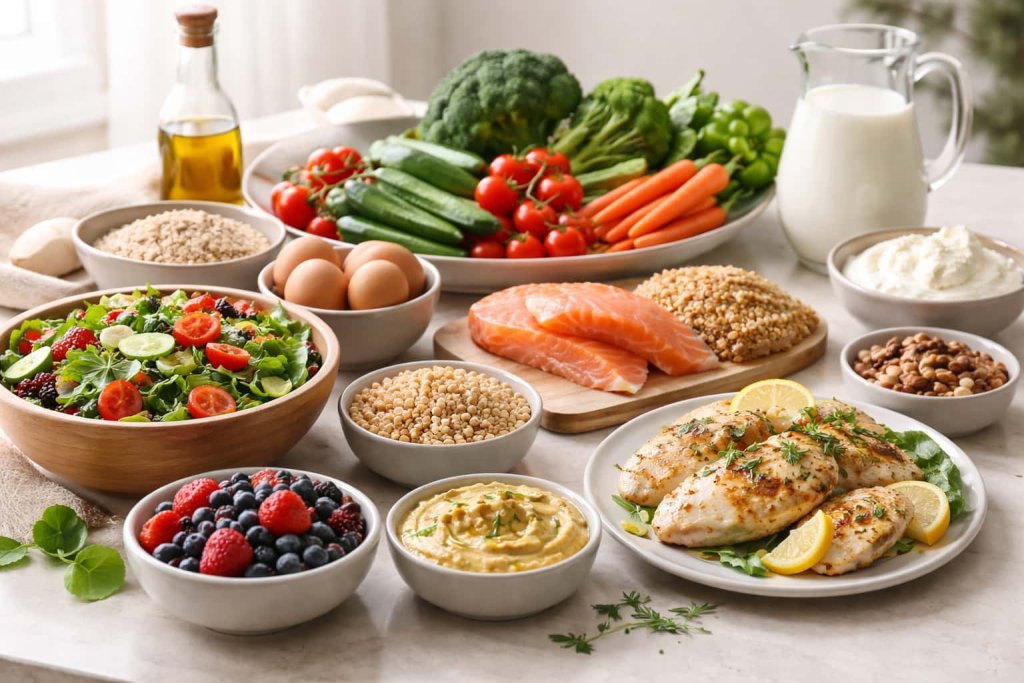
If you want a proven framework for building meals that are naturally lower in sodium (while still satisfying), the DASH-style approach emphasizes fruits, vegetables, whole grains, lean proteins, and lower-sodium choices. The NHLBI notes that reducing sodium (for example, from 2,300 mg to 1,500 mg) can further support healthy blood pressure in many people—without needing extreme food rules.
Potassium-rich foods and balance
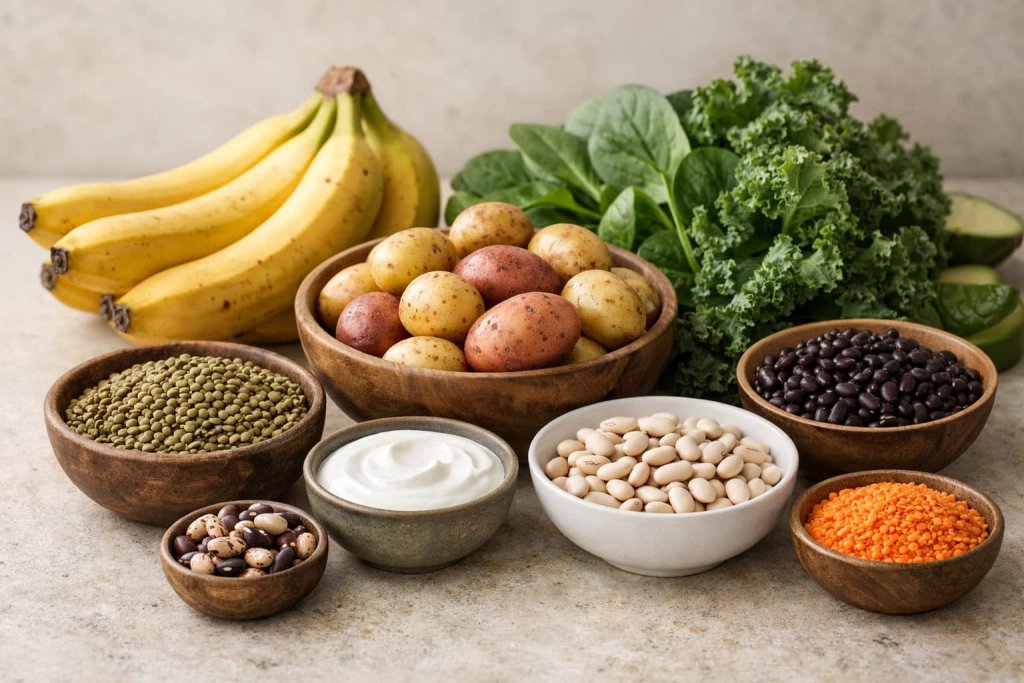
Sodium and potassium work together in the body’s normal fluid balance. A produce-forward eating pattern naturally brings in more potassium-containing foods, which supports overall wellness.
According to the NIH Office of Dietary Supplements, potassium is found in many foods, including:
If you have kidney disease or have been told to limit potassium, follow your clinician’s guidance for what’s appropriate for you.
Who may need extra attention to sodium intake
Some people are more sensitive to higher sodium intake or may be advised to limit sodium more strictly. If you’ve been told you have high blood pressure, kidney disease, heart failure, or another condition affected by sodium, follow your clinician’s guidance and consider asking for a specific daily target.
Common mistakes when trying to lower sodium
These are common reasons people feel “stuck,” even when they’re trying to make better choices:
- Only looking at calories (or sugar) and not checking sodium
- Ignoring serving size, then eating 2–3 servings
- Assuming “reduced sodium” automatically means low sodium
- Overusing condiments and sauces (small amounts can add a lot)
- Thinking “healthy” packaged foods are always low sodium (many aren’t—labels still matter)
FAQ: Foods high in sodium
1) What foods are highest in sodium?
Common top contributors include mixed dishes like sandwiches, pizza, soups, savory snacks, and cured meats—plus sauces and condiments that concentrate sodium in small portions.
2) Is sea salt healthier than table salt?
Sea salt and table salt both contain sodium and can raise your sodium intake similarly. The key is total sodium across the day.
3) How do I know if a food is “high sodium” on the label?
Use %DV: around 20% DV or more per serving is considered high, while 5% DV or less is low.
4) What’s the easiest way to reduce sodium without changing my whole diet?
Start with the foods you eat most often (bread, soups, deli meats, sauces, frozen meals). Swapping just one of these daily can make a noticeable difference.
5) Are “reduced sodium” foods always low sodium?
Not necessarily. “Reduced sodium” means less than the regular version, but it can still be high. Always check the milligrams per serving and %DV.
6) Do I need to avoid all salty foods for wellness?
Usually no. Many people do best with a realistic approach: limit the biggest sources, keep favorites in smaller portions, and balance meals with whole foods.
7) What’s a good snack if I’m watching sodium?
Fresh fruit, unsalted nuts, plain yogurt, oatmeal, or air-popped popcorn you season yourself are often easier options than packaged savory snacks.
Conclusion
Foods high in sodium are common—but you can lower your daily total without “dieting” by focusing on the biggest sources, using label shortcuts, and making a few repeatable swaps. Start small, stay consistent, and aim for a pattern that supports your overall nutrition and wellness goals.
This content is for informational purposes only and not medical advice.