
Yes—plain cottage cheese can be good for you because it’s a high-protein, nutrient-dense food that can support balanced meals and overall wellness. The key is choosing the right type for your needs (especially sodium and fat level) and using the Nutrition Facts label to compare brands.
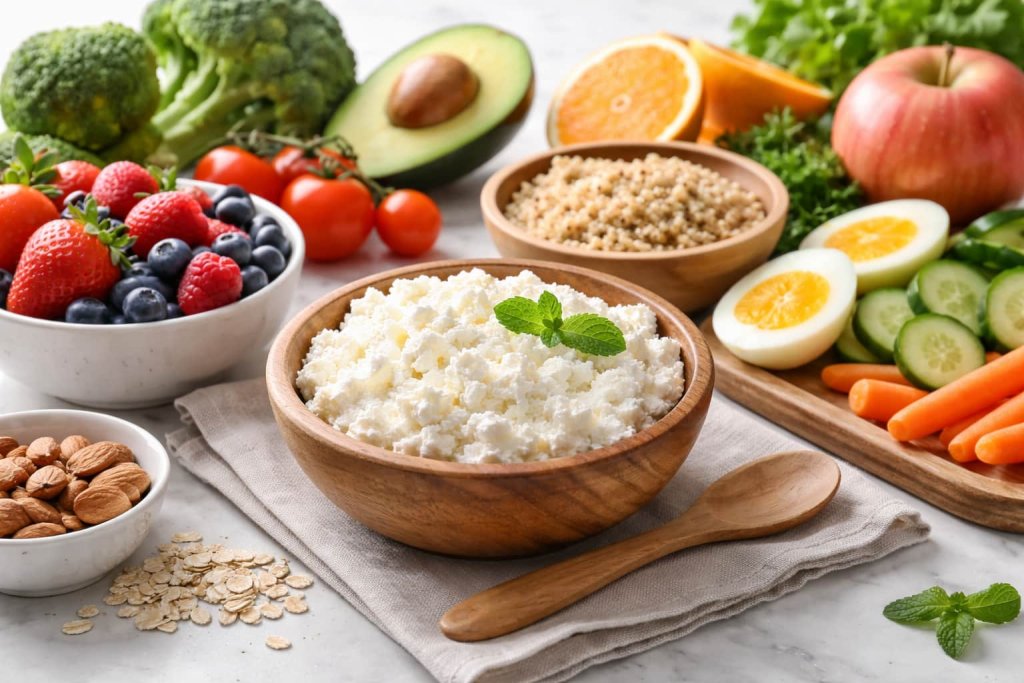
According to the U.S. Department of Agriculture FoodData Central, cottage cheese is commonly a high-protein dairy option, but nutrition can vary by brand, milkfat percentage, and added ingredients. For many people, it’s an easy way to add protein and dairy nutrients to snacks, breakfast, and meals.
Meta description: Cottage cheese can be a healthy, high-protein choice. Learn nutrition benefits, sodium and fat considerations, how to choose brands, and easy ways to eat it.
Is Cottage Cheese Good for You
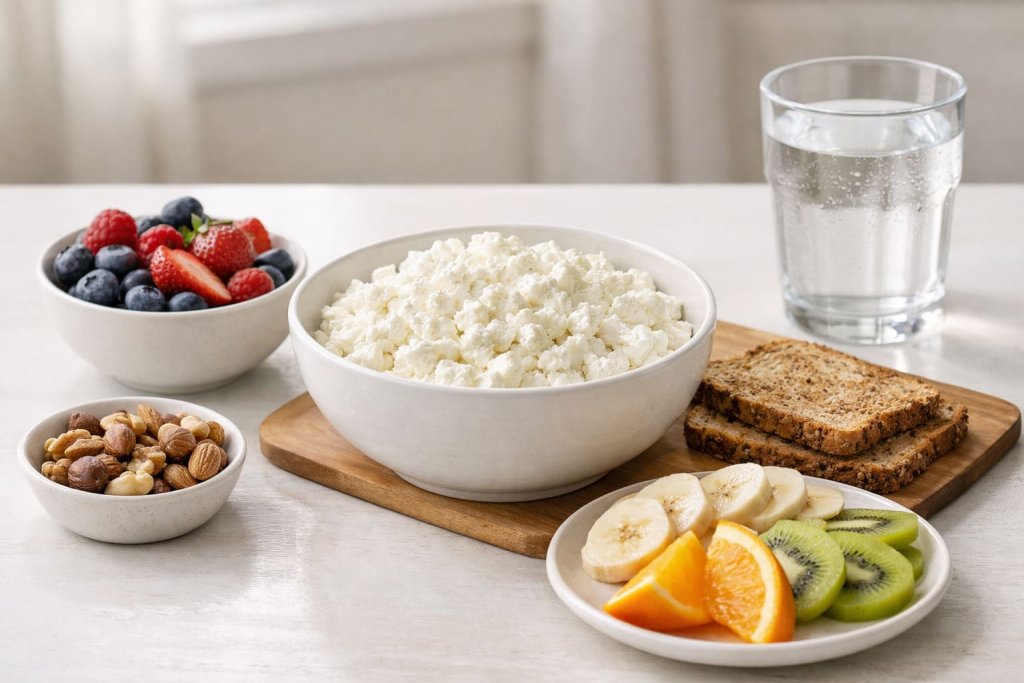
Quick Answer Based on Nutrition Facts
Cottage cheese may be a smart choice if you want:
- More protein per calorie
- A simple snack that pairs well with fruit, veggies, or whole grains
- A dairy food that helps you meet daily nutrient goals (like calcium)
But it’s also important to check:
- Sodium (often high)
- Saturated fat (higher in full-fat versions)
- Added sugars (more common in flavored options)
The most reliable way to decide is to compare products using the Nutrition Facts label. According to the U.S. Food and Drug Administration, % Daily Value (%DV) is designed to help you quickly see whether a nutrient is “low” or “high” per serving.
Who It May Be a Good Fit For
Cottage cheese may fit well for people who want:
- Higher-protein meals without a lot of prep
- Balanced snacks that include protein plus fiber-rich foods
- Simple meal building (sweet or savory)
If you’re limiting sodium, managing saturated fat intake, or avoiding lactose, it can still fit—but you’ll want the right variety and portion.
Cottage Cheese Nutrition Facts and Key Nutrients
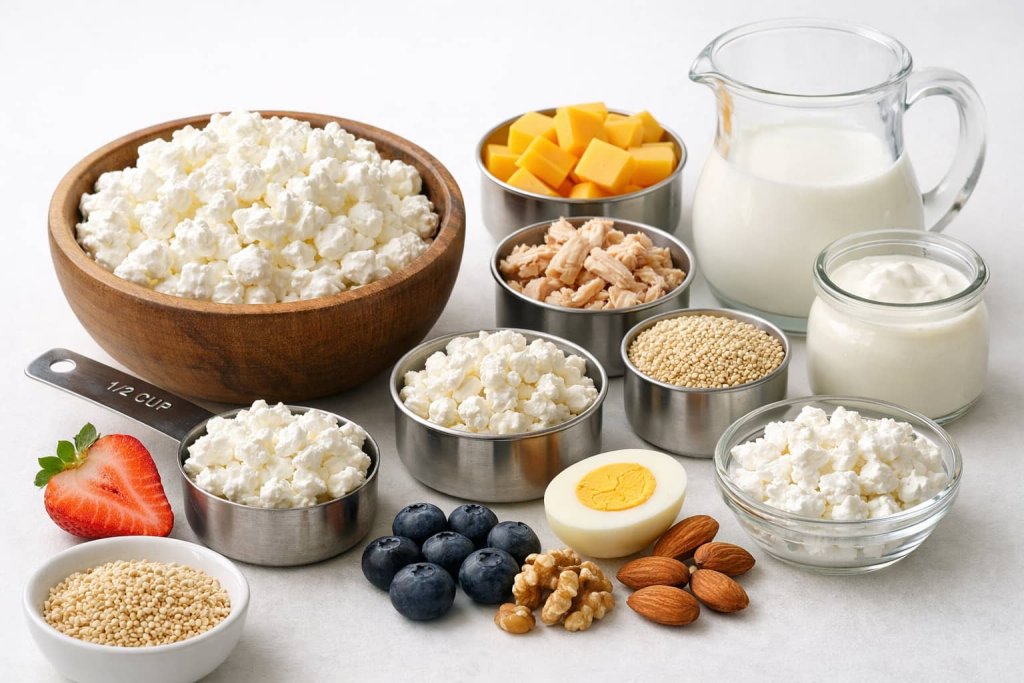
Protein Content and Why It Matters
Protein helps support fullness and balanced eating patterns. Cottage cheese is widely used as a convenient protein source because it’s typically protein-forward compared with many snack foods.
For example, a common reference entry for lowfat cottage cheese (2% milkfat) shows a meaningful amount of protein per typical serving size. According to the U.S. Department of Agriculture National Agricultural Library, “cheese, cottage, lowfat, 2% milkfat” provides notable protein in standard portions.
Practical takeaway: pairing cottage cheese with fiber-rich foods (like fruit, oats, beans, or vegetables) may help create a more satisfying snack or meal.
Calories, Carbs, and Fat by Type
Cottage cheese comes in multiple milkfat levels (nonfat, low-fat, reduced-fat, and full-fat). The biggest differences you’ll see on labels are usually:
- Calories
- Total fat and saturated fat
- Protein (often similar, but not always)
- Sodium (brand-dependent)
For most people, the “best” choice is the one that fits your overall eating pattern and preferences—especially if it helps you stick with consistent, balanced meals.
Calcium and Other Micronutrients
Dairy foods can contribute calcium and other essential micronutrients that support overall nutrition as part of a balanced eating pattern. Federal dietary guidance includes dairy as a recommended food group and generally emphasizes fat-free and low-fat dairy options to help meet nutrient needs while staying within saturated fat limits. According to DietaryGuidelines.gov, healthy dietary patterns for most people commonly include dairy foods, and MyPlate.gov reinforces choosing lower-fat dairy most often for everyday meals.
Potential Benefits of Cottage Cheese in a Balanced Diet
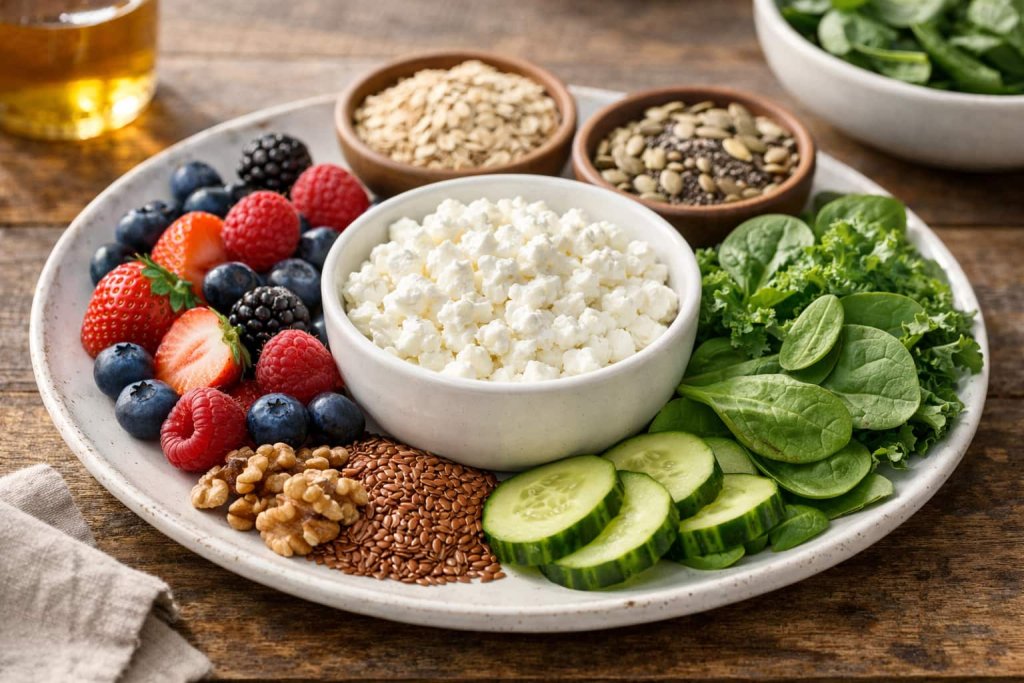
1. Supporting Fullness and Meal Balance
Cottage cheese may help with meal balance because it’s:
- High in protein
- Easy to pair with fiber and healthy fats (fruit + nuts, veggies + olive oil, whole grains + seeds)
A simple formula for a balanced snack:
- Cottage cheese (protein) + berries (fiber) + chia/flax (healthy fats)
2. Convenient High-Protein Snack Ideas
If you want quick, nutrition-forward options, cottage cheese works well with:
Sweet ideas:
- Cottage cheese + blueberries + cinnamon
- Cottage cheese + sliced banana + peanut butter (small amount)
- Cottage cheese + chopped apple + walnuts
Savory ideas:
- Cottage cheese + cucumber + tomatoes + black pepper
- Cottage cheese + avocado + lemon
- Cottage cheese + roasted peppers + herbs
How It Fits Into Healthy Eating Patterns
Cottage cheese can fit into a healthy dietary pattern as a dairy/protein component—especially when you:
- Choose plain varieties most often
- Watch sodium if that’s a goal for you
- Balance it with vegetables, fruits, legumes, and whole grains
According to DietaryGuidelines.gov, healthy patterns emphasize nutrient-dense choices and limiting added sugars, saturated fat, and sodium over time—so cottage cheese tends to work best when it’s part of a bigger, balanced plate (not the only food in the meal).
What to Watch Out For
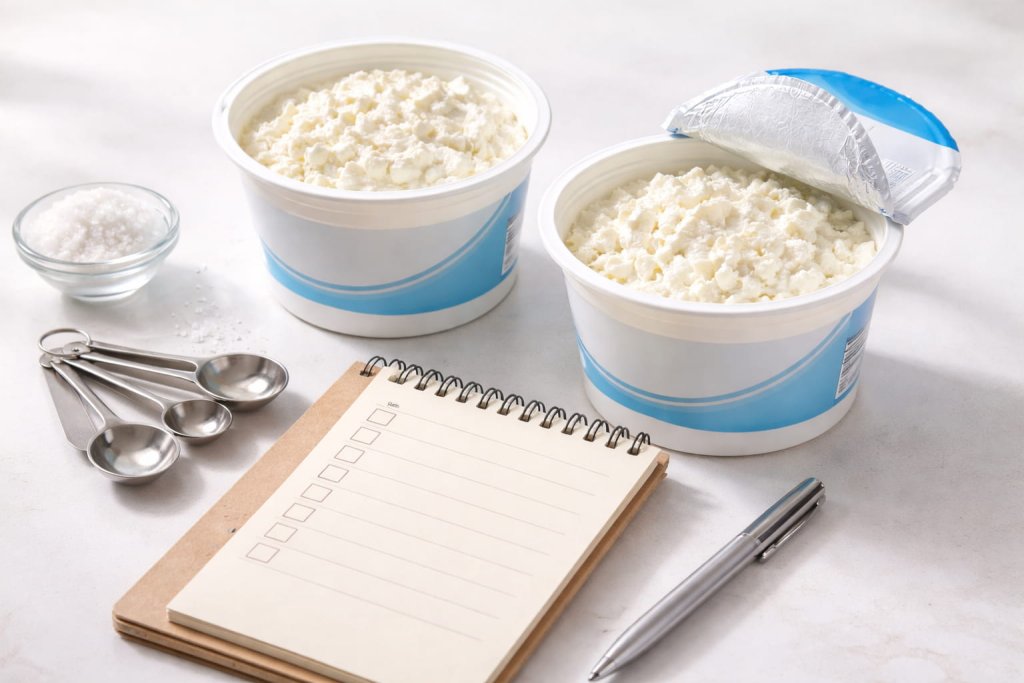
Sodium Levels and How to Compare Brands
Many cottage cheese products are salty, and sodium varies a lot by brand and style.
According to the U.S. Food and Drug Administration, the Daily Value (DV) for sodium is 2,300 mg per day. That makes %DV on labels a quick comparison tool.
How to compare:
- Pick 2–3 brands and look at sodium per serving
- Use %DV to spot higher-sodium options quickly
- Consider “lower sodium” or “no salt added” versions if available
Saturated Fat and Choosing the Right Milkfat Percentage
Full-fat cottage cheese is typically higher in saturated fat than low-fat or nonfat options. If you’re trying to keep saturated fat moderate, low-fat or nonfat cottage cheese may be easier to fit into your day—especially if you also eat other higher-fat animal foods.
Federal guidance recommends limiting saturated fat as part of an overall healthy eating pattern. According to DietaryGuidelines.gov, healthy patterns emphasize nutrient-dense foods while staying within limits for saturated fat, added sugars, and sodium over time. For a quick, practical summary, DietaryGuidelines.gov also explains why choosing unsaturated fats more often (and keeping saturated fat lower) can support long-term heart health as part of a balanced diet.
Added Sugars and Flavored Options
Some flavored cottage cheese cups include added sugars or sweeteners. If your goal is overall wellness and steady daily nutrition, plain cottage cheese is often the most flexible choice because you control what’s added (fruit, cinnamon, vanilla, etc.).
How to Choose the Best Cottage Cheese
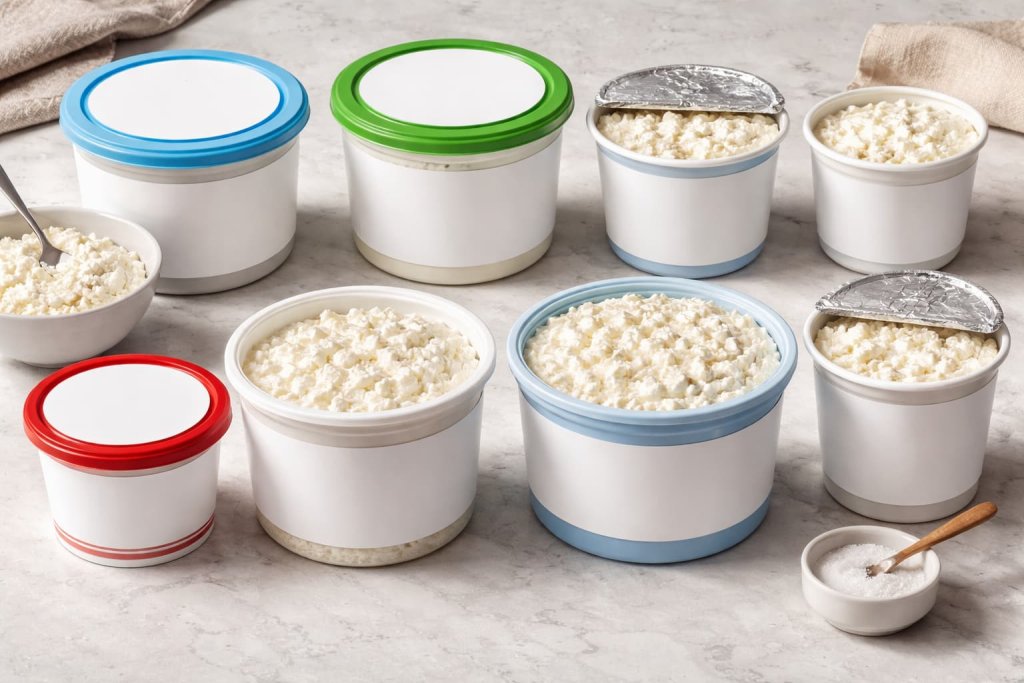
Reading the Nutrition Facts Label
Use the label to compare the “big three” that often matter most:
- Protein (higher can help with meal balance)
- Sodium (often the main downside)
- Saturated fat (depends on milkfat %)
A helpful shortcut: According to the U.S. Food and Drug Administration, 5% DV or less is considered low and 20% DV or more is considered high (per serving). This can help you spot high-sodium cottage cheese quickly.
Ingredients List: What to Prefer and What to Limit
Many plain cottage cheeses have short ingredient lists, often including:
- Milk
- Cultures
- Salt
- Stabilizers (varies)
What to look for depends on your preferences, but generally:
- Prefer plain if you want fewer extras
- Be cautious with dessert-style flavors if you’re limiting added sugars
Low-Sodium and Lactose-Free Options
If sodium is a concern:
- Look for products labeled lower sodium (availability varies)
- Compare sodium per serving across brands
If lactose is a concern:
- Some people tolerate certain dairy foods better than others, and lactose-free products can be useful. According to the National Institute of Diabetes and Digestive and Kidney Diseases, tolerance varies, and some people find certain dairy options easier to manage than others.
Food Safety and Storage
Refrigeration, Use-By Dates, and Safe Handling
Cottage cheese is perishable, so storage matters:
- Keep it refrigerated promptly after purchase
- Follow the “use-by” date and safe handling tips
- Don’t leave it at room temperature for long periods
For general dairy storage guidance, the USDA AskUSDA provides practical recommendations on refrigerator storage timeframes.
Pasteurized Dairy Guidance and Listeria Awareness
Most store-bought cottage cheese is made with pasteurized milk, which reduces risk compared with raw milk products. Still, food safety guidance is especially important for people at higher risk.
According to the Centers for Disease Control and Prevention, cheeses made with unpasteurized milk are more likely to contain Listeria and other germs. The Centers for Disease Control and Prevention also lists safer food choices during pregnancy and highlights caution with certain soft cheeses.
Cottage Cheese for Common Dietary Preferences
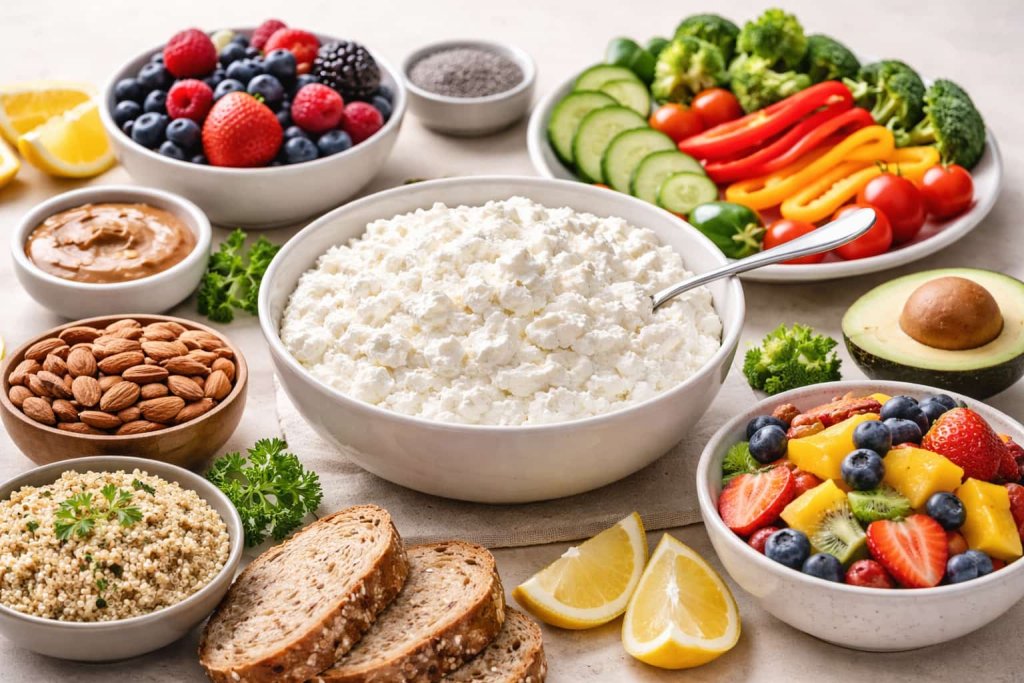
Higher-Protein Needs and Active Lifestyles
If you’re active or simply trying to build more balanced meals, cottage cheese can be an efficient protein add-on:
- Add to breakfast bowls
- Use as a dip base with herbs and spices
- Pair with whole grains (toast, oats) and fruit/veg
Lower-Sodium Goals
If you’re watching sodium:
- Compare labels and aim for a lower-sodium option
- Keep portions realistic and balance your day with lower-sodium foods elsewhere
Using %DV is one of the easiest ways to stay aware. According to the U.S. Food and Drug Administration, sodium DV is 2,300 mg/day, and the label is designed to help you compare foods quickly.
Lactose Intolerance Considerations
Some people with lactose intolerance can tolerate certain dairy foods better than others, especially in smaller portions or with meals. According to the National Institute of Diabetes and Digestive and Kidney Diseases, dietary approaches and tolerance vary by person.
If cottage cheese doesn’t sit well, lactose-free options or smaller portions may be worth considering.
Practical Ways to Eat Cottage Cheese
Simple Sweet Options
- Cottage cheese + berries + cinnamon
- Cottage cheese + pineapple + chopped nuts
- Cottage cheese blended into a smoothie for a creamier texture
Simple Savory Options
- Cottage cheese + tomatoes + olive oil + pepper
- Cottage cheese + everything-bagel style seasoning (if sodium allows)
- Cottage cheese + chopped cucumber + dill
Easy Meal Pairings for Balanced Macros
If you want a balanced plate, pair cottage cheese with:
- Whole grains: whole-wheat toast, oats, brown rice
- Fruits/vegetables: berries, apples, leafy greens, tomatoes
- Healthy fats: nuts, seeds, avocado, olive oil
This helps avoid the common issue of making cottage cheese the “only” item in a snack, which can feel incomplete for some people.
Frequently Asked Questions
Is cottage cheese good for you every day
It can be, if it fits your overall diet and doesn’t push sodium or saturated fat too high. Compare labels and keep portions consistent with your goals.
Is cottage cheese better than yogurt
They can both be nutritious. The better choice depends on your needs (protein, sodium, probiotics, added sugar, and personal tolerance). Comparing labels is the most practical approach.
Is cottage cheese high in sodium
Many brands are. Use the Nutrition Facts label and compare %DV for sodium. According to the U.S. Food and Drug Administration, the sodium DV is 2,300 mg/day.
Is cottage cheese good for weight loss
Cottage cheese may support balanced eating because it’s typically high in protein and can help with fullness, but weight changes depend on your overall eating pattern, portions, and lifestyle—not one food.
Is cottage cheese good for breakfast
Yes, especially paired with fiber-rich foods like fruit and whole grains. It’s an easy way to add protein early in the day.
What type of cottage cheese is healthiest
For many people, plain low-fat or nonfat is easiest to fit into a balanced diet. If sodium is a concern, prioritize a lower-sodium option when available and compare brands.
Key Takeaway and Next Steps
Cottage cheese can be a smart wellness food because it’s typically high in protein and nutrient-dense, but the “best” choice depends on sodium, saturated fat, and added ingredients. If you want the most reliable results, choose plain varieties, compare labels side-by-side, and pair cottage cheese with fiber-rich foods for a more balanced meal.
This content is for informational purposes only and not medical advice.