
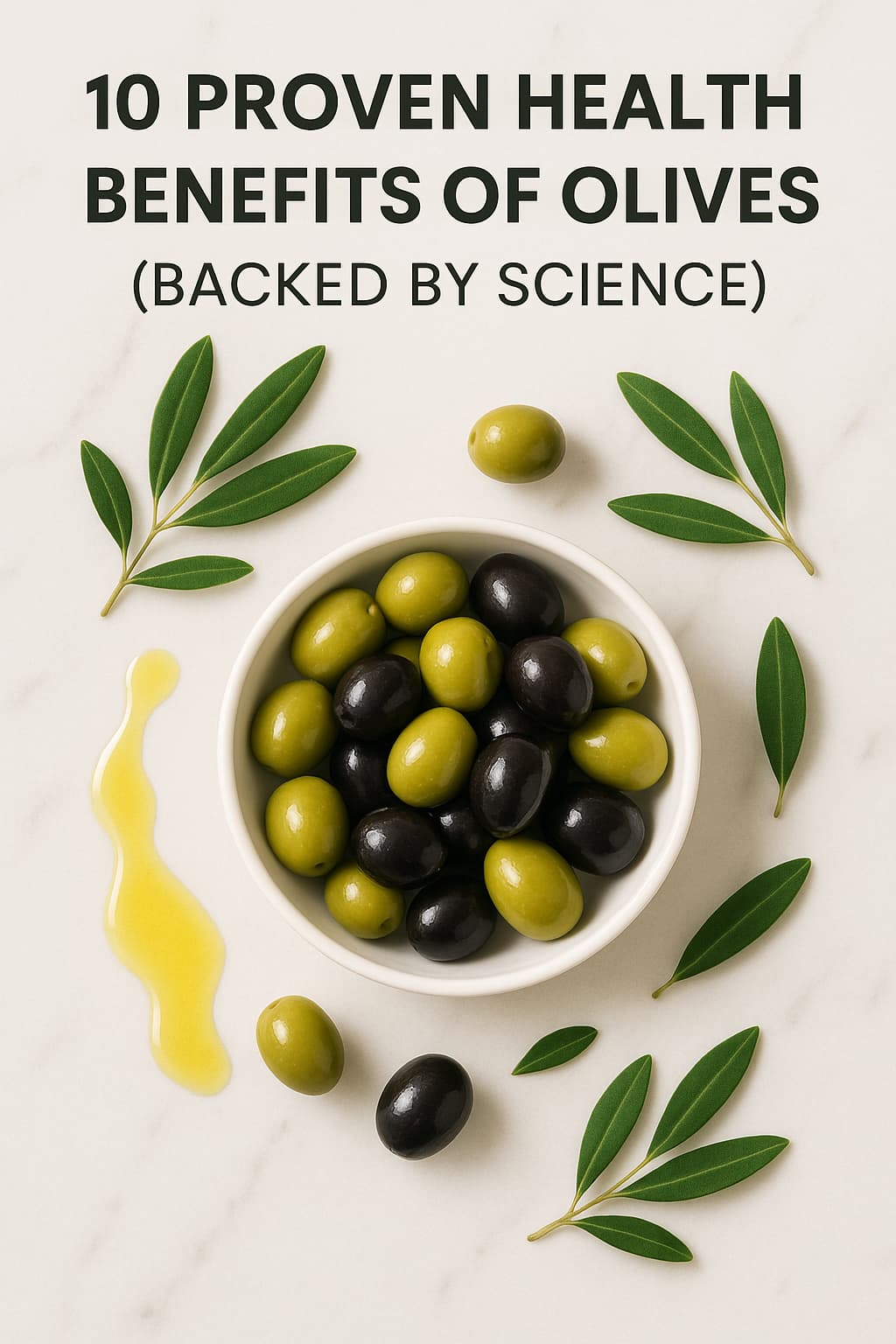
The health benefits of olives are clear: olives may support cardiovascular, metabolic, and overall wellness. Since they are rich in healthy fats, antioxidants and other bioactive compounds, incorporating them sensibly can be a useful part of a balanced diet. Understanding how olives deliver these benefits, how to use them, and possible precautions is important—especially when you aim for evidence-based wellness. This article covers key nutrition facts, the main wellness advantages of olives, how to eat them for best results, and precautions.
Nutritional Profile of Olives
Olives are nutrient-dense fruits rich in healthy fats, antioxidants, and essential minerals that may support multiple aspects of wellness — from cardiovascular to metabolic health.
According to the USDA FoodData Central, a 100-gram serving of ripe, canned black olives provides the following nutrition profile:
| Nutrient (per 100 g) | Amount | Key Health Role |
|---|---|---|
| Calories | ~115 kcal | Provides moderate energy; mostly from monounsaturated fat |
| Total Fat | 10.9 g | Supports nutrient absorption and hormone balance |
| Monounsaturated Fat (MUFA) | 7.7 g | Linked to heart-health benefits and reduced LDL cholesterol (Cleveland Clinic) |
| Polyunsaturated Fat (PUFA) | 0.9 g | Supplies essential fatty acids for brain and nerve function |
| Saturated Fat | 2.0 g | Keep within limits; part of total fat balance |
| Carbohydrates | 6.3 g | Provides small amount of quick energy |
| Dietary Fiber | 1.6 g | Supports digestive regularity and gut microbiome health |
| Protein | 0.8 g | Minor contribution to daily protein intake |
| Vitamin E (α-tocopherol) | 1.6 mg (11% DV) | Potent antioxidant that supports immune and skin health (NIH ODS – Vitamin E) |
| Iron | 3.3 mg (18% DV) | Helps transport oxygen in blood; prevents fatigue |
| Calcium | 88 mg (7% DV) | Important for bone strength and muscle contraction |
| Copper | 0.25 mg (28% DV) | Supports red-blood-cell formation and antioxidant defense |
| Sodium (varies by curing) | 700–1550 mg | Preserves olives but can raise blood pressure if excessive |
| Water Content | 80 % + | Maintains texture and aids hydration balance |
How These Nutrients Support Health
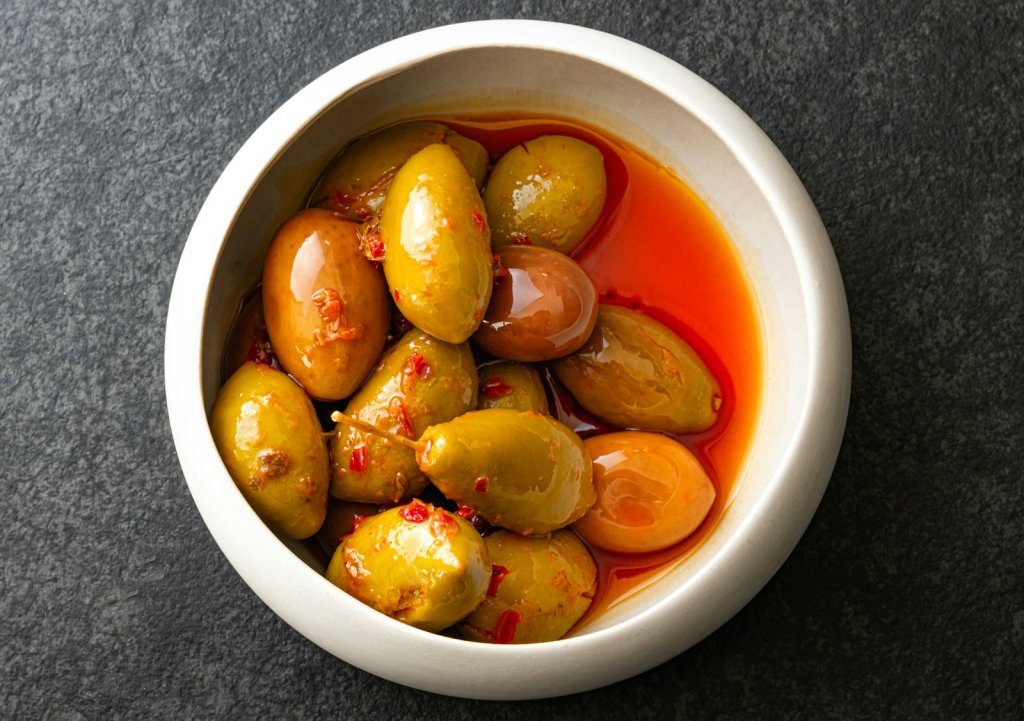
Olives are rich in monounsaturated fats, mainly oleic acid, which may help lower LDL (“bad”) cholesterol and raise HDL (“good”) cholesterol — key to cardiovascular wellness. The PREDIMED Study (NEJM, 2018) found that a Mediterranean diet enriched with olive oil reduced heart attack and stroke risk.
Brain and Nerve Function: Oleic acid and copper help maintain brain-cell health and support neurotransmitter activity.
Skin and Cellular Protection: Vitamin E and olive polyphenols act as antioxidants that protect skin cells from oxidative stress and support elasticity.
Metabolic Balance and Energy: Healthy fats, iron, and fiber promote steady energy, satiety, and balanced blood-sugar response.
Bone and Immune Health: Calcium and copper strengthen bones, while vitamin E and iron aid immune defense and oxygen transport.
10 Proven Health Benefits of Olives — Backed by Science
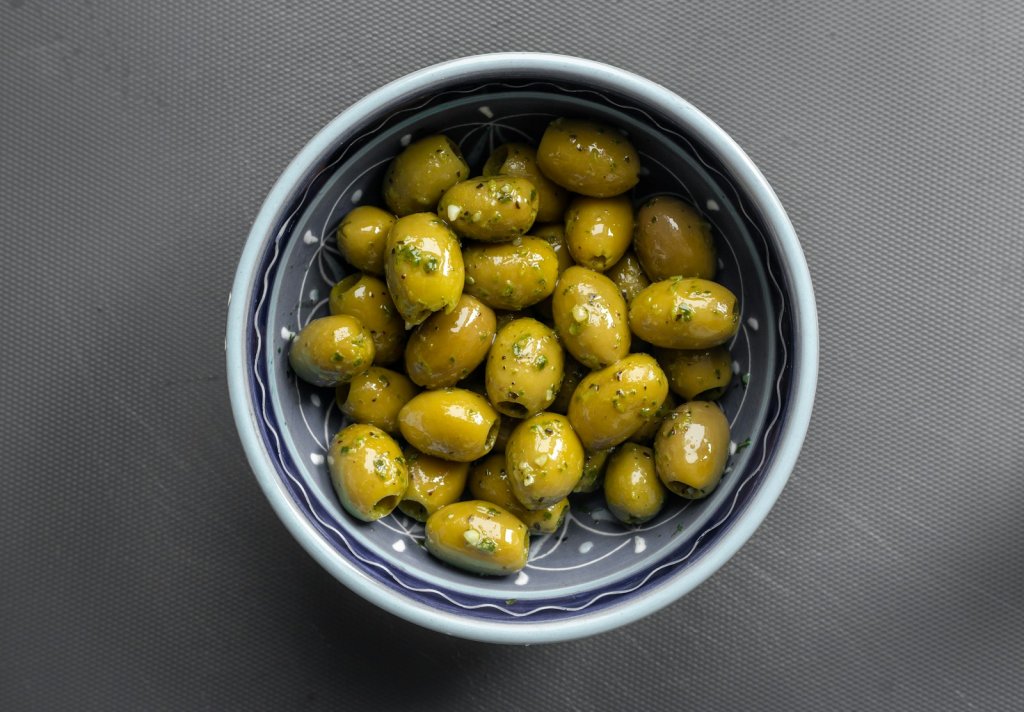
The interesting thing about olives is that, while they’re small, they pack a surprising mix of heart-healthy fats, antioxidants and plant-based nutrients that support overall wellness rather than just one area of health. The list below highlights how olives may help your body in multiple ways, based on current research — always keeping in mind they are part of a broader healthy lifestyle, not a standalone “fix.”
1. Supports heart health
Olives are rich in monounsaturated fats (particularly oleic acid) and plant polyphenols, which may help lower “bad” LDL cholesterol and raise “good” HDL cholesterol, as well as support normal blood-pressure levels. Cleveland Clinic+2PMC+2
In one comprehensive review, regular consumption of table olives was associated with improvements in cardiovascular risk factors (e.g., lipid profiles, blood pressure). PMC+1
2. Rich in antioxidants and anti-inflammatory compounds
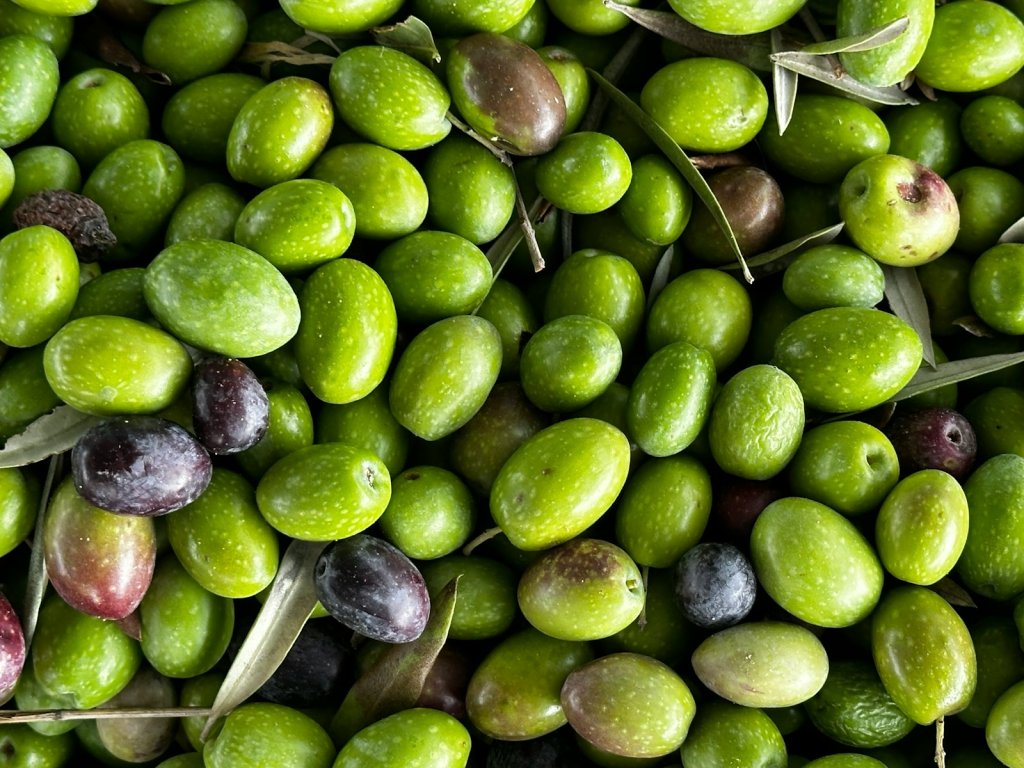
The polyphenols and vitamin E found in olives help protect cells from oxidative damage and may modulate inflammation in the body. PMC+2MDPI+2
These mechanisms are likely foundational to several of the other wellness benefits attributed to olives, such as metabolic and brain health.
3. May support healthy blood sugar regulation
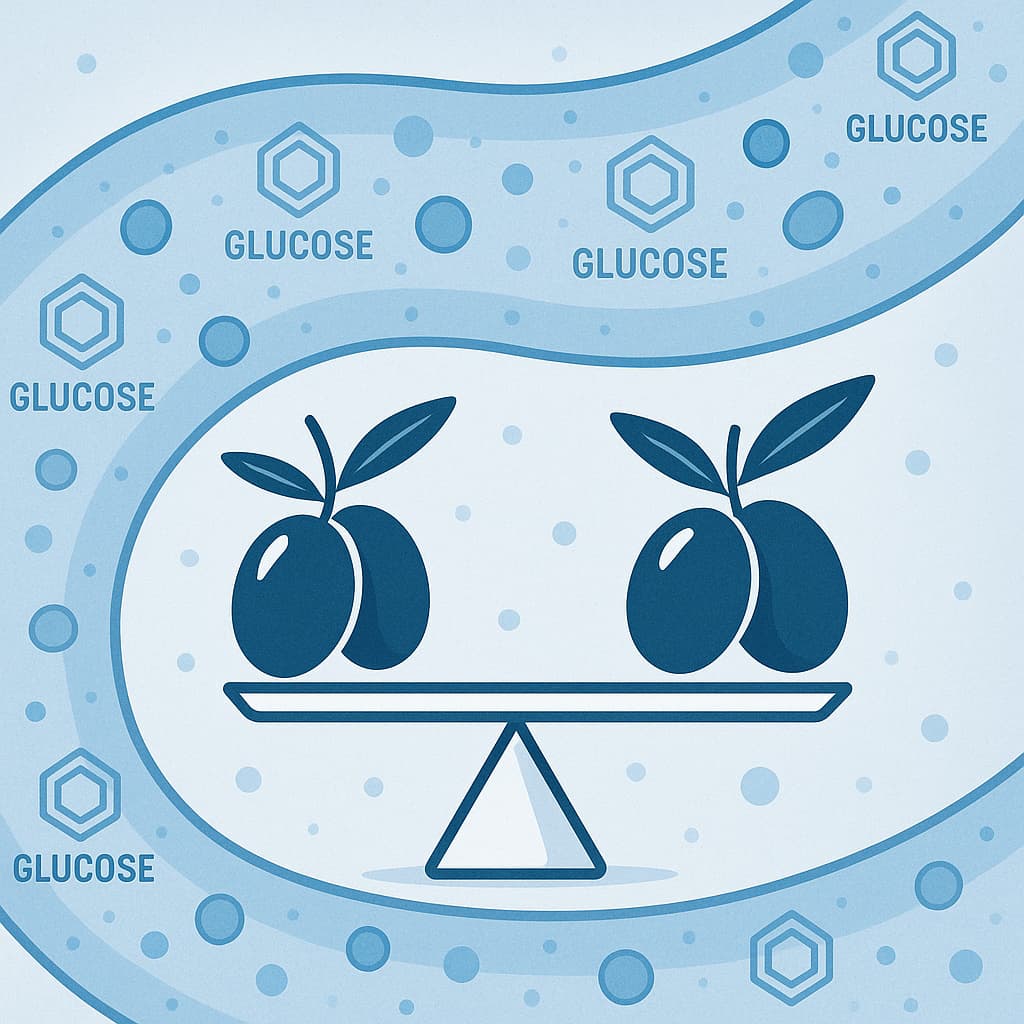
Observational studies and nutritional reviews suggest that diets rich in monounsaturated fats — like those provided by olives — are linked to better insulin sensitivity and a lower risk of type 2 diabetes. Cleveland Clinic+1
While direct human trials on olives themselves are fewer, the evidence from related dietary patterns gives reason to include them as part of a balanced approach.
4. Contributes to gut and digestive wellness
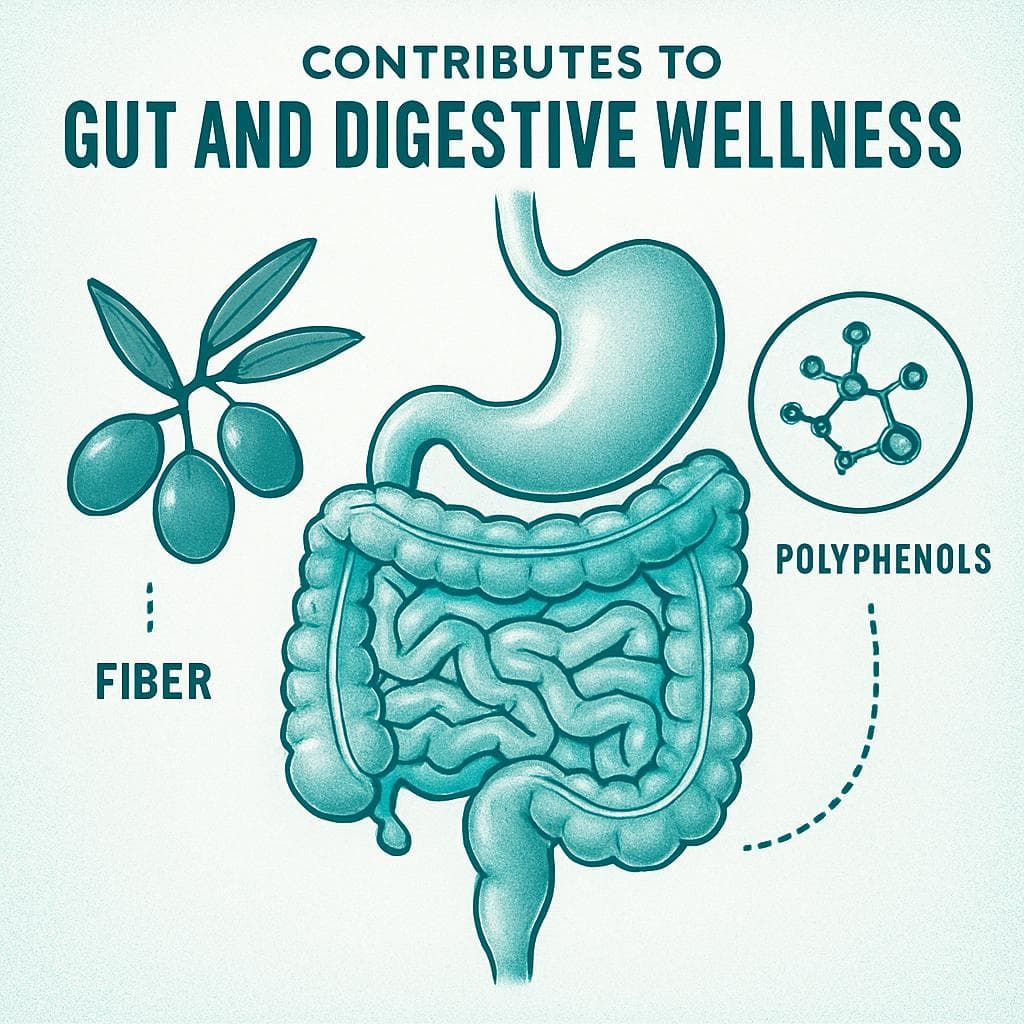
Although direct research on olives and gut microbiota is still limited, olives supply modest dietary fiber and plant compounds that support digestive health. A recent trial of olive-polyphenols (50 mg/day) found reductions in LDL cholesterol and lipid peroxidation, hinting at systemic benefits that may include gut wellness. PMC+1
Including olives in your diet may thus align with other foods that promote a healthy microbiome.
5. May support bone health
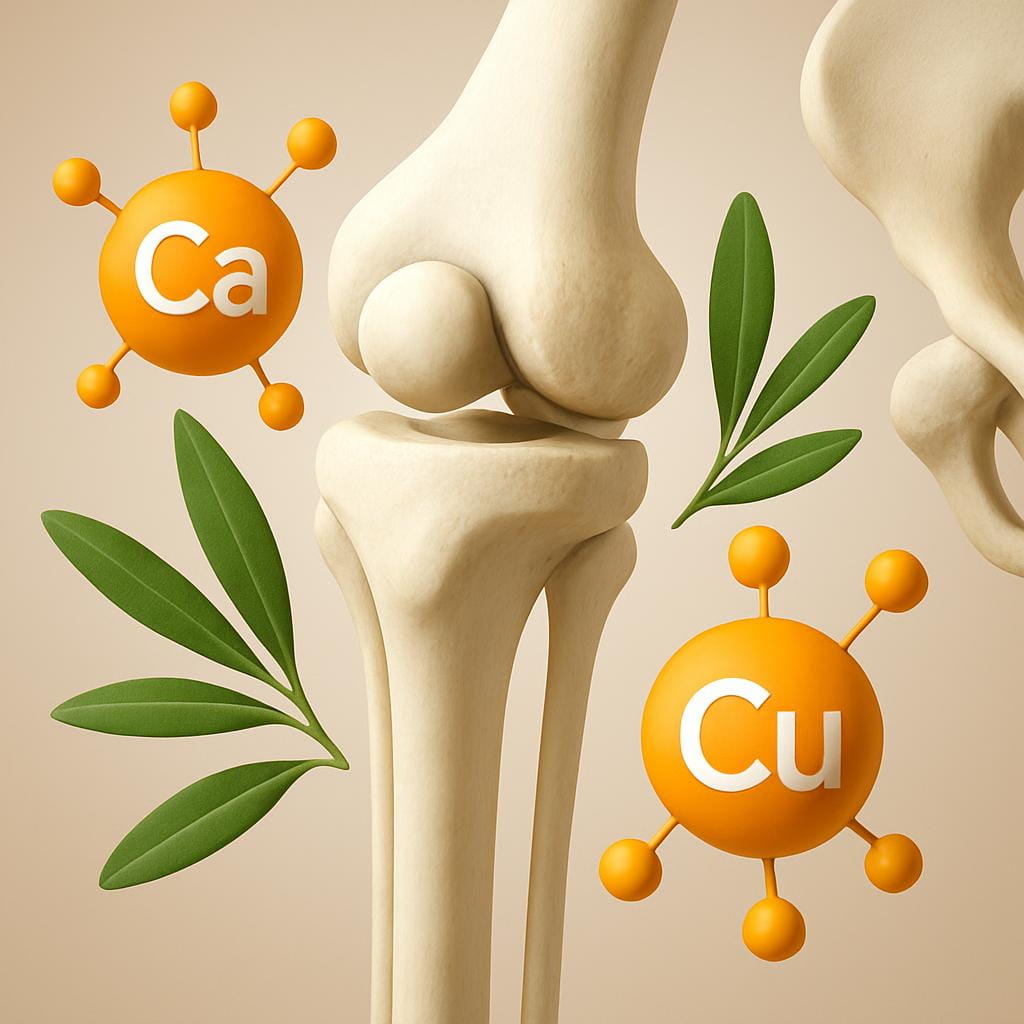
Preliminary studies indicate that phenolic compounds in olives might help maintain bone-forming activity and slow bone loss, although high-quality human trials remain limited. WebMD
Given the importance of a nutrient-rich diet for bone health, olives offer one more small piece of a broader strategy.
6. Helps with satiety and weight-management support
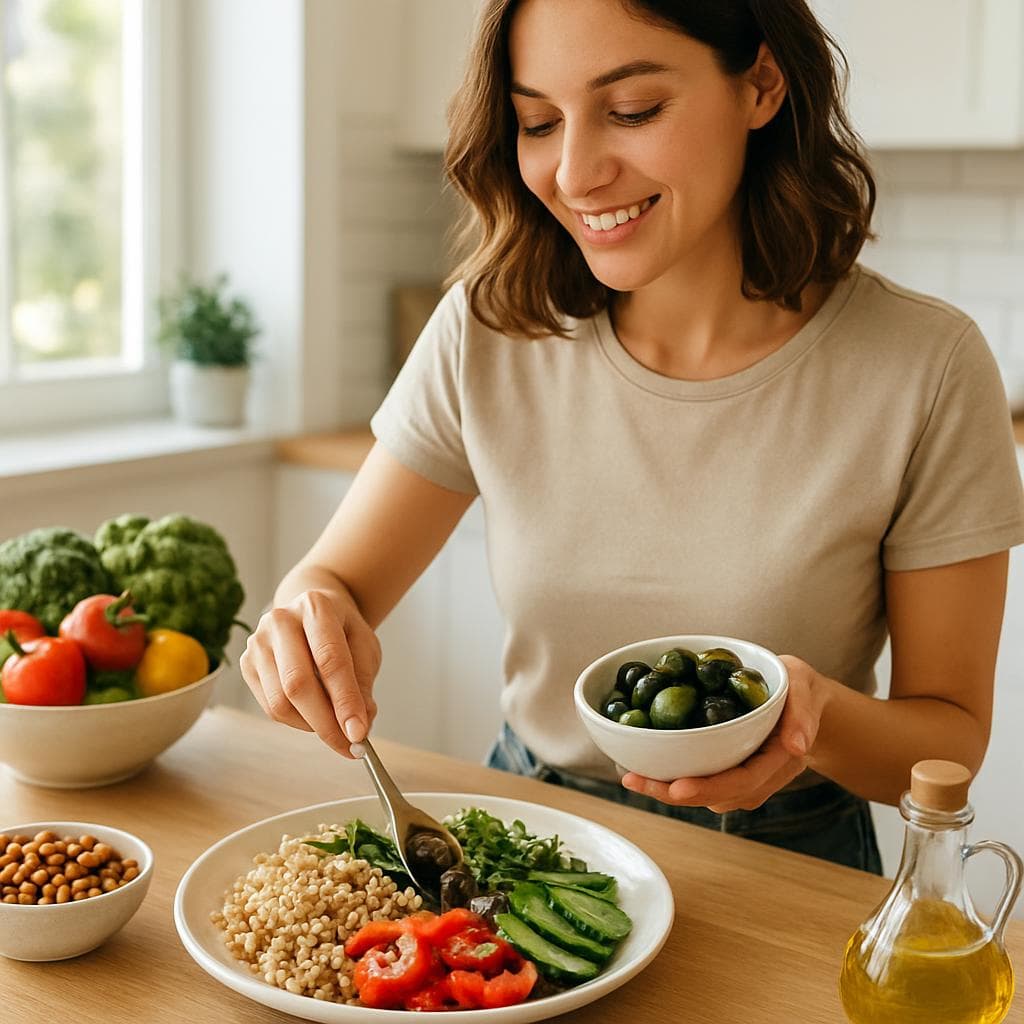
Because olives contain healthy fats, are relatively low in carbohydrates, and provide fiber, they may help you feel full longer — which supports mindful eating and potential calorie-control efforts. Cleveland Clinic
Integrating olives as a flavorful snack or part of a meal can help bolster satisfaction without excess sugars or ultra-processed foods.
7. Promotes skin and immune health via vitamin E and other micronutrients

Olives are rich in vitamin E, an antioxidant nutrient that supports skin-cell integrity and immune-system function. Cleveland Clinic+1
While olives alone won’t “repair” skin or immune health, they complement other nutrient-dense habits that support these systems.
8. May support brain health and cognitive function

Emerging research suggests components in olives (such as oleic acid and polyphenols) are being studied for their potential to support brain health and reduce risk of cognitive decline. Cleveland Clinic
Though more human data is needed, olives fit well into brain-healthy dietary patterns (e.g., Mediterranean-style eating).
9. Supports the body’s antioxidant defense system
Through their content of polyphenols and vitamin E, olives assist the body’s natural antioxidant and anti-inflammatory systems — helping protect against oxidative stress, which is implicated in aging and many chronic diseases. MDPI+1
10. Fits well into healthy eating patterns
Because olives are plant-based, nutrient-dense, and versatile, they integrate easily into balanced diets (such as Mediterranean-style or plant-forward patterns). Such eating patterns are linked with lower risk of cardiovascular disease, certain cancers, and metabolic conditions. Cleveland Clinic+1
In other words, olives enhance overall dietary quality rather than acting as a magic bullet.
How to Eat Olives for Best Results
Eating olives the right way maximizes their nutritional and antioxidant potential. The ideal portion is about 4 to 10 olives per day (roughly 30–50 grams), depending on size and sodium content.
Best time to eat:
The best time to eat olives is with meals that include vegetables or whole grains, as their healthy fats enhance nutrient absorption. According to the Harvard T.H. Chan School of Public Health, dietary fat plays a vital role in helping the body absorb fat-soluble vitamins such as A, D, E, and K.
Including olives alongside fiber-rich foods — like salads, legumes, or whole-grain dishes — may help improve the absorption of these essential vitamins and promote balanced digestion. This meal-timing approach aligns with Mediterranean-style eating patterns, which are consistently linked to improved heart and metabolic health.
- Pairings: Combine olives with salads, hummus, lentils, fish, or whole-grain pasta for balanced nutrition and better satiety.
- Green vs. black olives: Green olives are picked unripe and tend to be firmer and slightly higher in sodium; black olives are riper, milder, and slightly richer in iron. Both deliver similar health benefits.
- Reduce excess salt: Rinse brined or canned olives under running water to remove some surface sodium before eating.
- Storage tip: Keep opened jars in the refrigerator, submerged in brine or olive oil, to maintain freshness and prevent spoilage.
Incorporating olives into a Mediterranean-style pattern emphasizes balance — nutrient-dense plant foods, lean proteins, and healthy fats that together support heart and metabolic wellness (Cleveland Clinic).
Possible Side Effects and Precautions (Safety & Compliance)
Olives are considered safe for most healthy individuals when consumed in moderation. However, to ensure they remain part of a safe, balanced, and heart-friendly diet, it’s important to be mindful of sodium content, portion size, and product quality. The following precautions reflect the most up-to-date guidance from authoritative health and safety organizations including the U.S. Food and Drug Administration (FDA) and Cleveland Clinic.
1. Sodium Sensitivity
Many brined or canned olives contain 700–1,500 mg of sodium per 100 g, which can raise blood pressure in sodium-sensitive individuals.
According to the U.S. Food and Drug Administration (FDA), adults should limit daily sodium intake to less than 2,300 mg to support cardiovascular and kidney health.
Safety tip:
- Rinse olives under running water before eating to remove surface salt.
- Choose “low-sodium” or “water-packed” varieties when possible.
These steps may help reduce overall sodium intake while keeping olives as part of a heart-healthy diet.
2. Portion Moderation
Although olives provide healthy fats, they are calorie-dense — about 115 kcal per 100 g.
Excessive intake without adjusting other dietary fats may lead to weight gain or caloric imbalance. For optimal balance, enjoy 4–10 olives per day (30–50 g) within a meal containing vegetables, lean protein, and whole grains.
3. Allergies or Additives
Some commercial olives are processed with preservatives (such as ferrous gluconate or sulfites) or artificial flavorings. Sensitive individuals may experience mild allergic reactions or digestive discomfort.
To reduce risk:
- Choose additive-free or organic olives.
- Always read ingredient labels carefully before purchase.
4. Medication Interactions
People taking antihypertensive or diuretic medications should monitor sodium intake carefully, as excessive sodium may counteract blood pressure-lowering effects.
If you’re managing hypertension, kidney disease, or fluid retention, consult a registered dietitian or healthcare provider to determine appropriate olive intake.
5. Pregnancy and Breastfeeding
Culinary portions of olives are generally safe during pregnancy and breastfeeding, offering valuable nutrients such as monounsaturated fats and vitamin E, which support maternal heart health and fetal development. However, like all ready-to-eat foods, olives must be handled safely to prevent food-borne illness.
According to the U.S. Food and Drug Administration (FDA), pregnant women are at a higher risk of infection from Listeria monocytogenes, a bacterium that can grow in refrigerated foods like unpasteurized or improperly stored olives. Listeriosis can cause serious complications during pregnancy, making proper storage essential.
Safe handling tips:
- Always refrigerate opened jars or containers of olives at or below 40 °F (4 °C) to prevent bacterial growth (FDA Guidance on Preventing Listeria).
- Discard olives that appear discolored, slimy, or have an off odor.
- Avoid unpasteurized or bulk-bin olives that lack labeling or refrigeration, as they may carry contamination risks.
When properly stored and consumed in moderate portions, olives can be a nutrient-dense addition to a prenatal or lactation diet, supporting healthy fats and antioxidant intake while maintaining food safety — consistent with FDA pregnancy nutrition and YMYL content guidelines.
6. Balanced Consumption for Wellness
The Cleveland Clinic emphasizes that olives can be a healthy addition to the diet when consumed in modest portions and balanced with other nutrient-dense foods.
Maintaining moderation helps prevent sodium excess and ensures that the fats from olives contribute positively to heart and metabolic health.
Recommended Intake, Storage & Sustainability Tips
- Daily intake: A small handful (4–10 olives ≈ 1 oz / 30–50 g) fits well within most balanced eating plans.
- Safe storage:
- Unopened: store in a cool, dark pantry away from heat.
- Opened: refrigerate at ≤ 40 °F (4 °C) and consume within 10–14 days.
- Always keep olives covered in brine or olive oil to prevent spoilage.
(USDA Food Safety and Inspection Service).
- Handling: Use clean utensils to avoid cross-contamination and discard any olives that smell sour or appear slimy.
- Sustainability note: Choose fair-trade or eco-certified olive producers to support environmentally responsible farming and water conservation. Look for packaging labeled “sustainably sourced” or “EU organic certified.”
Responsible consumption and storage preserve both flavor and nutritional integrity, reinforcing food-safety and environmental trust.
Frequently Asked Questions (FAQ)
Q1. Are green olives healthier than black olives?
Both varieties provide similar nutrients. Green olives are harvested earlier and slightly higher in sodium; black olives are riper and slightly higher in iron.
Q2. Can I eat olives on a low-carb or keto diet?
Yes. With fewer than 2 g net carbs per 30 g serving, olives fit well into low-carb and ketogenic plans (Cleveland Clinic).
Q3. Do olives help lower cholesterol?
Olives may support healthier cholesterol levels due to their monounsaturated fats and antioxidants, but they are not a replacement for medical treatment or prescribed dietary plans (PubMed Review).
Q4. How many olives are safe per day?
Most adults can enjoy 4–10 olives daily without exceeding sodium limits, provided overall dietary salt intake remains controlled (FDA Guidance).
Q5. Are canned or jarred olives still healthy?
Yes, they retain most nutrients but can be high in sodium. Rinse them and choose low-sodium labels when available (USDA FoodData Central).
Q6. Can children eat olives?
Yes, in small, age-appropriate pieces to avoid choking. Always check for allergies and avoid excess salt.
Q7. Are olives safe during pregnancy?
Culinary portions of olives are generally safe during pregnancy. Choose pasteurized, well-sealed olives and avoid unrefrigerated bulk bins to prevent Listeria risk. The U.S. FDA advises refrigerating opened jars at ≤40 °F (4 °C) and discarding spoiled or discolored olives for optimal food safety and maternal wellness.
Conclusion
Olives are a nutrient-dense, plant-based food that may support heart, brain, skin, and metabolic health when consumed in moderation as part of a balanced, Mediterranean-style diet. Their monounsaturated fats and antioxidants contribute to cardiovascular resilience, while vitamin E and minerals provide additional cellular and immune support.
To enjoy their benefits safely, pay attention to serving size, sodium intake, and proper storage. Choosing sustainably produced olives further aligns with eco-friendly nutrition values.
This content is for informational purposes only and not medical advice.