

Okra is rich in fiber, antioxidants, and essential nutrients that may support heart health, blood sugar balance, and digestion.
Known as “lady’s finger,” okra (Abelmoschus esculentus) is a popular vegetable in many cuisines and a valuable addition to a balanced diet. Understanding the health benefits of okra can help you make better nutrition choices—especially for metabolic, digestive, and cardiovascular wellness.
This guide explores the science-backed health benefits of okra, its nutritional profile, possible side effects, and smart ways to include it in your meals.
What Makes Okra So Healthy? (Nutritional Profile)
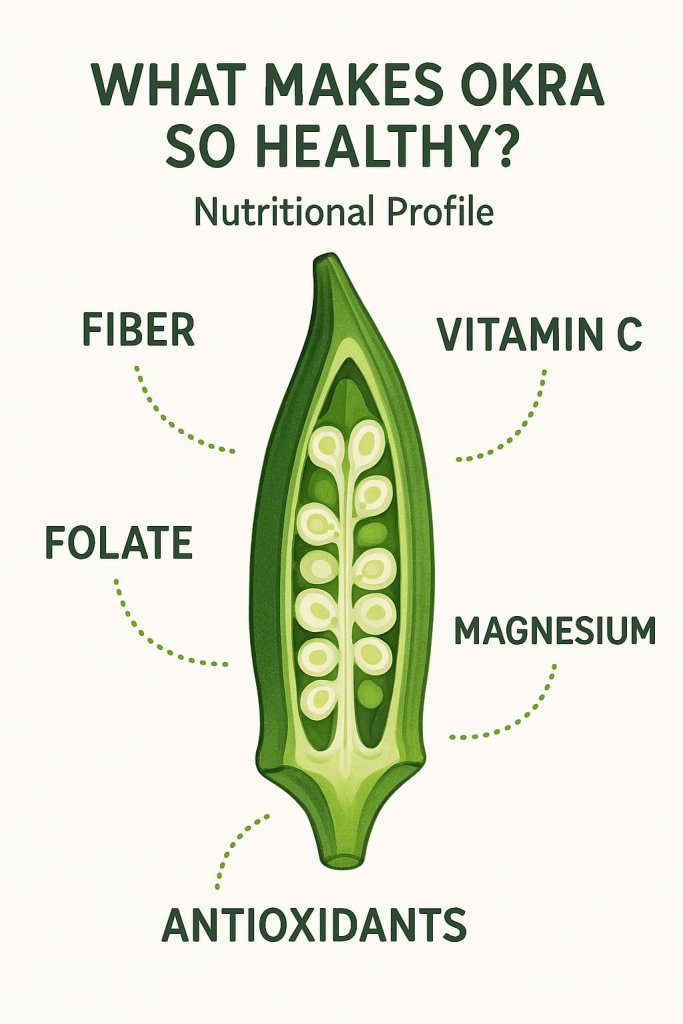
Okra, also known as lady’s finger, is a low-calorie, nutrient-dense vegetable that fits perfectly into a wellness-focused diet. It provides an excellent mix of fiber, antioxidants, and essential vitamins and minerals that support digestion, heart health, immune defense, and metabolic balance.
According to the U.S. Department of Agriculture (USDA) FoodData Central, 100 grams (about 1 cup) of raw okra contains the following key nutrients:
| Nutrient (per 100 g raw okra) | Amount | % Daily Value (Approx.) |
|---|---|---|
| Calories | 33 kcal | — |
| Carbohydrates | 7.5 g | 3% |
| Dietary Fiber | 3.2 g | 12% |
| Protein | 2.0 g | 4% |
| Total Fat | 0.2 g | <1% |
| Vitamin C | 23 mg | 26% |
| Vitamin K | 31.3 µg | 26% |
| Folate (Vitamin B9) | 60 µg | 15% |
| Magnesium | 57 mg | 14% |
| Potassium | 299 mg | 6% |
| Calcium | 82 mg | 6% |
| Antioxidants | Polyphenols, flavonoids, quercetin | — |
(Source: USDA FoodData Central, 2025)
These nutrients make okra a functional food that supports multiple aspects of health:
- Fiber promotes digestive health and balanced blood sugar.
- Vitamin C and polyphenols provide antioxidant protection.
- Magnesium and potassium contribute to heart and muscle function.
- Vitamin K and folate support bone and reproductive health.
10 Proven Health Benefits of Okra (Backed by Science)
Okra is more than just a flavorful green vegetable — it’s a nutrient powerhouse rich in fiber, vitamins, and plant compounds that may support overall wellness.
Modern research highlights okra’s potential role in promoting heart health, stabilizing blood sugar, improving digestion, and strengthening the immune system.
1. May Help Regulate Blood Sugar Levels

Okra contains soluble fiber and natural polysaccharides that slow down carbohydrate absorption in the intestines, which may help stabilize blood sugar levels after meals. The viscous mucilage in okra acts as a natural thickener in the digestive tract, delaying glucose uptake and improving insulin sensitivity.
A 2024 meta-analysis published in Frontiers in Nutrition found that okra supplementation significantly reduced fasting blood glucose in adults with type 2 diabetes. Researchers noted improved glycemic control when okra was added as part of a balanced diet and lifestyle.
2. Supports Heart Health

The fiber, antioxidants, and magnesium in okra play a crucial role in supporting cardiovascular function. Soluble fiber binds to cholesterol in the digestive tract, which may help reduce LDL (“bad”) cholesterol and promote a healthier lipid profile.
Antioxidants such as polyphenols and flavonoids also help protect blood vessels from oxidative stress, a major contributor to atherosclerosis. According to the American Heart Association, a diet rich in fiber supports healthy blood pressure and reduces long-term risk of heart disease.
3. Promotes Digestive Health

Okra’s mucilage and fiber content make it beneficial for digestive regularity. The soluble fiber absorbs water, forming a gel-like consistency that helps soften stool and promote bowel movement regularity. Meanwhile, the mucilage coats the intestinal lining, offering a soothing effect that may ease minor digestive discomfort.
Fiber in okra also acts as a prebiotic, nourishing beneficial gut bacteria. The Harvard T.H. Chan School of Public Health emphasizes that dietary fiber supports a diverse gut microbiome — key for digestion, immunity, and nutrient absorption.
4. Rich in Antioxidants

Okra is rich in polyphenols, flavonoids, and quercetin, which help neutralize free radicals — unstable molecules that contribute to oxidative stress and inflammation.
These antioxidant compounds may support healthy aging, brain function, and immune balance.
A 2023 review in Food Chemistry reported that okra’s phenolic compounds show strong antioxidant capacity, potentially reducing oxidative cell damage and promoting long-term metabolic health. Regular consumption of antioxidant-rich vegetables like okra supports the body’s defense against chronic disease.
5. May Support Weight Management

Okra is low in calories (≈ 33 kcal per 100 g) and high in fiber and water, making it ideal for weight-conscious diets. The fiber helps promote fullness, reduce appetite, and stabilize energy levels throughout the day.
Additionally, its high hydration content supports digestion and helps maintain optimal nutrient absorption. When combined with other whole foods, okra may support healthy body composition and balanced metabolism.
6. Contributes to Strong Bones
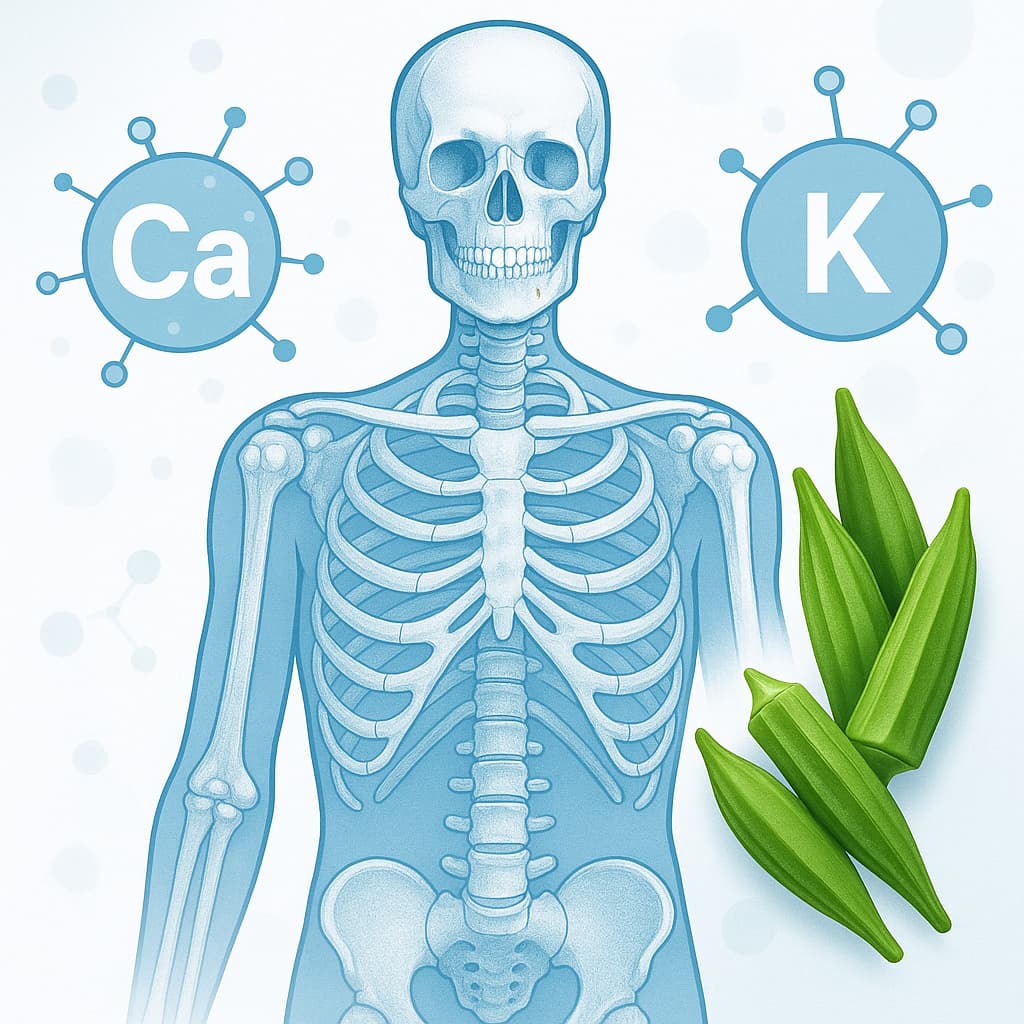
Micronutrients like vitamin K, magnesium, and folate in okra are essential for maintaining strong bones. Vitamin K helps activate osteocalcin, a protein required for bone mineralization, while magnesium supports calcium absorption and skeletal structure.
The National Institutes of Health – Office of Dietary Supplements notes that adequate vitamin K intake helps reduce the risk of bone fractures and supports long-term skeletal health. Adding okra to your diet may contribute to improved bone density, especially when paired with calcium-rich foods.
7. Supports Immune Function

Okra is packed with vitamin C and plant antioxidants, both of which help strengthen the body’s immune defenses. Vitamin C enhances the activity of white blood cells and helps improve iron absorption from plant foods — two key factors for immune resilience.
According to the NIH Office of Dietary Supplements – Vitamin C Fact Sheet, maintaining adequate vitamin C intake supports immune defense and helps protect cells from oxidative stress. Consuming okra regularly may contribute to a stronger immune response, especially during seasonal changes.
8. May Promote Healthy Pregnancy

Okra is naturally rich in folate (vitamin B9), a crucial nutrient that supports early fetal development by aiding DNA synthesis and cell growth. Adequate folate intake before and during pregnancy helps reduce the risk of serious birth defects of the brain and spine, known as neural tube defects (NTDs).
According to the Centers for Disease Control and Prevention (CDC), women of childbearing age should consume at least 400 µg (0.4 mg) of folic acid daily from supplements or fortified foods, in addition to naturally folate-rich vegetables like okra, spinach, and lentils.
Including okra in a balanced prenatal diet may help boost natural folate intake and support overall maternal nutrition — although it should complement, not replace, a healthcare provider–recommended prenatal supplement.
(Sources: CDC; National Institutes of Health – Folate Fact Sheet for Consumers)
9. Supports Healthy Skin

Okra is naturally rich in vitamin C, antioxidants, and mucilage, all of which contribute to maintaining skin health and appearance. Vitamin C supports collagen synthesis, a key structural protein responsible for keeping the skin firm and elastic. Meanwhile, the antioxidants in okra — such as flavonoids and polyphenols — help protect skin cells from oxidative stress caused by pollution, UV exposure, and aging.
According to the Cleveland Clinic, vitamin C is essential for healthy, youthful-looking skin because it promotes collagen production and helps combat free radical damage. When combined with adequate hydration, balanced nutrition, and sun protection, consuming okra as part of a nutrient-rich diet may help support smoother, more radiant, and resilient skin over time.
(Sources: Cleveland Clinic; NIH Office of Dietary Supplements – Vitamin C Fact Sheet)
10. May Help Maintain Healthy Cholesterol Levels
Emerging studies suggest that okra polysaccharides and fiber may bind bile acids in the gut, promoting cholesterol excretion and potentially lowering total cholesterol. This mechanism supports overall cardiovascular health.
A 2022 study in the Journal of Nutritional Biochemistry found that okra extract demonstrated lipid-lowering effects in laboratory models by reducing cholesterol absorption and improving antioxidant enzyme activity. While human research is ongoing, incorporating okra into a heart-healthy diet may support balanced lipid levels.
(Source: Journal of Nutritional Biochemistry)
How to Eat Okra for Maximum Benefits

Enjoying okra the right way ensures that you retain its nutrients and maximize its health-promoting effects. This versatile vegetable adapts well to various cuisines and cooking methods, making it easy to include in your daily diet.
1. Ideal Serving Size:
A healthy serving is about ½–1 cup (≈ 80–100 g) of cooked okra per day. This provides a meaningful amount of dietary fiber, vitamin C, magnesium, and antioxidants without adding excessive calories.
2. Best Cooking Methods:
To retain nutrients and reduce sliminess, cook okra gently.
- Steaming or sautéing: Helps preserve vitamin C and folate.
- Grilling or roasting: Brings out flavor and keeps texture crisp.
- Soups and stews: The mucilage thickens dishes naturally, beneficial for digestion.
Avoid deep-frying, as it adds unnecessary fat and can degrade delicate nutrients.
3. Smart Pairing Ideas:
- Combine okra with olive oil to enhance the absorption of fat-soluble vitamins like K.
- Pair it with tomatoes or bell peppers for a vitamin C and antioxidant boost.
- Add lentils or beans to create a complete protein meal suitable for vegetarians.
- Serve alongside whole grains like brown rice or quinoa for sustained energy.
4. Nutrient Preservation Tips:
- Do not overcook — heat exposure longer than 10 minutes can reduce vitamin C by up to 40%.
- Wash okra just before cooking to prevent mold growth and nutrient loss.
- Use minimal water when boiling or steaming to retain soluble vitamins and minerals.
(Reference: Harvard T.H. Chan School of Public Health – Cooking Methods and Nutrient Retention)
Possible Side Effects and Precautions (Safety & Compliance)
While okra is generally safe and beneficial for most people, it’s important to be aware of a few possible sensitivities or interactions — especially for individuals with medical conditions or dietary restrictions.
| Potential Concern | What to Know & How to Manage It |
|---|---|
| Allergies or Latex Sensitivity | Okra contains proteins similar to latex, which may trigger mild allergic reactions (itching, hives, or swelling) in sensitive individuals. People with known latex allergies should introduce okra gradually and consult a physician if symptoms appear. (Source: Mayo Clinic – Latex Allergy) |
| Kidney Stone Risk (Oxalates) | Okra contains moderate levels of oxalates, compounds that may contribute to calcium oxalate kidney stones in susceptible individuals. Those with a history of kidney stones should monitor intake and maintain proper hydration. (Source: National Institutes of Health – Oxalate Information) |
| Interaction with Diabetes Medications | Okra’s polysaccharides may help support blood sugar regulation, but for people on insulin or oral hypoglycemics, it could enhance their effect. Regular glucose monitoring is advised. (Source: NIH – Diabetes and Nutrition Overview) |
| Digestive Discomfort from Excess Fiber | Okra’s high fiber and mucilage content support digestion, but consuming large amounts of raw or undercooked okra may cause temporary gas, bloating, or mild cramps. These effects occur when fiber intake increases too rapidly, leading to fermentation in the gut. According to Harvard Health Publishing, adding too much fiber too quickly can cause bloating or discomfort. To prevent this, introduce okra gradually, eat moderate portions (about ½ cup cooked), and drink plenty of water. Cooking okra thoroughly softens the fiber, making it easier to digest and more beneficial for long-term digestive health. |
Overall, okra remains safe and beneficial when consumed in moderation as part of a balanced diet. Individuals with chronic health conditions or on medication should consult their healthcare provider for personalized advice.
Storage and Food Safety Tips
Proper storage and handling of okra are essential to maintain freshness, nutrient quality, and food safety. Fresh okra is highly perishable and should be kept under the right conditions to prevent spoilage and contamination.
- Refrigerate promptly: Store unwashed okra in a paper or perforated plastic bag in the vegetable drawer at around 40°F (4°C). This temperature slows bacterial growth and keeps okra crisp for up to 3–4 days.
- Avoid moisture buildup: Wash only before cooking—excess moisture encourages mold and spoilage.
- Freezing for long-term use: Blanch okra in boiling water for 3–4 minutes, cool in ice water, pat dry, and store in airtight containers. This process helps preserve texture and nutrients for up to 6–8 months.
- Before preparation: Rinse under running water to remove soil or pesticide residues and trim stems gently to avoid nutrient loss.
These steps follow the U.S. Food and Drug Administration (FDA) Food Storage and Produce Safety Guidelines, which emphasize proper temperature control, cleanliness, and safe handling to reduce foodborne illness risks.
Frequently Asked Questions (FAQ)
Q1. Can I eat okra every day?
Yes, moderate daily consumption (½–1 cup cooked) is safe and can contribute beneficial fiber, antioxidants, and vitamins that support metabolic and digestive health.
Q2. Is okra good for diabetes?
Okra may help support healthy blood sugar levels due to its soluble fiber and natural polysaccharides. However, it should not replace medical treatment or prescribed medication. (Source: Frontiers in Nutrition, 2024)
Q3. Is fried okra healthy?
Deep-fried okra is high in fat and calories. Choose roasted, sautéed, or steamed okra to retain nutrients and avoid excess oil.
Q4. Can pregnant women eat okra?
Absolutely. Okra is a natural source of folate (vitamin B9), which supports early fetal development. It should complement a healthcare provider–recommended prenatal supplement. (Source: CDC – Folic Acid Intake and Sources)
Q5. Is okra water effective for health?
Scientific evidence is limited. While okra water provides small amounts of antioxidants and mucilage, whole okra offers a richer nutritional profile and is the preferred form for health benefits.
Q6. How should I store okra?
Keep okra in a cool, dry refrigerator compartment, unwashed, in a breathable bag. Consume within a few days to maintain crisp texture and nutrient density.
Conclusion
Okra is a nutrient-dense, versatile vegetable that offers a wide range of science-backed health benefits — from supporting blood sugar balance and digestive wellness to promoting heart, immune, and skin health. Its impressive mix of fiber, antioxidants, and essential vitamins makes it an easy addition to a balanced, whole-food diet.
Including okra in daily meals — whether grilled, steamed, or mixed into hearty stews — is a simple way to support long-term metabolic and cardiovascular wellness.
This content is for informational purposes only and not medical advice.