
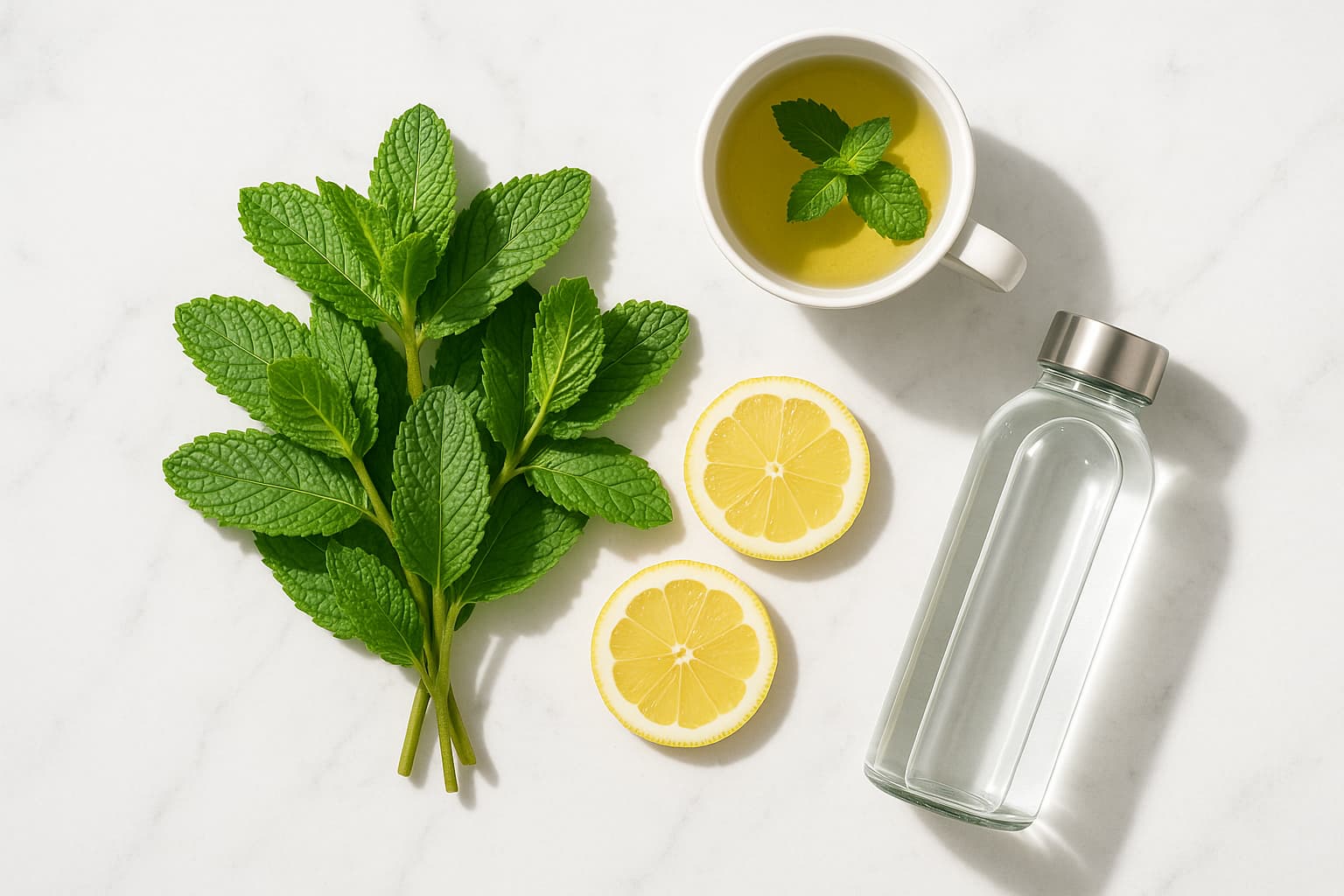
Mint may help support overall wellness through its rich nutrient content and bioactive compounds. In this post we look at 10 scientifically-backed benefits of mint: from digestive support to antioxidant properties. Understanding these benefits is important because mint is commonly available and easily incorporated into meals or beverages. We’ll cover what mint is, its nutritional profile, each benefit, how to use it safely, side-effects and storage tips.
What Is Mint? and Nutritional Profile of Mint
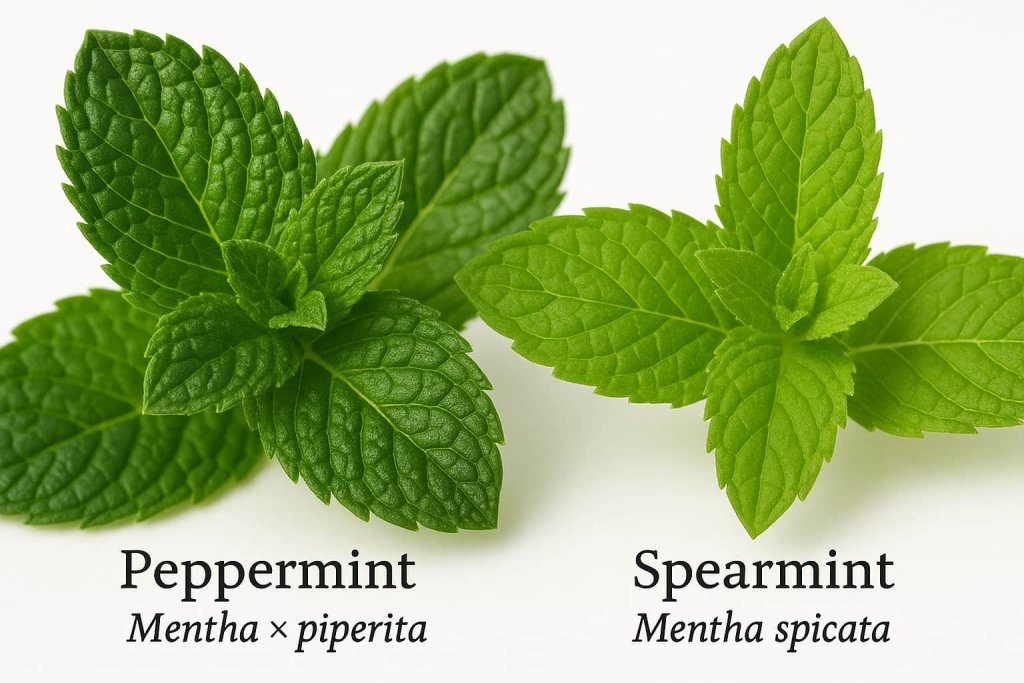
Mint refers to a group of aromatic herbs belonging to the Mentha genus within the Lamiaceae (mint) family. More than 20 recognized species exist, but the two most common culinary and medicinal types are peppermint (Mentha × piperita) and spearmint (Mentha spicata).
Historically, mint has been valued for its refreshing flavor and cooling aroma, used in both traditional medicine and modern wellness for digestive comfort, oral freshness, and respiratory support. Today, mint is widely incorporated into foods, beverages, teas, and essential-oil products due to its content of menthol, menthone, carvone, and polyphenols — compounds that may support digestion, mood, and antioxidant protection (NIH NCCIH, Harvard T.H. Chan School of Public Health).
Culinary forms include fresh leaves, dried leaves, extracts, and essential oils. Because essential oils are highly concentrated, they should be used with caution and professional guidance.
Nutritional Profile of Mint
Fresh mint leaves are low in calories but rich in vitamins, minerals, and phytonutrients that support overall wellness. According to USDA FoodData Central, 100 g of fresh peppermint provides the following approximate nutritional values:
| Nutrient | Amount per 100 g | Key Function |
|---|---|---|
| Calories | 44 kcal | Very low energy, ideal for light diets |
| Carbohydrates | 8.4 g | Provides mild natural sweetness and fiber |
| Dietary Fiber | 3.8 g | Supports digestive regularity |
| Protein | 3.3 g | Plant-based amino acid source |
| Total Fat | 0.7 g | Negligible; naturally low in fat |
| Vitamin A | 212 µg RAE (24 % DV) | Supports vision and immune health |
| Vitamin C | 31.8 mg (35 % DV) | Antioxidant; supports collagen and immunity |
| Folate (B9) | 114 µg (29 % DV) | Aids cell formation and metabolism |
| Calcium | 243 mg (19 % DV) | Supports bone health |
| Iron | 5.1 mg (28 % DV) | Helps oxygen transport |
| Potassium | 569 mg (12 % DV) | Maintains fluid and nerve balance |
| Magnesium | 80 mg (19 % DV) | Supports muscle and nerve function |
Source: USDA FoodData Central, Peppermint Raw (FDC ID 169912)
Fresh mint also contains flavonoids and rosmarinic acid, compounds known for their antioxidant and anti-inflammatory potential (National Library of Medicine).
10 Proven Health Benefits of Mint
Here are ten scientifically backed ways mint may support overall wellness when used as part of a balanced diet and lifestyle.
1. Digestive Support
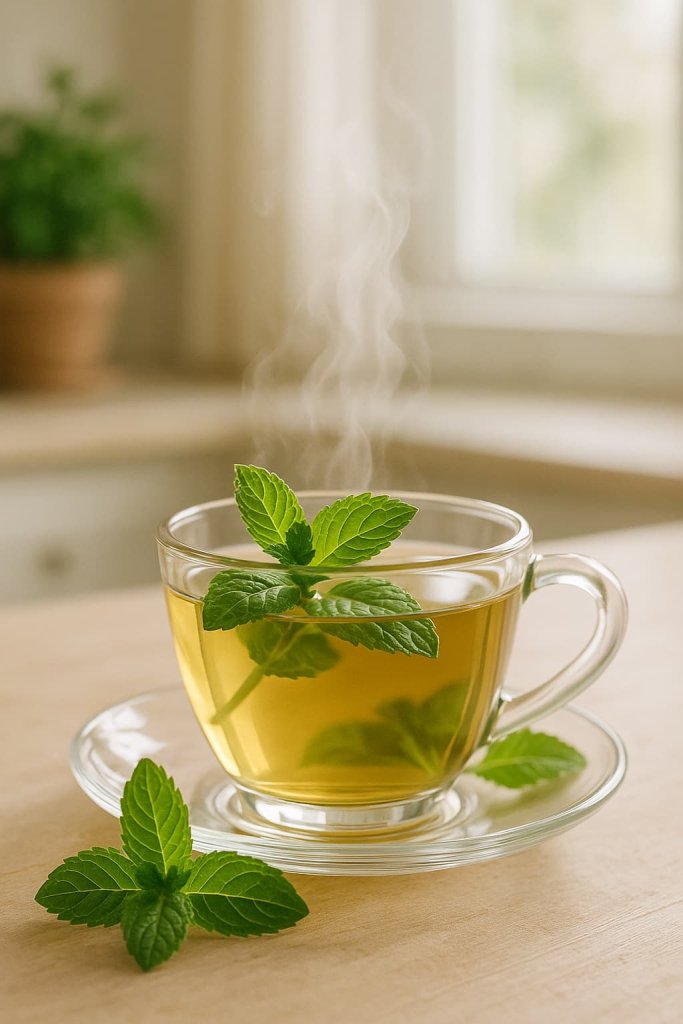
Mint may help ease mild digestive discomfort by relaxing intestinal muscles and supporting smoother digestion. Clinical studies show that enteric-coated peppermint oil, derived from Mentha × piperita, can help reduce symptoms of Irritable Bowel Syndrome (IBS) such as bloating, gas, and abdominal pain. A meta-analysis published in the Journal of Clinical Gastroenterology found that peppermint oil significantly improved IBS symptoms compared with placebo (PubMed, 2014).
The Cleveland Clinic notes that peppermint oil is “naturally soothing and aids digestion,” helping reduce intestinal spasms and bloating (Cleveland Clinic – Health Essentials). Likewise, the UK NHS confirms that peppermint oil “works by relaxing the muscle in your bowel,” easing cramps and flatulence (NHS, 2024).
Usage tip: Add a few fresh mint leaves to warm water or tea after meals to naturally support digestion. For persistent digestive issues, consult a healthcare provider.
2. Antioxidant and Anti-inflammatory Properties
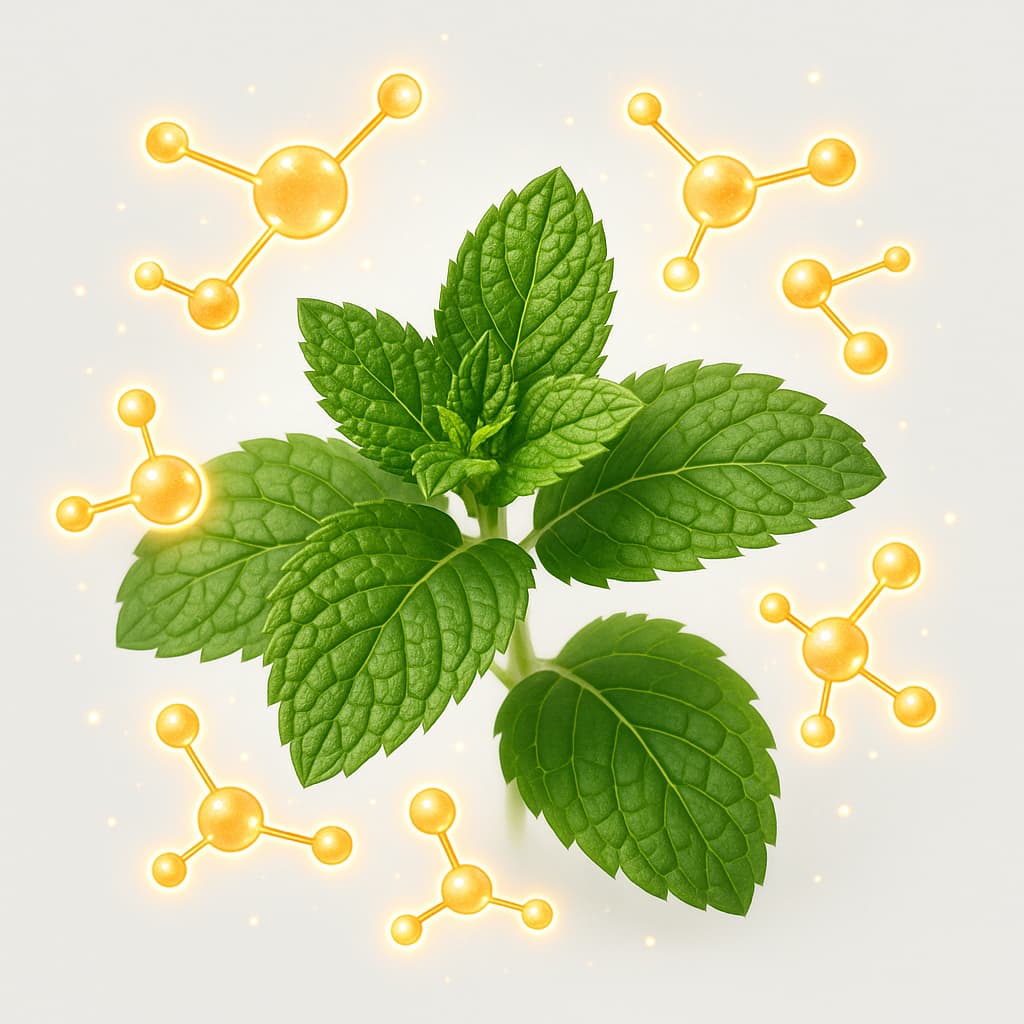
Mint contains natural antioxidants such as caffeic acid, luteolin, and catechins that may help protect cells from oxidative stress and inflammation. Research summarized by Verywell Health indicates that these compounds neutralize free radicals and support overall wellness.
A peer-reviewed analysis in the Quarterly Journal of Applied Science and Technology reported that Mentha species exhibit strong antioxidant potential and moderate anti-inflammatory activity in lab studies (QASCF Journal).
These findings provide a scientific explanation for many traditional uses of mint, though larger human studies are still needed.
Usage tip: Try mint tea, smoothies, or fresh mint garnishes to benefit from its antioxidant-rich profile.
3. Respiratory-Supportive Effects
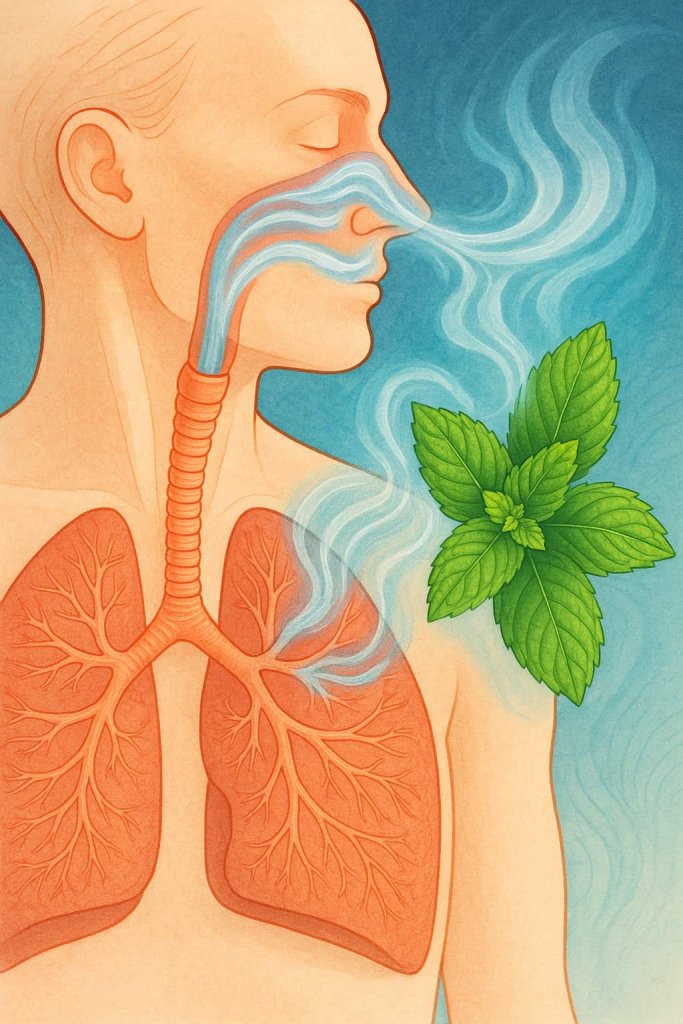
Research suggests that mint and its key compound menthol may support respiratory comfort by creating a cooling sensation in the airways. Studies on Mentha arvensis and Mentha piperita have demonstrated improved pulmonary action and mucosal comfort in mild respiratory conditions (PMC Journal).
Menthol vapors may also help open nasal passages and support easier breathing—though this is symptomatic relief, not a replacement for medical treatment.
Usage tip: Add a few mint leaves to hot water and inhale the steam (at a safe distance) to refresh your airways naturally.
4. Oral Health and Fresh Breath
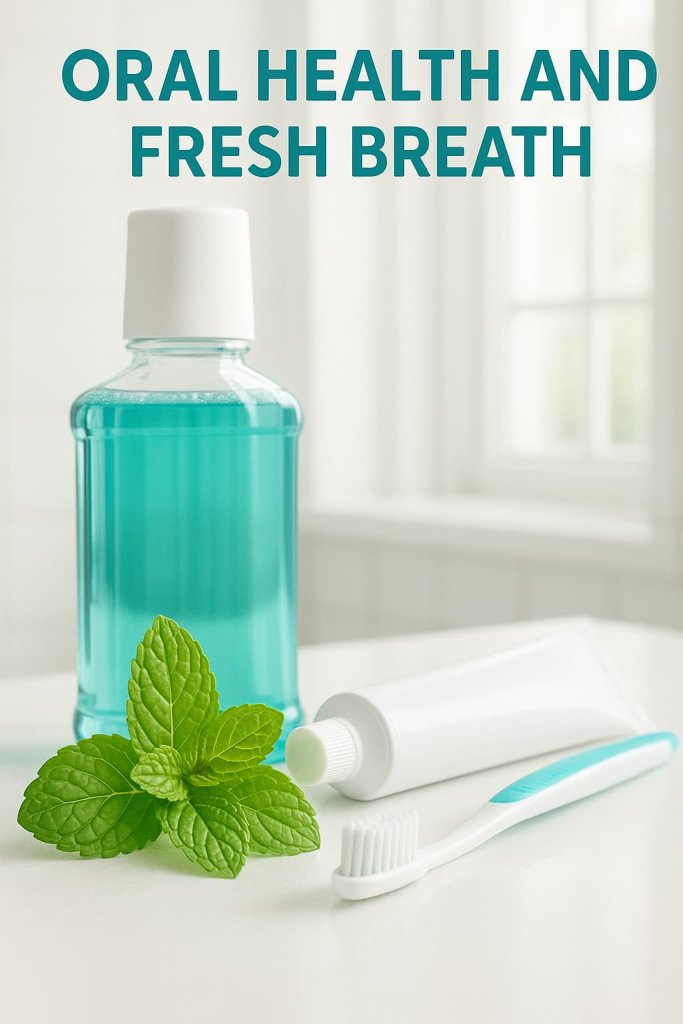
Mint is one of the most recognized herbs for oral hygiene. Its natural antimicrobial properties may help inhibit oral bacteria associated with bad breath and gum irritation. WebMD notes that mint oils are widely used in toothpaste and mouthwash for their refreshing aroma and supportive role in maintaining oral freshness.
The cooling sensation from menthol can also stimulate saliva production, which helps reduce dry mouth—a common cause of bad breath.
Usage tip: Chew a few fresh mint leaves or sip mint tea after meals to refresh breath naturally. Remember that mint complements, not replaces, daily brushing and flossing.
5. Cognitive Alertness and Mood Support

The refreshing aroma and taste of mint may support mental alertness, concentration, and mood balance. Controlled trials show that inhaling peppermint aroma may enhance memory and focus while reducing fatigue (Healthline).
A small study in the International Journal of Neuroscience found participants exposed to peppermint scent demonstrated improved accuracy and alertness in cognitive tasks.
While evidence is still emerging, mint’s aroma and flavor can be an uplifting addition to drinks or snacks when mental focus is needed.
Usage tip: Keep fresh mint nearby or add it to your water bottle for a natural, energizing scent throughout the day.
6. Nutrient-Rich Addition for Weight-Conscious Diets
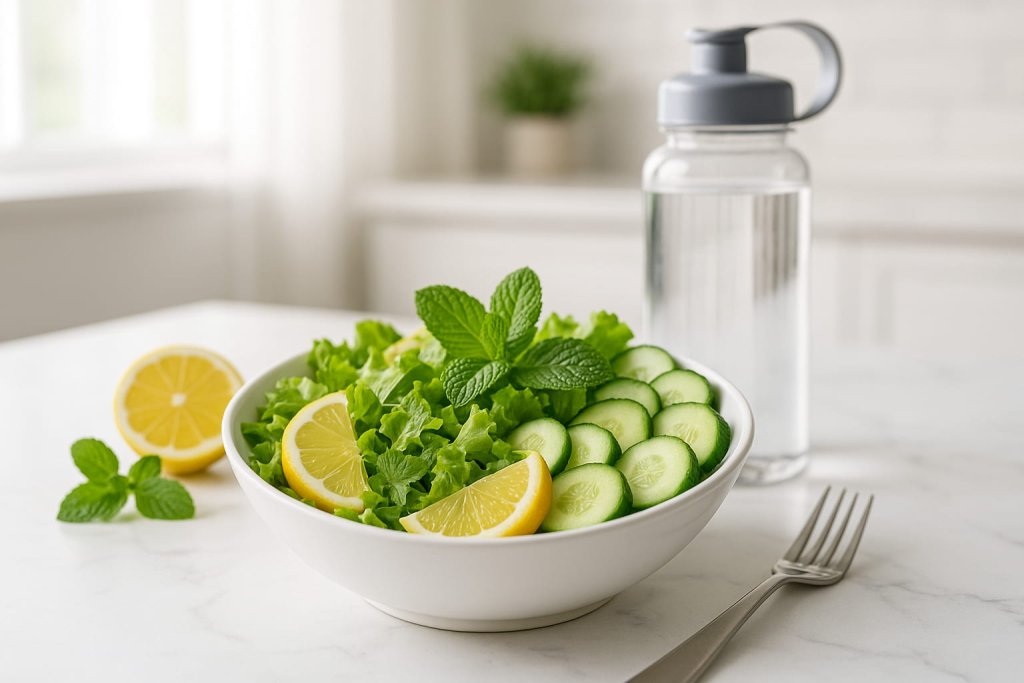
Mint is a low-calorie, nutrient-dense herb that enhances flavor without adding sugar, fat, or sodium. Each 10 g serving provides small but meaningful amounts of vitamin A, vitamin C, and potassium, which support metabolism and hydration (USDA FoodData Central).
As explained by TIME Health, mint can make healthy meals more enjoyable by improving aroma and flavor, encouraging people to consume more vegetables and water.
Usage tip: Add mint to fruit salads, smoothies, or infused water as a natural way to support hydration and balanced eating habits.
7. Antimicrobial and Antibacterial Effects
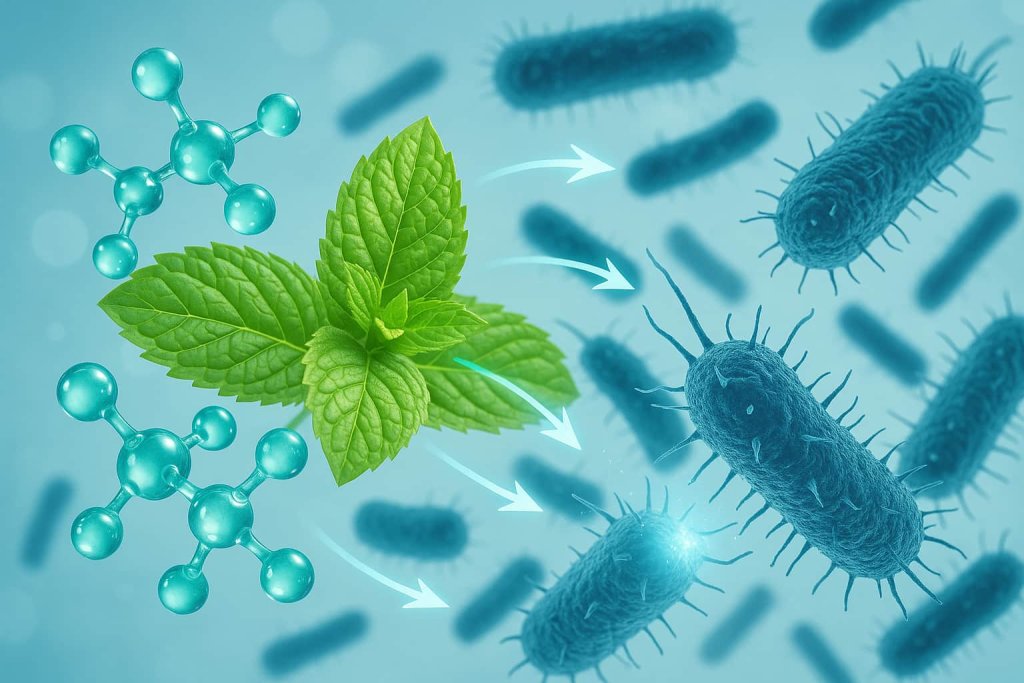
Mint extracts demonstrate broad-spectrum antimicrobial activity against several bacterial and fungal strains in laboratory studies. A review in Quality Assurance and Safety of Crops & Foods found that Mentha essential oils may inhibit growth of E. coli and Staphylococcus aureus (QASCF Journal).
This property helps explain mint’s traditional use in oral care and food preservation. However, these results are largely from lab studies, and human data remain limited.
Usage tip: Add freshly chopped mint to homemade dressings or lemon water for mild antimicrobial support alongside regular hygiene practices.
8. Potential Support in Blood Sugar and Metabolic Balance
Animal and in-vitro studies indicate that certain Mentha species may support healthy blood sugar levels by improving insulin sensitivity and reducing oxidative stress. A 2021 review published in Frontiers in Pharmacology found peppermint extract showed “significant hypoglycemic potential in experimental models” (PMC).
Still, human research remains limited, and mint should not replace prescribed diabetes management plans.
Usage tip: Include mint as part of a nutrient-balanced diet rich in fiber, vegetables, and whole grains to support metabolic wellness.
9. Breath Freshening and Oral Comfort During Breastfeeding
Mint has been traditionally used to help relieve mild discomfort in breastfeeding mothers and to freshen breath naturally. Healthline notes that peppermint’s cooling and antimicrobial compounds may help soothe minor skin irritation when diluted properly and applied externally (under medical supervision).
However, topical peppermint oil should be used cautiously since concentrated oils can be irritating; always seek advice from a lactation consultant or healthcare professional before use.
Usage tip: Enjoy mint tea for gentle freshness and hydration; avoid direct essential-oil use without medical guidance.
10. Culinary Versatility and Easy Integration
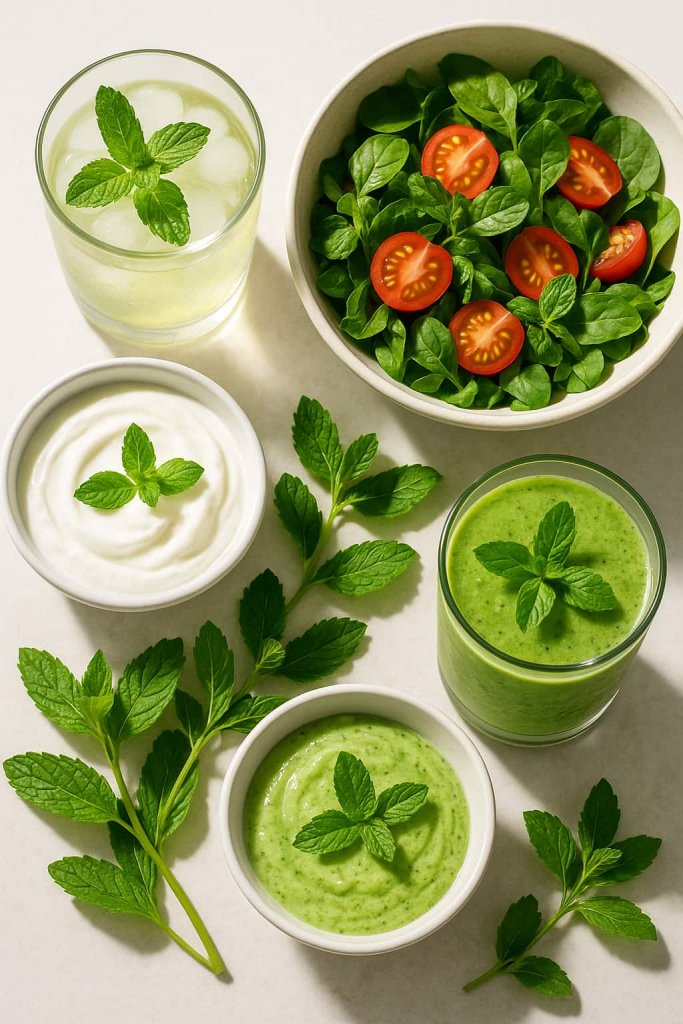
Mint’s biggest strength lies in its culinary versatility. Its refreshing aroma enhances both sweet and savory dishes while adding trace nutrients and phytochemicals. As highlighted by EatingWell, mint can be infused in teas, smoothies, yogurt, or salads for natural flavor enhancement and gentle digestive support.
Using mint regularly can make healthy meals more satisfying, encouraging long-term adherence to nutritious eating patterns.
Usage tip: Combine mint with lemon, cucumber, or berries in infused water, or sprinkle chopped mint over grilled vegetables or yogurt-based dips for a bright, refreshing finish.
How to Use Mint for Best Results
Mint is versatile and can easily be incorporated into both food and wellness routines. Its cooling flavor and natural phytonutrients make it suitable for daily use in moderation.
Practical ways to use mint:
- Herbal tea: Steep 5–10 fresh leaves (or 1 tsp dried) in hot water for 5–7 minutes. Enjoy warm to soothe the stomach and refresh breath.
- Culinary uses: Add chopped mint to salads, smoothies, yogurt, sauces, or fruit bowls for flavor and freshness.
- Infused water: Combine mint leaves with lemon, cucumber, or berries to create a hydrating, antioxidant-rich drink.
- Aromatherapy: Diffuse diluted peppermint essential oil for focus or freshness (not a replacement for therapy).
- Peppermint oil capsules: Some studies show benefits for digestive comfort (e.g., IBS), but use only enteric-coated supplements under healthcare supervision (NCCIH, 2024).
Tip: Choose fresh, bright-green mint leaves for maximum aroma and nutrient quality.
Possible Side Effects and Precautions
While mint is safe for most people in culinary amounts, certain precautions are important for sensitive groups.
- Gastroesophageal reflux (GERD): Peppermint may relax the lower esophageal sphincter, potentially worsening heartburn. People with reflux should avoid strong peppermint teas or oils (Mayo Clinic).
- Allergies: Rarely, mint allergy may cause itching or mild irritation. Discontinue use if symptoms appear.
- Pregnancy and breastfeeding: Culinary amounts are generally safe, but concentrated peppermint oil or extracts should be used cautiously and only under medical advice (NCCIH).
- Children: Avoid undiluted essential oils for infants or children due to menthol’s potential respiratory effects.
- Medication interactions: Peppermint oil may interact with certain drugs (e.g., cyclosporine, antacids). Always consult a healthcare professional before using high-strength supplements.
Safety reminder: Mint supports digestive and general wellness but should not be used as a substitute for medical treatment.
Recommended Dosage, Safety & Storage Tips
Mint is a refreshing, nutrient-rich herb that can be safely enjoyed daily in moderate amounts. However, maintaining proper dosage, hygiene, and storage practices is essential for preserving freshness and reducing foodborne risks. The U.S. Food and Drug Administration (FDA) emphasizes that fresh herbs and produce must be handled, washed, and stored correctly to prevent bacterial contamination and maintain quality (FDA Produce Safety Rule).
Recommended Dosage and Safe Use
- Fresh mint leaves: Consume about 5–10 leaves (approximately 5–10 g) daily. Add to salads, smoothies, or herbal teas. Always rinse thoroughly under clean running water before use.
- Dried mint: Use around 1 teaspoon per cup of hot water for tea or cooking. Store in airtight containers away from direct sunlight.
- Mint tea: Enjoy 1–2 cups daily to support gentle digestion and hydration. Mint tea is naturally caffeine-free and suitable for most adults.
- Peppermint oil capsules: Take only under professional guidance, following the manufacturer’s dosage. Use enteric-coated capsules to reduce the risk of heartburn. Avoid during pregnancy or in children unless directed by a healthcare provider.
- Essential oils (topical use): Always dilute with a carrier oil before applying to the skin. Avoid ingesting essential oils unless under medical supervision.
Storage and Food Safety Tips
- Fresh mint: Store in the refrigerator wrapped in a slightly damp paper towel inside a breathable bag or container. Use within 3–5 days for best freshness.
- Dried mint: Keep in a sealed jar in a cool, dark, and dry location. Replace every 6–12 months for optimal flavor and potency.
- Hygiene and handling: Wash hands, utensils, and cutting surfaces before and after handling herbs. Keep mint separate from raw meats and seafood to prevent cross-contamination. The FDA’s Food Safety Modernization Act (FSMA) guidelines recommend keeping fresh herbs refrigerated at 40 °F (4 °C) or below to maintain safety and quality (FDA Food Safety Guidance, 2024).
Summary:
Mint may support digestion, hydration, and overall wellness when used safely and stored properly. Following FDA food safety recommendations ensures freshness, quality, and confidence in every use.
FAQ – Frequently Asked Questions About Mint
1. Is mint tea good for digestion?
Yes. Mint tea may help relax the digestive tract and ease mild bloating, according to research on peppermint oil’s antispasmodic properties (PubMed).
2. Can mint help with weight loss?
Not directly. Mint is very low in calories and adds flavor without sugar or fat, supporting a healthy diet when combined with regular exercise and balanced meals.
3. Is mint safe during pregnancy?
Fresh or dried mint in foods and teas is generally safe. However, avoid concentrated oils or supplements unless approved by your healthcare provider (NCCIH).
4. How much mint can I eat daily?
A few sprigs (about 5–10 g of leaves) per day is sufficient for flavor and nutrition. Excessive consumption of peppermint oil can cause heartburn or nausea.
5. Can mint aggravate acid reflux?
Yes, peppermint oil may relax the esophageal sphincter, allowing acid to rise and trigger reflux symptoms (Mayo Clinic).
6. How should I store fresh mint?
Refrigerate mint wrapped in a damp paper towel inside a perforated plastic bag. Avoid leaving it at room temperature for more than a few hours.
7. Can children drink mint tea?
Mild mint tea is generally safe for older children but not recommended for infants. Always use diluted preparations and consult a pediatrician if uncertain.
Conclusion
Mint is a refreshing, nutrient-rich herb that may support digestion, respiratory comfort, antioxidant defense, and overall wellness when consumed as part of a balanced diet. Its versatility makes it easy to include in teas, water infusions, and meals, adding both flavor and phytonutrient value.
However, concentrated peppermint oil products should only be used under professional supervision, especially for those with GERD, pregnancy, or medical conditions.
Incorporate mint sensibly, enjoy its natural aroma and cooling flavor, and pair it with other healthy habits — balanced nutrition, hydration, and physical activity — for lasting wellness benefits.
Disclaimer: This content is for informational purposes only and not medical advice.