

Cauliflower is a nutrient-dense cruciferous vegetable that supports heart, gut, and metabolic wellness. Packed with fiber, vitamin C, and antioxidants, it may help protect cells from oxidative stress and promote overall health. Understanding cauliflower’s nutrition and benefits helps you make informed dietary choices and use it effectively for everyday wellness.
What Is Cauliflower? (Overview and Nutrition Profile)
Cauliflower (Brassica oleracea var. botrytis) is a cruciferous vegetable belonging to the Brassicaceae family, which also includes broccoli, cabbage, kale, and Brussels sprouts. It is prized for its mild flavor, versatility in cooking, and rich concentration of nutrients that contribute to overall wellness.
Native to the Mediterranean region and now cultivated worldwide, cauliflower is available in several colors — white, green, orange, and purple — each containing unique phytonutrients. The white variety, most common in global markets, is especially high in vitamin C, fiber, folate, and antioxidants, while being naturally low in calories and carbohydrates, making it an excellent addition to balanced diets.
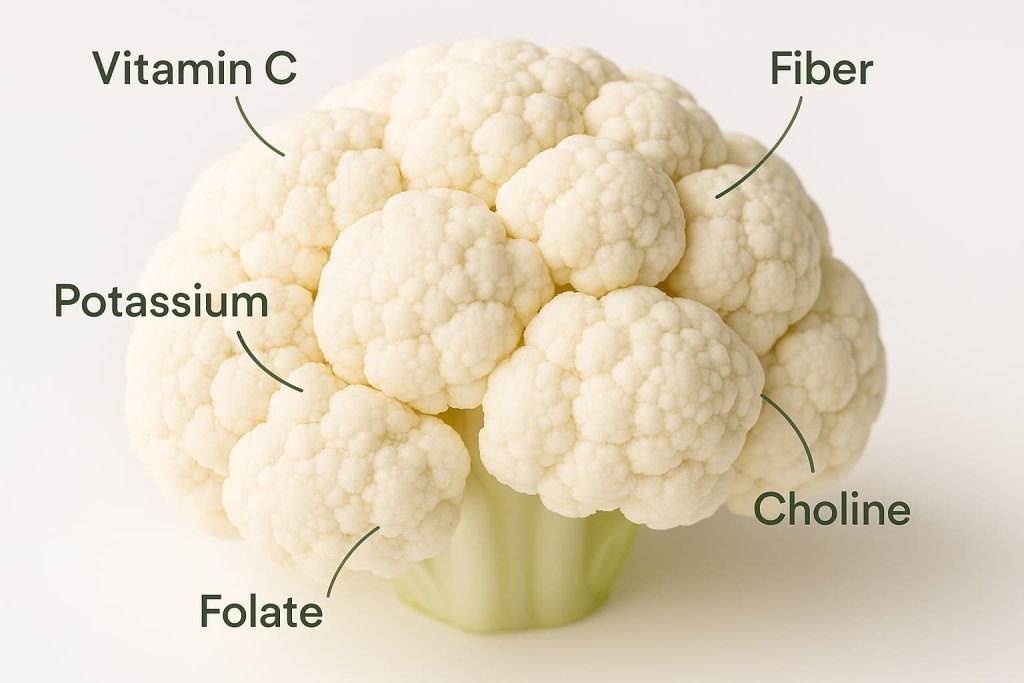
Nutritional Profile (Per 1 Cup, 107 g Raw Cauliflower)
Source: USDA FoodData Central, 2025
| Nutrient | Amount | % Daily Value (DV) |
|---|---|---|
| Calories | 27 kcal | — |
| Carbohydrates | 5 g | 2 % |
| Fiber | 2 g | 7 % |
| Protein | 2 g | 4 % |
| Fat | <1 g | — |
| Vitamin C | 48 mg | 58 % |
| Vitamin K | 17 µg | 14 % |
| Folate (B9) | 61 µg | 15 % |
| Choline | 47 mg | 8 % |
| Potassium | 320 mg | 7 % |
| Calcium | 24 mg | 2 % |
| Magnesium | 16 mg | 4 % |
| Water | 92 % | — |
Key Phytonutrients and Compounds
Cauliflower contains several bioactive compounds that contribute to its potential health benefits:
- Glucosinolates → Sulfur-based compounds that convert to isothiocyanates (like sulforaphane), which may support detoxification and antioxidant defense.
- Flavonoids & Phenolic Acids → Natural antioxidants that may help neutralize free radicals.
- Carotenoids (β-carotene, lutein, zeaxanthin) → Support eye and cellular health.
A 2024 review in Frontiers in Nutrition reported that cruciferous vegetables like cauliflower provide measurable antioxidant and anti-inflammatory activity through these phytochemicals, supporting metabolic and cardiovascular wellness.
10 Proven Health Benefits of Cauliflower (Backed by Science)
Cauliflower is one of the most nutrient-dense vegetables available, offering a rich blend of vitamins, minerals, and plant compounds that support overall wellness. Modern studies show that regular cauliflower consumption may contribute to better digestion, heart health, and antioxidant defense through its unique phytonutrient profile.
1. Supports Digestive Health

Cauliflower is rich in fiber and water, both of which play vital roles in maintaining a healthy digestive system. Dietary fiber adds bulk to stool, promotes regular bowel movements, and supports a balanced gut microbiome by feeding beneficial bacteria. A diet high in fiber from vegetables like cauliflower may help lower the risk of constipation and promote long-term colon health.
According to the Mayo Clinic’s guide on fiber and digestive health, adults should aim for 25–38 grams of fiber daily to maintain optimal digestion — a goal made easier with fiber-rich foods such as cauliflower, lentils, and leafy greens.
2. Provides Powerful Antioxidant Protection

Cauliflower contains an impressive range of antioxidants including vitamin C, flavonoids, and isothiocyanates, which may help neutralize free radicals and reduce oxidative stress. Free radicals are unstable molecules that can damage cells and accelerate aging when uncontrolled.
A 2024 review in Frontiers in Nutrition highlights cruciferous vegetables like cauliflower and broccoli as potent sources of natural antioxidants that support cellular integrity and immune defense. Including these vegetables regularly may contribute to improved oxidative balance and long-term wellness.
For more, see the Frontiers in Nutrition journal.
3. Supports Heart and Metabolic Health

The combination of fiber, potassium, and antioxidants in cauliflower may help support healthy blood pressure and cholesterol balance. Fiber assists in reducing LDL (“bad”) cholesterol, while potassium helps relax blood vessel walls and supports proper heart rhythm.
The American Heart Association notes that potassium-rich foods like cauliflower, spinach, and bananas can play a significant role in maintaining normal blood pressure and reducing cardiovascular strain. Regular inclusion of cruciferous vegetables in the diet is associated with lower risk of heart disease in population-based studies.
4. Promotes Healthy Weight Management

With just 27 calories per cup, cauliflower is both low in calories and carbohydrates while being naturally rich in fiber and water. This makes it an excellent choice for anyone aiming to manage their weight safely and effectively. The fiber in cauliflower promotes satiety — helping you feel fuller for longer — which may reduce total daily calorie intake without feeling deprived.
Replacing refined carbohydrates such as white rice, pasta, or mashed potatoes with cauliflower-based alternatives is a practical and evidence-supported strategy for lowering caloric density in meals. These substitutions can help maintain similar volume and texture while improving overall nutrient quality.
According to the Harvard T.H. Chan School of Public Health, non-starchy vegetables like cauliflower are nutrient-dense yet low in energy, making them ideal for balanced weight management. Including cauliflower regularly in your meals supports sustainable weight control by promoting fullness, stabilizing energy levels, and improving dietary fiber intake.
For best results:
- Combine cauliflower with lean proteins and healthy fats to create satisfying, balanced meals.
- Choose minimally processed forms (steamed, roasted, or mashed) to retain nutrients.
- Avoid heavy sauces or excessive butter, which can add unnecessary calories.
Cauliflower’s versatility — from “rice” to pizza crust — makes it one of the most adaptable foods for healthy eating and maintaining a balanced body weight.
5. May Support Immune Function

A single serving of cauliflower delivers over half of the daily recommended vitamin C intake, a key nutrient for immune defense and collagen synthesis. Vitamin C supports white blood cell activity, helps neutralize pathogens, and promotes tissue repair and skin resilience.
According to the NIH Office of Dietary Supplements’ Vitamin C Fact Sheet, adequate vitamin C intake contributes to shorter duration of mild infections and helps protect cells against oxidative damage. Regular consumption of vitamin C-rich vegetables like cauliflower, bell peppers, and citrus fruits supports immune health year-round.
6. May Reduce Cancer Risk (When Consumed Regularly as Part of a Balanced Diet)

Cauliflower and other cruciferous vegetables contain glucosinolates, sulfur-containing compounds that convert into biologically active forms such as sulforaphane and indole-3-carbinol. These compounds may help protect cells from oxidative DNA damage and support natural detoxification pathways in the body.
Epidemiological research summarized by the National Cancer Institute shows that diets rich in cruciferous vegetables are linked to lower incidence of certain cancers, including colorectal and lung cancers. While findings are promising, researchers emphasize that these effects are preventive and should be part of a balanced, nutrient-diverse diet — not a medical treatment.
7. Supports Brain and Liver Function
Cauliflower contains choline, an essential nutrient for memory, cognitive function, and fat metabolism. Choline supports the production of acetylcholine, a neurotransmitter involved in mood and muscle control, and helps transport fats out of the liver, preventing buildup.
The NIH Office of Dietary Supplements – Choline Fact Sheet notes that most people fall short of daily choline recommendations, and regular intake through foods like cauliflower, eggs, and soybeans can help bridge the gap. Consistent consumption supports both brain and liver health over time.
8. Promotes Bone and Cellular Health
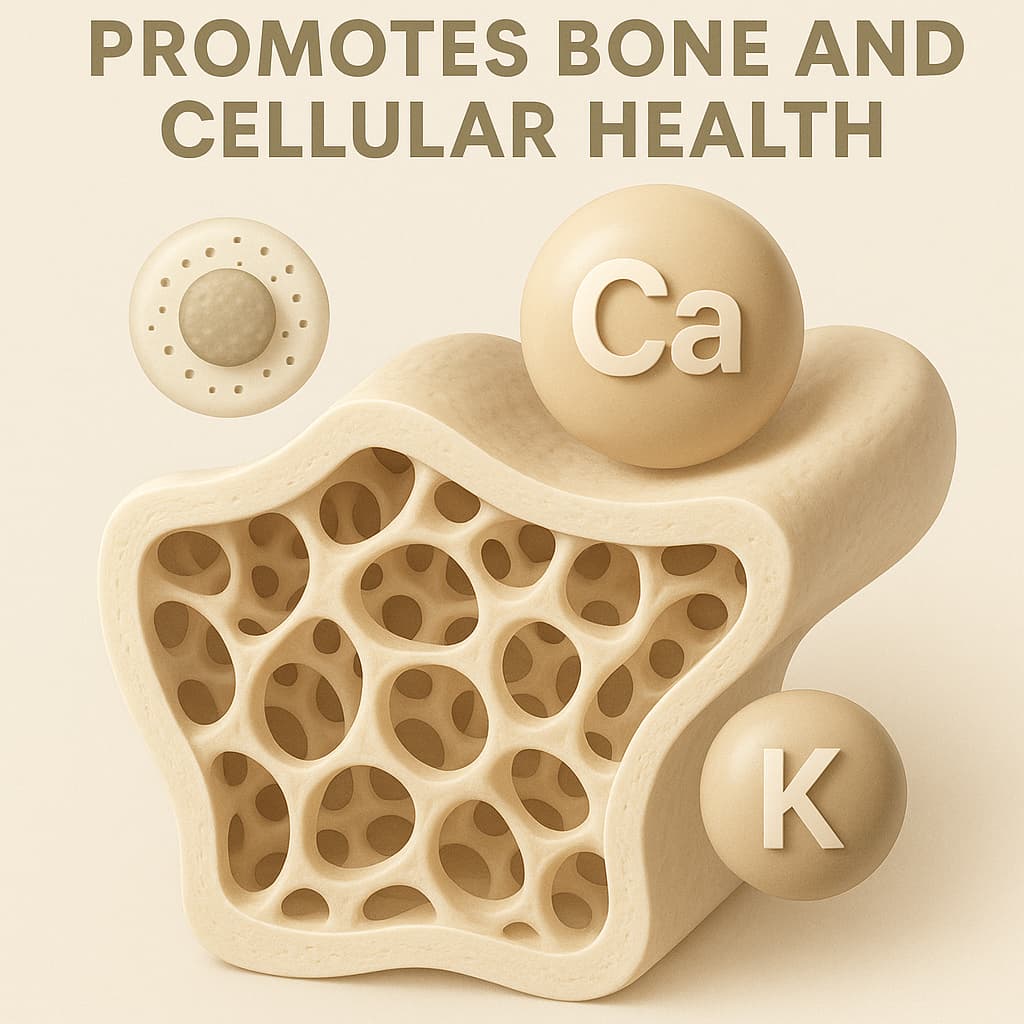
Cauliflower provides vitamin K, which plays a crucial role in bone mineralization and blood clotting. It also supplies folate, essential for DNA synthesis and cellular repair. Deficiencies in vitamin K may increase the risk of fractures and bone weakening.
According to the Harvard T.H. Chan School of Public Health, adequate vitamin K intake is associated with improved bone density and reduced fracture risk, particularly in older adults. Pairing cauliflower with healthy fats (like olive oil) enhances vitamin K absorption.
9. Supports Healthy Blood Sugar Levels
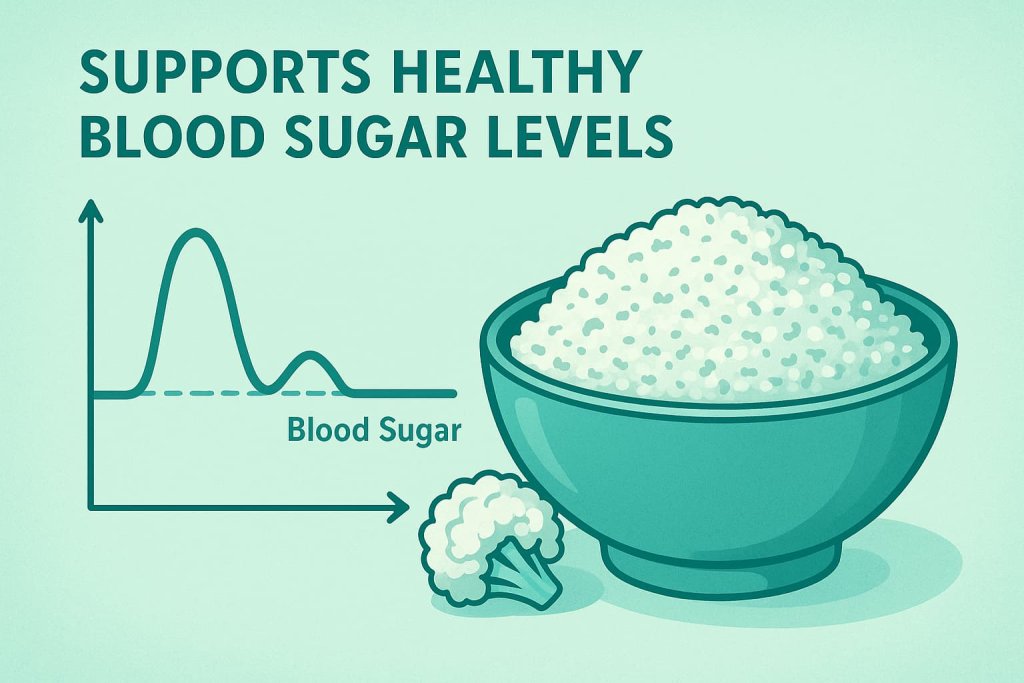
Cauliflower has a low glycemic index (GI) and is rich in dietary fiber, both of which contribute to more stable blood sugar levels. Foods with a low GI are digested and absorbed more slowly, leading to gradual rises in blood glucose and insulin rather than sharp spikes. This makes cauliflower an excellent choice for individuals managing diabetes, insulin resistance, or metabolic health.
Replacing refined carbohydrates like white rice, pasta, or bread with cauliflower-based alternatives can lower a meal’s overall glycemic load and improve nutrient balance. The fiber content also promotes satiety, helping to regulate appetite and reduce overeating — two important factors in blood sugar control.
According to the Harvard T.H. Chan School of Public Health, choosing carbohydrates from low-GI sources such as non-starchy vegetables (like cauliflower, leafy greens, and legumes) supports steadier blood sugar management. Over time, such dietary patterns may help improve insulin sensitivity and reduce the risk of developing type 2 diabetes.
For best results:
- Pair cauliflower with lean proteins and healthy fats to further stabilize blood sugar.
- Opt for minimally processed forms such as steamed, roasted, or riced cauliflower.
- Limit added sugars and refined starches in accompanying foods.
Incorporating cauliflower regularly into balanced meals is a simple, evidence-based strategy for supporting metabolic and glycemic health naturally.
10. Encourages Detoxification and Inflammation Balance
Sulforaphane, a natural isothiocyanate found in cauliflower, activates liver enzymes that assist in detoxification and supports inflammation balance in the body. This compound may enhance the body’s natural ability to neutralize toxins and protect tissues from oxidative stress.
A 2023 review published in the Nutrients journal reported that regular intake of cruciferous vegetables may improve antioxidant enzyme activity and reduce markers of chronic inflammation. You can read more in the Nutrients Journal open-access research platform.
Possible Side Effects and Precautions
While cauliflower is safe and beneficial for most people, it’s important to understand certain precautions and individual sensitivities. As a cruciferous vegetable, cauliflower contains natural compounds that can affect digestion, thyroid function, or medication absorption in some individuals.
1. Gas and Bloating
Cauliflower’s fiber and sulfur compounds can cause mild gas or bloating, especially when eaten raw or in large amounts. The Mayo Clinic advises increasing fiber intake gradually and drinking plenty of water to ease digestion. Steaming or roasting cauliflower helps break down fibers and reduces discomfort, allowing you to enjoy its benefits with fewer side effects.
2. Thyroid Considerations
Like other cruciferous vegetables, cauliflower contains goitrogens, compounds that may interfere with iodine uptake in the thyroid gland if eaten excessively and raw. However, cooking significantly reduces goitrogen activity, making moderate intake safe for most people, even those with thyroid disorders. According to the Cleveland Clinic, moderate consumption of cooked cauliflower poses no concern for individuals with normal thyroid function.
3. Potassium and Vitamin K Interactions
Cauliflower is a moderate source of potassium and vitamin K, both essential for heart and bone health. However, individuals with kidney disease or those taking blood-thinning medications (e.g., warfarin) should monitor intake. The NIH Office of Dietary Supplements advises maintaining consistent vitamin K levels to avoid medication interactions.
4. Safe Cooking Practices
To retain nutrients and reduce digestive side effects:
- Steam or roast instead of boiling to prevent nutrient loss.
- Avoid overcooking, which can reduce antioxidant levels.
- Pair with iodine-rich foods (fish, eggs, or seaweed) to balance thyroid impact.
Overall, cauliflower is safe when consumed in moderation and properly cooked, offering far more benefits than risks.
How to Incorporate Cauliflower into Your Diet
Cauliflower’s versatility makes it easy to include in a variety of healthy dishes. Whether eaten raw, roasted, or blended, it complements many cuisines and dietary patterns.
Recommended Portion
Aim for 1–2 cups (about 100–200 g) of cooked or raw cauliflower daily as part of a balanced diet. This amount provides ample fiber, vitamin C, and antioxidants without overloading your digestive system.
Healthy Preparation Ideas
- Steamed: Retains most nutrients; serve with olive oil and herbs.
- Roasted: Enhances flavor and texture; toss with garlic and paprika.
- Riced: A low-carb alternative to white rice for stir-fries or bowls.
- Mashed: Substitute for potatoes for a creamy, lighter side dish.
- Soups & Smoothies: Blend cooked cauliflower for a nutrient-rich, creamy base.
Balanced Pairings
Combine cauliflower with:
- Lean proteins (chicken, fish, tofu)
- Healthy fats (olive oil, avocado)
- Whole grains or legumes for a fiber-rich meal
For maximum nutrient retention, cook cauliflower lightly and avoid high-fat, processed toppings.
Storage and Food Safety Tips
Proper storage is essential to maintain cauliflower’s freshness, flavor, and nutrient quality. Following the U.S. Food and Drug Administration (FDA) produce-handling recommendations helps prevent spoilage and foodborne illness.
According to the FDA’s official guidance on selecting and serving produce safely, fresh vegetables should always be stored at the right temperature, handled with clean utensils, and washed properly before consumption.
Best storage practices for cauliflower:
- Temperature: Keep raw cauliflower refrigerated at ≤ 40 °F (4 °C) to inhibit bacterial growth and maintain texture. (FDA – Food Storage Safety)
- Storage Method: Place the whole unwashed head in a perforated plastic bag in the crisper drawer to allow airflow and prevent moisture buildup.
- Shelf Life:
- Raw cauliflower: 4–7 days
- Cooked cauliflower: 3–4 days (store in an airtight container)
- Check for Spoilage: Discard cauliflower if you notice soft spots, mold, or an unpleasant odor, as these indicate microbial growth.
- Cleaning: Wash under cool running water before cutting or cooking, and avoid using soap or bleach — the FDA advises against these for produce cleaning (FDA Produce Safety Tips PDF).
Following these simple food safety measures keeps cauliflower safe, crisp, and nutrient-rich, allowing you to enjoy its health benefits without compromising quality.
Frequently Asked Questions (FAQ)
1. Is cauliflower good for weight loss?
Yes. Cauliflower is low in calories and carbohydrates but high in fiber and water, which promotes satiety and supports healthy weight management.
2. Can cauliflower affect thyroid health?
Only if consumed excessively and raw. Cooking cauliflower reduces goitrogenic compounds, making it safe for most individuals, including those with thyroid conditions.
3. Is cauliflower safe for diabetics?
Yes. It has a low glycemic index and may help stabilize blood sugar levels when replacing refined carbohydrates.
4. What is the healthiest way to cook cauliflower?
Steaming or roasting preserves most vitamins and antioxidants while improving digestibility.
5. How long does cauliflower last in the fridge?
Raw cauliflower lasts up to 7 days; cooked cauliflower lasts 3–4 days when stored properly in an airtight container.
6. Can I eat cauliflower every day?
Yes, daily moderate intake (1–2 cups) is safe and provides steady nutrients and fiber without adverse effects.
Conclusion
Cauliflower is a nutrient-dense, versatile vegetable that supports heart, digestive, immune, and metabolic health. With its rich profile of vitamins, fiber, and antioxidants, it’s an excellent addition to balanced meals for people of all ages.
By choosing healthy cooking methods, practicing safe storage, and enjoying cauliflower as part of a varied diet, you can benefit from its full nutritional potential. Add it to your weekly meal plan to support long-term wellness naturally.
This content is for informational purposes only and not medical advice.