
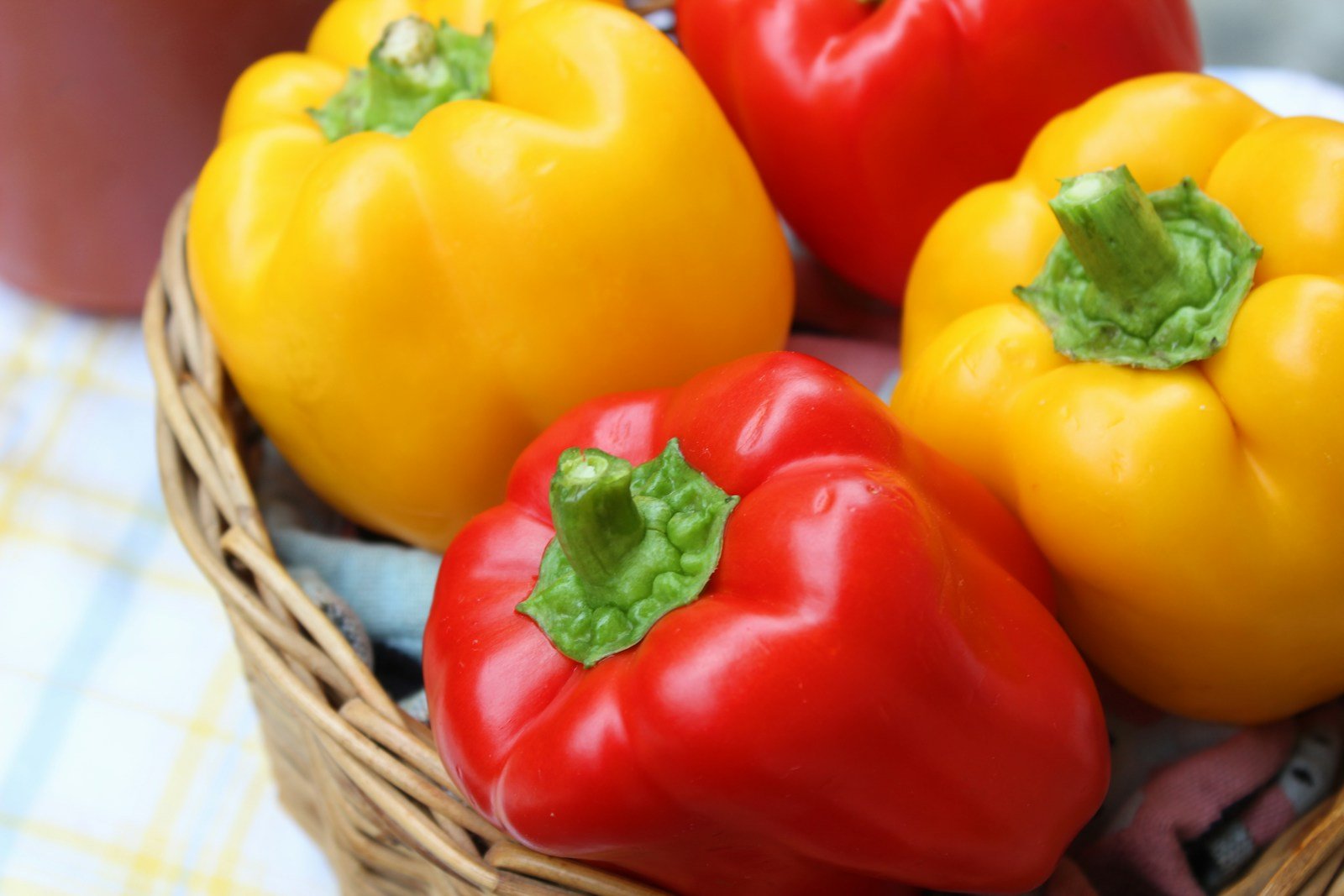
Bell peppers are rich in antioxidants, vitamins, and fiber that support heart, eye, and immune health. These colorful vegetables — red, yellow, orange, and green — are among the most nutrient-dense foods you can add to your diet. Understanding their benefits helps you make science-based choices for better overall wellness.
Bell peppers are low in calories yet loaded with vitamin C, carotenoids, and polyphenols that may help combat oxidative stress, support healthy aging, and promote strong immunity. Let’s explore the top 10 research-backed benefits.
What Are Bell Peppers? (Overview and Nutrition Profile)
Bell peppers (Capsicum annuum) are colorful, sweet-tasting vegetables belonging to the nightshade family (Solanaceae), which also includes tomatoes and eggplants. They are native to Central and South America but now cultivated globally. Bell peppers come in vibrant colors — green, yellow, orange, and red — each representing a different ripening stage and nutrient profile.
Red bell peppers are fully ripened and tend to be sweeter and richer in antioxidants like beta-carotene, lutein, and zeaxanthin compared to green ones, which are harvested earlier. All varieties are low in calories but packed with vitamin C, fiber, vitamin B6, and potassium, making them an excellent addition to balanced diets.
According to the USDA FoodData Central (2024), one cup of raw, chopped red bell pepper provides more than 300% of the Daily Value (DV) for vitamin C and contributes beneficial amounts of vitamin A, folate, and antioxidants that support immune and metabolic health.
Nutritional Profile (Per 1 Cup – 149 g Raw Red Bell Pepper)
| Nutrient | Amount | % Daily Value (DV) | Source |
|---|---|---|---|
| Calories | 46 kcal | — | USDA 2024 |
| Carbohydrates | 9 g | — | |
| Dietary Fiber | 3.1 g | 11 % | |
| Protein | 1.5 g | 3 % | |
| Vitamin C | 190 mg | 317 % | |
| Vitamin A (RAE) | 93 µg | 10 % | |
| Vitamin B6 (Pyridoxine) | 0.3 mg | 22 % | |
| Folate | 68 µg | 17 % | |
| Vitamin E | 1.5 mg | 12 % | |
| Potassium | 314 mg | 9 % | |
| Lutein + Zeaxanthin | 208 µg | — |
Key Nutritional Highlights
- Rich in Vitamin C: A single serving supplies over three times the daily requirement, supporting immune and collagen functions.
- Good Source of Fiber: Helps maintain digestive regularity and supports a healthy gut microbiome.
- Contains Vitamin B6 and Folate: Essential for metabolism and red blood cell formation.
- Provides Potassium: Supports muscle and nerve function, and healthy blood pressure.
- Packed with Carotenoids: Red and orange varieties deliver beta-carotene, lutein, and zeaxanthin that support vision and cellular health.
Bell peppers’ nutrient density, coupled with their low calorie count and high water content (over 90 %), make them an ideal choice for overall wellness and disease-prevention–focused diets.
10 Proven Health Benefits of Bell Peppers (Backed by Science)
Bell peppers are among the most nutrient-dense vegetables, offering powerful support for immune, heart, skin, and metabolic health. Their vibrant colors reflect a rich blend of vitamins, minerals, and antioxidants that contribute to overall wellness.
1. Supports Immune System Health

Bell peppers are exceptionally rich in vitamin C, a key nutrient that supports immune cell activity, collagen production, and wound healing. A single medium red pepper provides over 150 mg of vitamin C — more than 300 percent of the daily recommended intake, according to the NIH Office of Dietary Supplements.
Vitamin C helps strengthen epithelial barriers (the body’s first line of defense), promotes white blood cell function, and aids iron absorption. Regular consumption of vitamin C-rich vegetables like bell peppers may help your body better resist oxidative stress and environmental pathogens.
2. Promotes Eye Health
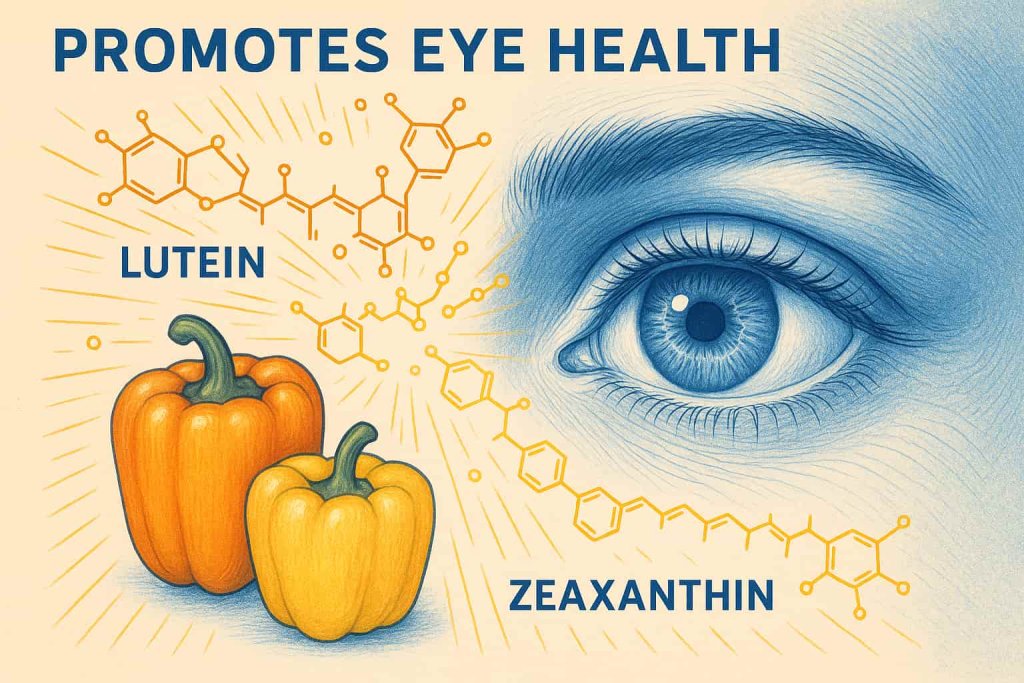
Red and orange bell peppers contain carotenoids lutein, zeaxanthin, and beta-carotene, natural pigments that concentrate in the retina. These compounds support visual acuity and may help lower the risk of age-related macular degeneration (AMD) — a leading cause of vision loss in older adults.
According to the American Optometric Association, lutein and zeaxanthin filter harmful blue light and protect the eye’s photoreceptor cells from oxidative damage. Including colorful vegetables like peppers in your diet contributes to long-term ocular health.
3. Supports Heart Health
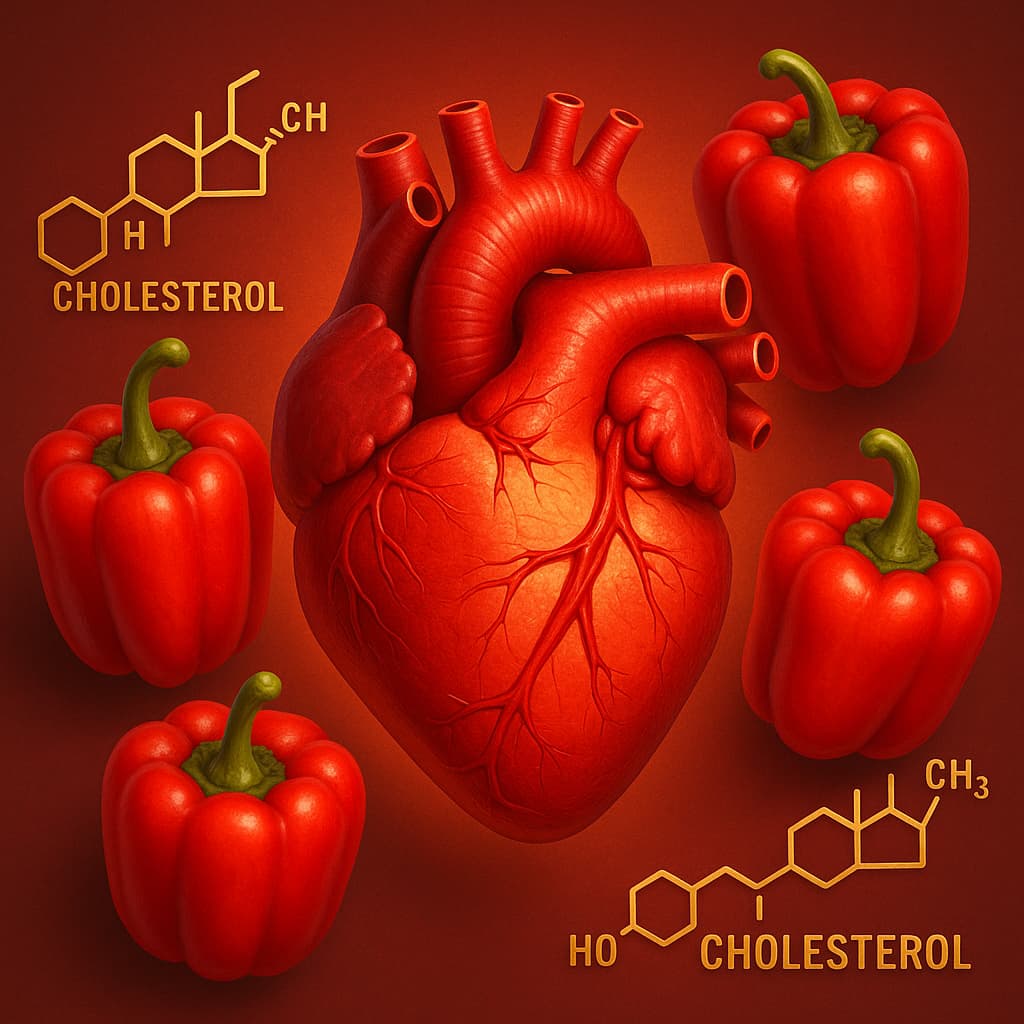
Bell peppers offer a mix of potassium, fiber, and antioxidant compounds that may help maintain normal blood pressure and healthy cholesterol levels. Potassium supports proper vascular function, while fiber aids in removing excess cholesterol from the bloodstream.
A diet rich in carotenoid-containing vegetables — such as peppers, tomatoes, and carrots — is associated with reduced cardiovascular risk, according to research from the Harvard T.H. Chan School of Public Health. Regular intake can support optimal circulation and heart function over time.
4. May Help Reduce Inflammation
Bell peppers contain bioactive compounds including flavonoids (quercetin, luteolin) and phenolic acids, which exhibit anti-inflammatory and antioxidant activity. These compounds may help down-regulate inflammatory cytokines and oxidative pathways that contribute to chronic disease progression.
A 2023 study published by the National Center for Biotechnology Information (NCBI) reported that bell pepper extracts may reduce markers of oxidative stress in cell models. While more human studies are needed, these findings suggest a promising role in inflammation management through diet.
5. Aids in Healthy Weight Management
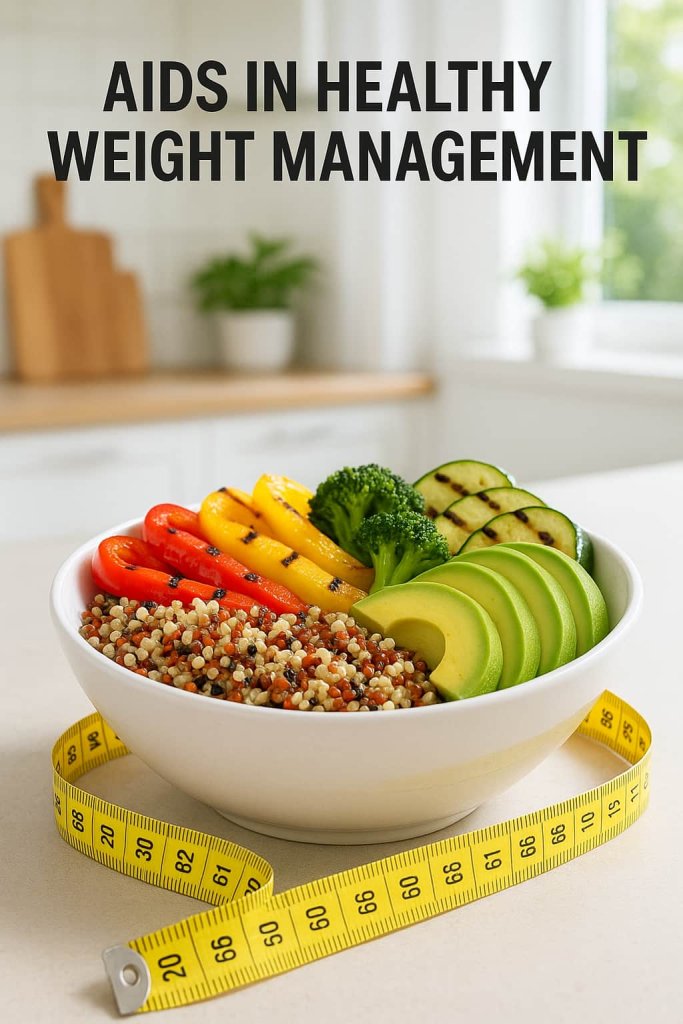
Bell peppers are low in calories (around 46 kcal per cup) yet high in fiber and water — a combination that promotes satiety and helps control appetite. Including them in salads, stir-fries, or snacks can reduce overall calorie intake without compromising nutrition.
According to the Mayo Clinic, high-fiber foods support weight management by slowing digestion and maintaining steady energy levels. Bell peppers are an easy, flavorful way to enhance dietary fiber naturally.
6. Supports Healthy Skin and Collagen Formation
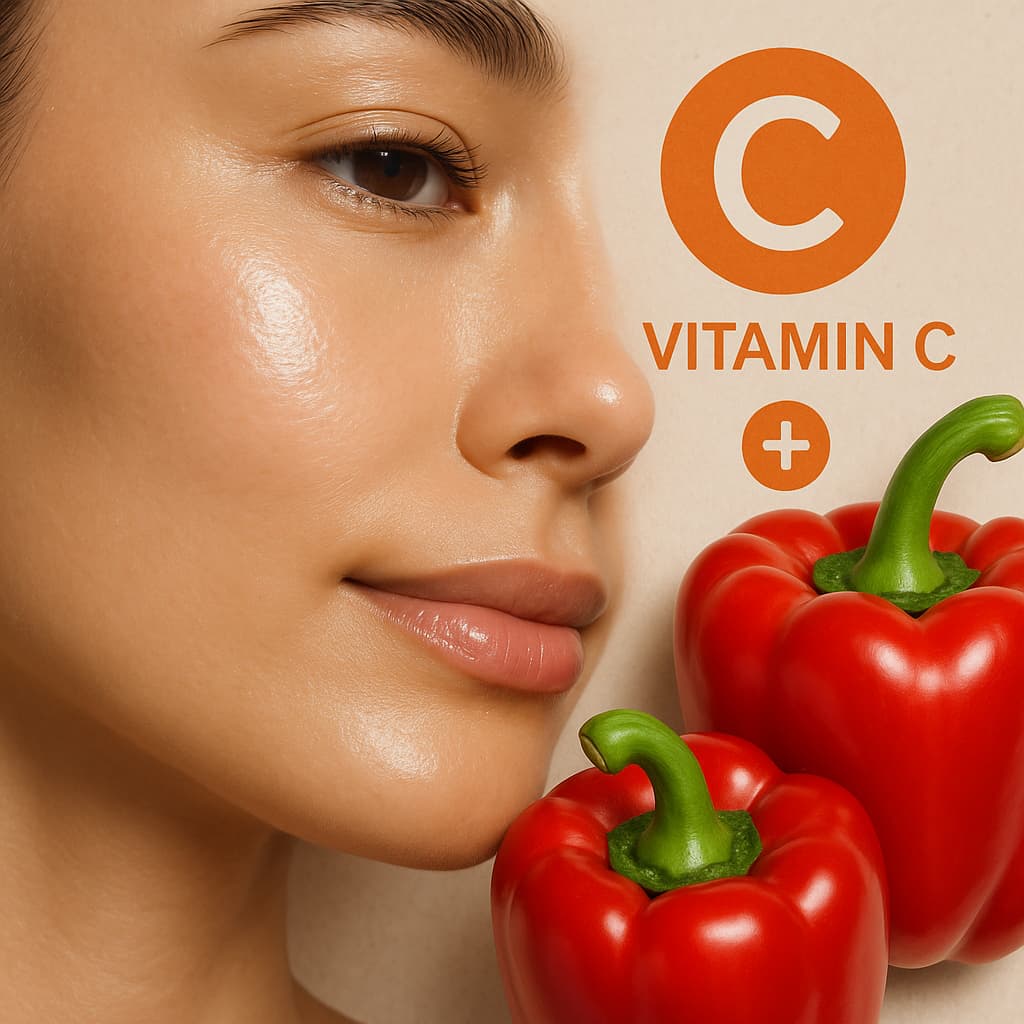
Vitamin C and carotenoids in bell peppers play a crucial role in collagen synthesis, which supports skin elasticity, and in protecting against UV-induced oxidative damage. Antioxidant compounds may also reduce oxidative stress that accelerates skin aging.
Dermatologists at the Cleveland Clinic note that vitamin C promotes the repair of connective tissues and may help the skin appear smoother and more resilient. Regular intake of colorful vegetables is one of the best dietary strategies for maintaining healthy skin from within.
7. Promotes Digestive Health
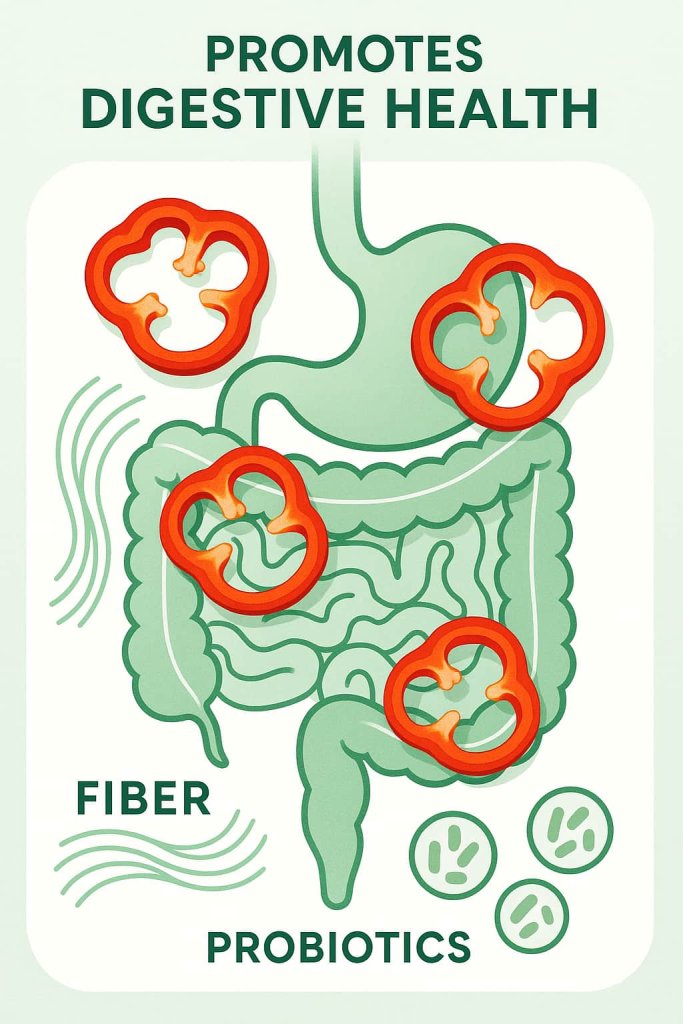
Bell peppers are an excellent source of dietary fiber, providing about 3 grams per cup of chopped raw pepper. Fiber plays a crucial role in maintaining digestive health by supporting regular bowel movements and feeding beneficial gut bacteria, which in turn promote better nutrient absorption and gut balance.
According to Harvard Health Publishing, a fiber-rich diet helps maintain a healthy gut microbiome, which influences not only digestion but also immune function and overall metabolism. A diverse gut environment supports the body’s ability to process nutrients efficiently and may help reduce gastrointestinal discomfort.
Cooking bell peppers lightly—by steaming, roasting, or sautéing—can make them easier to digest while still preserving much of their fiber and antioxidant content. Their gentle texture and mild flavor make them a versatile addition to gut-friendly meals such as salads, stir-fries, or grain bowls.
8. May Support Brain and Cognitive Function

Bell peppers contain vitamin B6, essential for synthesizing neurotransmitters such as serotonin and dopamine. Their antioxidants may also protect neurons from oxidative stress, potentially supporting memory and cognitive function as you age.
According to the NIH Office of Dietary Supplements, maintaining adequate vitamin B6 levels is important for brain health and cognitive performance. Combining bell peppers with other B-vitamin sources like chickpeas or fish enhances nutritional synergy.
9. May Support Healthy Blood Sugar Levels
Bell peppers are naturally low on the glycemic index (GI ≈ 15) and contain valuable fiber and antioxidants that may help stabilize post-meal blood sugar levels. Their vitamin C content also supports insulin sensitivity by reducing oxidative stress and inflammation at the cellular level — two key factors that influence glucose metabolism.
The American Diabetes Association (ADA) highlights non-starchy vegetables like bell peppers as essential components of a balanced diet for people managing blood sugar. The ADA recommends filling half of your plate with non-starchy vegetables such as peppers, broccoli, and leafy greens to promote better glycemic control and nutrient balance.
Including bell peppers in meals alongside lean protein and whole-grain sources can further support steady energy and metabolic health. Their natural sweetness also makes them a flavorful, nutrient-dense substitute for higher-carb ingredients in many dishes.
10. Provides Antioxidant Protection
Bell peppers deliver a diverse range of antioxidants — including vitamin C, vitamin E, beta-carotene, lutein, and quercetin — which collectively help neutralize free radicals and protect body tissues from oxidative damage.
A 2023 review in the Journal of Food Science reported that carotenoid-rich vegetables may help support cellular health and reduce the impact of oxidative stress associated with aging. Regular consumption of bell peppers contributes to the body’s antioxidant defense system.
How to Add Bell Peppers to Your Diet
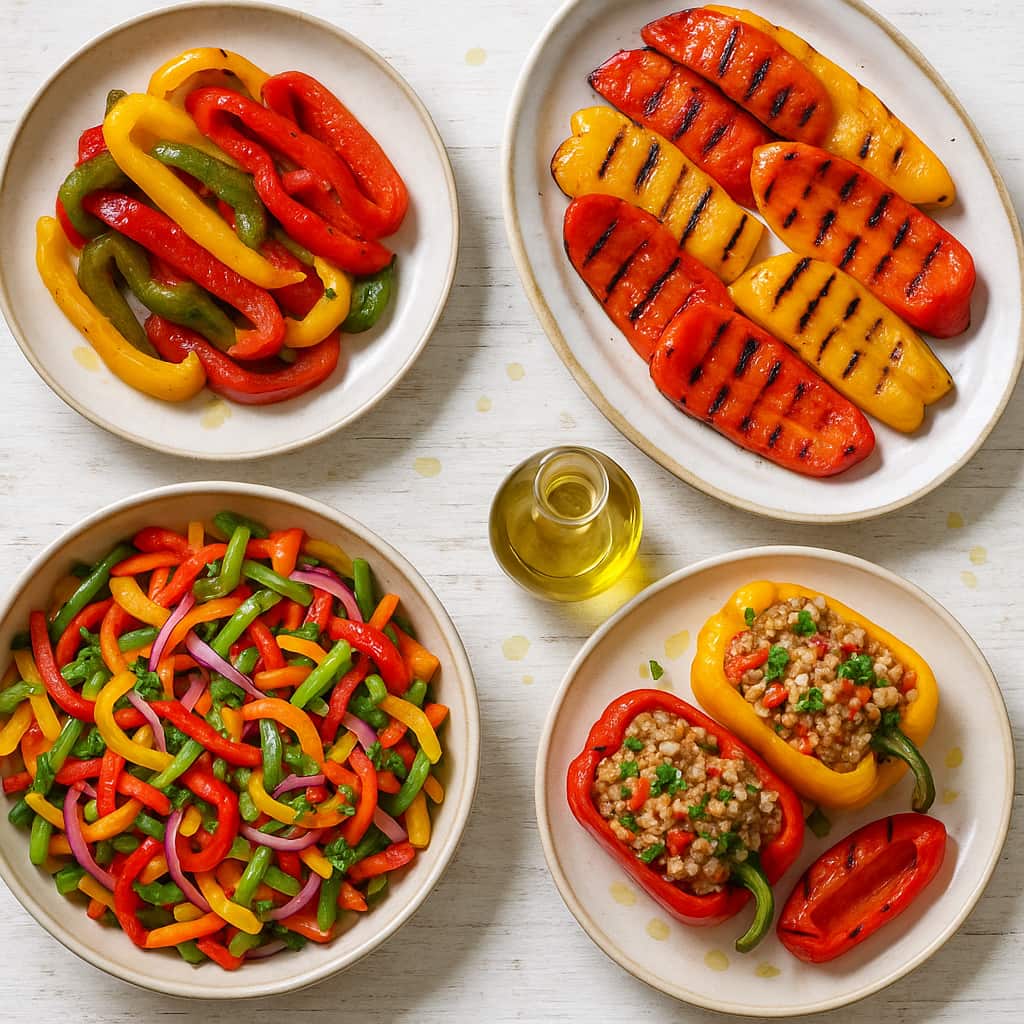
Bell peppers are one of the most versatile vegetables, easily incorporated into both raw and cooked dishes. They add color, texture, and a boost of nutrients to nearly any meal.
Practical Ways to Enjoy Bell Peppers
- Raw: Slice into strips for salads, wraps, or as a crunchy snack with hummus or yogurt dip.
- Roasted or Grilled: Roasting enhances sweetness and increases the bioavailability of carotenoids like beta-carotene and lutein.
- Stuffed Peppers: Fill with whole grains, lean proteins, and legumes for a balanced meal.
- Sautéed or Stir-Fried: Combine with olive oil and garlic for a flavorful, nutrient-dense side dish.
- Blended: Add to soups, sauces, or smoothies for added vitamin C and antioxidants.
Nutrition Tip
Pairing bell peppers with healthy fats—such as olive oil, avocado, or nuts—can enhance carotenoid absorption, improving the bioavailability of fat-soluble nutrients.
For balanced meal planning, follow guidance from USDA MyPlate or the Harvard Healthy Eating Plate, both of which recommend filling half your plate with fruits and vegetables for optimal nutrition.
Possible Side Effects and Precautions
Bell peppers are generally safe and well-tolerated by most people, but certain individuals may experience mild reactions or sensitivities. Being aware of these factors helps ensure safe and balanced consumption.
1. Allergies and Nightshade Sensitivity
Bell peppers belong to the nightshade family (Solanaceae), which also includes tomatoes, potatoes, and eggplants. Some individuals with sensitivities to nightshades may experience mild allergic symptoms such as itching, hives, or digestive discomfort after eating bell peppers. These reactions are rare but can occur due to shared proteins within this plant family. People with known nightshade allergies should consult a healthcare professional before frequent consumption.
2. Digestive Sensitivity
Eating large portions of raw bell peppers may cause bloating or gas in individuals with sensitive digestive systems. This is primarily due to their fiber and cellulose content. Lightly cooking peppers — such as roasting, sautéing, or steaming — helps soften the fiber, making them easier to digest while preserving most of their nutrients and antioxidants.
3. Pesticide Residue and Safe Handling
Bell peppers are often listed among produce items with higher pesticide residues, according to analyses by food safety organizations. To reduce exposure, it’s important to wash peppers thoroughly under running water before cutting or cooking.
The U.S. Food and Drug Administration (FDA) advises consumers not to use soap, detergent, or commercial produce washes, as these may leave residues unsafe for consumption. For official guidance, see FDA – Selecting and Serving Produce Safely.
Choosing organic bell peppers when available and drying them with a clean paper towel after washing can further help reduce surface contaminants.
Storage and Food Safety Tips
Proper storage and handling of bell peppers are essential to maintain their freshness, flavor, and nutritional value — and to prevent foodborne illness. Following evidence-based food safety practices ensures that your vegetables stay safe and high-quality from market to meal.
1. Refrigeration
Store whole bell peppers in the refrigerator’s crisper drawer at or below 40°F (4°C). This helps slow spoilage and retain their natural crunch and color. Under proper refrigeration, fresh bell peppers typically last 1–2 weeks. Avoid airtight bags for whole peppers, as they need some airflow to stay firm.
2. After Cutting
Once cut, place peppers in a clean, airtight container or resealable bag, and refrigerate immediately. For best quality, consume within 3–4 days. Always use clean utensils when handling sliced peppers to reduce contamination risk.
3. Freezing Option
If you have more bell peppers than you can use fresh, freezing is an excellent option. Briefly blanch chopped peppers, cool them in ice water, and freeze in airtight containers or freezer-safe bags. According to the U.S. Department of Agriculture (USDA) Food Safety and Inspection Service (FSIS), frozen peppers retain good flavor and texture for up to 6 months when stored at 0°F (-18°C).
4. Avoid Cross-Contamination
Always keep bell peppers separate from raw meats, poultry, and seafood to prevent bacterial transfer. Use a dedicated cutting board for fresh produce, and wash knives, countertops, and storage containers thoroughly after each use. The USDA FSIS emphasizes that proper cleaning, separating raw and cooked foods, and maintaining safe temperatures are critical steps in keeping food safe at home.
Quick Food Safety Reminder
- Wash hands before and after handling fresh produce.
- Rinse peppers under running water before cutting; do not use soap or detergents.
- Discard any peppers that show mold, soft spots, or an off odor.
By following these guidelines, you can enjoy bell peppers safely while preserving their nutrition, flavor, and quality.
Frequently Asked Questions (FAQ)
1. Are red bell peppers healthier than green ones?
Yes. Red peppers are fully ripened and contain higher levels of vitamin C, beta-carotene, and antioxidants compared to green peppers, which are harvested earlier.
2. Can bell peppers help boost immunity?
Absolutely. They are one of the richest natural sources of vitamin C, which supports immune cell activity and collagen production.
3. How much vitamin C do bell peppers contain?
One cup of chopped red bell pepper provides about 190 mg of vitamin C, over 300% of the daily value (DV) according to USDA FoodData Central.
4. Are bell peppers good for people with diabetes?
Yes. They are low-glycemic and high in fiber, making them ideal for blood sugar management. The American Diabetes Association lists non-starchy vegetables like bell peppers among its recommended “superstar” foods.
5. Do cooked bell peppers lose nutrients?
Cooking may reduce heat-sensitive nutrients like vitamin C slightly but can increase carotenoid absorption. Light roasting or sautéing offers the best nutritional balance.
6. Are bell peppers safe during pregnancy?
Yes. They provide essential nutrients such as vitamin C, folate, and fiber. Always wash thoroughly before eating to reduce microbial or pesticide exposure.
7. How can I make bell peppers easier to digest?
Lightly cook or peel the skin to soften the fiber. Pair with healthy fats or proteins to balance digestion and nutrient absorption.
Conclusion
Bell peppers are vibrant, nutrient-dense vegetables that support overall wellness through their rich supply of vitamin C, fiber, antioxidants, and carotenoids. Regularly including them in your meals can promote immune strength, heart health, skin vitality, and digestive balance—all while adding natural color and flavor to your diet.
Incorporate them into balanced meals alongside other whole foods, following guidelines from USDA MyPlate and Harvard Healthy Eating Plate for lifelong nutritional benefits.
✅ This content is for informational purposes only and not medical advice.