
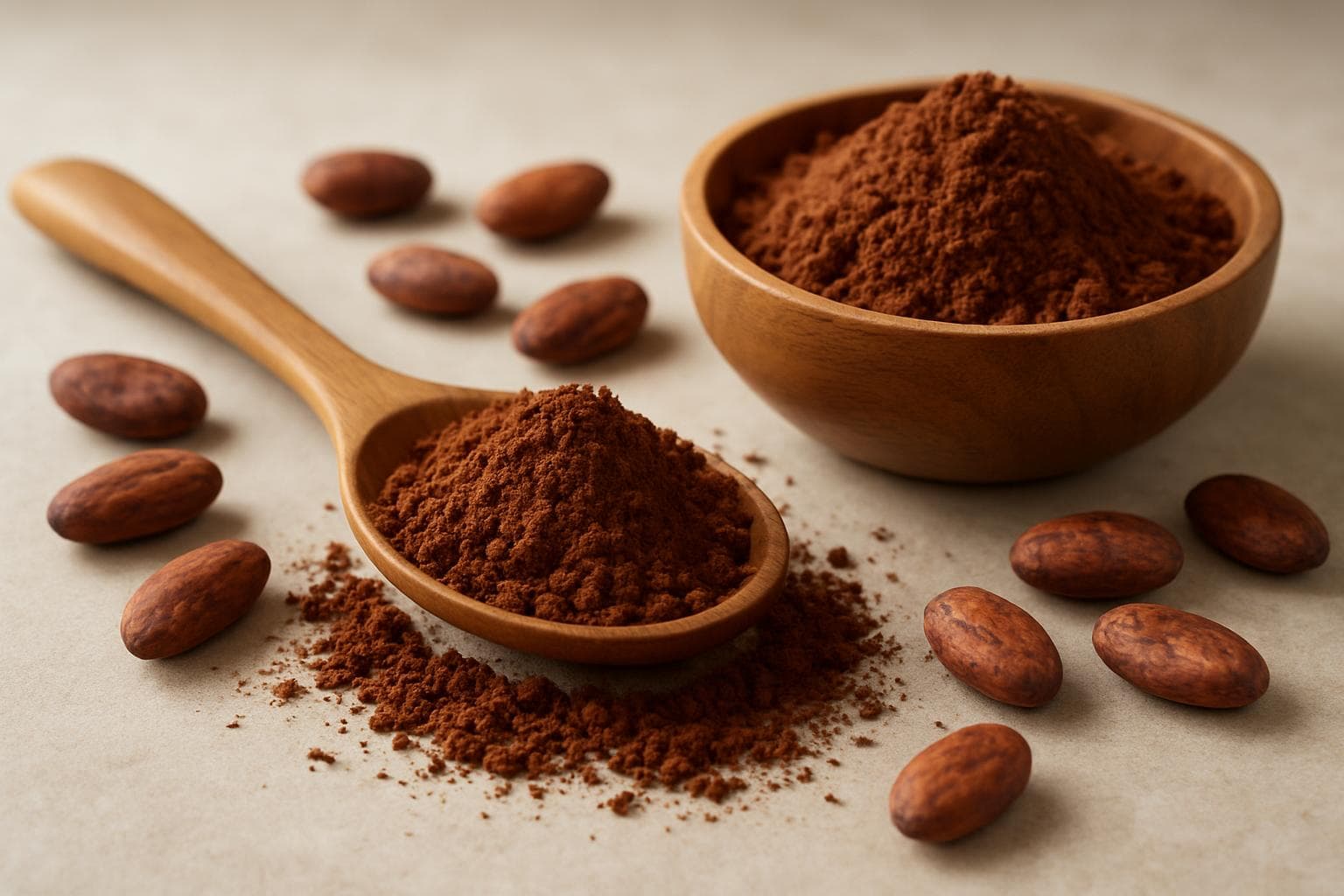
Cocoa powder is rich in antioxidants and may support heart, brain, and metabolic health. Research shows that its flavanols, minerals, and fiber contribute to overall wellness when consumed in moderation. Understanding the benefits of cocoa powder helps you choose healthier options, use it correctly, and avoid common misconceptions.
This guide covers nutrition facts, evidence-backed benefits, safe intake, risks, and smart ways to add cocoa powder to your diet—based on current research and authoritative sources such as USDA, FDA, and Harvard Health.
What Is Cocoa Powder? (Overview and Nutrition Profile)
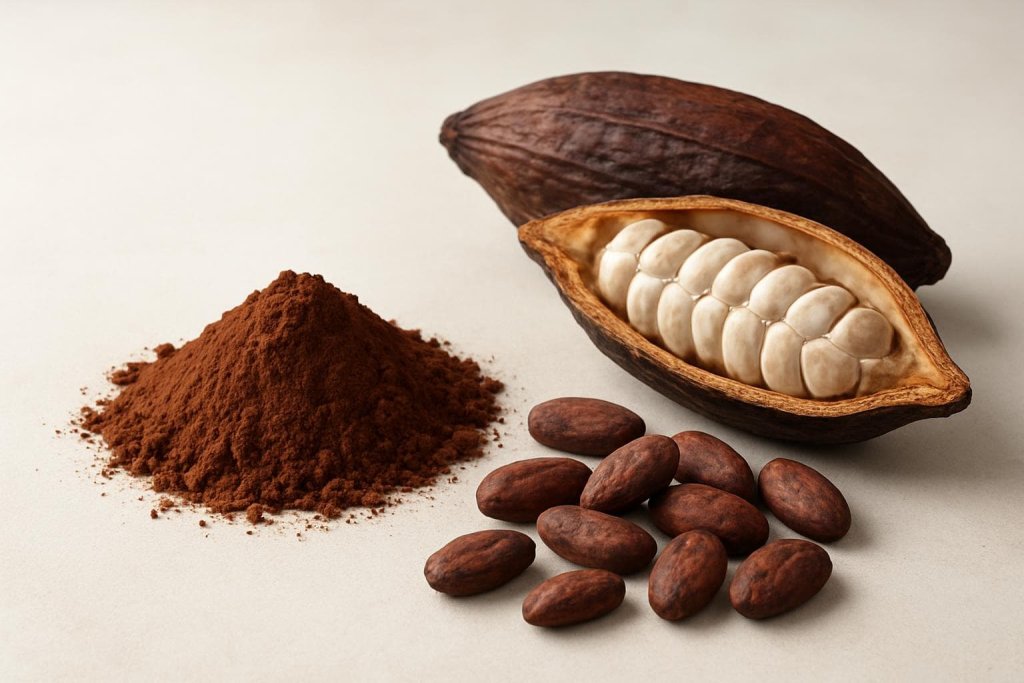
Cocoa powder is a concentrated product made from fermented, roasted, and ground cacao beans. After most of the cocoa butter (natural fat) is removed, the remaining solids are dried and finely milled into a rich, unsweetened powder. It is widely used in baking, beverages, and wellness-focused recipes because it is naturally sugar-free and packed with antioxidants and minerals.
There are two main types:
- Natural cocoa powder – lighter in color, higher in flavanols, more acidic
- Dutch-processed (alkalized) cocoa – darker, smoother, but typically lower in flavanol content
For the greatest nutritional benefit, natural, minimally processed cocoa powder is recommended.
Nutrition Profile of Cocoa Powder (Per 1 Tablespoon / ~5g)
According to USDA FoodData Central, unsweetened cocoa powder is low in calories yet rich in essential nutrients and beneficial plant compounds.
Key nutrients include:
- Calories: ~12
- Protein: ~1 g
- Total Fat: ~0.7 g
- Carbohydrates: ~3 g
- Dietary Fiber: ~2 g
- Added Sugar: 0 g
- Rich in: magnesium, iron, copper, manganese, potassium
- Bioactive compounds: flavanols, polyphenols, theobromine, caffeine (small amounts)
Source: USDA FoodData Central – Cocoa Powder
10 Proven Benefits of Cocoa Powder (Backed by Nutrition Research)
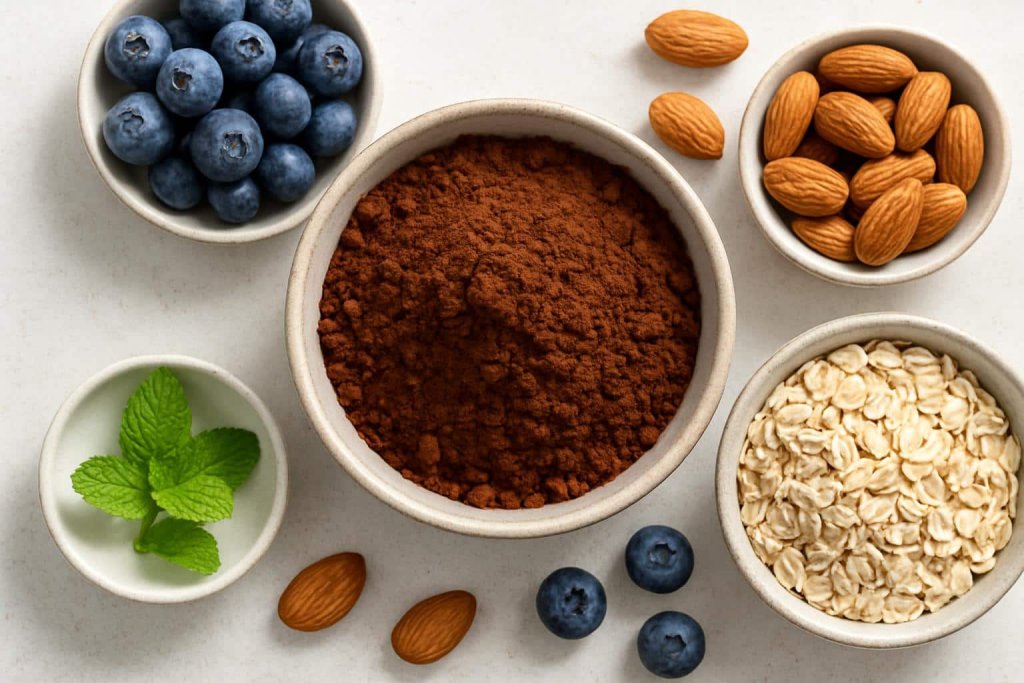
Cocoa powder is rich in antioxidants, minerals, and bioactive compounds that may support heart health, brain function, and overall metabolic wellness. Below are the most evidence-supported benefits, based on reputable nutrition and research institutions.
1. Rich in Antioxidants and Flavanols
Cocoa powder contains high levels of flavanols, naturally occurring antioxidants that support overall cellular health. These compounds may help neutralize free radicals and reduce oxidative stress—an important factor in healthy aging.
According to the Harvard T.H. Chan School of Public Health, cocoa flavanols are among the most concentrated antioxidants found in plant foods and play a key role in vascular and metabolic wellness (source:
Harvard cocoa flavanol overview).
What this means for you:
Moderate use of unsweetened cocoa powder may support your body’s natural antioxidant defenses.
2. Supports Heart and Blood Vessel Health

Cocoa flavanols may support healthy blood vessel function by enhancing nitric oxide production, which relaxes blood vessels and promotes circulation. Improved vascular function is linked to better overall cardiovascular wellness.
The American Heart Association (AHA) notes that flavanol-rich foods, including cocoa, may support heart health when included as part of a balanced eating pattern (reference:
AHA – Flavonoid-rich foods and heart health).
3. May Help Lower Blood Pressure (Modest Effect)
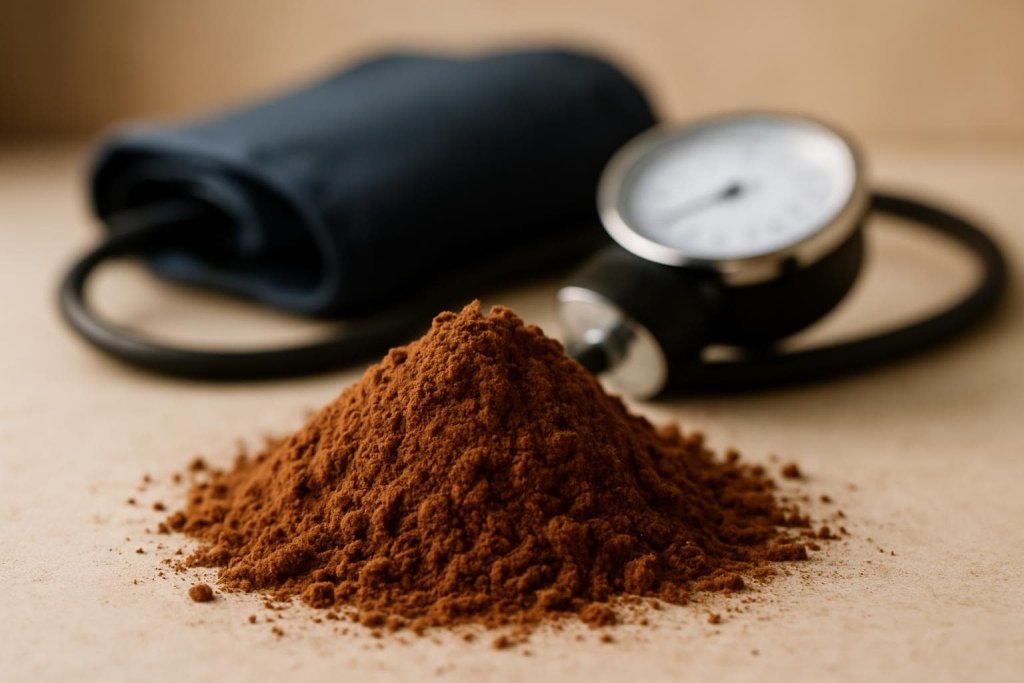
Several clinical trials show that cocoa flavanols may produce small but meaningful reductions in blood pressure. These improvements typically occur in adults with elevated blood pressure and are modest—but still beneficial—when paired with a healthy lifestyle.
The National Institutes of Health (NIH) also reports that flavanol-rich cocoa products have been associated with improved vascular responsiveness in certain populations.
4. Supports Healthy Cholesterol Levels
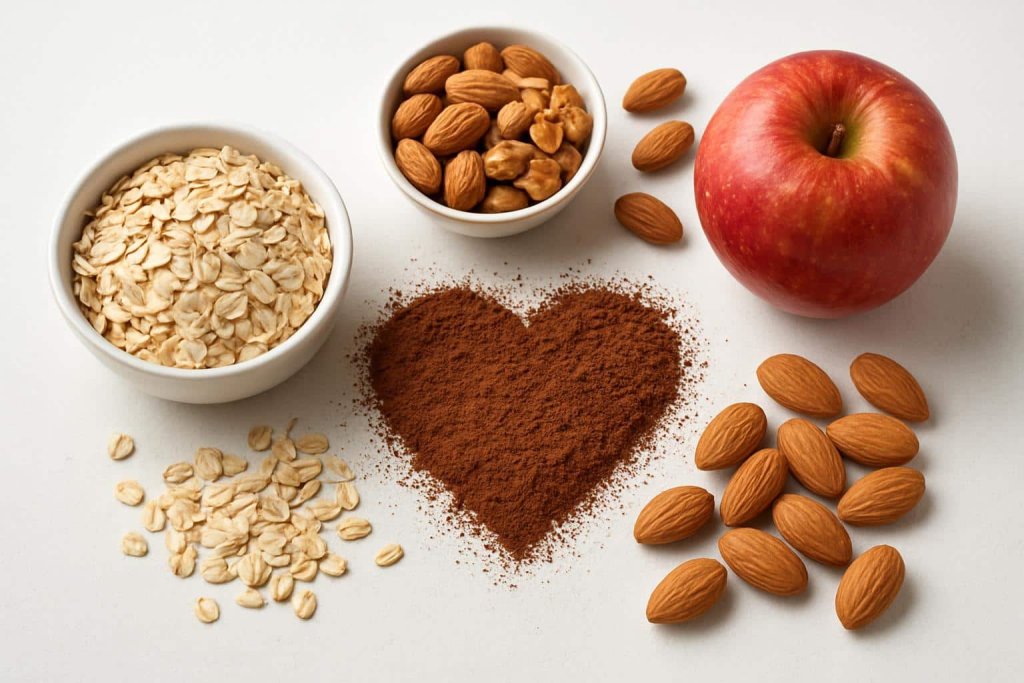
Unsweetened cocoa powder may support healthier cholesterol levels thanks to its flavanols, fiber, and unique fatty acid profile. These compounds work together to promote metabolic balance and heart-wellness when used as part of a balanced eating pattern.
Cocoa powder may help:
- Support higher HDL (“good”) cholesterol
- Maintain healthier LDL levels
- Promote better overall lipid balance
According to the Harvard T.H. Chan School of Public Health, cocoa and dark chocolate contain stearic acid, a saturated fat that does not raise LDL (“bad”) cholesterol in the same way many other saturated fats do. Harvard’s review also notes that the plant flavanols in cocoa may support cardiovascular health when consumed in minimally-processed form and without excess sugar or added fats (source:
Harvard Chan – Dark chocolate is best choice for health—but don’t turn it into medicine ).
Important:
These cholesterol-supportive potential benefits apply specifically to unsweetened cocoa powder or high-cocoa, low-sugar products, not to heavily processed chocolate bars or candy with high sugar and fat content.
5. May Support Blood Sugar Control
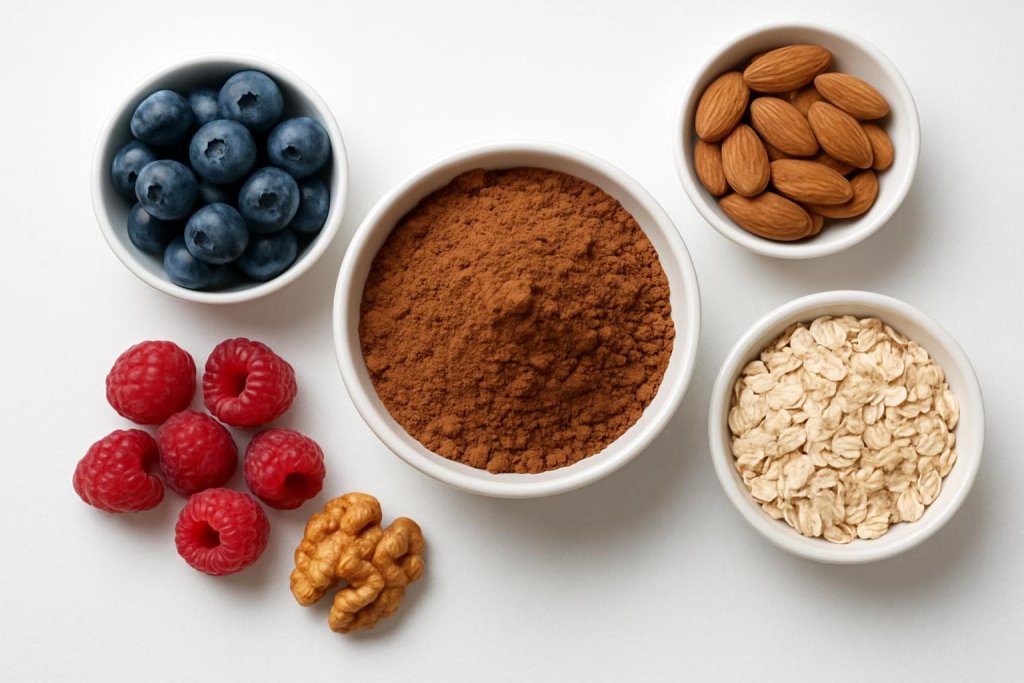
Cocoa flavanols may support healthier blood sugar balance by promoting better insulin sensitivity and supporting efficient glucose metabolism. Some observational studies have also linked higher intake of flavanol-rich foods with a lower long-term risk of type 2 diabetes, although more research is needed to confirm these effects.
The Centers for Disease Control and Prevention (CDC) emphasizes that choosing nutrient-dense, low-sugar foods is an essential part of maintaining stable blood glucose levels. The CDC notes that healthy eating helps keep blood sugar within your target range as consistently as possible (source:
CDC – Healthy Eating with Diabetes).
Because unsweetened cocoa powder is naturally sugar-free and rich in beneficial plant compounds, it can be a smart way to add flavor to smoothies, oatmeal, yogurt bowls, and healthy snacks without causing unnecessary sugar spikes.
6. Supports Brain Blood Flow and Cognitive Function
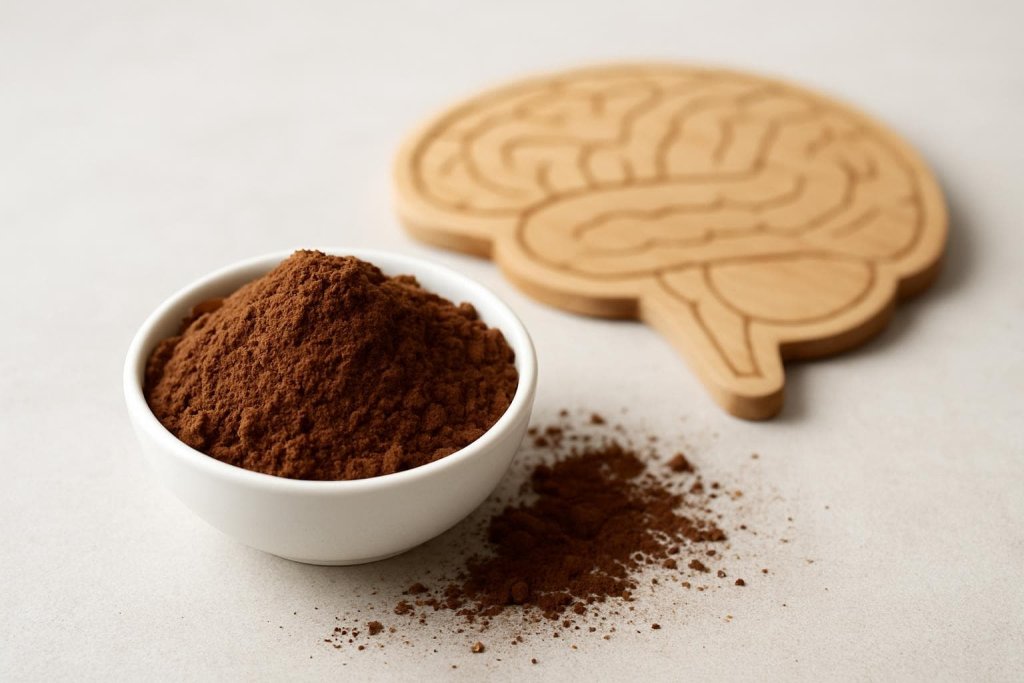
Research in older adults suggests that cocoa flavanols may support healthier brain function by promoting improved blood flow, enhancing processing speed, and supporting cognitive performance with age. These benefits are linked to cocoa’s antioxidant activity and its influence on vascular health.
The Cleveland Clinic explains that flavanol-rich dark chocolate may support brain health by improving circulation and providing antioxidant compounds that help protect cells from everyday oxidative stress. These mechanisms may contribute to maintaining cognitive wellness over time (source:
Cleveland Clinic – The Health Benefits of Dark Chocolate).
7. May Support Mood and Reduce Stress
Cocoa naturally contains compounds associated with mood support, such as:
- Flavanols
- Magnesium
- Theobromine
- Aromatic compounds linked to relaxation
These nutrients may support mood balance and reduced perceived stress. Some studies show that consuming cocoa-rich foods may help promote calmness and overall emotional well-being, though results vary.
The National Library of Medicine (NIH PubMed) includes multiple studies linking cocoa intake with improved mood markers, but emphasizes moderation.
8. May Support Skin Health
The antioxidants in cocoa may support:
- Healthier skin hydration
- Better skin blood flow
- Modest protection against environmental stressors
Flavanols may promote microcirculation in the skin, contributing to a smoother appearance and enhanced hydration.
However, cocoa is not a substitute for sunscreen or dermatological care. It may simply complement a skin-supportive lifestyle.
9. Supports Gut Health and the Microbiome
Cocoa polyphenols act like prebiotic compounds, meaning they can help support the growth of beneficial gut bacteria. These bacteria play a role in:
- Digestion
- Immune function
- Metabolic balance
A review published through the NIH National Library of Medicine notes that cocoa polyphenols may contribute to positive changes in gut microbiota composition, supporting overall digestive wellness (reference:
NIH – Cocoa and gut microbiota research).
10. Nutrient-Dense, Low-Calorie Flavor Booster
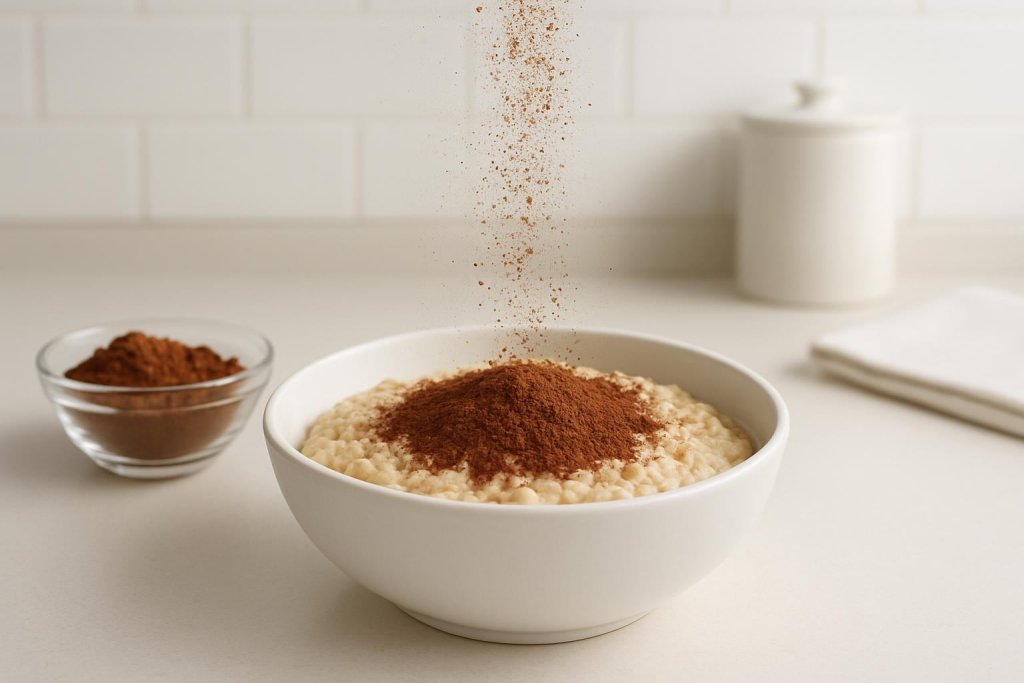
Cocoa powder is:
- Low in calories
- Naturally unsweetened
- High in fiber
- Rich in minerals like magnesium, potassium, copper, and iron
According to USDA FoodData Central, cocoa powder provides meaningful amounts of dietary fiber and essential minerals in a very small serving size (source:
USDA – Cocoa powder nutrition).
This makes it a clean, versatile ingredient for:
- Smoothies
- Yogurt bowls
- Oatmeal
- Healthy baking
- Protein shakes
It adds rich flavor without sugar, making it ideal for wellness-focused eating.
Possible Side Effects and Precautions
Cocoa powder is safe for most adults when consumed in moderation, but certain health considerations must be addressed. These precautions help ensure safe use, particularly for sensitive populations.
Heavy Metals (Cadmium & Lead)
Cocoa plants can naturally absorb cadmium and lead from soil, and these metals may concentrate in cocoa solids—including cocoa powder. Levels vary based on geographic region, soil quality, and processing methods. Because cocoa powder is a concentrated form of the cocoa bean, awareness of potential heavy-metal exposure is important for safe consumption.
The U.S. Food and Drug Administration (FDA) explains that cocoa and other plant-based foods may contain trace amounts of cadmium due to soil uptake. Their guidance on Cadmium in Food and Foodwares outlines exposure concerns, monitoring efforts, and steps consumers can take to reduce risk.
Safety Tips
- Choose cocoa brands that publish third-party heavy-metal testing or source beans from regions with lower soil cadmium levels.
- Rotate brands if you use cocoa powder frequently to minimize cumulative exposure.
- Pregnant individuals, young children, and people with kidney concerns should be especially cautious with high-cocoa products.
Caffeine & Theobromine
Cocoa contains natural stimulants—caffeine and theobromine—which may affect sensitive individuals.
Possible effects:
- Restlessness
- Sleep disturbances
- Increased heart rate
- Headaches
The Cleveland Clinic explains how cocoa’s stimulant compounds influence health in its guide on the health benefits of dark chocolate.
Digestive Sensitivities
Cocoa’s fiber and polyphenols may lead to digestive issues such as gas, bloating, or cramping—particularly in individuals with IBS or sensitive stomachs. Start with smaller servings if needed.
Acid Reflux Triggers
Cocoa may relax the lower esophageal sphincter, the muscle that prevents stomach acid from moving upward into the esophagus. When this muscle relaxes more easily, it can increase the likelihood of heartburn, acid reflux, or GERD symptoms, especially in individuals who are already sensitive to trigger foods.
Harvard Health Publishing identifies chocolate—made from cocoa—as one of the foods that can aggravate reflux symptoms due to its combination of natural stimulants and fats. Their guide on foods to avoid to reduce acid reflux includes cocoa-containing foods among common triggers.
Pregnancy & Breastfeeding Cautions
Cocoa contains caffeine and may contain trace heavy metals, so moderated intake is recommended.
The American College of Obstetricians and Gynecologists (ACOG) outlines safe caffeine limits during pregnancy in its guide on nutrition during pregnancy.
Pregnant or breastfeeding individuals should:
- Limit total caffeine intake
- Choose cocoa brands with transparent testing
- Avoid cocoa supplements unless approved by a clinician
Allergy Considerations
True cocoa allergy is uncommon but can occur. Symptoms may include skin irritation, digestive issues, or respiratory reactions. The American Academy of Allergy, Asthma & Immunology (AAAAI) offers guidance on food allergy basics.
How to Use Cocoa Powder Safely in Your Diet
Proper use ensures you enjoy cocoa’s rich flavor and nutritional benefits without unwanted side effects.
Serving Sizes (½–2 Tablespoons Daily)
Most adults tolerate ½–2 tablespoons per day, depending on sensitivity to caffeine and digestive tolerance.
The Harvard T.H. Chan School of Public Health discusses cocoa’s nutritional role in its overview of dark chocolate and flavonoids.
Best Ways to Consume Cocoa Powder
Choose unsweetened natural cocoa for the highest flavanol content.
Healthy ways to add cocoa:
- Stir into oatmeal or overnight oats
- Blend into smoothies or protein shakes
- Mix into Greek yogurt
- Prepare low-sugar hot cocoa
- Use in energy balls, chia pudding, or healthy baking
Who Benefits Most
Cocoa powder may be helpful for people who:
- Want more antioxidants
- Prefer low-sugar flavor boosters
- Seek nutrient-dense alternatives to processed chocolate
- Follow heart-conscious eating patterns
Healthy Recipe Ideas
- Cocoa Chia Pudding: Cocoa, chia seeds, milk
- Cocoa Yogurt Parfait: Yogurt, cocoa, nuts, berries
- Chocolate Overnight Oats: Cocoa, oats, milk, flaxseed
- Cocoa Banana Smoothie: Banana, cocoa, protein powder
Storage and Food Safety Tips
Proper storage improves flavor, prevents clumping, and reduces contamination risks.
How to Store Cocoa Powder
- Store in an airtight container
- Keep in a cool, dry, dark place
- Avoid areas with humidity or strong odors
The U.S. Department of Agriculture (USDA) provides general safety guidelines as part of its Food Safety Education resources.
Shelf Life
- Unopened: 2–3 years
- Opened: Best within 1 year
Discard if you notice clumping, mold, discoloration, or off smells.
Food Safety Tips
- Use clean, dry utensils
- Do not freeze (moisture creates mold risk)
- Reseal container immediately after each use
Frequently Asked Questions (FAQs)
1. Is cocoa powder the same as cacao powder?
No. Cacao is less processed and may retain slightly more flavanols. Cocoa is roasted and smoother in flavor.
2. Can people with diabetes consume cocoa powder?
Yes—unsweetened cocoa is sugar-free. The Centers for Disease Control and Prevention (CDC) encourages nutrient-dense, low-sugar foods for stable blood glucose in its guide on healthy eating with diabetes.
3. Does cocoa powder contain caffeine?
Yes, cocoa contains small amounts of caffeine and theobromine. Sensitive individuals should limit intake.
4. Can cocoa powder cause digestive issues?
Some people may experience gas, bloating, or stomach upset due to cocoa’s fiber and polyphenols.
5. How much cocoa powder is safe daily?
Most adults tolerate ½–2 tablespoons depending on caffeine sensitivity and digestive tolerance.
6. Is cocoa powder safe for children?
Yes—when used in small amounts. Be mindful of caffeine and avoid added sugars.
7. Is natural cocoa healthier than Dutch-processed cocoa?
Yes. Natural cocoa typically contains more flavanols because it’s not alkalized.
Conclusion
Cocoa powder is a nutrient-rich, antioxidant-dense ingredient that may support heart, brain, and metabolic wellness when enjoyed in moderation. By choosing high-quality unsweetened cocoa and following safe intake and storage practices, you can incorporate it into your diet safely and effectively.
This content is for informational purposes only and not medical advice.