
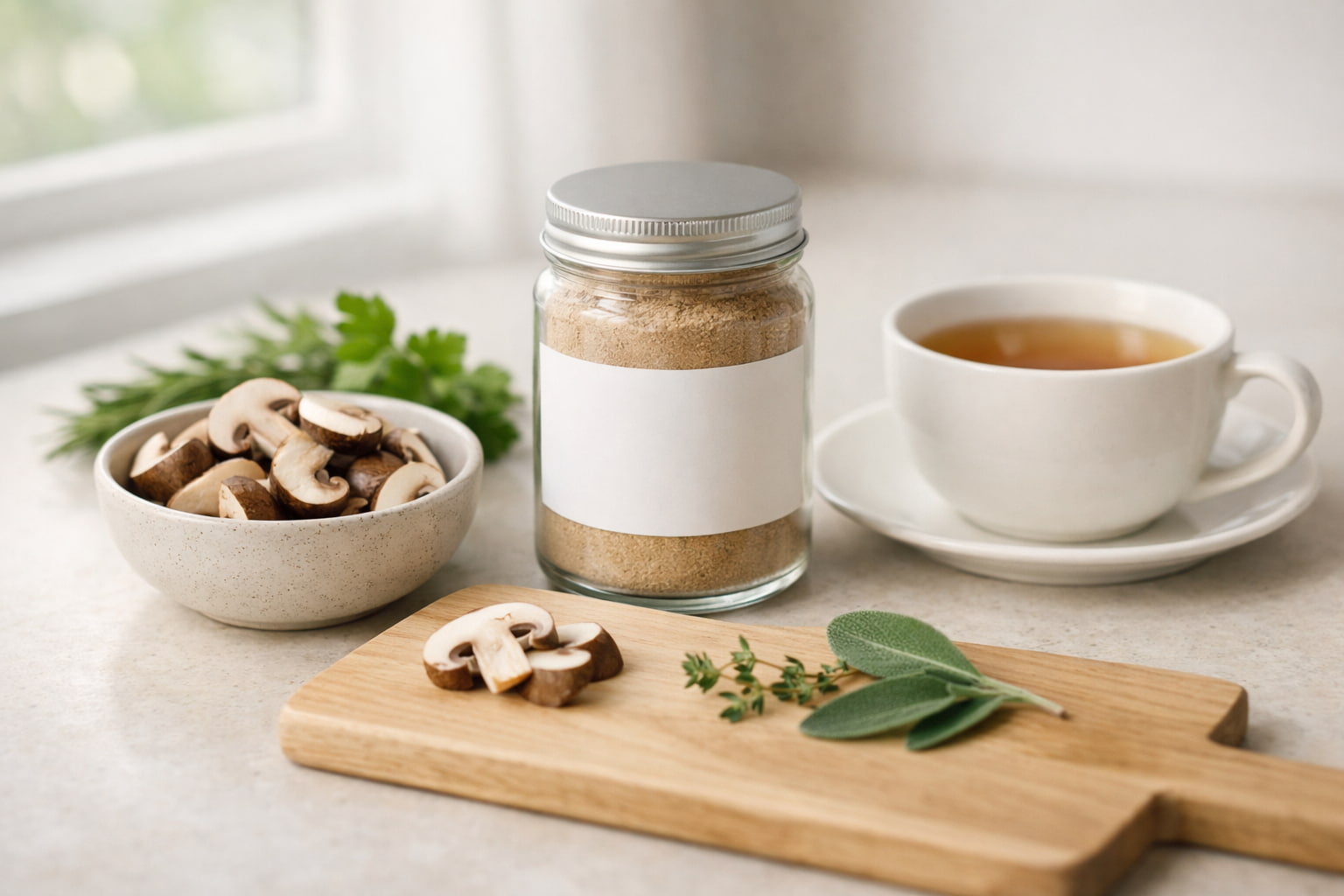
Functional mushrooms are edible mushrooms or mushroom-based supplements that may support overall wellness, but evidence varies by mushroom type and product quality—and safety depends on your health conditions and medications. If you’re using functional mushrooms for nutrition and overall wellness, the best approach is food-first: build meals around whole foods, then consider supplements only if they fit your goals and you can verify quality.
Meta description: Functional mushrooms may support wellness, but evidence varies. Learn benefits, risks, nutrition profile, how to choose quality products, and safe use.
What are functional mushrooms
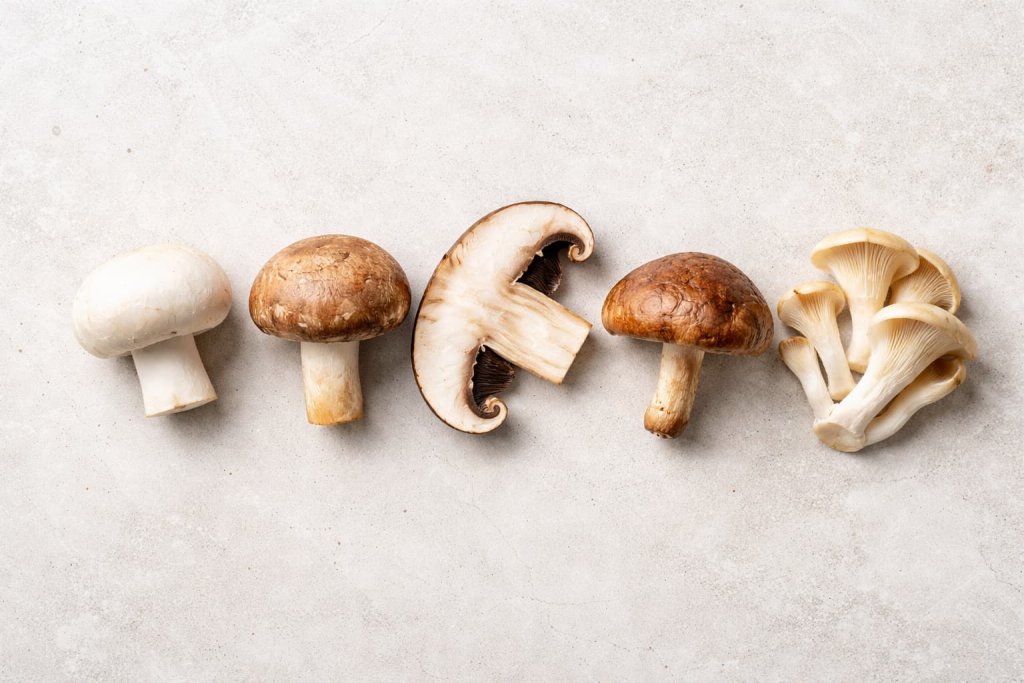
“Functional mushrooms” is a broad wellness term for mushrooms used beyond basic calories—either as food (fresh/dried) or as supplements (powders, capsules, extracts, and blended drinks). Popular varieties include lion’s mane, reishi, cordyceps, chaga, turkey tail, shiitake, and maitake. Research reviews describe interest in compounds such as beta-glucans and other polysaccharides that may play roles in immune-related and metabolic pathways. (National Library of Medicine)
Functional mushrooms is not a strict scientific category or a regulated product standard. It’s a consumer term that can describe very different products, including whole mushrooms, dried powders, concentrated extracts, and multi-ingredient blends. Because the category is broad, the most accurate way to evaluate benefits is to look at the specific mushroom species, the product type (whole food vs extract), and the dose listed on the label—not the marketing phrase “functional.”
Functional mushrooms and nutrition
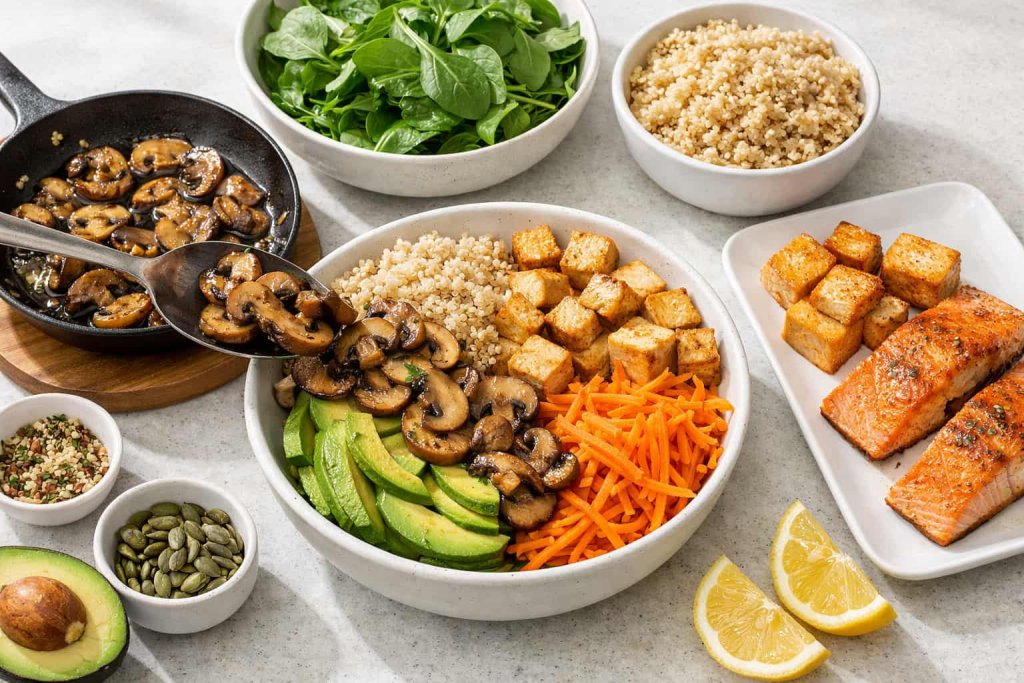
If your goal is nutrition and overall wellness, whole mushrooms (the food) are the most predictable foundation.
Why whole mushrooms are a strong “food first” option
Mushrooms are typically:
- Low in calories and naturally low in sodium
- A simple way to add flavor and texture without heavy sauces
- Easy to add to meals across many dietary patterns
A simple food-first target is to include mushrooms as part of meals a few times per week. Many nutrition databases use a “serving” concept around common household measures (for example, about 1 cup raw sliced mushrooms, or a smaller volume once cooked because mushrooms shrink). For exact nutrition and serving references by mushroom type (raw vs cooked), use entries that match how you actually eat them in USDA FoodData Central.
Nutrition Profile
Functional mushrooms can be used two ways for wellness: as whole mushrooms (food) and as supplements (extracts/powders). From a nutrition perspective, whole mushrooms are the most predictable because you’re getting the full food matrix (water, fiber, minerals, and naturally occurring compounds), and you can verify nutrients in a standard database.
Whole mushrooms (food) nutrition highlights
Most commonly eaten mushrooms (white button, cremini, portabella, shiitake) tend to be:
- Low-calorie and low-fat (mostly water)
- A modest source of protein compared with many vegetables (still not a “high-protein” food)
- A source of key micronutrients, especially B vitamins (like riboflavin and niacin) and minerals such as selenium, copper, and potassium (amounts vary by type and serving)
- A natural source of fiber, with the exact amount depending on the mushroom and whether it’s cooked or raw
Nutrient modeling research using U.S. food patterns found that adding a serving of commonly consumed mushrooms can increase intake of nutrients such as riboflavin, niacin, selenium, copper, potassium, and fiber with a minimal calorie increase. (National Library of Medicine, 2021)
Vitamin D note (why some mushrooms are different)
Some mushrooms are UV-exposed to increase vitamin D content. That means two mushroom products can have very different vitamin D levels depending on how they were grown/processed—so it’s worth checking the label or the database entry when vitamin D is your priority.
Functional compounds you’ll see mentioned (nutrition-adjacent)
Many “functional” claims focus on compounds like beta-glucans and related polysaccharides. Some databases track these fiber components for several mushrooms, which is one reason you’ll see beta-glucans highlighted in marketing.
Supplements vs whole mushrooms (what changes nutritionally)
- Extracts/powders may concentrate certain compounds, but they don’t automatically provide the same vitamin/mineral profile as the whole food.
- “Mushroom coffee” and blends often contain small or unclear mushroom doses, so the nutrition impact may be minimal compared with simply eating mushrooms in meals.
Simple, nutrition-forward ways to eat mushrooms
- Sauté and add to eggs, tofu scrambles, or breakfast bowls
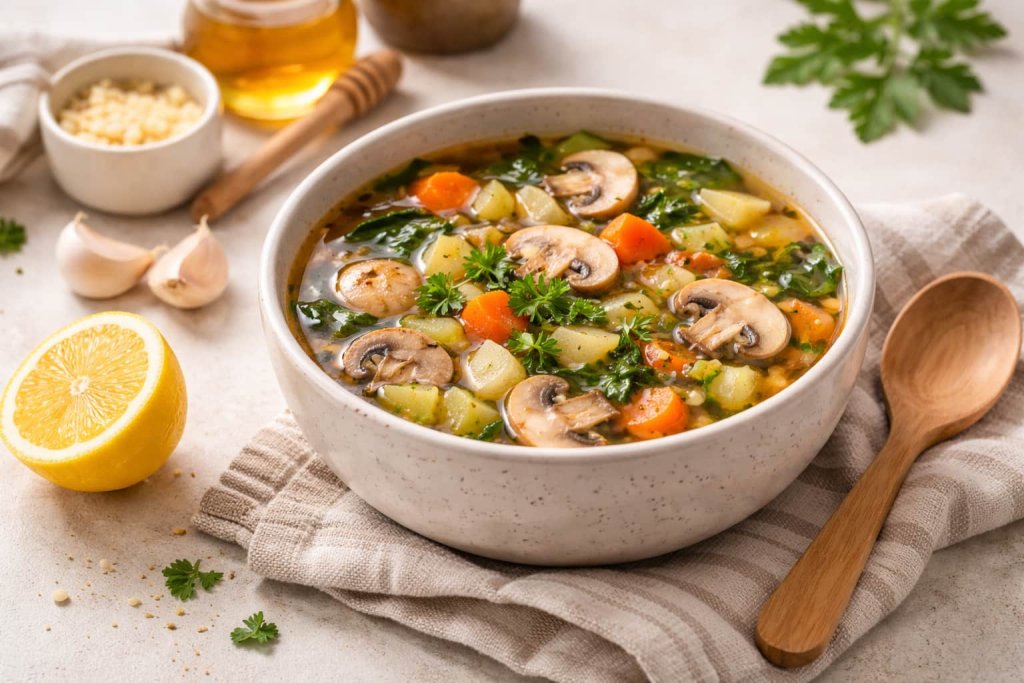
- Mix into soups, lentil dishes, chili, or stir-fries
- Roast with olive oil, garlic, and herbs as a side
- Blend cooked mushrooms into sauces to add savory flavor
Food safety matters with mushrooms, especially if you’re immunocompromised or pregnant. To reduce risk:
- Rinse mushrooms briefly under running water and pat dry (avoid soaking, which can make them soggy).
- Cook mushrooms thoroughly if you’re in a higher-risk group, since cooking reduces microbial risk.
- Refrigerate cooked mushroom dishes promptly and reheat leftovers until steaming hot.
For general food safety principles (clean, separate, cook, chill), the guidance from the Centers for Disease Control and Prevention is a good baseline.
What science suggests functional mushrooms may support
This is where careful, evidence-based phrasing matters. The science is evolving, and results depend on the mushroom species, preparation, dose, and your health profile.
1. Immune support
Many mushrooms contain polysaccharides, including beta-glucans, that can interact with immune pathways. Research describes how beta-glucans may influence immune signaling through specific receptors, summarized by the National Library of Medicine. Some randomized trials in healthy adults report changes in immune-related markers with certain mushroom beta-glucan preparations, but clinical outcomes (like fewer infections) are harder to prove and results can vary by product and dose. For one example of human research on immune markers, see the National Library of Medicine.
Practical takeaway: “may support immune function” is reasonable, but avoid disease-prevention claims.
2. Focus, mood, and stress support

Lion’s mane is commonly marketed for cognitive and mood support. A double-blind, placebo-controlled trial in adults with mild cognitive impairment reported improvements on cognitive scales after 16 weeks of lion’s mane compared with placebo, indexed in PubMed. Reviews note that results are promising but not definitive due to limited and varied human data; one overview is available via the National Library of Medicine. For safety context, National Library of Medicine describes lion’s mane as generally recognized as safe and not linked to clinically apparent liver injury in typical use.
Practical takeaway: Lion’s mane may support focus or mood for some people, but it shouldn’t replace sleep, stress care, or clinical evaluation when symptoms are significant.
3. Energy and exercise performance
Cordyceps is often promoted for energy and training, but human evidence is mixed. Some studies report improved exercise testing outcomes in certain groups or with specific preparations, including trials published by the National Library of Medicine and National Library of Medicine. Other analyses highlight inconsistent results across products, doses, and training status, emphasizing the need for better-standardized research; see the National Library of Medicine.
Practical takeaway: Cordyceps may help some people, but it’s not a guaranteed performance boost—training, nutrition, hydration, and sleep still matter most.
Functional mushrooms risks and who should be cautious
Even “natural” products can cause side effects or interact with medications. This matters most if you’re pregnant, managing a chronic condition, or taking prescription drugs.
Common side effects
- Digestive upset (nausea, gas, diarrhea), especially when starting
- Headaches or sleep changes in some people
- Allergic reactions (uncommon but possible)
If you’re new to functional mushroom supplements, a cautious approach may help reduce side effects:
- Start with a low dose for several days (or use the lowest serving on the label) and increase only if you tolerate it well.
- Introduce one new product at a time so you can tell what’s helping (or causing symptoms).
- Stop use if you develop a rash, trouble breathing, swelling, severe stomach symptoms, or any reaction that feels concerning.
Medication interactions and higher-risk situations
If any of these apply, it’s smart to speak with a clinician before using mushroom supplements:
- Blood thinners or antiplatelet medications
- Immunosuppressant medications
- Autoimmune conditions
- Pregnancy or breastfeeding (because long-term safety data for many supplements can be limited)
For a cautious, patient-facing overview of medicinal mushroom evidence (including limitations), see the National Cancer Institute’s Medicinal Mushrooms PDQ.
Consider checking with a clinician or pharmacist before using functional mushroom supplements if you:
- Take anticoagulants/antiplatelets, diabetes medications, blood pressure medications, or immunosuppressants
- Have an autoimmune condition, a bleeding disorder, or chronic liver/kidney disease
- Are pregnant, trying to become pregnant, or breastfeeding
- Have upcoming surgery (some supplements may affect bleeding risk or anesthesia planning)
Supplement reality check: what labels can and can’t claim
A lot of functional mushroom hype comes from structure/function wording like “supports focus” or “supports immunity.” In the U.S., these are not the same as FDA approval.
The U.S. Food and Drug Administration explains structure/function claims and why they must be accompanied by a disclaimer (statements aren’t evaluated like drugs).
How to choose high-quality functional mushroom products
If you do use supplements, quality matters more than trendy branding.
Not all functional mushroom products are comparable. A “powder” may be simply dried, ground mushroom, while an “extract” is processed to concentrate certain compounds (and may list an extract ratio or standardized components). Two products can both say “lion’s mane” but deliver very different amounts of beta-glucans or other compounds depending on whether they use fruiting bodies, mycelium, hot-water extraction, alcohol extraction, or blends. This is a major reason study results don’t always match what people experience with store-bought products.
Quick label checklist
Look for:
- The mushroom species (full name) and part used (fruiting body vs mycelium)
- Amount per serving (mg) and serving size clearly stated
- “Extract” details (ratio or standardization info if provided)
- Transparent ingredient list (avoid vague proprietary blends when possible)
- Credible third-party testing or verification
Because supplements can vary in ingredient identity and purity, it’s reasonable to look for evidence of quality verification beyond marketing. If a brand offers a certificate of analysis (COA) or third-party testing, it may help confirm ingredient identity and screen for common contaminants. For general supplement quality and safety considerations, the National Institutes of Health Office of Dietary Supplements explains what consumers should know about dietary supplements, including why quality and claims can vary.
Independent verification programs can also help confirm identity and quality. The USP Dietary Supplement Verification Program explains how products may be audited and tested.
Common marketing pitfalls
- “Proprietary blend” with no mushroom amounts listed
- Big claims tied to serious health conditions
- Blends that don’t disclose meaningful doses
Mushroom coffee and wellness blends: what to know
“Mushroom coffee” and cocoa/chai blends are popular because they’re convenient, but they can be hard to evaluate because:
- Mushroom dose may be low or unclear
- Caffeine content varies by product
- Many benefits are inferred from single-ingredient studies rather than the blend itself
Treat these as a beverage choice, not a shortcut to health.
Quick label check for mushroom coffee and blends:
- Caffeine amount per serving (if listed) and total servings per container
- Exact mushroom species and milligrams per serving (avoid products that don’t disclose amounts)
- Added sugar, sugar alcohols, or “creamers” that can change the nutrition profile
- Whether the product is mostly coffee/cocoa with a small sprinkle of mushrooms (common) versus a meaningful mushroom dose
Price examples (official sources, Feb 2026)
- Four Sigmatic lists Original Mushroom Coffee at $35, with other products varying by format.
- MUDWTR lists Original (30 serving) at $50 one-time and $40 with subscription pricing.
- Host Defense lists MyCommunity capsules at $20.95 for 30 capsules (larger sizes priced higher).
- OM Mushrooms lists Master Blend powder at $19.99 one-time and $16.99 subscription.
A food-first wellness framework using functional mushrooms
Diet quality still matters most. If you want functional mushrooms to support nutrition and wellness, anchor them in a balanced eating pattern.
For general healthy-pattern guidance, the USDA Dietary Guidelines for Americans emphasizes nutrient-dense foods and overall dietary patterns.
Simple weekly plan
- 3–5 meals per week: add mushrooms to a protein + vegetable + whole-food carb meal
- 2–4 times per week: use mushroom powder in a smoothie, oats, or yogurt if you tolerate it well
- Ongoing: use a label checklist before buying any supplement
Easy add-on ideas
- Oatmeal: stir in a neutral mushroom powder, add berries + nuts
- Smoothies: blend with banana, yogurt, cinnamon
- Soups: add dried mushrooms for flavor depth
- Rice bowls: sauté mushrooms with onions and greens
People Also Ask about functional mushrooms
Are functional mushrooms the same as psychedelic mushrooms
No. “Functional mushrooms” in wellness products typically refers to culinary or medicinal mushrooms used as foods or supplements. Psychedelic mushrooms contain psychoactive compounds and are a different category.
Do functional mushrooms work immediately
Some people notice effects quickly from caffeinated blends, but many proposed benefits are subtle and may depend on consistent use, overall diet quality, sleep, and stress management.
Can I take functional mushrooms every day
Many people eat mushrooms daily as food. Daily supplement use depends on the product, dose, and your health situation. If you take medications or manage a health condition, check with a clinician first.
Are functional mushrooms safe for teens
Because supplement dosing and long-term safety data can be limited for many products, it’s safer for teens to stick to mushrooms as food unless a clinician advises otherwise.
What’s the best time to take functional mushrooms
It depends on the product. Many people prefer energizing blends earlier in the day (especially if they contain caffeine). Calming products are often taken later. Always follow the label and monitor how you feel.
FAQ
What are the most common functional mushrooms in supplements
Lion’s mane, reishi, cordyceps, chaga, and turkey tail are among the most common in consumer products. (National Library of Medicine)
Are whole mushrooms better than supplements
For nutrition, whole mushrooms are usually the best starting point because they fit naturally into balanced meals and are easier to evaluate.
How do I know if a functional mushroom product is high quality
Look for clear species labeling, transparent dosages, and credible third-party verification.
Can functional mushrooms replace a multivitamin
No. They can complement a nutrient-dense diet, but they don’t reliably cover common nutrient gaps the way a well-formulated multivitamin might.
Can functional mushrooms interact with medications
Yes, interactions are possible—especially for people using blood thinners or immunosuppressants. If that applies to you, talk with a clinician before using supplements.
Is mushroom coffee healthier than regular coffee
Not automatically. It depends on caffeine content, added ingredients, and whether the mushroom dose is meaningful and transparent.
Conclusion
Functional mushrooms can fit into a nutrition-first wellness routine—especially when you use whole mushrooms as food and treat supplements as optional extras. If you choose powders, capsules, or mushroom coffee, prioritize transparent labeling, third-party verification, and safety—especially if you take medications or have a health condition.
This content is for informational purposes only and not medical advice.